A traffic collision can lead to critical injury and even death. Many factors are involved in a severe car accident, from human error to alcohol consumption.
This is why safety features are added to vehicles every year. Drivers must be aware of danger signs to prevent injuries.
Traffic Collisions Are a Leading Cause of Death
Traffic collisions are a leading cause of death in the United States. Yearly, over 1.3 million people are injured in car crashes, so people are trying to find a Car Accident Lawyer to help them with what to do. Though these numbers have remained relatively stable for the past few years, the number of deaths has increased since 2010.
The good news is that this trend can be reversed if we work together to make our roads safer. The National Highway Traffic Safety Administration (NHTSA) estimates that up to 90% of all crashes can be prevented with proper use of safety belts, child safety seats, and motorcycle helmets; by eliminating drunk driving; enforcing speed limits; and so on.
Undoubtedly, we can do better to prevent traffic collisions and save lives.
Everybody Has a Risk
Everybody has a risk of being in a car accident, but some people are more likely than others to be involved in one.
Young drivers and people with less experience on the road are more likely to be involved in a car accident. This is because they may still need to develop their driving skills fully and don't have as much experience navigating traffic.
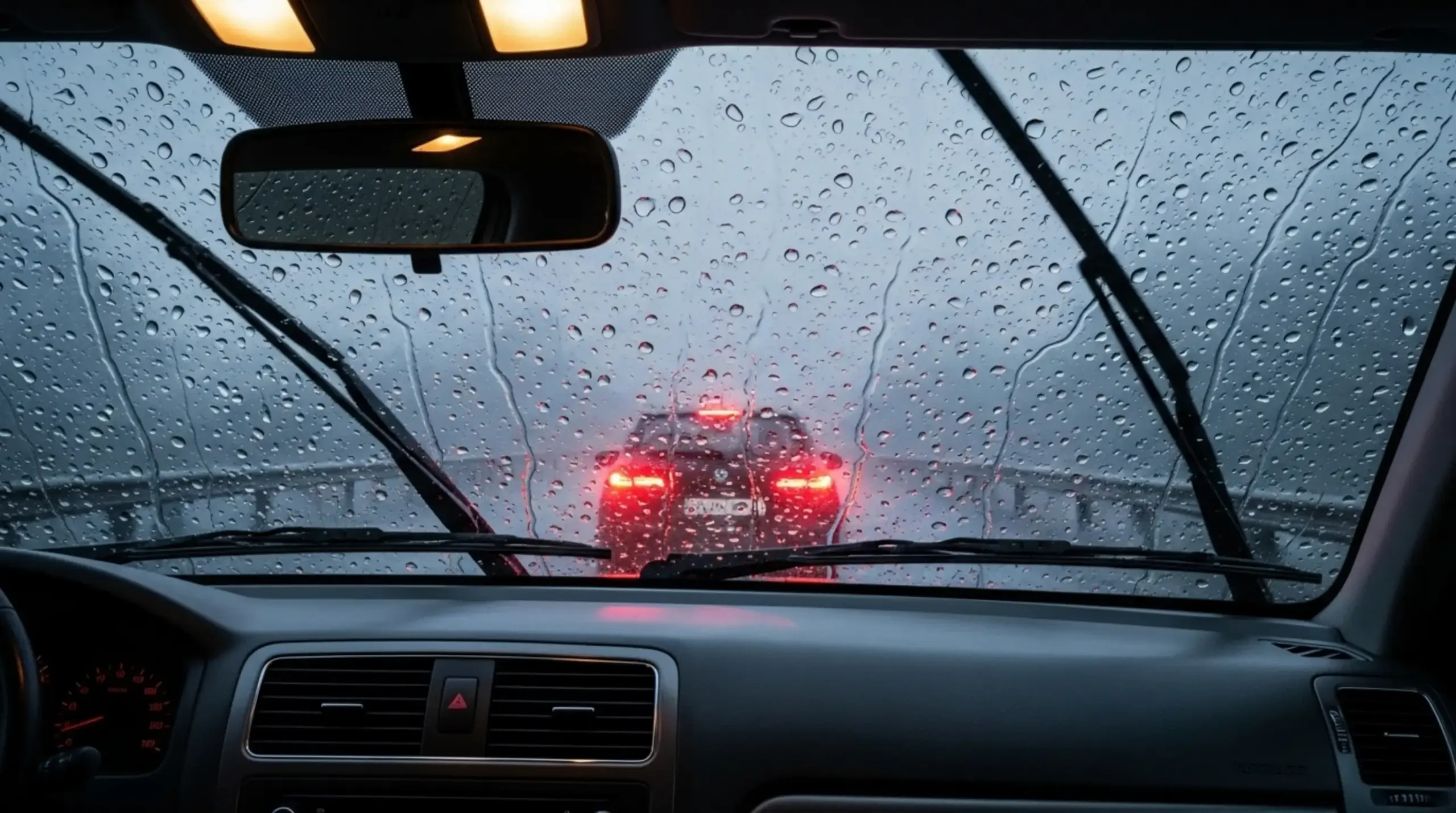
People who drive at night might also have an increased risk of getting into an accident. Driving at night means you have less visibility and are more likely to be blinded by oncoming headlights or your headlights when they reflect off objects like snow or raindrops on the road ahead.
You Can Reduce Those Risks and Protect Yourself and Others
There are a lot of things that can go wrong when you're driving. You could be involved in an accident, or you could be the one responsible for an accident.
Knowing your rights and responsibilities as a driver is essential if those things happen, so you can reduce those risks and protect yourself and others.
- Traffic collisions are a danger that you can't avoid. But you can reduce your risks and protect yourself and others.
- If you're driving, ensure your tires, brakes, and lights are all in good condition. Make sure your car is well-maintained and has a clean title.
- Be aware of the weather conditions around you and watch the road ahead. You should also be alert for pedestrians crossing without looking or signaling first.
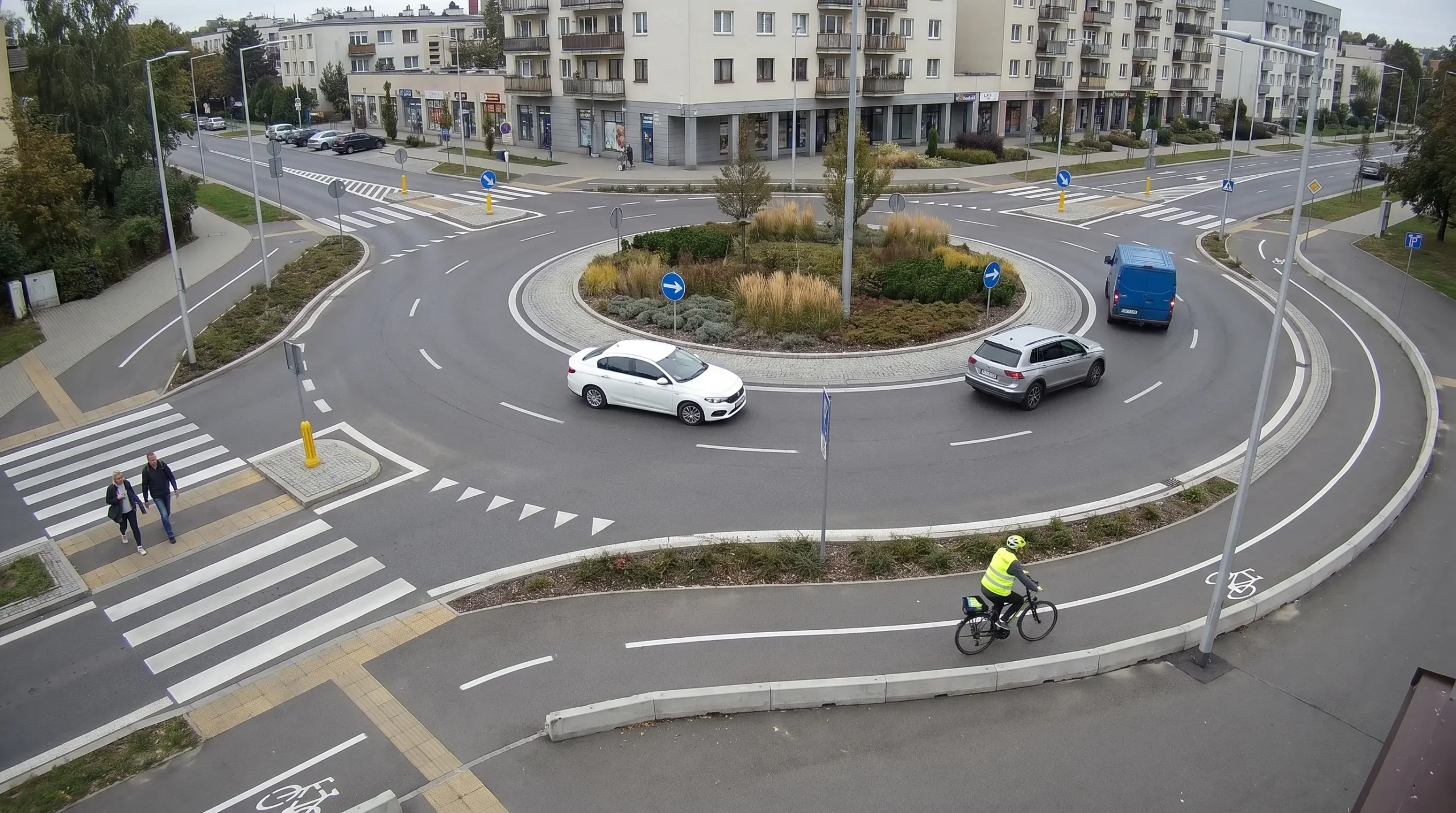
- If you're walking or biking, watch out for distracted drivers and stay out of their way as much as possible by using crosswalks and avoiding busy intersections where cars might not see you coming until it's too late (like during rush hour).
What's the Harm?
Traffic collisions can cause a lot of damage to your car, as well as to your body.
You must immediately seek medical attention if you're involved in an accident. The effects of the collision may not be felt immediately, so it's essential to take care of yourself even if you don't feel any pain or discomfort.
Traffic collisions can also cause a lot of physical damage to both vehicles and people. If you're involved in an accident, make sure that you report it to the police or other officials as soon as possible since they may need all the information they can get about what happened before they can make decisions about who was at fault for the collision.
Final Thoughts
Traffic collisions can have a devastating effect on both you and your vehicle. But the dangers of traffic collisions don't just stop there -- they can even affect bystanders and other drivers in other vehicles involved in the crash.
Knowing how to spot traffic collisions, how to drive safely in them, and what to do if you find yourself in one is essential knowledge for anyone on the road.