
Flying is an incredible thing. Getting into a metal tube and soaring through the sky never gets old. But that magic depends on one thing above all else. Safety. It is the foundation of everything in aviation. Without it, nothing else matters.
Passengers trust pilots with their lives. But that trust has to be won each and every day. Aviation academies carry a huge responsibility here. They shape the next generation of pilots and crew. They build safety habits that last an entire career. Let us look at how they make it happen.
Where It All Begins
Every skilled pilot starts somewhere. They begin as a student with big dreams and zero experience. The place where they learn sets the tone for everything.
Take Acron Aviation Academy, for example. Their whole approach revolves around building competent and confident professionals. Students do not just learn to fly. They learn to think like pilots. They absorb safety practices from day one. It becomes part of who they are. This foundation shapes how they handle every flight forever.
Classroom Lessons That Stick
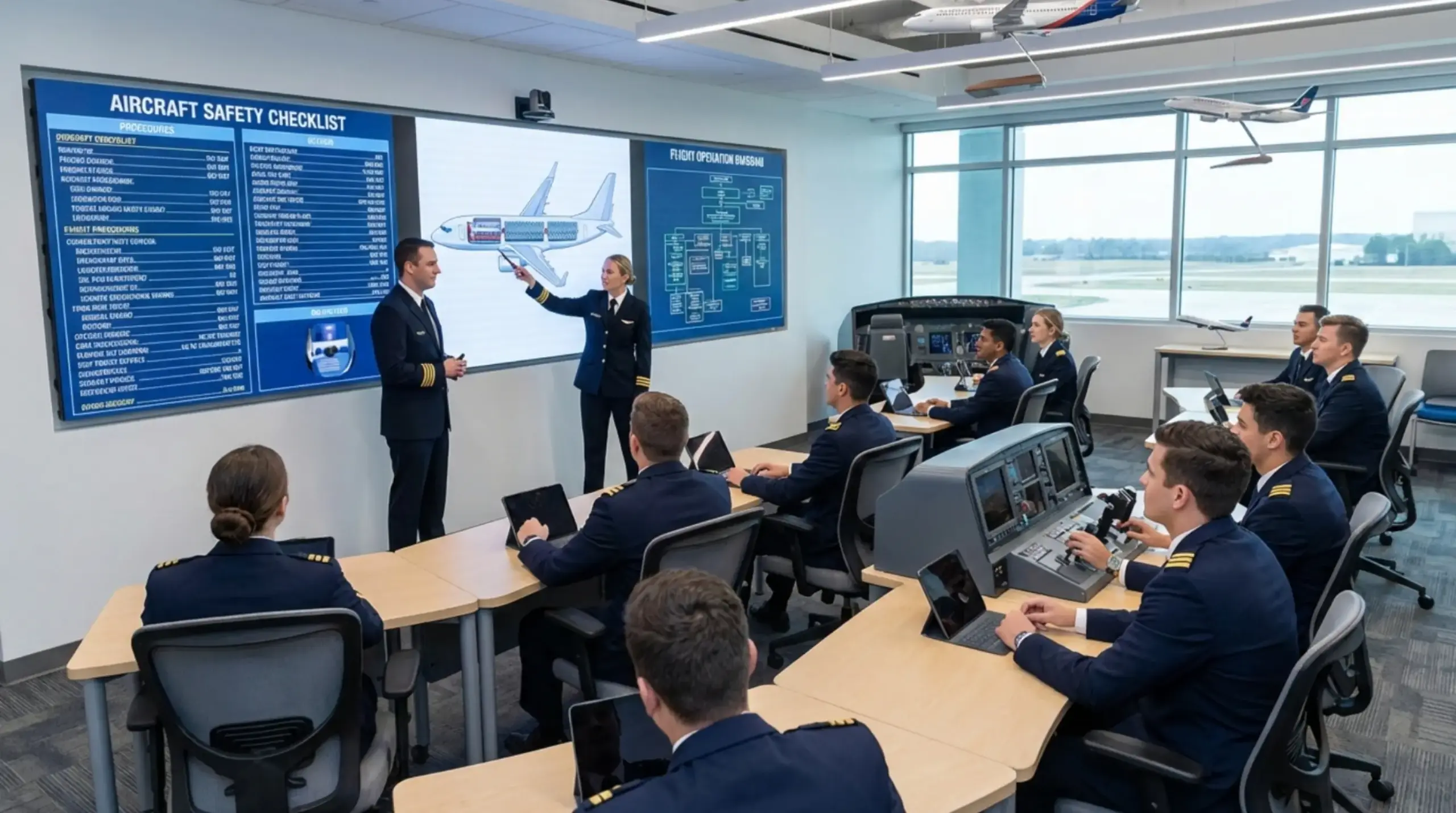
Ground school might sound boring to some. But it is where safety really takes root. Students study weather patterns and how they turn dangerous. They learn aircraft systems inside and out. They understand why checklists exist and what happens when people skip them.
Instructors share real stories from the field. They talk about mistakes made and lessons learned. These stories stick with students. They remember them years later when facing similar situations. The classroom builds knowledge that saves lives.
Practice Makes Perfect
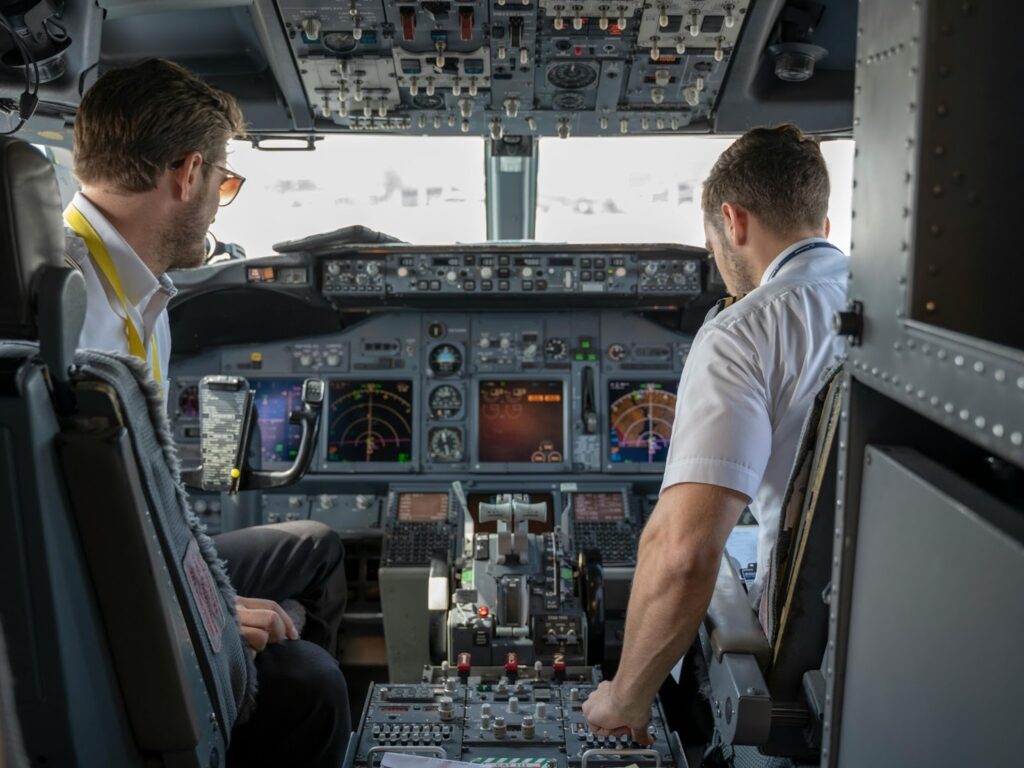
Books only go so far. Real learning happens in the cockpit. Flight instructors watch every move their students make. They correct bad habits before they become permanent. They push students to practice emergency procedures until reactions are automatic.
Engine failure at takeoff. Fire in the cockpit. Sudden weather changes. Students drill these scenarios over and over. When the real thing happens someday, muscle memory takes over. Panic stays away because the body knows what to do.
Learning From Mistakes
Nobody is perfect. Every pilot makes errors during training. The key is what happens next. Good academies create a culture where mistakes become lessons. Students debrief after every flight. They talk about what went wrong and why. Instructors ask questions instead of giving lectures. What were you thinking there? What would you change next time?
This reflection builds wisdom. Students learn to analyze their own performance. They become safer because they understand their own weaknesses.
Simulators Change Everything
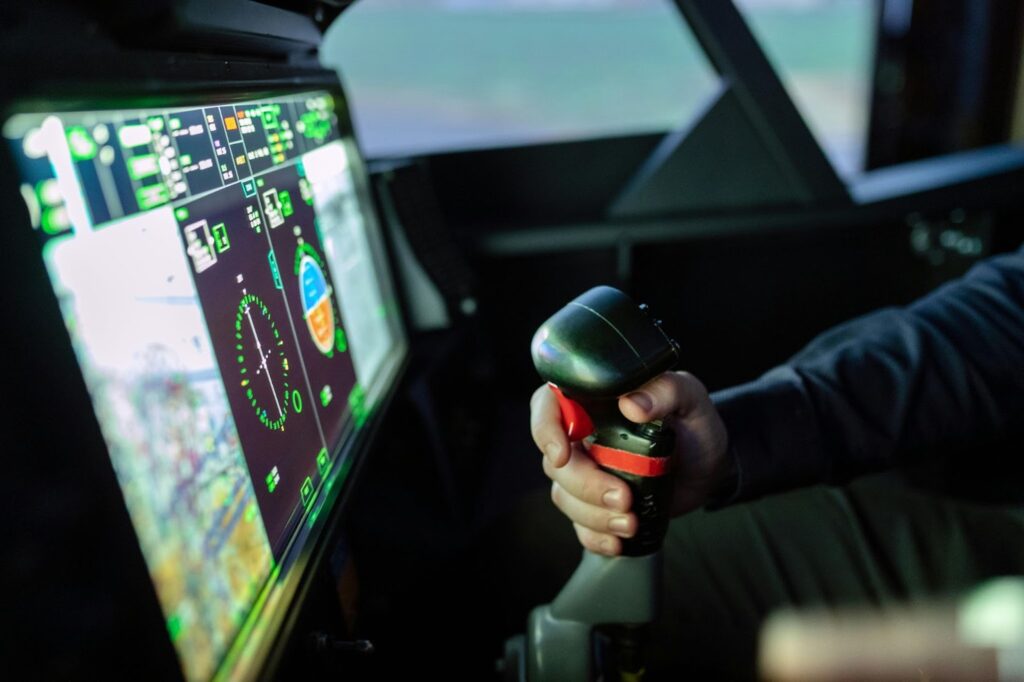
Modern simulators are incredible tools. They look and feel like real cockpits. Screens show realistic views outside the window. The motion matches actual flight. Instructors use these machines to create emergencies that would be too dangerous in real life.
Engine explosions. Complete electrical failure. Severe icing. Students face these challenges safely on the ground. They learn to stay calm when everything goes wrong. Simulators build experience without real risk. That is powerful training.
Crew Resource Management
Flying is not a solo sport anymore. Even single-pilot operations involve ground crews and controllers. Students learn to communicate clearly and effectively. They practice speaking up when something feels wrong. They learn to listen when others raise concerns.
This skill saves lives. History shows many accidents happen because someone stayed silent. Good training breaks that pattern. Students learn that safety is a team sport. Everyone’s voice matters.
Building Judgment and Discipline
Technical skill is only part of the equation. Good judgment matters just as much. Students learn to evaluate risks honestly. They practice saying no to pressure. A flight looks fun but weather is turning bad. A passenger wants to push on despite low fuel.
These situations test character. Academies teach students to make hard calls. They learn that canceling a flight takes more courage than pushing through. Discipline becomes a habit. Safety always wins over schedule.
Staying Current Forever
Graduation does not end the learning. Smart pilots keep training their whole careers. Academies encourage this mindset from the start. They show students how to pursue additional ratings.
They explain why recurrent training matters. Weather changes. Regulations update. Aircraft evolve. Staying safe means staying current. Students leave knowing they must keep learning. Safety is not a destination. It is a continuous journey.
Passing It On
The best students become instructors someday. They pass their knowledge to the next generation. This cycle keeps safety alive across decades. Those early lessons travel forward through time. A student learns something from an instructor. Years later, they teach it to someone else. The wisdom spreads and grows.
Aviation stays safe because each generation builds on the last. Academies create this chain of learning. They plant seeds that bloom for years to come.