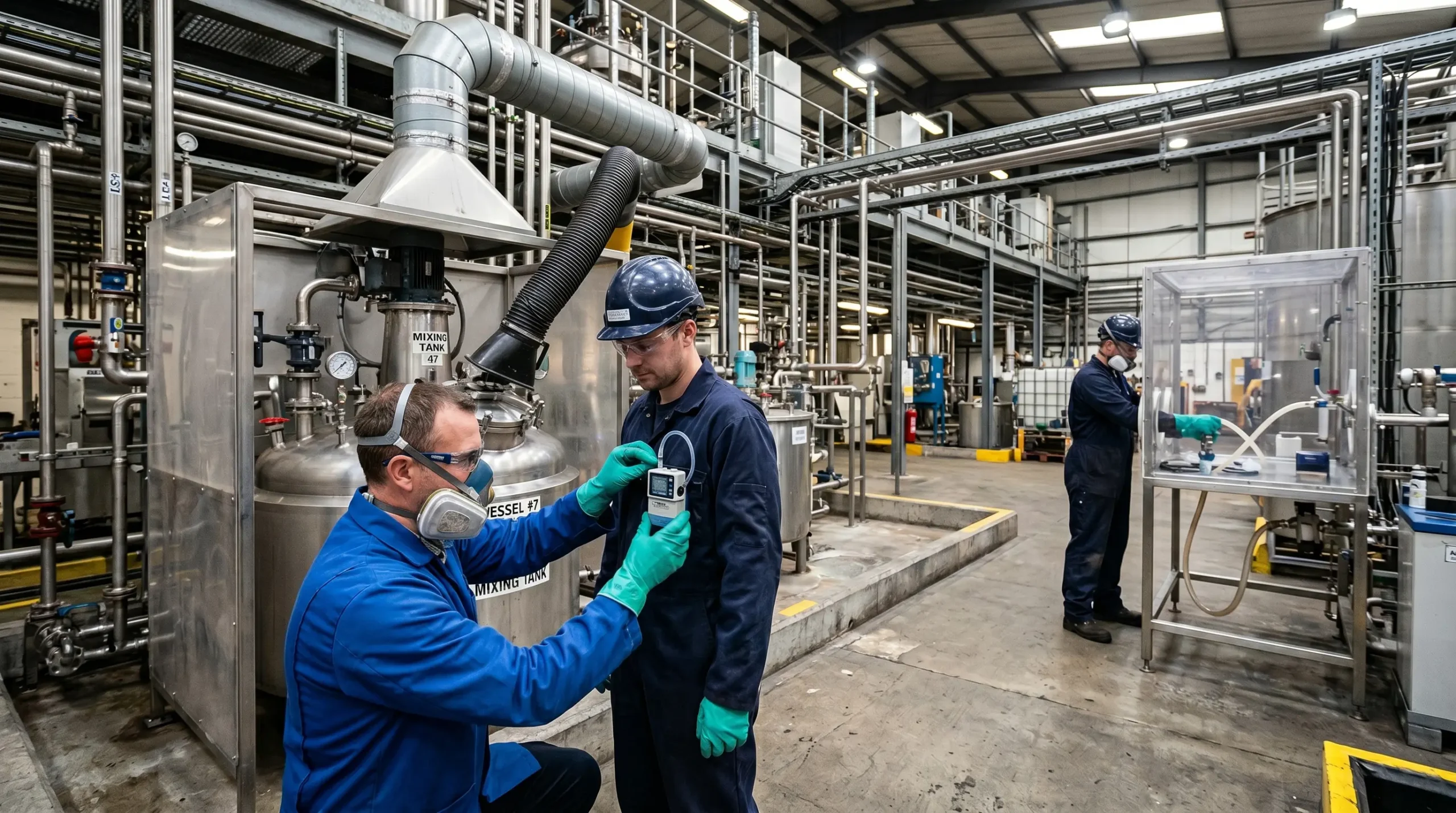
Hazard Identification & Risk Assessment (HIRA) Guide
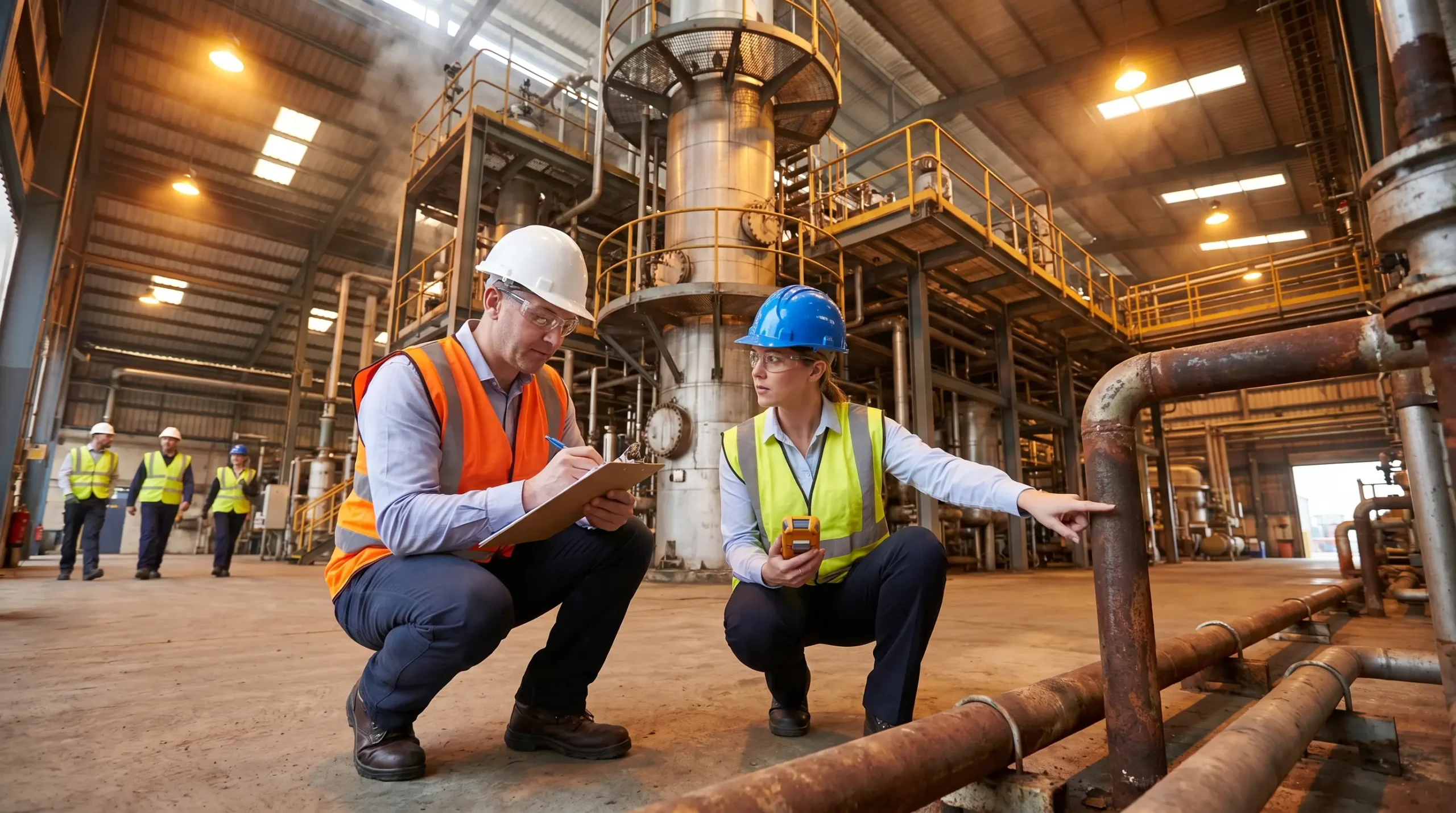
Two industrial workers in safety gear inspect corroded pipes inside a large manufacturing facility with metal structures and equipment visible in the background.

TL;DR: I was three days into a turnaround at a gas processing facility in the Gulf when the scaffolding crew started erecting a platform over a live process line. The permit was in place. The method statement was signed. But nobody — not the scaffold supervisor, not the area authority, not the issuing authority — … Read more
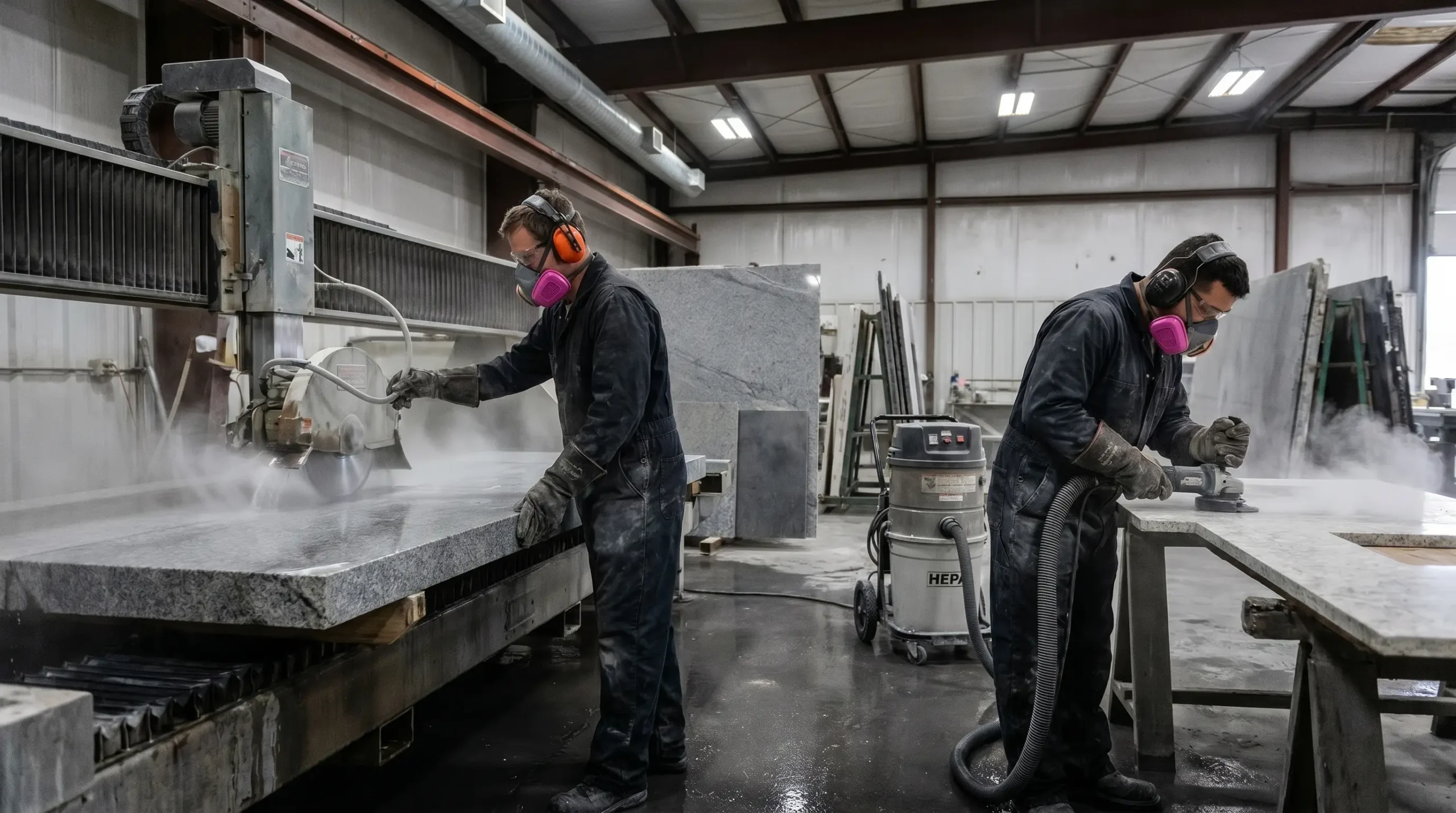
Silicosis: Causes, Symptoms, Types & Prevention Guide (2025)

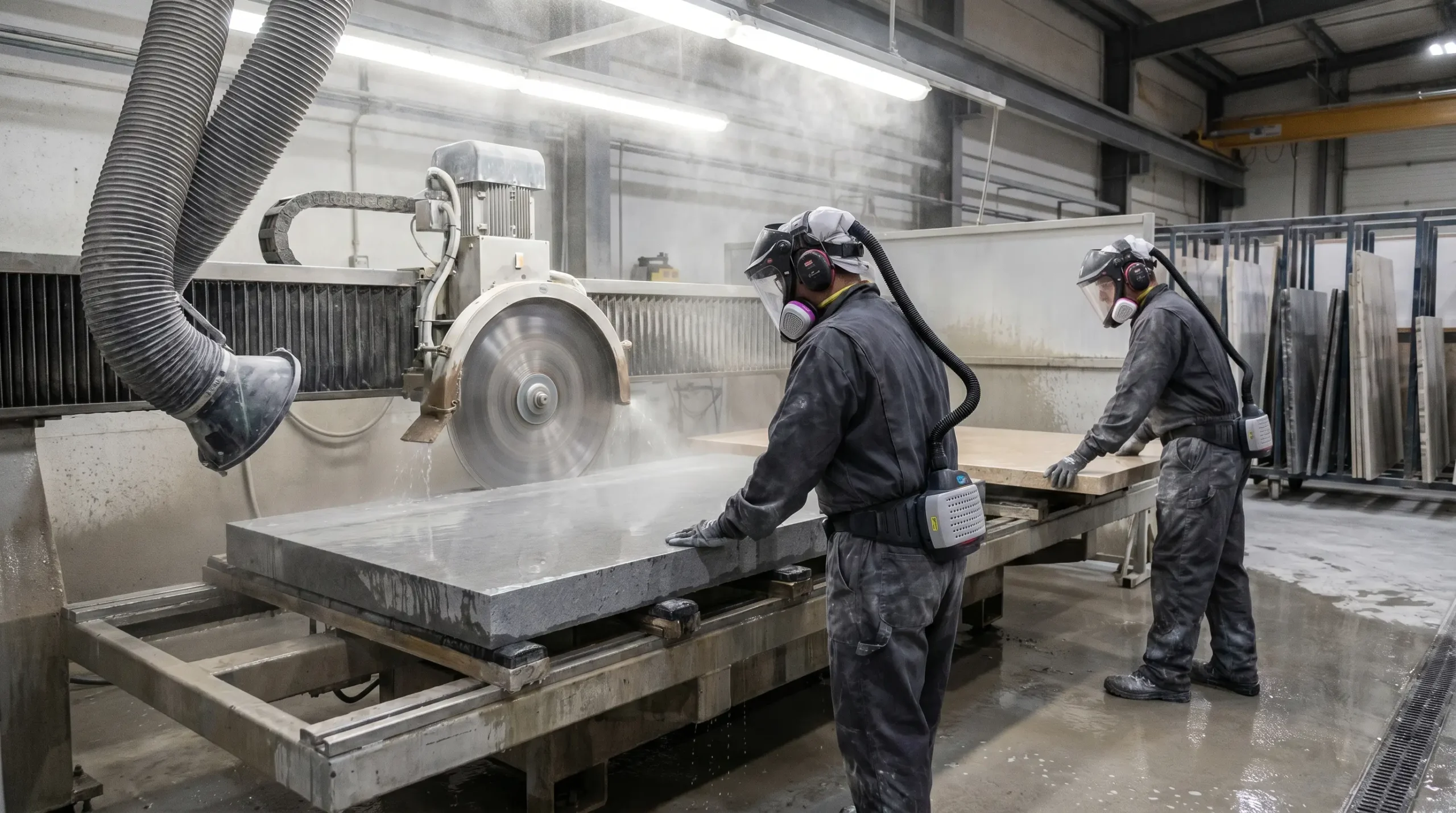
Workers in protective gear and respirators operate a large wet saw cutting stone slabs in an industrial workshop with dust extraction equipment and fluorescent lighting.

TL;DR — Myth vs Reality Silicosis is an irreversible occupational lung disease caused by inhaling respirable crystalline silica dust — fine particles generated when materials like concrete, sandstone, or engineered stone are cut, ground, or drilled. These particles scar the lungs, progressively destroying breathing capacity. There is no cure. Silicosis is entirely preventable through effective … Read more

What Is a Hole Watcher? 10 Key Responsibilities Explained

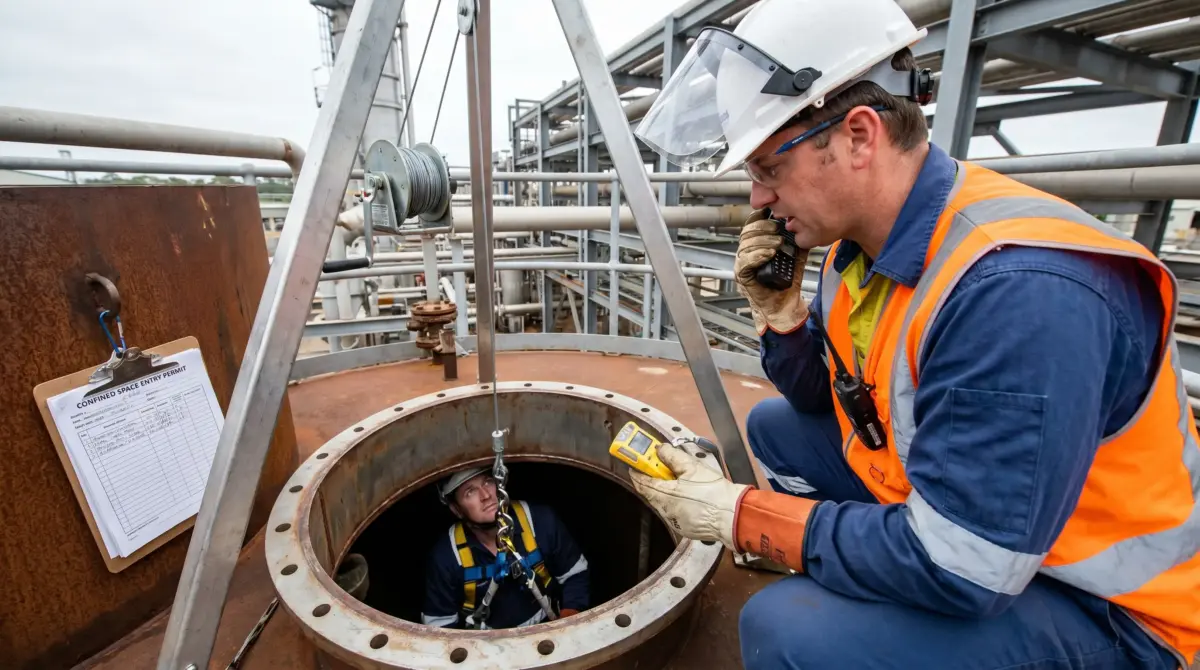
Worker in safety gear communicates by radio while monitoring a colleague inside a confined space entry point at an industrial refinery or processing facility.

TL;DR A hole watcher is a safety professional stationed outside a permit-required confined space to monitor workers inside, control access, track atmospheric conditions, and initiate emergency response. The term is an industry colloquialism for the OSHA-defined “attendant” role under 29 CFR 1910.146. In the UK, the equivalent role is called a “top man” or “safety … Read more

Categories PTW

10 Key PTW Holder Roles and Responsibilities | HSE Guide

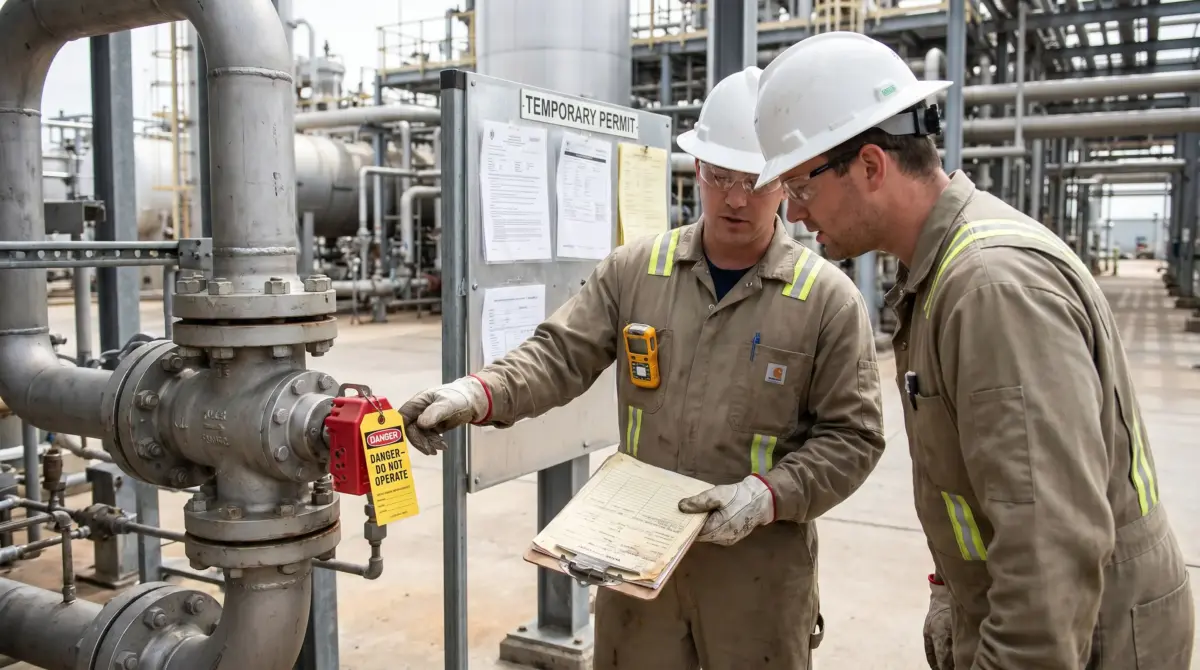
Two industrial workers in safety gear inspect equipment at a refinery, reviewing documentation at a valve station marked with a danger tag.

TL;DR A PTW holder — also called the performing authority or permit receiver — is the person who accepts personal accountability for executing hazardous work safely under the conditions of a live permit-to-work. Their responsibilities span verifying worksite conditions before acceptance, briefing the work team on hazards and controls, maintaining safety measures throughout the task, … Read more

Categories PTW

Functions of Labour Inspection & Inspector Actions After a Visit

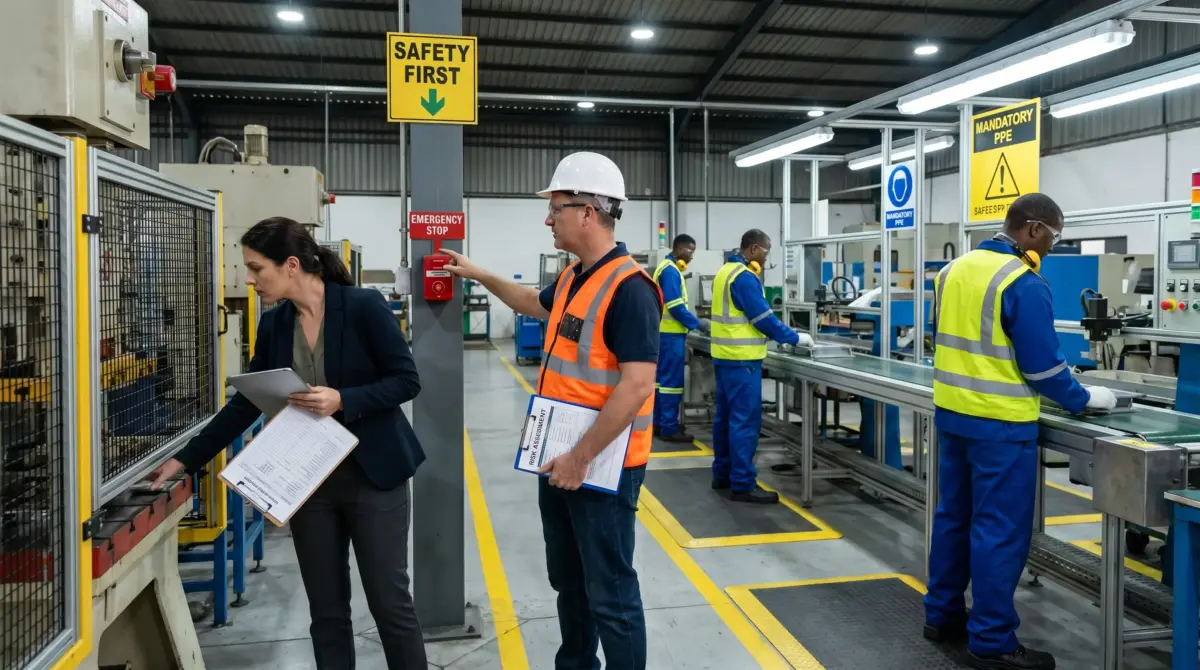
Industrial factory floor with safety-focused environment showing workers in hard hats and high-visibility vests conducting inspections near machinery, with prominent safety signage including "Safety First" and "Mandatory PPE" signs.

TL;DR Labour inspectors exist to enforce workplace safety and health legislation, advise employers and workers on compliance, and report systemic defects to regulatory authorities. Their powers derive from international standards — principally ILO Convention No. 81, ratified by 151 member states (ILO, 2024) — and are implemented through national legislation such as the UK Health … Read more

What Is TRIR? Formula, Calculation & Reduction Guide

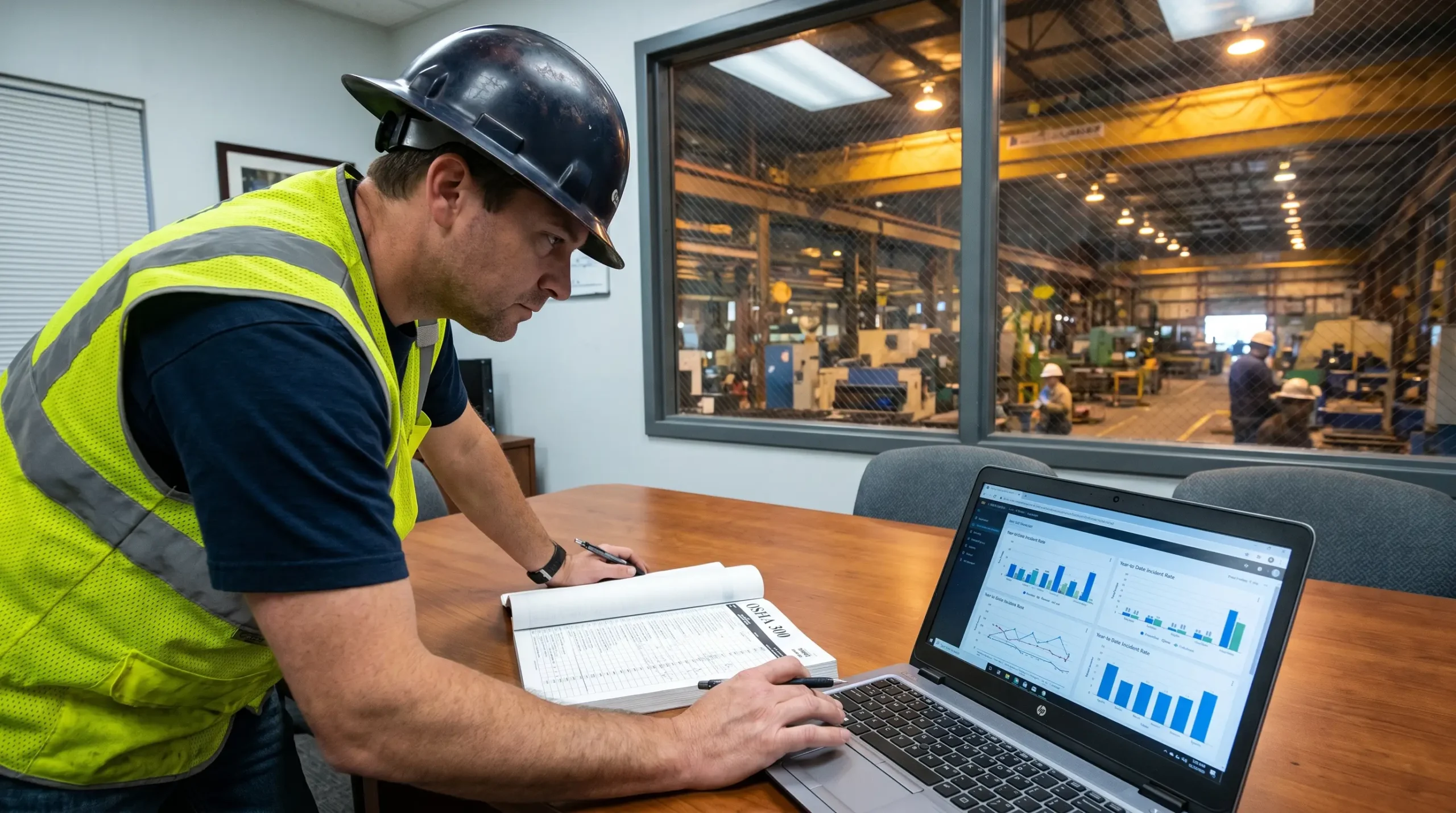
Construction worker in safety vest and hard hat reviews data charts on laptop while taking notes at desk, with industrial factory floor visible through windows behind him.

TL;DR I was reviewing a contractor’s pre-qualification package for a petrochemical turnaround project in the Gulf when a single number made me stop reading. Their Total Recordable Incident Rate was 8.4. For context, the industry average for petroleum refining hovers around 1.2. That number told me more about their safety culture, management commitment, and field … Read more

Occupational Cancer: Risk Factors, Carcinogens & Prevention Guide

Industrial workers in safety gear conduct equipment inspection and maintenance inside a large manufacturing facility with metal tanks, piping systems, and metal-framed structures.

TL;DR — Key Numbers Occupational cancer is cancer caused wholly or partly by exposure to carcinogenic substances, processes, or conditions at work. Common types include lung cancer, mesothelioma, and bladder cancer. With latency periods often exceeding 10–40 years, today’s diagnoses reflect past workplace conditions. An estimated 2–8% of all cancers globally are attributable to occupational … Read more

Young Workers Safety: Legal Duties & Risk Assessment Guide

Two workers wearing safety hard hats, orange reflective vests, and protective eyewear review blueprints together in an industrial manufacturing facility with machinery in the background.

TL;DR Employers of workers under 18 — and under 25 in some jurisdictions — owe specific legal duties beyond general worker safety. These include a pre-start young person’s risk assessment, prohibited-work compliance, and proportionate-to-inexperience supervision under MHSWR 1999 Reg 19 (UK), Directive 94/33/EC (EU), the FLSA Hazardous Occupations Orders at 29 CFR Part 570 Subpart … Read more

Silica Dust Exposure: Hazards, Limits & Controls Guide

Two workers in safety gear use water jet cutting equipment to process large stone slabs in an industrial warehouse facility.

TL;DR — Key Numbers Silica dust exposure occurs when workers cut, drill, grind, or crush materials containing crystalline silica, generating respirable particles that cause irreversible lung disease including silicosis, lung cancer, and COPD. Occupational exposure limits range from 25 µg/m³ (ACGIH TLV) to 100 µg/m³ (UK WEL), with OSHA setting its PEL at 50 µg/m³. … Read more