How to Implement a Management of Change Procedure

How to Implement a Management of Change Procedure
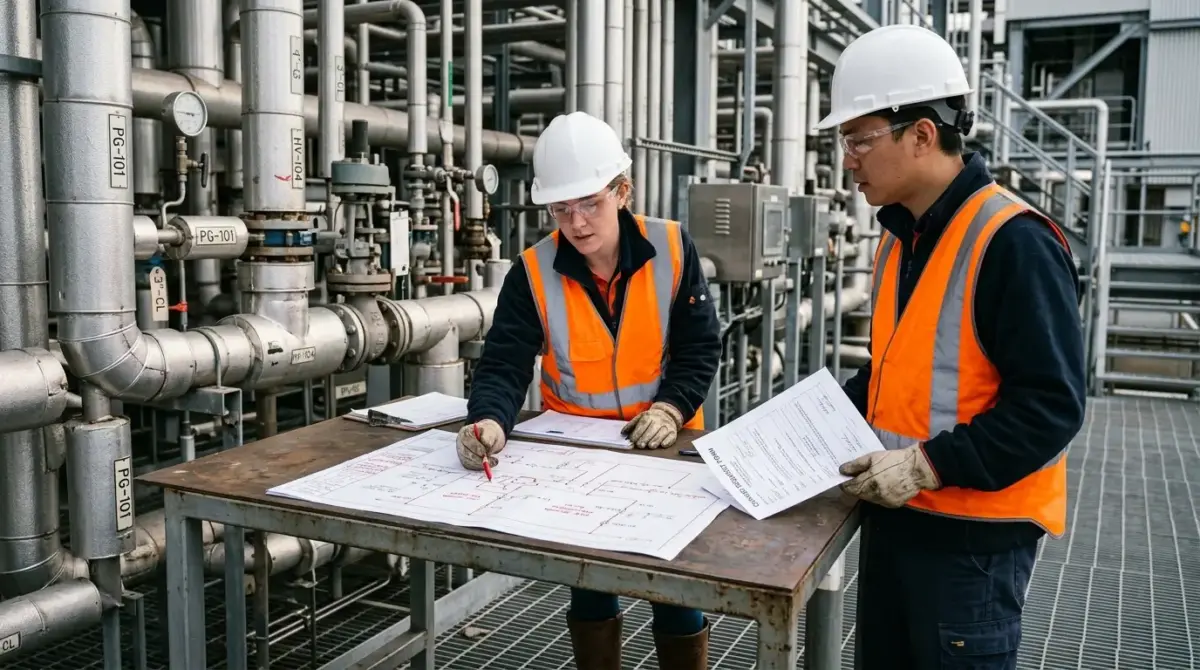
TL;DR To implement a management of change procedure, define which changes require review, set risk-based authorization tiers, and route each change through a documented workflow: initiation, technical and hazard review, approval, controlled implementation, training, a pre-startup safety review, and formal closeout. The procedure must update affected process safety information and remain auditable. A written management … Read more

Battery Energy Storage Safety: Fire & Chemical Risks

Two electricians in safety gear inspect electrical panels with orange cables in a modern server or utility room, one crouching with a tablet and another standing reviewing documentation.

TL;DR Battery energy storage safety centres on two linked hazards: thermal runaway fire and the toxic, flammable gas that lithium-ion cells release when they fail. Effective protection combines quality cells, cell-to-cell barriers, gas detection, ventilation, deflagration control, and an emergency plan built with the fire service — because suppression alone rarely stops a propagating event. … Read more

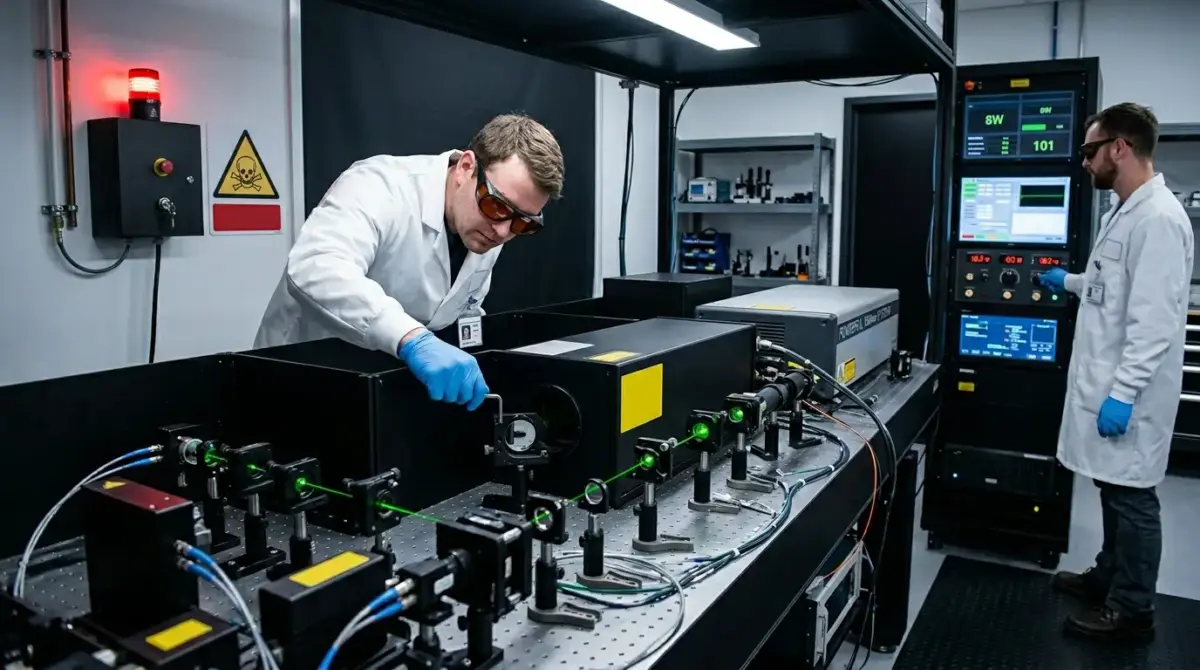
Laser Safety: Classes, Hazards, and Controls Explained

Two scientists in lab coats and protective eyewear work with laser and optical equipment on an optical bench in a modern laboratory, with control panels and monitoring displays visible in the background.

TL;DR Laser safety is the set of engineering controls, administrative procedures, and personal protection used to prevent injury from laser radiation. It classifies every laser by hazard — from Class 1 to Class 4 — then matches controls to that class, protecting the eyes and skin from beams and from non-beam dangers like fire, fumes, … Read more

Cryogenic Hazards: Risks and Safety Measures Explained

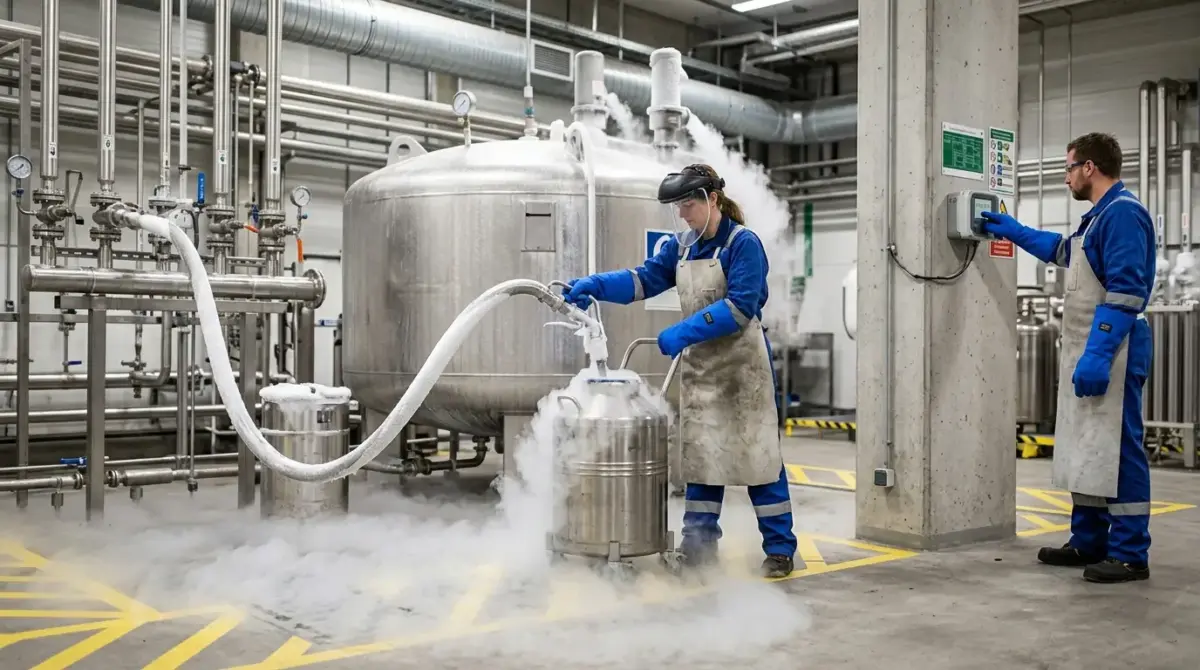
Two workers in blue uniforms handle liquid nitrogen transfer equipment in an industrial facility, with visible vapor and large storage tanks in the background.

TL;DR — The numbers that define cryogenic risk Cryogenic hazards are the cluster of dangers created when liquids stored below roughly –180 °C are used or released: rapid asphyxiation from oxygen displacement, severe cold burns and frostbite, violent overpressure as liquid flashes to gas, embrittlement of metals, and fire risk from oxygen enrichment. The cold … Read more

Audiometry Program Setup: OSHA & UK Hearing Surveillance

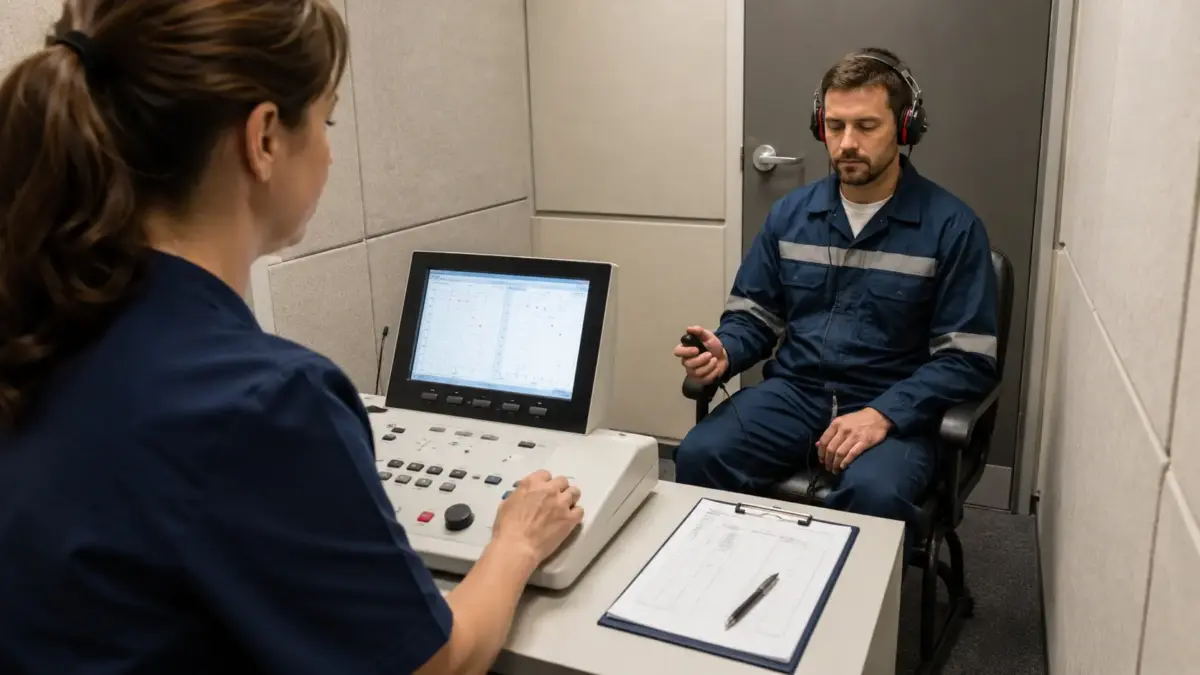
Audiologist conducting a hearing test with a male patient wearing headphones in a soundproof booth, with testing equipment and results displayed on a monitor.

TL;DR — The Numbers That Govern Setup An audiometry program becomes a legal requirement once noise exposure reaches the action level — an 8-hour average of 85 dBA under OSHA’s 1910.95 in the US, or 85 dB(A) under the UK’s 2005 Noise Regulations. Setup requires a defined exposed cohort, a qualified professional supervisor, calibrated equipment, … Read more

Plastics Manufacturing Safety: Key Hazards & Controls

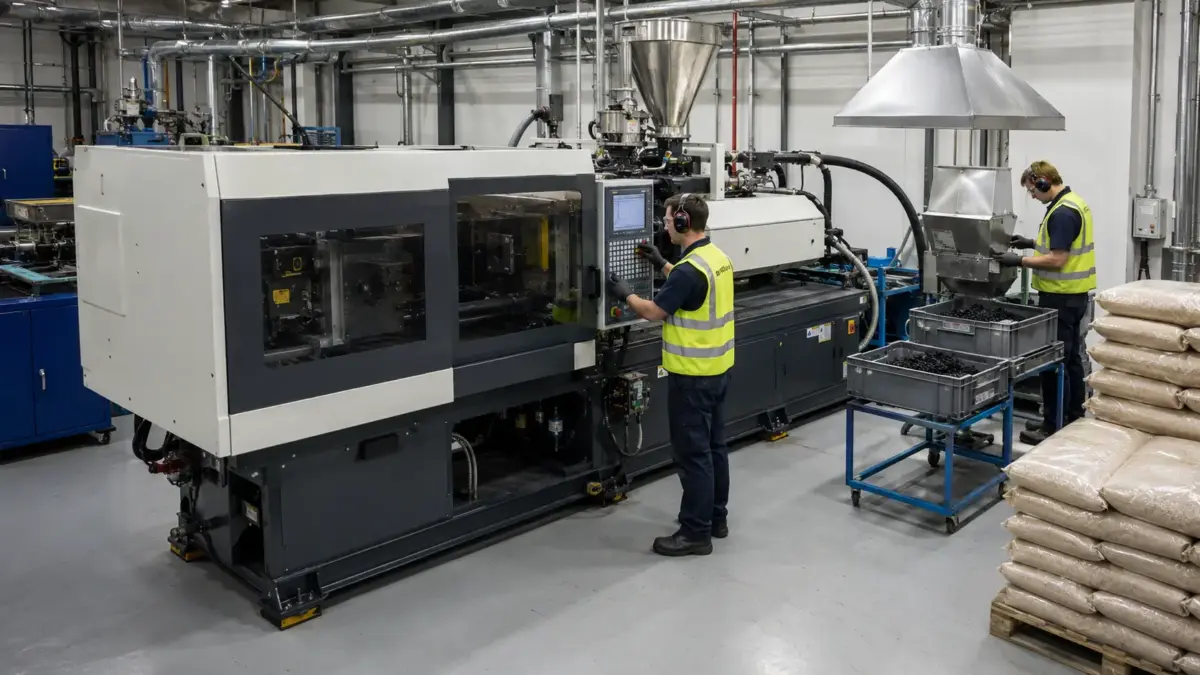
Two workers in high-visibility vests operate an industrial injection molding machine in a manufacturing facility, with stacks of packaged materials visible on the right side.

TL;DR Plastics manufacturing exposes workers to seven main hazard families: mechanical and machine-guarding hazards (the leading cause of amputations), thermal burns from molten polymer, chemical and fume exposure, combustible-dust and fire hazards, noise, ergonomic strain, and electrical or stored-energy hazards. Each is controlled using the hierarchy of controls, prioritising engineering controls over PPE. Twenty-nine workers … Read more

Substation Safety: Hazards, Access & Controls Explained

An electrical utility worker in orange safety gear inspects high-voltage insulators and transmission equipment at a power substation with metal towers and transformers.

TL;DR — The Numbers That Define Substation Safety Substation safety means controlling access and three hazard families — electrical, physical, and chemical — inside a facility full of exposed, energized equipment. Only authorized personnel may enter. Qualified persons may approach live parts within set minimum approach distances, while non-qualified workers need authorization, hazard training, an … Read more

Workplace Cleaning and Disinfection Procedures: A Safe Guide

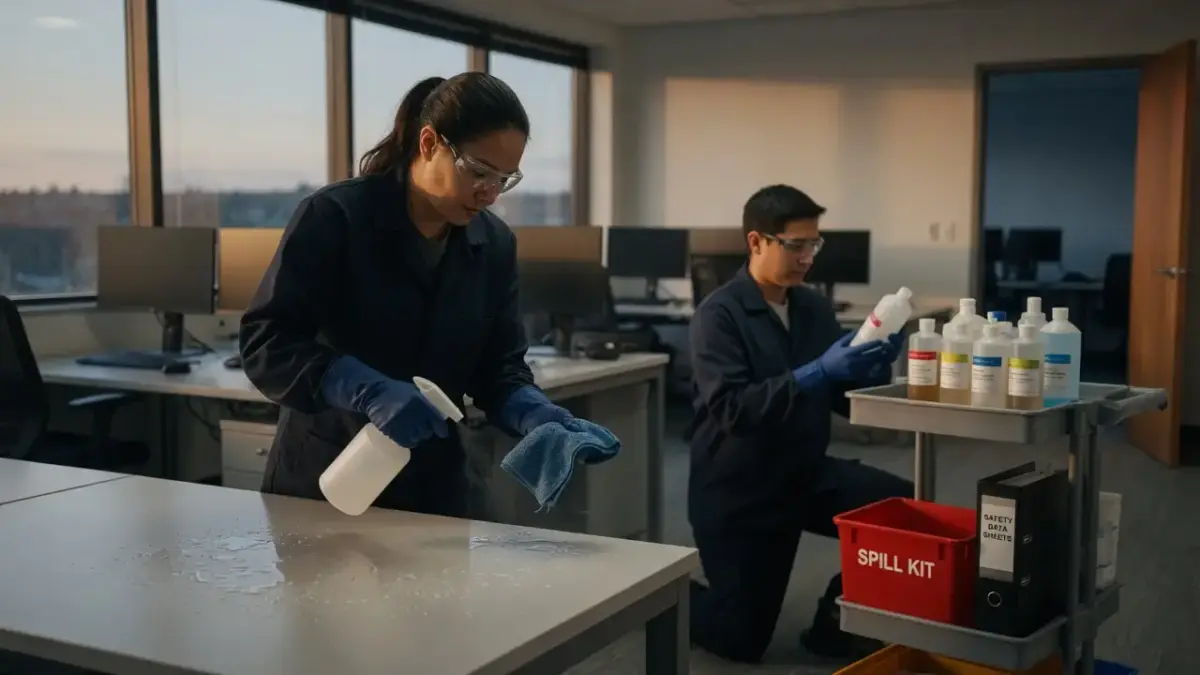
Two laboratory technicians wearing protective gloves and safety glasses clean a modern office workspace, with chemical bottles and a red spill kit visible on a cart behind them.

TL;DR Workplace cleaning and disinfection procedures follow one fixed order: clean visible soil first, then apply an approved disinfectant at the correct dilution and keep the surface wet for the full label contact time. Disinfection is reserved for high-touch surfaces, illness in the space, and blood or body-fluid spills — not applied to every surface … Read more

Hire Equipment Safety Responsibility: Who Is Liable? (UK)

Two construction workers in safety gear inspect and secure a yellow telescopic handler on a flatbed trailer at an equipment yard.

TL;DR Who Is Legally Responsible for Hired Equipment Safety? Responsibility for hired equipment safety is shared and concurrent — not transferred. In Great Britain, the hire company must supply equipment that is safe and properly examined at the point of hire, while the hiring business that controls the work is responsible for safe use, suitability, … Read more

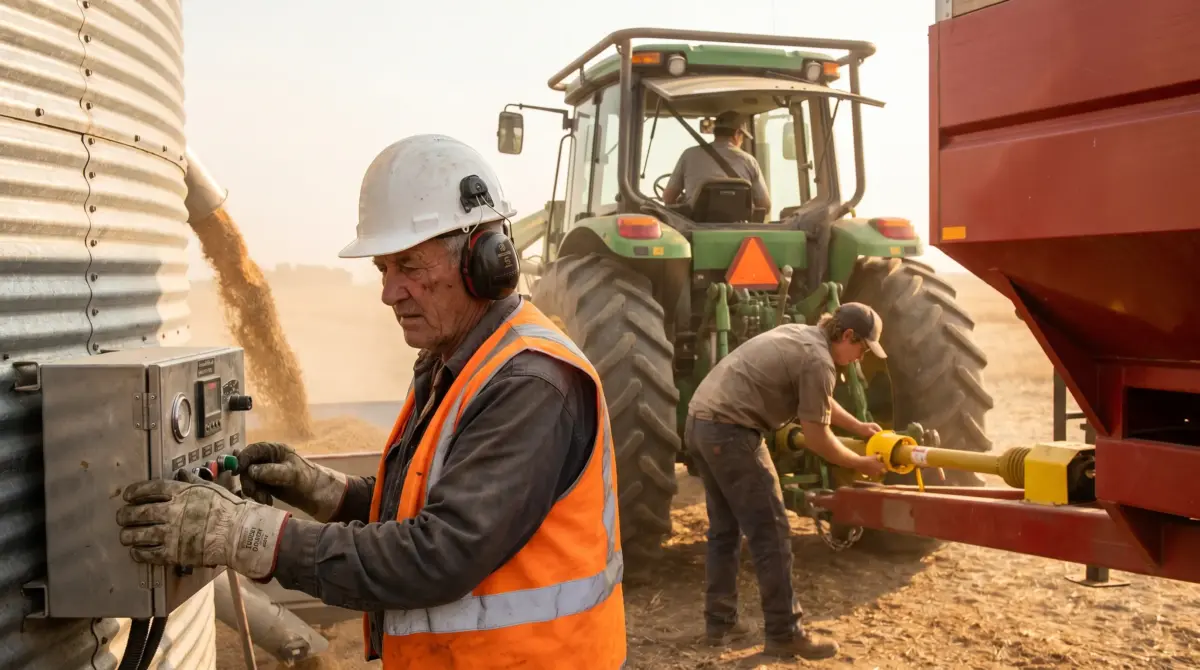
Farm Safety Hazards and Controls: Top 10 Risks (US & UK)

Worker in safety vest and hard hat operates grain auger while tractor and combine harvester work in dusty farm field during harvest season.

TL;DR — The Numbers That Define Farm Risk The top 10 farm hazards are tractor and machinery rollovers, vehicle and ATV incidents, machinery entanglement, grain-bin engulfment and confined-space gases, livestock handling, falls from height, chemical and pesticide exposure, respiratory hazards, heat stress, and electrical contact. Each is controlled best by elimination or engineering controls before … Read more