Maritime Safety Hazards and Regulations: A 2026 Practitioner Guide

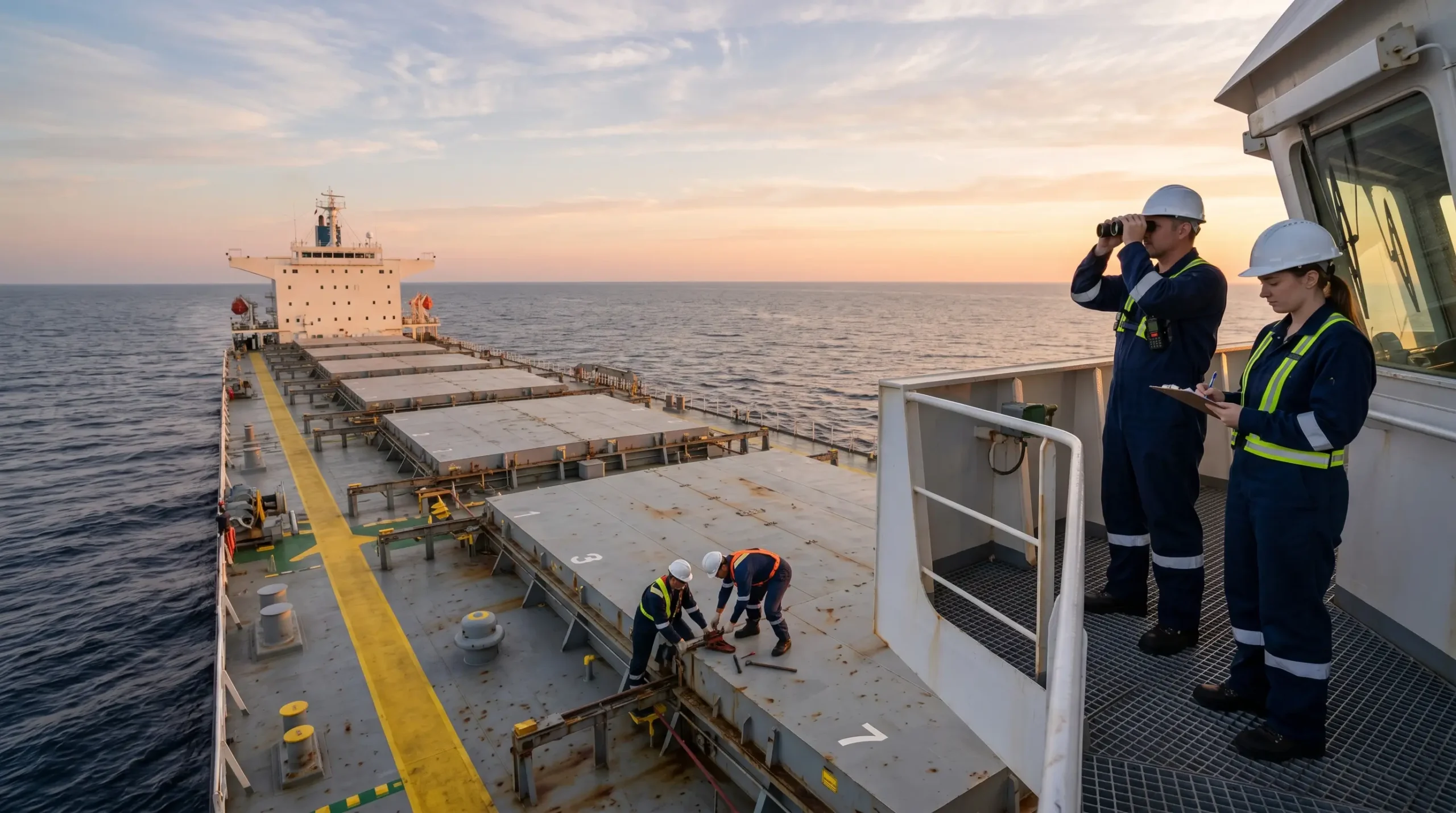
Workers in hard hats and safety vests conduct inspection and maintenance operations on the deck of a large cargo tanker ship at sea during golden hour.

TL;DR Maritime safety addresses shipboard hazards ranging from slips and falls to enclosed-space fatalities, fire, collision, mooring injuries, and seafarer illness. It is governed primarily by four international instruments — SOLAS, MARPOL, STCW, and MLC 2006 — supported by the ISM, ISPS, COLREG, and IMDG Codes, and enforced through flag-state certification and port state control … Read more

Pneumatic Tool Safety: Hazards, Controls & OSHA Rules

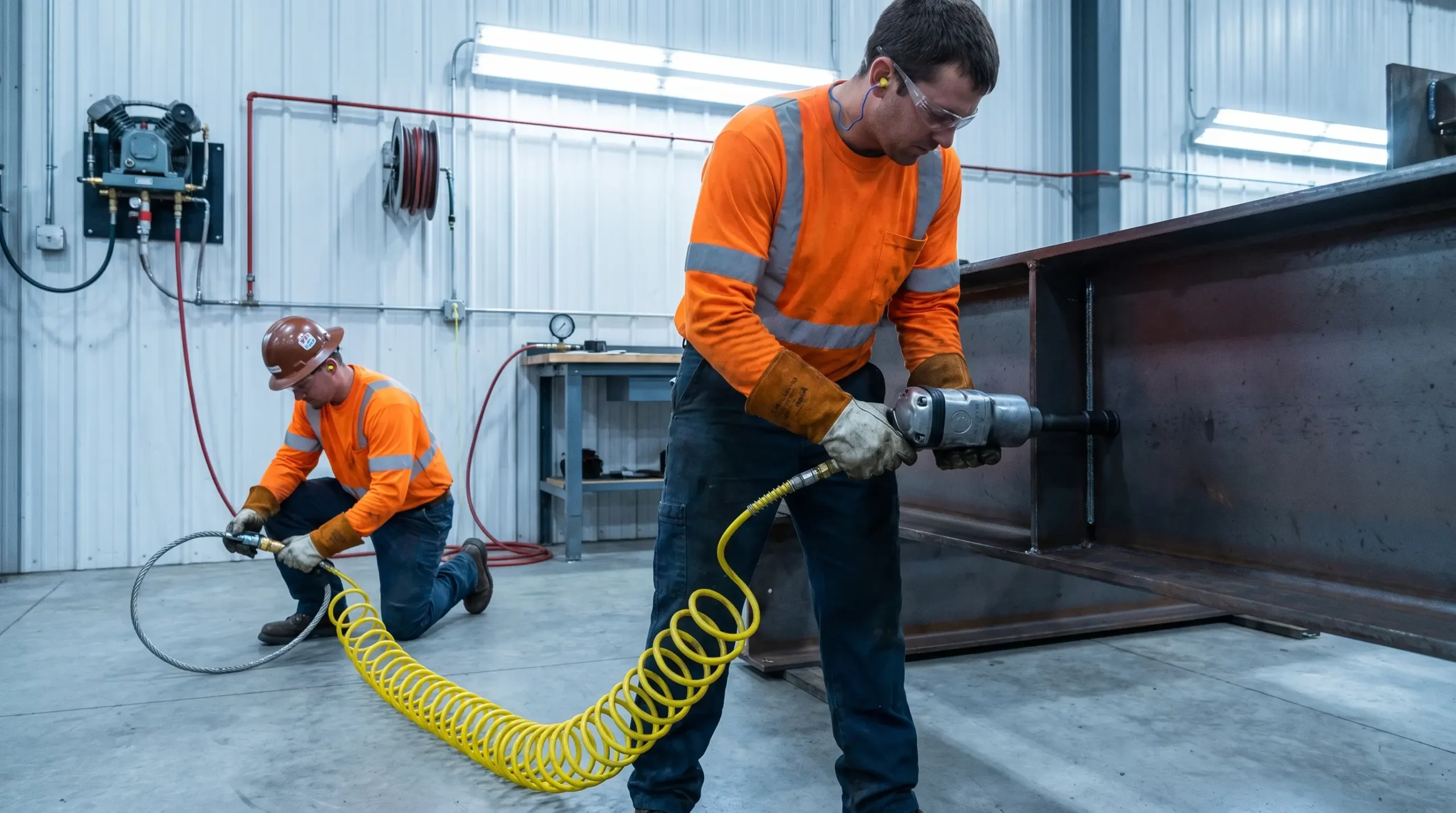
Two workers in safety gear and orange vests connect a yellow coiled air hose in an industrial warehouse setting with metal walls and overhead lighting.

TL;DR: Pneumatic Tool Safety in Numbers Pneumatic tool safety covers four hazard classes — projectile fasteners, hose whip from pressurised connections, noise exposure, and hand-arm vibration — managed through the hierarchy of controls. Substitution (sequential-trigger nail guns, low-vibration models), engineering controls (retainers, whip checks, regulators), administrative controls (pre-use inspection, training), and PPE together close the … Read more

What Are Abrasive Wheels? Hazards and Safety Rules Explained

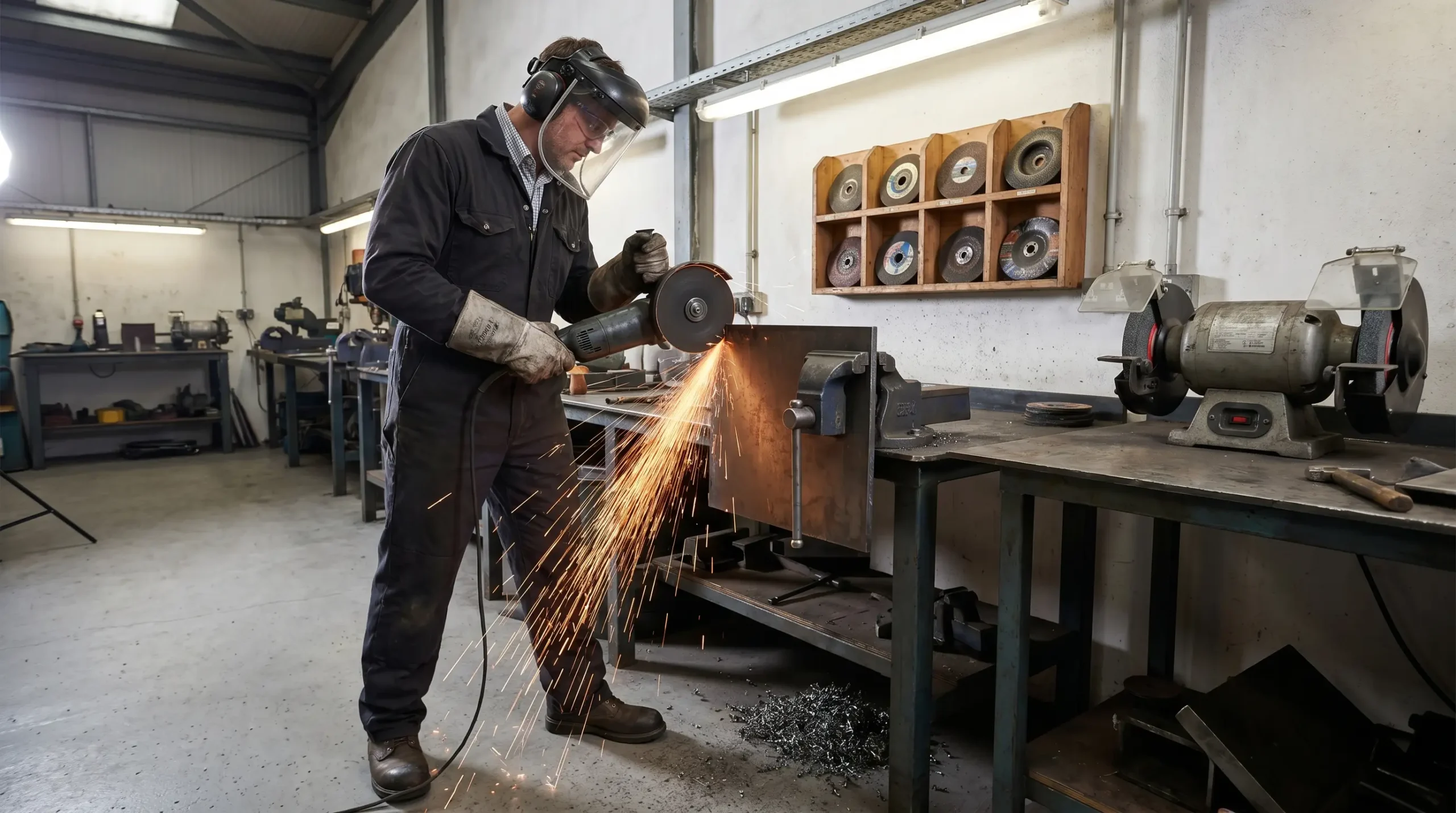
A skilled metalworker wearing protective gear uses an angle grinder to cut metal in a workshop, with sparks flying as he works at a table surrounded by grinding wheels and industrial equipment.

TL;DR — The Numbers That Define This Hazard Abrasive wheels are bonded tools of abrasive grains held together by inorganic or organic bonds, used for grinding, cutting, and finishing. They operate at 6,000–15,000 RPM and present hazards including wheel burst, contact injuries, flying fragments, dust, noise, and hand-arm vibration. Safe use is governed by PUWER … Read more

Oil and Gas Hazards and Control Measures: Top 10 Risks

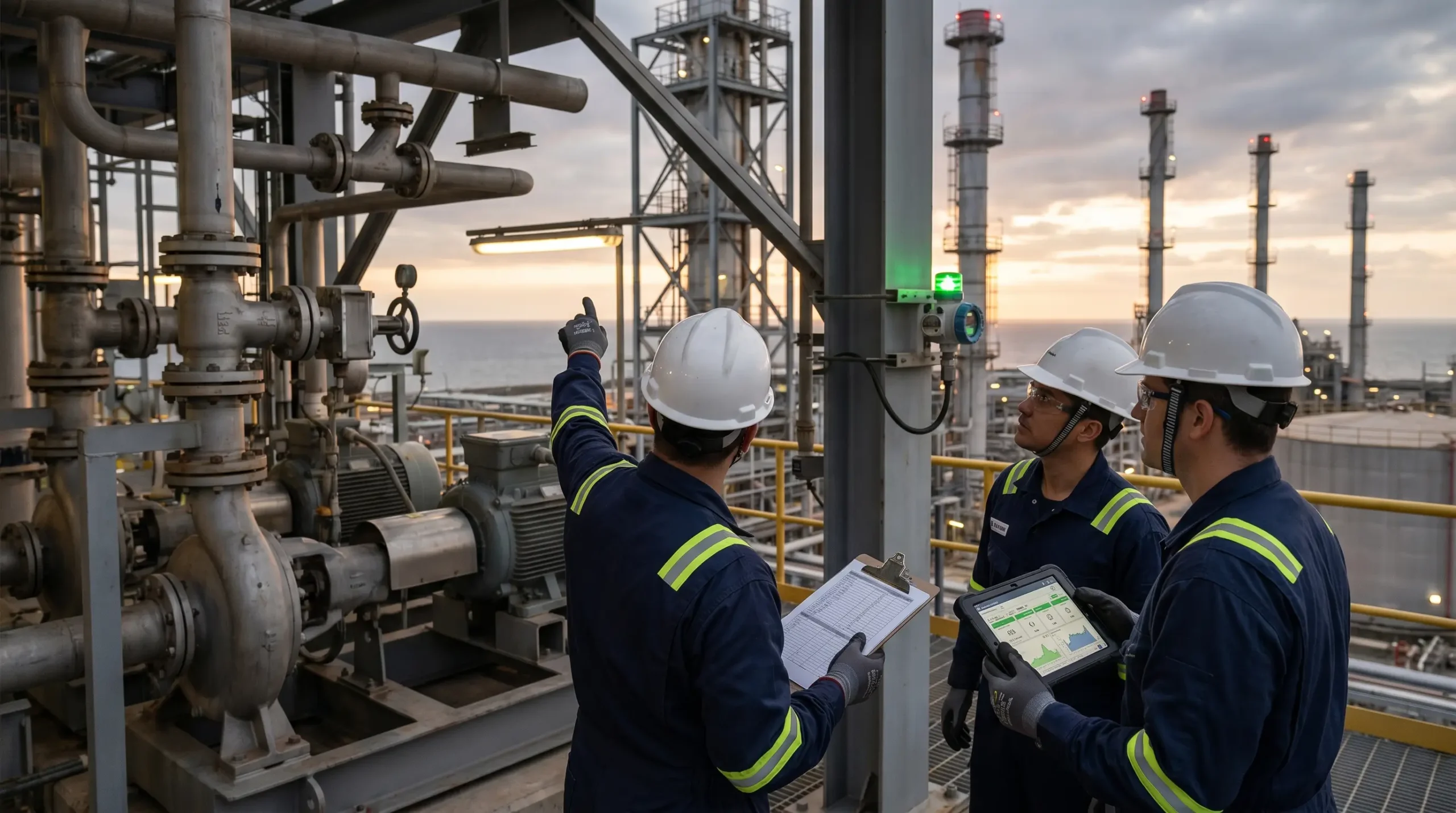
Three industrial workers in hard hats and safety vests inspect equipment on an offshore oil and gas refinery platform at dusk, with one holding a clipboard and another using a digital tablet.

Thirty-two people went to work in our industry in 2024 and did not come home. The IOGP Safety Performance Indicators 2024 Data report records those 32 fatalities across 21 separate incidents — more than the 27 recorded the year before. Set against the decade-long picture, where the fatal accident rate has dropped by roughly 36%, … Read more

Static Electricity Workplace Hazards & Controls Guide

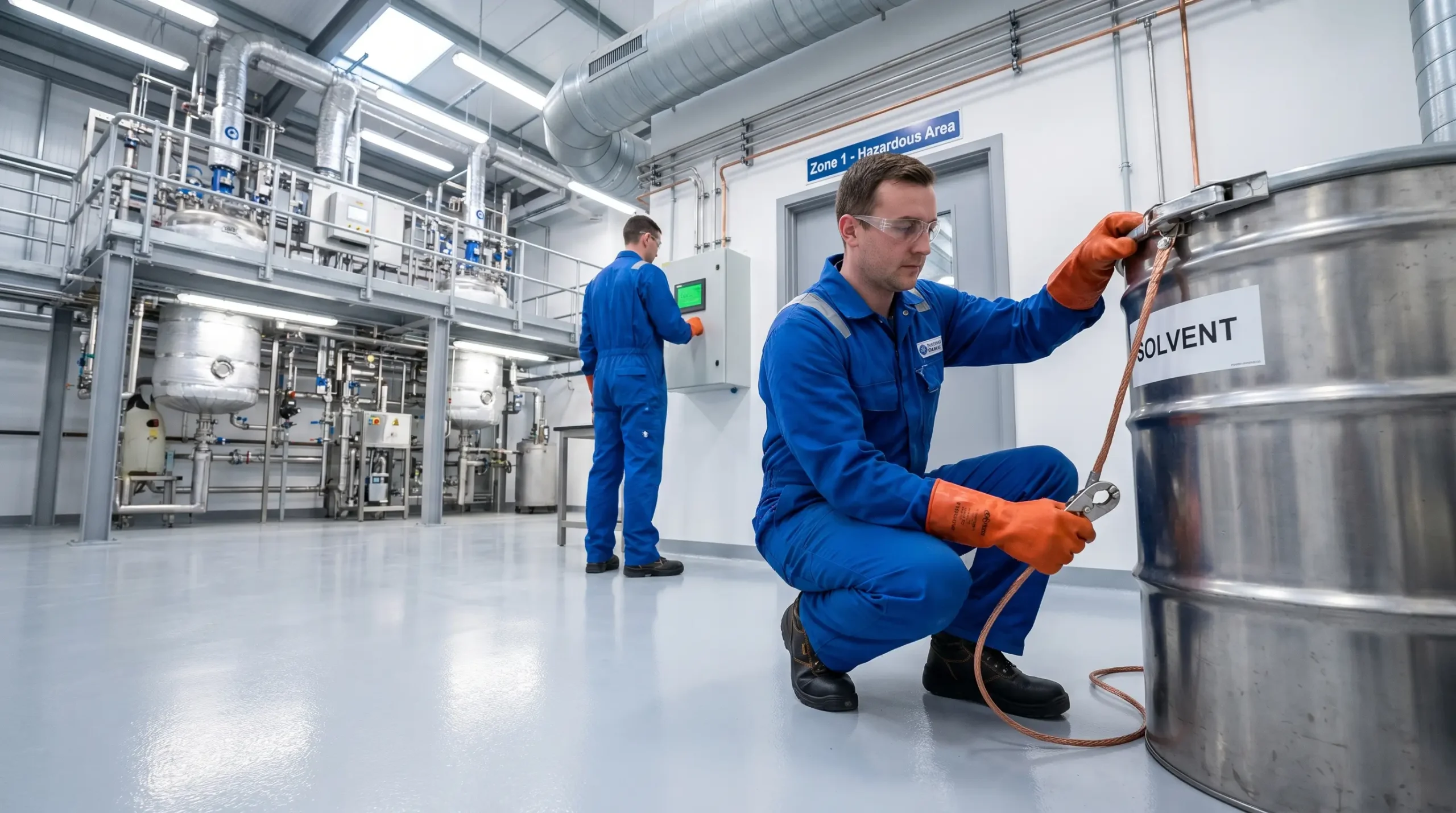
Industrial worker in blue coveralls and orange gloves operates equipment in a hazardous area facility, transferring solvent from a large storage tank while colleague monitors operations in the background.

At 04:17 on a dry winter morning, a 200-litre drum of toluene begins flowing through a stainless-steel transfer line into a glass-lined reactor on the floor above. The liquid looks calm. It is not. Inside that pipe, billions of toluene molecules are scraping past the steel wall at 1.5 metres per second, stripping electrons off … Read more

Steam Hazards in the Workplace: Risks and Controls Guide

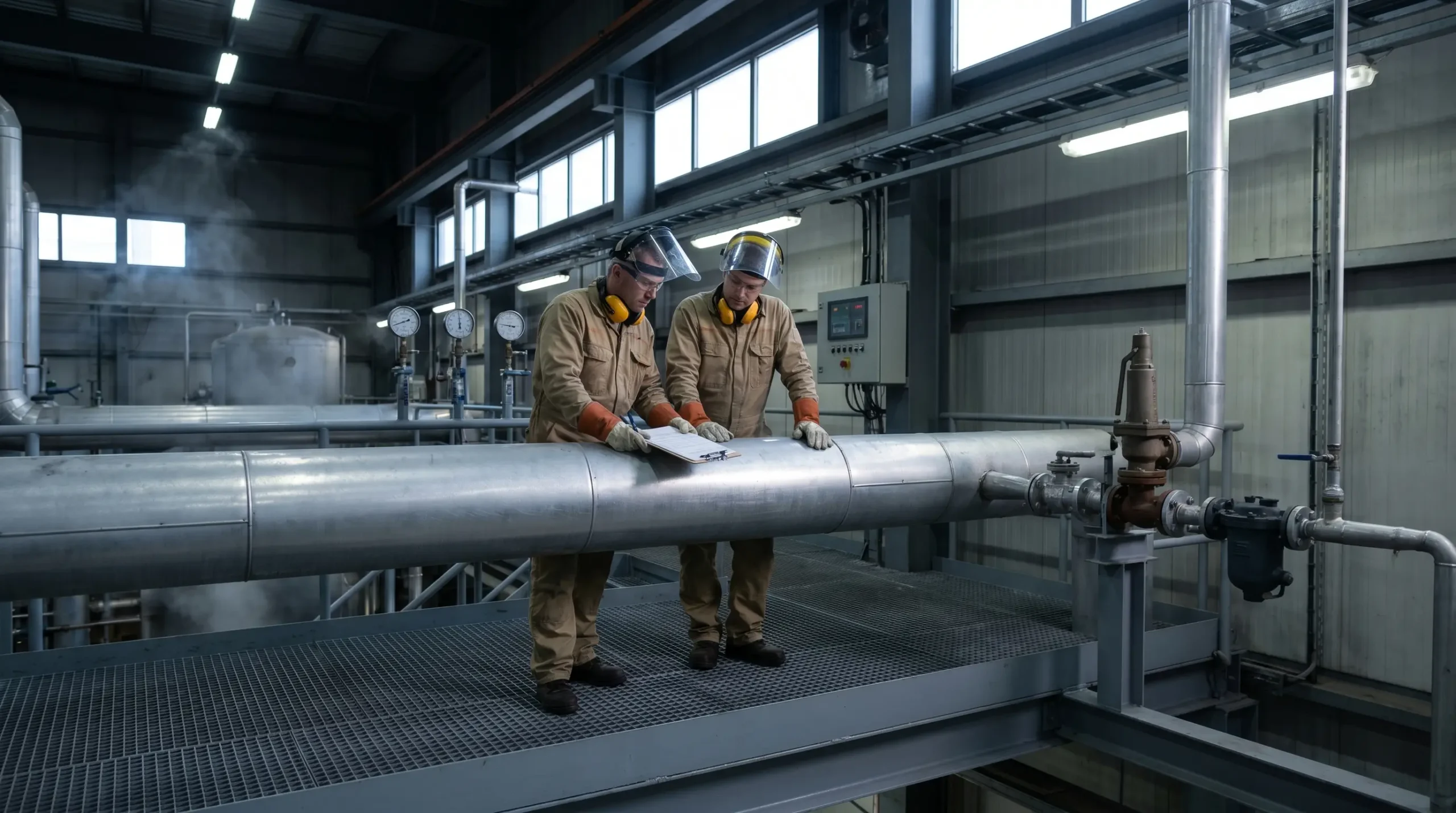
Two industrial workers in safety gear inspect a large metal pipeline in a manufacturing facility with control panels and pressure gauges visible in the background.

It is 04:40 on a cold-morning restart at the mill, outside air around minus two, and the 42-bar main steam header has been off load for thirty-six hours during a planned outage. The operator cracks the eight-inch warm-up valve maybe a quarter turn — exactly what the procedure asks for — and fifteen seconds later … Read more

Boiler Safety: Common Causes of Failure and Prevention

Two industrial workers in safety gear inspect a large cylindrical pressure vessel in a factory with control panels and piping systems visible in the background.

A packaged watertube boiler rated for 60,000 pounds of steam per hour holds somewhere between 12,000 and 15,000 pounds of water inside its drum and generating tubes — pressurised to roughly 350 psig and heated to 440°F. That water is not liquid the way a bathtub is liquid. It is liquid only because the pressure … Read more

Hydrotest Hazards and Control Measures | Field Safety Guide

Two workers in safety gear inspect a large industrial pipe with pressure gauge at a construction site with steel framework and equipment in the background.

I was standing seventy metres from a 16-inch carbon steel spool piece during a pipeline hydrotest on a gas processing facility in the Gulf when the bolted flange connection failed at 1.3 times design pressure. The blind flange launched sideways like a disc, struck a cable tray support, and embedded itself into a concrete firewall. … Read more

What is Hazardous Area Classification? Complete Guide

Two industrial workers in orange safety suits review blueprints while inspecting a large chemical processing facility with tall metal vessels, pipes, and equipment.

Toluene has a flash point of 4°C. At room temperature, an open container doesn’t just release vapour — it generates a flammable atmosphere that sits heavier than air, pooling in trenches, pits, and low points across the floor. The vapour is invisible. It carries no colour. At concentrations between 1.1% and 7.1% by volume, a … Read more