Boiler Safety: Common Causes of Failure and Prevention
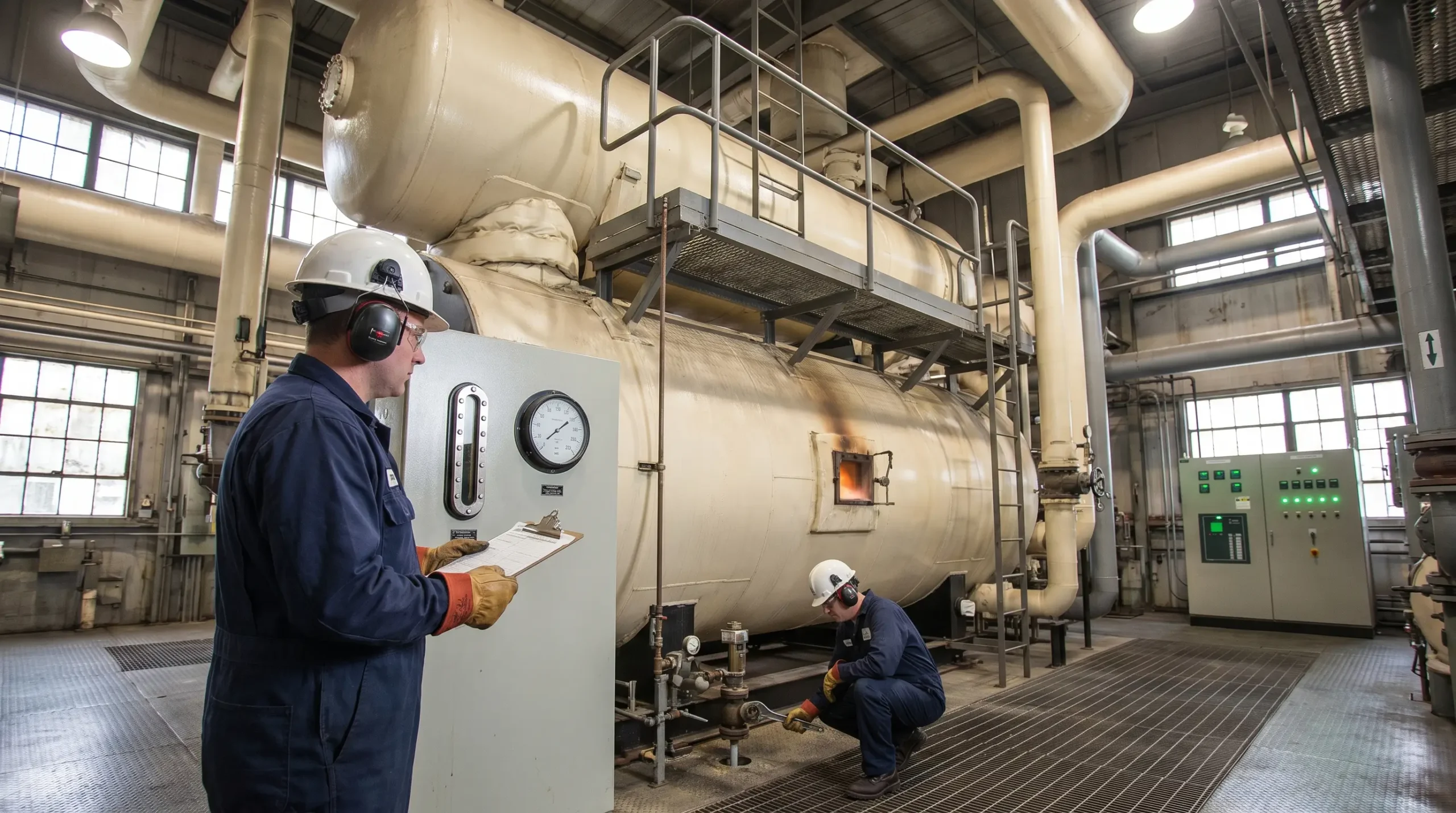
Two industrial workers in safety gear inspect a large cylindrical pressure vessel in a factory with control panels and piping systems visible in the background.

A packaged watertube boiler rated for 60,000 pounds of steam per hour holds somewhere between 12,000 and 15,000 pounds of water inside its drum and generating tubes — pressurised to roughly 350 psig and heated to 440°F. That water is not liquid the way a bathtub is liquid. It is liquid only because the pressure … Read more
Hydrotest Hazards and Control Measures | Field Safety Guide

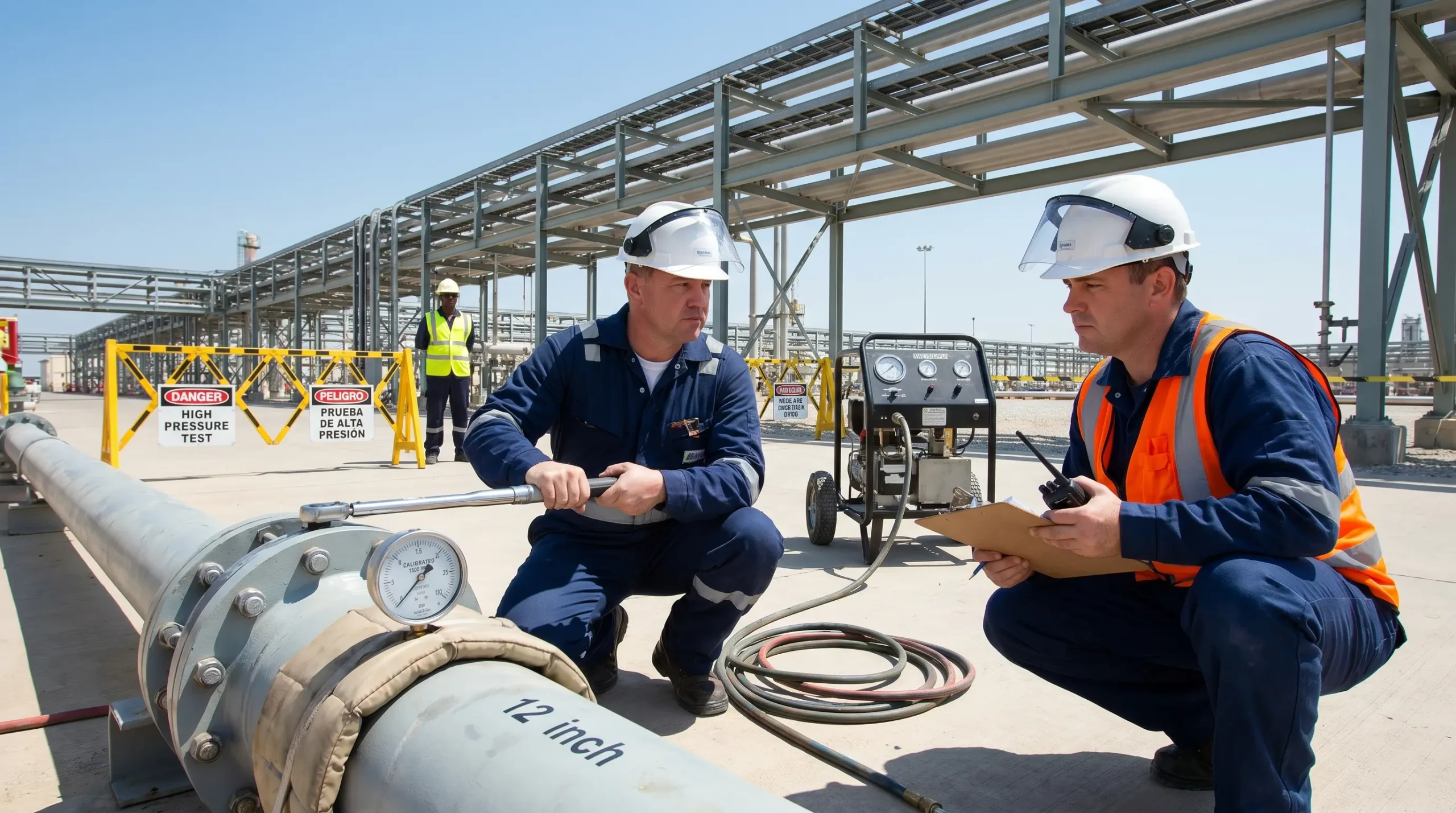
Two workers in safety gear inspect a large industrial pipe with pressure gauge at a construction site with steel framework and equipment in the background.

I was standing seventy metres from a 16-inch carbon steel spool piece during a pipeline hydrotest on a gas processing facility in the Gulf when the bolted flange connection failed at 1.3 times design pressure. The blind flange launched sideways like a disc, struck a cable tray support, and embedded itself into a concrete firewall. … Read more

What is Hazardous Area Classification? Complete Guide

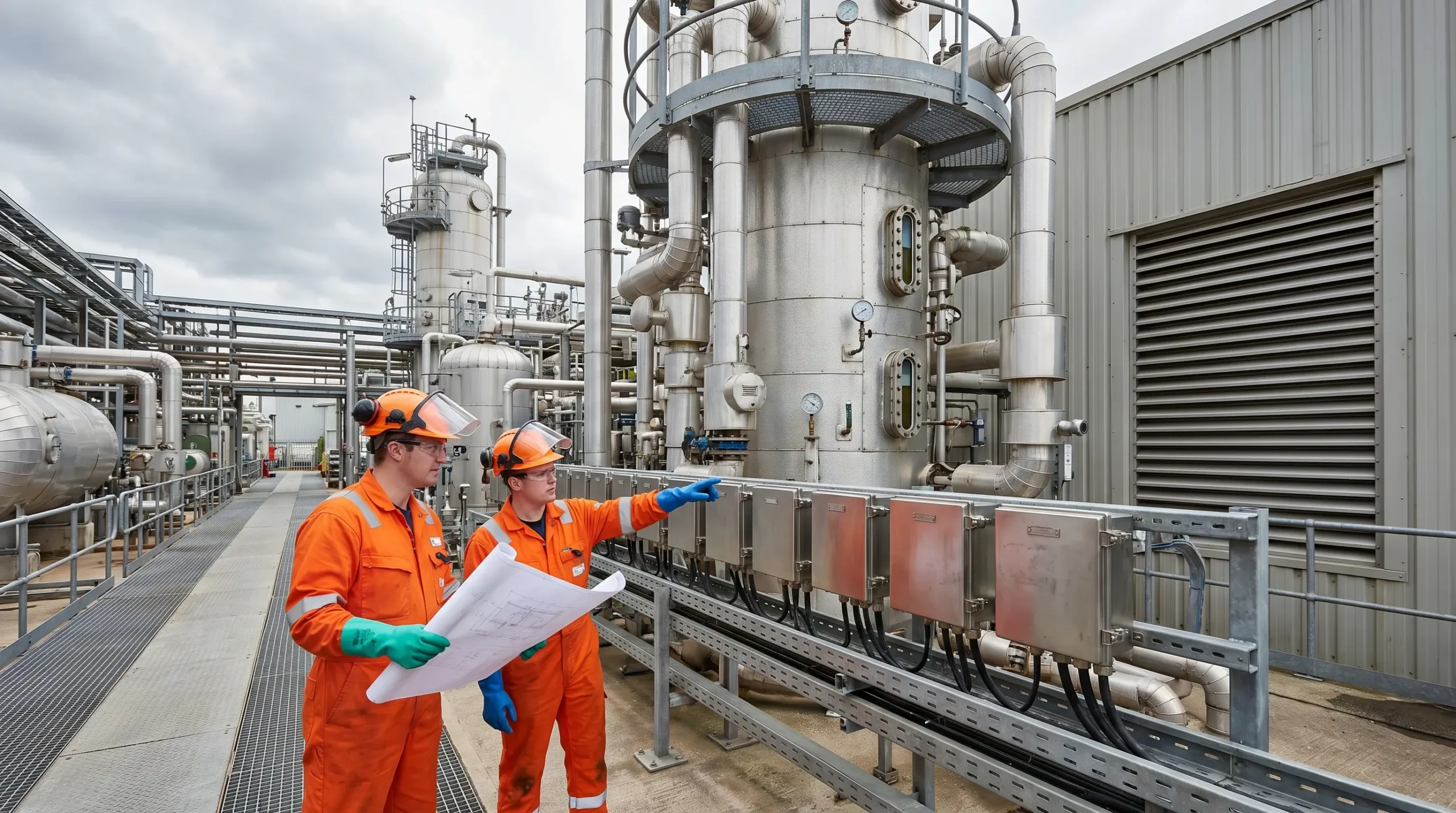
Two industrial workers in orange safety suits review blueprints while inspecting a large chemical processing facility with tall metal vessels, pipes, and equipment.

Toluene has a flash point of 4°C. At room temperature, an open container doesn’t just release vapour — it generates a flammable atmosphere that sits heavier than air, pooling in trenches, pits, and low points across the floor. The vapour is invisible. It carries no colour. At concentrations between 1.1% and 7.1% by volume, a … Read more

12 Different Painting Hazards and Safety Rules To Follow

12 Different Painting Hazards and Safety Rules To Follow

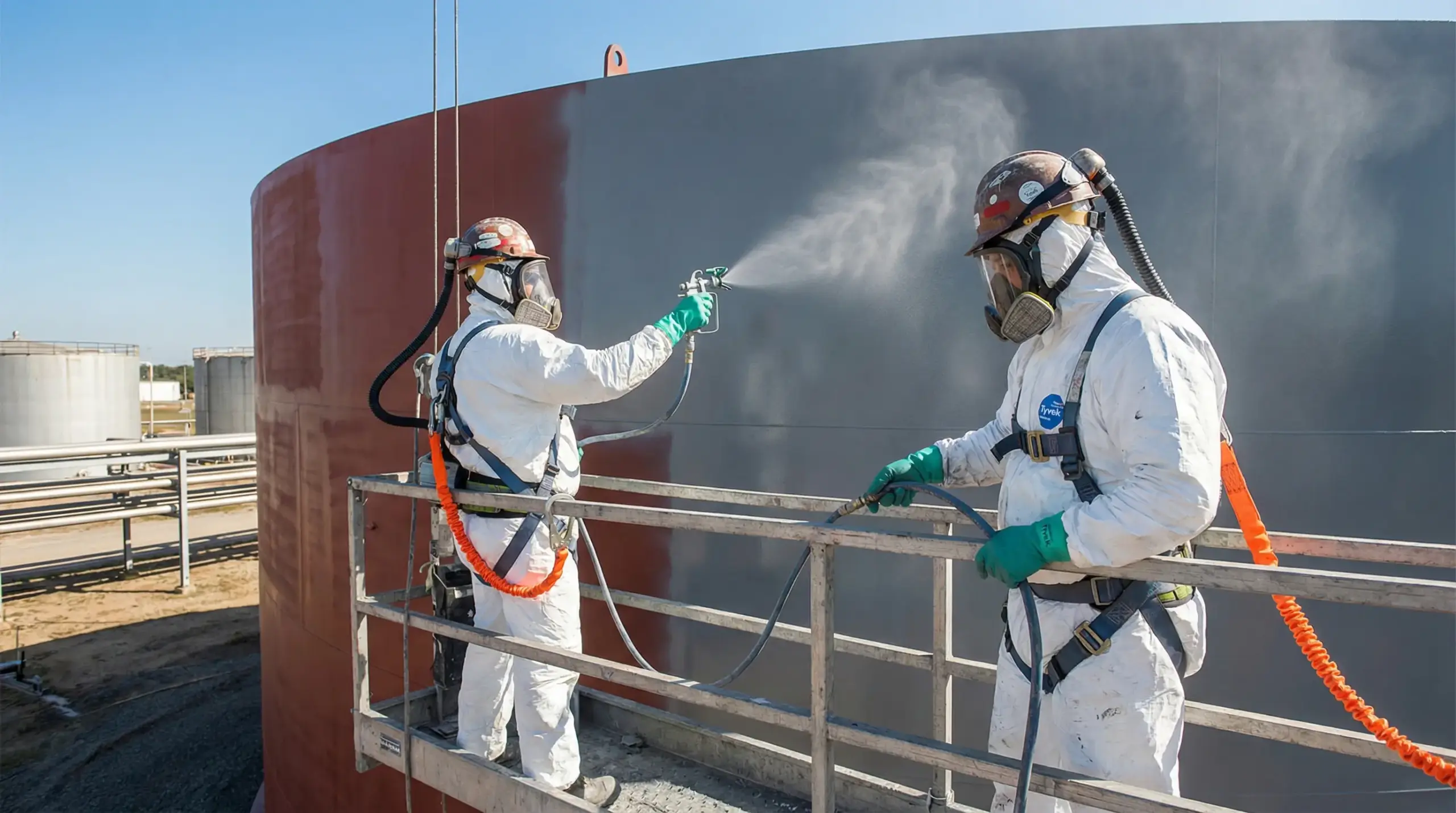
TL;DR I was conducting a routine walkthrough on a tank farm repaint project at a refinery complex in the Gulf when I found two painters inside a partially enclosed bund wall — spray-applying an epoxy coating with no forced ventilation, no respiratory protection, and no atmospheric monitoring. The vapor concentration was high enough that I … Read more

Accidents vs Incidents vs Near Misses: Key Differences

Accidents vs Incidents vs Near Misses Key Differences

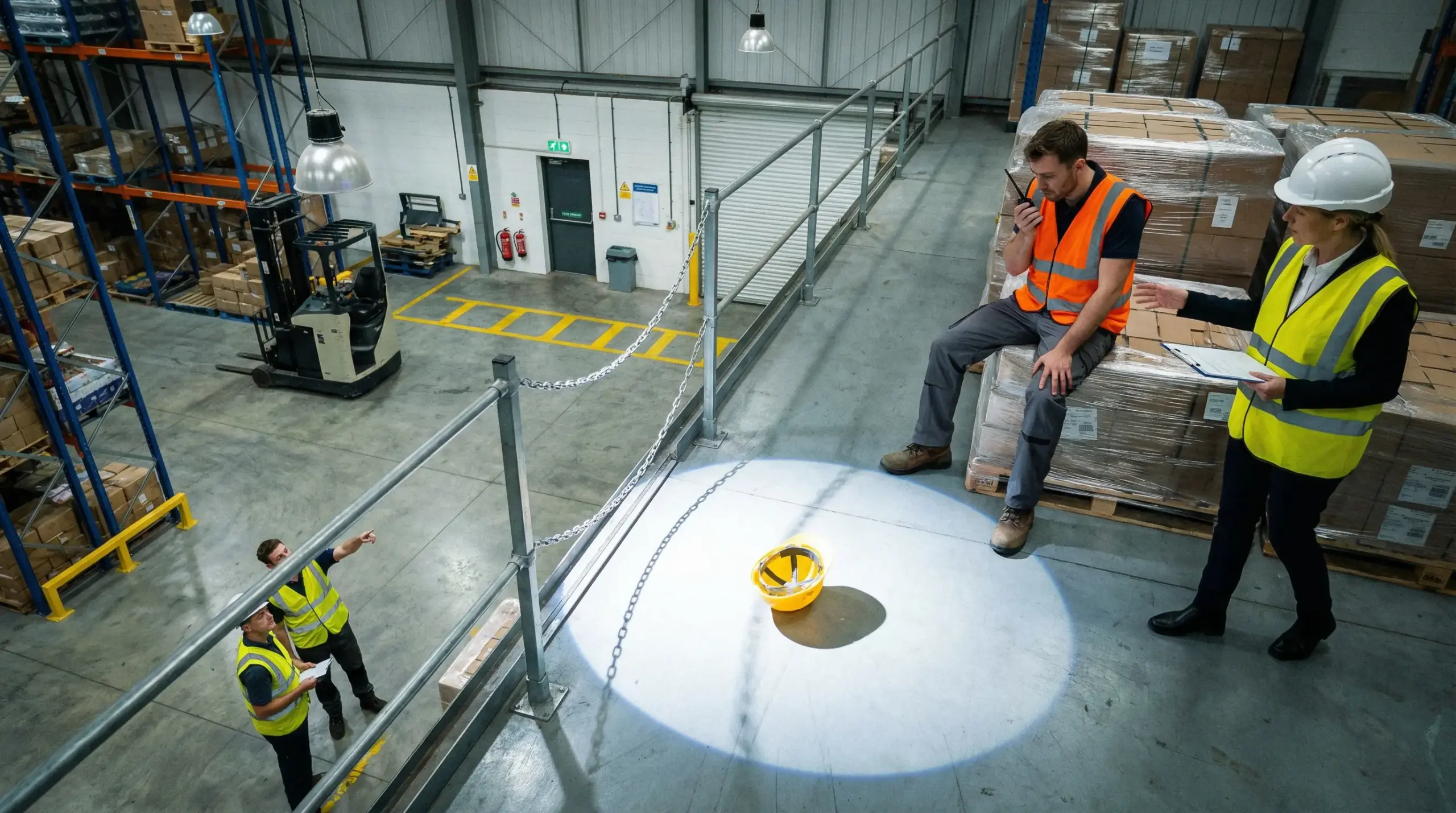
TL;DR I was reviewing a contractor’s monthly safety report on a refinery turnaround when I noticed something that stopped me mid-page. The report listed zero accidents, zero incidents, and zero near misses for thirty consecutive days. Thirty days of hot work, confined space entries, scaffold erections, heavy crane lifts, and simultaneous operations — and apparently … Read more

10 Excavation Hazards & How to Prevent Them

10 Common Excavation Hazards and Control Measures

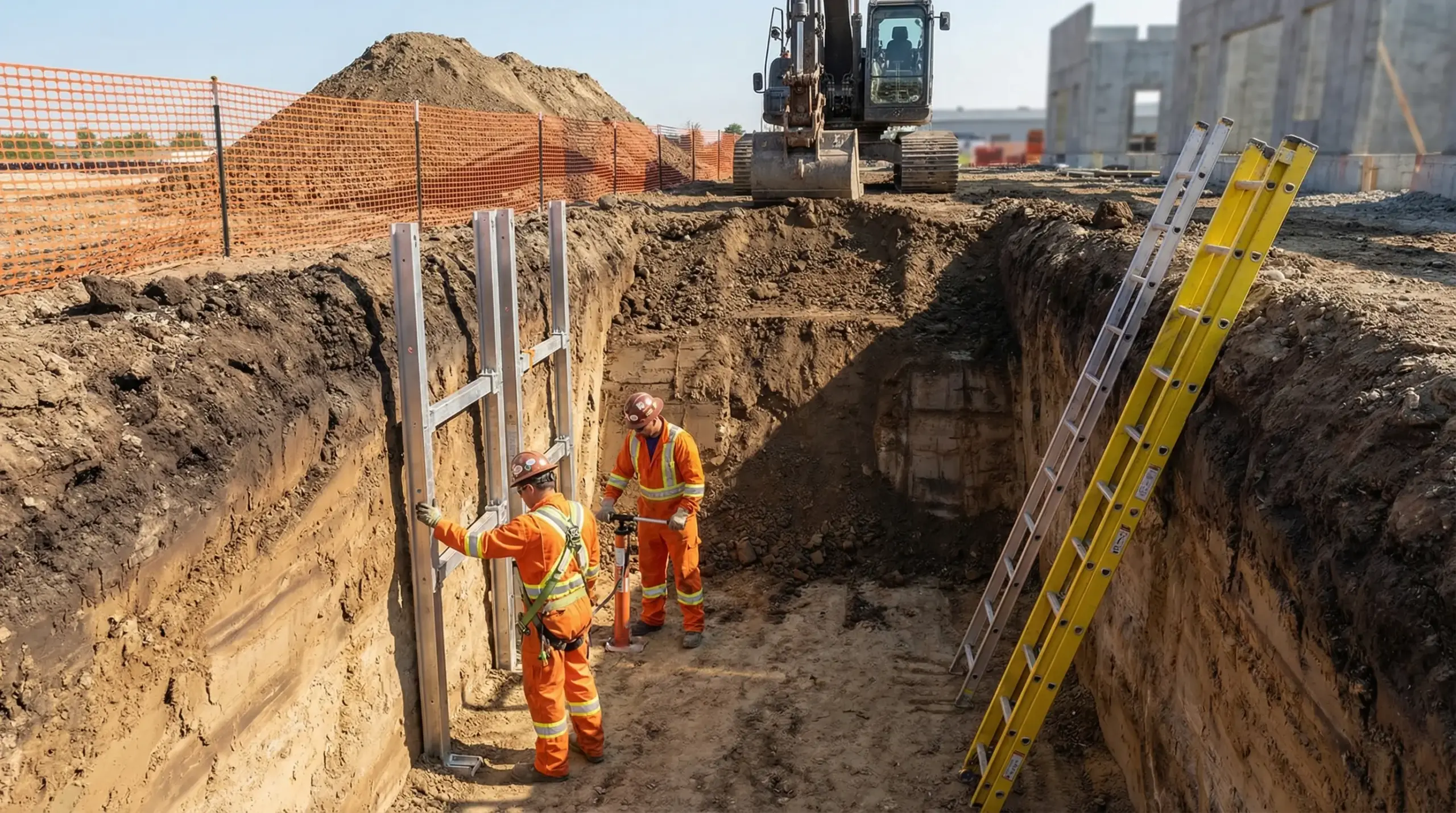
I was called to a residential infrastructure project where a 2.4-meter utility trench had collapsed onto a worker twenty minutes before I arrived. The trench had no shoring, no sloping, no benching — just vertical walls cut into wet clay after two days of rain. The crew had been digging and laying pipe in unprotected … Read more

7 Common Environmental Hazards In The Workplace

7 Common Environmental Hazards In The Workplace

As an Industrial Hygienist and Environmental Specialist, I was auditing a mid-sized chemical processing plant in the Middle East when my portable multi-gas detector started alarming near the bulk storage tanks. A localized temperature inversion had trapped low-lying fugitive vapor emissions, creating a toxic micro-environment that the local workforce was completely unaware of. This was … Read more

Loading Dock Safety Hazards and Safe Work Procedure

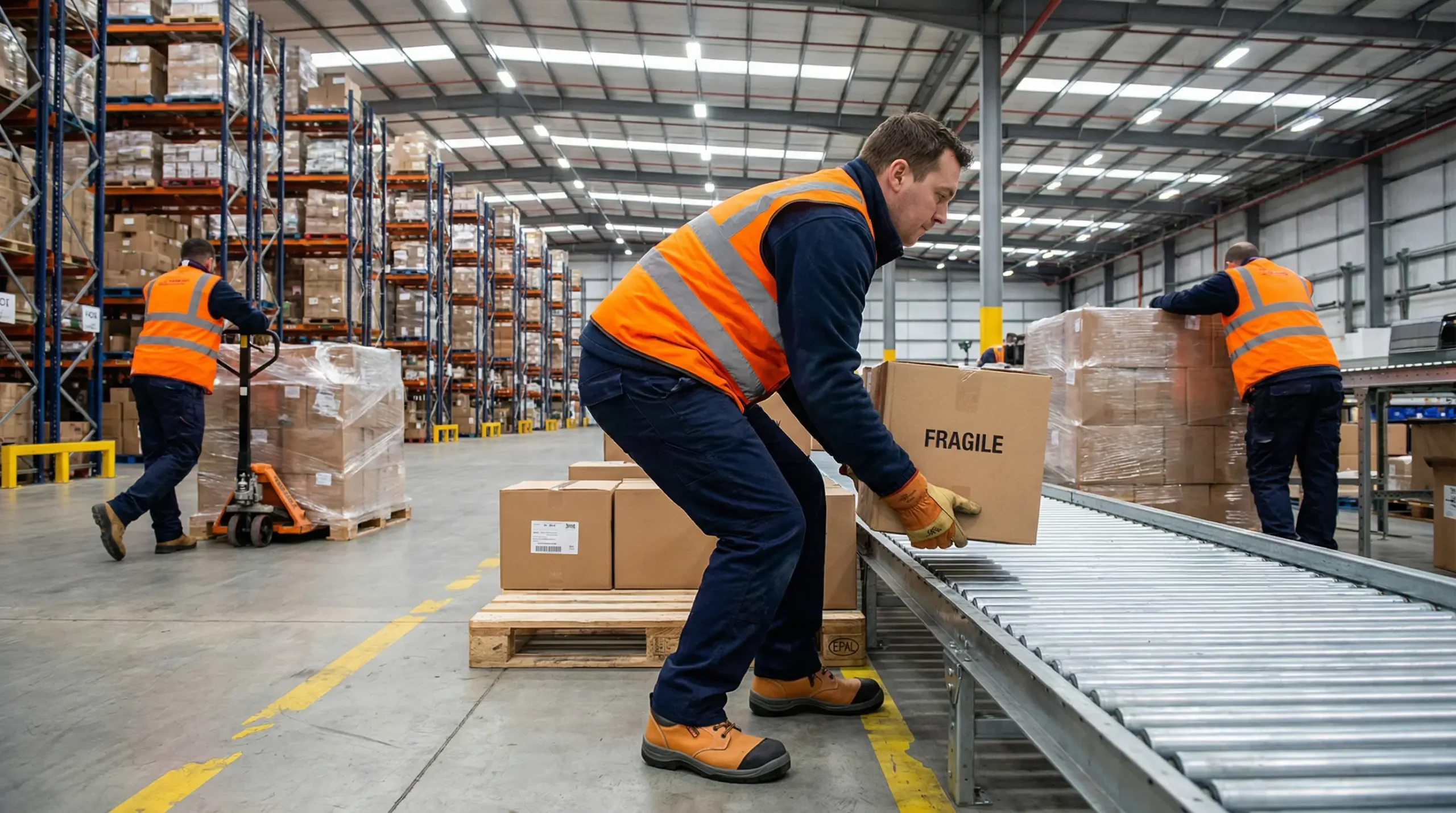
Loading Dock Safety

Loading docks are busy areas where trucks, trailers, pedestrians, lifting devices, and other equipment frequently move. Serious or fatal injuries can result from loading dock hazards, such as unsecured vehicles driving on the dock, lift trucks tipping over or falling, and pedestrian collisions with lift trucks, falling loads, or tractor-trailers. Therefore, it is important to … Read more