Noise Action Levels: LEP,d 80, 85 & 87 dB Explained | HSE Guide

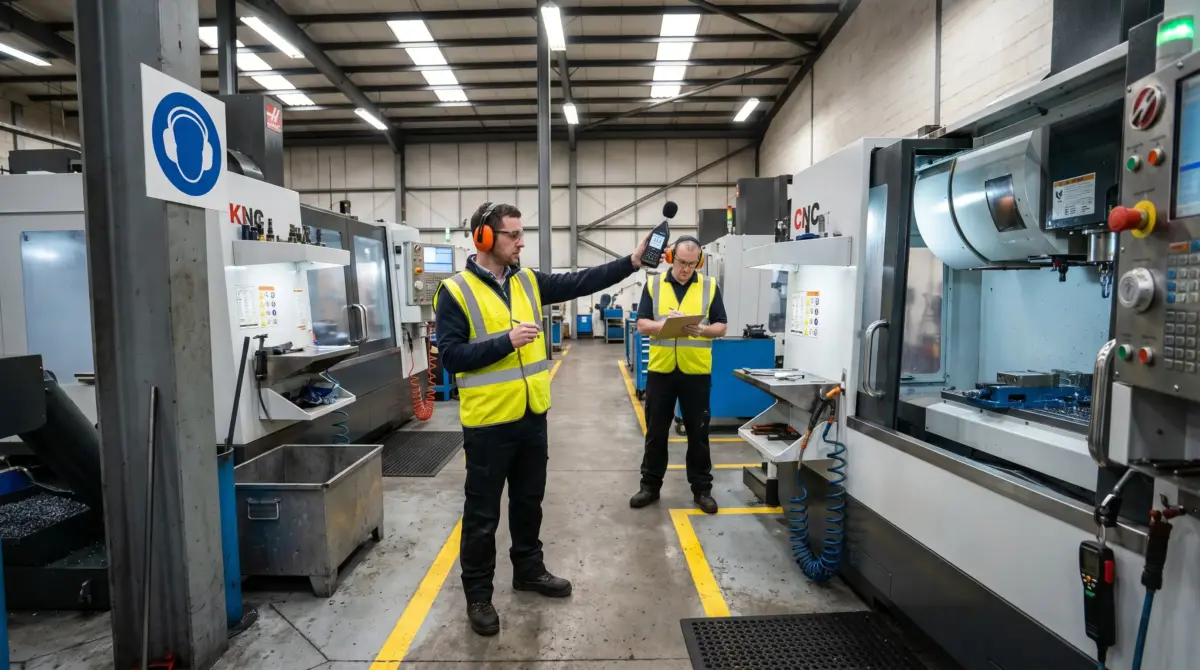
Two workers in safety vests and hearing protection inspect machinery in an industrial manufacturing facility with CNC machines and metal fabrication equipment.

TL;DR Noise action levels are regulatory thresholds defined in the Control of Noise at Work Regulations 2005 (UK) that trigger escalating employer duties based on workers’ daily noise exposure, measured as LEP,d. The three levels are the lower exposure action value at 80 dB(A), the upper exposure action value at 85 dB(A), and the exposure … Read more

Pre-Demolition Survey: Purpose, Key Elements & Legal Requirements

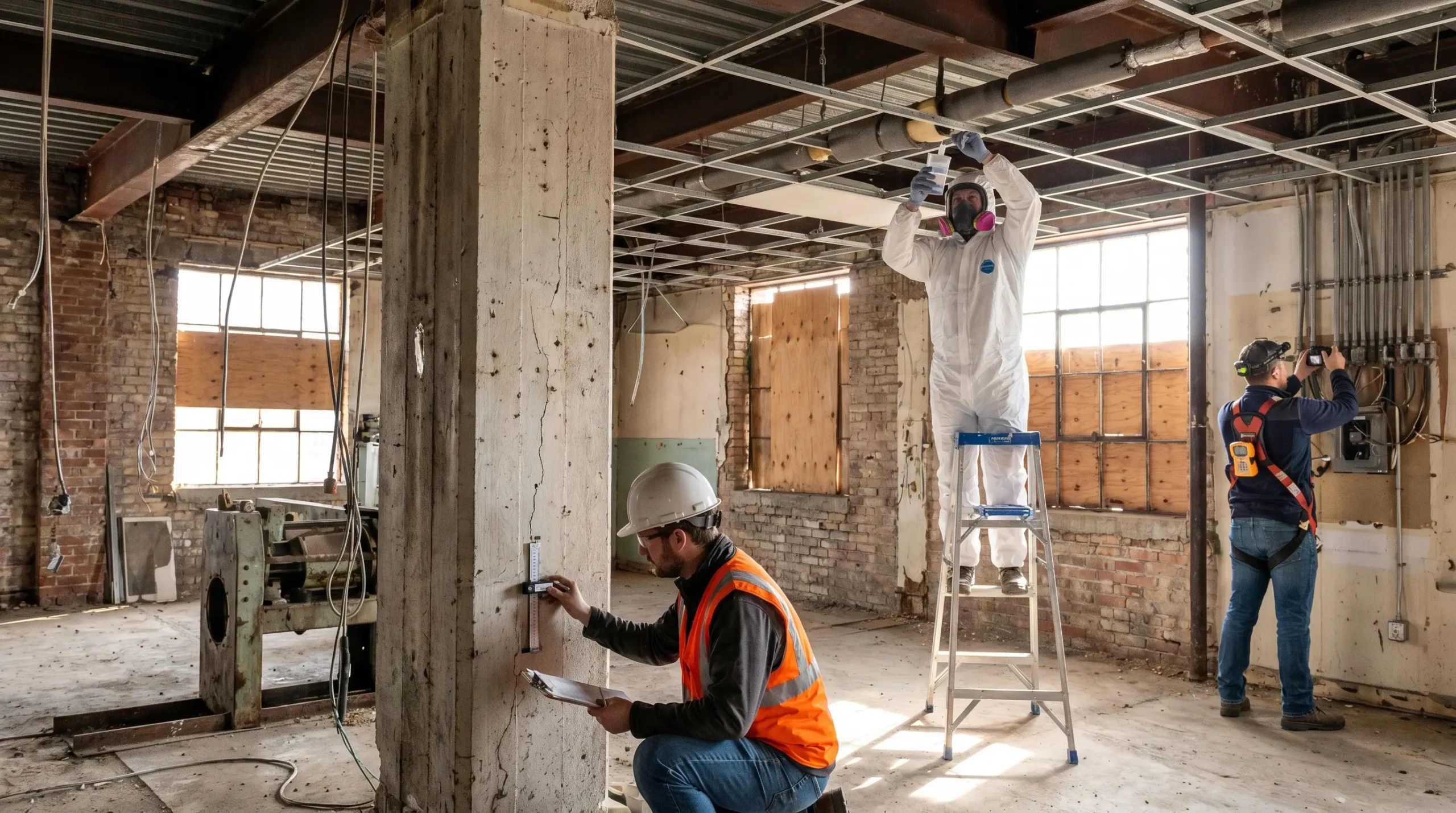
Construction workers in safety gear document environmental conditions during building renovation, with one worker on ladder taking measurements while others record data in an industrial space with exposed brick and concrete.

TL;DR A pre-demolition survey is a formal, multi-disciplinary investigation of a structure carried out before demolition begins. It identifies structural risks, hazardous materials such as asbestos and lead, utility services requiring disconnection, ecological constraints, and materials suitable for recovery. Under OSHA in the US and CDM 2015 in the UK, this survey is a legal … Read more

Abrasive Wheel Mounting and Inspection Procedure: Full Guide

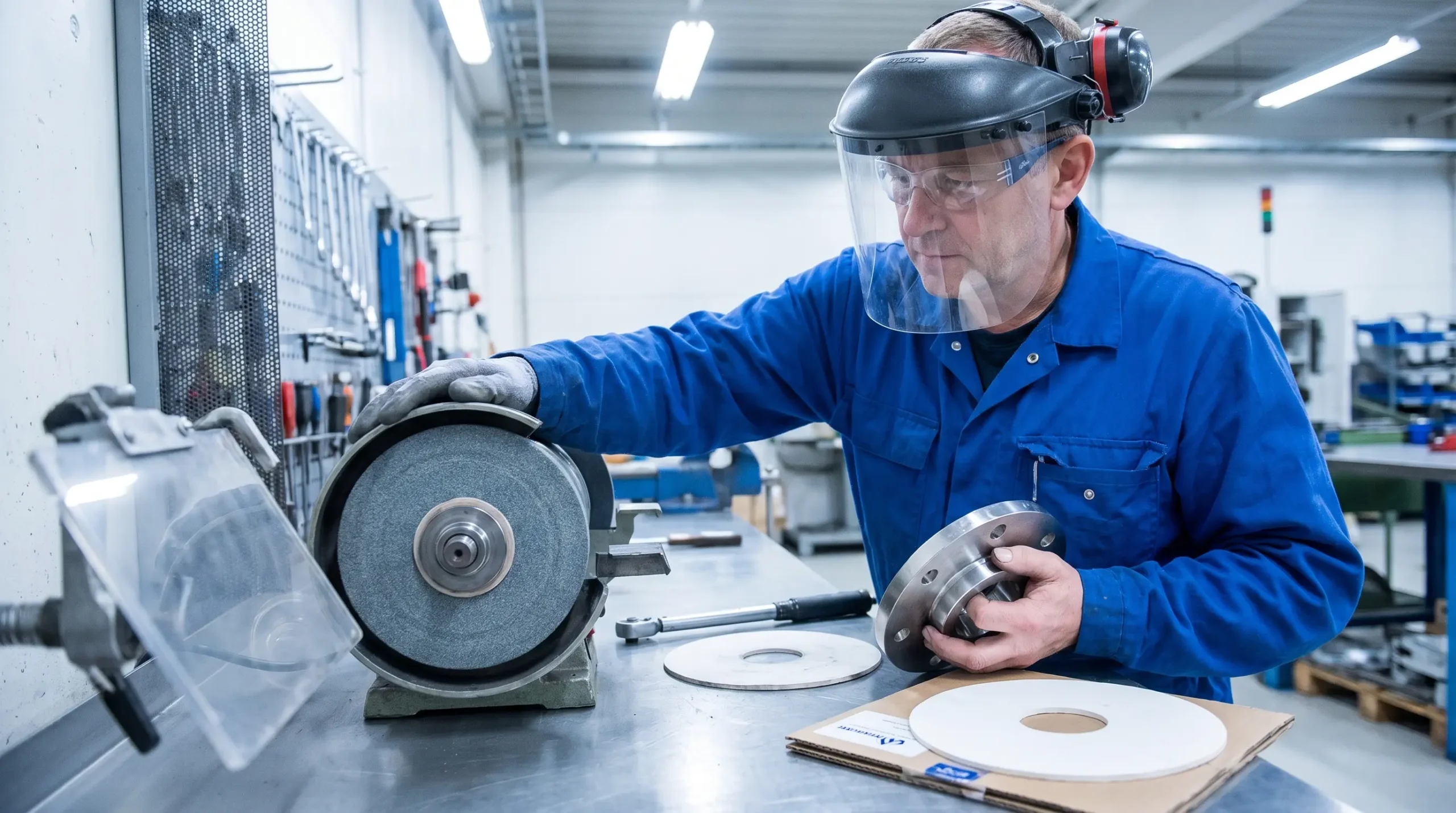
Skilled technician in blue work uniform wearing protective headgear and face shield operates a grinding wheel at an industrial workbench in a well-lit factory setting.

TL;DR Abrasive wheel mounting and inspection is a mandatory safety procedure performed immediately before fitting any abrasive wheel to a grinding machine. It involves visual inspection for damage, a ring test to detect hidden cracks in vitrified bonded wheels, verification that the wheel’s maximum RPM meets or exceeds the machine’s spindle speed, and correct assembly … Read more

How to Create a Workplace Wellbeing Program | HSE Guide

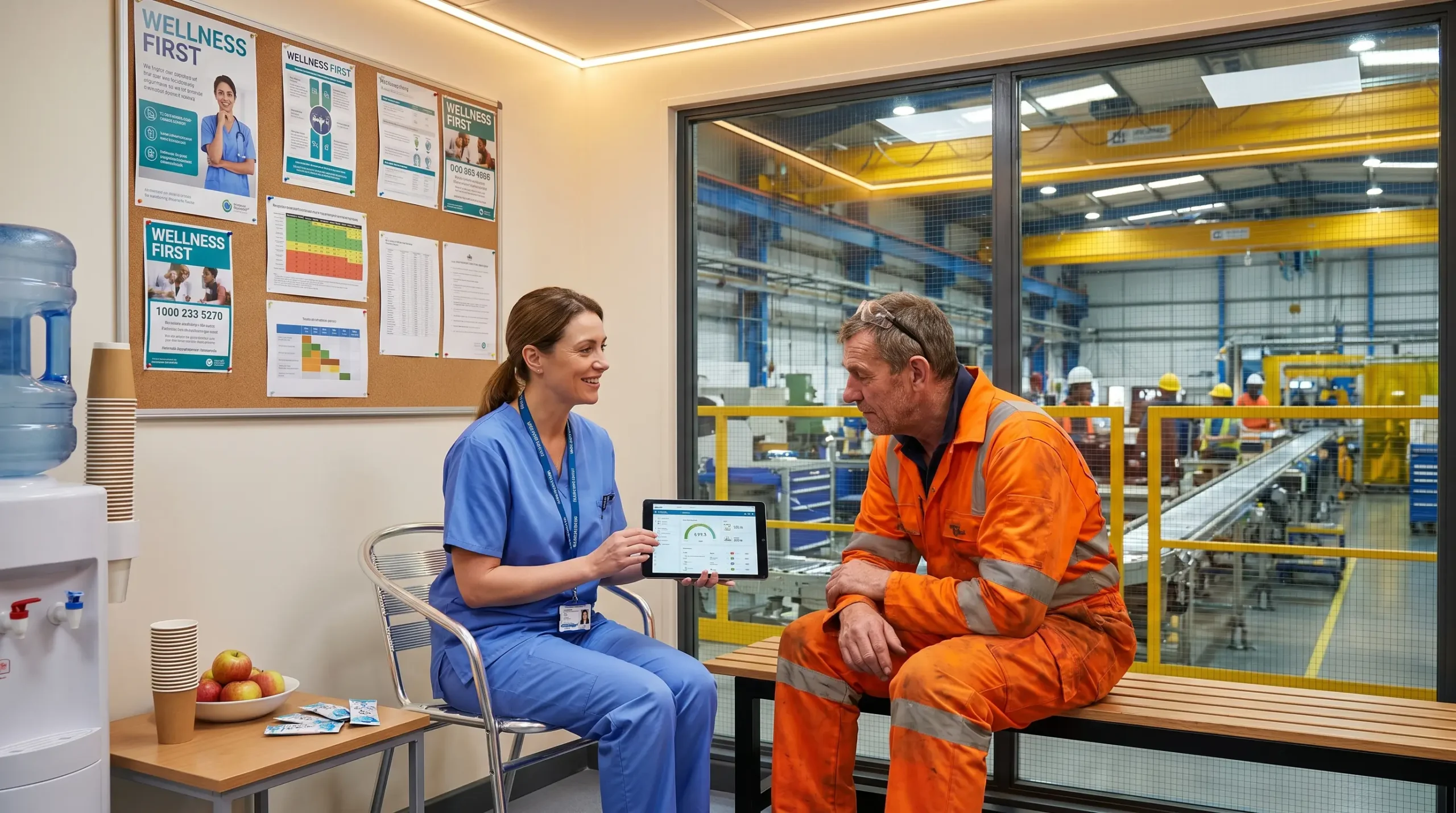
Healthcare worker in blue scrubs shows tablet to industrial worker in orange safety gear during wellness consultation in modern factory office overlooking manufacturing floor.

TL;DR I was reviewing lost-time injury data at a logistics hub in Western Europe when something in the trend line caught my attention. Incident rates had climbed 22% over eight months — but nothing had changed operationally. Same routes, same fleet, same shift patterns. The investigation took me somewhere I wasn’t expecting: a workforce survey … Read more

Abrasive Wheel Regulations: UK & US Training Compliance Guide

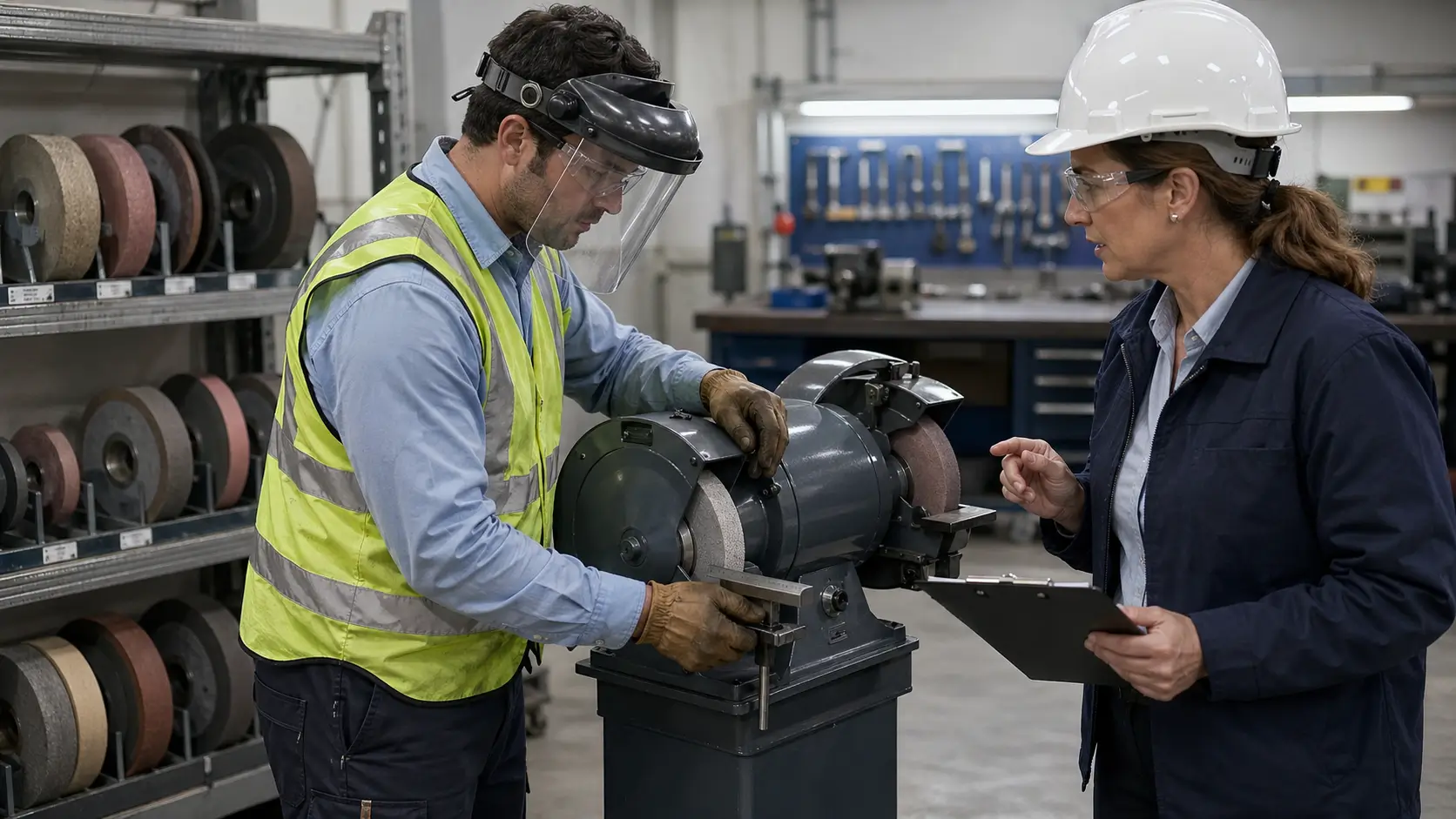
Two workers in safety gear discuss a bench grinder in an industrial workshop with grinding wheels stored on shelves in the background.

TL;DR Abrasive wheel regulations require employers to ensure all personnel who use, mount, or supervise abrasive wheel equipment receive adequate training. In the United Kingdom this duty arises under PUWER 1998 Regulation 9, supported by HSE guidance document HSG17. In the United States, OSHA 29 CFR 1910.215 and 1926.303 require operator training covering machine hazards, … Read more

Internal & External Influences on Health and Safety Culture

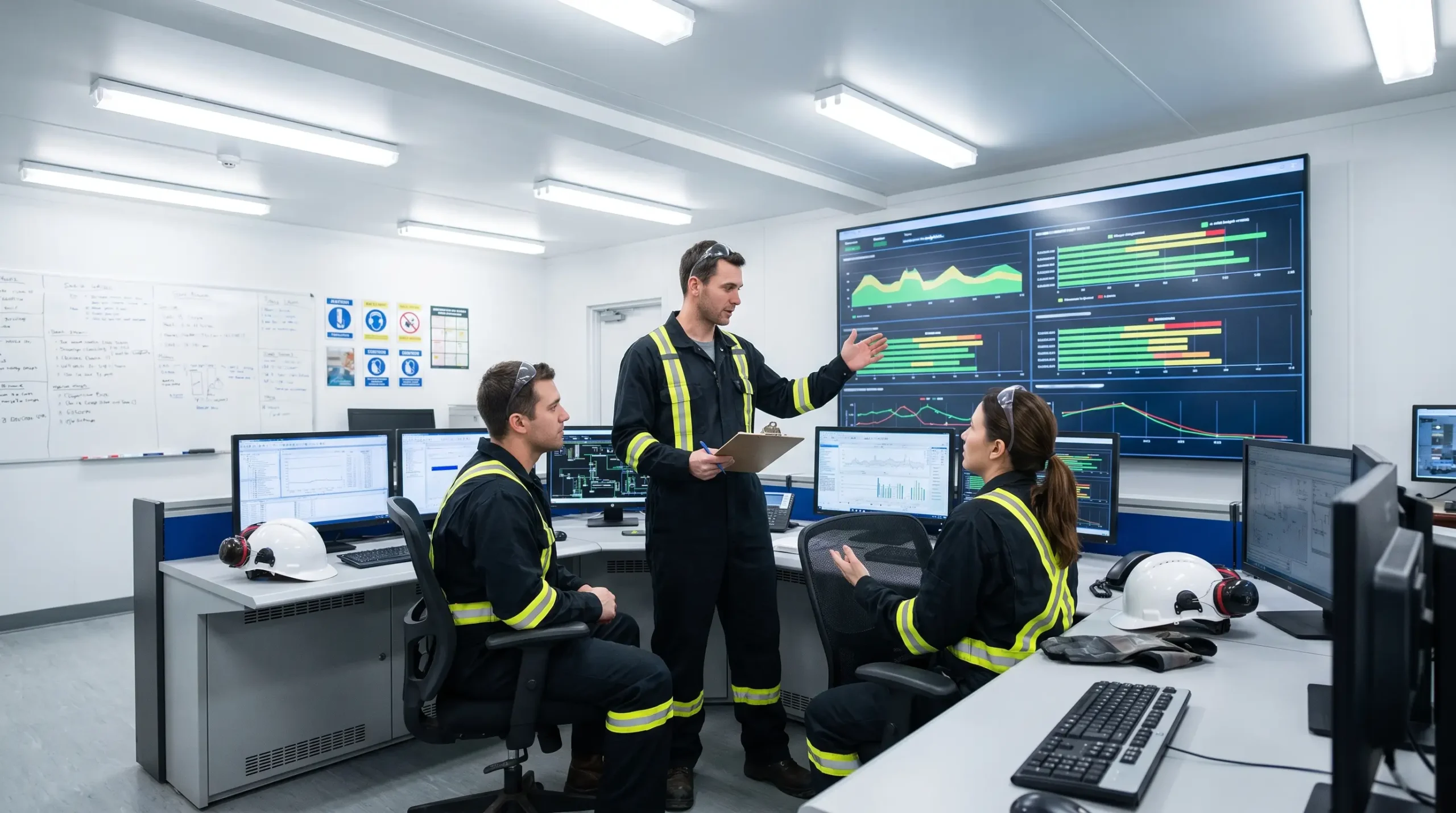
Three workers in safety vests and hard hats discuss data displayed on multiple monitors and charts in a bright industrial control room during a team meeting.

TL;DR — Three Questions That Define Safety Culture What actually shapes safety culture? Two forces — internal influences (leadership commitment, communication, competence, employee involvement, and production pressures) and external influences (legislation, enforcement, trade unions, insurance, economic conditions, and societal expectations) — interact dynamically to produce the culture an organization experiences on the ground. Can you … Read more

Drinking Water Standards Workplace: OSHA, UK & Global Requirements

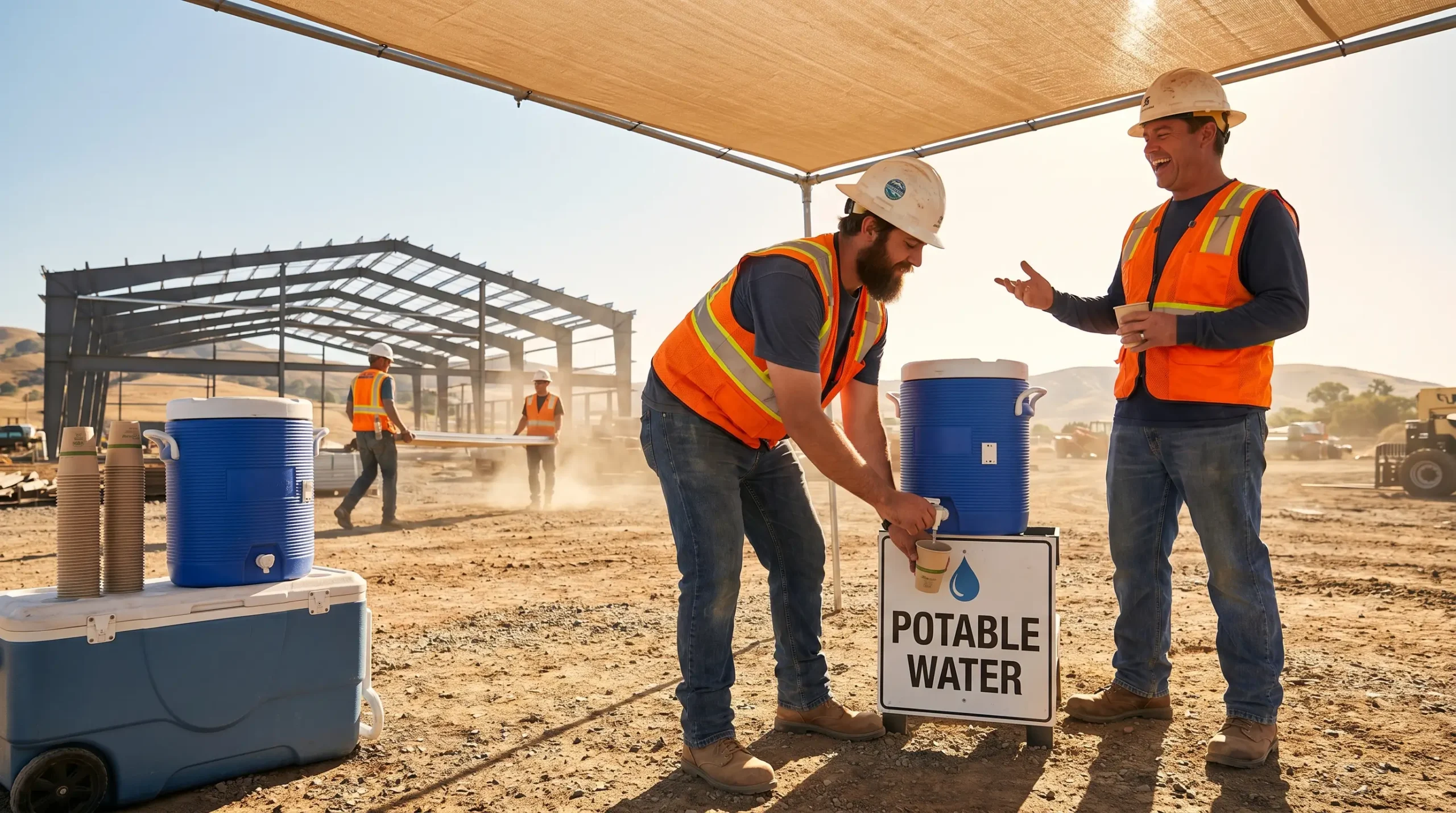
Construction workers in safety gear and hard hats discuss potable water supplies at a job site, with blue water coolers and a steel structure frame visible in the arid background.

TL;DR Drinking water standards are regulatory thresholds defining water safe for human consumption — setting maximum contaminant levels for microbiological, chemical, and physical parameters. Workplace regulations under OSHA (US) and HSE (UK) require employers to provide potable water meeting these standards at no cost, dispensed through approved methods, with clear separation from non-potable sources. Failure … Read more

Safe Isolation Procedure: Step-by-Step Guide (10 Steps)

Electrician wearing safety gear working on electrical panel with circuit breakers and wiring in an industrial facility.

TL;DR Safe isolation is the controlled process of disconnecting electrical equipment from every source of supply, physically securing that disconnection with a lock and tag, and verifying the circuit is dead using GS38-compliant test equipment at the point of work — a legal duty under the Electricity at Work Regulations 1989 and equivalent standards internationally. … Read more

Steam Hazards in the Workplace: Risks and Controls Guide

Two industrial workers in safety gear inspect a large metal pipeline in a manufacturing facility with control panels and pressure gauges visible in the background.

It is 04:40 on a cold-morning restart at the mill, outside air around minus two, and the 42-bar main steam header has been off load for thirty-six hours during a planned outage. The operator cracks the eight-inch warm-up valve maybe a quarter turn — exactly what the procedure asks for — and fifteen seconds later … Read more