Noise Action Levels: LEP,d 80, 85, and 87 dB Explained

Two workers in safety gear measure noise levels with a sound meter in a designated hearing protection zone of an industrial manufacturing facility during equipment operation.

TL;DR Noise action levels are regulatory thresholds defined in the Control of Noise at Work Regulations 2005 (UK) that trigger escalating employer duties based on workers’ daily noise exposure, measured as LEP,d. The three levels are the lower exposure action value at 80 dB(A), the upper exposure action value at 85 dB(A), and the exposure … Read more

Audiometric Testing: Why It’s Required & How Often You Need It

Healthcare professional in blue scrubs conducts a telemedicine consultation with a patient in a modern medical office, both wearing headsets while viewing computer monitors displaying health data.

TL;DR Audiometric testing frequency depends on jurisdiction. Under OSHA (US), a baseline audiogram is required within 6 months of first noise exposure at or above 85 dBA, followed by annual tests every 12 months. Under UK regulations (L108), baseline testing is followed by annual audiometry for the first two years, then every three years unless … Read more

Noise Risk Assessment: Step-by-Step Process for HSE Teams

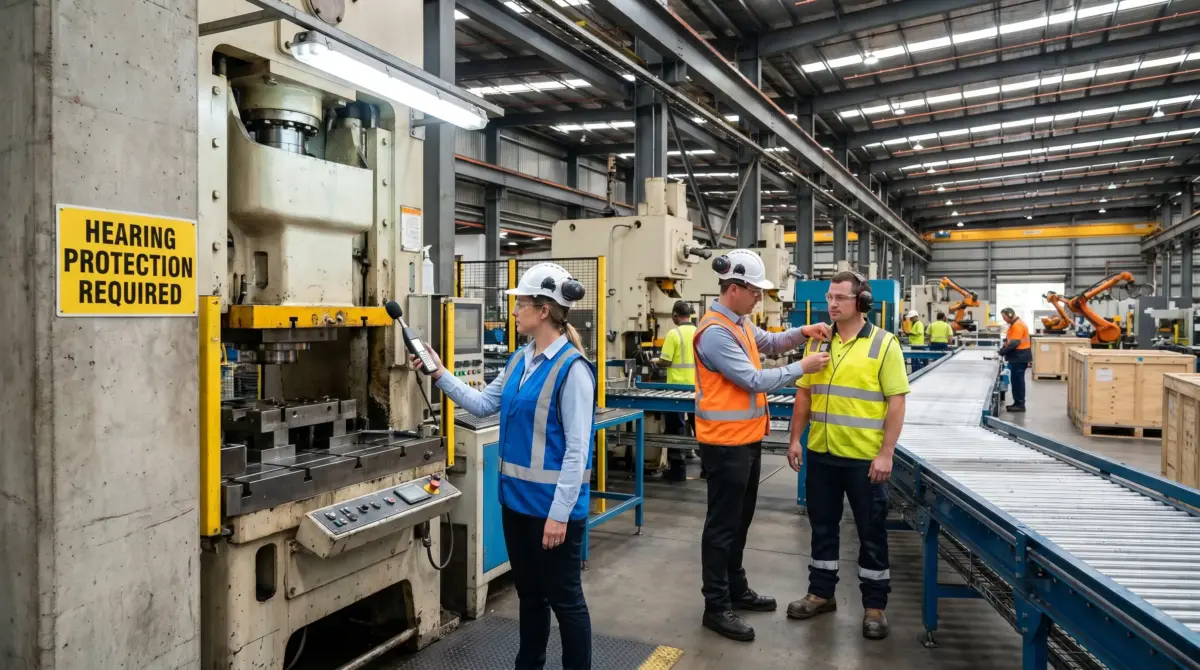
Factory workers in safety gear discuss operations near industrial hydraulic press machinery in a large manufacturing facility with yellow and blue equipment.

TL;DR — What a Noise Risk Assessment Requires A noise risk assessment is a structured process for identifying noise hazards in the workplace, estimating employees’ noise exposure, comparing that exposure against regulatory action values and limits, and determining what control measures are needed to protect hearing. It goes beyond simply measuring noise — it is … Read more

Noise Control During Piling Works: Methods, Regulations & Monitoring

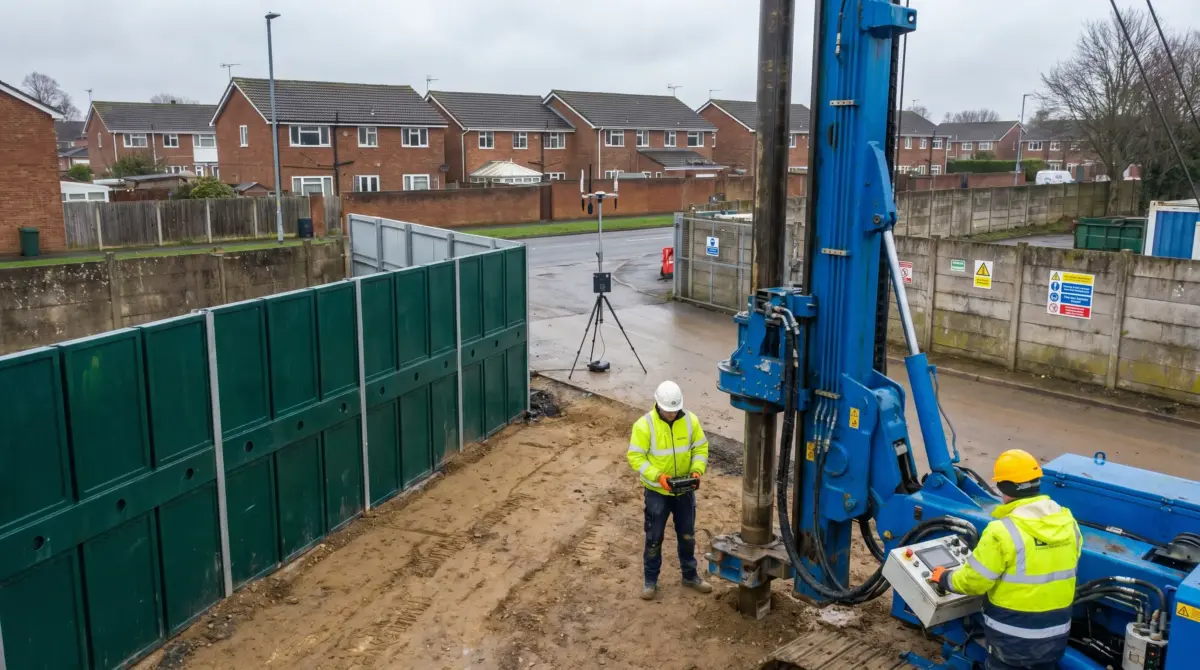
Construction workers in high-visibility vests operate a blue drilling rig on a sandy site next to green barriers, with residential brick houses visible in the background under overcast skies.

TL;DR Noise control during piling works requires a three-pronged approach: engineering controls that select the quietest geotechnically feasible piling method, pathway controls using acoustic barriers and equipment shrouds, and occupational health measures including hearing conservation programs, real-time noise monitoring, and administrative scheduling. Effective control aligns these measures with jurisdiction-specific regulatory frameworks — BS 5228 (UK), … Read more

Noise Action Levels: LEP,d 80, 85 & 87 dB Explained | HSE Guide

Two workers in safety vests and hearing protection inspect machinery in an industrial manufacturing facility with CNC machines and metal fabrication equipment.

TL;DR Noise action levels are regulatory thresholds defined in the Control of Noise at Work Regulations 2005 (UK) that trigger escalating employer duties based on workers’ daily noise exposure, measured as LEP,d. The three levels are the lower exposure action value at 80 dB(A), the upper exposure action value at 85 dB(A), and the exposure … Read more
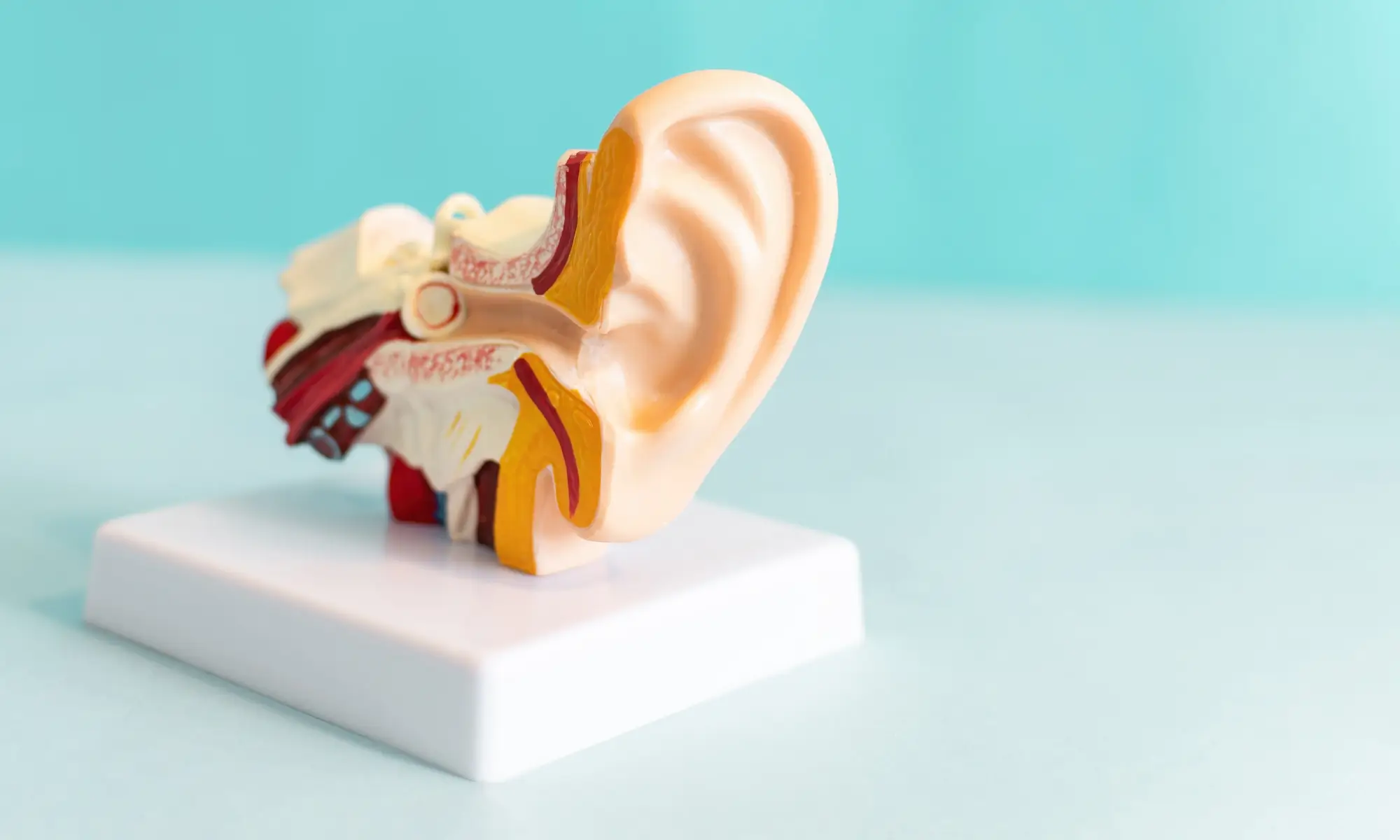
Hierarchy Of Noise Risk Control: The Definitive Guide

Hierarchy Of Noise Risk Control

Noise is an often-overlooked occupational hazard that can seriously affect health and productivity. Whether it’s the constant hum of machinery, the roar of heavy equipment, or high-decibel construction tools, prolonged exposure to excessive noise can lead to hearing loss, tinnitus, stress, and even reduced workplace safety. This underscores the importance of implementing robust noise risk … Read more

What are Noise Barriers? Types, Benefits, and Limitations

What are Noise Barriers Types, Benefits, and Limitations

Noise pollution is a growing concern in urban and suburban environments, affecting millions of people daily. Excessive noise from highways, railways, industrial areas, or construction sites can significantly impact public health, well-being, and overall quality of life. One of the most effective solutions for mitigating unwanted noise is the installation of noise barriers. Noise barriers, … Read more

Noise Pollution From Construction Sites: What Can Be Done?

Noise Pollution From Construction

Construction sites are the backbone of urban development, shaping the skylines and infrastructure we rely on daily. However, the undeniable reality is that construction activities contribute significantly to noise pollution, affecting not only the workers but also nearby residents and the environment. Addressing this issue is crucial for maintaining public health, ensuring worker safety, and … Read more

What’s Noise-Induced Hearing Loss (NIHL): Causes and Symptoms

Noise-Induced Hearing Loss (NIHL)

Noise-induced hearing loss (NIHL) is a preventable yet permanent form of hearing damage caused by exposure to loud or prolonged noise. In today’s environment, with frequent use of personal listening devices, loud concerts, and occupational noise hazards, NIHL is becoming increasingly common across all age groups. This article provides an in-depth look at what NIHL … Read more

What Are Noise Levels And What’s Too Loud For Your Ears?

What Are Noise Levels

Noise is all around us, whether it’s the hum of a refrigerator at home, the honking of cars during a commute, or the booming speakers at a concert. While some sounds are harmless, others can damage your hearing if you’re exposed to them for too long. Understanding noise levels and knowing when a sound is … Read more