Cryogenic Burns: First Aid and Prevention Guide
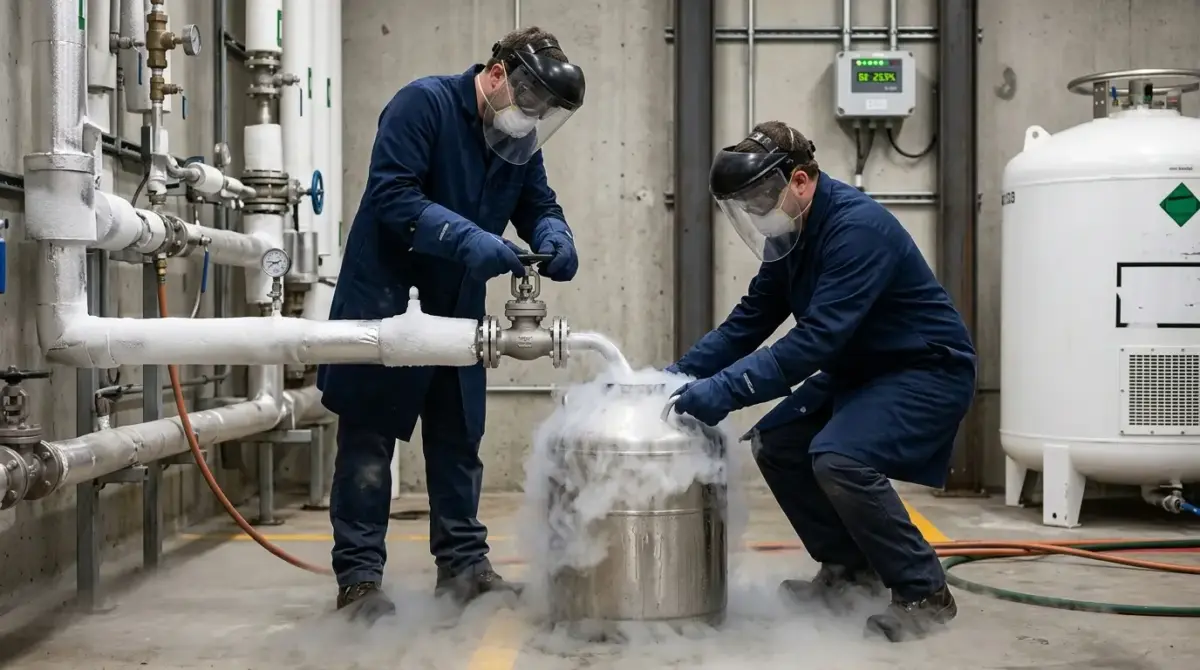
Two technicians in protective gear handle cryogenic liquid nitrogen in an industrial facility, with visible vapor and piping systems in the background.

TL;DR Cryogenic burns are cold-contact injuries caused by liquids and surfaces below roughly −150°C, such as liquid nitrogen at −196°C. First aid means moving the person clear, loosely covering the area, and rewarming slowly with lukewarm water — never hot water, rubbing, or dry heat — followed by prompt medical assessment regardless of how minor … Read more
Bradley Curve: The 4 Safety Culture Stages Explained

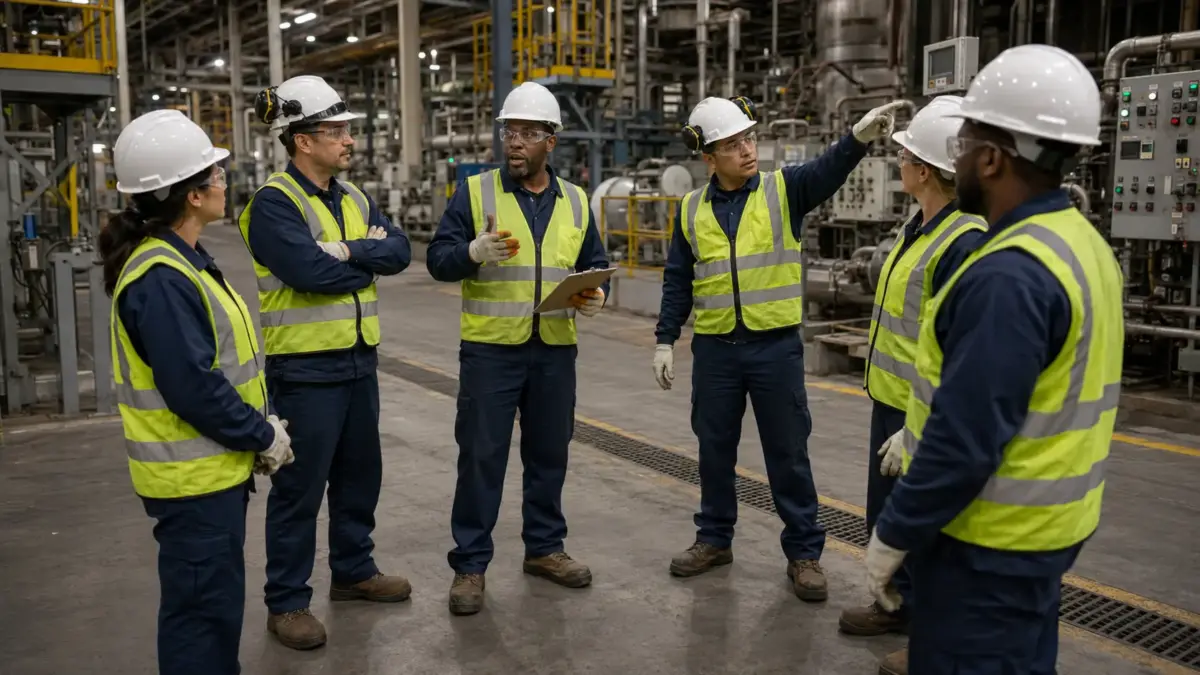
A diverse team of industrial workers wearing white hard hats and high-visibility vests stand in a circle during a safety meeting inside a large manufacturing facility.

TL;DR The Bradley Curve is a safety culture model describing four maturity stages — Reactive, Dependent, Independent, and Interdependent. It proposes that as an organization moves from reacting to incidents toward shared, collective ownership of safety, injury rates decline. Developed within DuPont in the 1990s, it is a descriptive diagnostic tool, not a regulatory standard … Read more

Health Surveillance at Work: When Is It Legally Required?

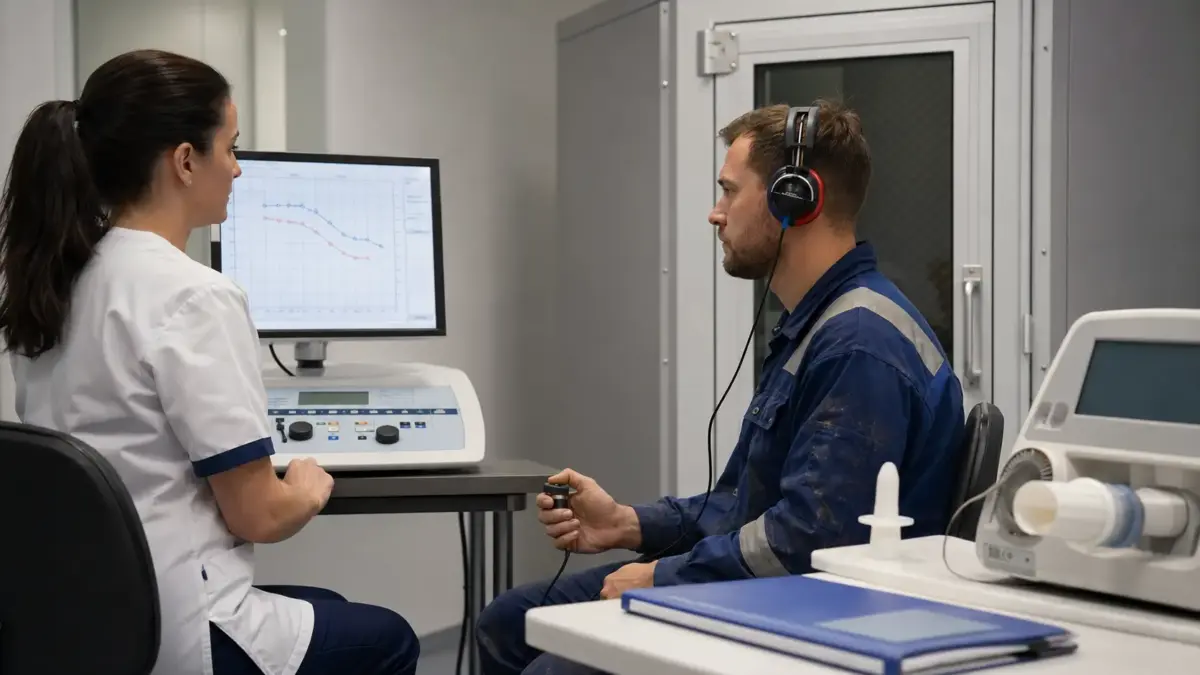
Audiologist conducting a hearing test with a male patient wearing headphones while monitoring results on a computer display in a clinical soundproof booth.

TL;DR Health surveillance at work is legally required when workers remain exposed to a health risk after control measures are applied, and that exposure links to an identifiable, detectable disease. In the UK this sits under COSHH and hazard-specific regulations; in the US, OSHA’s hazard-specific medical surveillance standards apply; the employer always pays. This article … Read more

Working Near Underground Cables: Hazards & Safe Digging

Construction workers in high-visibility clothing measure and mark utility pipes in an excavated trench at a residential building site, with heavy machinery and safety barriers visible.

TL;DR Working safely near underground cables means following three sequential stages: plan the work by obtaining up-to-date asset records, locate and mark services using a cable avoidance tool and signal generator, then dig carefully by hand within the tolerance zone. Treat every buried cable as live until proven otherwise. You cannot tell a live cable … Read more

UV Exposure at Work: Risks & Protection Measures Guide

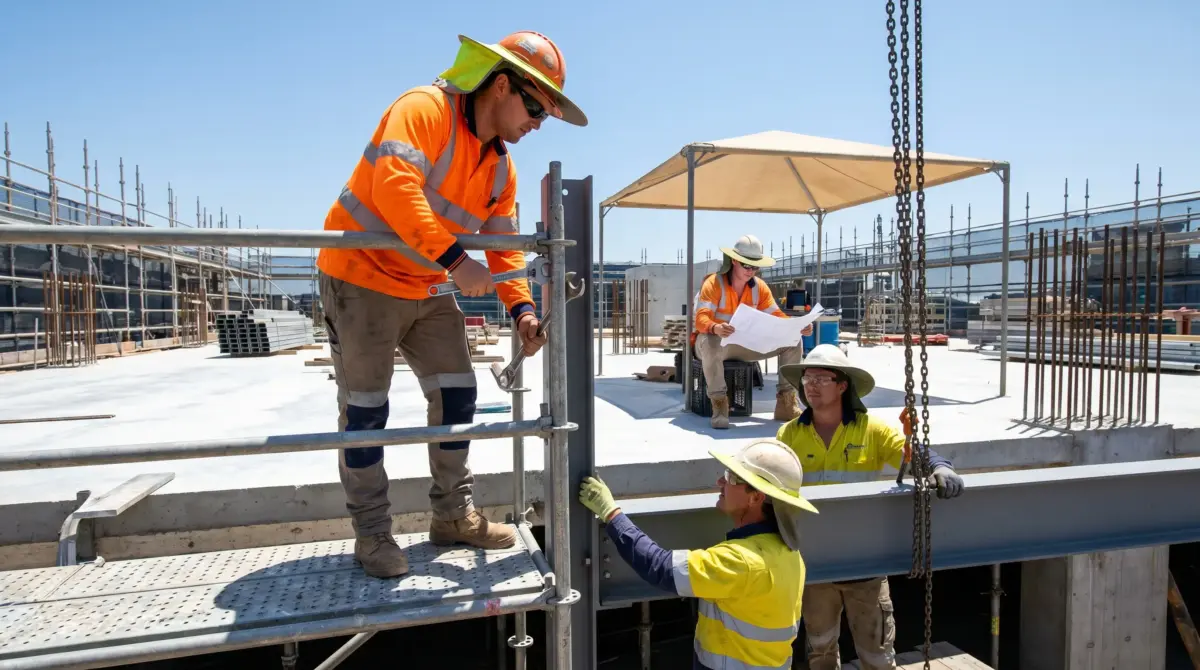
Construction workers in safety gear collaborate on a large building site, with one worker on scaffolding reviewing plans while others supervise work on a concrete structure surrounded by steel reinforcement and equipment.

TL;DR UV exposure at work is a recognised occupational carcinogen affecting both outdoor workers (solar UV) and those near artificial sources such as welding arcs or UV-curing lamps. It causes skin cancer, eye damage, and premature ageing. Employers reduce the risk through the hierarchy of controls — shade and scheduling first, protective clothing and eyewear … Read more

Noise Risk Assessment: Step-by-Step Process for HSE Teams

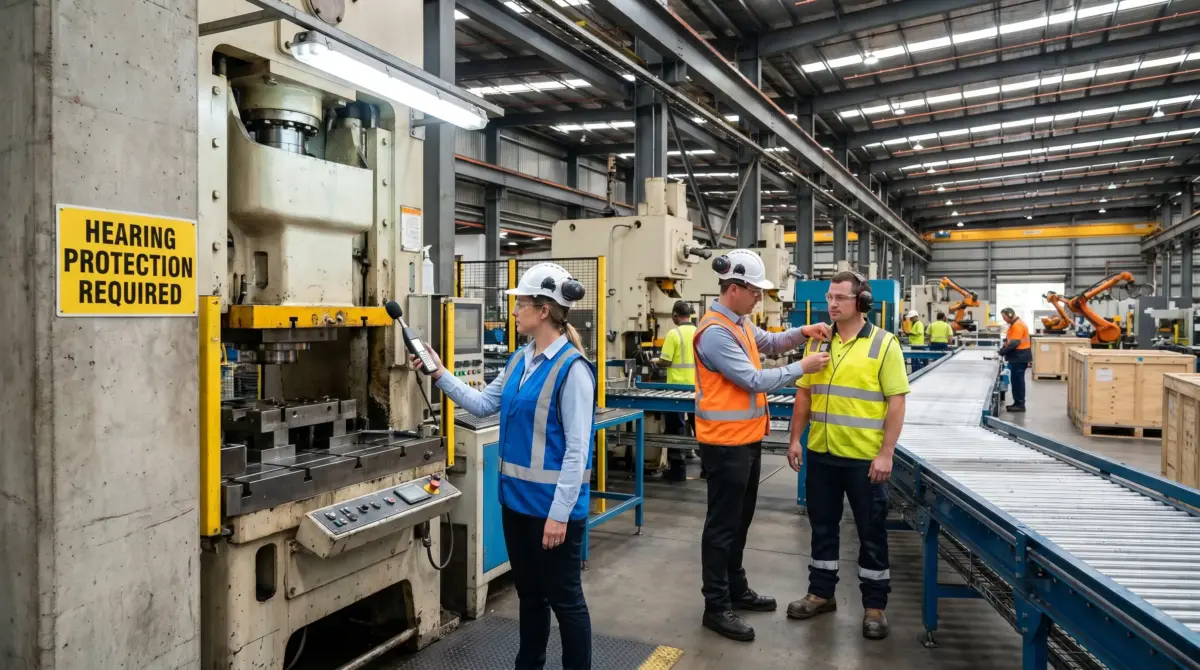
Factory workers in safety gear discuss operations near industrial hydraulic press machinery in a large manufacturing facility with yellow and blue equipment.

TL;DR — What a Noise Risk Assessment Requires A noise risk assessment is a structured process for identifying noise hazards in the workplace, estimating employees’ noise exposure, comparing that exposure against regulatory action values and limits, and determining what control measures are needed to protect hearing. It goes beyond simply measuring noise — it is … Read more

Steel Erection Safety: Hazards, OSHA Subpart R & Best Practices

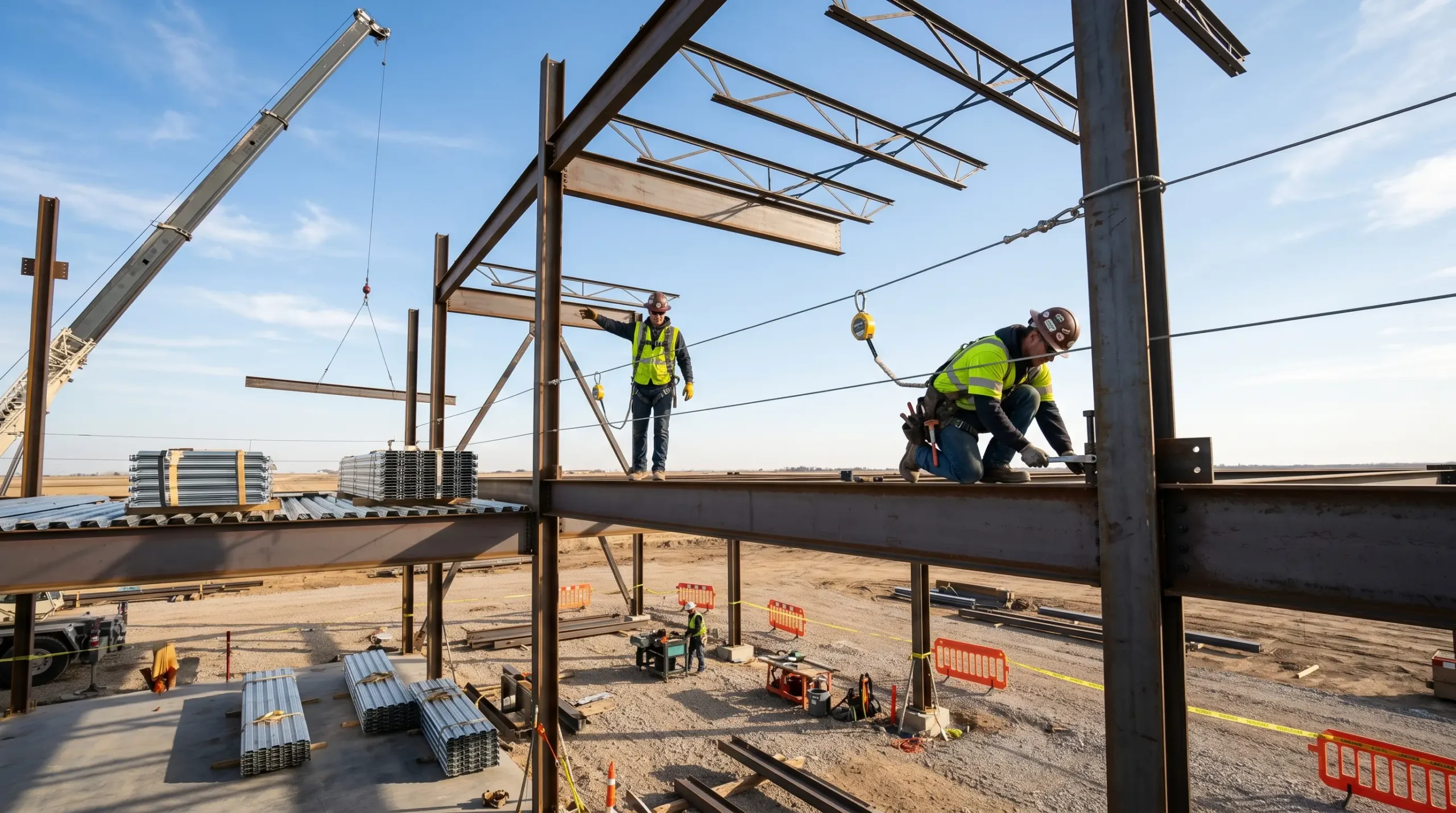
Workers in safety gear assemble a steel structural frame on a construction site with equipment and materials visible below.

TL;DR Under OSHA’s steel erection standard (29 CFR 1926.760), all employees engaged in steel erection must be protected from fall hazards when working more than 15 feet above a lower level. Connectors and controlled decking zone workers have modified thresholds — protection required above two stories or 30 feet, whichever is less. Acceptable methods include … Read more

Hierarchy of Controls for Workplace Contaminants | HSE Guide

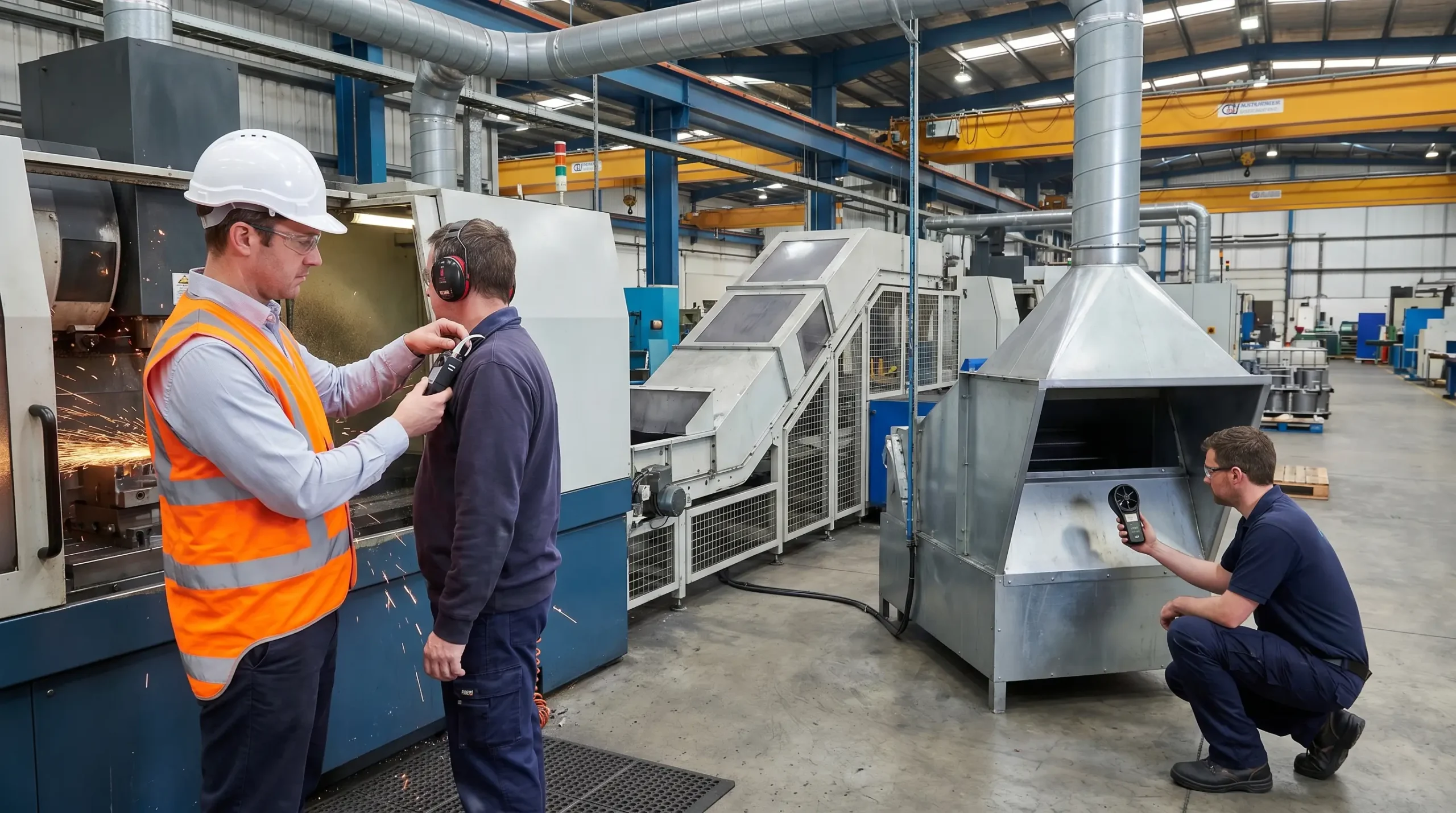
Industrial factory workers conducting equipment inspections and safety measurements on manufacturing machinery, including CNC machines and metal fabrication equipment in a modern production facility.

TL;DR The hierarchy of controls for workplace contaminants is a five-level framework that prioritises control measures from most to least effective: elimination, substitution, engineering controls, administrative controls, and personal protective equipment. Controls at the top of the hierarchy are preferred because they reduce exposure at the source and do not depend on worker behaviour to … Read more

15 Types of Reactive Monitoring Methods in Safety

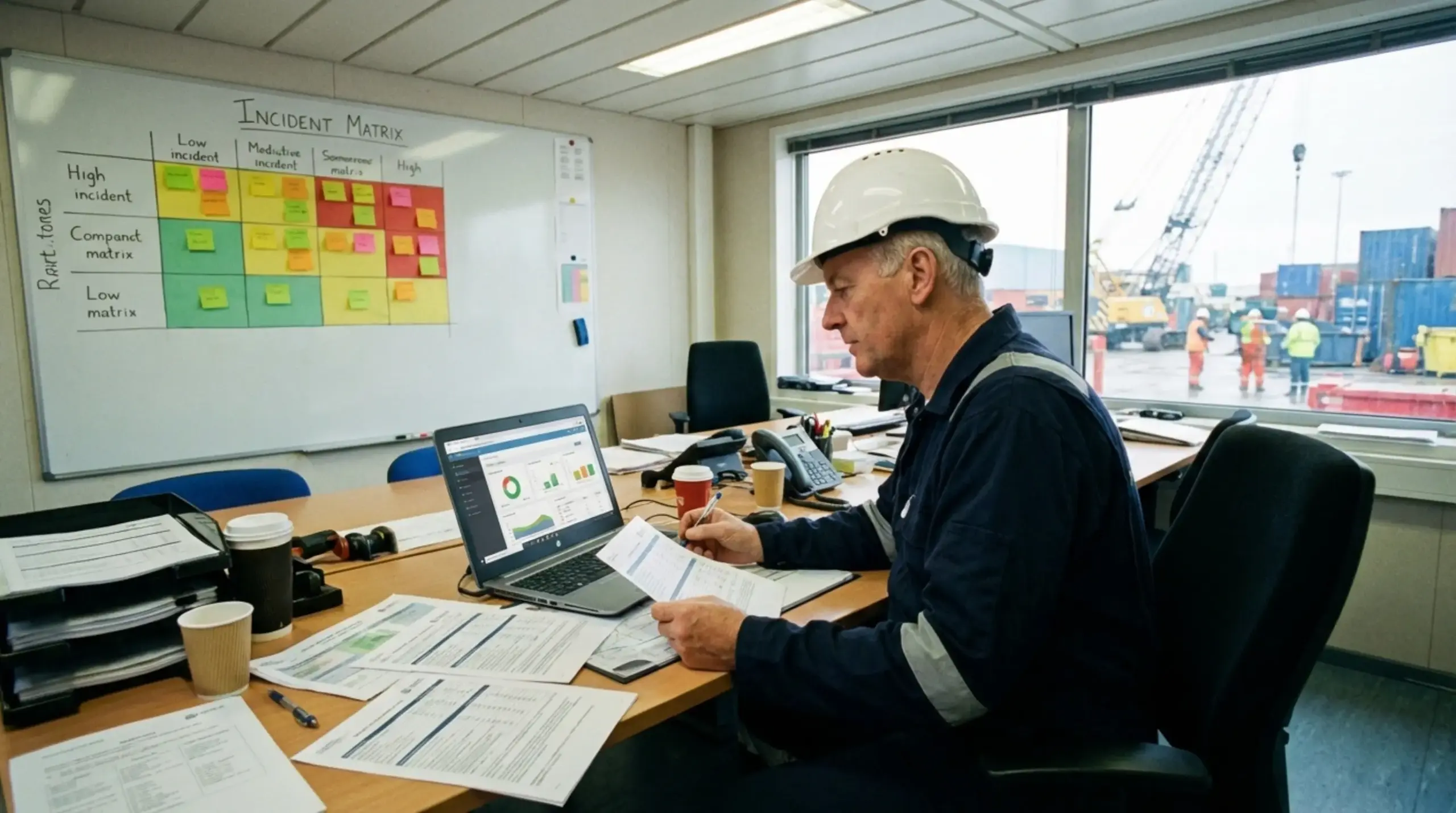
Construction site manager reviews incident data and reports at desk overlooking port with containers and shipping equipment visible through window.

TL;DR: I was sitting in a site office on a petrochemical complex in the Gulf, reviewing a contractor’s monthly safety report. The numbers looked impressive — zero lost-time injuries, zero recordable incidents, zero near-misses. On paper, it was a perfect operation. Then I walked the site. Within forty minutes, I found a scaffold missing two … Read more

100+ Substance Abuse Quotes: Words of Wisdom for Healing

Substance Abuse Quotes

Recovering from substance abuse is a journey filled with challenges, but words of encouragement can serve as powerful beacons of hope and strength. Whether you’re on the path to recovery or supporting someone meaningful, quotes can offer comfort, insight, and motivation, reminding us that change is possible and we’re never alone. In this collection of … Read more