Defective Equipment at Work: Reporting & Procedures

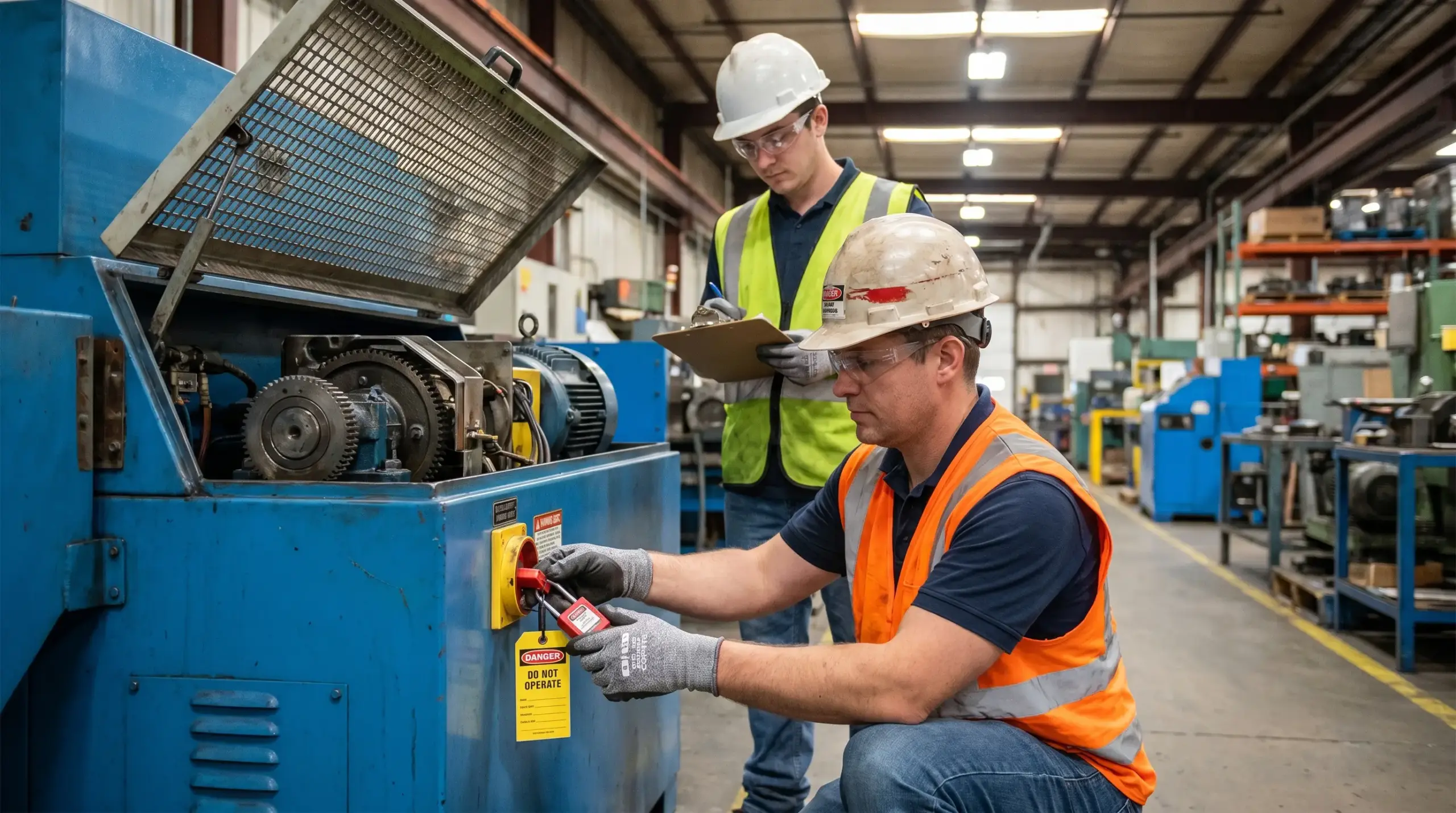
Two workers in safety gear inspect industrial machinery in a factory warehouse, with one applying a lockout tag to equipment while the other observes and takes notes.

TL;DR If you find defective equipment at work, stop using it immediately, isolate and tag it “Do Not Use,” and report it to your supervisor and the workplace reporting system. Do not attempt unauthorised repairs. Only a competent person should inspect, repair, and return the equipment to service after verification. A misconception worth correcting before … Read more

Audiometric Testing: Why It’s Required & How Often You Need It

Healthcare professional in blue scrubs conducts a telemedicine consultation with a patient in a modern medical office, both wearing headsets while viewing computer monitors displaying health data.

TL;DR Audiometric testing frequency depends on jurisdiction. Under OSHA (US), a baseline audiogram is required within 6 months of first noise exposure at or above 85 dBA, followed by annual tests every 12 months. Under UK regulations (L108), baseline testing is followed by annual audiometry for the first two years, then every three years unless … Read more

Asbestos Management Plan: What It Is & How to Write One

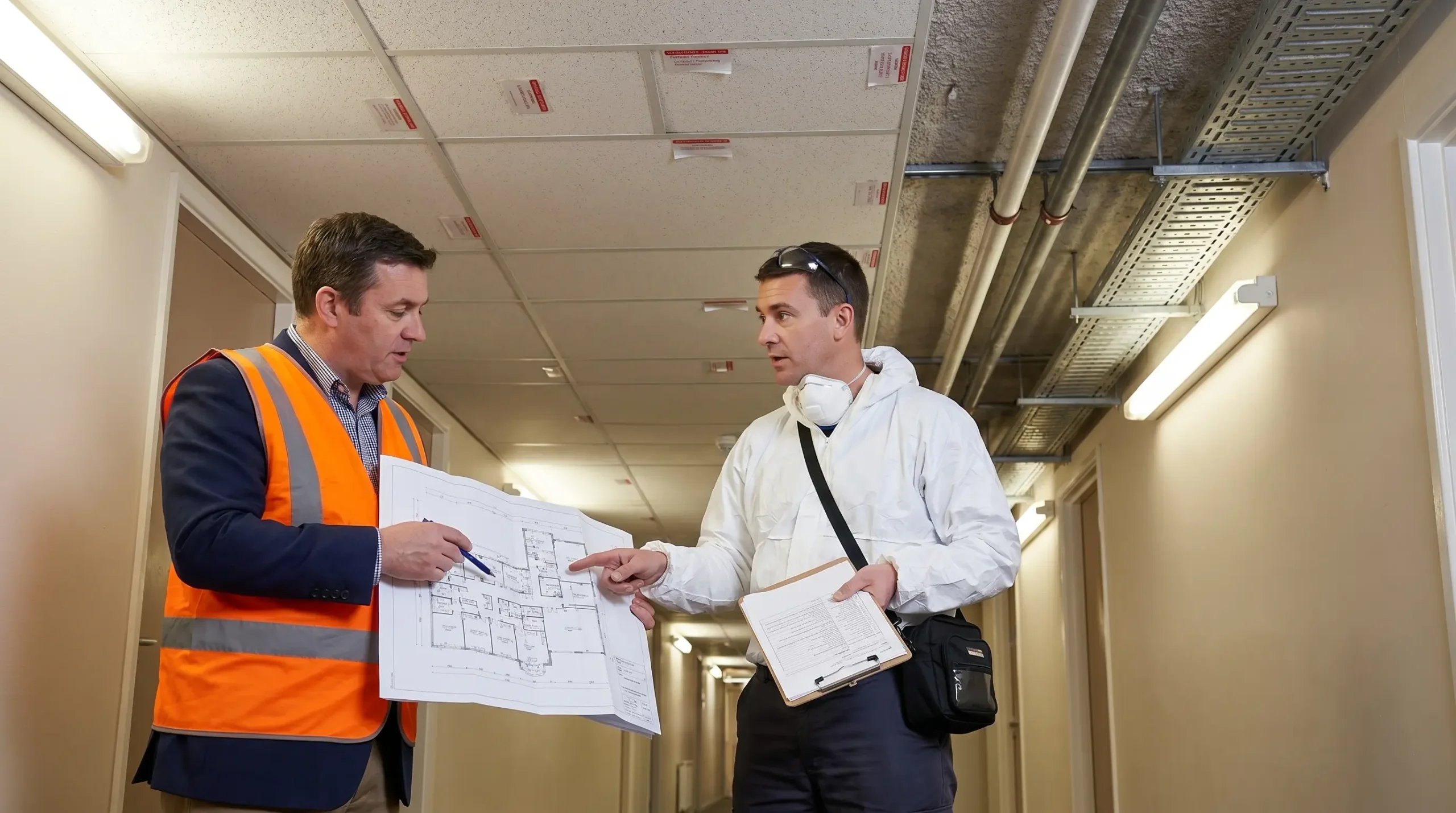
Two professionals review architectural blueprints in an industrial corridor, one wearing a safety vest and holding floor plans while the other holds a clipboard during an on-site inspection.

TL;DR An asbestos management plan is a written, site-specific document that sets out how asbestos-containing materials in a building will be identified, assessed, monitored, and controlled to prevent exposure. It records what ACMs are present, what decisions have been made about each one, who is responsible for ongoing management, and what procedures are in place … Read more

Occupational Asthma: Diagnosis, OELs & Controls Guide

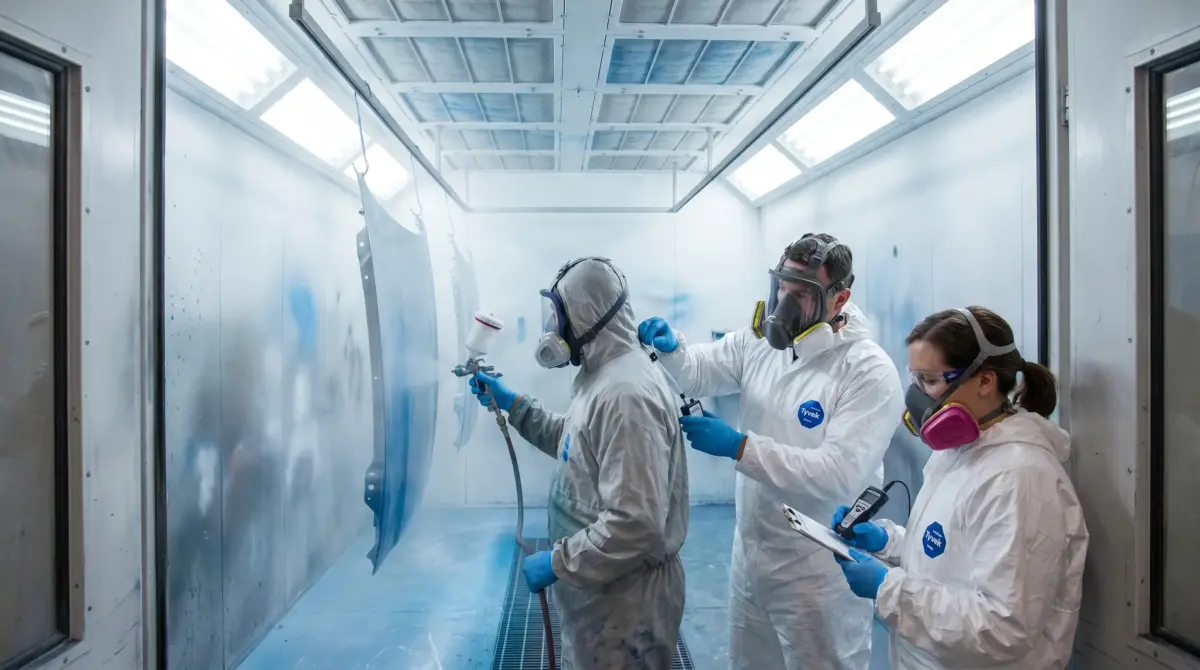
Workers in protective suits and respirators spray paint inside an industrial spray booth with skylights, demonstrating automotive or industrial coating application procedures.

TL;DR Occupational asthma is new-onset asthma caused by inhaling a sensitising or irritant substance at work, while work-exacerbated asthma is pre-existing asthma worsened by workplace exposures. The distinction determines whether the worker requires complete removal from the causative agent, qualifies for workers’ compensation, and whether co-workers face ongoing exposure risk — making accurate classification both … Read more

Grinding Safety: 10 Rules Every Worker Must Follow

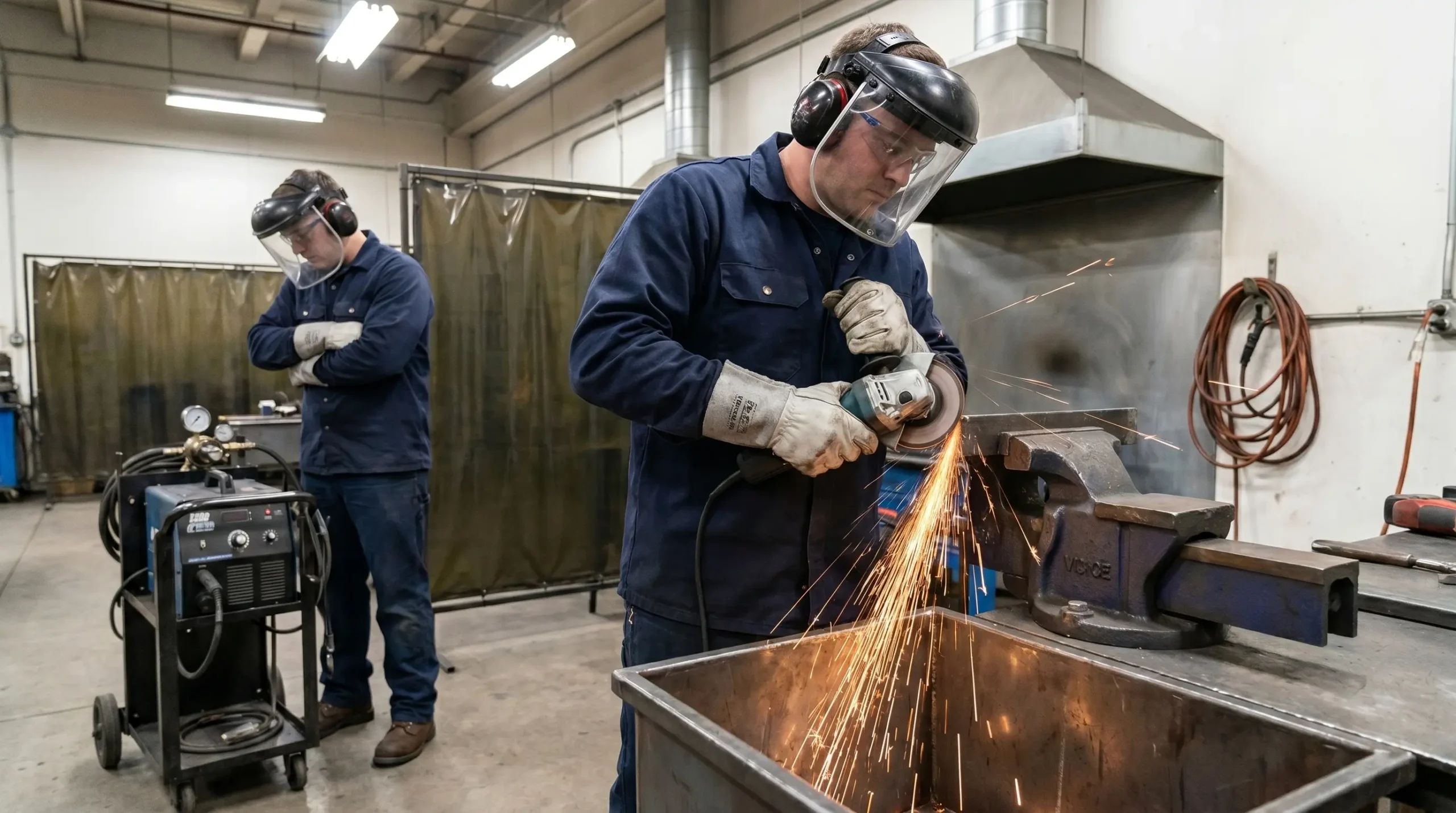
Welder in safety gear uses an angle grinder on metal in an industrial workshop while a colleague stands nearby near welding equipment and protective curtains.

TL;DR The ten essential grinding safety rules require operators to inspect every wheel, match RPM and disc type to the machine, keep guards in place, maintain work-rest clearances, wear correctly fitted PPE, secure the workpiece, control fire hazards, run new wheels at full speed before use, avoid excessive force, and complete formal training before operating … Read more

New and Expectant Mothers Risk Assessment: Employer Guide

Two women having a professional meeting at a wooden table in a modern office, with a laptop, documents, and a glass of water between them.

TL;DR A new and expectant mothers risk assessment identifies and controls workplace hazards affecting pregnant workers, those who have given birth within six months, or breastfeeding workers. UK employers must conduct an individual assessment once written notification is received and follow a legal hierarchy: adjust conditions, offer alternative work on equal terms, or suspend on … Read more

Pipeline Safety Integrity Management: Hazards Guide

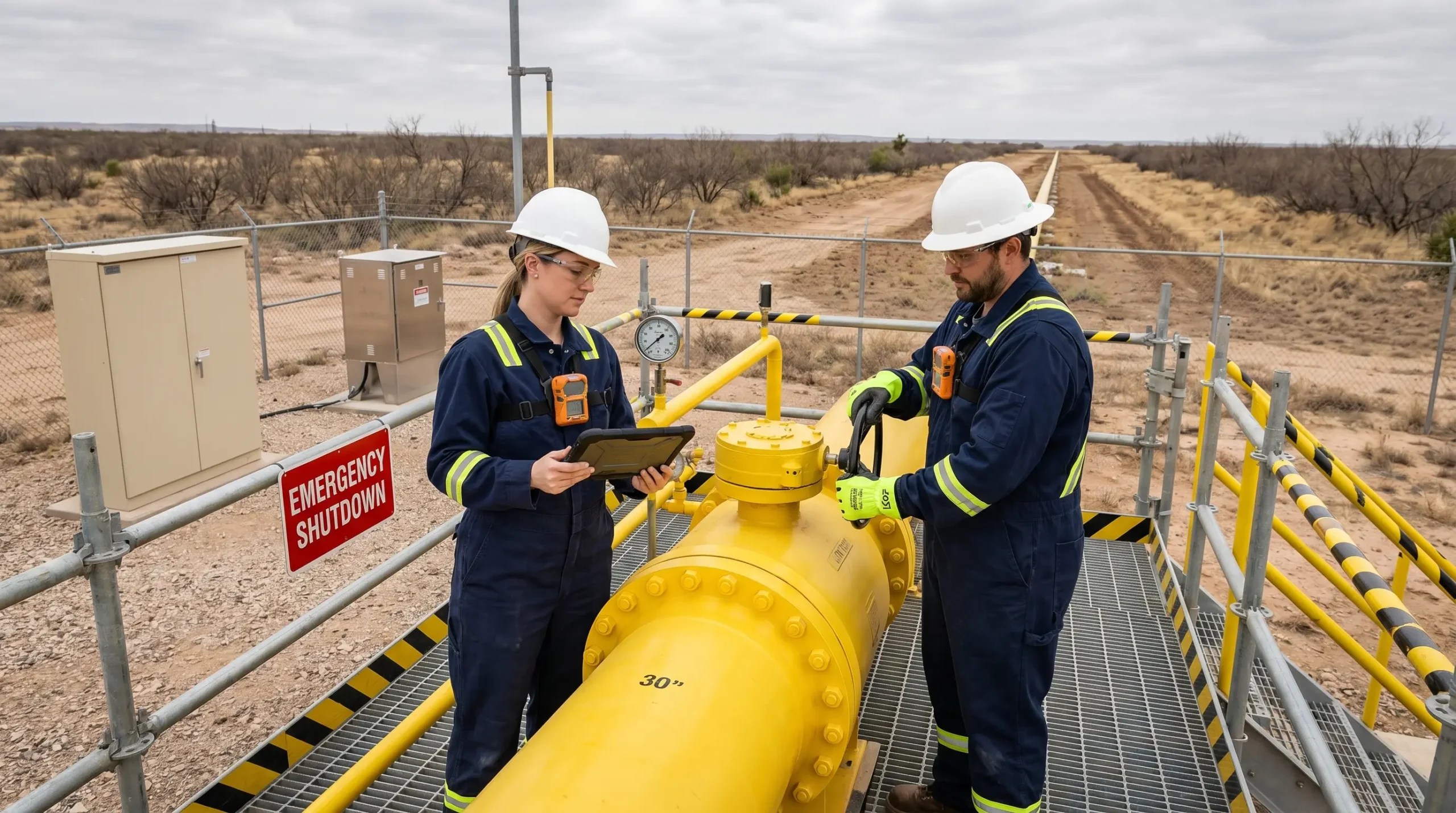
Two workers in safety gear inspect a large yellow natural gas pipeline at a remote compressor station, with one holding a tablet while reviewing operational data.

On the evening of September 9, 2010, a 30-inch natural gas transmission line running beneath a residential street in San Bruno, California ruptured during a pressure-control operation. Eight people were killed, more than sixty injured, thirty-eight homes destroyed, and roughly seventy others damaged. Eleven months earlier, a six-foot seam failure on a 30-inch crude line … Read more

15 Bunsen Burner Safety Tips Everyone Should Know

Bunsen Burner Safety

Bunsen burners are essential laboratory tools used for heating, sterilization, and various experiments. However, they also present significant fire and burn hazards. To prevent accidents and ensure safe laboratory practices, it is crucial to follow specific safety guidelines every time a burner is used. From inspecting equipment and wearing appropriate protective gear to properly handling … Read more

Carbon Monoxide Alarm Going Off for No Reason Possible Causes

Carbon Monoxide Alarm Going Off for No Reason Possible Causes

A carbon monoxide (CO) detector going off is one of those moments that can instantly cause panic — and rightly so. Carbon monoxide is a colorless, odorless, and tasteless gas that can be deadly even in small amounts over time. It’s often called the “silent killer” because it gives no warning signs before making people … Read more

2 Minute Safety Topics: Quick Tips for a Safer Workplace

2 Minute Safety Topics

Maintaining a safe workplace is essential for employee well-being and organizational success in today’s dynamic and often high-pressure work environments. Implementing brief, focused safety discussions—commonly known as “2-minute safety talks” or “safety moments”—can significantly enhance your workplace’s safety culture. These concise sessions address specific hazards, reinforce safe practices, and keep safety in employees’ minds. This … Read more