Wood Dust Exposure: Health Effects and LEV Requirements
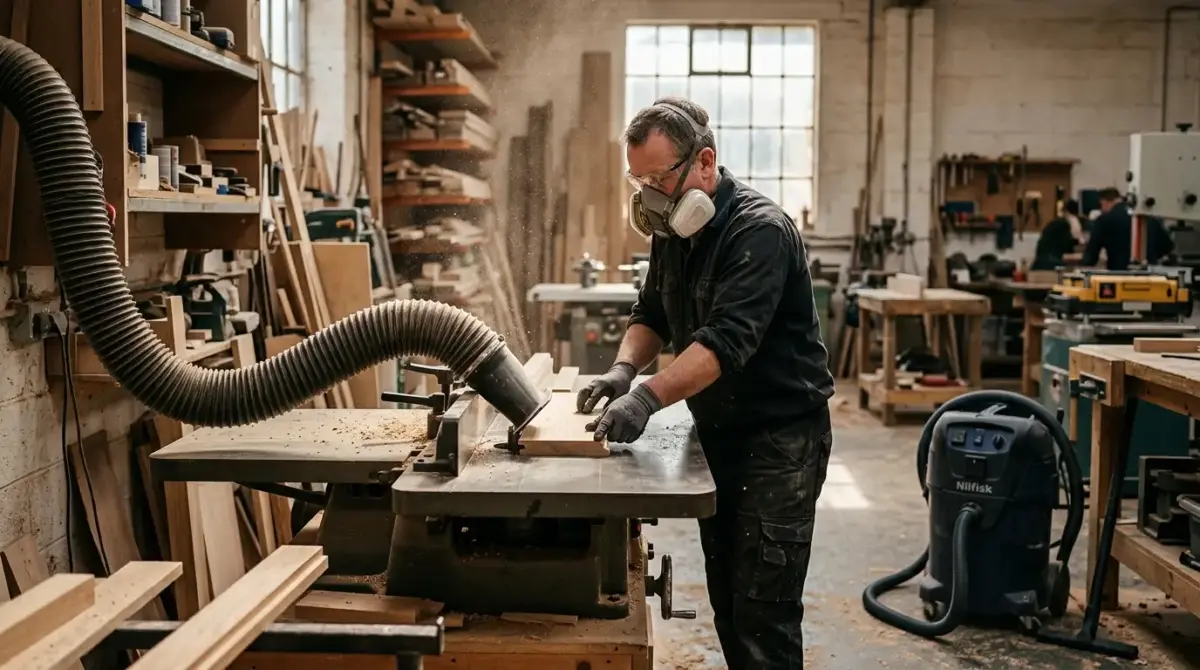
Wood Dust Exposure Health Effects and LEV Requirements

TL;DR What Counts as Dangerous Wood Dust Exposure Wood dust exposure causes occupational asthma, dermatitis and — for hardwoods — cancer of the nasal cavity and sinuses. UK employers must keep exposure below the workplace exposure limit and as low as reasonably practicable, primarily through local exhaust ventilation (LEV) captured at source, examined at least … Read more
Cryogenic PPE: What Protection Do You Actually Need?

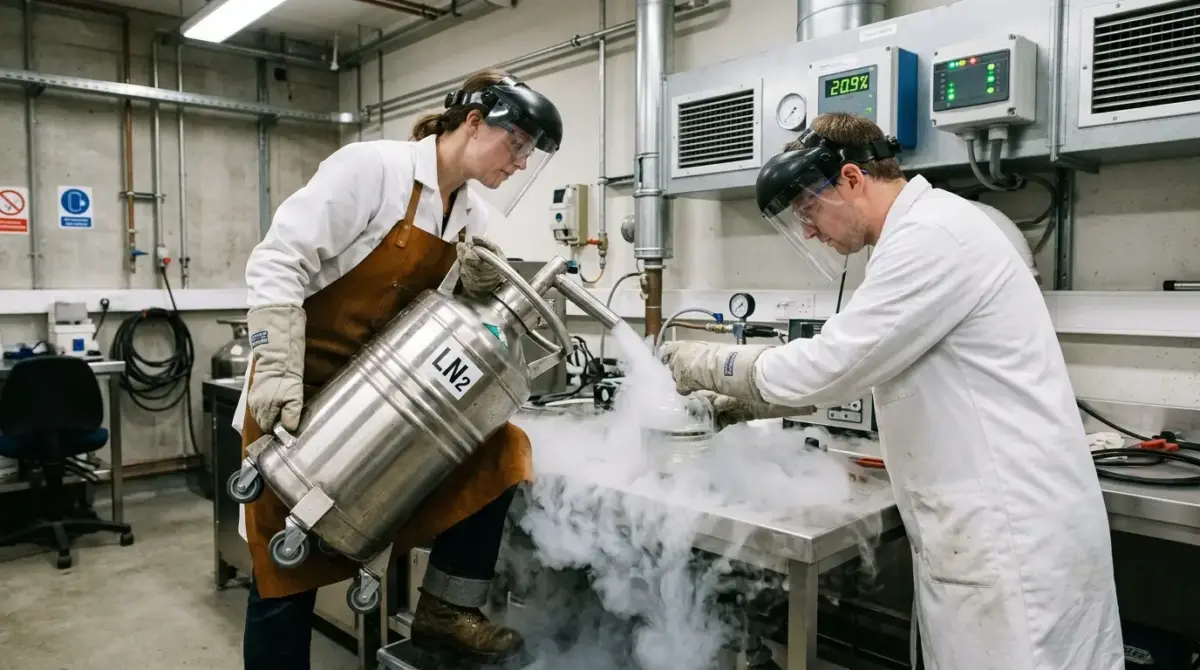
Two scientists in protective gear handle a liquid nitrogen container labeled LNB in a laboratory, with visible vapor and monitoring equipment in the background.

TL;DR Cryogenic PPE protects against the extreme cold, splashes, and frozen surfaces involved in handling liquefied gases such as liquid nitrogen. The core kit is safety glasses with side shields, a face shield for splash work, loose-fitting cryogenic gloves, cuffless trousers, closed-toe non-mesh shoes, and an apron — all backed by atmospheric oxygen monitoring. On … Read more

HAVS Health Surveillance Tiers: The 5-Level System Explained

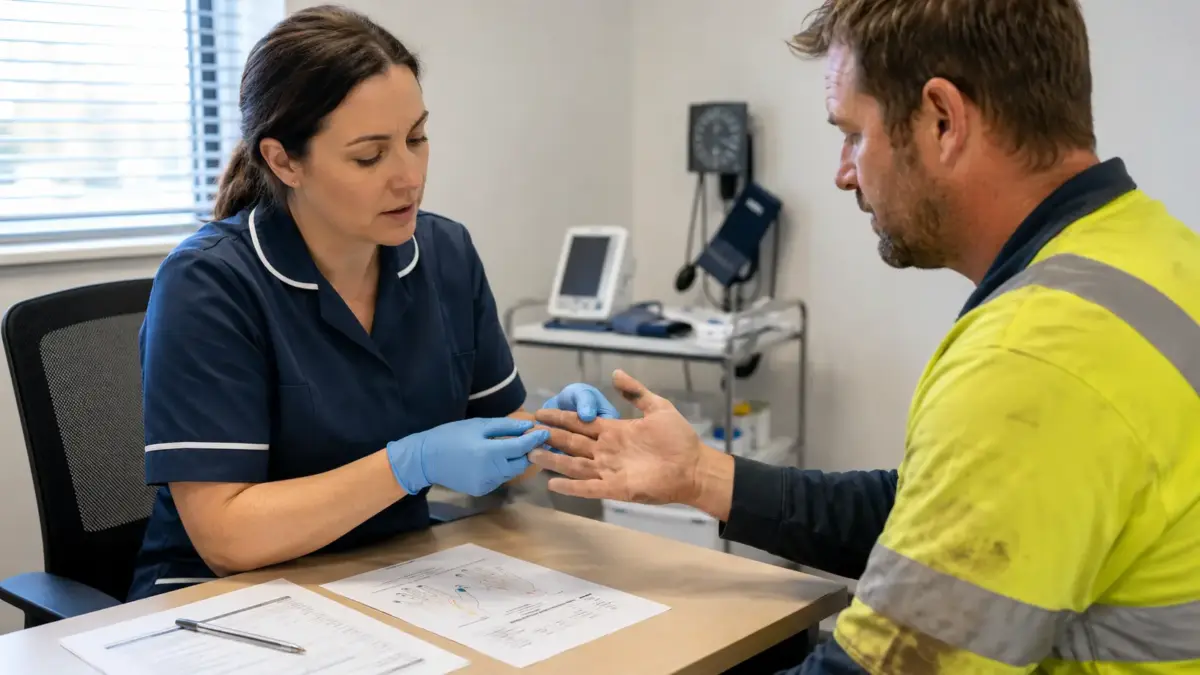
Healthcare professional in blue scrubs examining a patient's hand in a medical clinic office, with examination equipment visible in the background.

TL;DR HAVS health surveillance uses a five-tier system recommended by the UK HSE: Tier 1, a baseline questionnaire; Tier 2, annual screening; Tier 3, a clinical assessment by a qualified occupational health professional; Tier 4, formal diagnosis by an occupational physician; and Tier 5, optional specialist testing. Tiers escalate when symptoms appear, and a diagnosis … Read more

Respiratory Infections at Work: Prevention & Controls

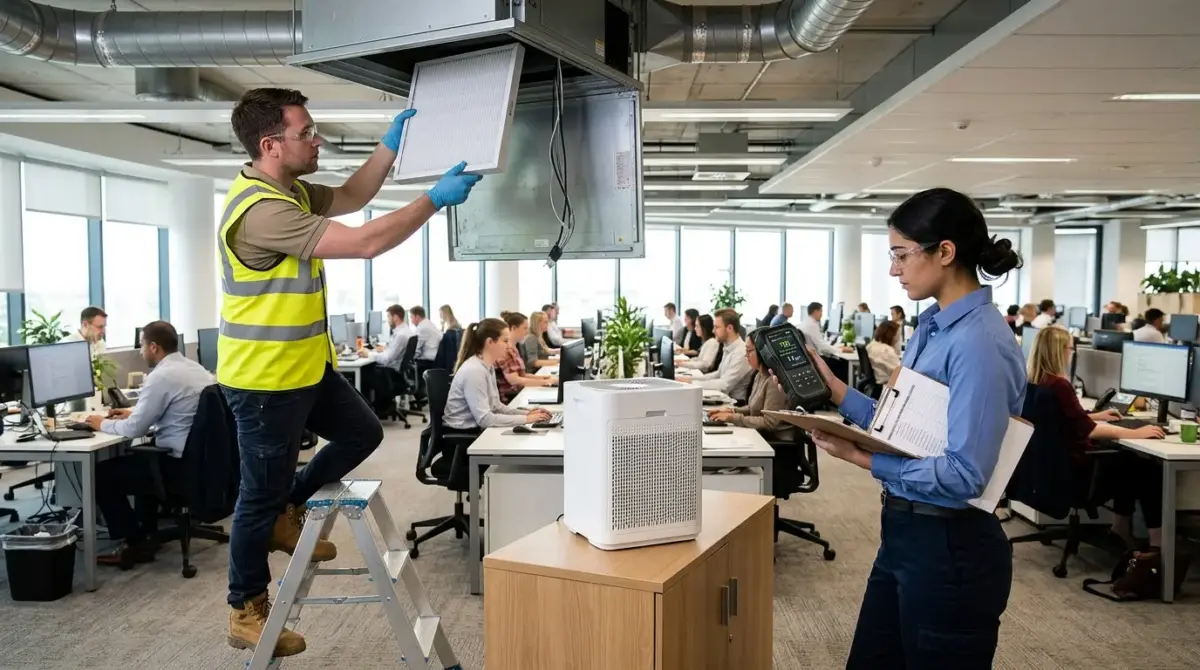
HVAC technician in safety vest inspects ceiling air filter while female colleague records measurements in busy open office with employees working at desks.

TL;DR Prevent respiratory infections at work by applying the hierarchy of controls in order: eliminate exposure where possible, then prioritize engineering controls like ventilation and filtration, followed by administrative measures such as non-punitive sick leave, and finally respiratory protection. No single control is enough — layering them gives the strongest, most reliable protection. Seasonal influenza … Read more

10 Signs of Poor Mental Health in the Workplace | HSE Guide

A woman sits at a desk in a modern open office, looking thoughtfully at her computer monitor while colleagues work at nearby stations in a bright, windowed workspace.

TL;DR Poor mental health in the workplace typically manifests through observable changes across four domains: behaviour (irritability, mood swings, withdrawal), performance (declining output, increased errors, difficulty concentrating), physical presentation (neglected appearance, fatigue, weight change), and social interaction (isolation, avoiding colleagues, reduced participation). Persistent changes lasting two or more weeks — not a single bad day … Read more

What Are Abrasive Wheels? Hazards and Safety Rules Explained

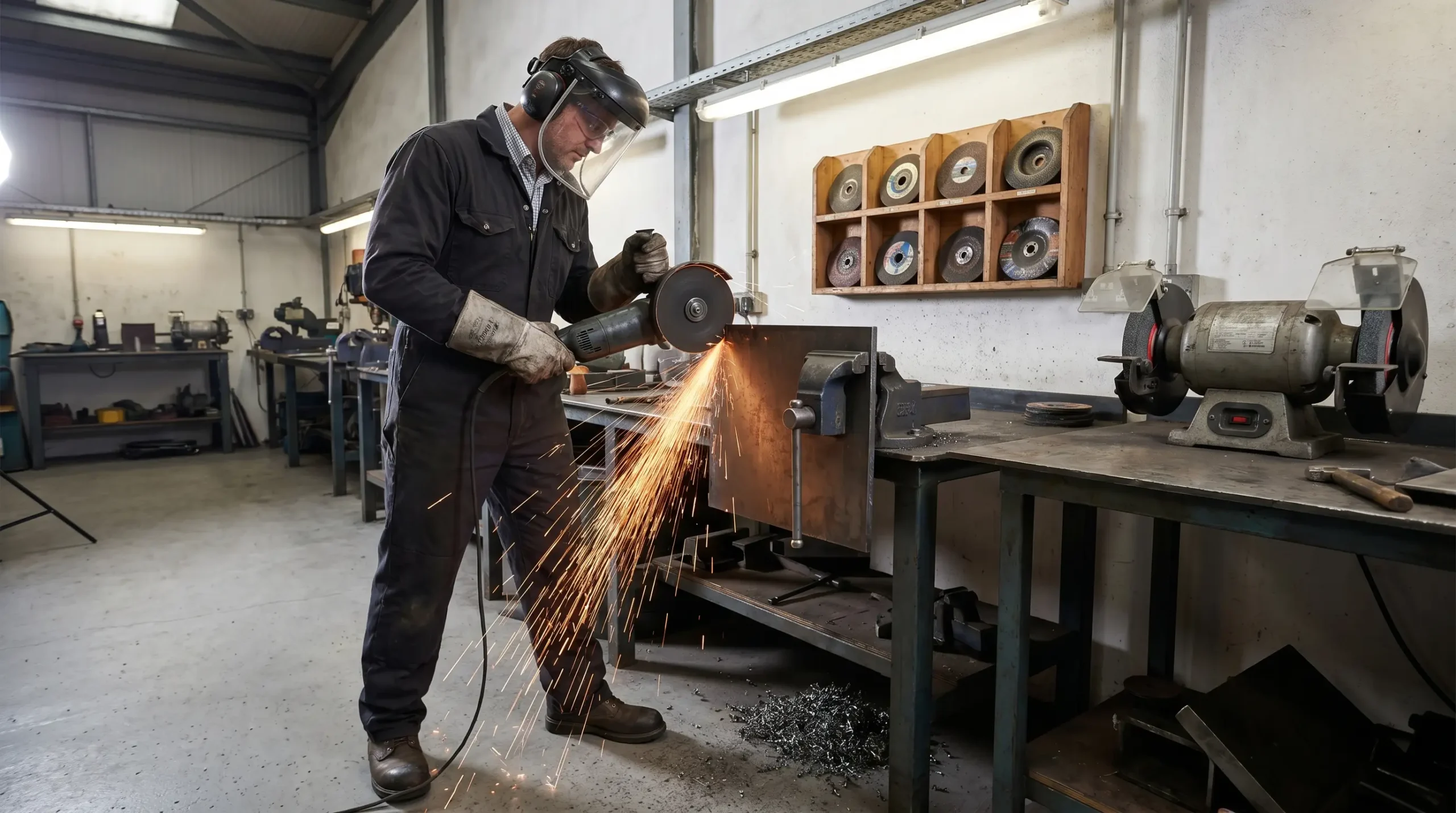
A skilled metalworker wearing protective gear uses an angle grinder to cut metal in a workshop, with sparks flying as he works at a table surrounded by grinding wheels and industrial equipment.

TL;DR — The Numbers That Define This Hazard Abrasive wheels are bonded tools of abrasive grains held together by inorganic or organic bonds, used for grinding, cutting, and finishing. They operate at 6,000–15,000 RPM and present hazards including wheel burst, contact injuries, flying fragments, dust, noise, and hand-arm vibration. Safe use is governed by PUWER … Read more

10 Effects of Road Accidents | Physical & Financial Impact

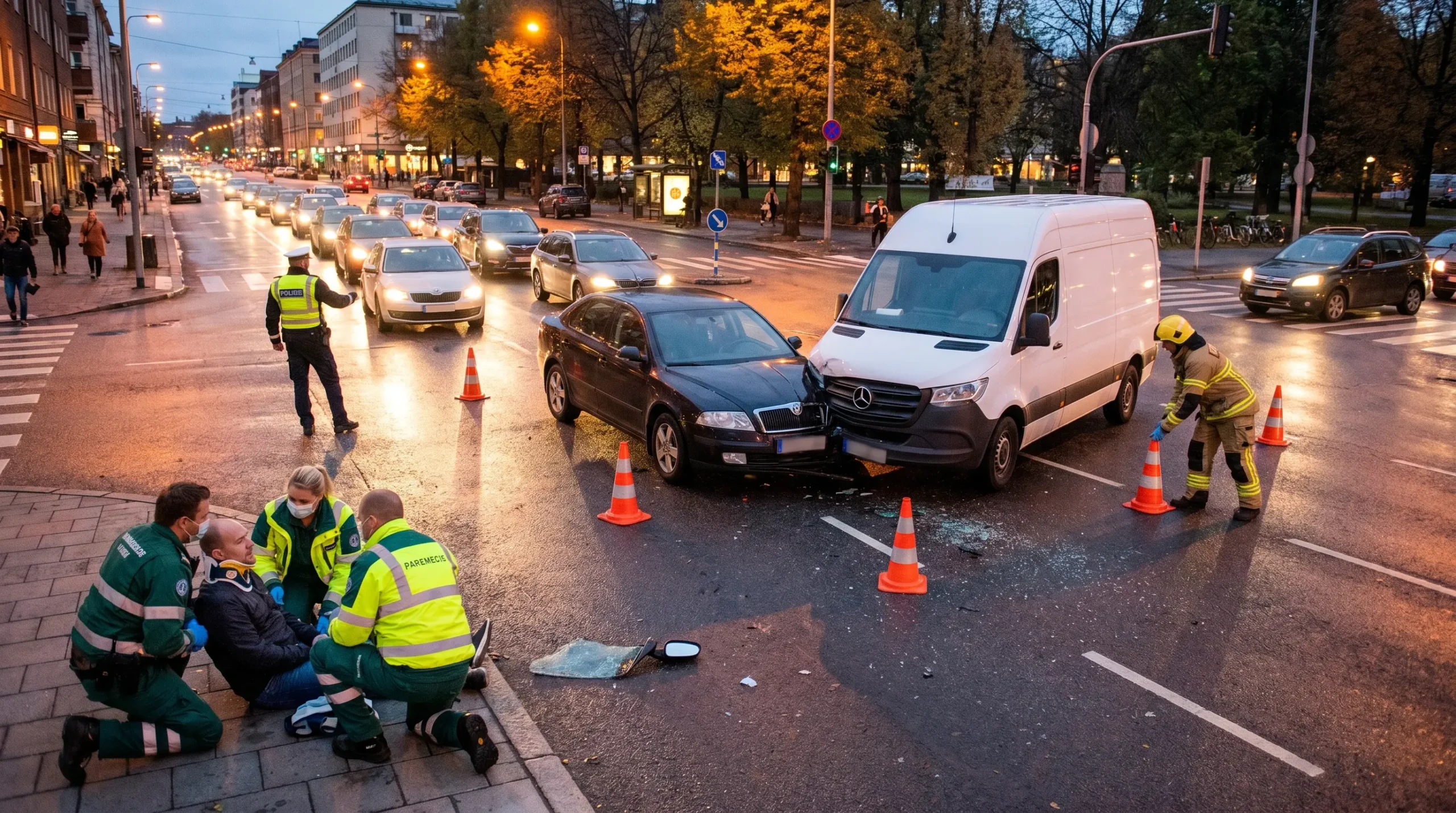
Emergency responders in high-visibility gear attend to a multi-vehicle collision at an urban intersection during evening hours, with police directing traffic and paramedics providing aid.

TL;DR — The Numbers That Define Road Crash Consequences Road accidents produce 10 major categories of consequences: physical injuries, psychological trauma, loss of life, financial burden on victims and families, long-term disability, family and relationship strain, macroeconomic costs to national economies, erosion of mental health and quality of life, environmental damage from spills and debris, … Read more

Propping and Shoring Safety Procedures: OSHA & BS 5975 Guide

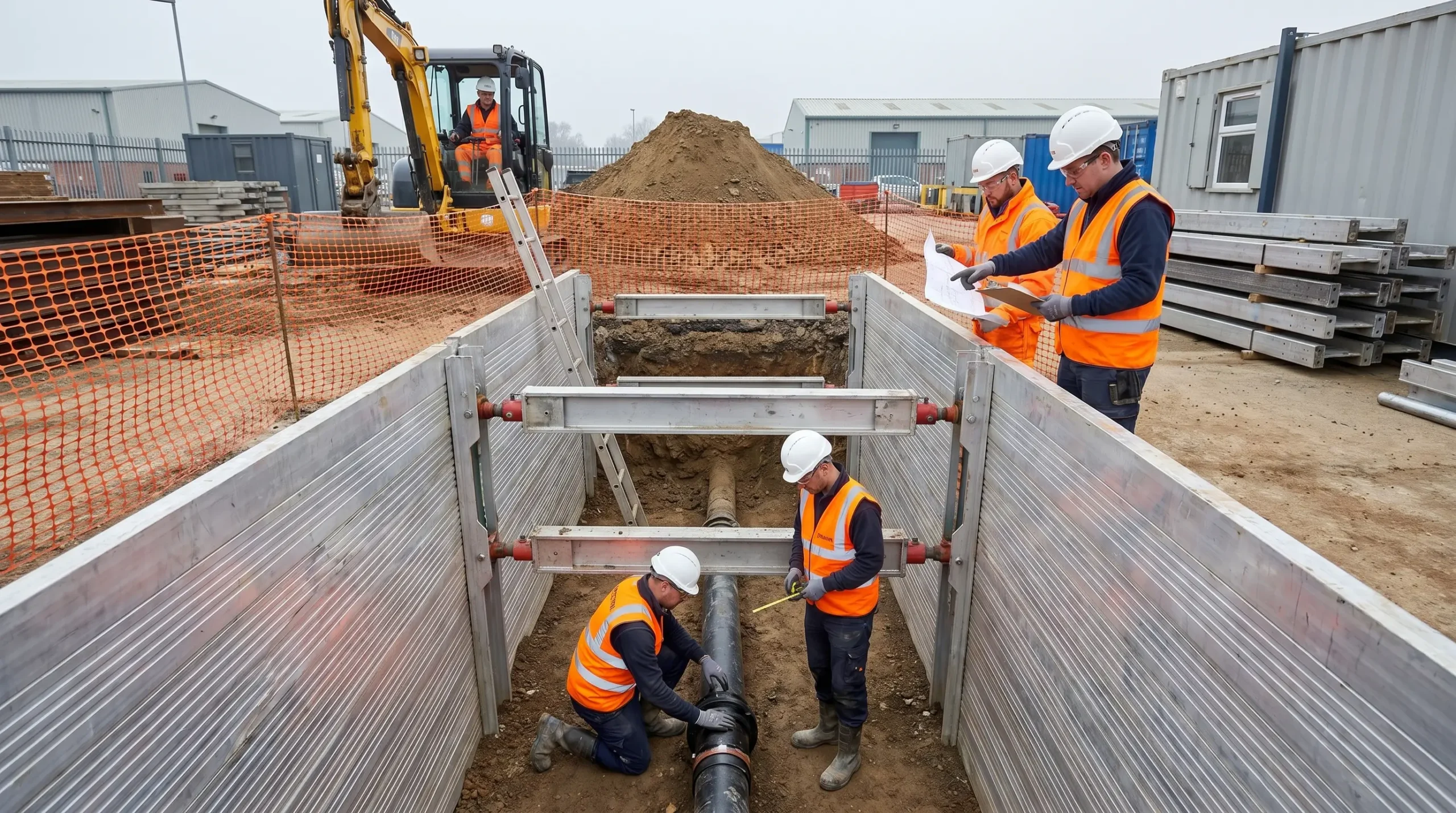
Construction workers in safety vests and hard hats inspect underground piping infrastructure at a job site with excavation equipment and material staging areas.

TL;DR Propping and shoring safety procedures require a designed temporary-works system matched to actual site conditions, installation by trained workers, daily inspection by a competent person, and controlled dismantling in the designer’s specified sequence. OSHA 29 CFR 1926 Subpart P governs US trench work; BS 5975-1:2024 and CDM 2015 govern UK temporary works procedurally. Both … Read more

Drilling Safety: Key Hazards and Prevention Measures

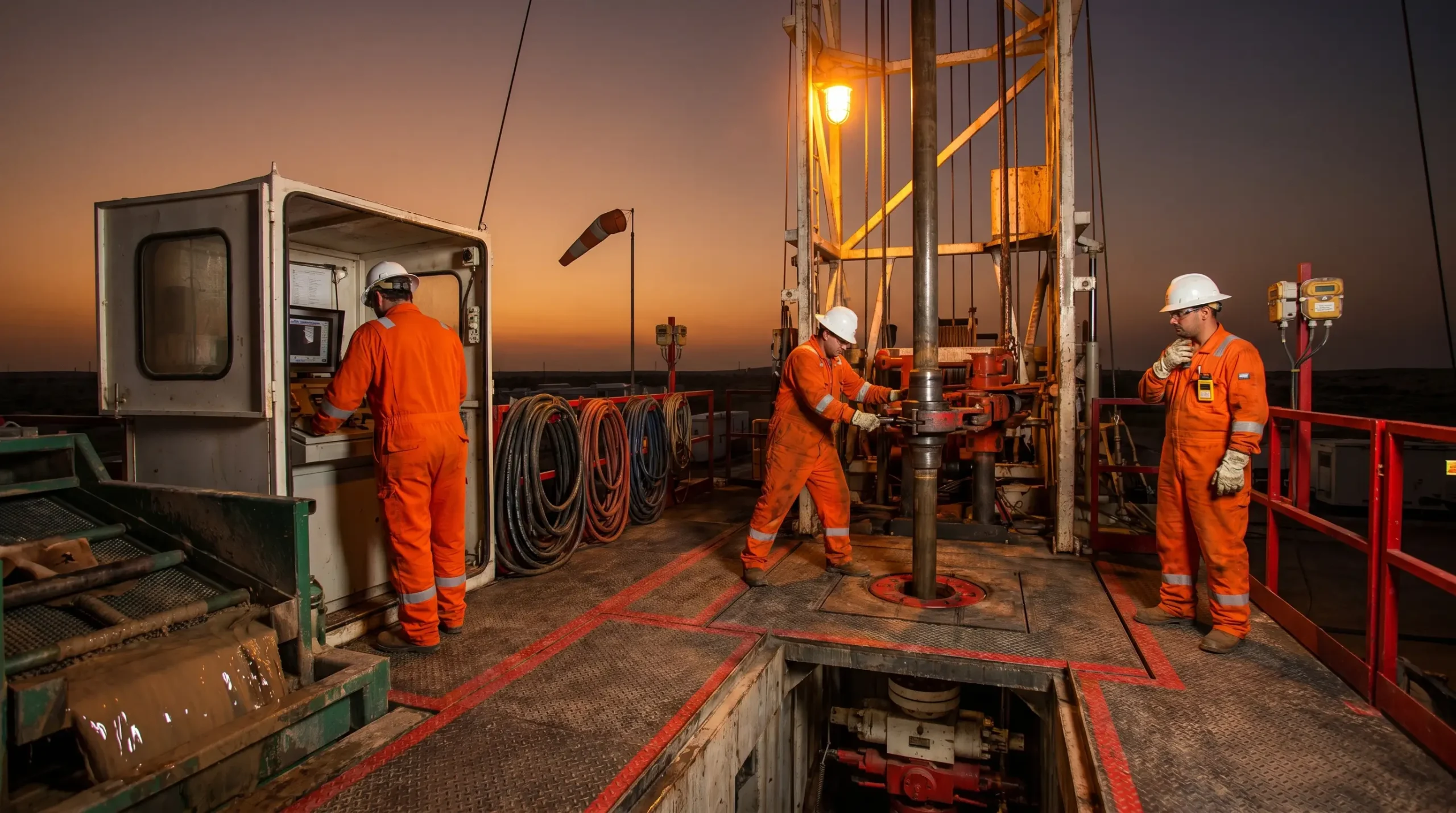
Oil rig workers in orange safety suits and hard hats perform equipment maintenance on a drilling platform during twilight, with coiled cables and industrial machinery visible on the deck.

Eleven of 32 worker fatalities reported across International Association of Oil and Gas Producers member companies in 2024 occurred during drilling, workover, and well operations. That is a third of the industry’s reported deaths concentrated in a single activity category, on sites run by operators whose HSE budgets dwarf those of almost every other sector. … Read more

OSHA and ANSI Hard Hat Requirements Compared

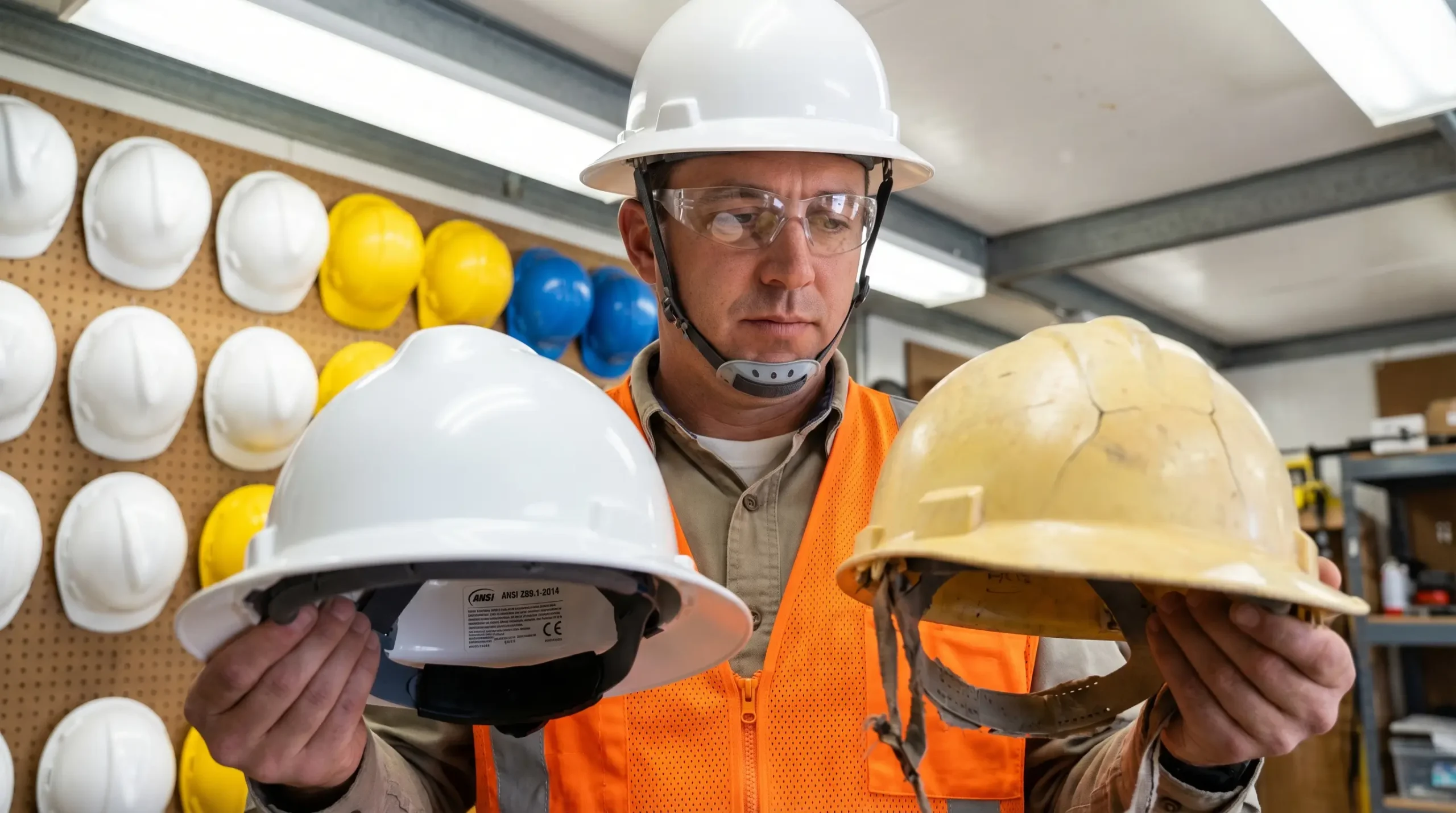
Construction worker in safety gear displays white and tan hard hats in a supply room with various colored helmets hanging on pegboard wall behind him.

I was halfway through a PPE compliance audit at a heavy civil construction project — bridge abutment work, overhead crane lifts, structural steel going up — when I pulled a hard hat off a rack in the tool crib. The shell was faded, the suspension webbing had lost its elasticity, and the date stamp inside … Read more

Categories PPE