Risk Priority Number (RPN) Calculator | FMEA Risk Tool
Risk Priority Number (RPN) Calculator

What is Risk Priority Number (RPN)? The Risk Priority Number (RPN) is a key metric used in Failure Mode and Effects Analysis (FMEA) to evaluate and prioritize potential risks in a process, product, or system. It helps identify which failure modes need immediate attention by quantifying risk based on three factors: Each factor is rated … Read more
Ergonomic Risk Calculator | Assess Workplace Strain

Ergonomic Risk Calculator

What is Ergonomic Risk? Ergonomic risk refers to the potential for injuries or disorders caused by poor design of workstations, tools, or tasks that require repetitive motion, awkward posture, or excessive force. These risks can lead to Musculoskeletal Disorders (MSDs) such as carpal tunnel syndrome, back pain, or tendonitis. The Ergonomic Risk Calculator helps assess … Read more

Accident Frequency Rate Calculator | Measure Workplace Safety

Accident Frequency Rate Calculator

What is Accident Frequency Rate (AFR)? The Accident Frequency Rate (AFR) is a widely used safety metric that measures how frequently workplace accidents occur over a set number of working hours. Unlike general injury counts, AFR provides a standardized indicator that helps organizations monitor safety performance and compare it across departments, sites, or industries. AFR … Read more

Noise Exposure Calculator | Daily Sound Dose Estimator

Noise Exposure Calculator

What is Noise Exposure? Noise exposure refers to the amount of sound energy a person is subjected to during a workday. Prolonged or excessive exposure to high noise levels can lead to noise-induced hearing loss (NIHL) and other health risks such as stress, fatigue, and reduced productivity. The Noise Exposure Calculator helps determine whether an … Read more

TRIFR Calculator | Total Recordable Injury Frequency Rate

TRIFR Calculator

What is the Total Recordable Injury Frequency Rate (TRIFR)? Total Recordable Injury Frequency Rate (TRIFR) is a key safety performance indicator used to measure the rate of workplace injuries and illnesses that are severe enough to be recorded according to occupational health and safety regulations. It helps organizations monitor safety performance and benchmark against industry … Read more

LTIFR Calculator | Calculate Lost-Time Injury Frequency

LTIFR Calculator

What is LTIFR? LTIFR (Lost-Time Injury Frequency Rate) is a standard safety metric used in occupational health and safety to measure the number of lost-time injuries per 1 million hours worked. It helps evaluate the effectiveness of an organization’s safety practices and compare performance across industries and sites. LTIFR Formula The formula for calculating LTIFR … Read more

How Synthetic Biology Is Revolutionizing Environmental Risk Management

How Synthetic Biology Is Revolutionizing Environmental Risk Management

Environmental challenges are snowballing—pollution, climate change, toxic waste—and they’re outrunning old fixes. Human activity’s driving these crises, and traditional tools just aren’t cutting it anymore. Synthetic biology’s stepping up, offering bold new ways to tackle issues that once felt insurmountable. What Synthetic Biology Brings to the Table Science keeps evolving, and synthetic biology is the … Read more

10 Major Consequences Of Not Reporting Work Hazards

10 Major Consequences Of Not Reporting Work Hazards

Workplace safety isn’t just a checklist—it’s a culture. Every day, employees encounter hazards ranging from malfunctioning equipment to chemical exposure, yet many go unreported due to fear, neglect, or unclear procedures. While it may seem harmless to ignore a minor issue, failing to report hazards can lead to serious consequences that ripple across an entire … Read more

10 Common Reasons Why Workers Don’t Report Near Misses

Reasons Why Workers Don’t Report Near Misses

Near misses—incidents that could have resulted in injury or damage but didn’t—are critical warning signs in any workplace. Yet, many of these events go unreported despite their value in preventing future accidents. Understanding why workers choose not to report near misses is essential for building a stronger safety culture. This blog explores the ten most … Read more

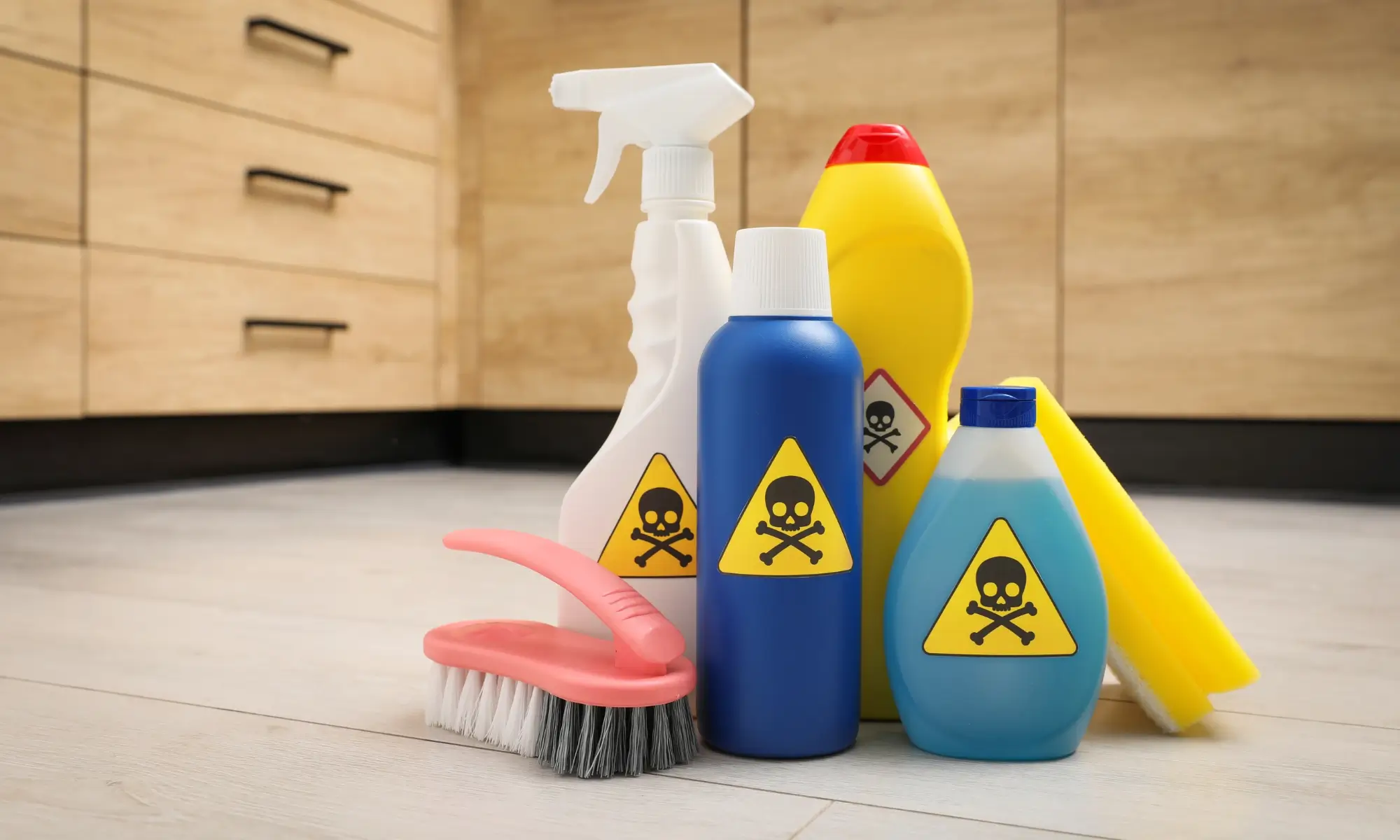
10 Types Of Chemicals and How to Manage Them

Types Of Chemicals

Chemicals are the backbone of countless industries—from manufacturing and agriculture to healthcare and research. However, with their widespread use comes the inevitable risk of chemical hazards that can seriously affect human health and the environment. Whether you’re a safety officer, lab technician, factory worker, or employer, understanding chemical hazards isn’t just a compliance requirement—it’s a … Read more