

Carbon monoxide (CO) is a silent killer—an odorless, colorless, and tasteless gas that can cause severe health problems and even death. One of the most common misconceptions about CO is whether it is heavier or lighter than air. This myth significantly impacts the proper placement of CO detectors in homes and workplaces.
This article will clarify the science behind CO’s behavior in the air, debunk common myths, and provide essential safety tips to ensure proper CO detector placement. By the end, you’ll completely understand how carbon monoxide moves and the best strategies to protect yourself and your loved ones.
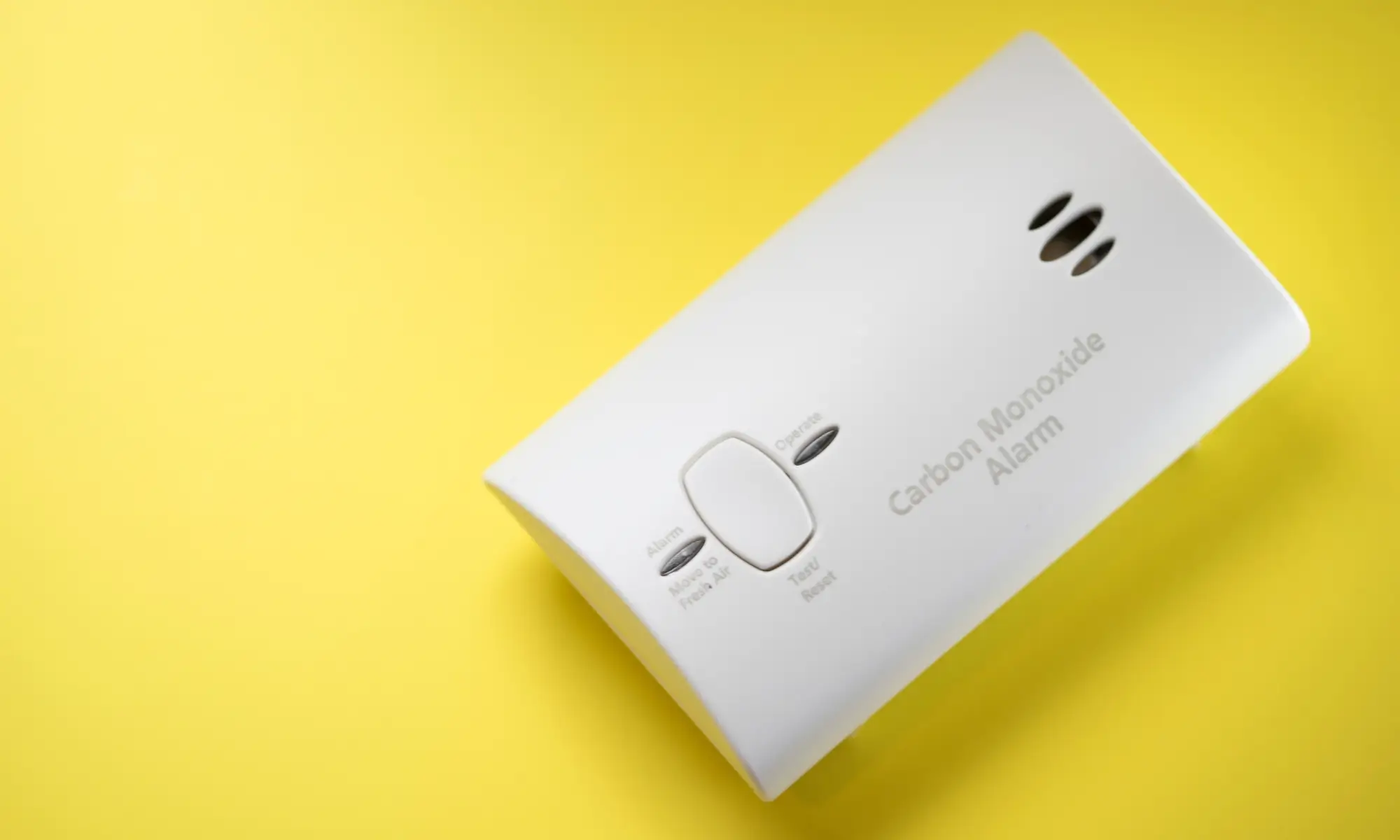
Understanding Carbon Monoxide and Its Properties
Before we dive into the myth, let’s explore the fundamental characteristics of carbon monoxide:
- Molecular Composition: Carbon monoxide comprises one carbon atom and one oxygen atom, giving it the chemical formula CO.
- Molar Mass: The molar mass of CO is 28.01 g/mol, which is slightly lighter than the average molar mass of air, which is approximately 28.97 g/mol.
- Density: CO is slightly lighter than air, so it does not sink to the ground, as some believe.
- Odorless and Colorless: Unlike other gases, CO cannot be detected by human senses, making it highly dangerous without proper detection equipment.
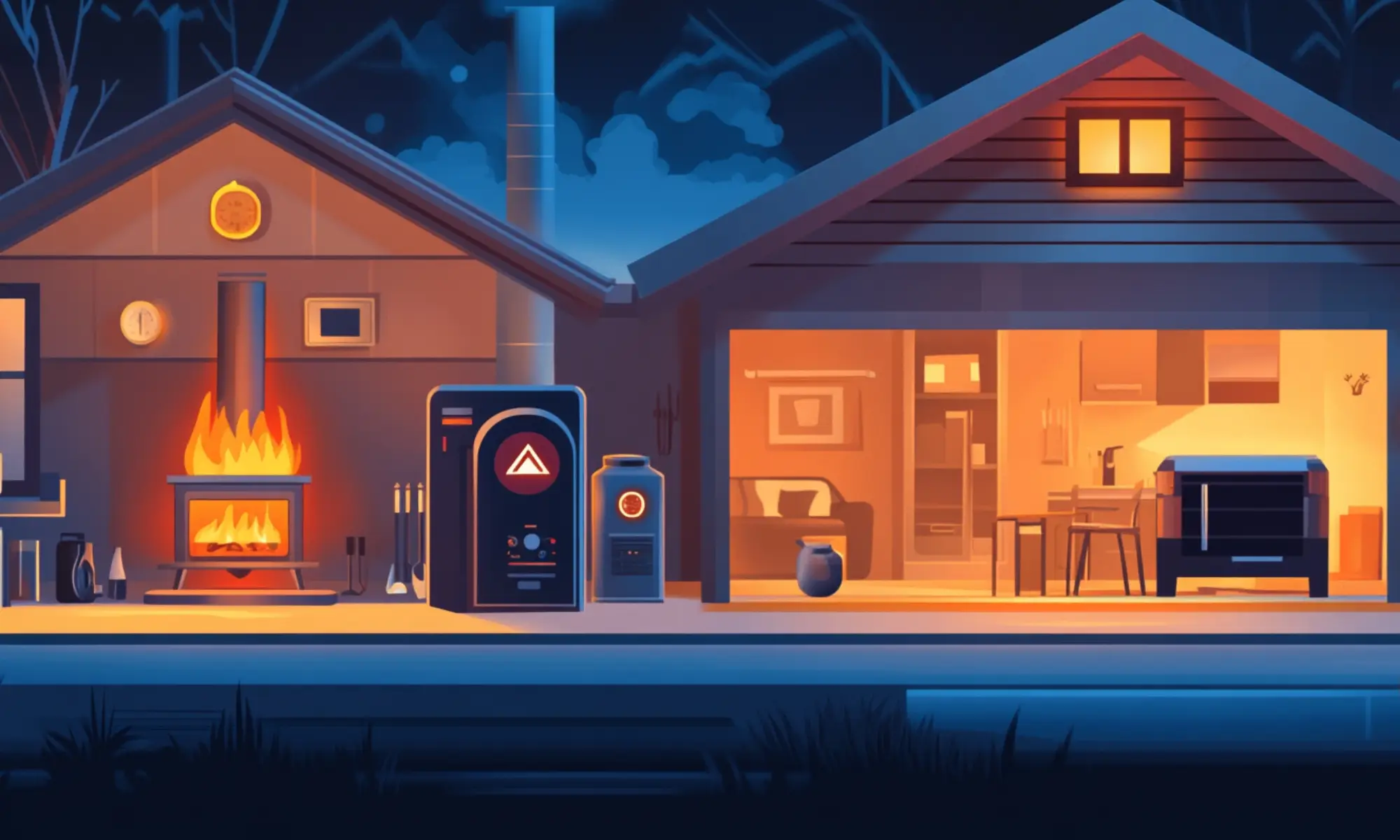
Myth: Carbon Monoxide is Heavier Than Air
Many people believe that carbon monoxide (CO) is heavier than air and will settle near the ground. This misconception likely arose because other dangerous gases, such as propane (C₃H₈) and butane (C₄H₁₀), are indeed heavier than air and accumulate near the floor.
Some early carbon monoxide detectors were also designed to be plugged into wall outlets, which led people to assume that CO naturally settles at lower levels. Over time, this contributed to the misunderstanding that CO is a “heavy gas.”
Fact: Carbon Monoxide is Slightly Lighter Than Air
Carbon monoxide has a molar mass of 28.01 g/mol, while the air we breathe has an average molar mass of 28.97 g/mol. This means that CO is actually slightly lighter than air, but the difference is minimal.
Because of this, CO does not simply rise to the ceiling or settle near the floor. Instead, it mixes evenly with the air in a room. This even distribution happens because of natural airflow, temperature changes, and ventilation.
How Carbon Monoxide Moves Indoors
While CO is slightly lighter than air, its behavior in an enclosed space is influenced by external factors rather than just its weight. The way it spreads depends on:
- Air Currents and Ventilation – HVAC systems, fans, and open windows cause CO to circulate throughout a room.
- Heat from Combustion Sources – CO is often produced by appliances like furnaces and stoves, which release warm air that rises before mixing with cooler air.
- Room Shape and Obstacles – Walls, furniture, and enclosed spaces can affect how CO disperses.
These factors ensure that CO is evenly distributed rather than concentrating only on the ceiling or the floor.
Implications for Carbon Monoxide Detector Placement
Because CO mixes with air rather than accumulating at any specific height, the best placement for CO detectors is:
- At breathing height (around 5 feet above the ground)
- Near sleeping areas
- On every level of a home
- Away from direct airflow sources like vents, windows, or fans
By following these guidelines, CO detectors can accurately detect dangerous levels of carbon monoxide and alert occupants before symptoms develop.
The belief that carbon monoxide is heavier than air is a myth. In reality, CO is slightly lighter than air but behaves like it has the same weight due to how it mixes in indoor environments. This even distribution makes proper CO detector placement essential—not too high, not too low, but at breathing height to ensure accurate detection and early warnings.

Proper Placement of Carbon Monoxide Detectors
Now that we understand how carbon monoxide moves let’s discuss the best locations for installing CO detectors. Proper placement is crucial for early detection and safety.
Where to Place Carbon Monoxide Detectors
- Near Sleeping Areas – Install CO detectors near bedrooms to wake you up if dangerous levels are detected while you sleep.
- On Every Floor – Place at least one CO detector on each level of your home, including basements and attics.
- At Breathing Height: Mount the detector approximately 5 feet above the ground, which aligns with the average breathing zone.
- Near Potential CO Sources —To prevent false alarms, Place detectors near fuel-burning appliances such as furnaces, water heaters, and fireplaces, but at least 15 feet away.
- In Attached Garages – If your home has an attached garage, install a CO detector nearby, as vehicle exhaust can introduce CO into your home.
Where NOT to Place Carbon Monoxide Detectors
- Too Close to Fuel-Burning Appliances – This can cause false alarms due to small amounts of CO emitted during normal operation.
- In Bathrooms – High humidity can interfere with the sensor’s accuracy.
- Near Open Windows or Vents – Strong airflow can dilute CO levels, delaying detection.
- In Direct Sunlight – Excessive heat can affect the detector’s functionality.

Common Myths and Misconceptions About Carbon Monoxide
Carbon monoxide (CO) is a silent killer—it is odorless, colorless, and tasteless, making it extremely dangerous without proper detection. Unfortunately, many myths and misconceptions exist about carbon monoxide, which can lead to unsafe practices and increased risks of poisoning. Here, we debunk the most common myths and provide fact-based information to keep you and your loved ones safe.
🔴 Myth #1: Carbon Monoxide is Heavier Than Air
✅ Fact: CO is slightly lighter than air but mixes evenly in a room.
Many people believe CO is heavier than air and will settle near the floor, leading them to install CO detectors too low. In reality:
- CO’s molar mass is 28.01 g/mol, while air’s average molar mass is 28.97 g/mol—a small difference.
- CO does not sink or rise significantly; instead, it spreads evenly throughout a room.
- Air circulation, temperature, and ventilation influence CO’s movement more than its weight.
📌 Best practice: Install CO detectors at breathing height (~5 feet above the floor) and near sleeping areas.
🔴 Myth #2: Carbon Monoxide Has a Distinct Smell
✅ Fact: CO is completely odorless—you cannot smell, see, or taste it.
Many people think they can “smell” carbon monoxide when a furnace or gas stove is running. However:
- If you smell something while using a fuel-burning appliance, it’s likely another combustion byproduct, such as burning dust or exhaust fumes—not CO.
- CO is undetectable by human senses, which is why detectors are essential for safety.
📌 Best practice: Install CO alarms throughout your home—never rely on smell to detect a CO leak.
🔴 Myth #3: CO Detectors Should Be Placed on the Floor
✅ Fact: CO detectors should be placed at breathing height—not near the floor.
Because some gases (like propane) are heavier than air, people assume CO detectors should be installed low. However:
- CO mixes evenly in a room and does not settle at any particular height.
- Detectors placed too low may not provide the fastest warning.
- Many CO alarms are designed to be mounted on walls or ceilings, as recommended by manufacturers.
📌 Best practice: Follow the manufacturer’s instructions for proper placement—usually 5 feet above the ground or on the ceiling (at least 6 inches from walls).
🔴 Myth #4: If I Don’t Have Gas Appliances, I Don’t Need a CO Detector
✅ Fact: CO poisoning can happen in any home, even without gas appliances.
While gas stoves, furnaces, and heaters are common sources of CO, other unexpected sources include:
✔ Running vehicles in an attached garage
✔ Wood-burning fireplaces or stoves
✔ Blocked chimneys or vents
✔ Portable generators (used indoors or too close to windows/doors)
✔ Charcoal grills or camp stoves used indoors
📌 Best practice: Every home needs CO detectors, regardless of whether it has gas appliances.
🔴 Myth #5: CO Poisoning Only Happens in Winter
✅ Fact: CO poisoning can occur year-round.
While winter sees more cases due to increased heating use, CO poisoning is a year-round risk because:
- Water heaters, gas stoves, and fireplaces operate in all seasons.
- Running cars in garages can produce CO any time of year.
- Generators and outdoor grills used in summer can create dangerous CO levels.
📌 Best practice: Keep CO alarms active year-round and never ignore their alerts.
🔴 Myth #6: I’ll Know If I Have CO Poisoning
✅ Fact: CO poisoning mimics common illnesses like the flu, making it hard to recognize.
CO poisoning symptoms can appear gradually and worsen over time. Early signs include:
❗ Headaches
❗ Dizziness
❗ Nausea
❗ Shortness of breath
❗ Confusion
As exposure increases, unconsciousness and death can occur.
📌 Best practice: If you experience these symptoms and suspect CO exposure, immediately move to fresh air and call 911.
🔴 Myth #7: If the Alarm Goes Off, I Can Just Reset It
✅ Fact: Never ignore a CO alarm—it signals a potential danger.
If your CO detector beeps, it could mean:
🔴 Dangerous CO levels are present → Leave immediately and call emergency services
🔵 Low battery warning → Replace the batteries and test the alarm
🟡 End of detector’s lifespan → Replace the device (usually every 5–7 years)
📌 Best practice: Treat every alarm seriously—don’t assume it’s a false alarm.
🔴 Myth #8: CO Alarms Last Forever
✅ Fact: CO detectors expire and should be replaced every 5–7 years.
Over time, CO detectors lose sensitivity and may not function correctly. Most models have:
✔ A “replace by” date printed on the back
✔ End-of-life warning beeps
📌 Best practice: Check the manufacturing date and replace your CO detectors as recommended.
🔴 Myth #9: Opening Windows Will Get Rid of CO
✅ Fact: CO can accumulate quickly even with windows open.
While opening a window might reduce CO levels slightly, it is not a reliable method to remove CO because:
- CO can still build up in enclosed spaces, especially if the source is ongoing.
- Windows may not provide enough ventilation to remove dangerous CO levels.
- If CO levels are high enough to trigger an alarm, you need to leave immediately.
📌 Best practice: Evacuate the area and call for help if a CO detector goes off.
Carbon monoxide does not settle near the floor—it mixes evenly in a room. CO is odorless, requires proper detection, and can be deadly if not addressed quickly.
🔹 Install CO detectors on every floor, near sleeping areas, and at breathing height.
🔹 Test your alarms monthly and replace them every 5–7 years.
🔹 If your CO alarm goes off, treat it as an emergency—get to fresh air and call for help.
🚨 Don’t let misinformation put you or your family at risk! Stay informed, install CO detectors properly, and ensure regular maintenance for safety.

Health Effects of Carbon Monoxide Exposure
Short-Term Exposure Symptoms
- Headache
- Dizziness
- Nausea
- Confusion
- Fatigue
Long-Term Exposure Symptoms
- Memory problems
- Difficulty concentrating
- Heart damage
- Neurological issues
Severe Exposure Consequences
- Loss of consciousness
- Coma
- Death
Who is Most at Risk?
Certain individuals are more vulnerable to CO poisoning, including:
- Infants and Young Children – Their developing bodies absorb CO more rapidly.
- Elderly Individuals – Pre-existing health conditions can make them more susceptible.
- People with Respiratory or Heart Conditions – CO reduces oxygen supply, worsening existing health problems.
- Pregnant Women – CO exposure can harm both the mother and the unborn child.
Safety Tips to Prevent Carbon Monoxide Poisoning
To reduce the risk of CO exposure, follow these essential safety precautions:
- Install CO Detectors Properly – Follow manufacturer guidelines and place them in strategic locations.
- Test CO Detectors Monthly – Ensure they function correctly by pressing the test button.
- Replace Batteries Annually – If your detector uses batteries, replace them at least once a year.
- Schedule Regular Appliance Inspections – Have your furnace, water heater, and other fuel-burning appliances checked annually by a professional.
- Never Run Engines Indoors – Avoid using generators, grills, or vehicles inside garages or enclosed spaces.
- Ensure Proper Ventilation – Keep vents and chimneys clear to allow safe exhaust of combustion gases.
- Know the Signs of CO Poisoning—If you suspect CO poisoning, move to fresh air immediately and call emergency services.
Conclusion
Understanding carbon monoxide’s behavior is critical for ensuring proper safety measures in your home or workplace. Despite common myths, CO is slightly lighter than air, but it distributes evenly in a room due to ventilation and heat sources.
By placing CO detectors correctly, maintaining fuel-burning appliances, and being aware of CO poisoning symptoms, you can protect yourself and your family from this invisible danger.
Today, Test your CO detectors, ensure proper placement, and schedule an appliance check-up. Your safety depends on it! 🚨🔥