Article 19 of C155 & Recommendation 16 of R164 Explained
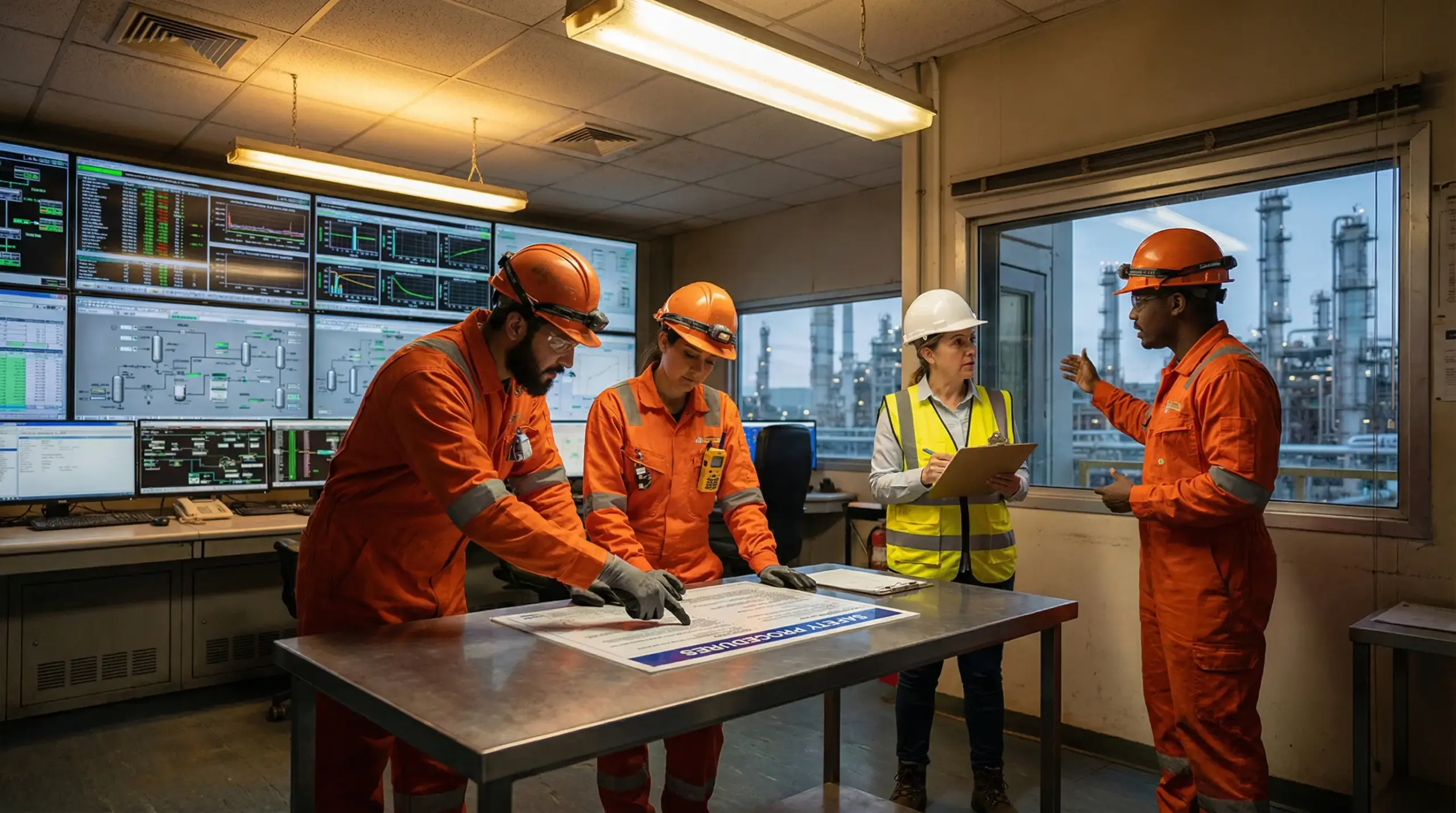
Industrial control room with five workers in safety gear reviewing blueprints at a table, with monitoring screens and refinery facilities visible through windows.

TL;DR During an ISO 45001 surveillance audit at a cement manufacturing facility in the Gulf, I asked a group of plant operators one question: “What are your safety responsibilities under international labour standards?” The room went silent. These were experienced workers — seven, ten, fifteen years on the job — and not one could articulate … Read more
How To Properly Dispose Of Used Motor Oil: Oil Recycling

Dispose Of Used Motor Oil

Used motor oil is one of the most common yet hazardous waste materials generated in households and industries. Whether you’re changing the oil in your car at home or managing an automotive workshop, how you handle used motor oil has significant implications for the environment, human health, and legal compliance. Improper disposal—such as pouring it … Read more

Methods For Effectively Guarding Electrical Equipment

Methods For Effectively Guarding Electrical Equipment

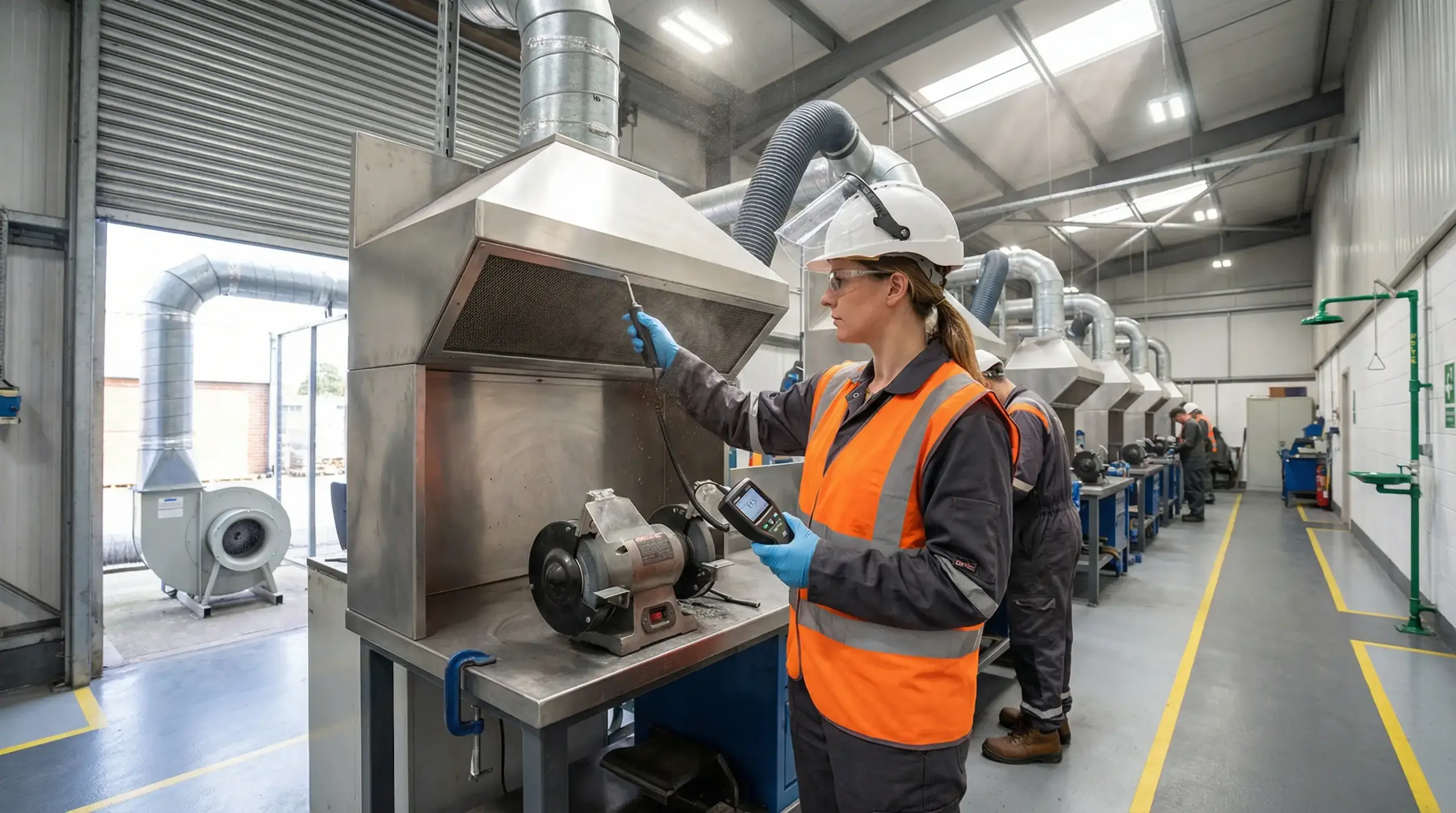
Electrical equipment is integral to modern operations across industries, powering essential systems and machinery. However, this reliance has inherent risks, including electric shock, burns, fires, and equipment damage. These hazards can result in severe injuries, costly downtime, and even regulatory penalties without proper safeguards. Guarding electrical equipment is not just a safety measure but a … Read more

Explosion Symbol Sign: What It Means and Why It Matters

Explosion Symbol Sign

The explosion symbol is a universally recognized hazard pictogram used to communicate critical safety information about explosive materials. This symbol is part of the Globally Harmonized System of Classification and Labelling of Chemicals (GHS), ensuring a standardized approach to hazard identification worldwide. Understanding this symbol’s importance can help prevent accidents, protect lives, and ensure regulatory … Read more

What is HSE (Health, Safety, and Environment)? Complete Guide

What is HSE (Health, Safety, and Environment)_ Complete Guide

Health, Safety, and Environment (HSE) is a holistic framework dedicated to safeguarding the well-being of individuals, ensuring workplace safety, and protecting the environment. It encompasses a wide array of practices, regulations, and procedures designed to identify, manage, and mitigate risks in various industries. HSE management is not just about compliance but fostering a culture of … Read more

Machine Guarding Toolbox Talk: Safety Tips & OSHA Standards

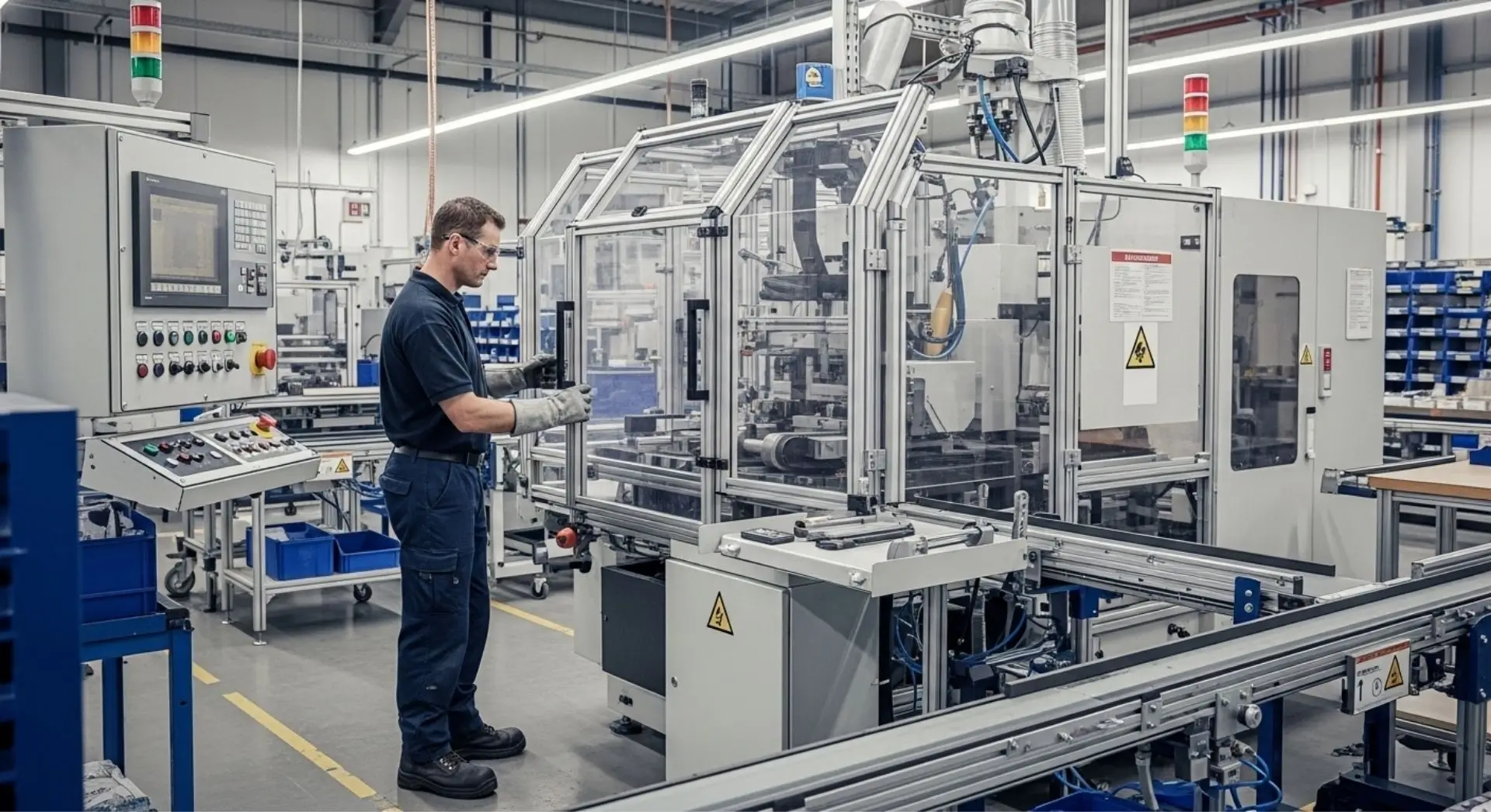
Machine Guarding Toolbox Talk

Every day in manufacturing, maintenance, and industrial environments, workers interact with machines powerful enough to cut, crush, amputate, burn, or kill in seconds. Even a routine task—such as trimming material on a circular saw—can turn catastrophic if the machine’s guard is missing, damaged, or ignored. Machine guarding refers to the protective barriers, shields, devices, and … Read more

9 Lockout/Tagout Mistakes That Can Lead to Injury or Death

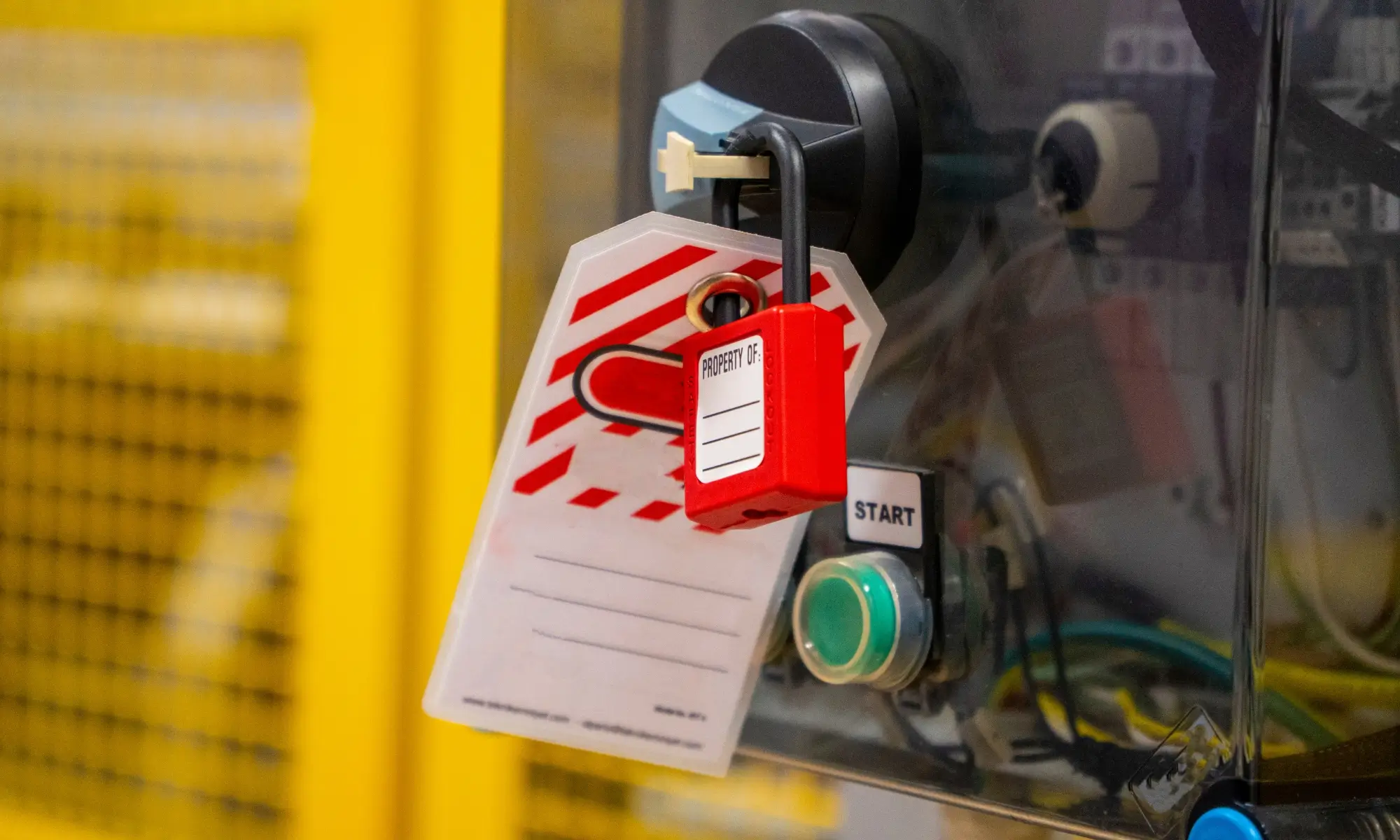
9 LockoutTagout Mistakes That Can Lead to Injury or Death

Lockout/Tagout (LOTO) — also called energy control procedures — is a fundamental safety mechanism to protect workers from accidental energization or release of stored energy during servicing, maintenance, repair, or cleaning of machinery and equipment. When done properly, LOTO prevents serious injuries such as electrocution, crushing, amputation, burns, lacerations, and fractures. Yet despite clear regulatory … Read more

10 Common Roofing Hazards and Controls You Must Know

Roofing Hazards and Controls

Roofing is among the most hazardous jobs in construction. Every step, from scaling ladders to walking across sloped surfaces, presents serious risks. According to occupational safety statistics, roofing-related falls and accidents are a leading cause of workplace injuries and fatalities globally. Whether you’re a contractor, safety officer, or property owner, understanding the common hazards and … Read more

Hierarchy of Control for Height Work: Eliminate, Reduce, Protect

Hierarchy of Control for Height Work

Working at height is one of the most hazardous activities in many industries, from construction and maintenance to telecom and warehousing. Every year, numerous accidents and fatalities occur due to falls—most of which are preventable by adhering to essential requirements for working at heights. This is where the Hierarchy of Control for Height Work comes … Read more