What’s Carbon Monoxide? Sources, Symbols, Effects, and Signs

What’s Carbon Monoxide Sources, Symbols, Effects, and Signs

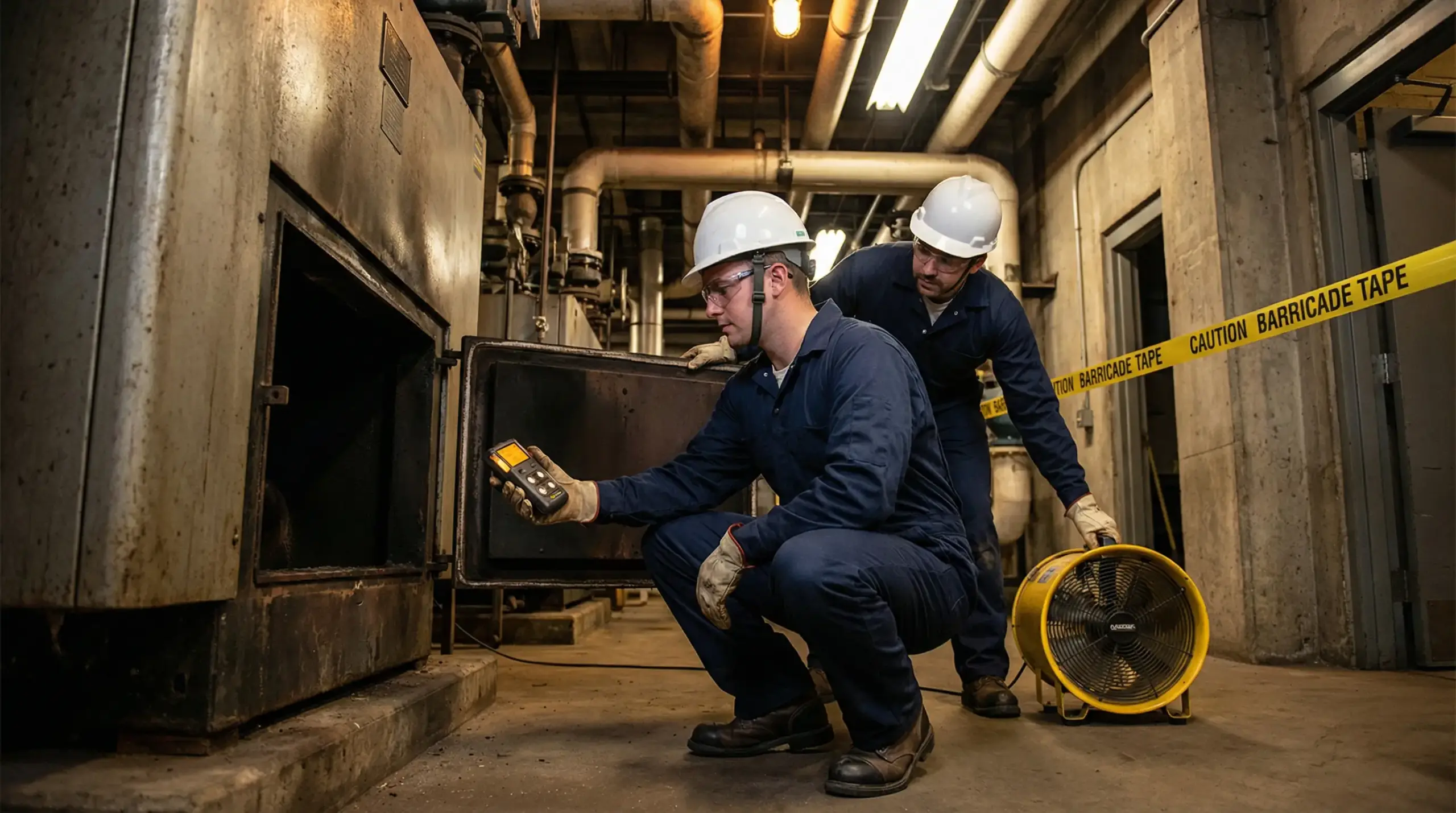
Carbon monoxide (CO) is a dangerous, colorless, and odorless gas often called the “silent killer” due to its undetectable nature without proper detection tools. It is produced by the incomplete combustion of carbon-based fuels such as gasoline, wood, coal, and natural gas, making it a common hazard in homes, workplaces, and outdoor environments. This article … Read more

Is Carbon Monoxide Heavier Than Air? Myths and Facts

Is Carbon Monoxide Heavier Than Air

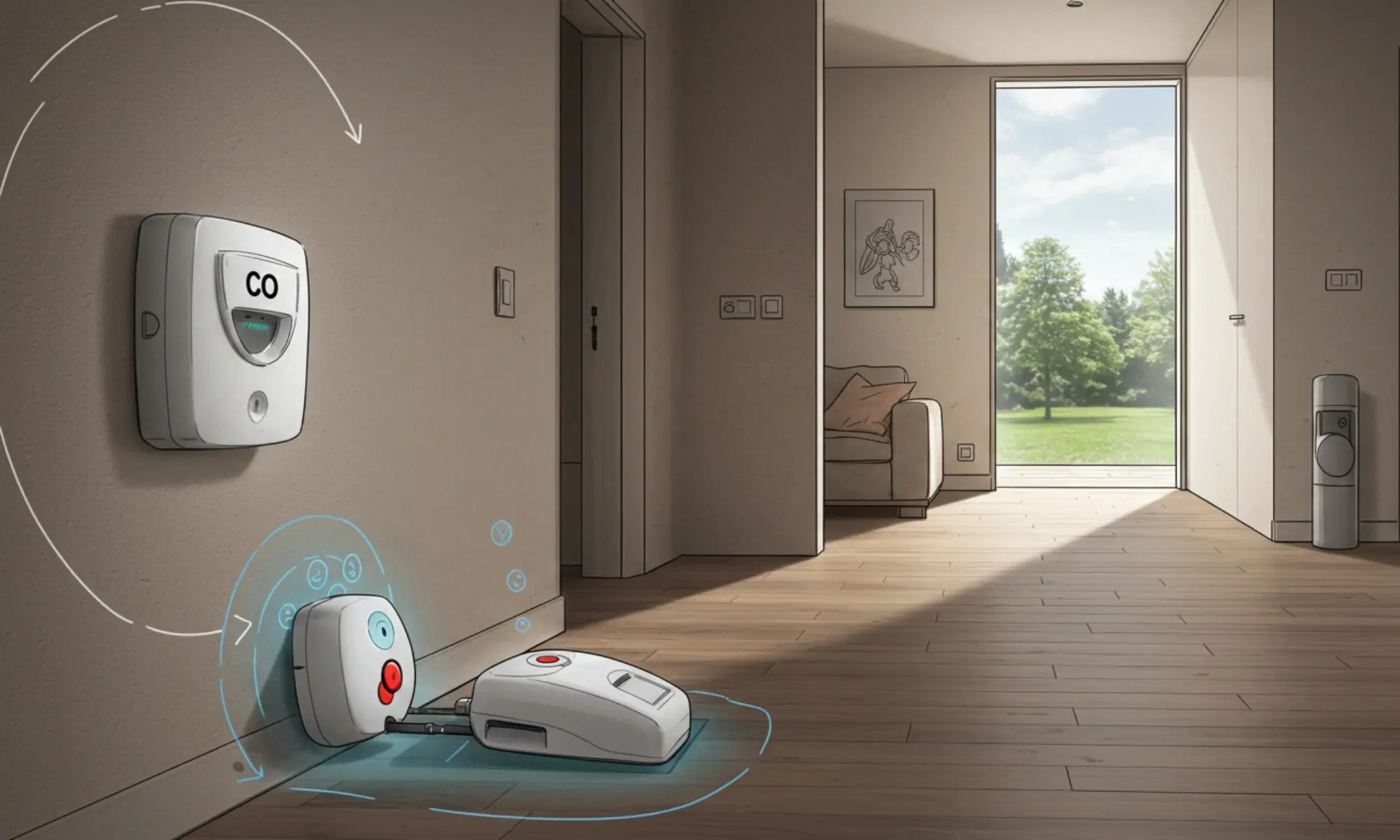
Carbon monoxide (CO) is a silent killer—an odorless, colorless, and tasteless gas that can cause severe health problems and even death. One of the most common misconceptions about CO is whether it is heavier or lighter than air. This myth significantly impacts the proper placement of CO detectors in homes and workplaces. This article will … Read more

Carbon Monoxide Levels: Safe vs. Dangerous Concentrations

Carbon Monoxide Levels

Carbon monoxide (CO) is a silent but deadly gas that poses a serious health risk in both residential and occupational settings. Often referred to as the “silent killer,” CO is colorless, odorless, and tasteless, making it impossible to detect without specialized equipment. While small amounts of carbon monoxide naturally exist in the atmosphere, higher concentrations … Read more

Carbon Monoxide in Garages | 10 Strategies to Prevent It

Carbon Monoxide in Garages

Carbon monoxide (CO) is sometimes called the “silent killer” because it is colorless, odorless, and tasteless, yet can be lethal in enclosed spaces if it accumulates. Taking precautions in your garage—especially if it’s attached to your home or used for running engines, power tools, or heating devices—is critical. Below are practical strategies, technical insights, and … Read more

Can You Get Carbon Monoxide Poisoning from a Candle?

Can You Get Carbon Monoxide Poisoning from a Candle

Candles are ubiquitous in homes for light, ambiance, scent, and relaxation. But because candles burn (i.e. undergo combustion), many people wonder: Can lighting a candle cause carbon monoxide (CO) poisoning? In short: it’s theoretically possible in extreme circumstances, but in ordinary use in a reasonably ventilated space, candle-related CO poisoning is extremely unlikely. Nonetheless, it’s … Read more

Can You Get Carbon Monoxide Poisoning from a Gas Stove?

Can You Get Carbon Monoxide Poisoning from a Gas Stove

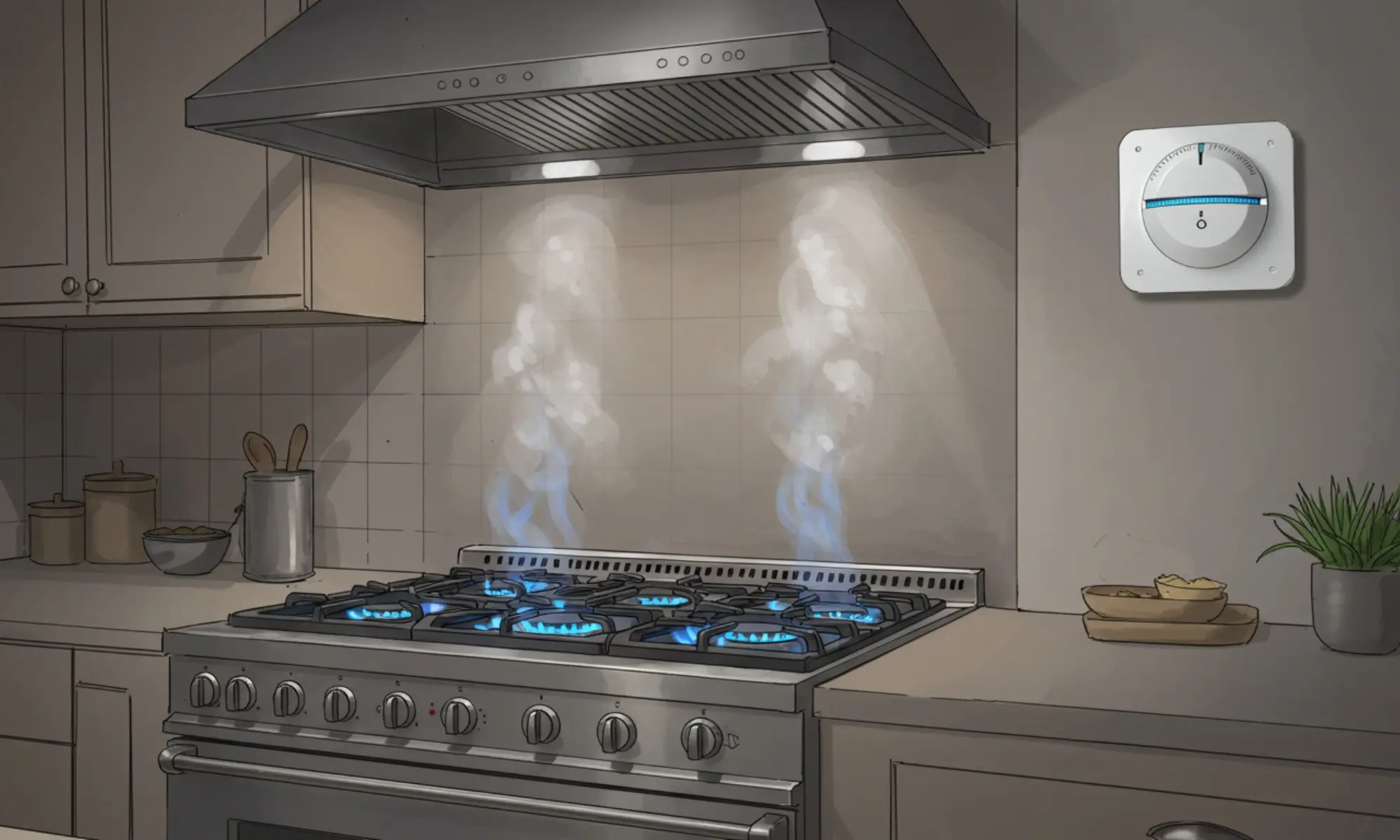
Yes, you can get carbon monoxide (CO) poisoning from a gas stove — especially if it’s poorly maintained, improperly ventilated, or used incorrectly. Although gas stoves are common in many households and typically safe when functioning properly, they do produce small amounts of carbon monoxide as a byproduct of fuel combustion. When this gas builds … Read more

Can a Carbon Monoxide Detector Sense Propane?

Can a Carbon Monoxide Detector Sense Propane

Short answer: No—a standard carbon monoxide (CO) detector cannot reliably detect propane leaks. They are designed for two different gases and use different sensing technologies. However, there are combined or multi-gas detectors that include sensors for propane (or more broadly flammable/combustible gases) in addition to CO. In this article, we’ll explore: CO vs. Propane: Differences … Read more

Do Air Conditioners Emit Carbon Monoxide? | Truth & Safety

Do Air Conditioners Emit Carbon Monoxide

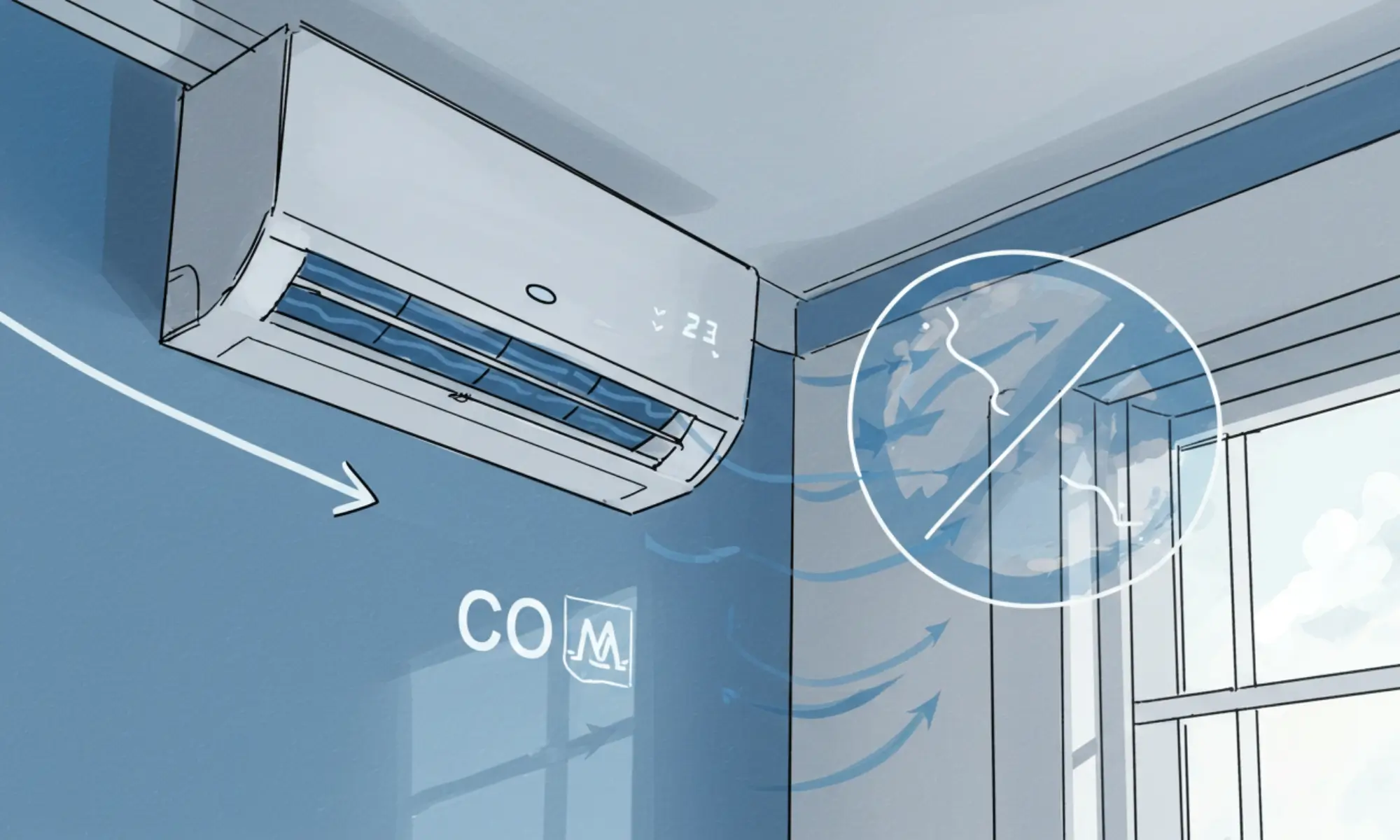
When people worry about indoor air quality and safety, carbon monoxide (CO) is often a chief concern. CO is a toxic, colorless, odorless gas that can cause serious health issues or death at high enough concentrations. Naturally, many wonder whether common home appliances—like air conditioners—can be a source of CO. The short answer: ordinary electrically … Read more

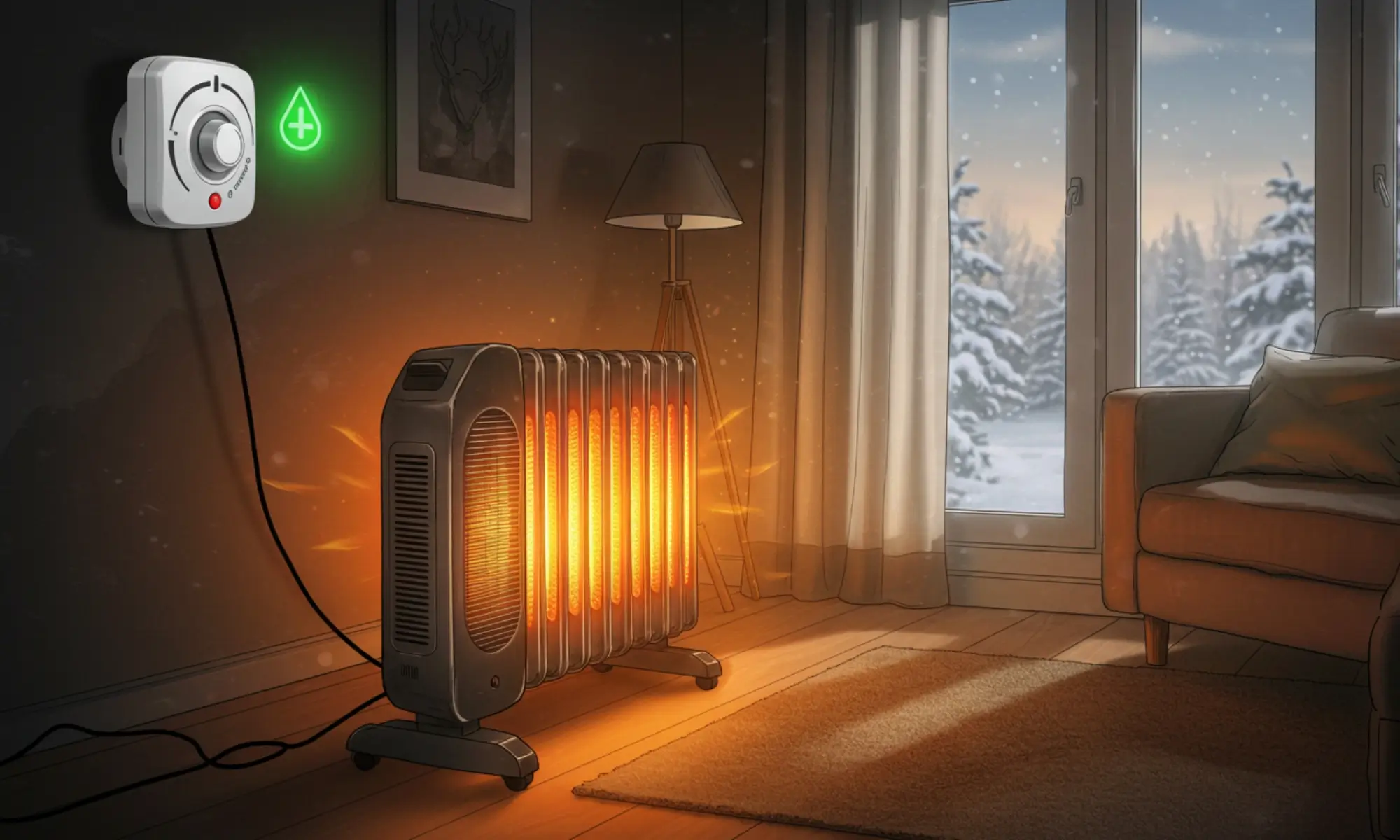
Can Electric Heaters Produce Carbon Monoxide? Explained

Carbon monoxide (CO) is a colorless, odorless, and highly toxic gas. When it accumulates in enclosed spaces, it can displace oxygen in the blood, binding to hemoglobin and preventing oxygen transport to tissues. Thus, CO is often called the “silent killer.” Many people wonder: if I use an electric heater in a closed room, might … Read more

Can Dogs Smell Carbon Monoxide? Truth & Safety Tips

Can Dogs Smell Carbon Monoxide

Many pet owners wonder whether dogs, with their extraordinary sense of smell, can detect dangers humans cannot — including invisible, deadly gases like carbon monoxide (CO). The idea is compelling: if your dog could warn you of CO leakage, that’s an early alert that could save lives. But is it true? In short: no — … Read more