Anti-Vibration Gloves: Do They Really Work? The Evidence
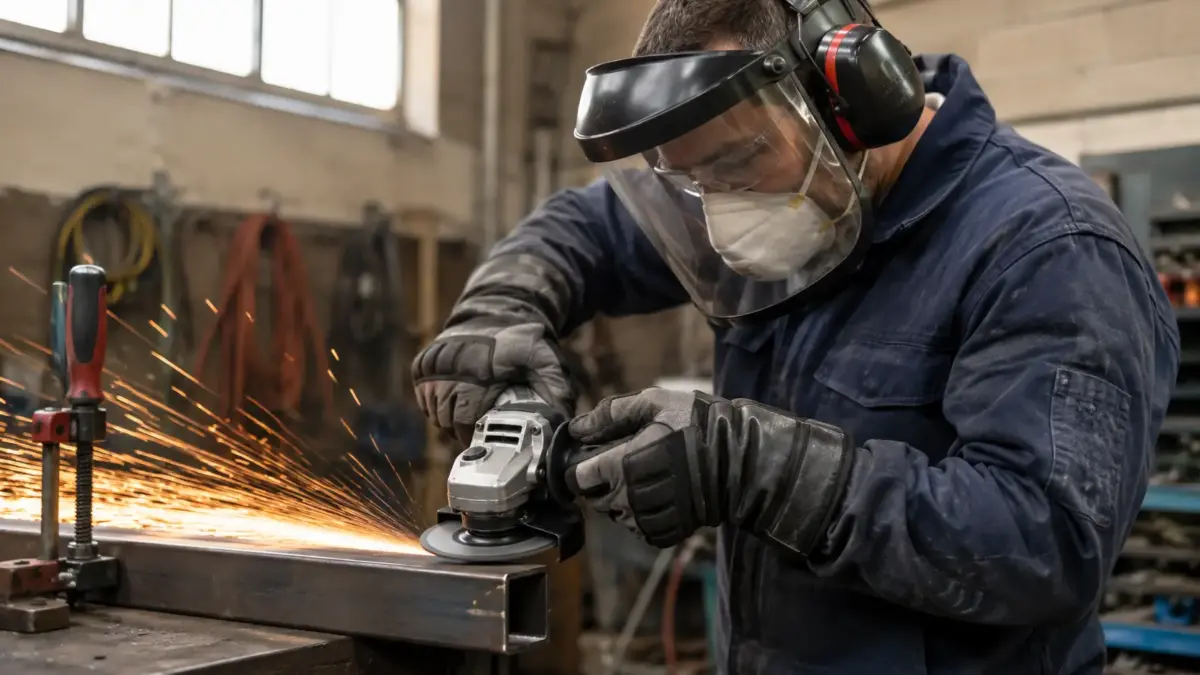
Worker in safety gear using an angle grinder on metal in an industrial workshop, with sparks flying from the grinding operation.

TL;DR Anti-vibration gloves work only partially. They can modestly reduce high-frequency vibration but do little against the low and mid-frequency vibration that actually causes hand-arm vibration syndrome (HAVS). Regulators including the UK’s HSE hold that no glove reliably reduces HAV risk, so gloves should supplement — never replace — lower-vibration tools and limited exposure time. … Read more


Concrete vs Plastic Jersey Barriers: Which Is Safer?

Two construction workers in orange safety vests install concrete barrier blocks along a highway using a crane, with traffic and barrier barriers visible in the background.

TL;DR For safety, the deciding factor in concrete vs plastic jersey barriers is not the material — it is whether the device is a crash-tested positive barrier or a longitudinal channelizing device. A positive barrier redirects an errant vehicle; a channelizing device only guides traffic and ruptures on impact. Concrete and steel-reinforced units are usually … Read more

10 Tips to Reduce Eye Strain from Computer Screens | HSE Blog

Woman in business attire working at a desk with multiple monitors displaying code in a modern office environment while colleagues collaborate in the background.

TL;DR Computer eye strain — also called computer vision syndrome or digital eye strain — is a group of symptoms including dry eyes, blurred vision, and headaches caused by prolonged screen use. It affects approximately two-thirds of regular computer users globally (Nature Scientific Reports, 2024). The condition is temporary and does not cause permanent eye … Read more

Managing Fatigue in Shift Workers: Best Practices Guide

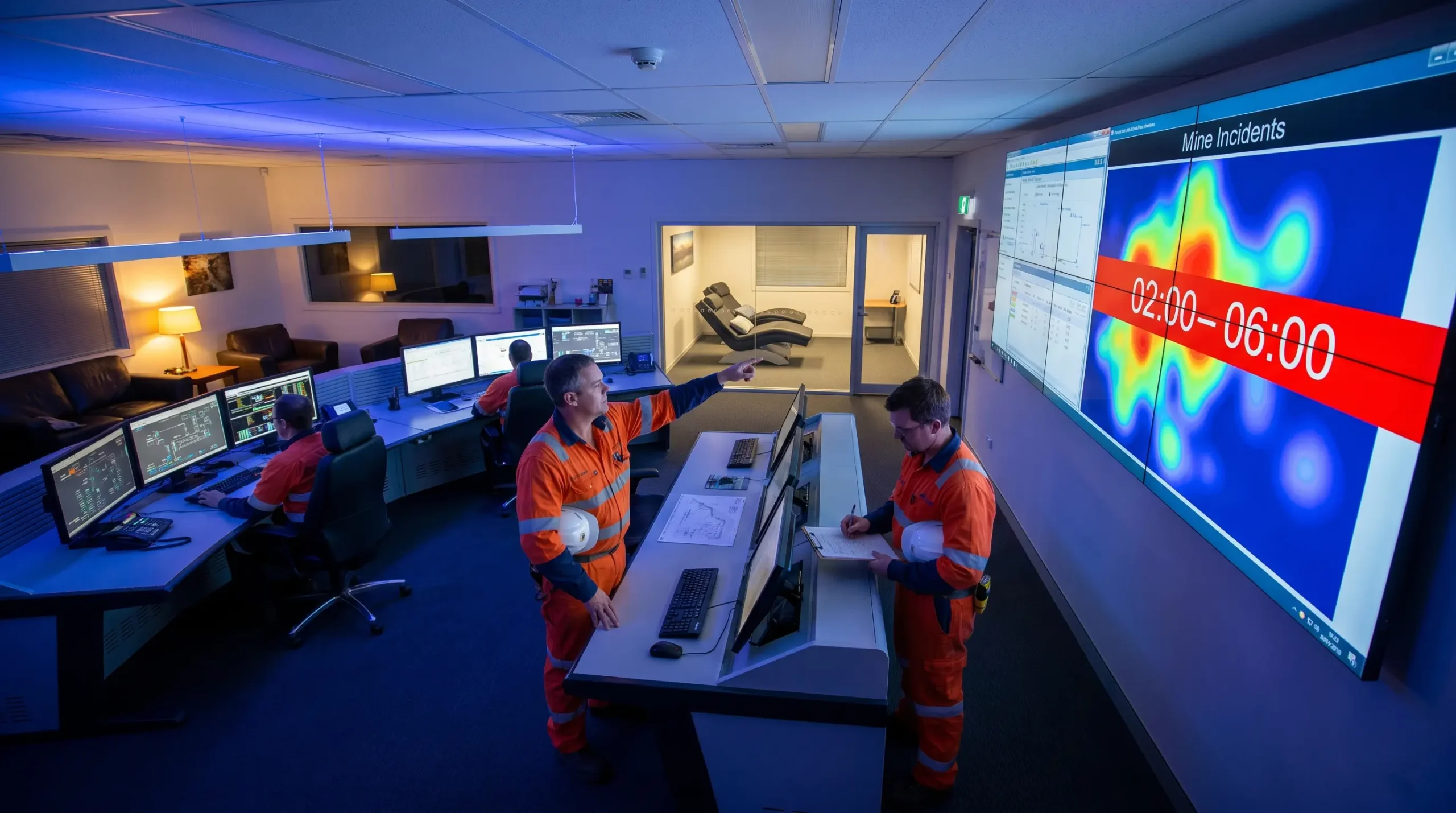
Control room operators in orange safety suits monitor mine incidents on displays, analyzing seismic heatmap data at workstations with multiple screens and technical equipment.

At 3:15 on a winter morning, the underground haul road sits at its quietest and its most dangerous. Low-lux emergency lighting throws cold pools onto the ribs, a 90-tonne truck cycles past the tip at the bottom of the decline, and in the surface control room the only sound is the slow tick of the … Read more

Thorough Examination of Lifting Equipment: LOLER Guide

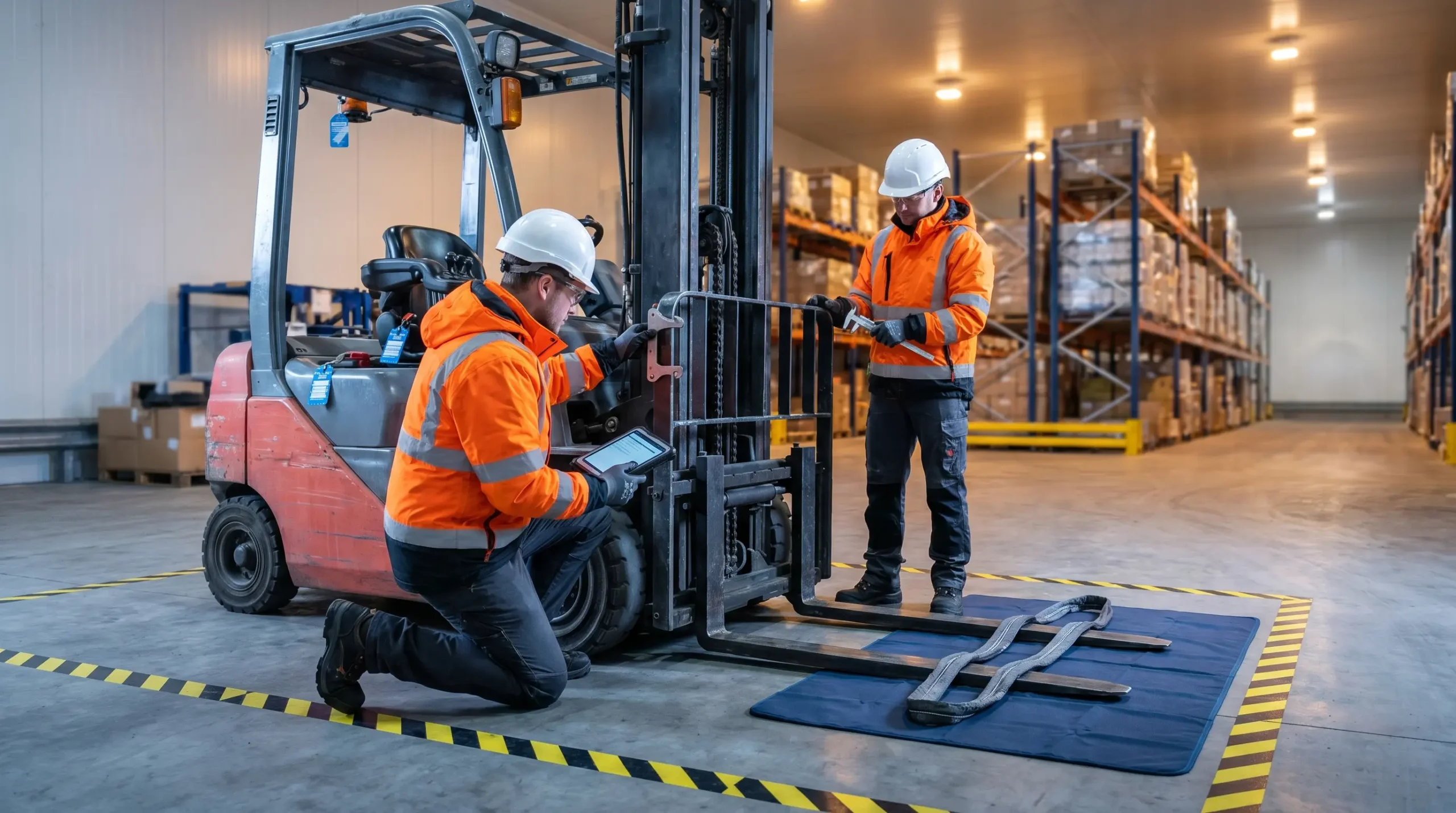
Two warehouse workers in orange safety vests and hard hats inspect a red forklift on a marked loading area, with one operating the equipment and another monitoring with a digital device.

I inherited a mixed lifting fleet when I moved to the distribution and cold-storage campus I now cover — sixteen counterbalance forklifts, four reach trucks, two goods-only platform lifts between the mezzanine and the chilled dispatch floor, and around 140 accessories ranging from polyester round slings to grade 80 chain sets on the yard-side loading … Read more

Carbon Monoxide Levels: Safe vs. Dangerous CO Concentrations

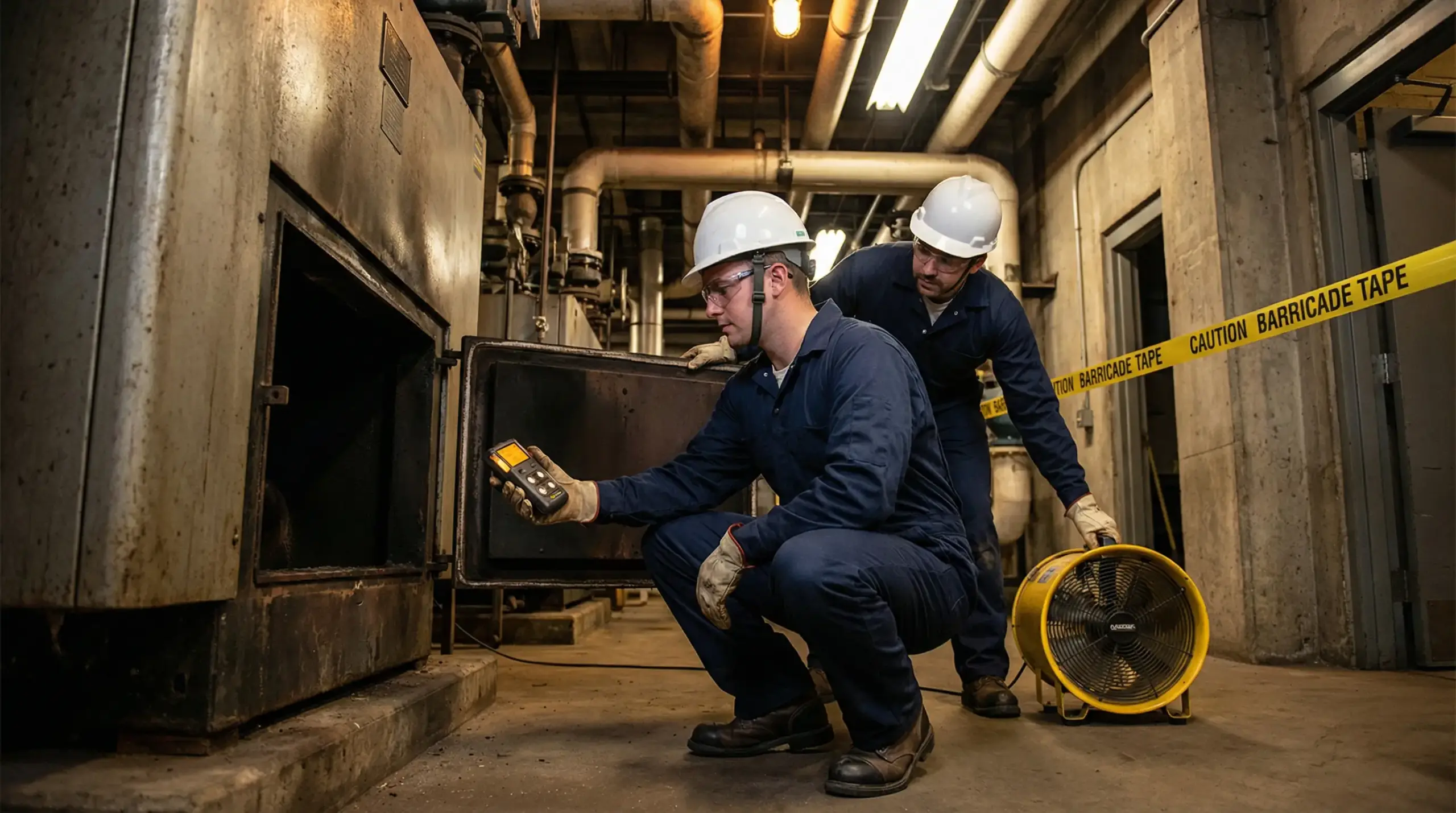
Two workers in hard hats and safety gear inspect industrial equipment in a basement corridor with caution tape, using a handheld measuring device and portable fan.

TL;DR The four-gas detector on the entry attendant’s belt started alarming thirty seconds after the maintenance crew entered the boiler room. Carbon monoxide: 87 ppm and climbing. The crew had been inside for less than a minute. No one felt anything yet — no headache, no dizziness. The gas had been building silently for hours … Read more

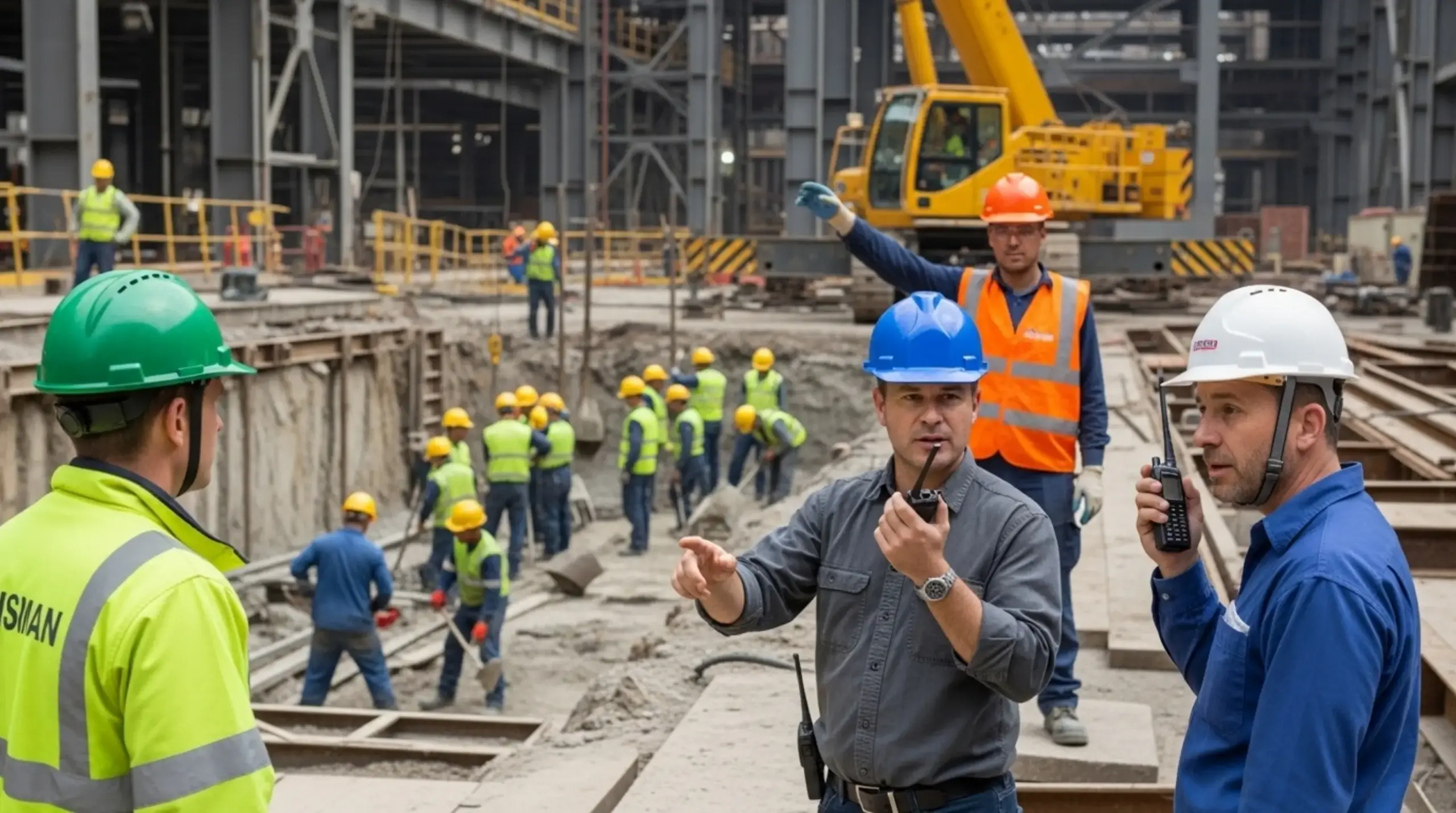
Hard Hat Color Codes & Meanings: A Field Safety Guide

Hard Hat Color Codes & Meanings A Field Safety Guide

I once walked onto a chaotic turnaround project at a petrochemical refinery where every worker, regardless of rank or trade, was wearing a white hard hat. When a confined space alarm triggered in Zone 4, the emergency response team lost precious minutes trying to locate the area supervisor and the fire warden among a sea … Read more

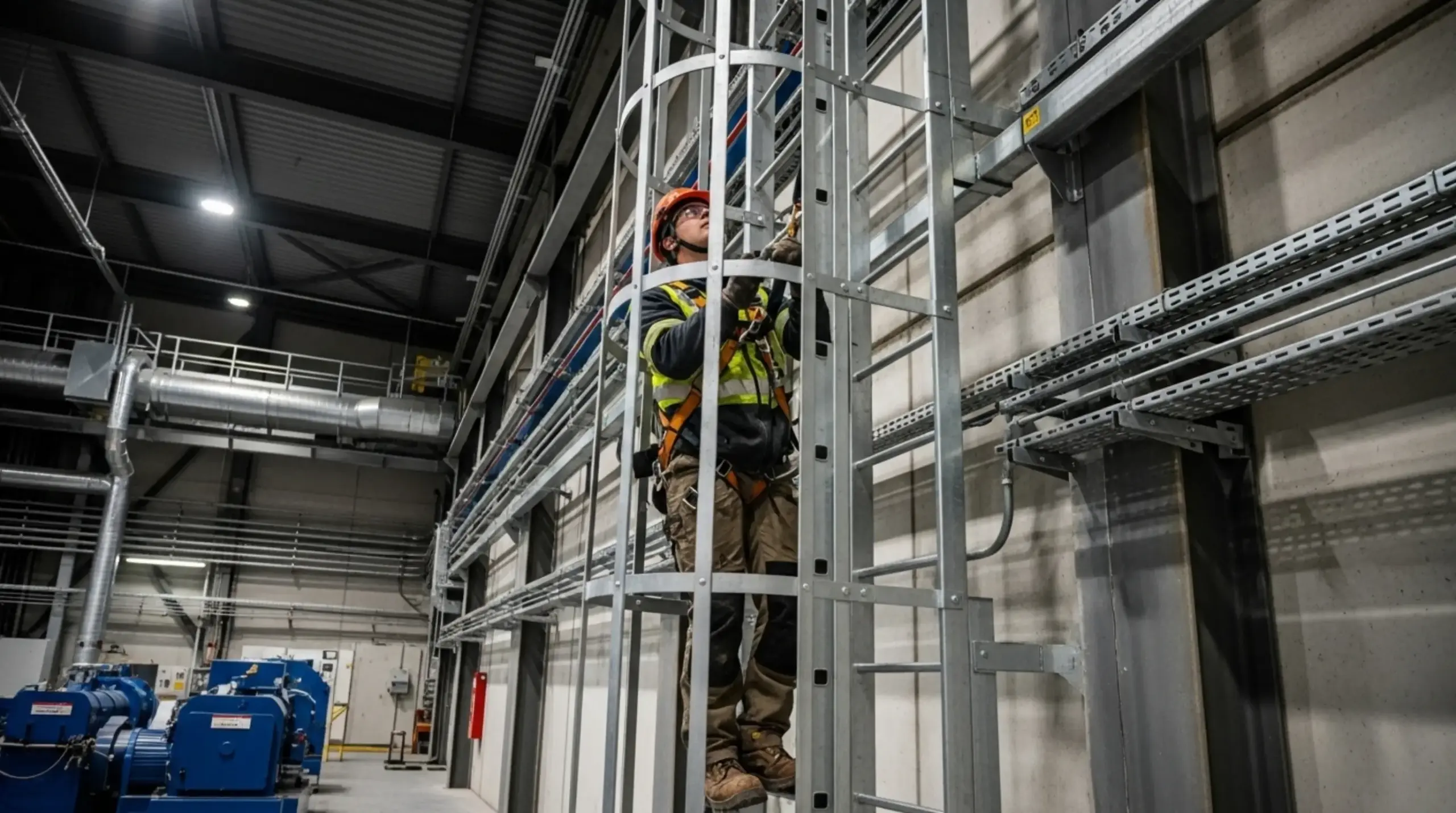
What’s a Ladder Cage and How To Use It Safely?

What's a Ladder Cage and How To Use It Safely

As a Lead Auditor and Occupational Safety Expert with over a decade in high-risk heavy industries, I was recently inspecting an aging fertilizer plant where a maintenance technician had slipped inside a 50-foot caged ladder. Suspended by his tool belt, which had wedged between the rungs and a corroded horizontal hoop, he was trapped 40 … Read more

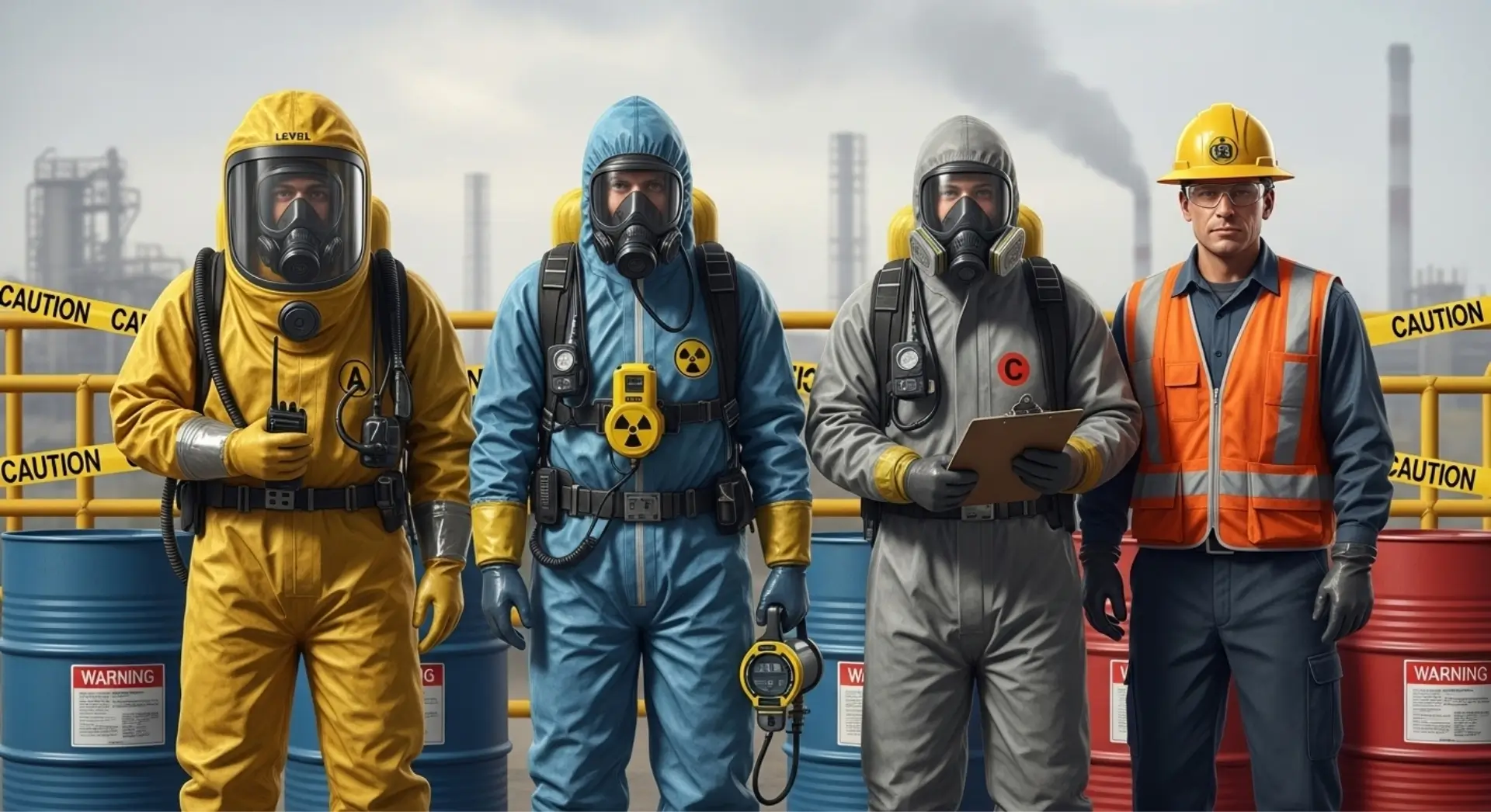
Levels of PPE: OSHA & EPA Guidelines for HAZMAT Safety

Levels of PPE

When it comes to managing chemical spills, toxic vapor releases, or hazardous material incidents, the margin for error is razor-thin. Personnel involved in these operations are exposed to potentially life-threatening conditions that require precise, informed decisions—none more important than selecting the correct level of personal protective equipment (PPE). To standardize protection and ensure worker safety, … Read more

Categories PPE