HAZMAT Transportation: Regulations, Classification & Compliance Guide

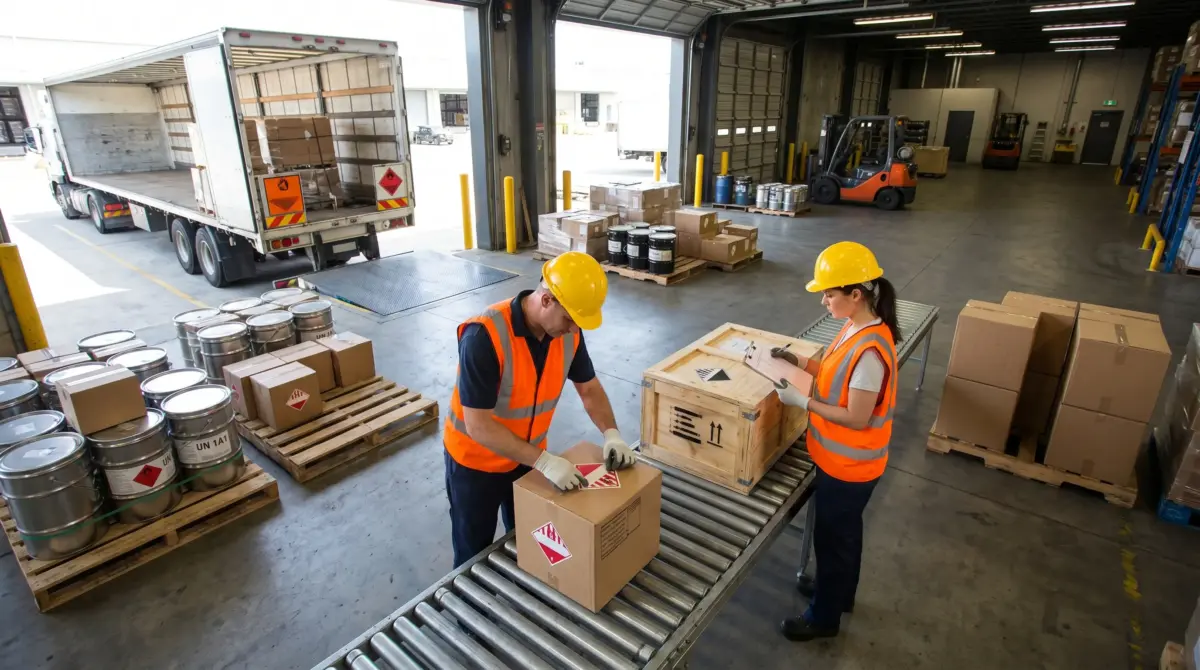
Two warehouse workers in safety vests and hard hats process packages on a conveyor system in a busy distribution center with trucks, pallets, and hazardous material containers.

TL;DR Hazardous materials transported in commerce in the United States are classified into nine hazard classes under 49 CFR, administered by the Pipeline and Hazardous Materials Safety Administration (PHMSA). Classification is the first and most consequential compliance step — it determines every downstream requirement for packaging, marking, labeling, placarding, shipping papers, and training. More than … Read more

Structural Collapse Prevention: Key Safety Measures Guide

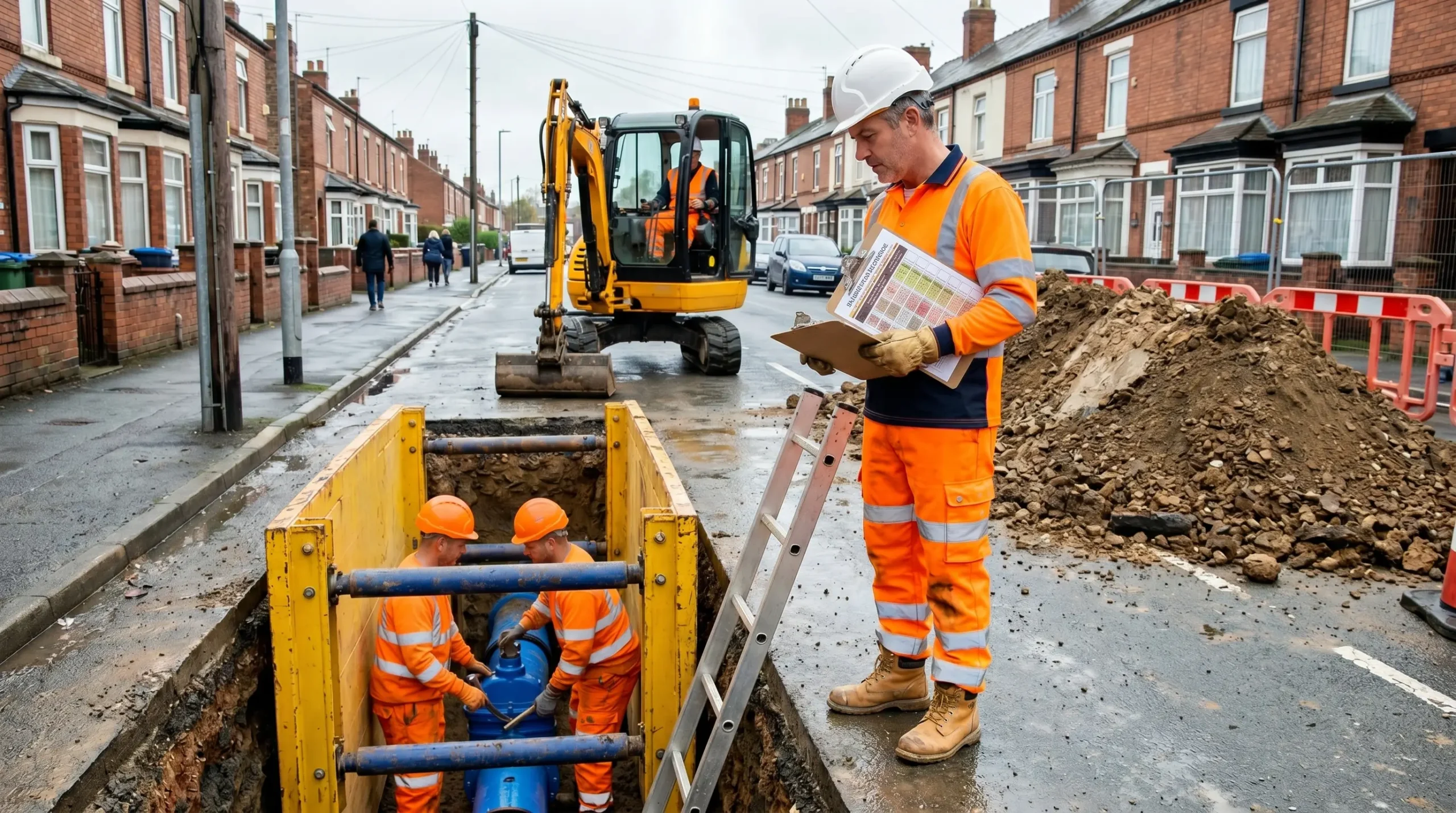
Construction workers in safety gear supervise underground utility work on a residential street, with an excavator and equipment visible in an active work zone.

TL;DR Structural collapse prevention depends on five linked controls applied across build, demolition, excavation, and operational phases: a verified design with structural redundancy, properly engineered temporary works that are never altered without written approval, soil-appropriate excavation protective systems, a competent person with documented stop-work authority, and an inspection regime that escalates visible distress to a … Read more

Port and Harbour Safety: Risks and Controls Explained

Two workers in orange safety suits walk along a wet dock pathway at a container port, with a blue CAI shipping container being lifted by crane above and cargo ships docked nearby.

TL;DR Port and harbour safety covers eight core hazard categories — workplace transport, lifting operations, enclosed-space entry, falls from height and into water, slips and manual handling, dangerous goods, ship-to-shore interface risks, and environmental pollution — managed through jurisdictional frameworks like OSHA 29 CFR 1917, HSE Safety in Docks ACOP L148, the ILO 2016 Code … Read more

Workplace Spirometry Testing: Requirements & Compliance

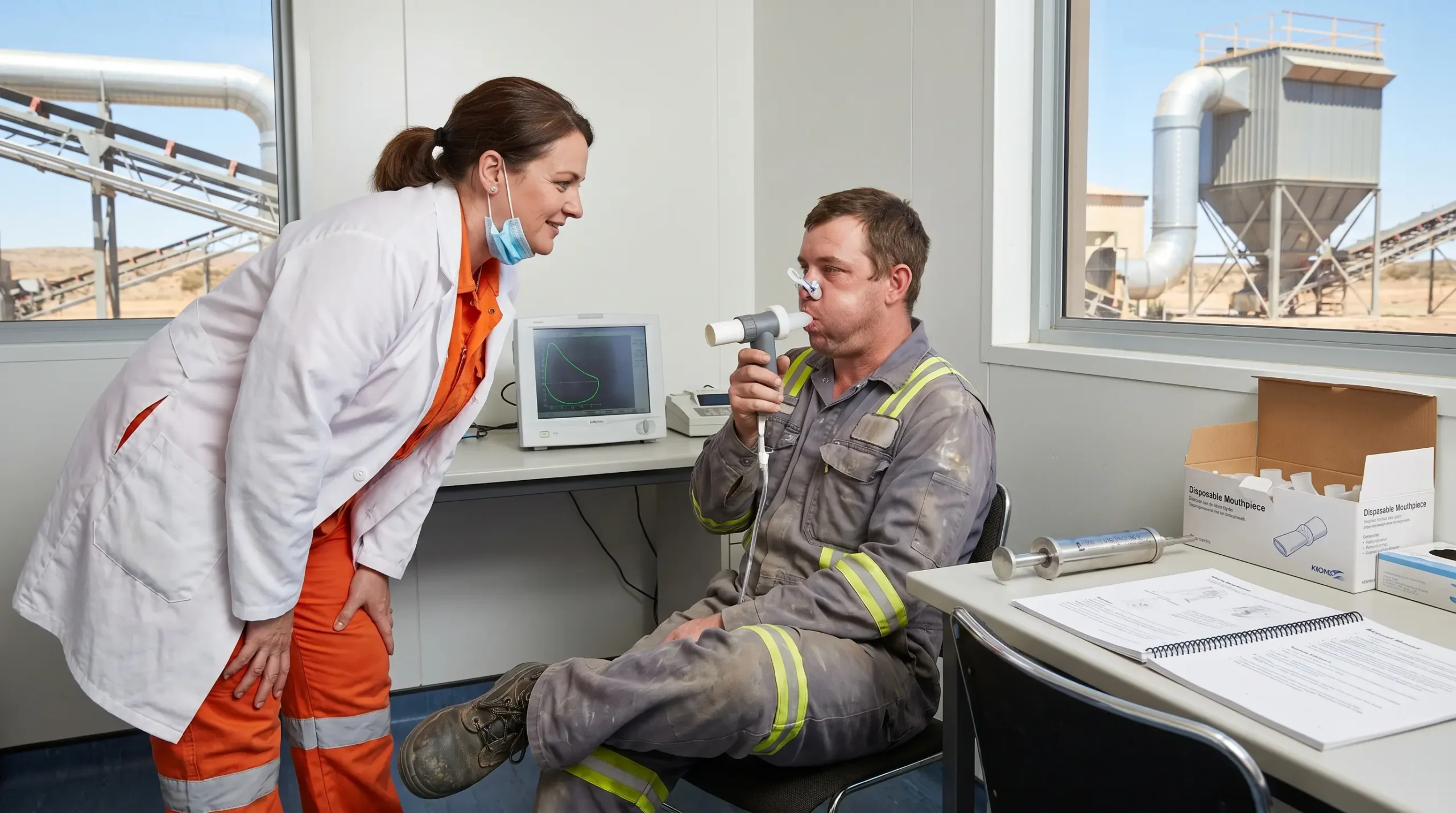
A healthcare professional in a white coat observes a worker in safety gear performing a pulmonary function test using a spirometer in an industrial medical clinic with equipment visible through the windows.

The spirometer sitting on the testing bench looks deceptively simple. A mouthpiece, a sensor, a calibration syringe beside it, a screen displaying two curves — flow-volume and volume-time — waiting for a forced breath. But what that device captures in a six-second blast of exhalation can determine whether a mineral processing operator keeps working at … Read more

Compressed Air Safety Hazards: What Every HSE Pro Must Know

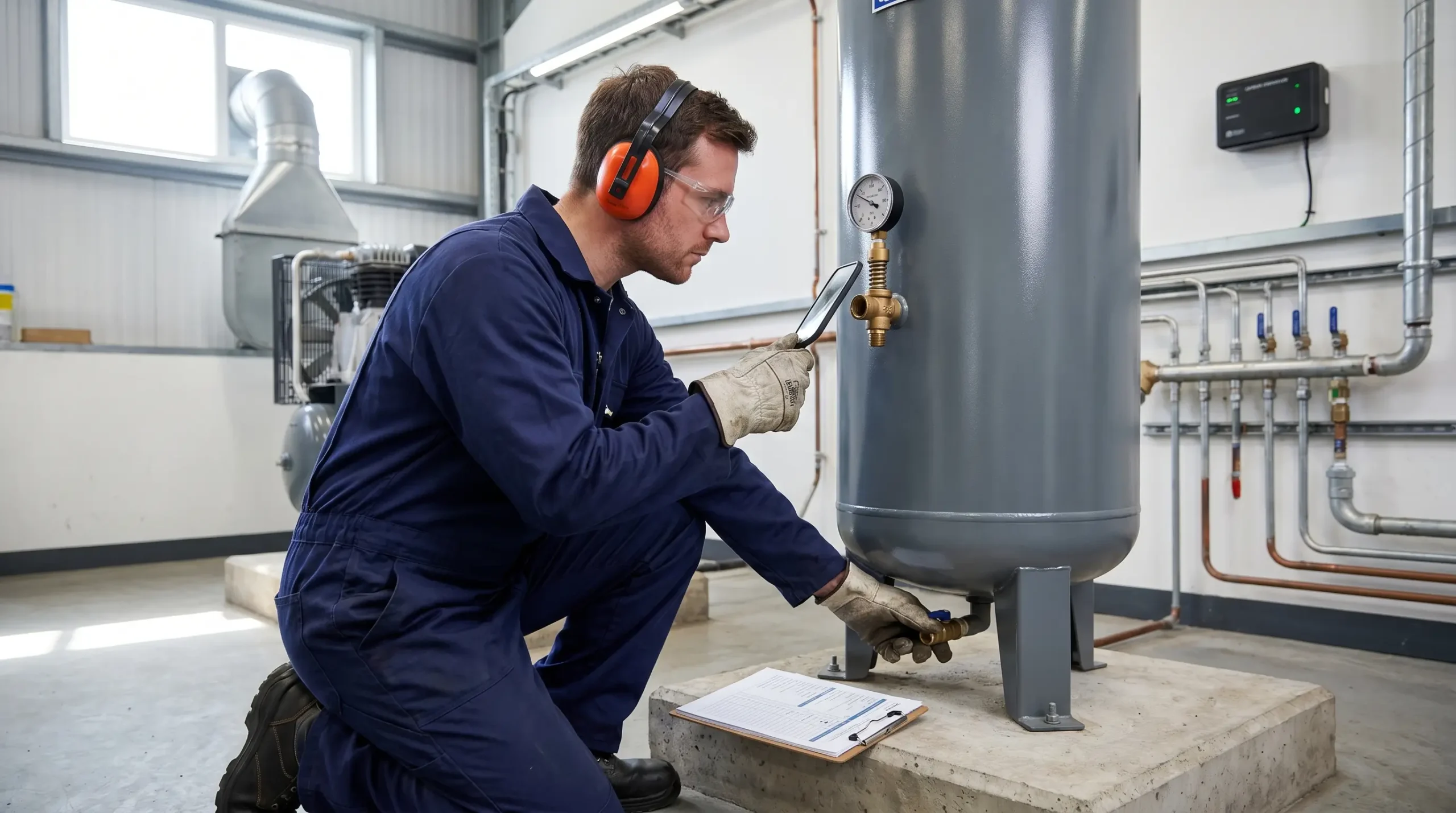
Technician in safety gear inspects pressure gauge on industrial tank in a facility with pipes and monitoring equipment.

TL;DR — The Numbers That Define This Hazard Compressed air kills through four distinct mechanisms — air embolism into the bloodstream, visceral perforation, carbon monoxide poisoning of supplied-air respirators, and catastrophic vessel rupture. The OSHA cleaning limit of 30 psi dead-end static pressure addresses only the first family; stored-energy and breathing-air contamination demand separate regulatory … Read more

Proving Dead: How to Verify Electrical Isolation Safely

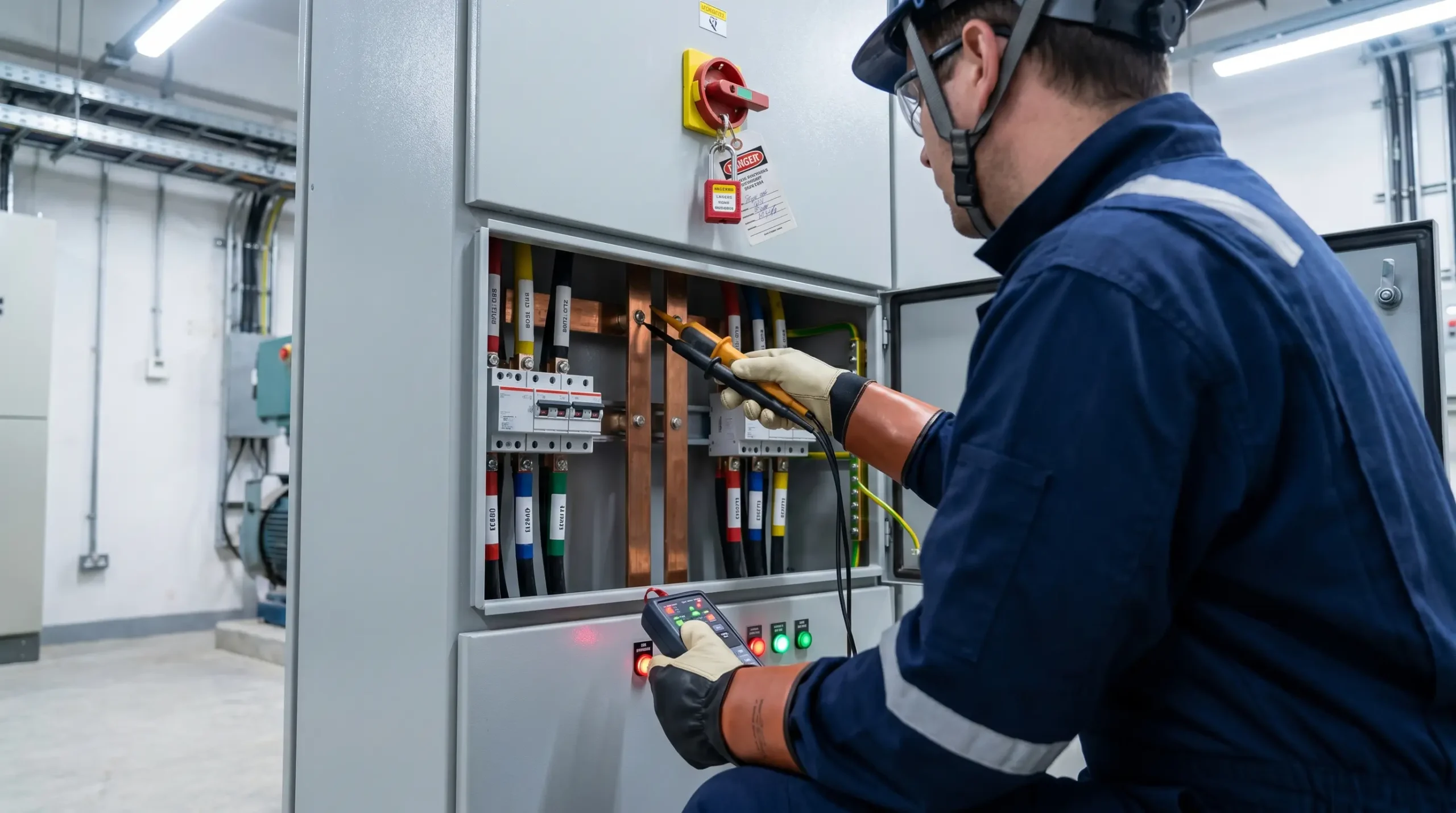
Electrician wearing safety helmet and gloves uses a multimeter to test electrical components inside an industrial control panel with circuit breakers and colored wiring.

TL;DR Proving dead is the final verification step in an electrical isolation sequence, performed by a qualified person at the point of work using a purpose-built voltage indicator that has been tested on a known live source both immediately before and immediately after the circuit test. Isolation opens the source; proving dead confirms zero energy. … Read more

What Is a Permit to Dig? Procedure, Requirements & Key Steps

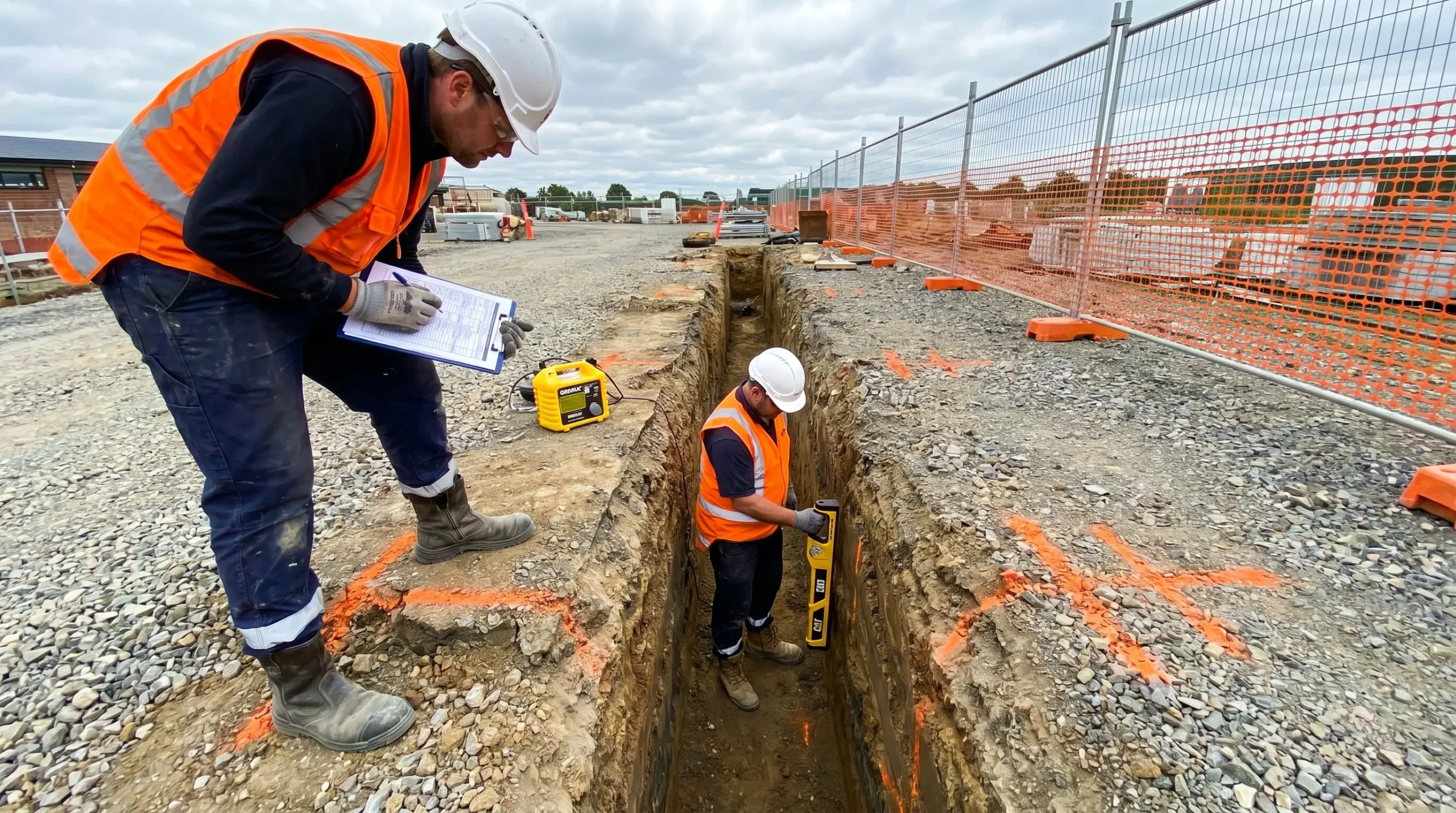
Construction workers in safety vests and hard hats measure and inspect a deep trench at an active building site surrounded by orange fencing and equipment.

TL;DR A permit to dig is a formal safety control document used to manage the risks of any ground penetration work — including excavation, drilling, and driving posts — before it begins. It requires identifying all underground services, assessing hazards, specifying safe digging methods, and obtaining authorisation from a competent person. It sits within the … Read more

Shift Work Safety: Health Effects and Control Measures

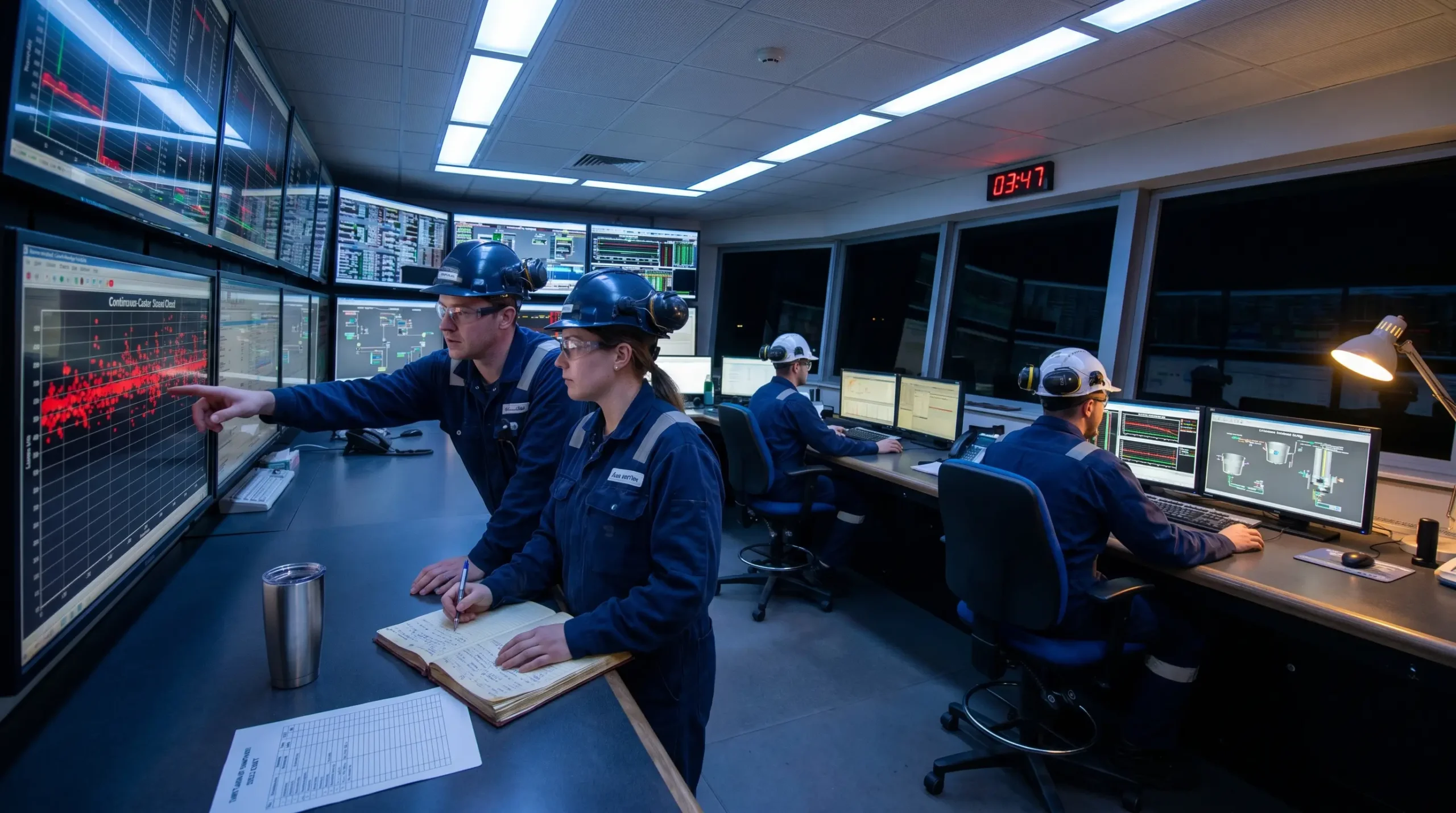
03:12 in the control room. The screens throw a dim blue wash over four operators holding a continuous caster that hasn’t stopped running in seventeen days. Between roughly 2 and 5 a.m., the human body drops into its deepest biological trough of the day. Core temperature falls. Melatonin peaks. Reaction time slows. On a 24/7 … Read more

What is LOLER? Complete Guide to UK Lifting Regulations

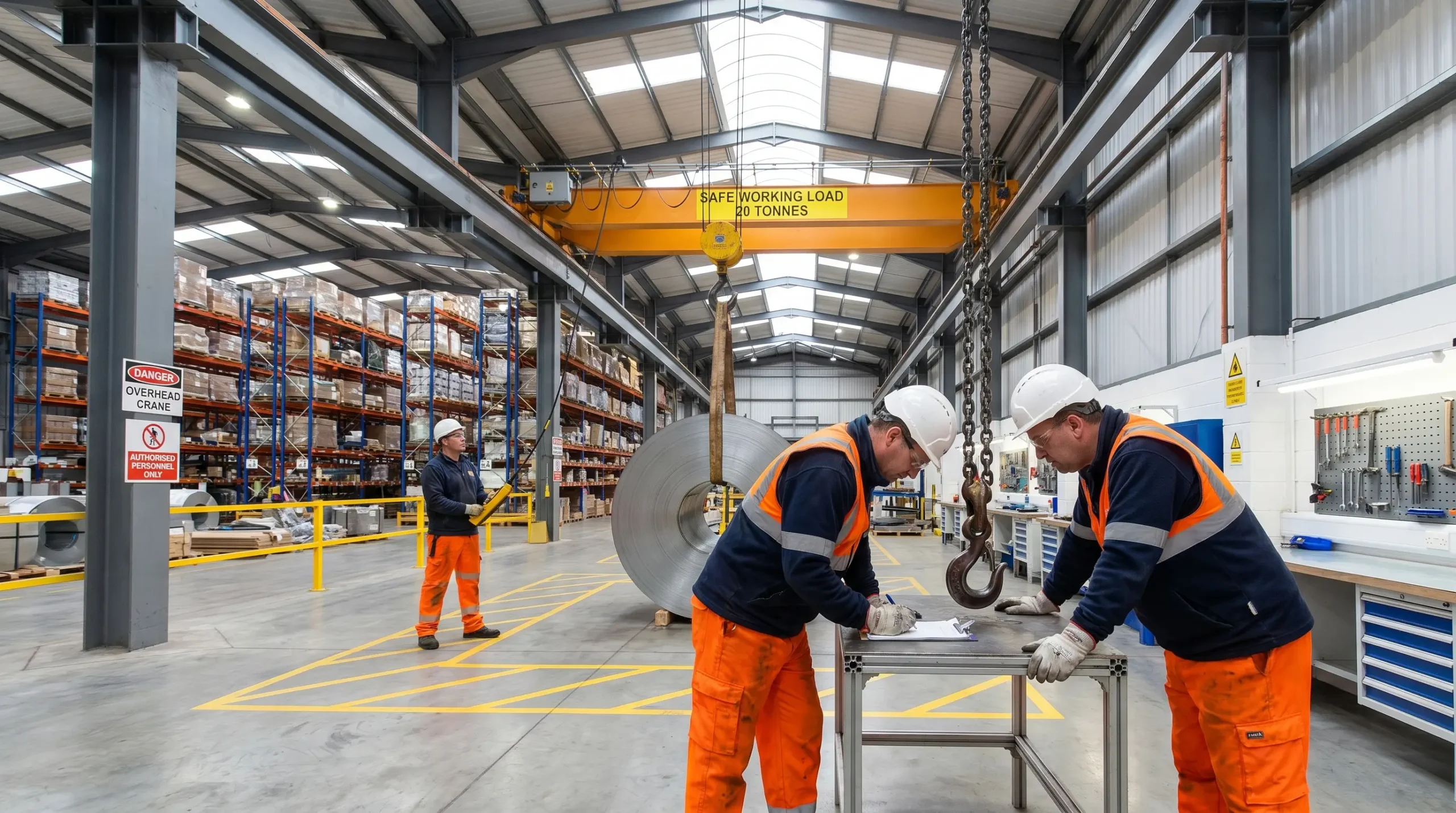
Workers in safety gear handle a coil of metal beneath an overhead crane marked with a 20-tonne safe working load in a large industrial warehouse with storage racks and yellow safety markings.

Pre-shift handover at our Midlands distribution hub, six-fifteen on a Monday. The overhead gantry crane above Bay 4 was due back into service after weekend repair work, and the thorough examination certificate our LEEA-accredited surveyor had signed off on the Friday was sitting on the supervisor’s clipboard. The operator wouldn’t touch the pendant until that … Read more

March Safety Topics: Key Workplace Safety Topics for the Month

March Safety Topics

March marks a transition period from winter to spring, bringing new workplace safety challenges and awareness campaigns. With the changing season, employees face new hazards such as increased outdoor work, ladder safety concerns, and weather-related risks. Additionally, March is designated for several national safety observances, making it an ideal time for employers to focus on … Read more