Radiant Heat Exposure: Industries at Risk & Controls

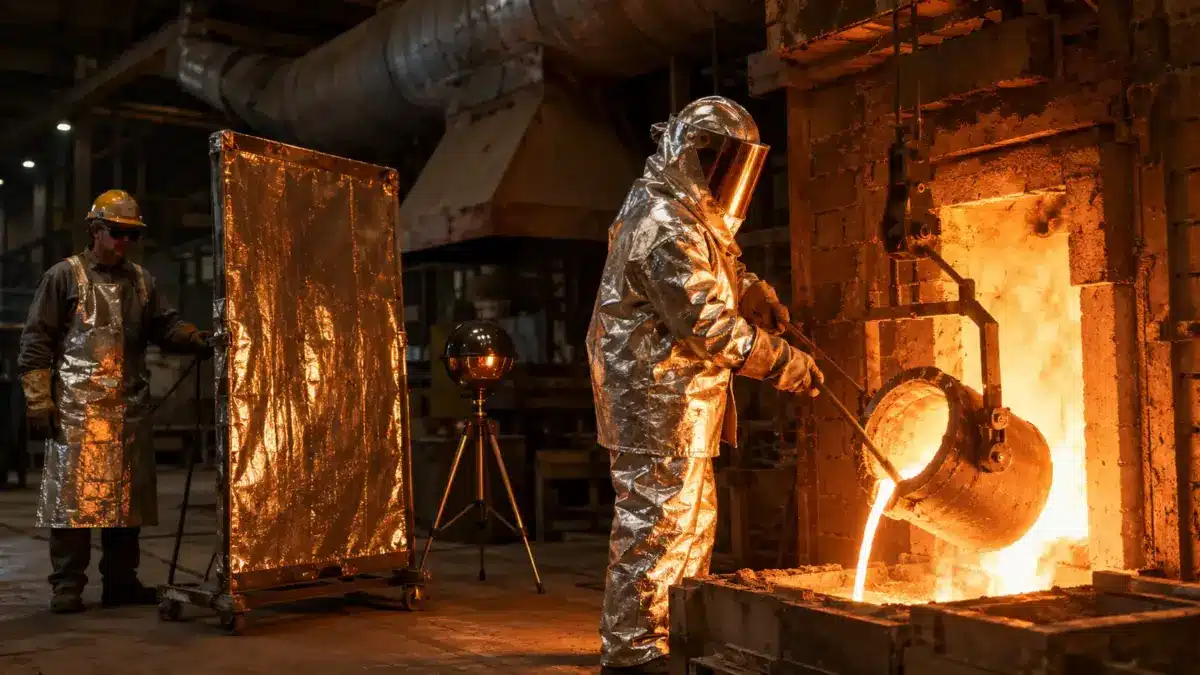
A steelworker in heat-protective gear operates near a glowing furnace in an industrial foundry, with welding shields and equipment visible in the high-temperature metalworking environment.

TL;DR — What Most Heat Programs Get Wrong Radiant heat exposure is the transfer of thermal energy through infrared radiation from hot surfaces — furnaces, molten metal, kilns, or the sun — to a worker’s body without direct contact or air movement. It drives occupational heat stress in foundries, glassworks, bakeries, and outdoor work, and … Read more

Crane Certification: Requirements, Process & Why It Matters (2026)

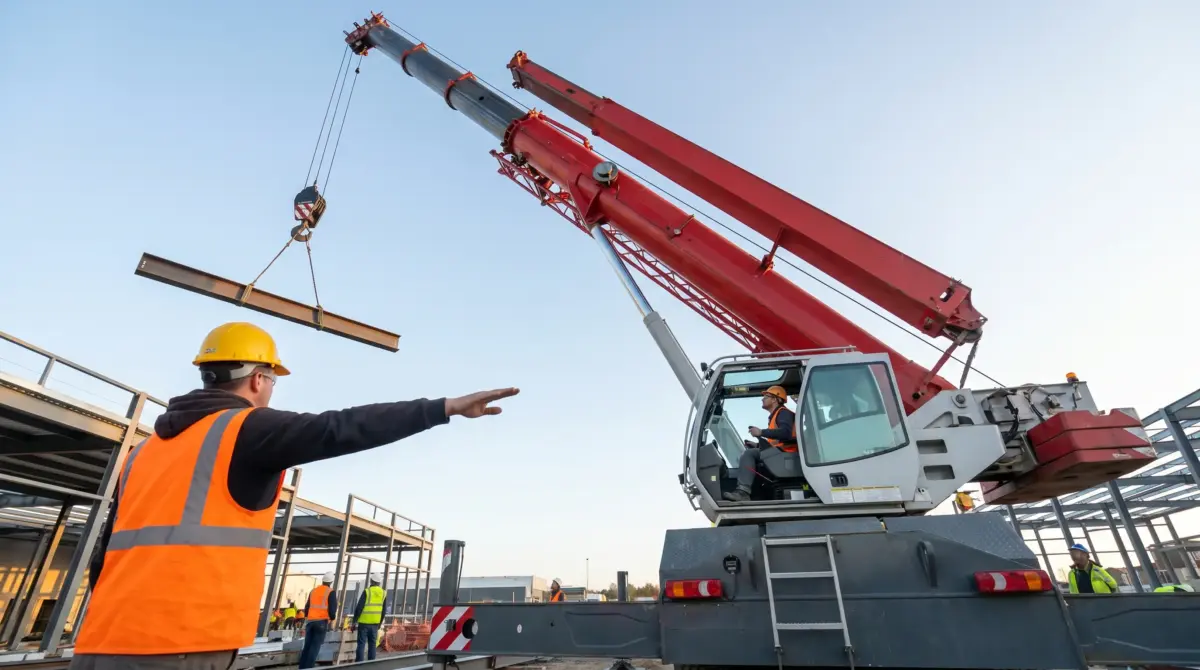
Construction worker in safety gear directing a concrete pump truck as it lifts a steel beam at an industrial building site under clear sky.

TL;DR Crane certification is a formal process in which an independent, accredited testing organization verifies that a crane operator possesses the knowledge and practical skill to operate a specific type of crane safely. In the United States, OSHA requires operators of most construction cranes above 2,000 lb rated capacity to hold certification under 29 CFR … Read more

Duty to Manage Asbestos: Legal Requirements for Dutyholders

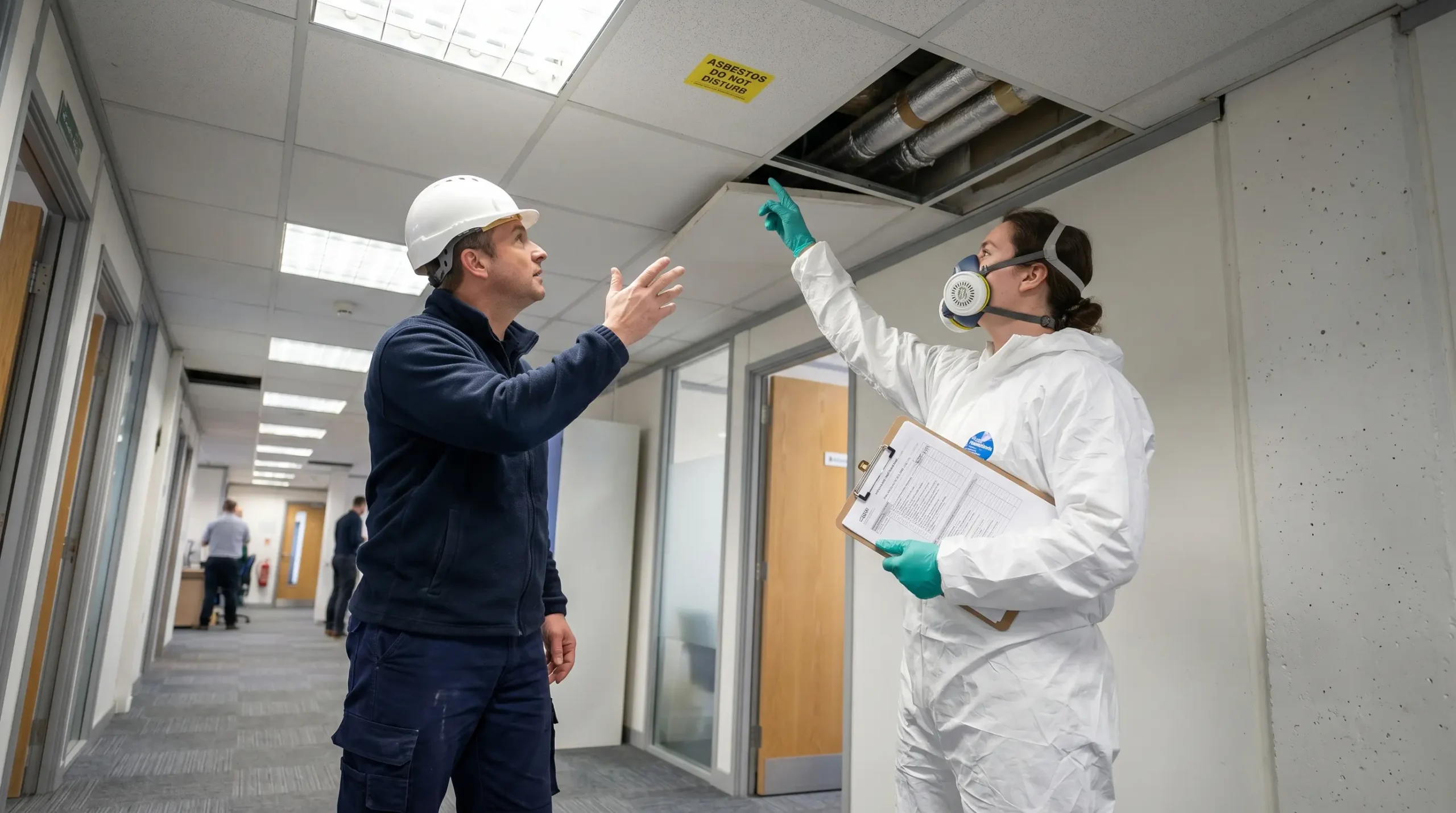
Two construction workers in protective gear discuss building inspection inside a modern office corridor, with one holding a clipboard and pointing upward at ceiling infrastructure.

TL;DR The duty to manage asbestos, established under Regulation 4 of the UK’s Control of Asbestos Regulations 2012, requires anyone responsible for the maintenance or repair of non-domestic premises to identify whether asbestos-containing materials are present, maintain a written register of their location and condition, prepare and implement a management plan to control exposure risks, … Read more

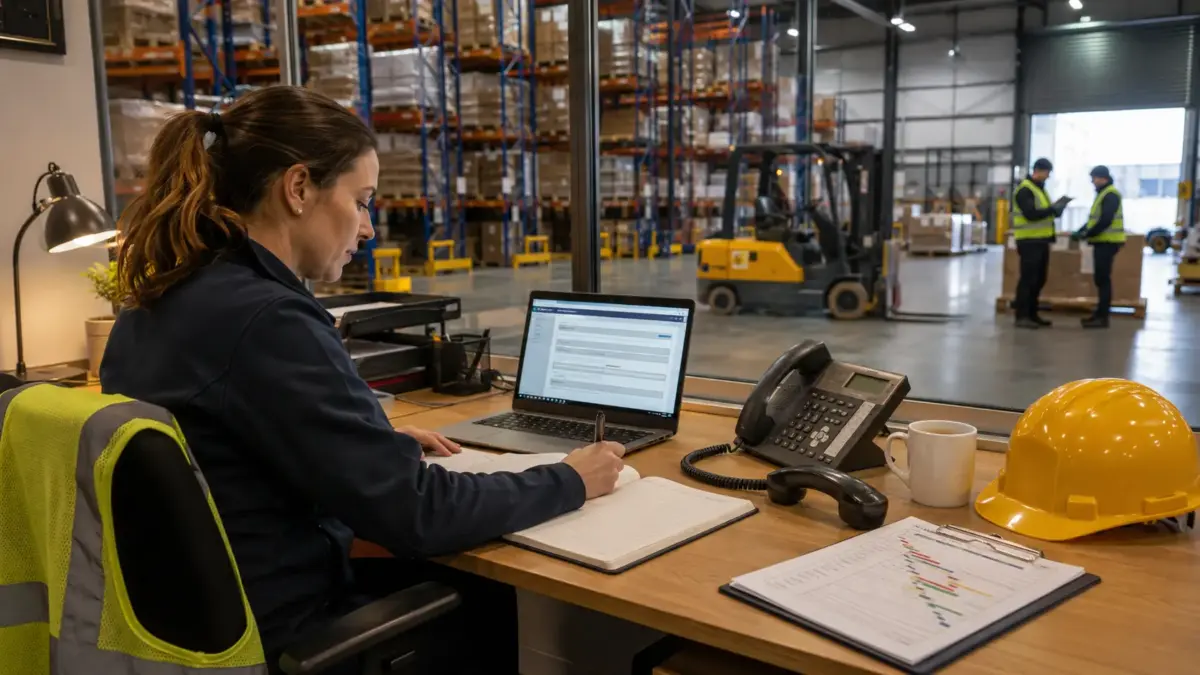
Loading Bay Safety: Hazards, Controls & Best Practices

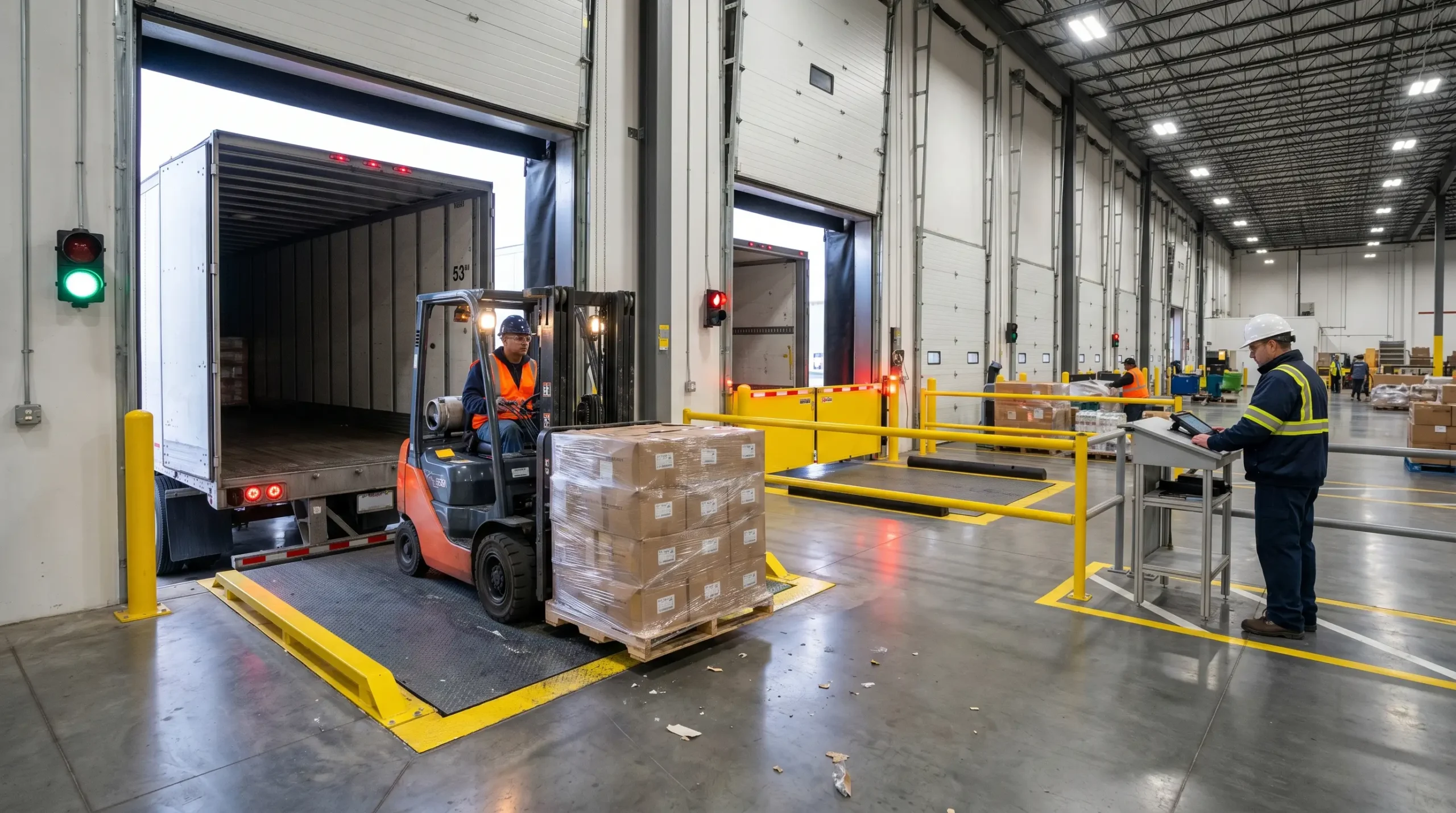
Forklift operator in orange safety vest loads palletized cardboard boxes onto truck in large warehouse with yellow safety barriers and traffic light signals.

TL;DR Loading bay safety is the framework of engineering controls, procedures, and training that protects workers where vehicles, powered industrial trucks, and manual handling converge. Core hazards include falls from dock edges, trailer creep, forklift rollovers, and crush injuries. Prevention depends on applying the hierarchy of controls — prioritising engineering safeguards like vehicle restraints and … Read more

Formwork Safety: Hazards and Best Practices for Concrete Pours

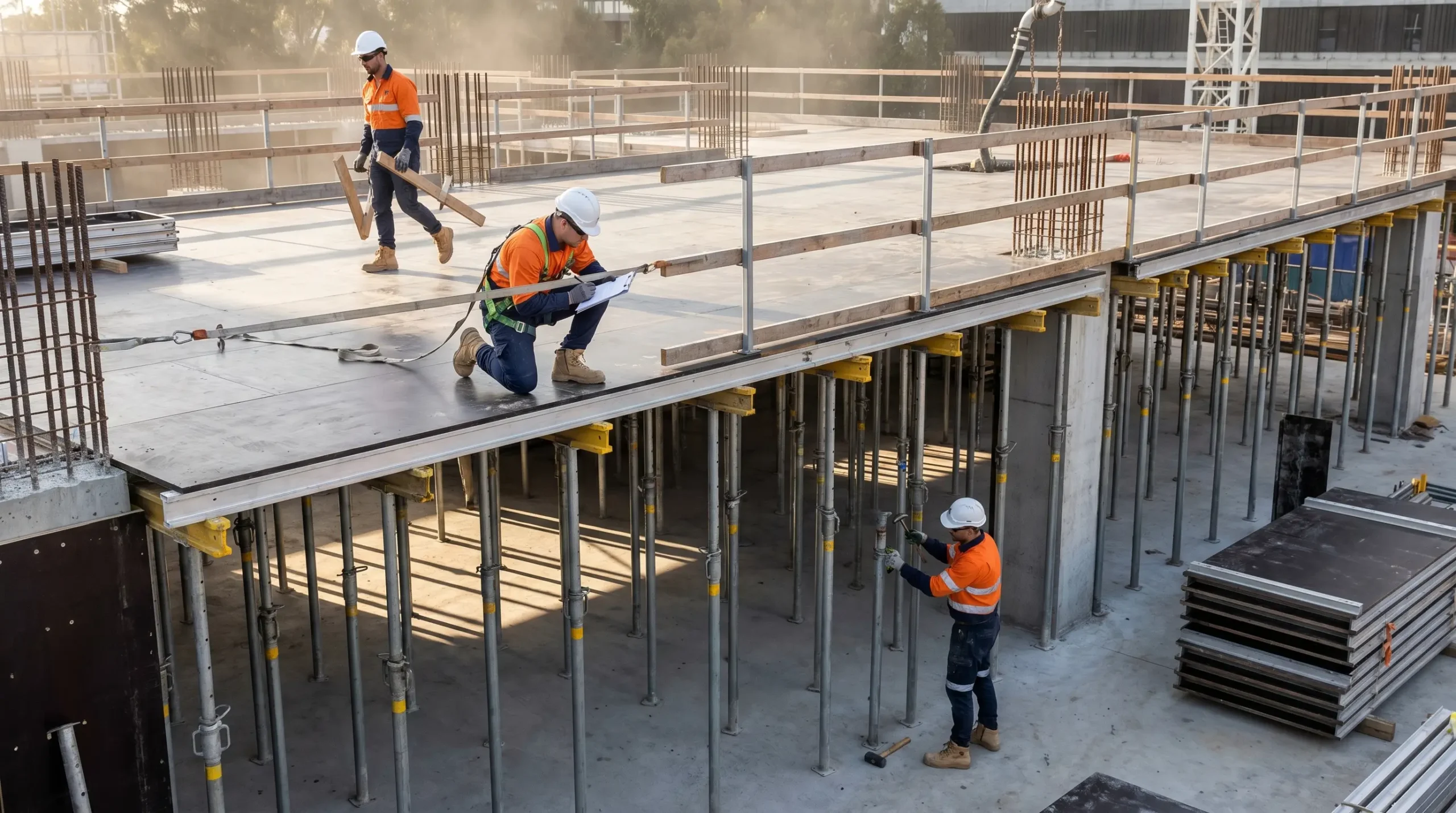
Construction workers in safety gear inspect and work on a concrete floor slab at a multi-story building site with metal support structures and reinforcing bars visible.

TL;DR — The Numbers That Define This Hazard Formwork safety controls the catastrophic hazards of temporary concrete-mould and support structures during erection, placement, and stripping. Collapse, falls from height, struck-by falling objects, and crush injuries dominate the fatality record. Competent engineered design, jurisdictionally compliant inspection at three distinct phases, and disciplined reshoring prevent most of … Read more

Upper Tier vs Lower Tier COMAH Sites: Key Differences

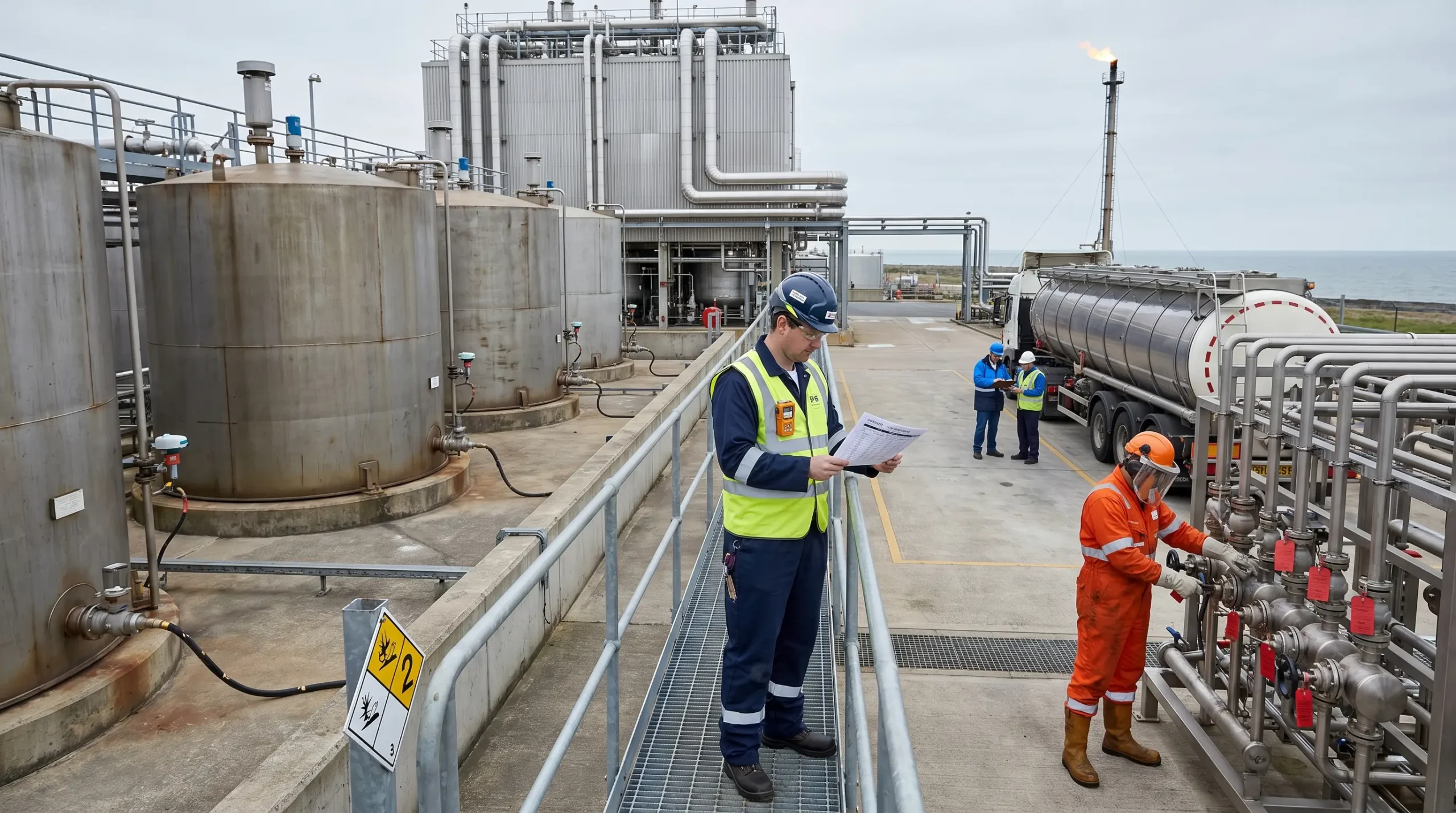
Industrial refinery facility with workers in safety gear inspecting equipment, large storage tanks, pipelines, and a tanker truck during operations at a coastal site.

Two specialty chemicals establishments sit four miles apart on the coastal corridor where I run process-safety assurance. One holds around 280 tonnes of a flammable liquid plus two named toxic intermediates above their lower thresholds; the other holds nearly double that inventory, including an acutely toxic intermediate that tips it above the upper threshold. On … Read more

Safety Climate vs Safety Culture: Key Differences Explained

Three pharmaceutical workers in full protective gear review safety climate survey results on a large monitor in a cleanroom facility, with stainless steel equipment and supplies visible.

I sat through a leadership review last year where a plant director pointed at a row of green cells on a dashboard — lagging indicators, all favorable — and declared the facility had a “strong safety culture.” Thirty minutes later, in a different room, I opened the results of an anonymous climate survey from the … Read more

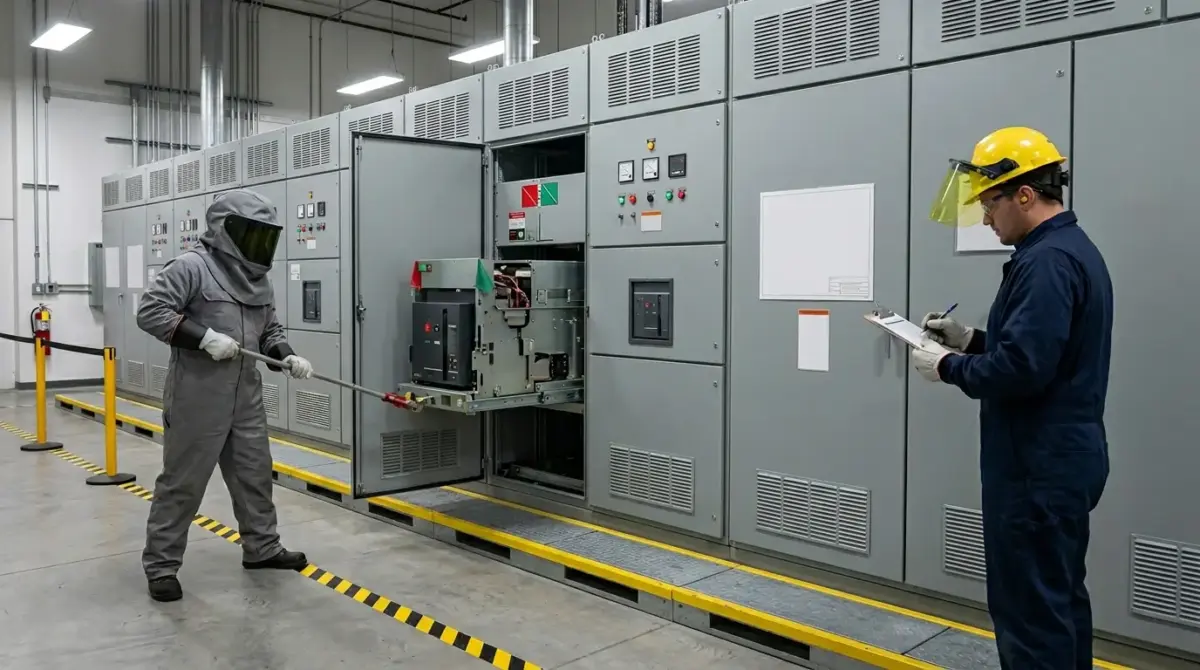
What Are Administrative Controls? Examples and Best Practices

Female safety supervisor in orange coveralls briefs three male workers in yellow safety gear inside an industrial warehouse facility.

TL;DR I was reviewing a confined space fatality investigation file from an oil refinery turnaround when the root cause summary stopped me cold. The permit-to-work procedure existed. The gas testing protocol was documented. The entry log template was printed and laminated, hanging right next to the manhole. Every administrative control was technically “in place.” But … Read more

Asbestos Toolbox Talk: Safety Tips, Rules, and Health Risks

Asbestos Toolbox Talk

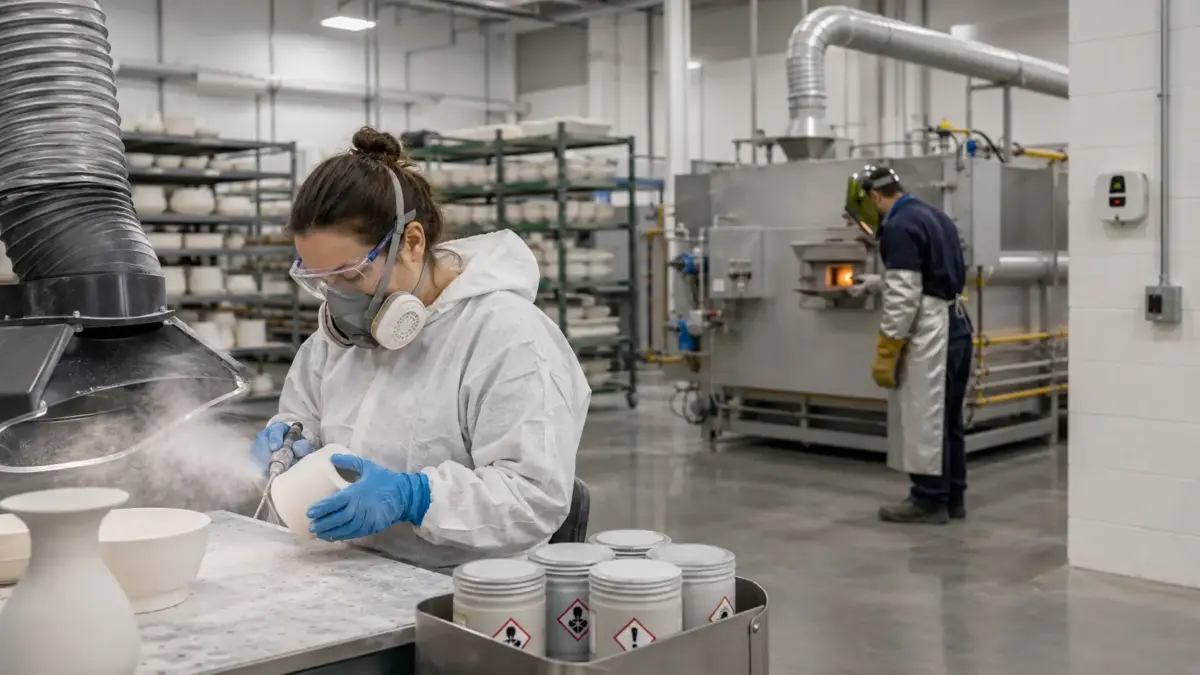
Asbestos exposure remains a hidden threat in many workplaces, particularly in older buildings, industrial facilities, and renovation or demolition environments. From the 1930s through the 1970s, asbestos was widely used in construction due to its durability, heat resistance, and fire-retardant properties. Although its dangers have been known for decades, asbestos-containing materials (ACMs) are still found … Read more

Food Safety Training Topics: Essential Guide for Safe Food Handling

Food Safety Training Topics

Food safety training is vital in any setting where food is prepared or served. Proper training not only protects customers from foodborne illnesses but also safeguards businesses from legal issues and reputational damage. In fact, the World Health Organization (WHO) estimates that 600 million people fall ill from contaminated food annually. By educating staff on … Read more