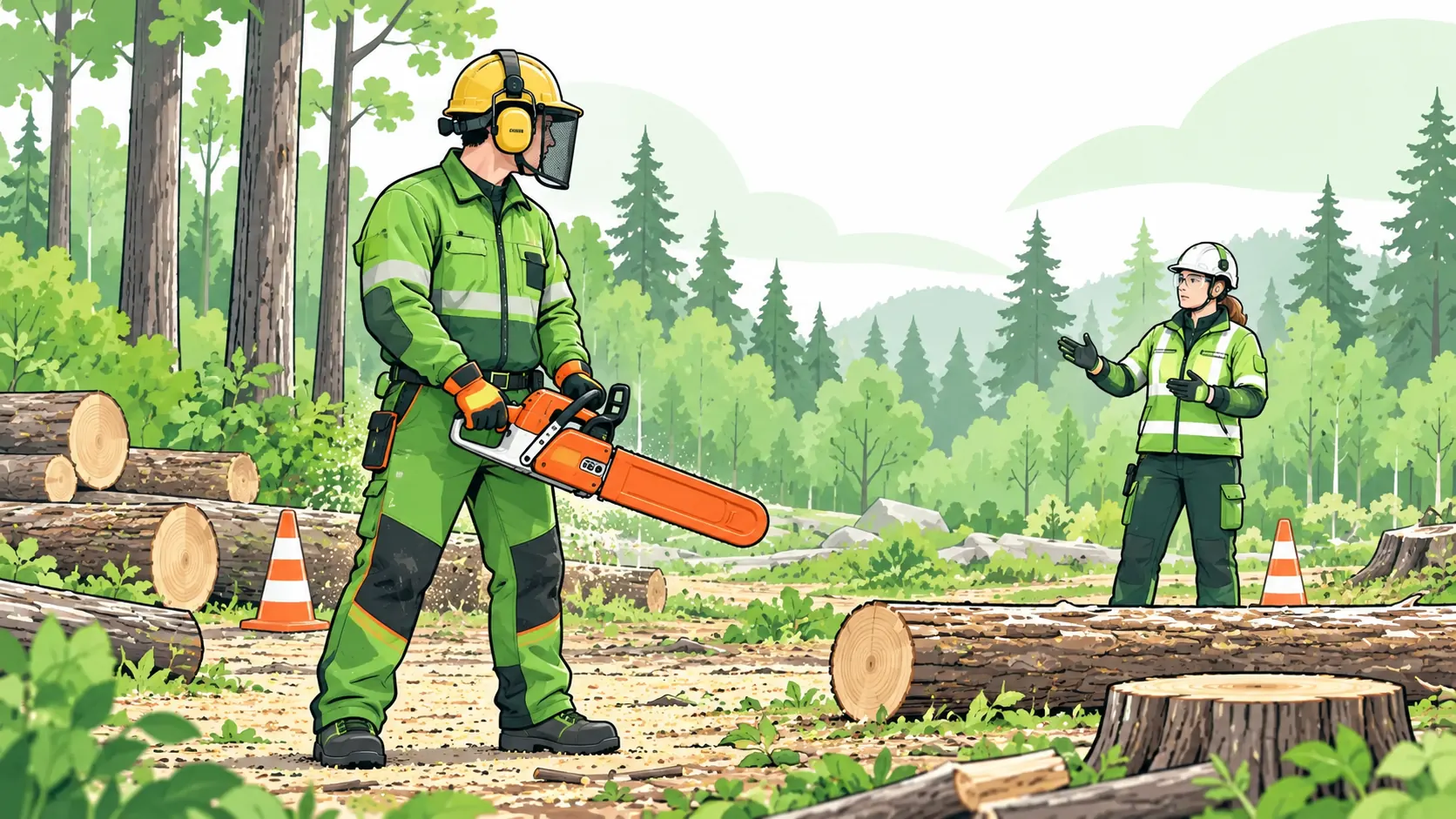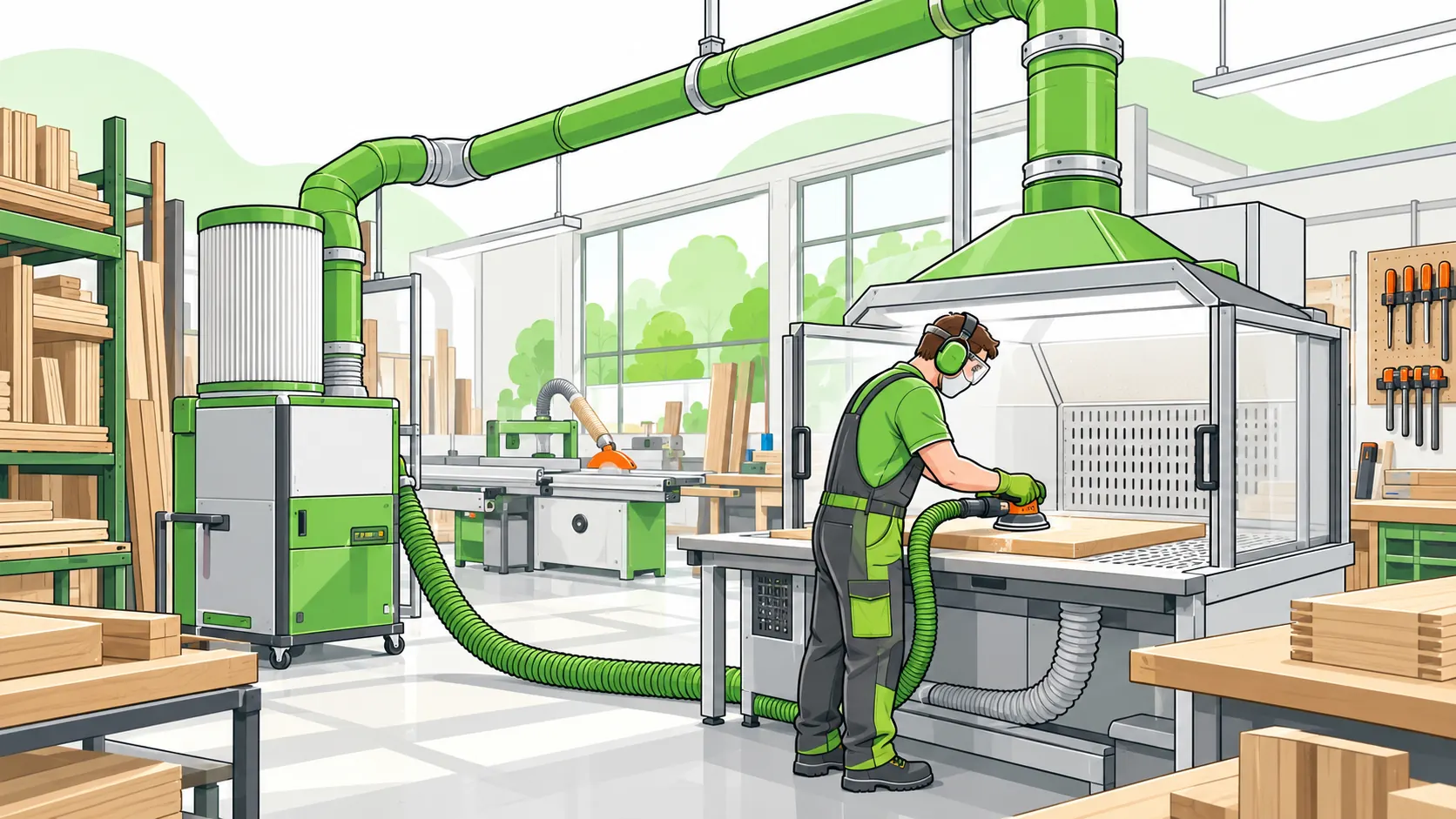
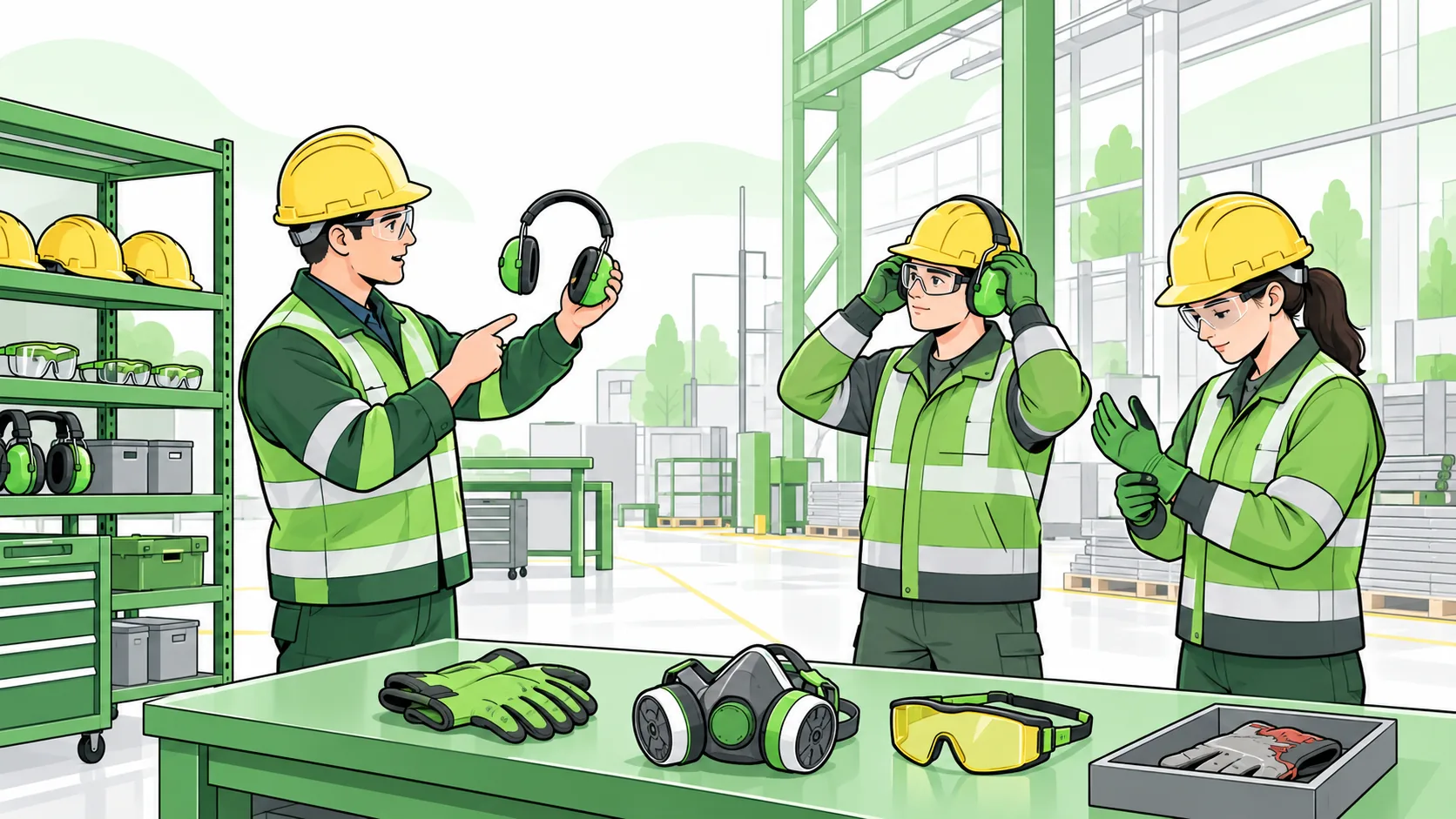
PPE is one of the most visible parts of workplace safety. Hard hats, gloves, goggles, hearing protection and respirators are easy to see during a site walk. What is less visible is whether the equipment was selected properly, fits the worker, is still in good condition and is being used in the way the manufacturer intended.
The difference between issuing PPE and ensuring effective use matters. Issuing PPE is not the end of the control process. If workers do not understand when the equipment is needed, how to fit it, what it can and cannot protect against, or when it should be replaced, the protection may be much lower than everyone assumes.
PPE Comes After Better Controls Have Been Considered
HSE guidance places PPE at the lower end of the hierarchy of controls. Employers should first consider whether a hazard can be eliminated, substituted, isolated or otherwise controlled. PPE is used where risk remains and personal protection is still needed.
PPE is especially dependent on human behaviour. A guard stays in place without the worker having to remember it. Safety glasses only protect the eyes when the right pair is selected and actually worn.
Selection Has to Match the Hazard and the Wearer
The same type of equipment can perform very differently depending on the job. Gloves that resist one chemical may be unsuitable for another. Eye protection for impact may not be designed for chemical splash. Hearing protection that is excessive for the environment may interfere with communication.
Fit matters too. HSE guidance on PPE selection advises employers to consider size, fit, compatibility, weight and the physical characteristics of the user. When several items are worn together they also need to work together rather than interfere with one another.
Workers are more likely to use PPE correctly when they understand why a particular item has been selected. Generic instructions such as 'wear gloves' fall short here. Which gloves? For which task? For how long? What signs of damage mean they should be changed?
Training Needs to Cover the Limits of Protection
PPE training should not be a demonstration of how to put something on and nothing more. Workers need enough information to recognise when the equipment is required, check it before use, fit or adjust it correctly, look after it and report defects.
PPE Training for Industry can provide a useful foundation in selection, use, care, maintenance and storage. The training is most effective when employers follow it with workplace-specific instruction on the exact PPE used for each task.
Limitations deserve particular attention. A worker who thinks a piece of PPE makes a task 'safe' may take risks outside what the control was designed to permit. PPE reduces exposure to certain hazards. PPE does not remove the hazard itself.
RPE Makes Fit Especially Important
Respiratory protective equipment adds another layer of complexity because protection depends on the seal between a tight-fitting facepiece and the wearer's face. HSE states that poor fit is a major cause of leakage and that tight-fitting RPE needs to be fit tested for the individual wearer.
The make, model, type and size used during a successful fit test should then be available to that worker. Facial hair, changes in facial shape and switching to another model can all affect fit.
People responsible for conducting qualitative fit tests need appropriate knowledge and experience. Online Face Fit Testing Training can support that knowledge, but employers remain responsible for deciding whether a person is competent for the testing they are expected to carry out.
Maintenance Is Part of Use
Reusable PPE needs care after the task ends. HSE guidance requires PPE to be maintained and stored properly. Depending on the equipment, that can mean cleaning, replacing filters or components, inspecting for damage and keeping the item in a clean, dry location.
A visor with deep scratches, a damaged harness or a respirator stored in a dirty work area may still be physically present on the PPE register. Its presence on the PPE register does not mean the equipment is ready to protect someone.
Supervision Closes the Gap Between Training and Practice
Even good training fades if the workplace rewards shortcuts. Supervisors need to notice whether PPE is being used as intended and ask why when it is not. Sometimes the problem is attitude. Sometimes the equipment is uncomfortable, incompatible with another item, hard to access or simply wrong for the task.
Poor attitude, poor fit, inaccessible equipment and incorrect selection are different problems and need different responses. The useful outcome is not just compliance during an inspection. The useful outcome is PPE that workers can use correctly, consistently and with a clear understanding of what protection it is meant to provide.