Safety Topic · 7 articles

Hierarchy of Controls

The hierarchy of controls is a systematic approach used to minimize or eliminate workplace hazards. This section explains each level of control, including elimination, substitution, engineering controls, administrative controls, and personal protective equipment. Learn how to apply these methods effectively to reduce risks and improve safety performance in different work environments.

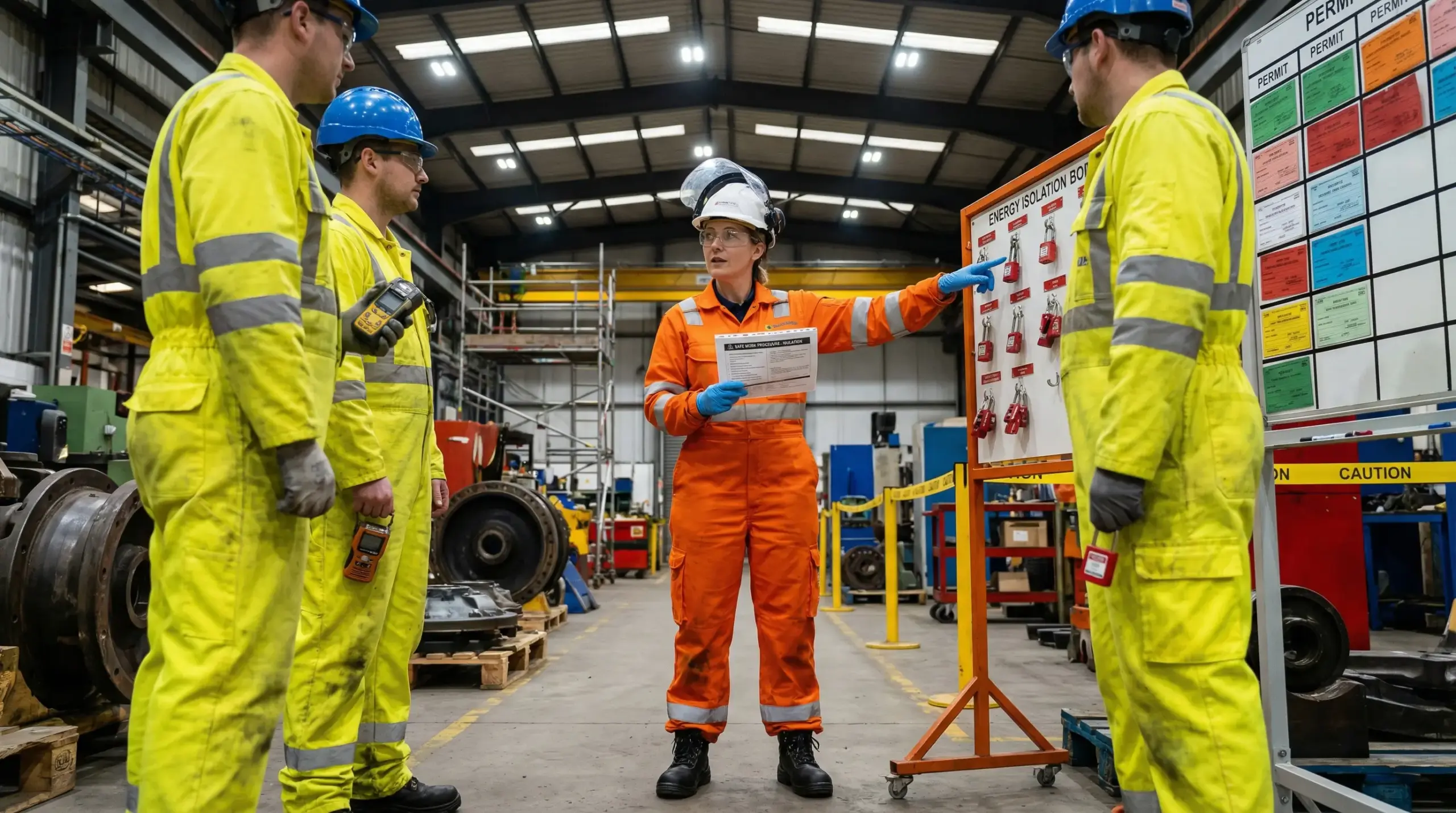
Female safety supervisor in orange coveralls briefs three male workers in yellow safety gear inside an industrial warehouse facility.
Hierarchy of Controls

What Are Administrative Controls? Examples and Best Practices

TL;DR Administrative controls are management-driven safety measures that reduce worker exposure to hazards through policies, procedures, schedules, and training — without physically removing the hazard itself. They sit fourth on the Hierarchy of Controls, above PPE but below elimination, substitution,…

Adeel Rashid

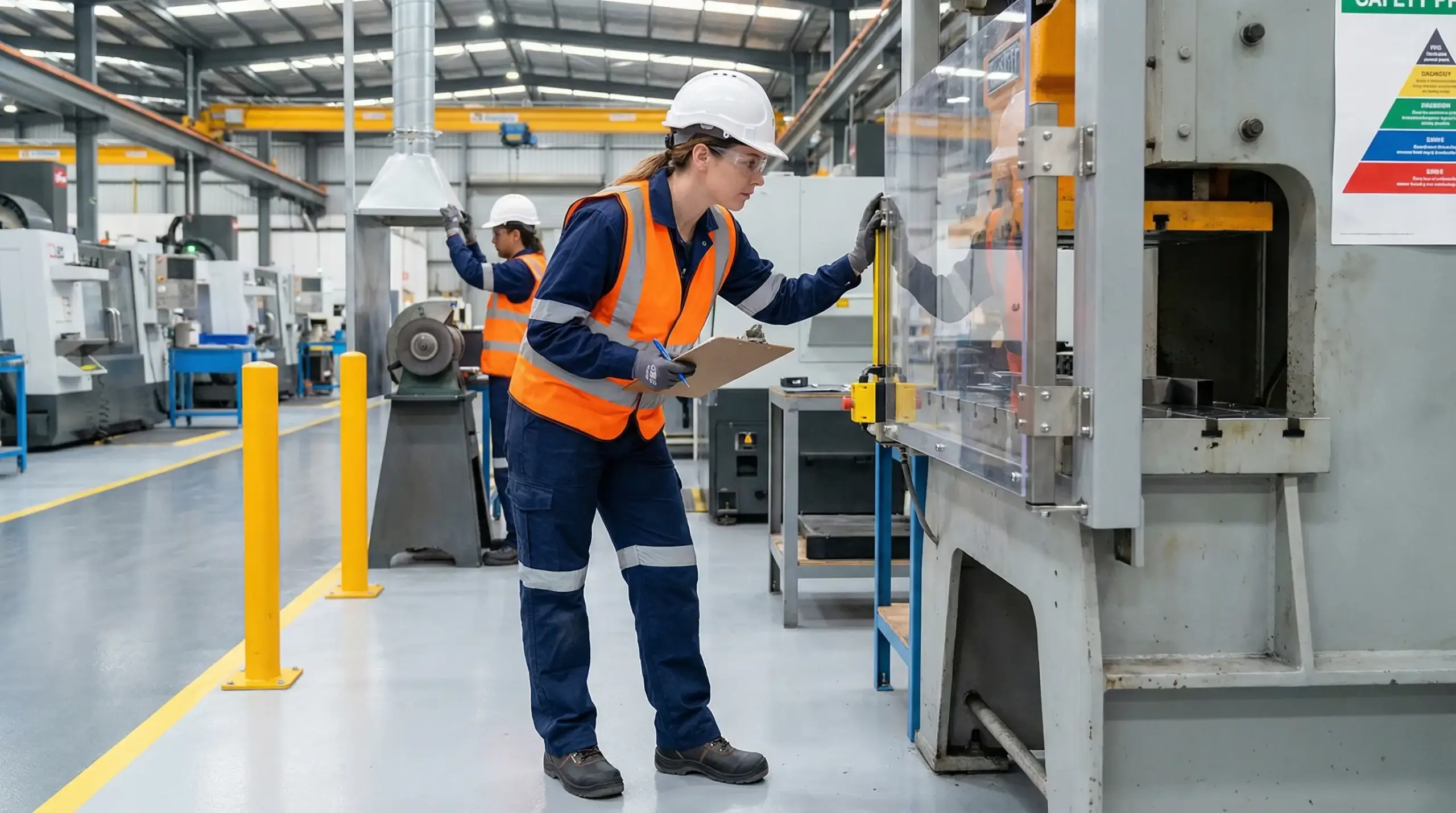
Factory worker in safety gear inspecting industrial machinery on manufacturing floor with equipment and yellow safety markings.
Hierarchy of Controls

What Is the Hierarchy of Control? Levels & Examples

TL;DR The hierarchy of control is a five-level risk reduction framework that ranks hazard controls from most effective (elimination) to least effective (PPE), forcing organizations to exhaust higher-order controls before relying on human behavior. Elimination and substitution sit at the…

Abdul Rauf

Hierarchy Of Noise Risk Control
Noise

Hierarchy Of Noise Risk Control: The Definitive Guide

Noise is an often-overlooked occupational hazard that can seriously affect health and productivity. Whether it's the constant hum of machinery, the roar of heavy equipment, or high-decibel construction tools, prolonged exposure to excessive noise can lead to hearing loss, tinnitus,…

Raja Umer

Looking For Another Topic?

Every safety category is listed in the A–Z directory.