Safety Topic · 34 articles

Chemical

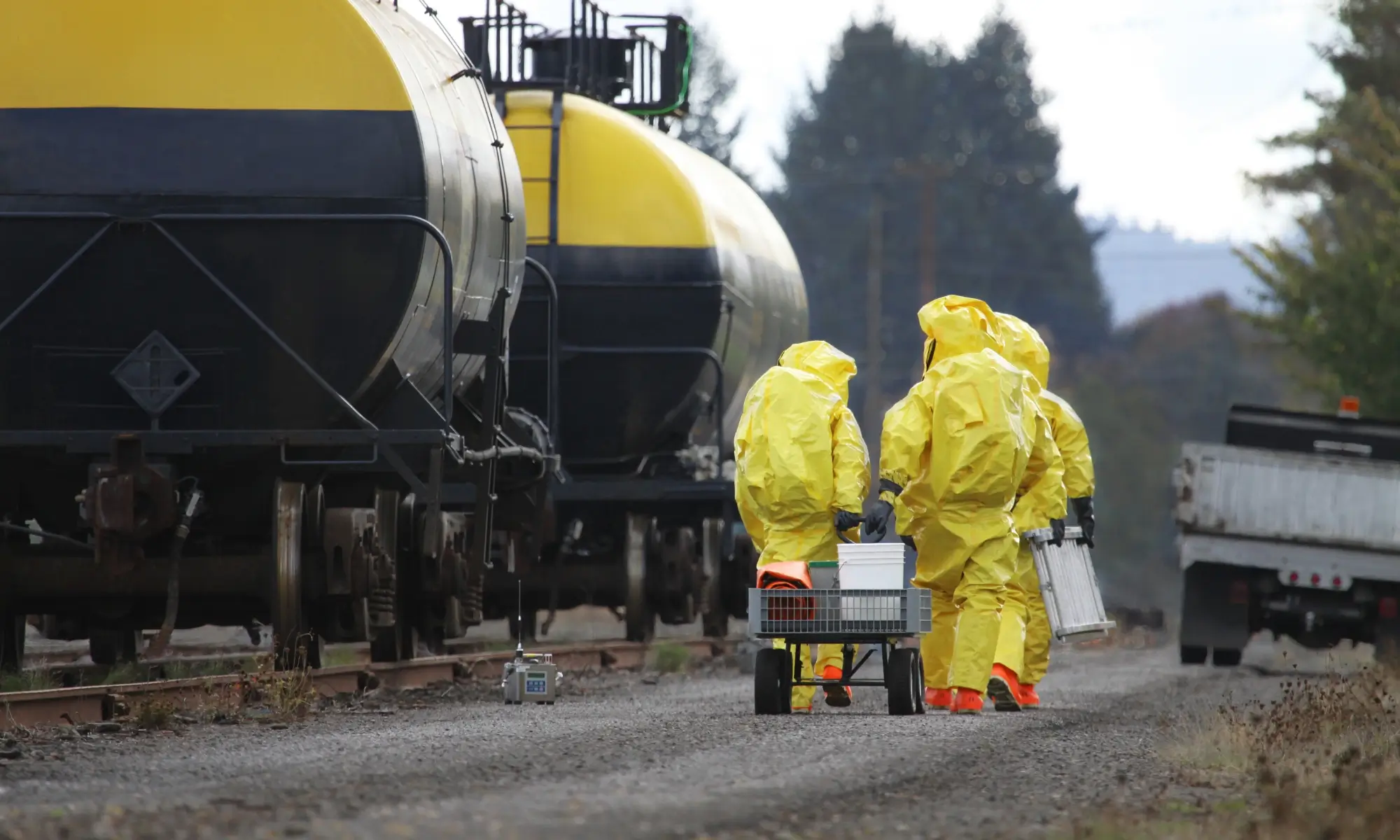
Chemicals are widely used in many industries but can pose serious health and safety risks if not handled properly. This section covers chemical hazards, safe handling practices, and control measures. Learn how to read safety data sheets, use protective equipment, and store chemicals safely to reduce exposure and maintain compliance.

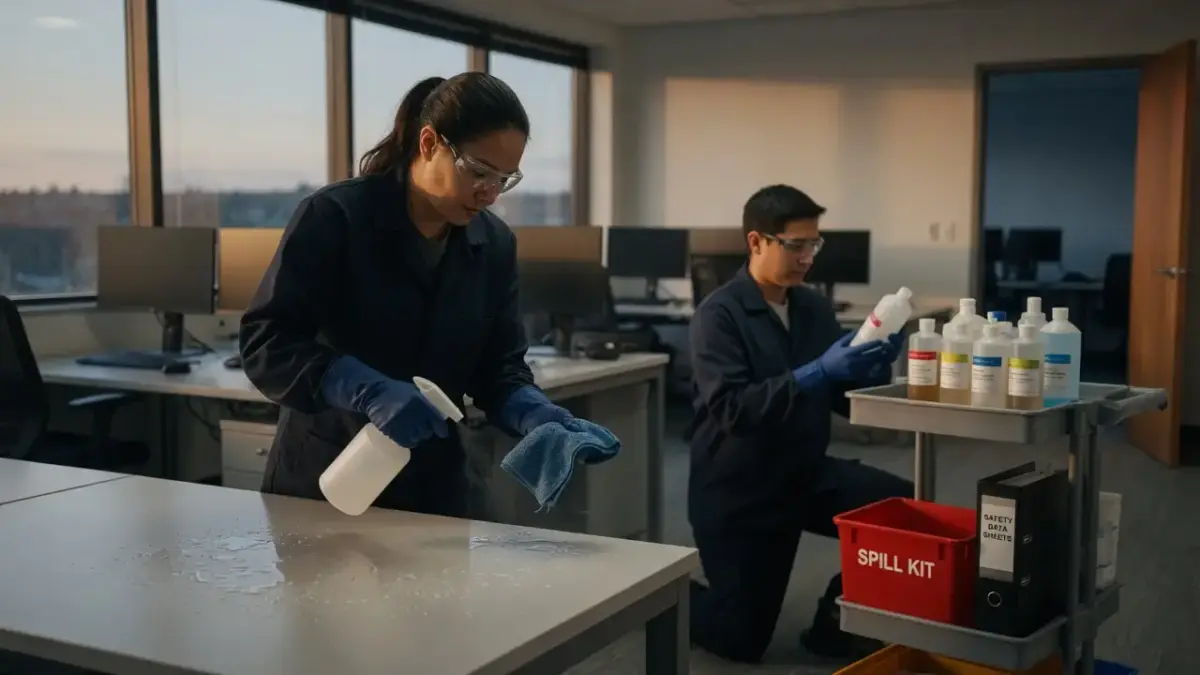
Two laboratory technicians wearing protective gloves and safety glasses clean a modern office workspace, with chemical bottles and a red spill kit visible on a cart behind them.
Chemical

Workplace Cleaning and Disinfection Procedures: A Safe Guide

TL;DR Clean before you disinfect. Soil deactivates many disinfectants, so a dirty surface cannot be reliably disinfected — cleaning comes first, every time. Contact time is the step people skip. The surface must stay visibly wet for the product's full…
Badar Javed

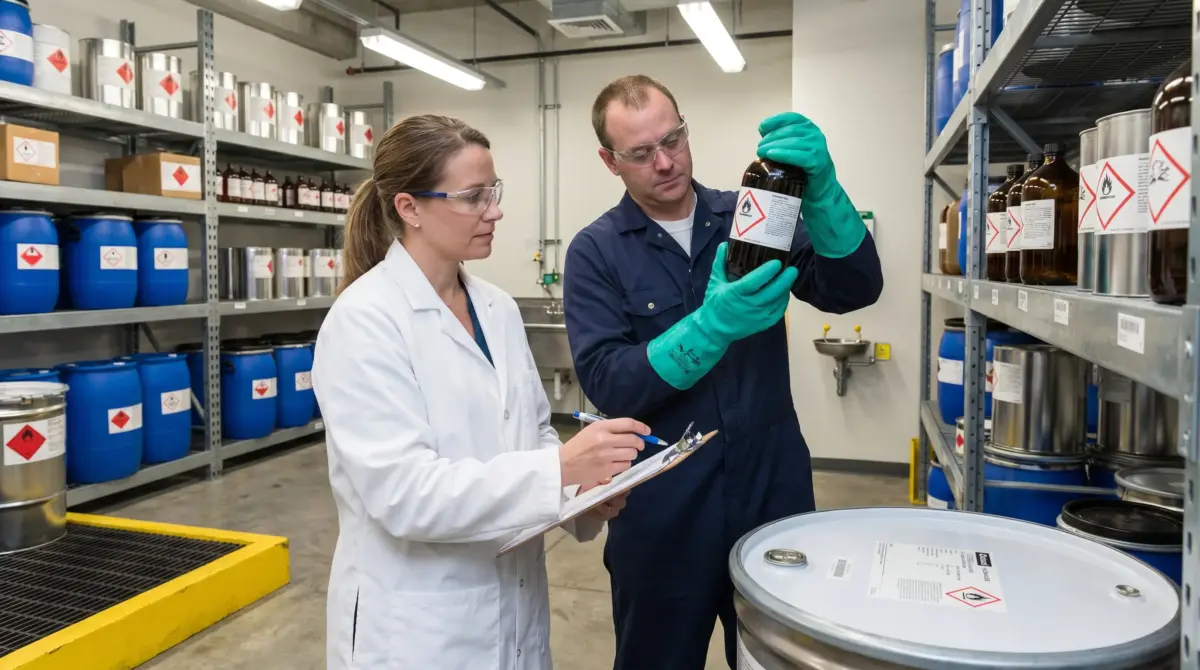
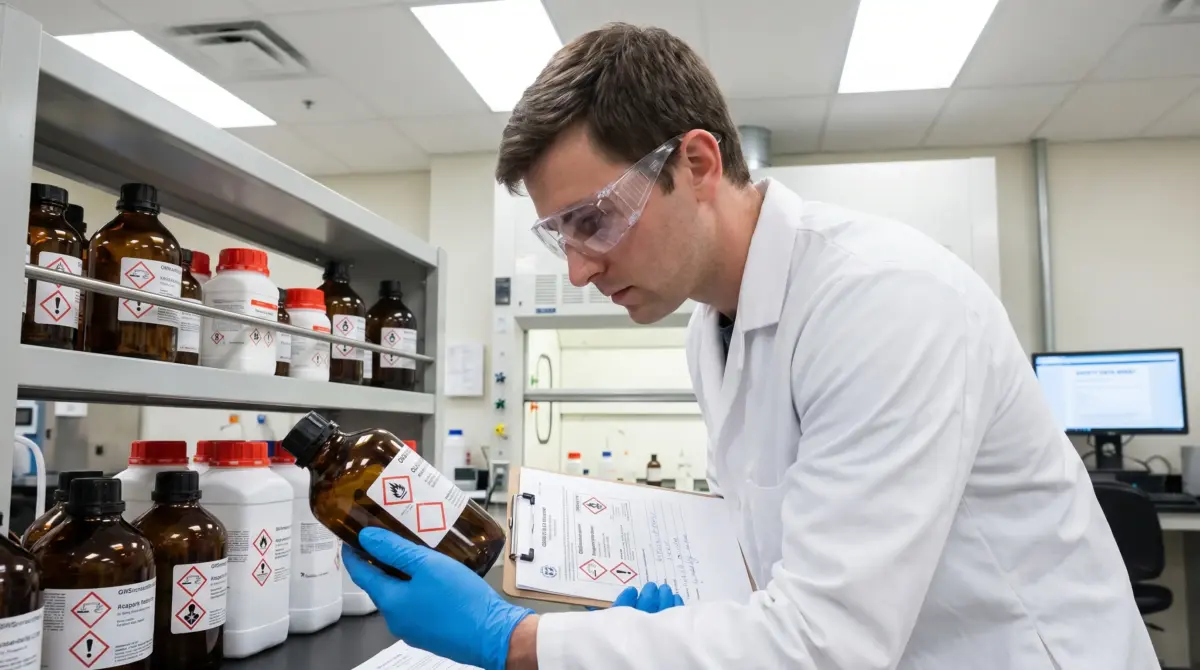
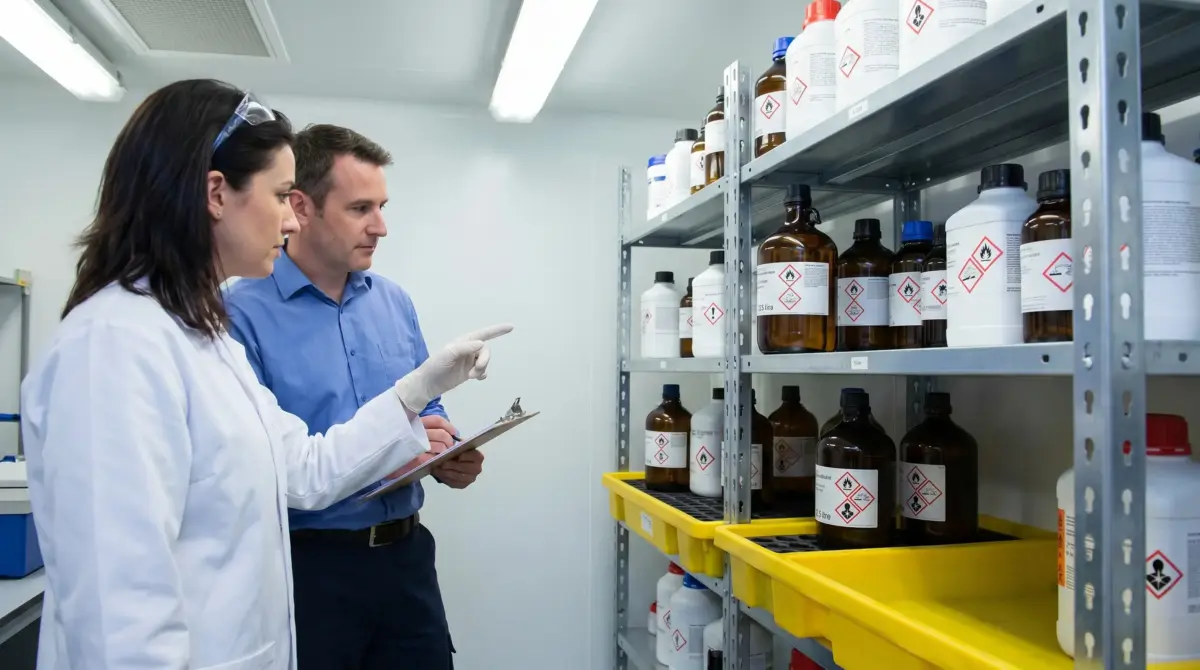
Two laboratory professionals in a chemical storage facility reviewing inventory on a clipboard while examining hazardous material bottles with warning labels on metal shelving with a yellow spill containment tray.
Chemical

CLP Hazard Pictograms: All 9 GHS Symbols Explained (2026)

TL;DR Nine pictograms, one system — CLP assigns nine standardised red-diamond symbols (GHS01–GHS09) to communicate physical, health, and environmental hazards on chemical labels across the EU. Precedence rules reduce clutter — CLP Article 26 removes redundant pictograms when multiple hazards…

Badar Javed

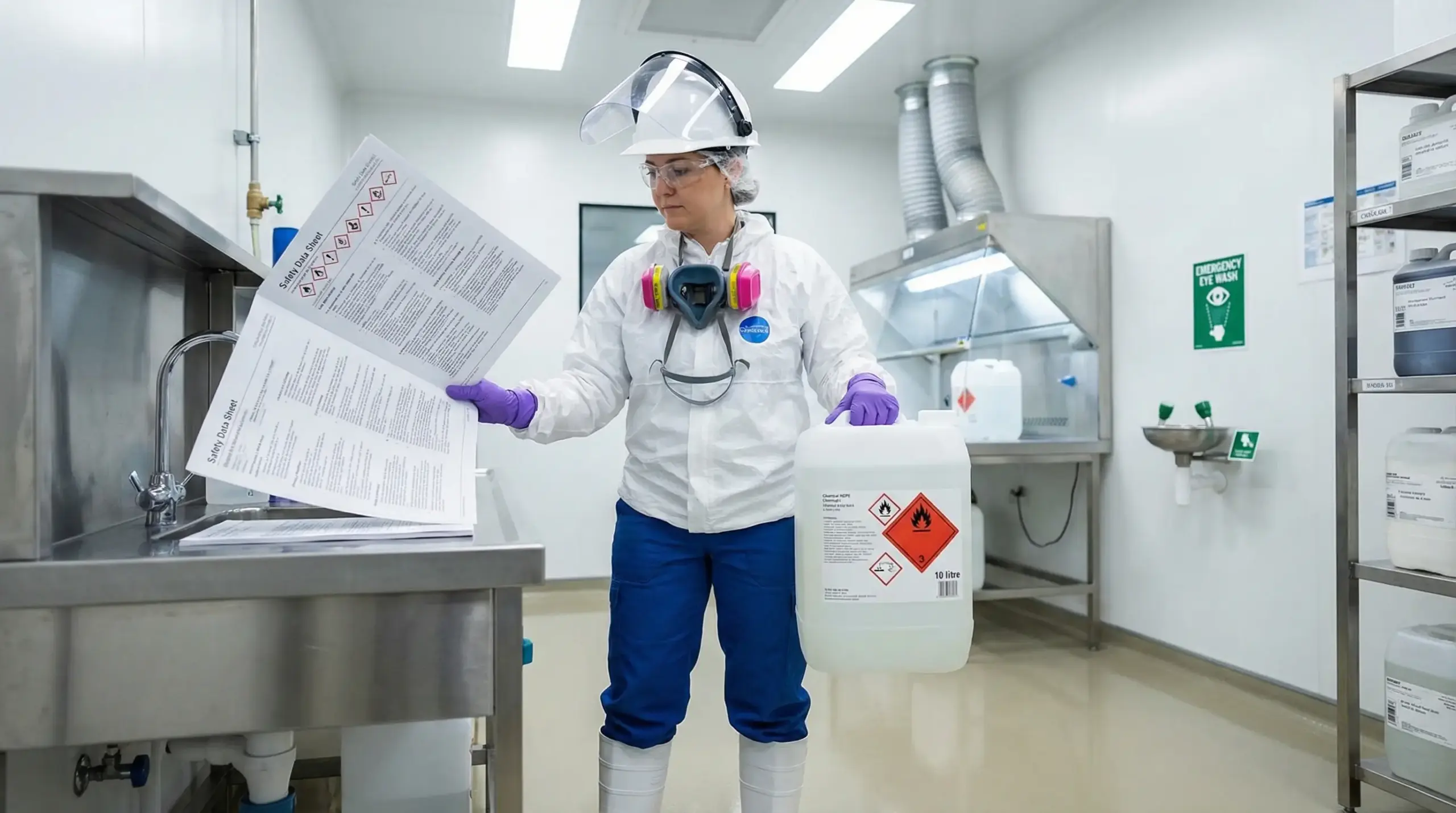
Two scientists in protective gear conduct a chemical inventory inspection in a laboratory storage facility lined with hazardous material containers and warning labels.
Chemical

What Is CLP Regulation? Classification & Labelling Guide

TL;DR If your company places a chemical substance on the EU market → you must classify its hazards, label the container with standardised pictograms and hazard statements, and notify the Classification and Labelling Inventory before or within one month of…

Badar Javed

What is HAZCOM Meaning, Key Components And Standards
Hazard

What is HAZCOM? Meaning, Key Components And Standards

Hazardous chemicals are inevitable in many industries, from manufacturing and healthcare to construction and agriculture. The Occupational Safety and Health Administration (OSHA) established the Hazard Communication Standard (HAZCOM) to protect workers from chemical-related illnesses and injuries. Often referred to as…

Waheed Riaz

Where to Find Safety Data Sheets (SDS)
Chemical

Where to Find Safety Data Sheets (SDS): A Complete Guide

Safety Data Sheets (SDS) are essential documents that provide detailed information on hazardous chemicals, including their properties, potential health risks, safe handling practices, and emergency procedures. These sheets are crucial for workplace safety, regulatory compliance, and environmental protection. Knowing where…

Shoaib Ch

Bunsen Burner Safety
Chemical

15 Bunsen Burner Safety Tips Everyone Should Know

Bunsen burners are essential laboratory tools used for heating, sterilization, and various experiments. However, they also present significant fire and burn hazards. To prevent accidents and ensure safe laboratory practices, it is crucial to follow specific safety guidelines every time…

Nasir Ali

Spill Containment
Chemical

Spill Containment: Methods, Regulations and Best Practices

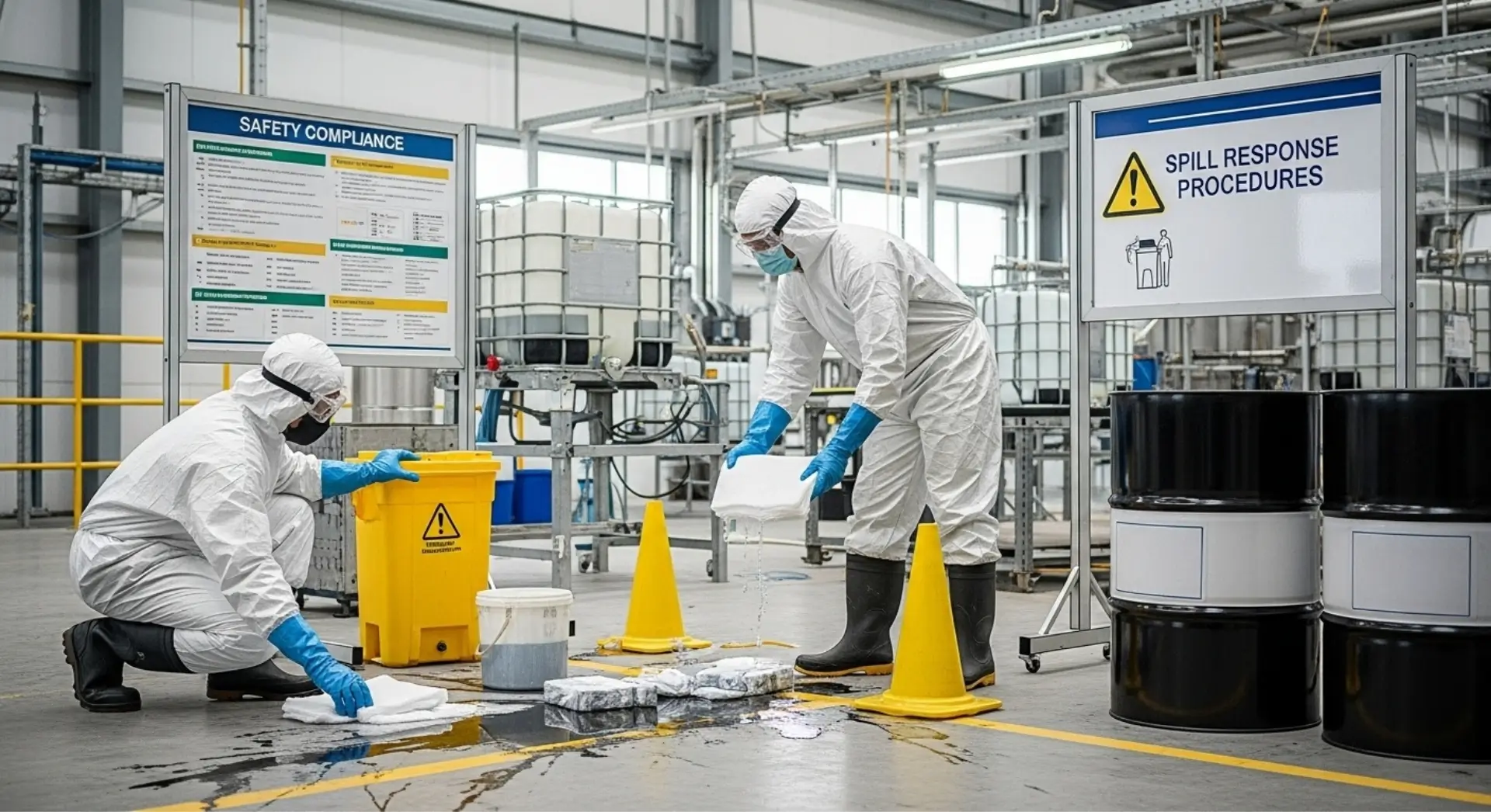
Spill containment is a critical aspect of industrial safety, environmental protection, and regulatory compliance across all sectors—from oil and chemical manufacturing to food and beverage processing. Effective containment systems prevent leaks and spills from spreading, safeguarding workers, facilities, and the…

Shehzad Zafar

Types Of Chemicals
Chemical

10 Types Of Chemicals and How to Manage Them

Chemicals are the backbone of countless industries—from manufacturing and agriculture to healthcare and research. However, with their widespread use comes the inevitable risk of chemical hazards that can seriously affect human health and the environment. Whether you’re a safety officer,…

Badar Javed

Safety Precautions for Handling Compressed Gases
Chemical

9 Essential Safety Precautions for Handling Compressed Gases

Compressed gases are essential in various industries, including manufacturing, laboratories, healthcare, and research, but they also pose significant risks if not handled properly. Stored under high pressure, these gases can cause fires, explosions, toxic exposures, and even deadly accidents if…

Hamza Ali

Looking For Another Topic?

Every safety category is listed in the A–Z directory.