Safety Topic · 27 articles

Electrical

Electrical hazards can cause serious injuries, fires, and fatalities if not properly controlled. This section covers electrical safety, including common risks such as exposed wiring, faulty equipment, and improper grounding. Learn safe work practices, inspection methods, and preventive measures to reduce electrical risks in workplaces.

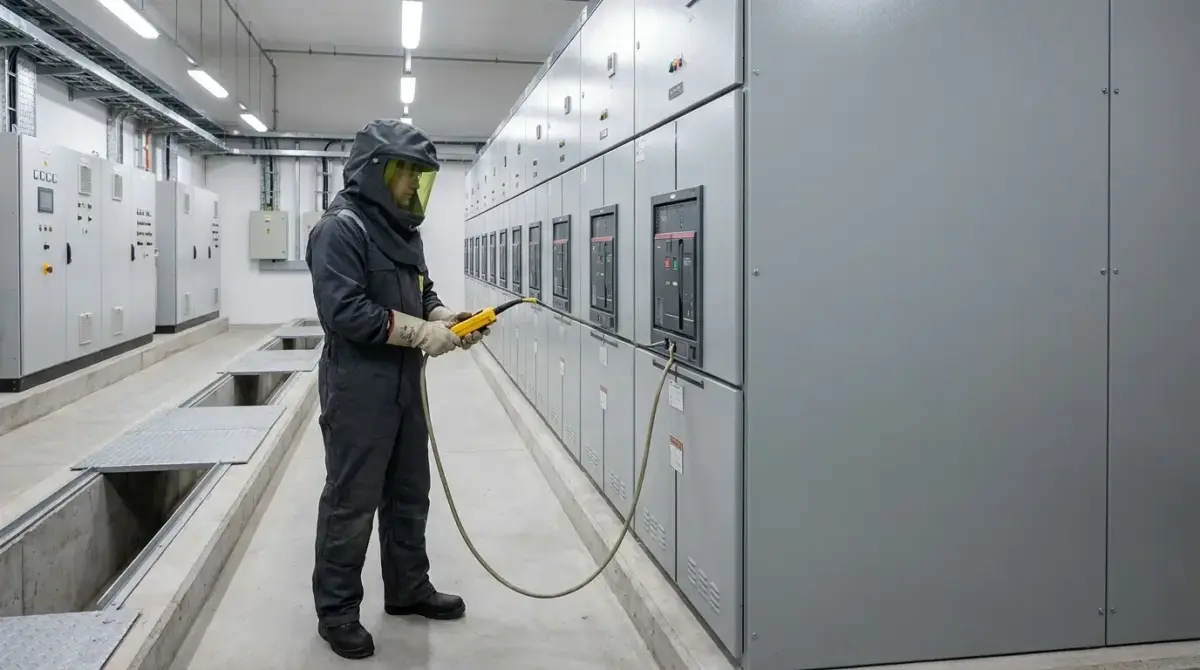
Electrician in protective gear and face shield testing electrical equipment with a multimeter in an industrial substation control room.
Electrical

Switchgear Safety: Racking In/Out Procedures

TL;DR If the breaker is not confirmed open, do not rack it — racking a closed breaker onto a live bus is a leading arc flash trigger. If the equipment can be isolated upstream, rack it dead — an electrically…
Badar Javed

Substation Safety: Arc Flash, Shock, and Access Controls
Electrical

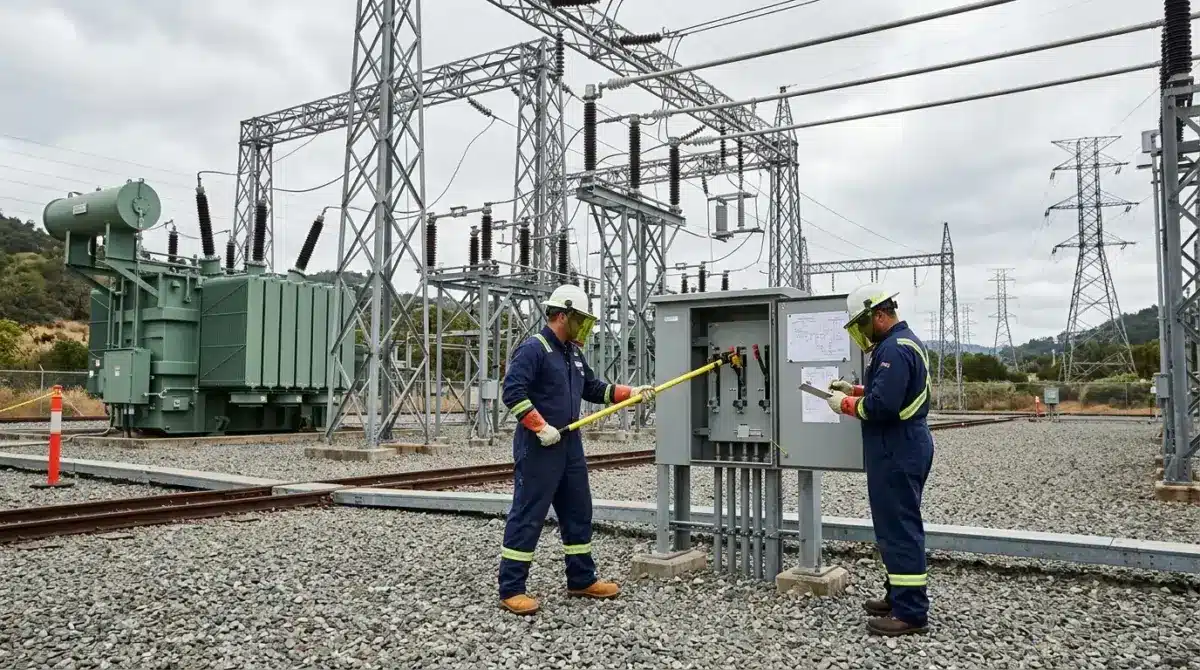
Substation Safety: Arc Flash, Shock, and Access Controls

TL;DR Myth: Arc flash is the main way substations kill. Reality: contact with and proximity to energized parts cause far more electrical deaths; arc flash is a small share of fatalities but produces catastrophic, life-altering burns (ESFI, 2026). Myth: Being…

Waheed Riaz

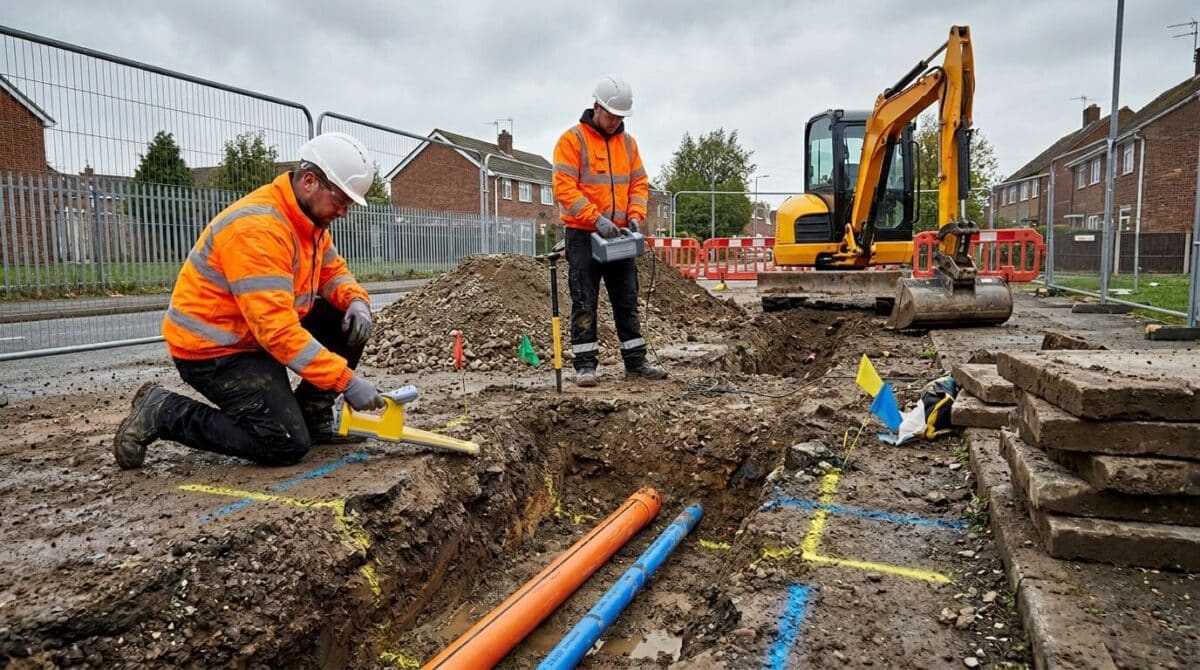
Construction worker in safety gear inspecting electrical equipment at a building site with concrete structures and reinforced steel framework visible in the background.
Electrical

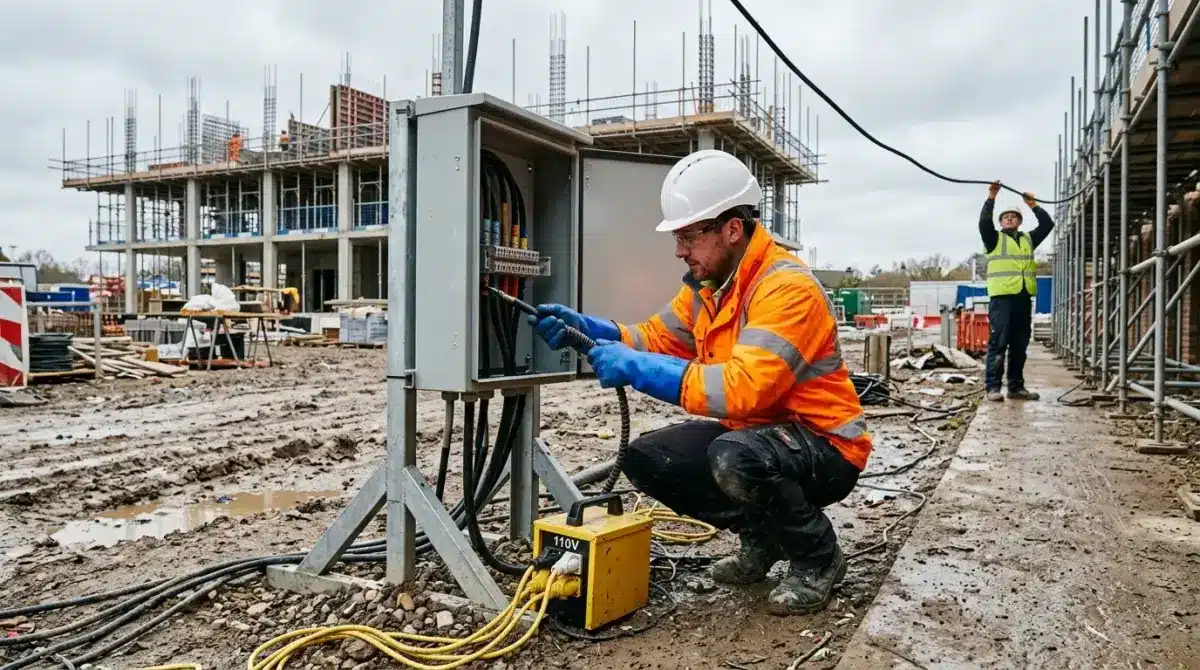
Temporary Electrical Installations on Construction Sites: Guide

TL;DR — Four Myths That Get People Hurt Myth: "Temporary" means a lighter safety standard is acceptable. Reality: Site conditions are harsher than a finished building, so temporary installations need more robustness, not less. Myth: Construction wiring must come down…

Mr. Qaseem

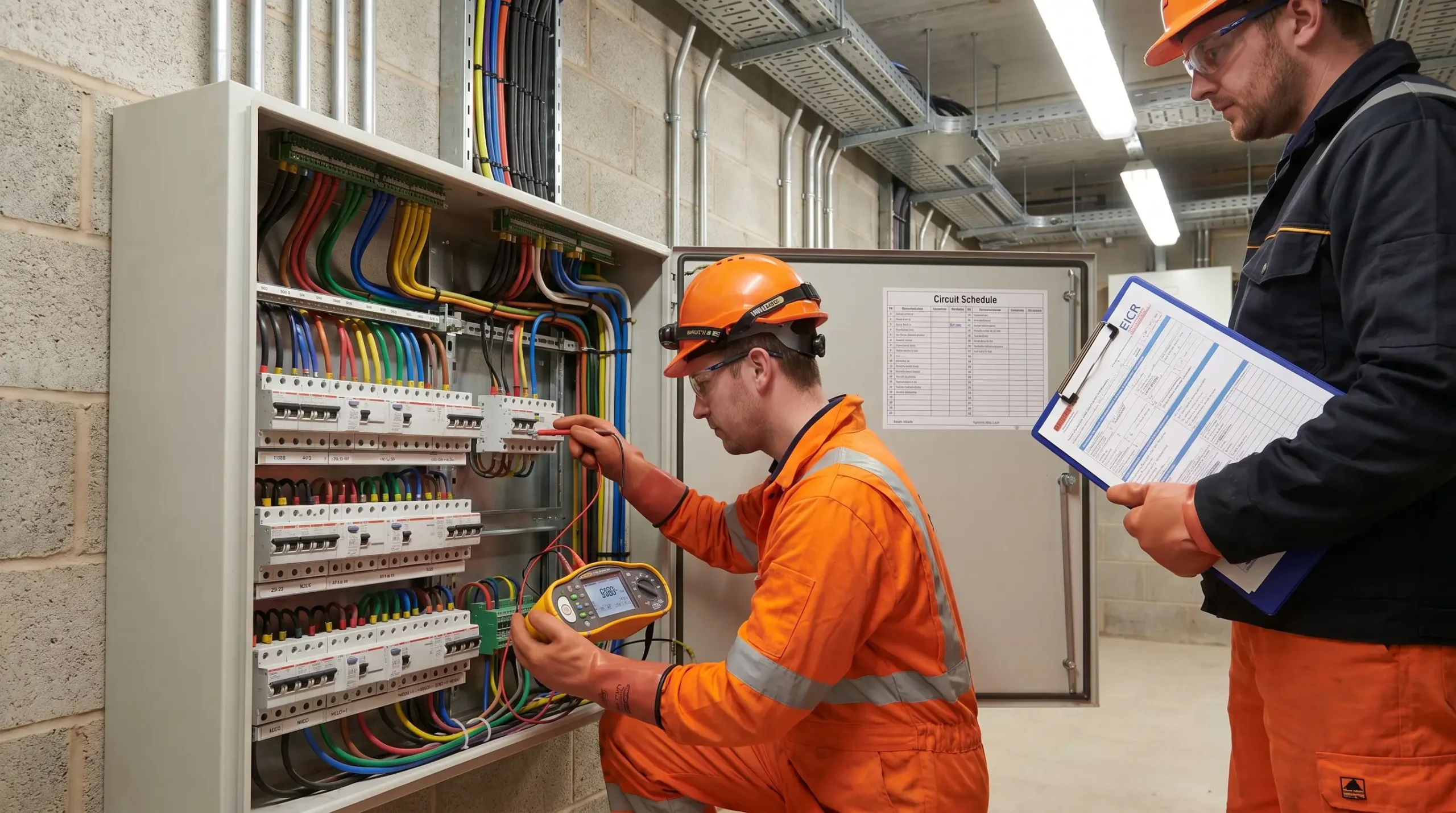
Two electricians in orange safety gear inspect an electrical panel with colorful wires and circuit breakers while reviewing documentation on a clipboard.
Electrical

What Is Fixed Wire Testing? EICR Guide for UK Buildings

TL;DR If your building has permanent electrical wiring, it needs periodic inspection and testing — fixed wire testing checks every cable, circuit, consumer unit, socket, and switch on the building side of the meter and produces a formal Electrical Installation…

Badar Javed

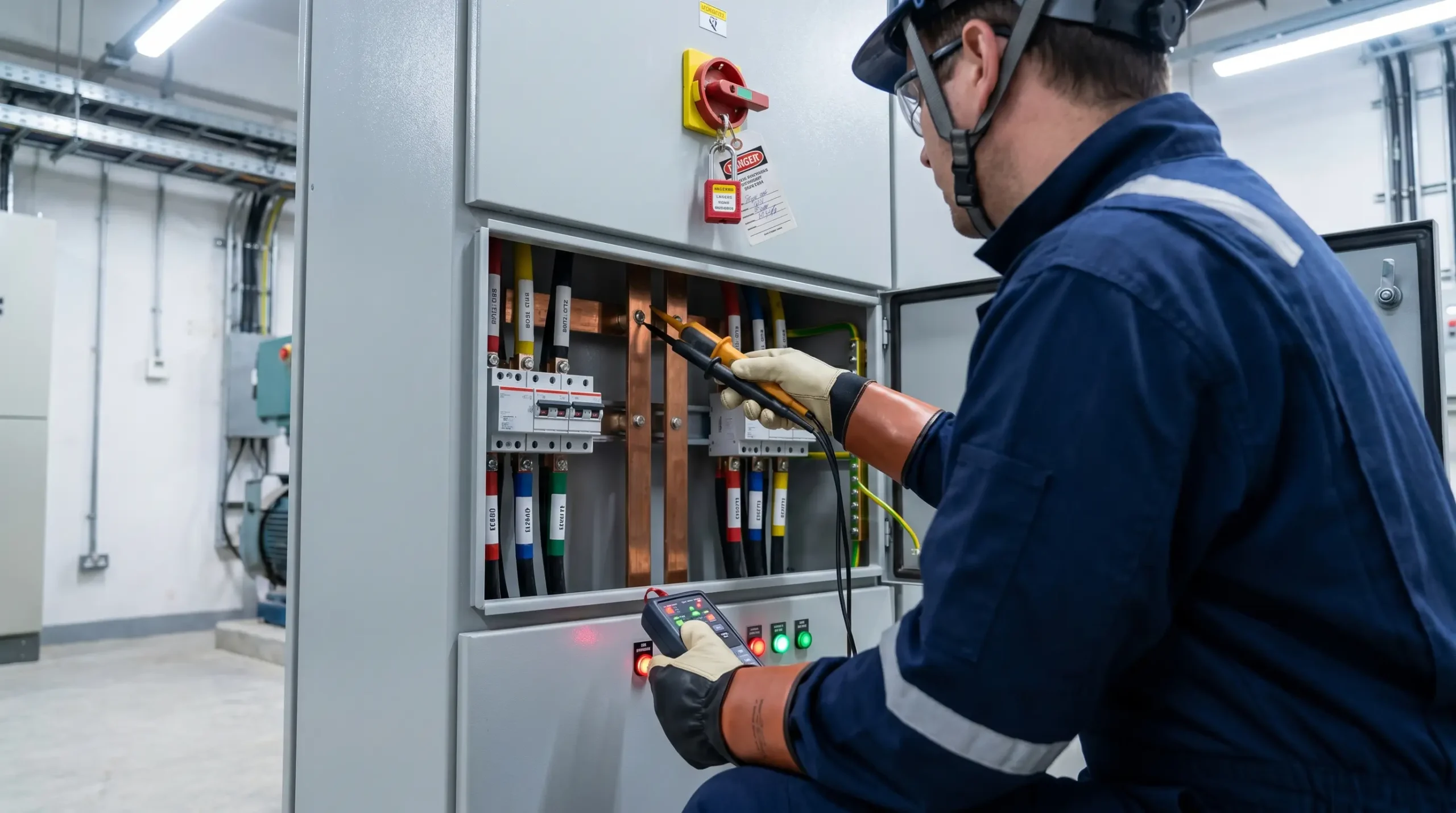
Electrician wearing safety helmet and gloves uses a multimeter to test electrical components inside an industrial control panel with circuit breakers and colored wiring.
Electrical

Proving Dead: How to Verify Electrical Isolation Safely

TL;DR Isolation and proving dead are not the same act. Opening a disconnector deenergises the source; proving dead verifies zero voltage at the point of work, at the moment of work. Use a purpose-built two-pole voltage indicator, never a multimeter.…

Mohsin Nawaz

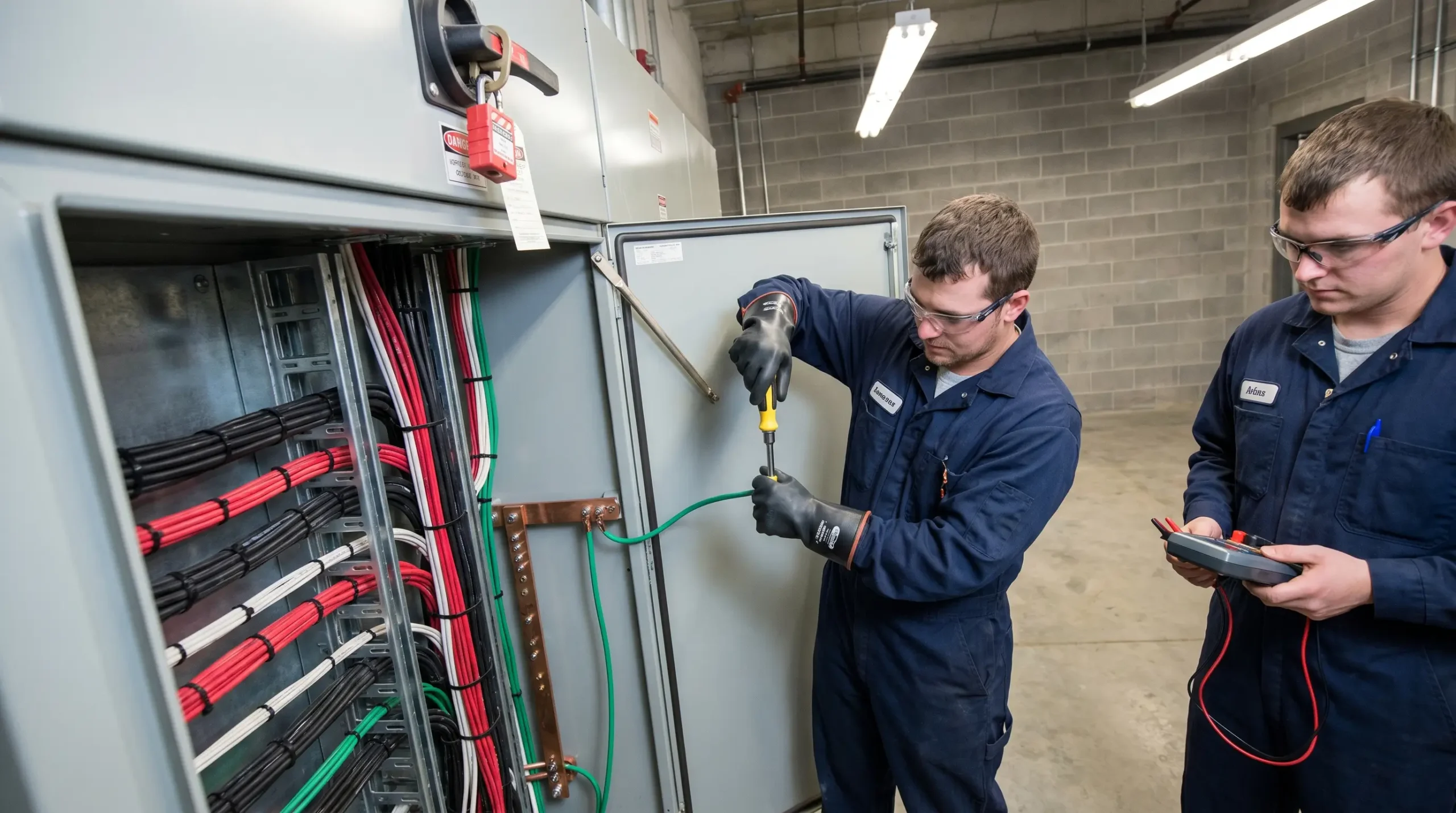
Three electricians in safety gear work on an industrial electrical panel with red and black wires, with one technician using a multimeter to test connections while others observe.
Electrical

2-Wire vs 3-Wire Circuits: Safety & Key Differences

The main difference between 2-wire and 3-wire circuits is the presence of a third conductor — typically an equipment grounding conductor (ground wire) or an additional hot wire. In a 2-wire circuit, only a hot and neutral conductor carry current.…

Usman Malik

100 Catchy Electrical Safety Slogans to Keep You Safe
Electrical

100 Catchy Electrical Safety Slogans to Keep You Safe

I once walked onto a construction site where the electrical team was fatigued, rushing to meet a commissioning deadline. I noticed a young electrician about to reach into a panel without his insulating gloves, purely out of habit and haste.…

M. Suleman

Methods For Effectively Guarding Electrical Equipment
Electrical

Methods For Effectively Guarding Electrical Equipment

Electrical equipment is integral to modern operations across industries, powering essential systems and machinery. However, this reliance has inherent risks, including electric shock, burns, fires, and equipment damage. These hazards can result in severe injuries, costly downtime, and even regulatory…

Babar Mughal

What are Electrical Injuries Types, Symptoms, and Prevention
Electrical

What are Electrical Injuries? Types, Symptoms, and Prevention

Electrical injuries are a serious and often overlooked hazard that can occur in homes, workplaces, and outdoor environments. They result from exposure to electrical currents and can damage the skin, internal organs, or even the entire body. Understanding the causes,…

Badar Javed

What is GFCI Outlet? Definition, Types and How Does It Works
Electrical

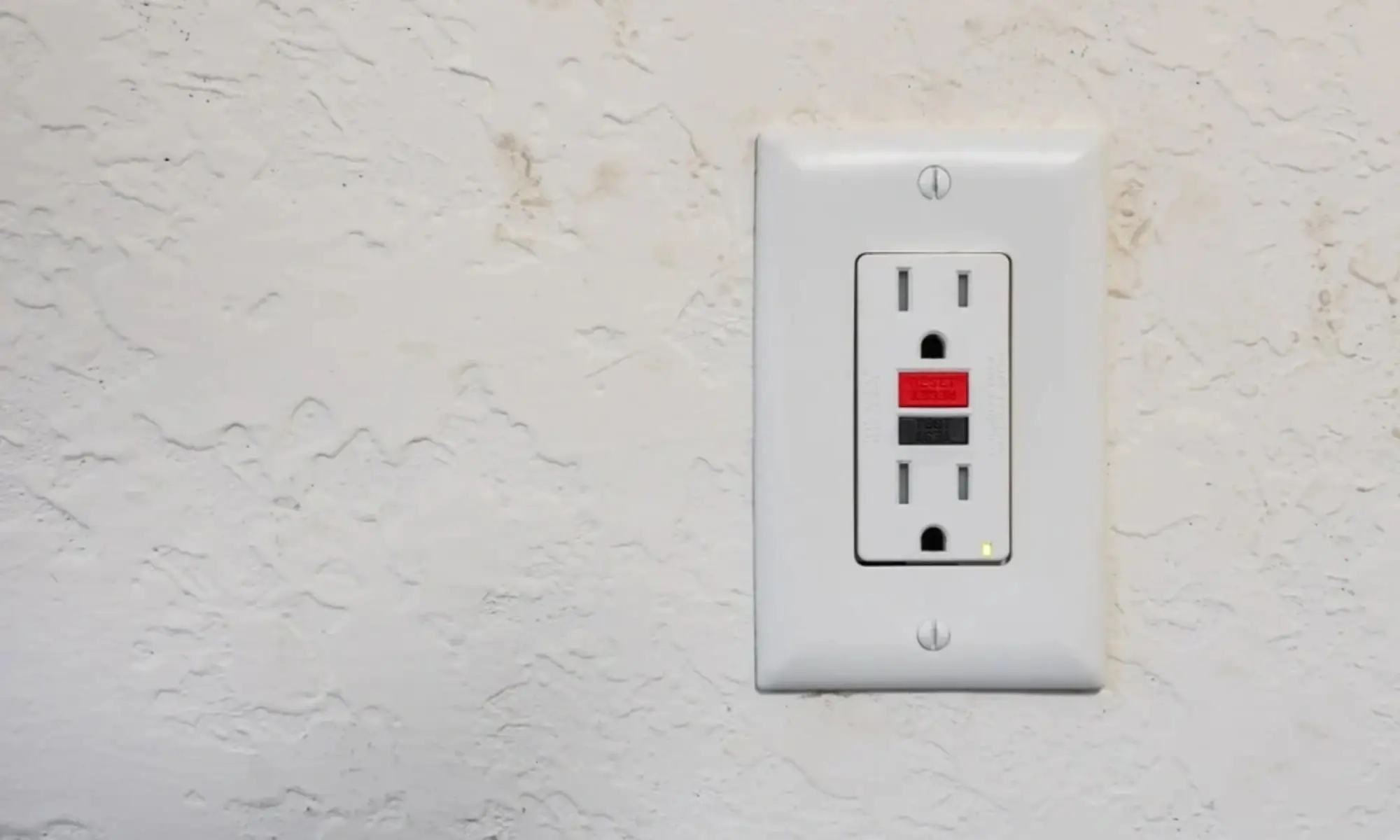
What is GFCI Outlet? Definition, Types and How Does It Works

Electrical safety is a critical component of any home or workplace. One of the most essential devices ensuring this safety is the Ground Fault Circuit Interrupter (GFCI) outlet. These outlets are more than just a modern convenience; they are lifesaving…

Waqar Ali

Working Near Overhead Power Lines Hazards and Preventions
Electrical

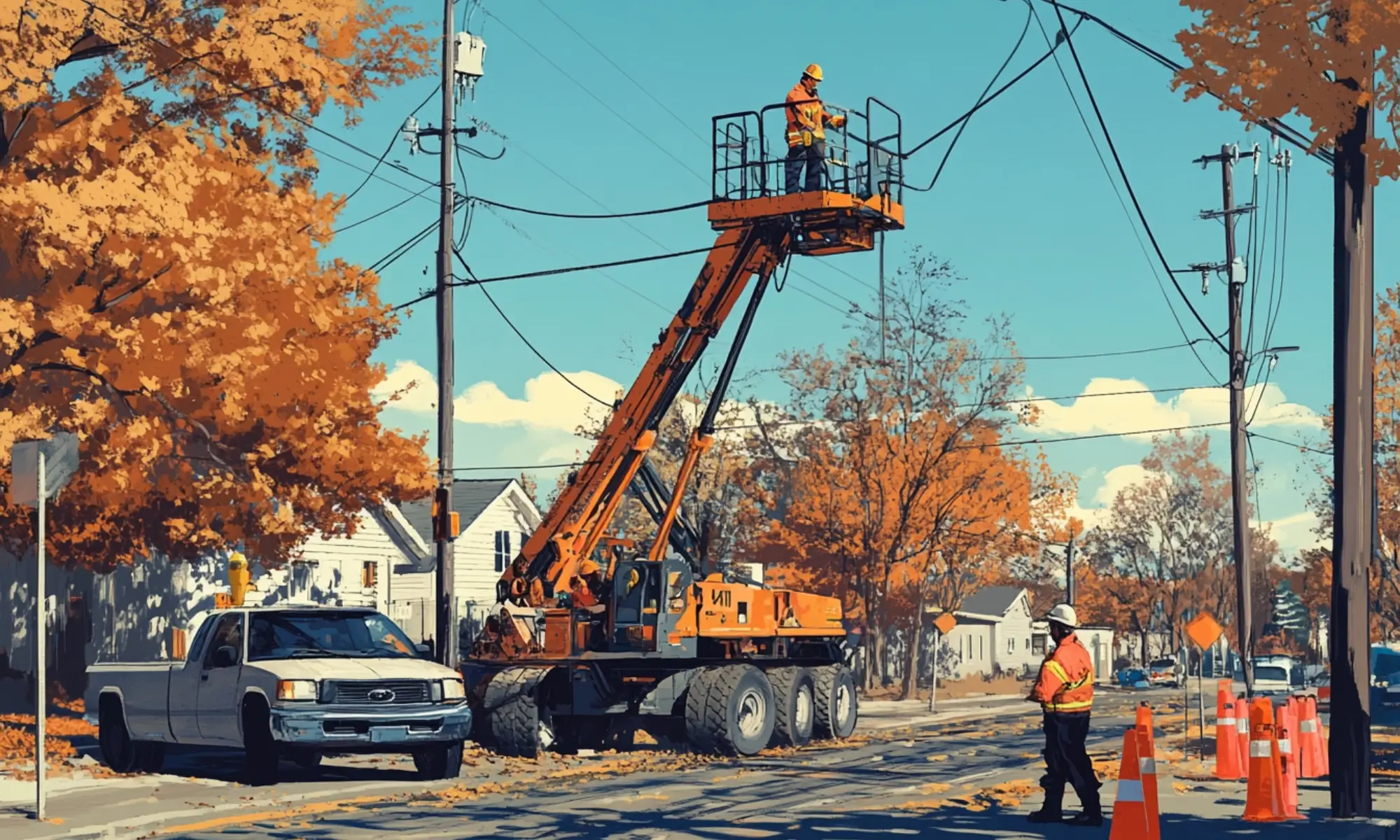
Working Near Overhead Power Lines Hazards and Preventions

Working near overhead power lines is one of the most common yet underestimated hazards on construction sites, farms, and industrial work zones. While these lines may seem harmless from a distance, they carry extremely high voltage that can cause severe…

Waqar Ali

Looking For Another Topic?

Every safety category is listed in the A–Z directory.