Safety Topic · 53 articles

PPE

Personal Protective Equipment (PPE) plays a critical role in protecting workers from hazards. This section covers different types of PPE, including helmets, gloves, and protective clothing. Learn how to select, use, and maintain PPE to ensure maximum protection and workplace safety.

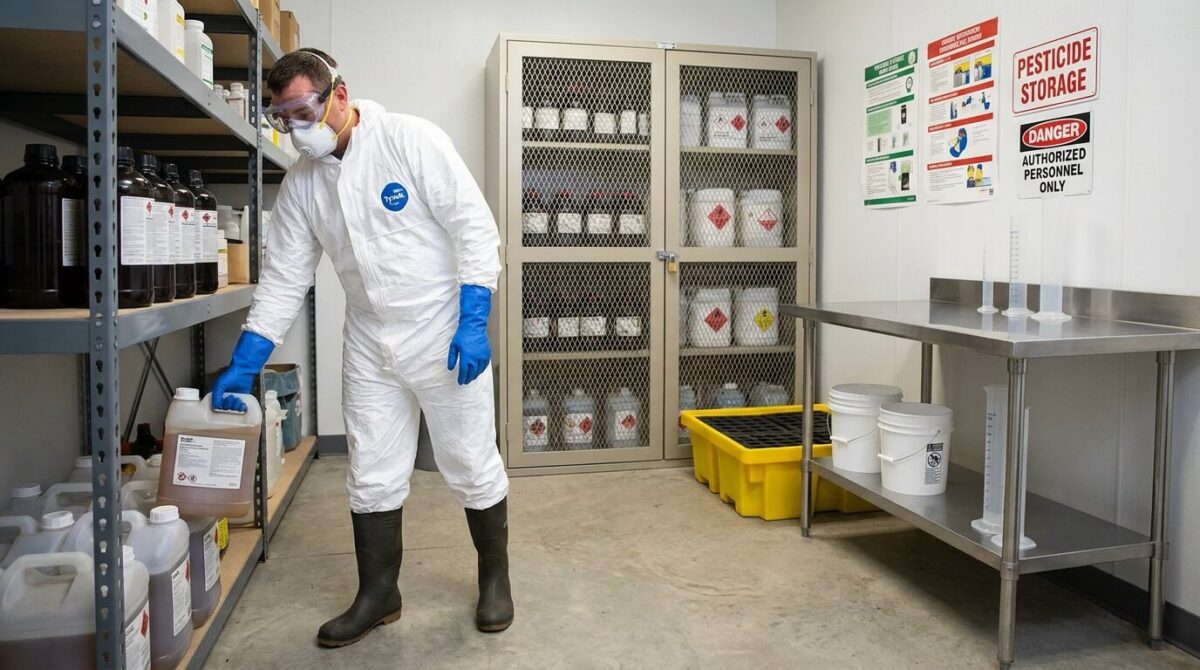
A worker in full protective equipment including white coveralls, goggles, mask, and blue gloves handles hazardous chemicals in a pesticide storage facility with labeled cabinets and warning signs on the walls.
PPE

Pesticide Safety: Handling, Storage & PPE Requirements

TL;DR The label is the legal instrument — In the US, UK, and EU the product label and its Safety Data Sheet set binding requirements for handling, storage, and PPE. Control exposure before you reach for PPE — Substitution, closed…

Asad Hussain

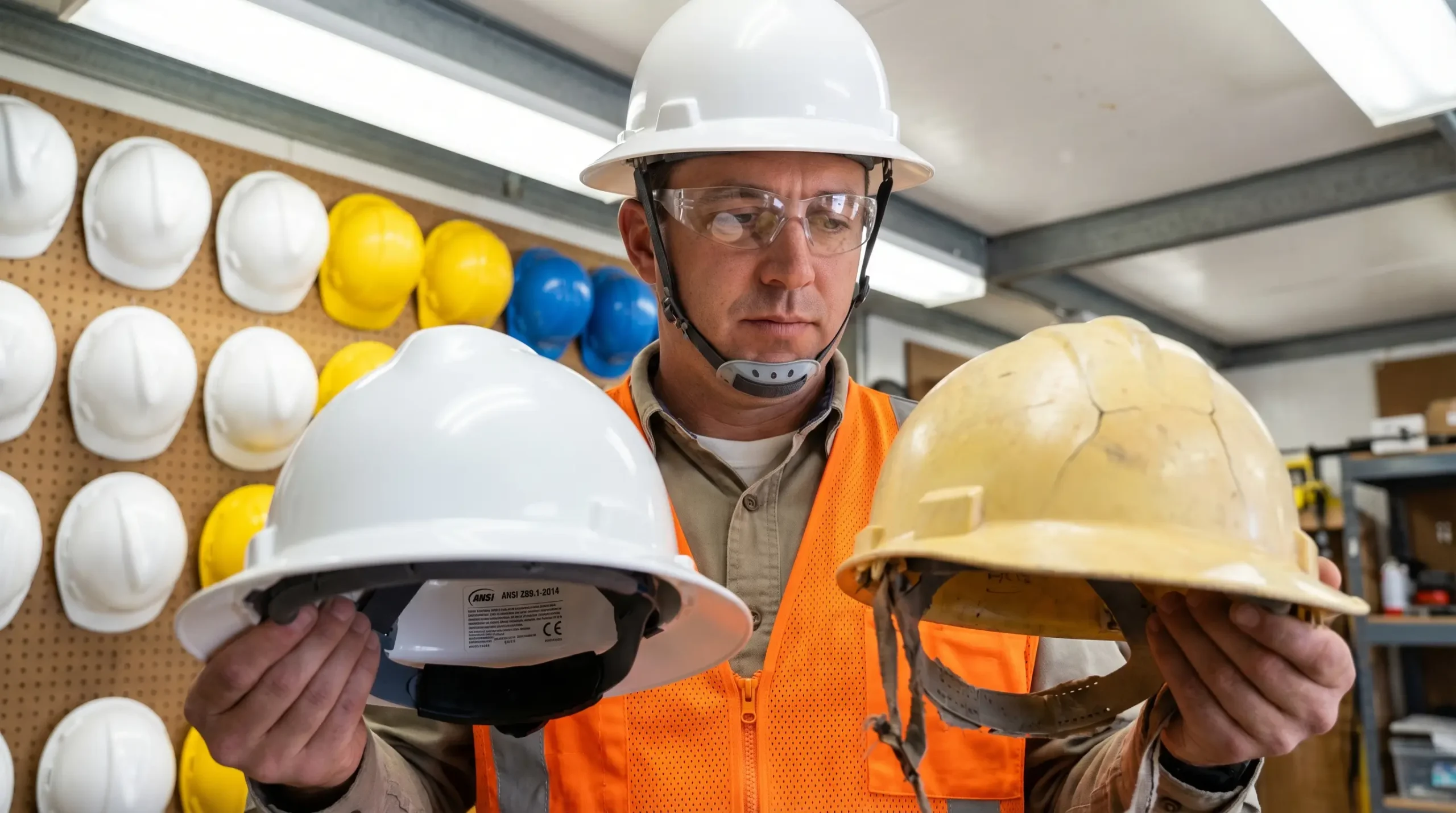
Construction worker in safety gear displays white and tan hard hats in a supply room with various colored helmets hanging on pegboard wall behind him.
PPE

OSHA and ANSI Hard Hat Requirements Compared

I was halfway through a PPE compliance audit at a heavy civil construction project — bridge abutment work, overhead crane lifts, structural steel going up — when I pulled a hard hat off a rack in the tool crib. The…

Syed Mubashir

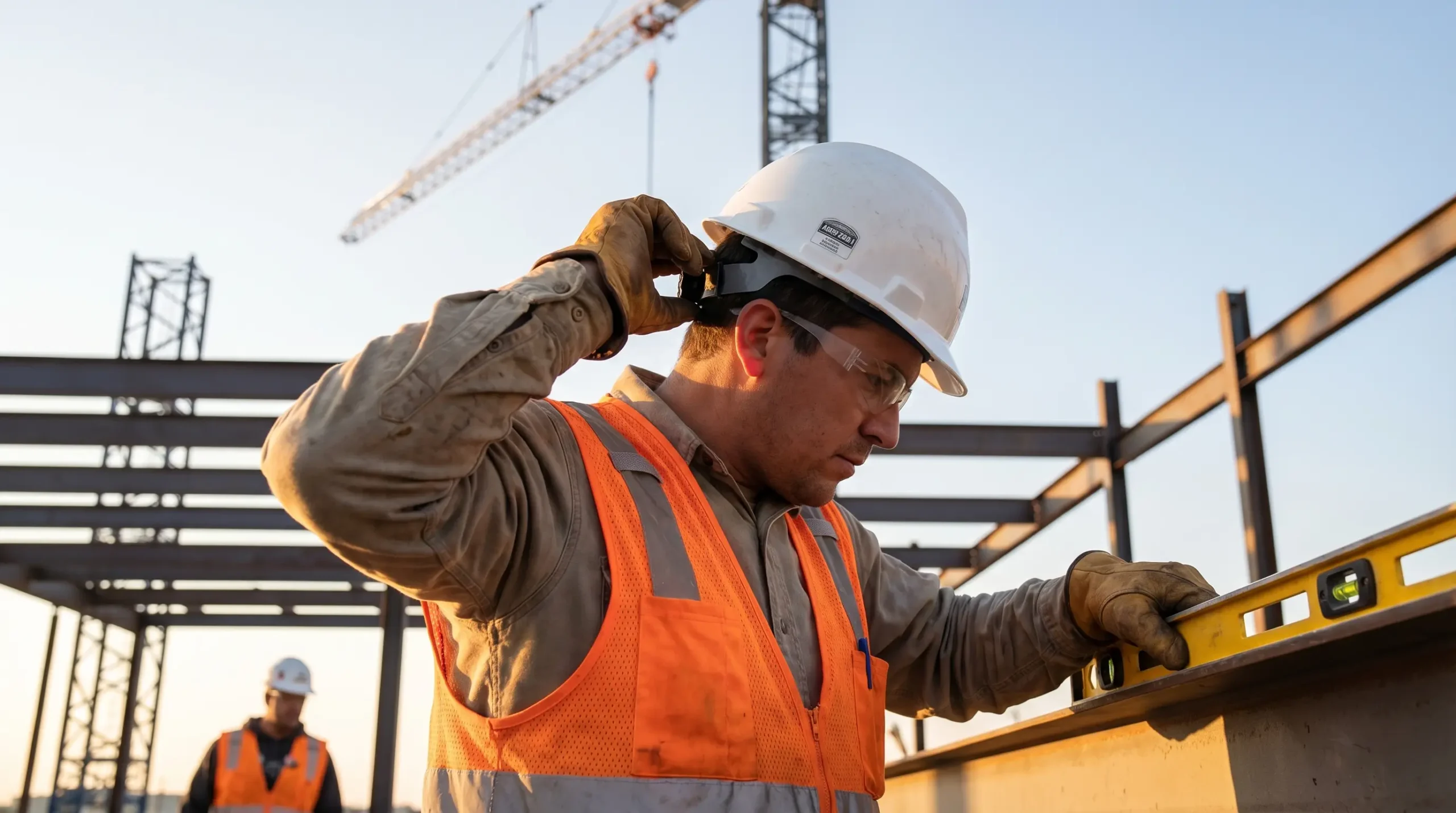
Construction worker in safety gear adjusting hard hat while holding level on steel beam framework at active building site with crane in background.
PPE

What Are Hard Hats? Types, Classes & Field Safety Guide

TL;DR Hard hats are rigid head protection designed to absorb impact from falling objects, bumps, and electrical contact on work sites Two main types exist: Type I protects the top of the head only; Type II covers both top and…

Abdul Rauf

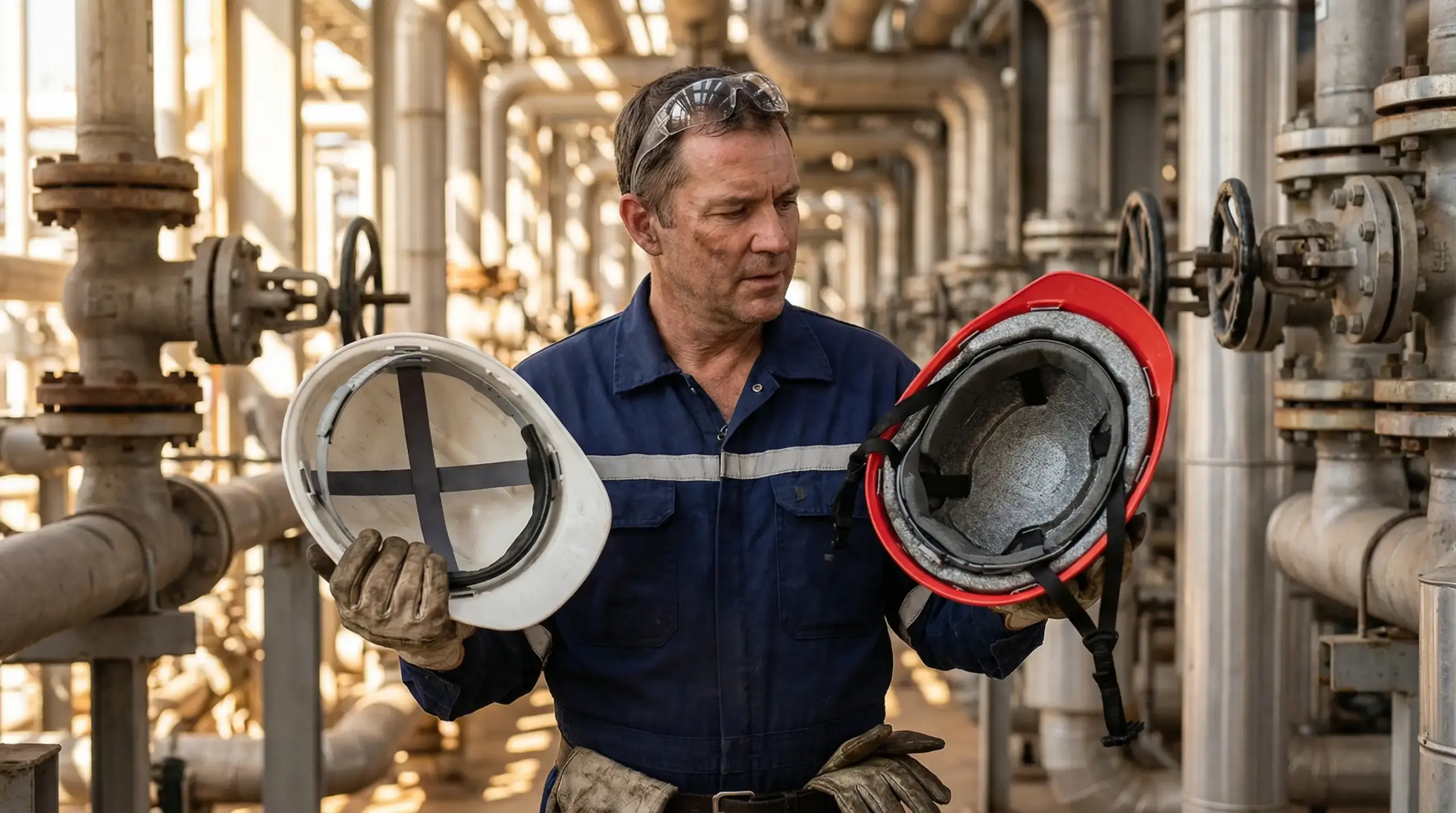
Industrial worker in blue coveralls holding hard hats inside a facility with pipes and valves.
PPE

Type I vs Type II Hard Hats: Key Differences Explained

TL;DR — Type I vs. Type II Hard Hats Type I protects the top of the head only: Designed to reduce the force of impact from objects falling directly onto the crown — but offers no rated protection against lateral,…

Waheed Riaz

PPE in Lab Every Student and Researcher Must Use
PPE

10 Essential PPE in Lab Every Student and Researcher Must Use

During an industrial hygiene audit at a university research facility, I walked into a chemistry lab to find a post-doctoral researcher handling concentrated sulfuric acid while wearing shorts, sandals, and standard prescription glasses. I immediately halted the procedure, stepping in…

Intisar Satti

Hard Hat Color Codes & Meanings A Field Safety Guide
PPE

Hard Hat Color Codes & Meanings: A Field Safety Guide

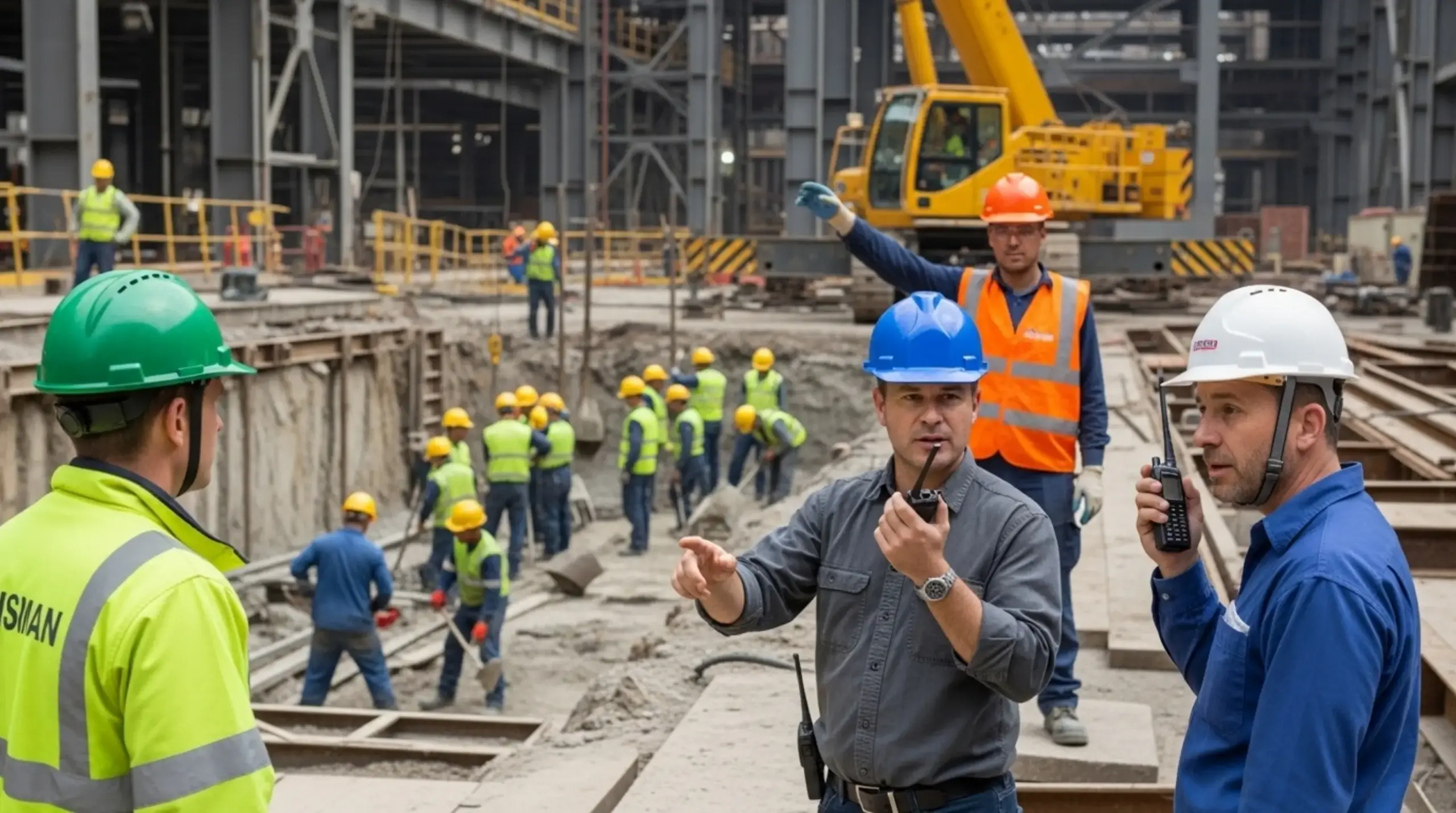
I once walked onto a chaotic turnaround project at a petrochemical refinery where every worker, regardless of rank or trade, was wearing a white hard hat. When a confined space alarm triggered in Zone 4, the emergency response team lost…

John Mathew

Levels of PPE
PPE

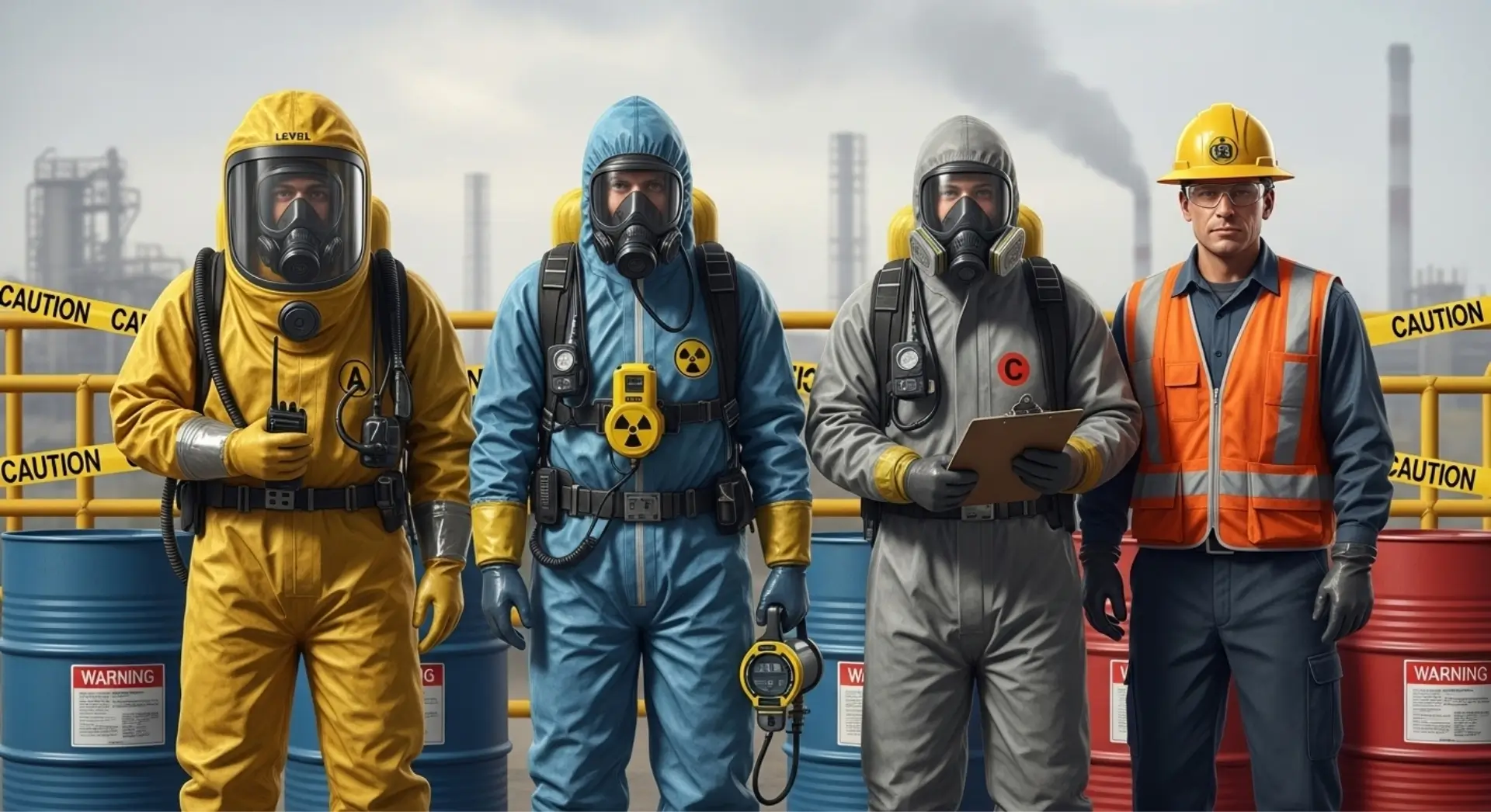
Levels of PPE: OSHA & EPA Guidelines for HAZMAT Safety

When it comes to managing chemical spills, toxic vapor releases, or hazardous material incidents, the margin for error is razor-thin. Personnel involved in these operations are exposed to potentially life-threatening conditions that require precise, informed decisions—none more important than selecting…

John Mathew

Construction PPE
PPE

10 Essential Construction PPE Items for Safer Sites

Construction sites are dynamic environments filled with constant movement, heavy machinery, elevated work platforms, electrical systems, and unpredictable hazards. Whether workers are operating power tools, handling sharp materials, or navigating busy access routes, the risk of injury is always present.…

Waqar Ali

PPE Standards
PPE

Understanding PPE Standards: A Complete Guide

When it comes to workplace safety, PPE Standards—the rules that govern how Personal Protective Equipment is designed, tested, and used—play an essential role in protecting employees from hazards. PPE stands for Personal Protective Equipment, which includes any gear worn or…

Hassaan Bin Tahir

PPE Requirements
PPE

Essential PPE Requirements for Workplace Protection

Protecting workers from workplace hazards begins with a clear understanding of Personal Protective Equipment (PPE) requirements. Whether the environment involves chemical exposure, falling objects, loud noise, biological risks, or airborne contaminants, PPE acts as the final line of defense when…

Hashim Mirza

Looking For Another Topic?

Every safety category is listed in the A–Z directory.