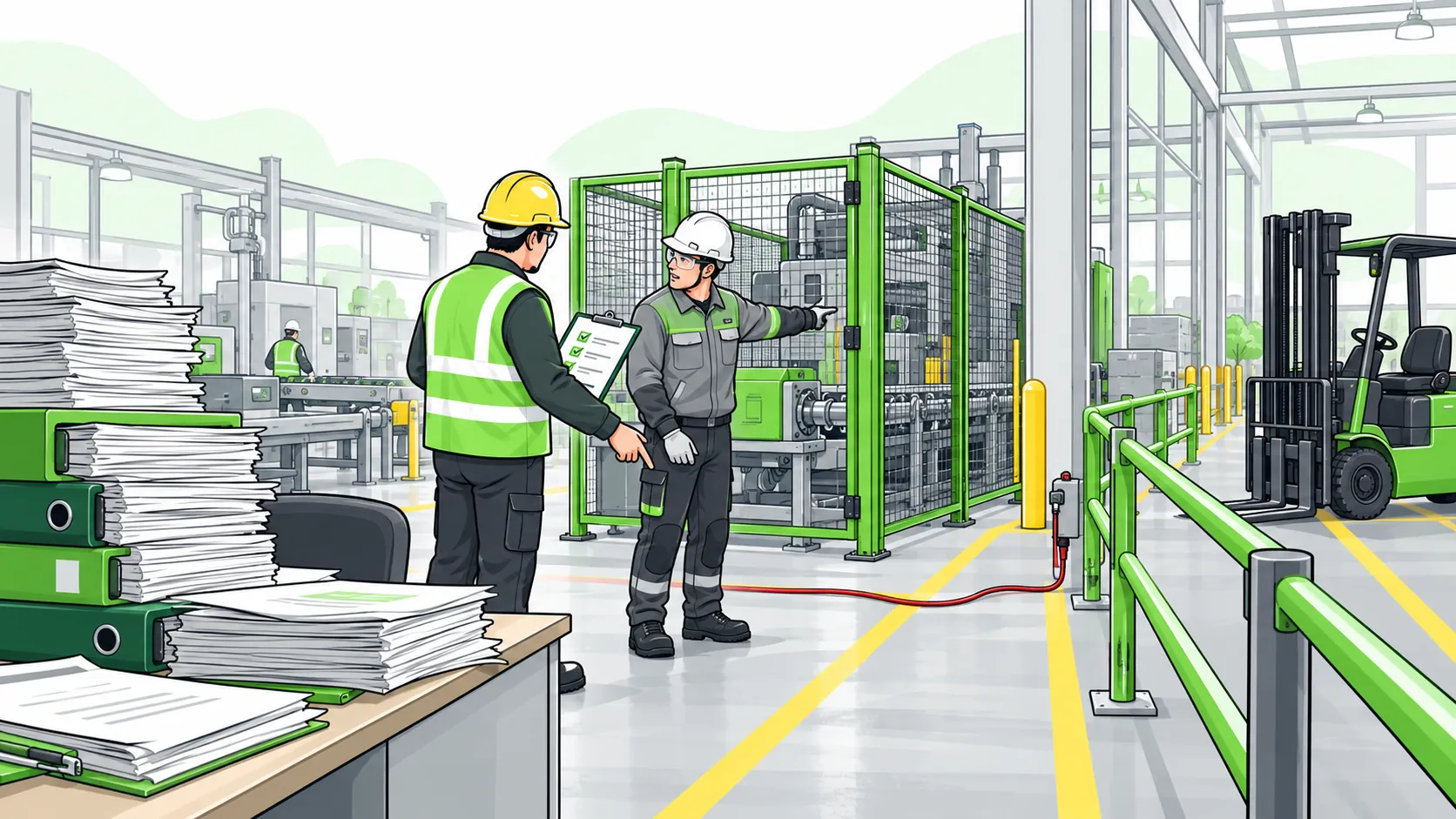
A risk assessment can be legally compliant on paper and still be almost invisible in the way work is carried out.
That usually happens when the document becomes the end product rather than part of the decision-making process. It is written, saved, signed and reviewed on a calendar date, while the workplace continues to change around it.
The useful question is not simply, "Do we have a risk assessment?" It is, "Does this assessment still describe the work, and are the controls actually being used?"
Start With the Work, Not the Template
Templates are useful because they provide structure. The danger comes when the template starts driving the assessment.
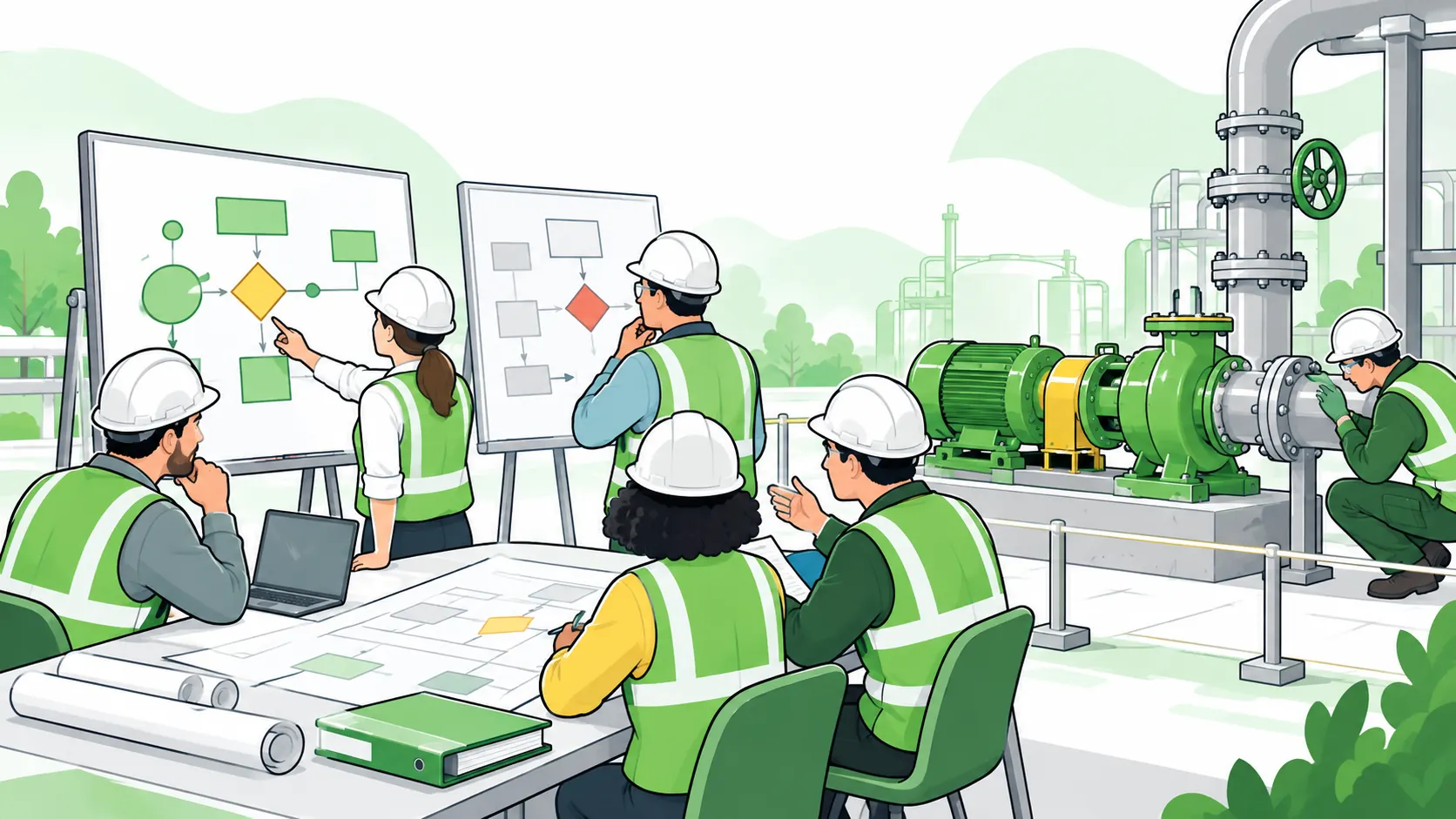
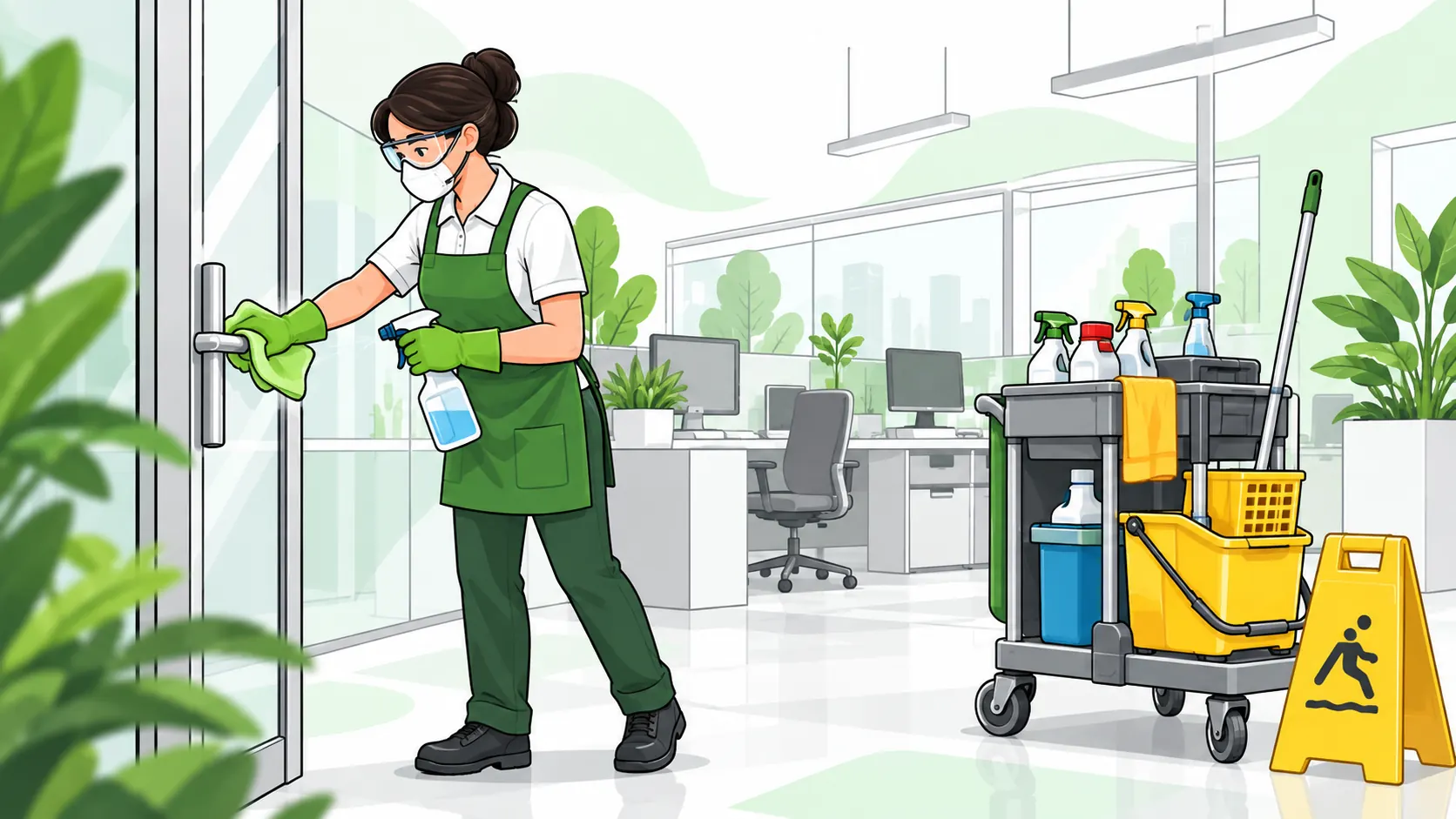
A good assessment begins by looking at how the task is really done. That includes routine work, maintenance, cleaning, start-up, shutdown and unusual situations where people may improvise because the normal method does not fit.
HSE's risk assessment guidance advises employers to consider how people work, how equipment is used, the state of the premises and non-routine operations. It also recommends involving workers, who may notice hazards that are less obvious to someone reviewing the task from an office.
If the assessment is completed by copying last year's wording without watching the job, that information is easily lost.
Separate the Hazard From the Control
Another common weakness is writing controls that simply restate the desired outcome.
"Take care when lifting" does not explain how manual-handling risk is controlled. "Use PPE" is incomplete if the assessment does not identify which PPE, why it is needed and what higher-level controls have already been considered. "Only trained staff" is not enough if nobody has defined what training or competence the task requires.
Controls should be specific enough that a supervisor can recognise whether they are in place.
The HSE approach follows a straightforward sequence: identify hazards, assess the risk, decide on controls, record significant findings where required and review the arrangements. Risk Assessment Training can help people responsible for assessments understand that process and the reasoning behind control selection.
Paperwork Should Not Substitute for Control
HSE makes the point directly: employers should not rely purely on paperwork because the priority is controlling risks in practice.
That distinction matters. A signed assessment cannot keep pedestrians away from moving vehicles, stop an unguarded machine, improve ventilation or prevent a worker from falling. Those outcomes depend on physical measures, working arrangements, supervision and people understanding what is expected of them.
The document should describe and support those arrangements. It is not the arrangement itself.
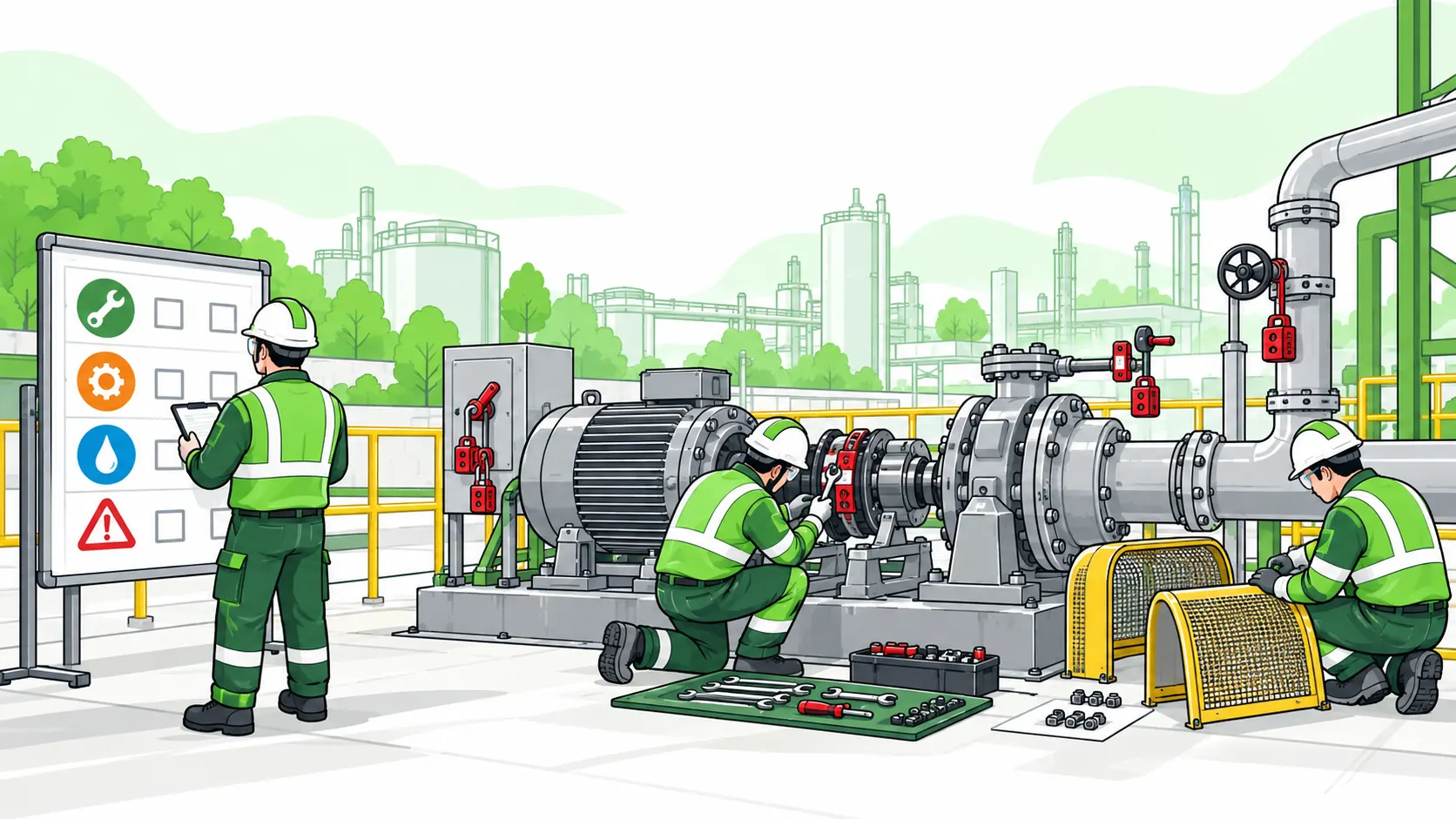
One useful check is to take the assessment to the workplace and ask whether each control can be seen. If a control says a barrier is used, is it there? If it says pre-use checks are completed, do workers know what to check? If it says a task needs two people, does staffing routinely allow that?
Where the written control and real work disagree, the risk assessment needs attention.
Review Should Be Triggered by Change, Not Just a Date
Periodic review dates are helpful reminders, but they should not become the only reason to revisit an assessment.
HSE says controls should be reviewed to make sure they are working and when changes could introduce new risks, including changes to staff, processes, substances or equipment. Accidents, near misses and problems raised by workers can also indicate that a review is needed.
A workplace can change significantly between annual reviews. New equipment arrives. A production line is rearranged. Staffing levels change. Contractors begin working in an area. A temporary workaround becomes routine.
If those changes affect the risk, waiting for the scheduled review date makes little sense.
Involve the People Who Use the Controls
Workers often know where a procedure is difficult to follow, where access is awkward or where a control creates another problem. That does not mean every suggestion should automatically be adopted, but the information is valuable.
Consultation can also expose differences between shifts. A control that works well during normal daytime operations may be difficult to apply during night maintenance or peak production.
Asking workers what gets in the way of safe work can produce better information than asking whether they have read the risk assessment.
Keep Actions Visible Until They Are Closed
Risk assessments often identify additional controls, but those actions can become buried in the document.
Where further work is required, give it an owner and a realistic completion date. If an interim control is needed, record that too. Once the action is complete, check that it has actually reduced the risk rather than simply changing the wording in the assessment.
This is where risk assessment links to wider safety management. General health and safety training can support staff and managers in recognising common hazards, but organisational systems still need to turn that knowledge into action.
A Useful Risk Assessment Should Be Easy to Challenge
The strongest risk assessments are not documents that nobody questions. They are documents that can be tested against real work.
If the process changes, the assessment should change. If workers cannot apply a control, that should be discussed. If an incident shows that an assumption was wrong, it should be revisited.
Paperwork is necessary in many circumstances, particularly where significant findings must be recorded. But the value of a risk assessment is ultimately measured in the workplace: whether it helps people understand the risk and whether the chosen controls continue to work.