Technology brings opportunities and new questions
The ILO said participants recognized that artificial intelligence, automated systems and other digital tools can support productivity, training, risk assessment and safer work. Their design and use can also introduce or intensify OSH risks.
The conclusions address work intensity, monitoring, privacy, data protection and potential bias. They emphasize human involvement in reviewing decisions and effective consultation with workers when technological changes may affect safety and health.
Worker wellbeing included in safety planning
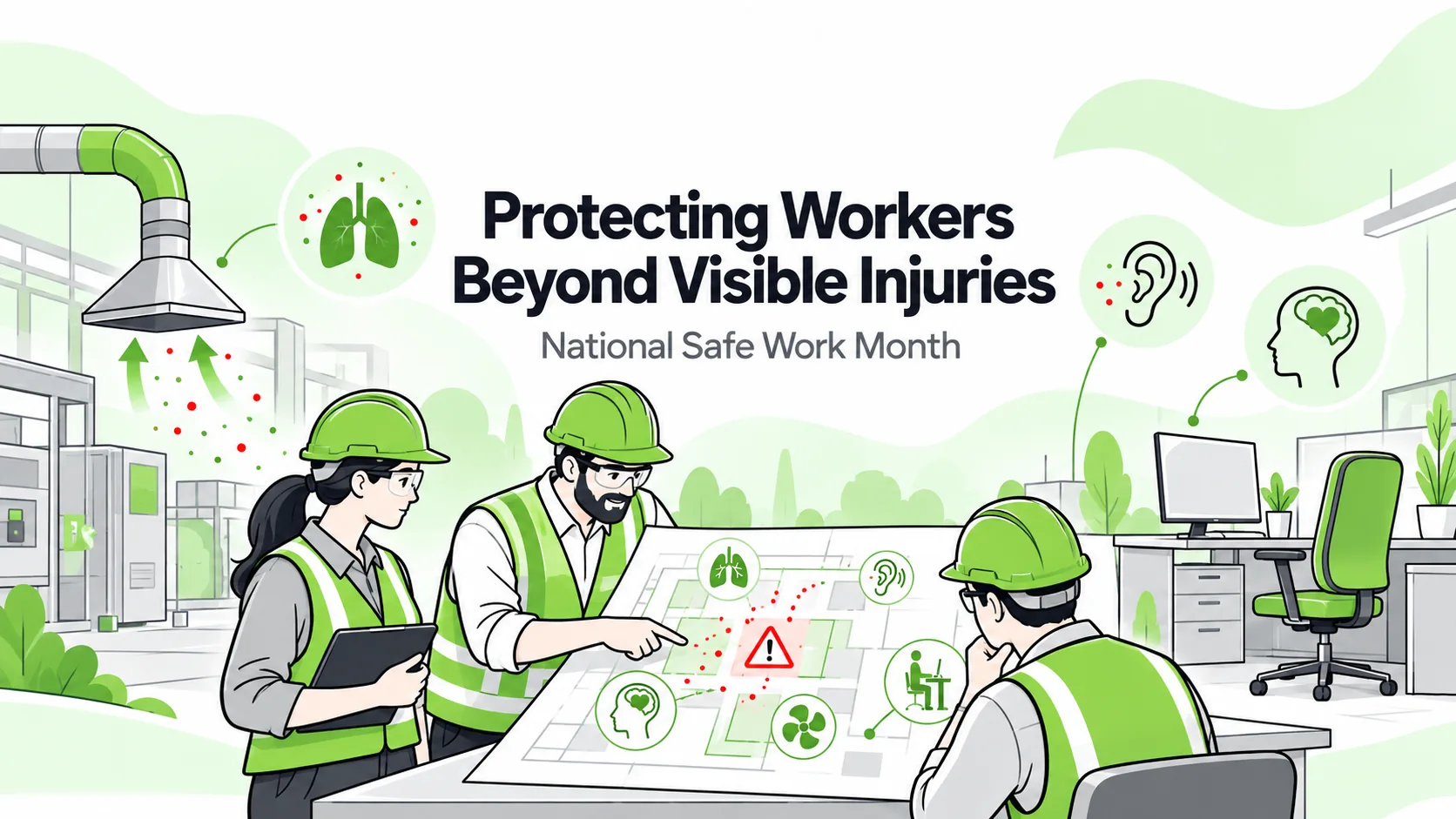
The meeting identified psychosocial hazards linked to workload, staffing, working time, monitoring and organizational change. It called for these issues to be considered alongside other workplace risks, with equality and non-discrimination included in OSH management.
For HSE teams, the recommendations point to reviewing how new technology and work arrangements affect tasks, staffing, schedules and worker consultation. The conclusions do not impose immediate new employer duties, but they set out issues that may inform future policy and sector guidance.