MIDDLETOWN, IOWA, UNITED STATES — The U.S. Army completed controlled detonation of degraded lead azide at the Iowa Army Ammunition Plant on 25 November 2026. Officials reported encouraging initial air-monitoring results, while environmental sampling continued.
Completed Operation Replaces Earlier Planning
Associated Press, Reuters and ABC News reported the disposal operation in Middletown. ABC places the simultaneous detonations at about 9 a.m. Central Time. This is a material development after the earlier court decision and pre-operation advisory previously reported by HSE Blog.
The White House’s dated November 25 statement reproduces an EPA administrator update saying real-time monitors had detected no airborne lead more than five hours after the operation. That is an attributed early monitoring report, rather than HSE Blog’s independent measurement.
Air Readings Do Not Complete Environmental Assessment
The federal account says personnel continued collecting air, land and water samples. Initial air detections cannot establish every possible exposure pathway or supply a final soil and water assessment.
Earlier Reuters reporting described precautionary shelter instructions immediately after the blast; later AP reporting described an all-clear. Those accounts refer to different stages. Readers needing current local instructions should use official updates rather than older news alerts.
HSE Blog Analysis
Industrial emergency reporting needs a clear separation between the operation, immediate observations and later assessment. A completed detonation answers whether the disposal took place. It does not, by itself, settle every question about environmental effects.
For employers managing hazardous materials, the continuing task is to keep decisions tied to the appropriate evidence. Sampling location, collection period, detection limits and laboratory results determine what can reasonably be concluded. A broad description of success should not replace those details.
Communicating changes is equally important. Precautionary instructions may be appropriate at one stage and then superseded. Keeping the time and issuing authority visible helps workers, contractors and neighbouring communities distinguish current advice from material circulated before the operation.
For managers, testing risk assessments against actual work offers a useful way to connect these considerations with decisions on site.
Sources and Verification
Checked the original announcement; the dated White House statement quoting Army and EPA officials, AP through CityNews, Reuters through GMA, ABC News and NPR coverage. Several outlets share agency material; these are not independent laboratory assessments. Event photographs were located but commercial reuse permission was not verified.
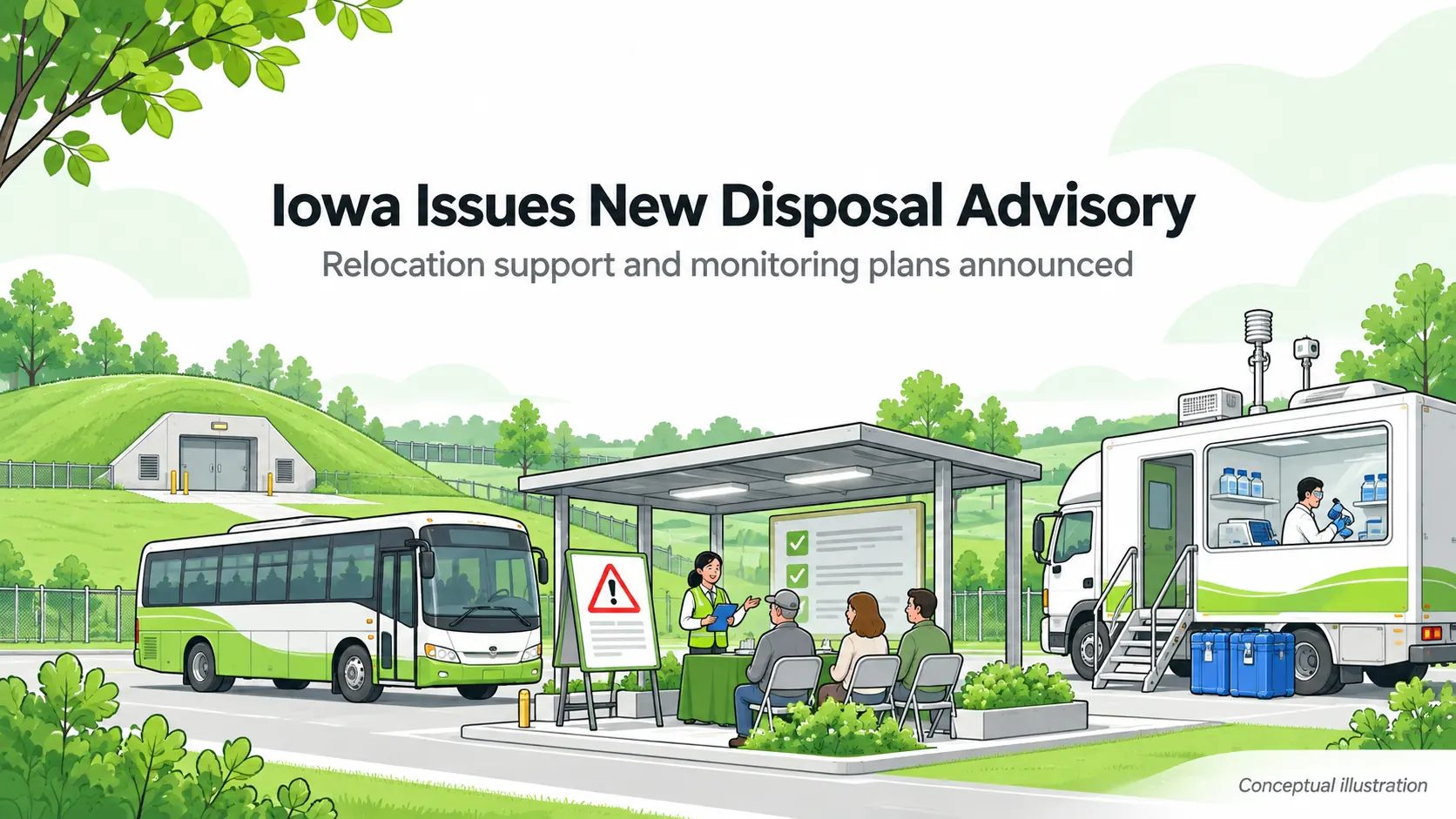
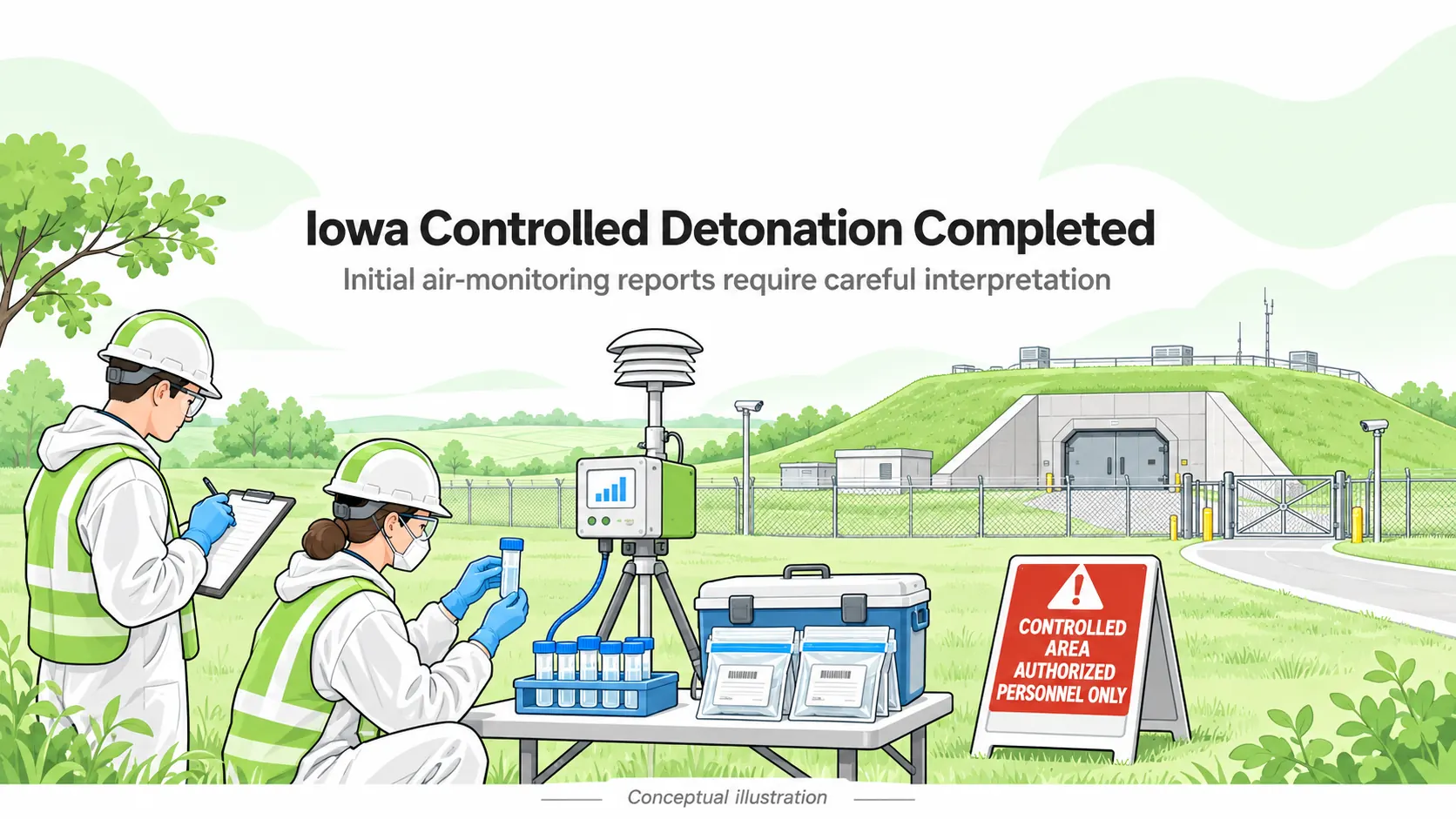
Featured image: original AI-generated conceptual illustration, not an event photograph, technical design or reconstruction.
Source
White House; U.S. Army; U.S. EPA; Associated Press; Reuters; ABC News; NPRwhitehouse.gov