Equipment Maintenance Schedule: Planning & Compliance Guide

Industrial factory worker in safety gear inspecting electrical control panel while colleague monitors machinery operations in manufacturing facility.

TL;DR — Myth vs Reality An equipment maintenance schedule sets when, how often, and by whom maintenance tasks are performed. Compliance has two meanings: schedule compliance (whether planned work finished on time) and regulatory compliance (whether the program meets the law). High schedule attainment does not prove legal compliance — a defensible schedule must satisfy … Read more

Event Emergency Evacuation Planning: A Dual-Jurisdiction Guide

Stewards in high-visibility vests direct crowds of festival attendees through an assembly area toward a large outdoor concert stage at dusk.

TL;DR What an event emergency evacuation plan is, in one paragraph An event emergency evacuation planning process produces a documented, site-specific procedure for moving attendees safely out of — or to safety within — a venue during an emergency. Effective plans assess crowd dynamics, calculate exit capacity, name who can order an evacuation, and rehearse … Read more

Workplace Temperature Laws: Min & Max Limits (2026)

Two warehouse workers in safety vests and hard hats monitor temperature and humidity levels while managing inventory of packaged boxes on pallets in an industrial storage facility.

TL;DR Workplace temperature regulations vary by jurisdiction, but most countries do not impose a single binding maximum. In the US, OSHA recommends 68–76°F for indoor settings and enforces heat hazards through the General Duty Clause and the updated 2026 National Emphasis Program. The UK sets enforceable minimums of 16°C and 13°C but no maximum. Spain … Read more

Crane Load Testing: Procedures, Standards & Proof Load Guide

Workers in safety vests and hard hats conduct a load test with a suspended metal plate in a spacious industrial warehouse under bright LED lighting, monitored at a control station.

TL;DR Crane load testing is a controlled procedure that applies a measured weight — typically 100% to 125% of a crane’s rated capacity — to verify that its structure, brakes, and mechanical systems can safely handle working loads. It is required after new installation, major repairs, structural modifications, and re-rating, and is mandated by OSHA, … Read more

Ventilation in Underground Works: Requirements & Methods

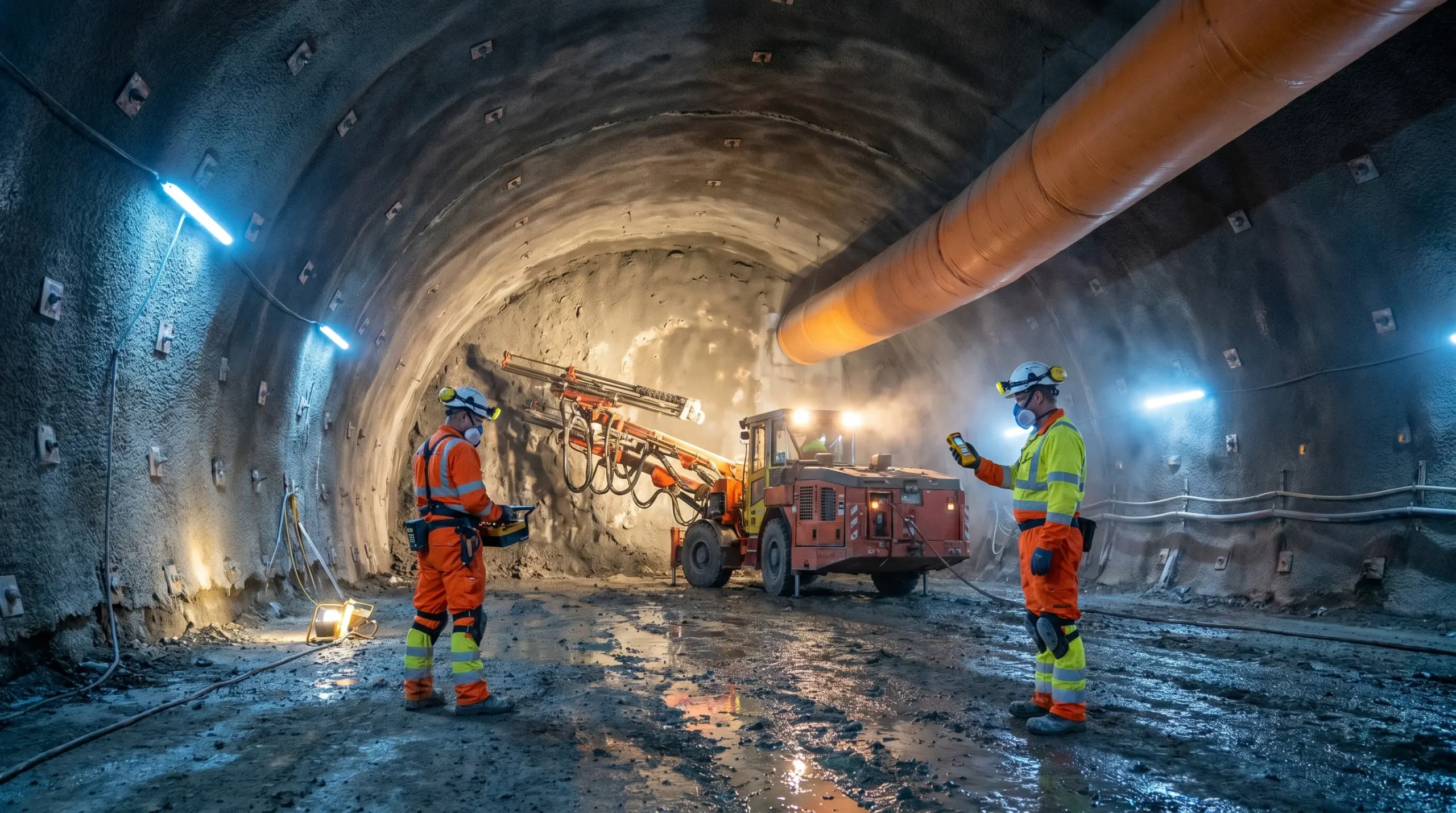
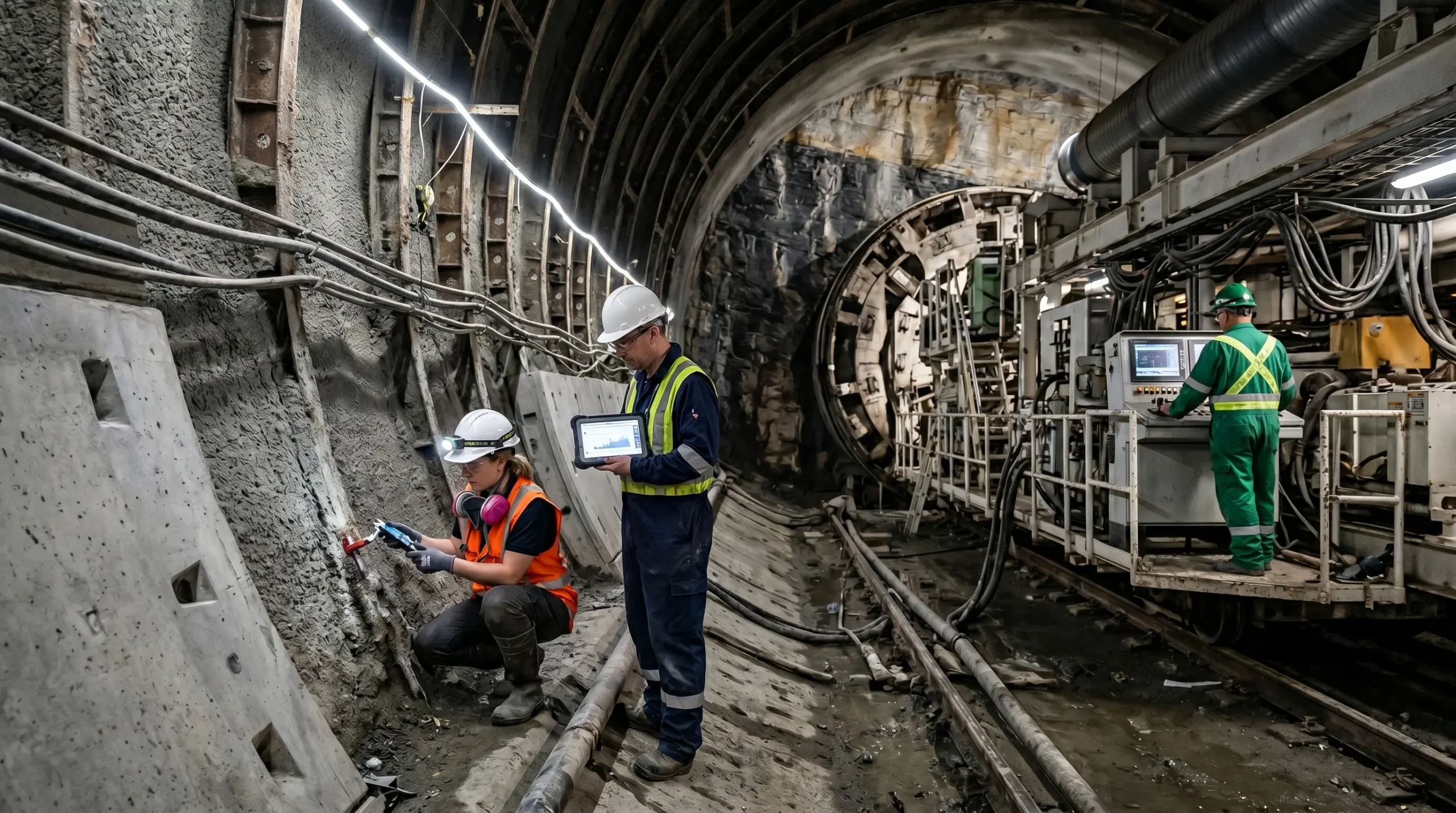
Two workers in safety gear communicate inside a large tunnel under construction, with drilling equipment and a red vehicle illuminated by bright work lights.

TL;DR The short version: Underground works require mechanical ventilation supplying at least 200 cubic feet per minute of fresh air per worker, with a minimum face velocity of 30 feet per minute during blasting or rock drilling under 29 CFR 1926.800(k). Airflow must be reversible. UK projects apply BS 6164:2019, which favors concentration-based limits and … Read more

Pre-Erected Steel Inspection: Checklist & Procedures Guide

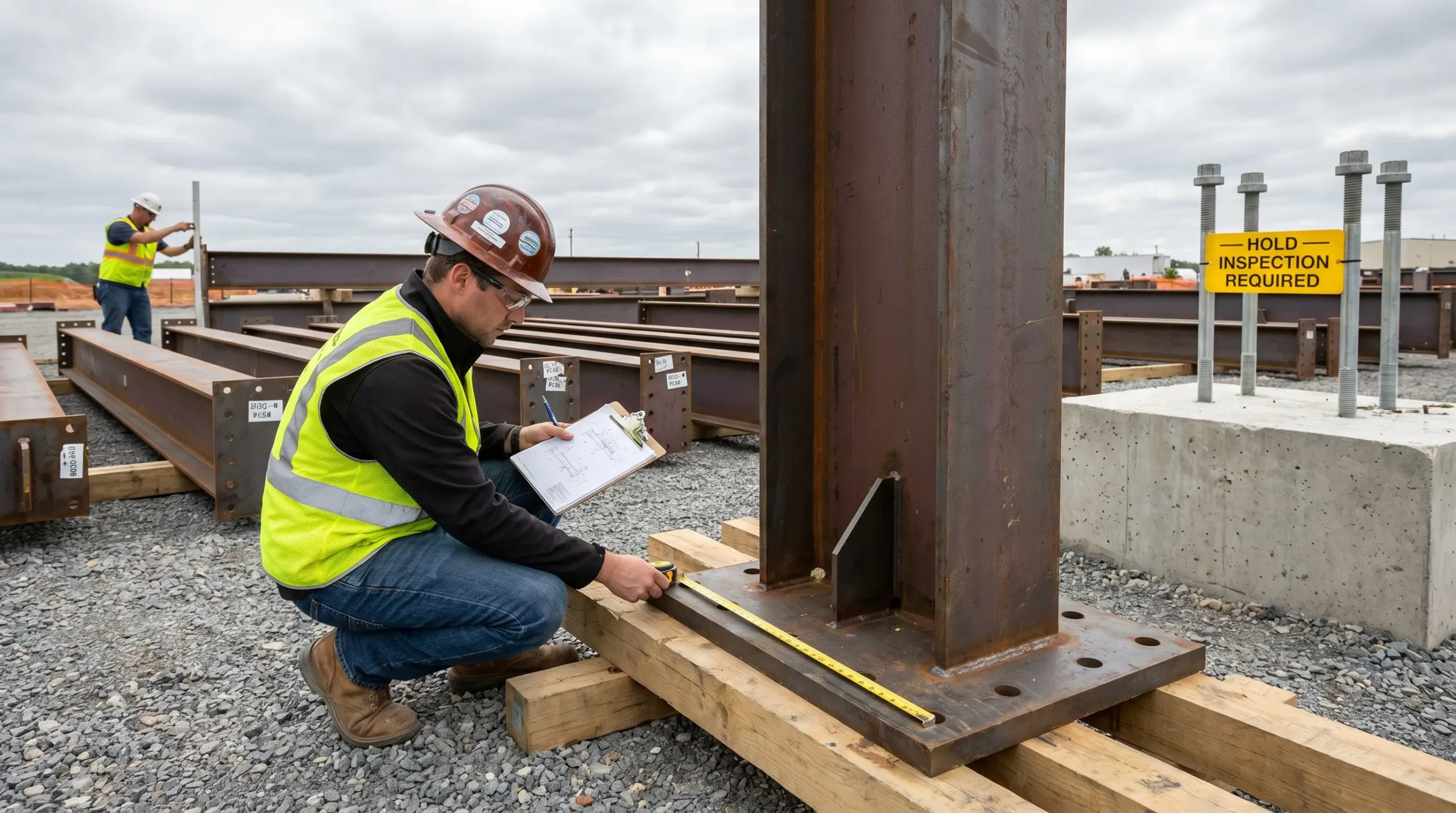
Construction inspector in safety vest and hard hat crouches while measuring and documenting structural steel beam with clipboard and tape measure at job site.

TL;DR Pre-erected steel inspection is the systematic verification of steel materials, fabricated components, and construction site readiness before structural steel erection begins. It covers material receiving checks against mill test reports, fabrication quality verification against design drawings and welding codes such as AWS D1.1, and site-readiness assessment — including foundation cure strength, anchor bolt positioning, … Read more

Site Safety Induction: Key Topics, Legal Duties & Checklist

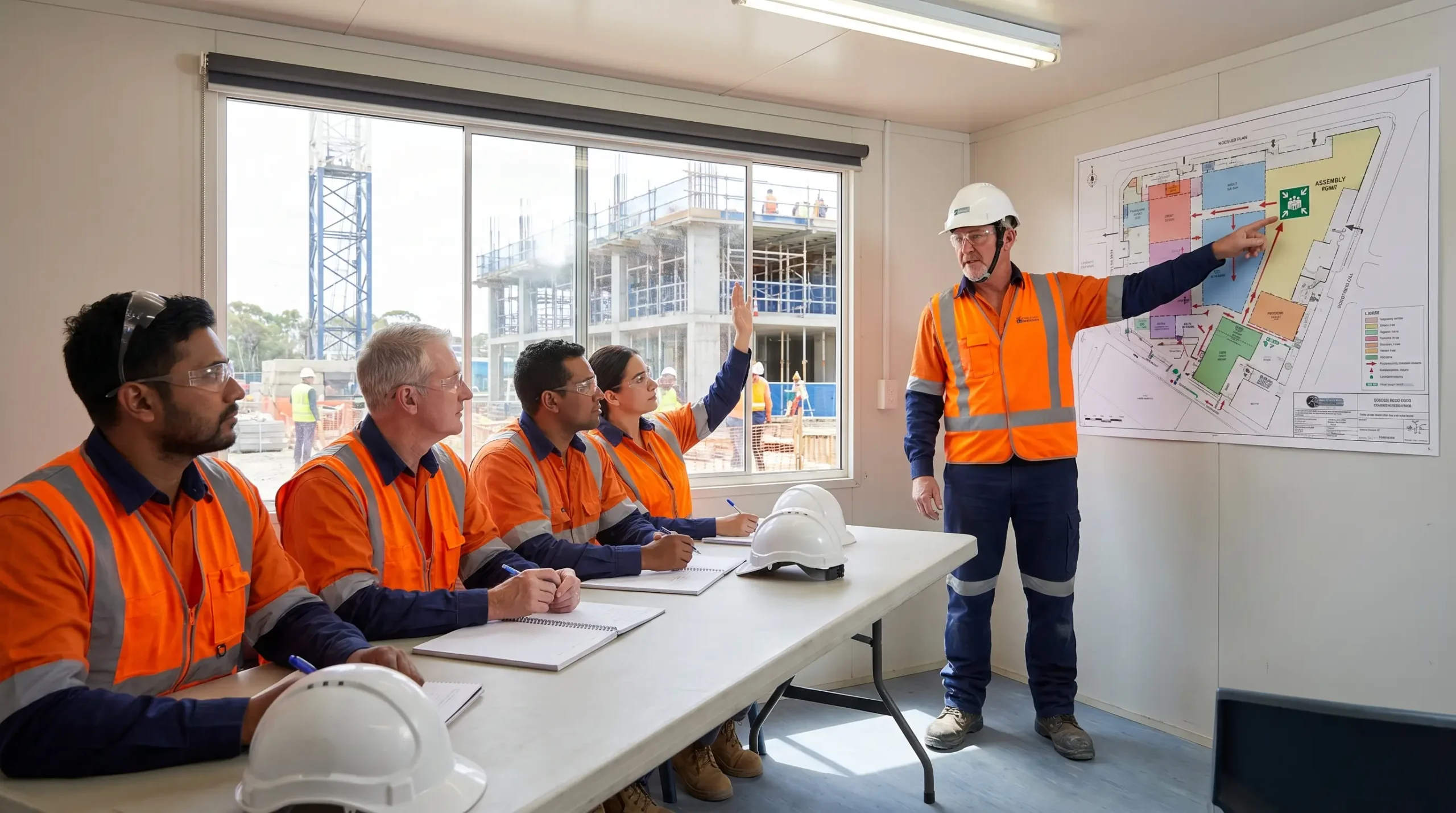
Construction supervisor in white hard hat and orange safety vest points to building site plan while conducting safety briefing with four workers at table in site office overlooking active construction project.

TL;DR A site safety induction is a structured briefing given to every worker, contractor, and visitor before they begin work on a site. It covers site-specific hazards, emergency procedures, PPE requirements, site rules, and individual responsibilities. Required by law in most jurisdictions, its purpose is to ensure everyone entering the site can recognise hazards and … Read more

Outdoor Event Weather Safety: Wind, Lightning & Heat Guide

Two workers in orange safety vests and hard hats install equipment at an outdoor festival or event venue with tents, a stage, and vendors visible along a dirt pathway.

TL;DR The festival grounds sit wide open under a cloudless sky at 0600, but by 1400 the horizon line darkens in a way that changes everything. Radiant heat bakes the asphalt loading zones where riggers are bolting truss. Dust lifts off unsecured vendor canopies. A cell builds twelve miles out, invisible to anyone not watching … Read more

OSHA Guardrail Requirements: Height, Strength & Compliance Guide

Site safety officer in orange vest and hard hat measures roofing materials on high-rise construction deck overlooking city skyline, with workers carrying steel beams in background.

TL;DR I stopped a concrete pour on a high-rise project in the Gulf three years ago because the perimeter guardrails on the ninth floor had been removed overnight. The formwork crew needed access for panel placement, so they unbolted an entire 40-foot section and left nothing — no chain, no warning line, no barricade. Workers … Read more

ISO 45001 Guide: Implementation, Clauses, and Benefits

What’s ISO 45001 Meaning, Standards, and Certification Benefits

TL;DR I was sitting across from a plant director at a chemical manufacturing facility in the Gulf when he slid a bound document across the table — their “safety management system.” It was 400 pages of procedures nobody read, signed off by people who had never walked the production floor. Three months earlier, a contractor … Read more

Categories ISO