Working in Extreme Cold: Prevent Frostbite & Hypothermia

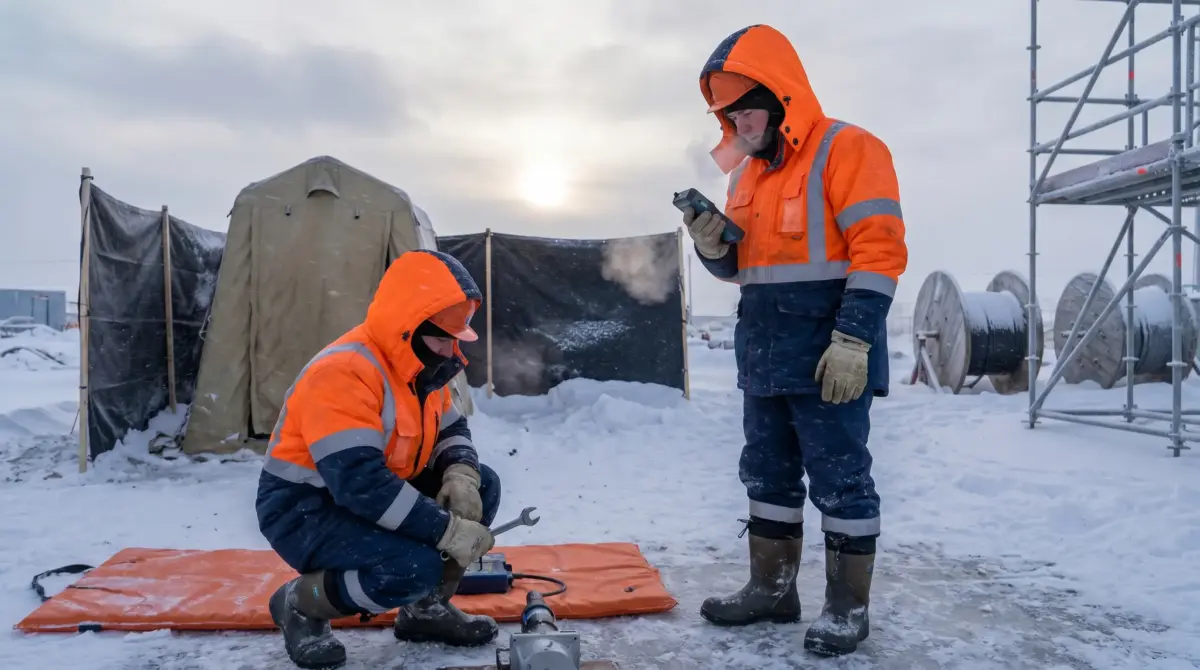
Two workers in orange and navy high-visibility safety gear conduct maintenance work in a snowy industrial site with temporary structures and cable reels visible in the background.

TL;DR Working in extreme cold becomes dangerous when the body loses heat faster than it can produce it, so no single safe temperature exists — wind, wet clothing and exertion all accelerate heat loss. Near a wind chill of −19°F (−28°C), exposed skin can freeze in roughly 30 minutes (US National Weather Service/NOAA), and frostbite … Read more

Substitution in the Hierarchy of Control: A Simple Guide

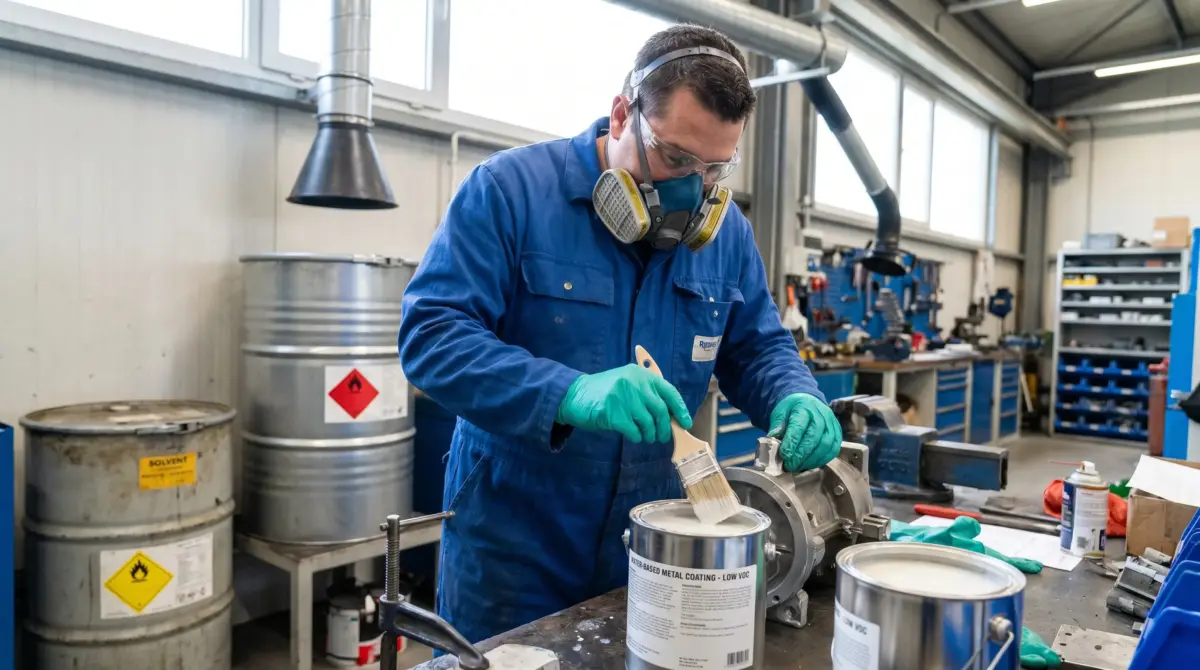
Technician in blue work uniform and safety gear applies metal coating from a brush into industrial containers in a workshop laboratory setting.

TL;DR Substitution is the second level in the hierarchy of control. It means replacing a hazardous material, process, or piece of equipment with a less hazardous alternative — for example, swapping solvent-based paint for water-based paint. It reduces risk but does not remove the hazard entirely, which is why it ranks below elimination. A belief … Read more

RCD Testing: How Often to Test & Why It Saves Lives

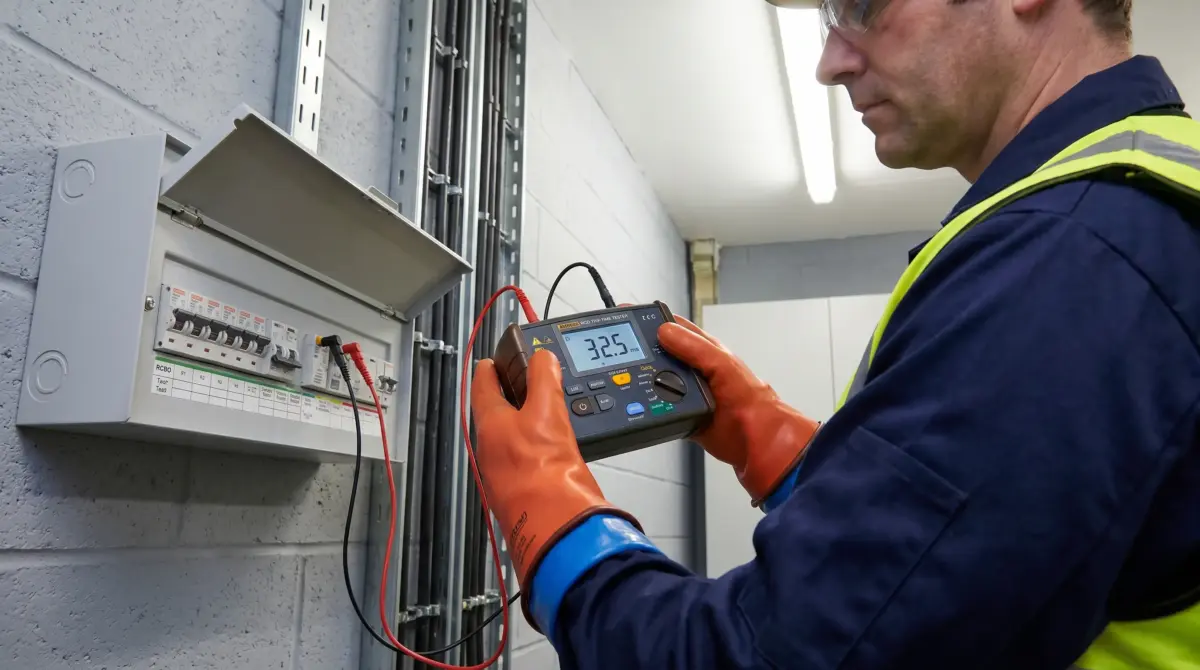
Electrician wearing safety gloves and high-visibility vest uses a digital multimeter to test an electrical panel mounted on a wall during maintenance work.

TL;DR RCDs — known as GFCIs in the United States — detect dangerous earth leakage current and disconnect the circuit within milliseconds, preventing fatal electric shock. Push-button testing should occur every 6 months in the UK, monthly in the US, and between daily and 6-monthly in Australia depending on the work environment. Professional trip-time testing … Read more

Occupational Dermatitis: Causes, Controls & Prevention Guide

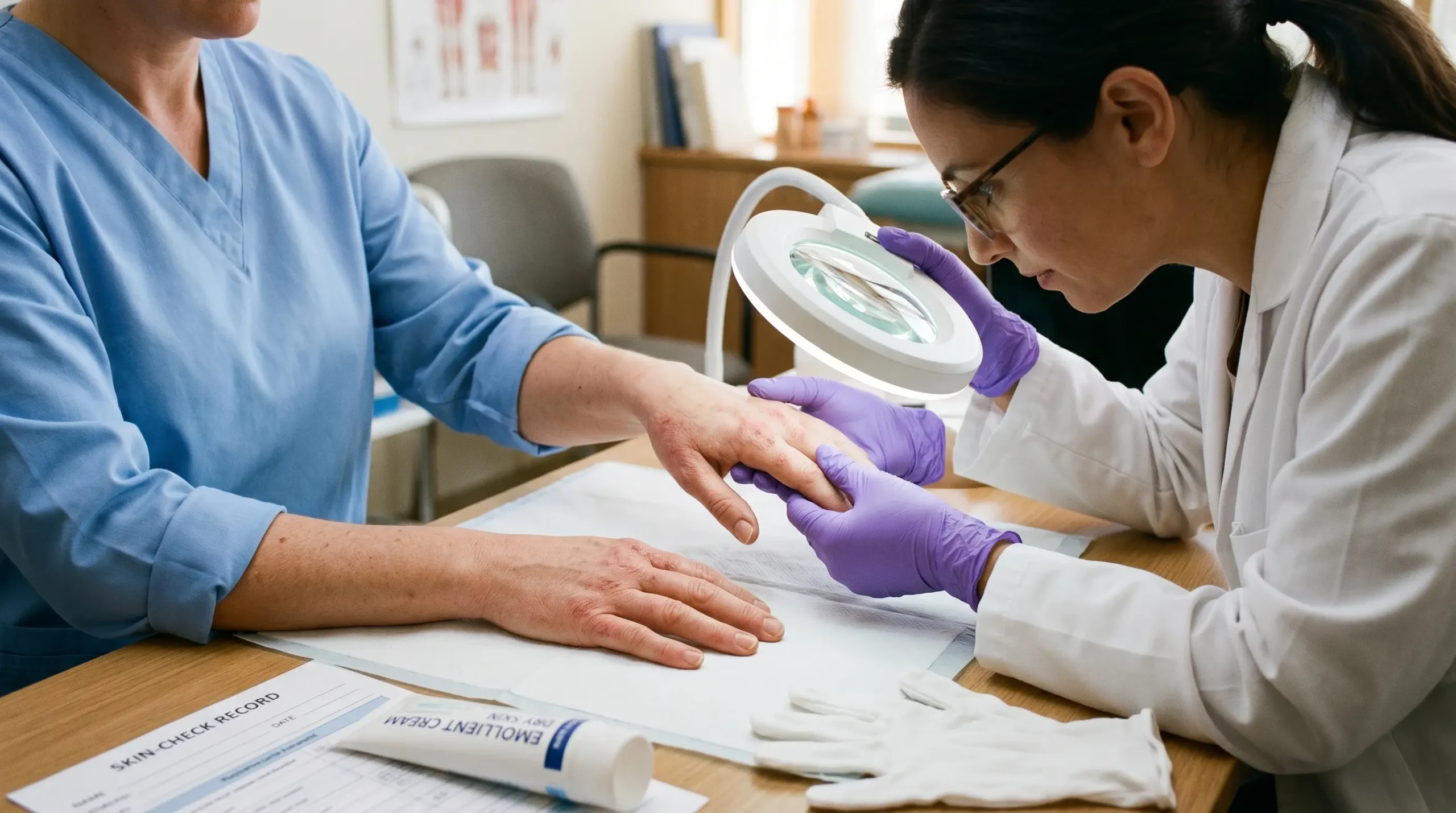
Healthcare professional wearing purple gloves examines patient's skin with magnifying glass while reviewing skin check record in medical office.

TL;DR Occupational dermatitis is skin inflammation caused or aggravated by workplace exposures — predominantly affecting the hands — and is the most common occupational skin disease globally. It takes two main forms: irritant contact dermatitis, which accounts for roughly 80% of cases and results from direct chemical damage to the skin barrier, and allergic contact … Read more

What is Local Exhaust Ventilation (LEV)? Types, Uses & Testing

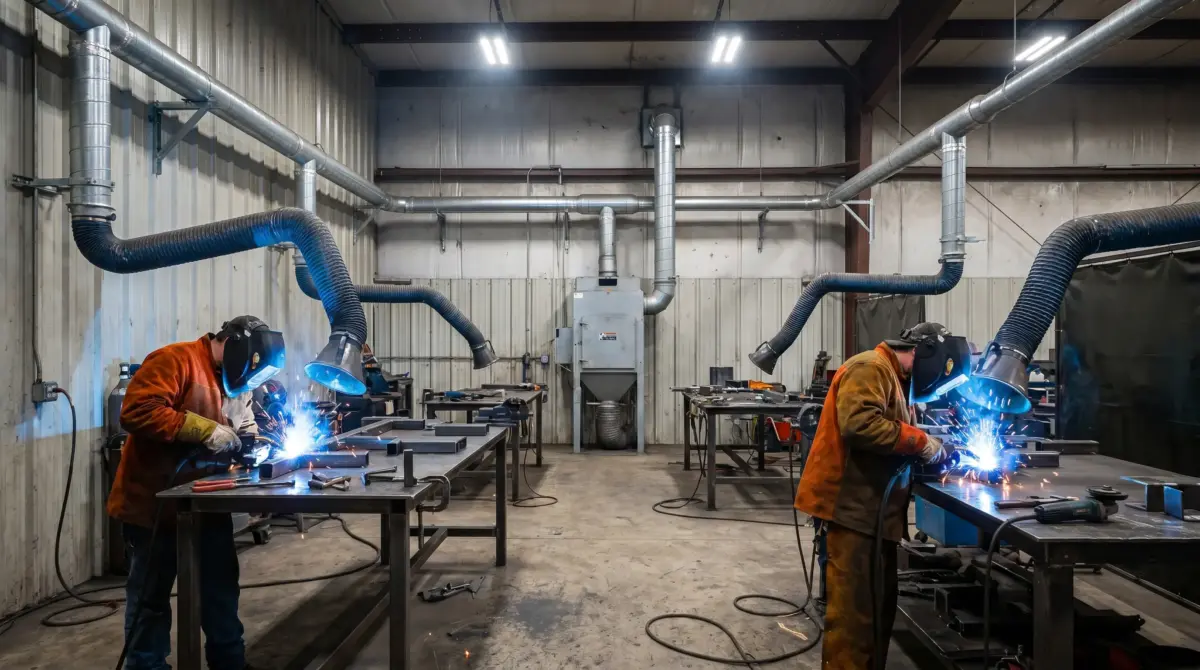
Two welders in orange protective gear work at metal tables in an industrial workshop with overhead ventilation ducts and LED lighting.

TL;DR Local Exhaust Ventilation (LEV) is an engineering control system that captures airborne contaminants — dust, fumes, mists, vapours, and gases — at or near their point of generation before they spread into the workplace and reach workers’ breathing zones. An LEV system draws contaminated air through a hood into ductwork, cleans or filters it, … Read more

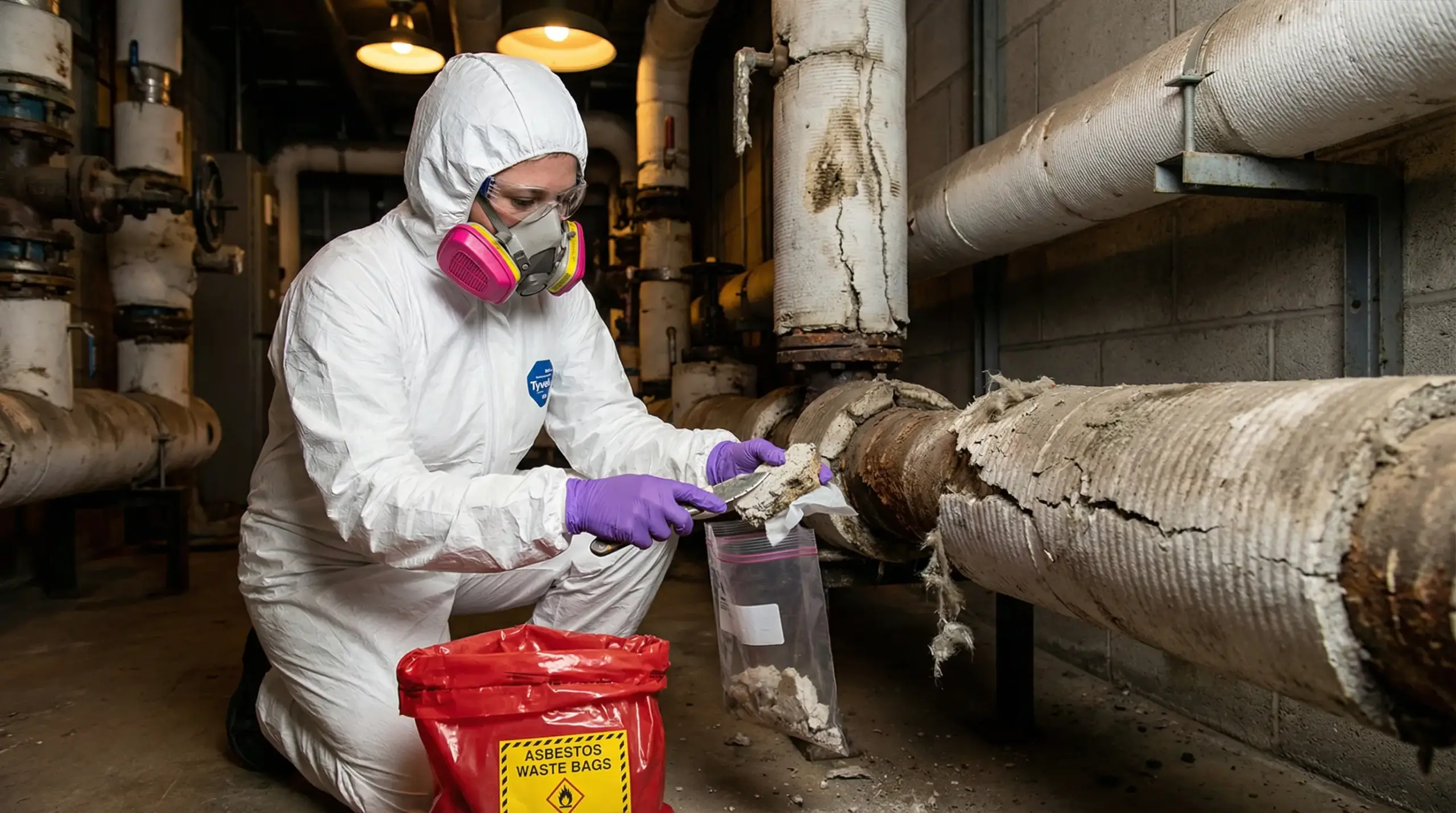
What Does Asbestos Look Like? How to Identify It Safely

What Does Asbestos Look Like And How To Identify It

TL;DR I was called to a renovation project at an aging office complex — built in the late 1970s — where a maintenance crew had already ripped out ceiling tiles and stripped pipe insulation across an entire floor. The debris was piled in open heaps. No one was wearing respiratory protection. When I asked who … Read more

What’s A Safety Week and How To Celebrate & Enhance Awareness

What's A Safety Week

Safety is a fundamental aspect of our daily lives, whether at work, home, or the community. A proactive approach to safety prevents accidents and fosters a culture of responsibility and care. Organizations and communities promote this culture effectively through a Safety Week. This comprehensive guide explores what Safety Week entails, provides real-world examples, and offers actionable … Read more

How Equipment Upgrades Can Significantly Improve Workplace Safety

How Equipment Upgrades Can Significantly Improve Workplace Safety

Updating workplace equipment is a key investment for businesses looking to boost safety, lower accident risks, and create a safer space for workers. New machines, tools, and tech change work settings by adding safety-centered features and better designs. They also introduce automated systems to reduce potential dangers.  Firms that keep their equipment up-to-date, care for … Read more

Washing Machine Safety: Essential Tips for Every Household

Washing Machine Safety

Washing machines are indispensable appliances in modern households, making laundry tasks effortless and efficient. However, like any electrical device, they come with inherent safety risks if not used and maintained properly. Ensuring the safe operation of your washing machine not only prolongs its lifespan but also protects your home and loved ones from potential hazards. … Read more

15 Reasons Why Is It Important To Practice The Fire Drill

Reasons Why Is It Important To Practice The Fire Drill

Fire drills may sometimes be seen as mundane or unnecessary, especially in areas with minimal fire risks. However, the importance of regularly practicing fire drills cannot be underestimated. These simulated emergencies are essential for ensuring that everyone knows exactly how to respond swiftly and safely in the event of a real fire. By conducting fire … Read more