Crane Inspection: Types, Frequency & OSHA Requirements

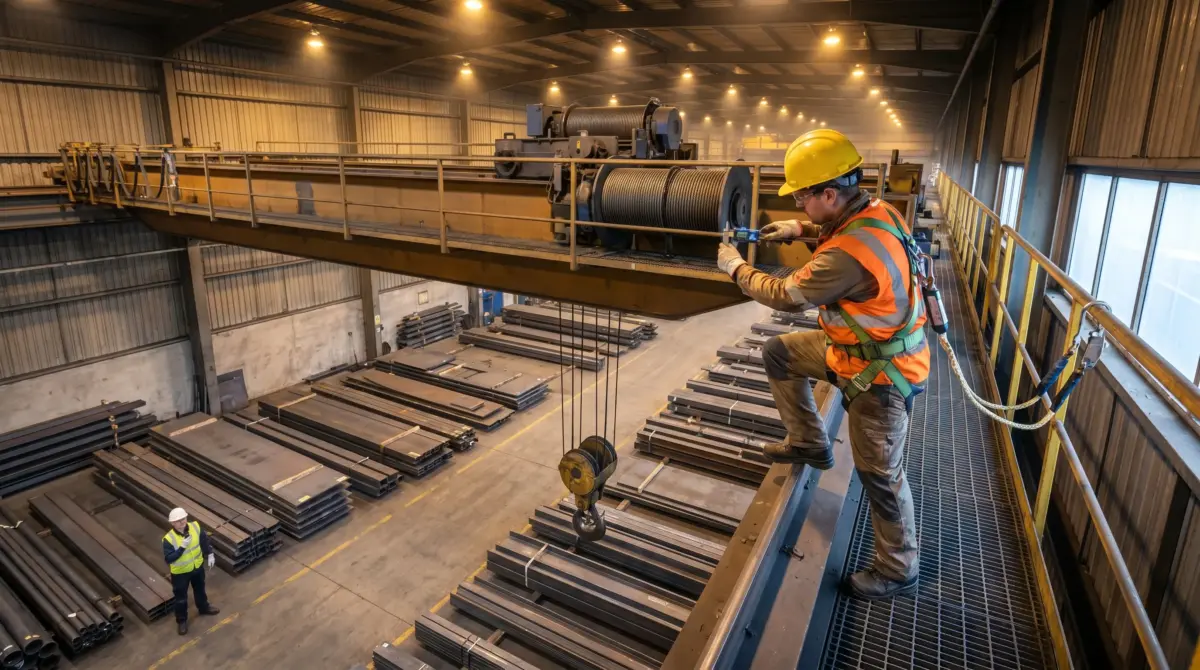
Industrial warehouse worker in safety gear operates overhead crane machinery to lift steel plates stacked on warehouse floor with overhead lighting and metal railings visible.

TL;DR Crane inspection frequency under OSHA 1910.179 (US) is not a universal calendar — it is determined by the crane’s service classification. Cranes range from Class A (standby) through Class F (continuous severe service), with frequent inspection intervals spanning from semi-annual to daily and periodic inspections from annual to monthly. Higher duty cycles and closer-to-capacity … Read more

Crane Safety in Piling Operations: Hazards, Controls & Regulations

Construction site with heavy machinery including a red and white crane lifting a steel pile, workers in safety gear and hard hats, orange barriers, and multiple cranes visible in the background under cloudy skies.

TL;DR Crane operations during piling work require specialist safety controls beyond standard lifting procedures. The primary hazards include ground bearing failure causing crane or rig overturning, dynamic impact loads from pile driving, suspended load swing during pile handling, and proximity to underground services. Regulatory frameworks governing these operations include OSHA 29 CFR 1926 Subpart CC … Read more

Licensed vs Non-Licensed Asbestos Work: 3 Categories

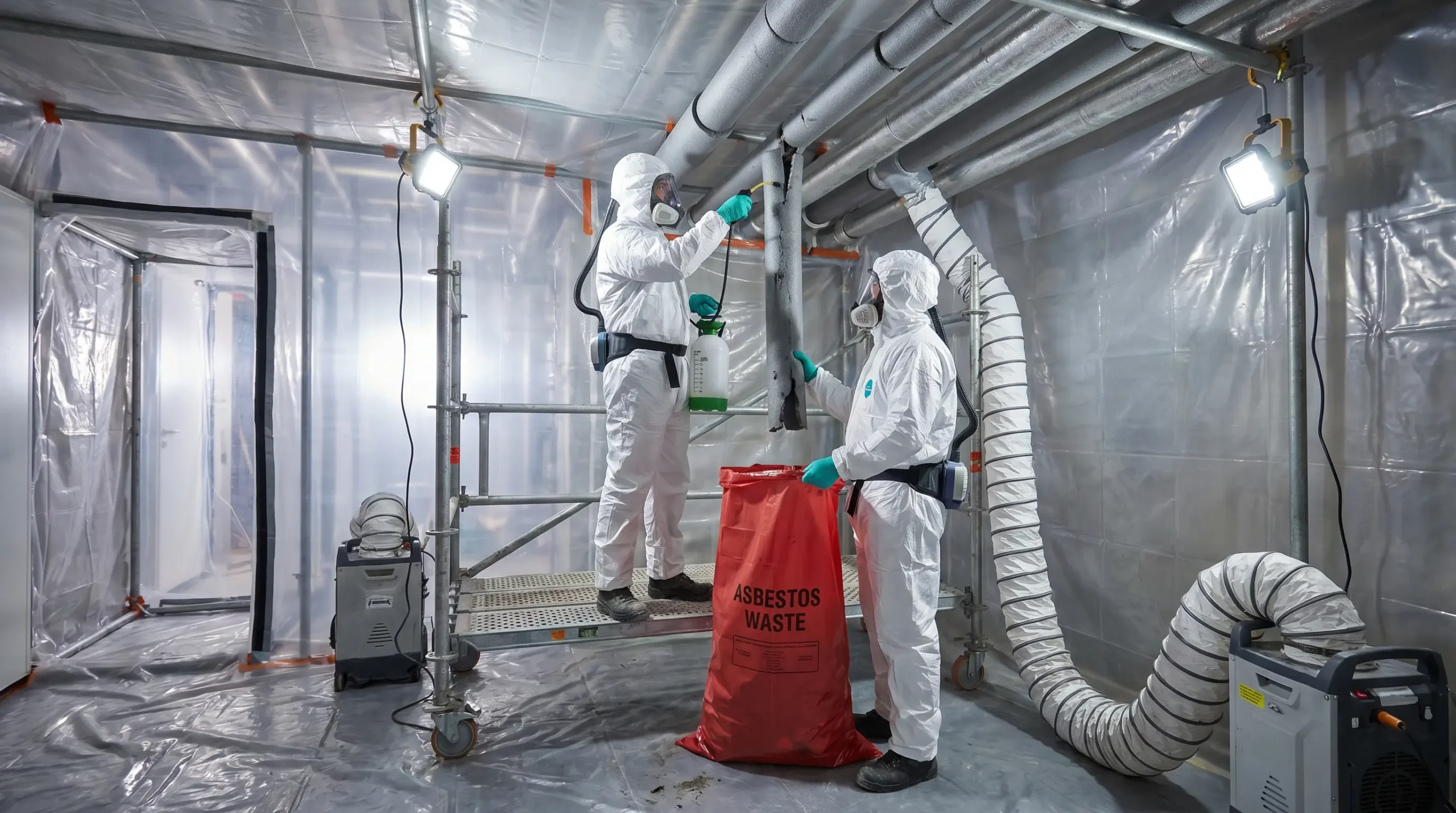
Two workers in full protective suits and respirators remove asbestos waste from an industrial containment area lined with plastic sheeting and equipped with ventilation systems.

TL;DR Under the Control of Asbestos Regulations 2012, asbestos work in Great Britain falls into three categories — not two. Licensed work covers high-risk removal requiring an HSE licence. Notifiable non-licensed work (NNLW) sits between the two extremes, mandating notification and medical surveillance without a licence. Standard non-licensed work applies to lower-risk tasks with bound … Read more

What Is Earth Fault Loop Impedance? Zs Explained for Practitioners

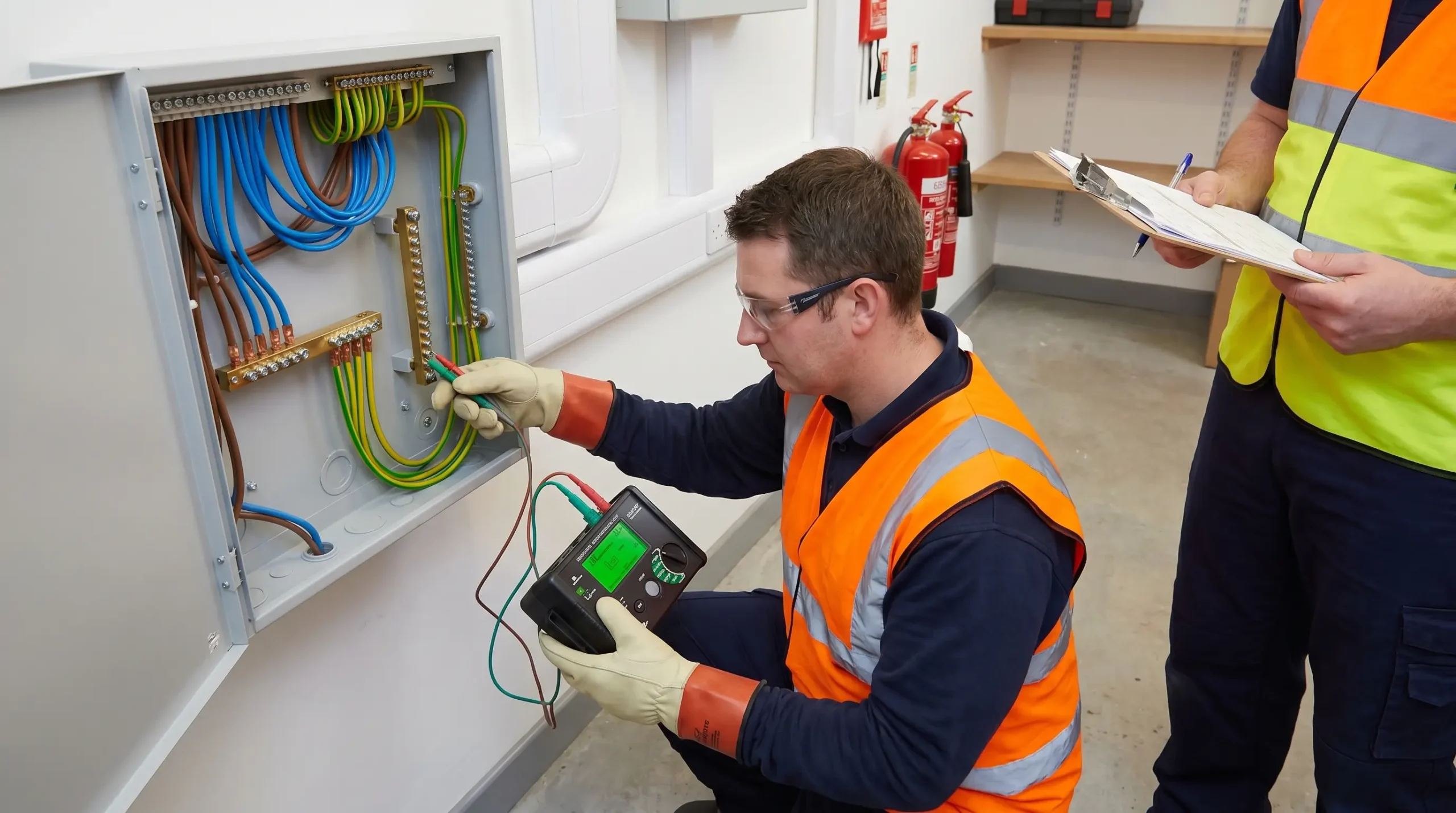
Electrician in safety vest testing electrical panel with multimeter while colleague holds documentation during installation inspection.

TL;DR Earth fault loop impedance (Zs) is the total impedance of the complete path that fault current follows when a live conductor contacts earth in an electrical installation — from the supply transformer, through the line conductor to the fault, through the protective earth conductor back to the main earthing terminal, and returning to the … Read more

LEV Testing and Maintenance: COSHH Requirements Explained (UK)

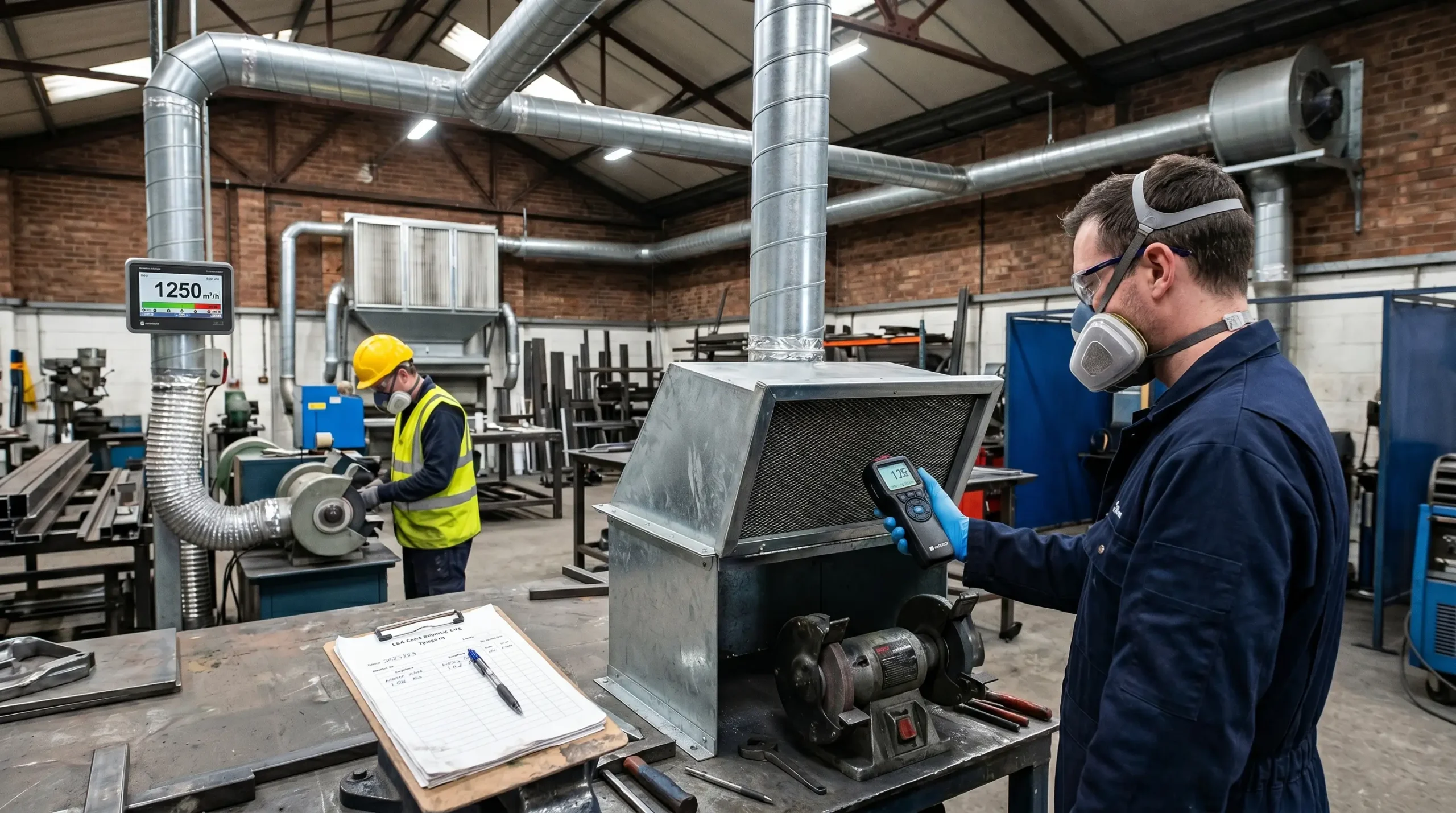
Industrial factory worker wearing safety gear measures equipment with a digital meter while colleague operates machinery in background, with metal ductwork and monitoring displays overhead.

TL;DR Under Regulation 9 of the Control of Substances Hazardous to Health Regulations 2002, local exhaust ventilation in Great Britain must be thoroughly examined and tested by a competent person at least once every 14 months. Schedule 4 of COSHH sets shorter statutory minimums — typically six or one month — for specified high-risk processes. … Read more

Musculoskeletal Disorders Workplace: Causes, Controls & Prevention

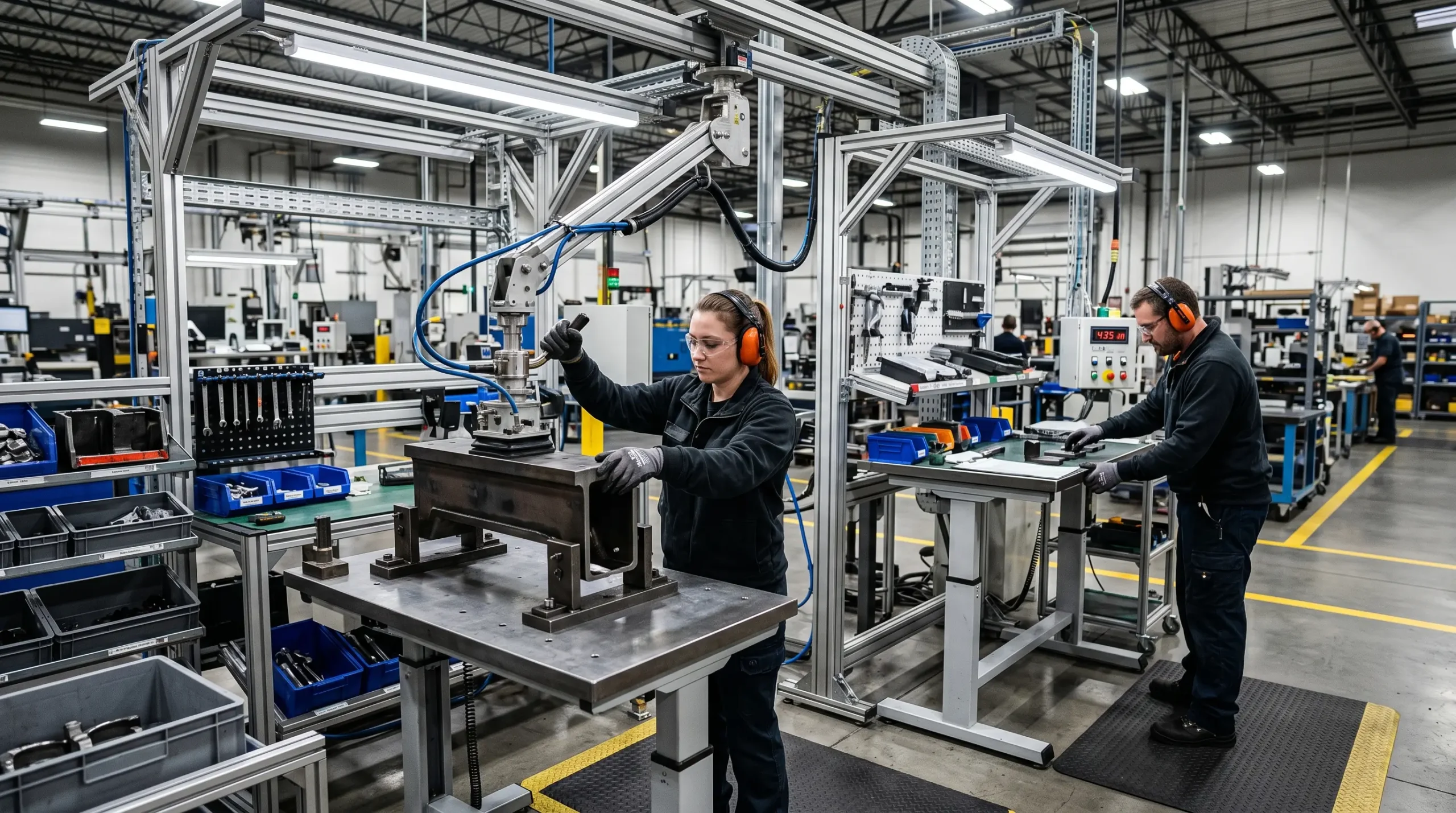
Two workers in safety gear operate industrial assembly workstations with aluminum framing and robotic equipment in a modern manufacturing facility.

TL;DR Musculoskeletal disorders (MSDs) are injuries and conditions affecting muscles, tendons, nerves, joints, and spinal discs, caused or aggravated by work activities. They develop when physical risk factors — forceful exertions, repetitive motions, awkward postures, vibration, and static positions — combine with psychosocial stressors such as high workload and low job control, particularly when recovery … Read more

Temporary Works: Types, Hazards & Controls (BS 5975:2024)

Construction workers in safety gear inspect a concrete building framework with scaffolding, crane, and reinforced steel columns during an active construction site visit.

Temporary works are the engineered structures used during construction to support or protect a permanent structure, an item of plant, the sides of an excavation, or to provide access. They include scaffolding, falsework, formwork, shoring, propping and cofferdams, and are removed once the permanent works are self-supporting. Great Britain recorded 35 construction worker fatalities in … Read more

15 Solutions to Road Accidents: Evidence-Based Strategies

Aerial view of a modern European roundabout with a central planted island, showing vehicles in traffic, pedestrians at crosswalks, and a cyclist on a dedicated bike lane.

TL;DR — What Actually Reduces Road Accidents Road accidents can be reduced through a combination of evidence-based interventions organized around the Safe System approach: designing forgiving roads and intersections, managing speeds to survivable levels, enforcing safety standards for vehicles and drivers, combating distracted and impaired driving, and improving post-crash emergency care. The most effective strategies … Read more

Refinery Safety: Common Hazards & Safety Procedures Guide

Three industrial workers in safety helmets and gloves inspect equipment on an oil and gas refinery platform, reviewing documentation near large storage tanks and piping systems.

Third-floor platform of the crude distillation unit, 2 a.m., the atmospheric column running near 650°F at the bottom and the overhead naphtha stream pulling close to its bubble point. Twelve inches of lagging stands between the flange I’m checking and a hydrocarbon stream that would flash to vapor the instant it hit atmospheric pressure. The … Read more