What Is a Jersey Barrier? Uses, Types, Safety Benefits
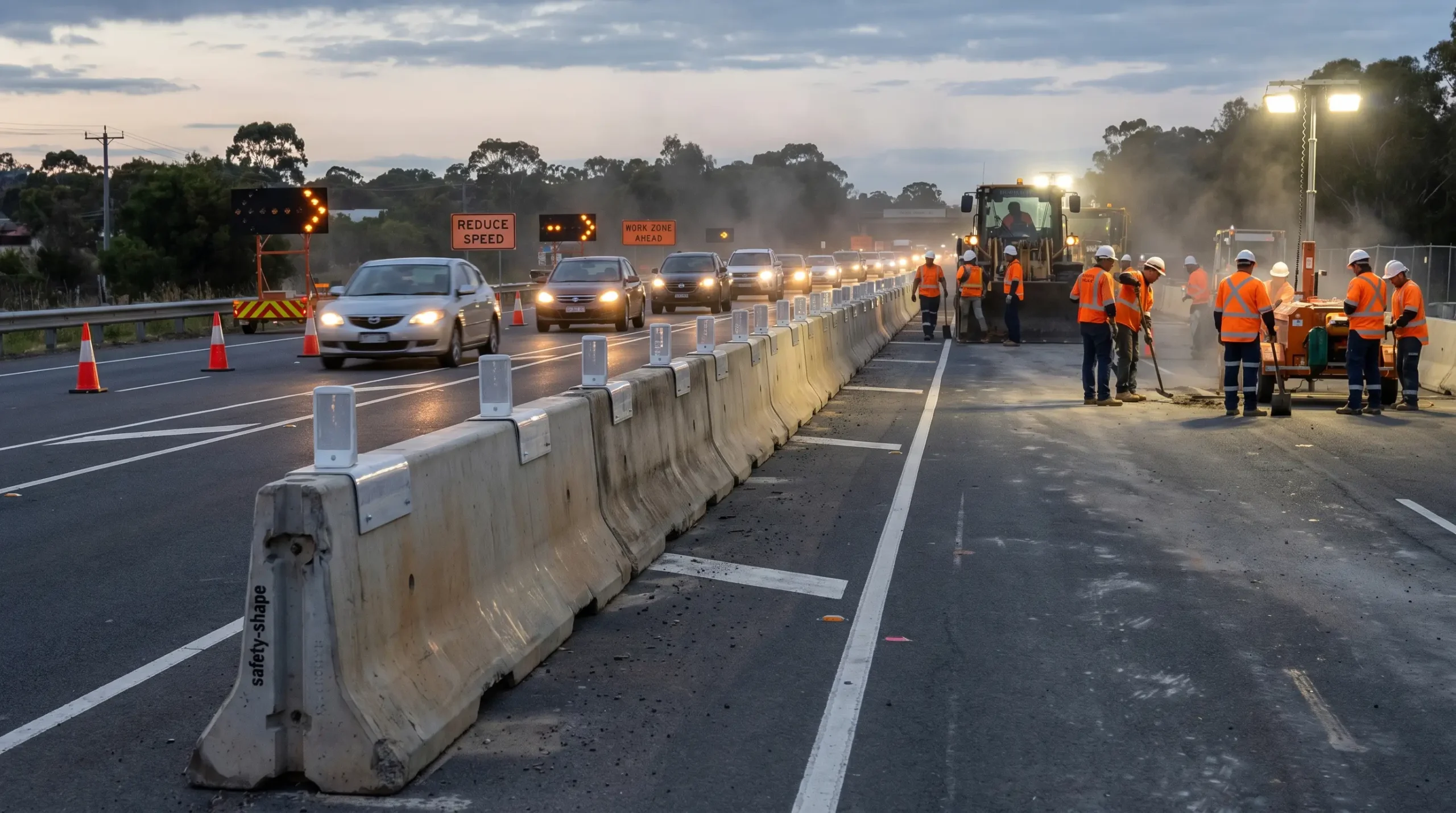
Construction work zone on a multi-lane highway at dusk with concrete barriers, orange-vested workers, heavy machinery, traffic cones, reduce speed signs, and vehicles passing through in single file.

TL;DR — Myth vs Reality A jersey barrier is a modular concrete or jersey-style plastic barrier with a sloped safety-shape profile, commonly around 32 inches high, used to separate traffic, redirect errant vehicles, and protect workers or pedestrians in roadworks and other controlled environments. The term is widely used in practice, but concrete and plastic … Read more
RIDDOR vs OSHA Reporting: Key Differences Explained

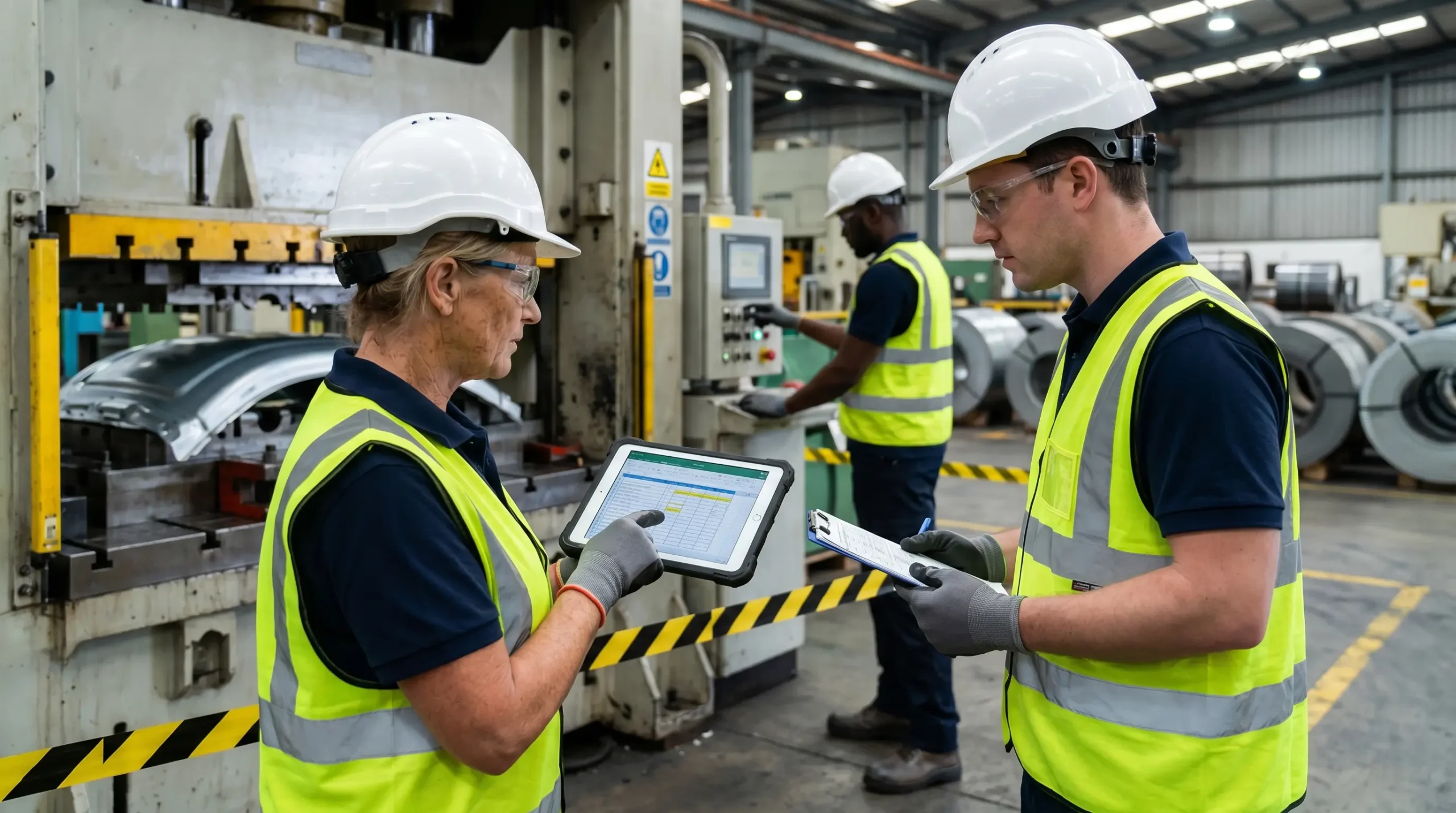
Two workers in safety gear discuss manufacturing operations in an industrial factory, with one holding a tablet while another reviews documents, with colleagues visible in the background near machinery.

The call came in at 5:47 AM. Our US plant’s EHS lead wanted to know whether Thursday’s wrist fracture — a press-line operator caught by a returning tool on our Midwest stamping line — was reportable under federal OSHA, and whether the 24-hour window had already passed. An hour later, on the same bridge call, … Read more

Autoclave Safety: Hazards and Operating Procedures

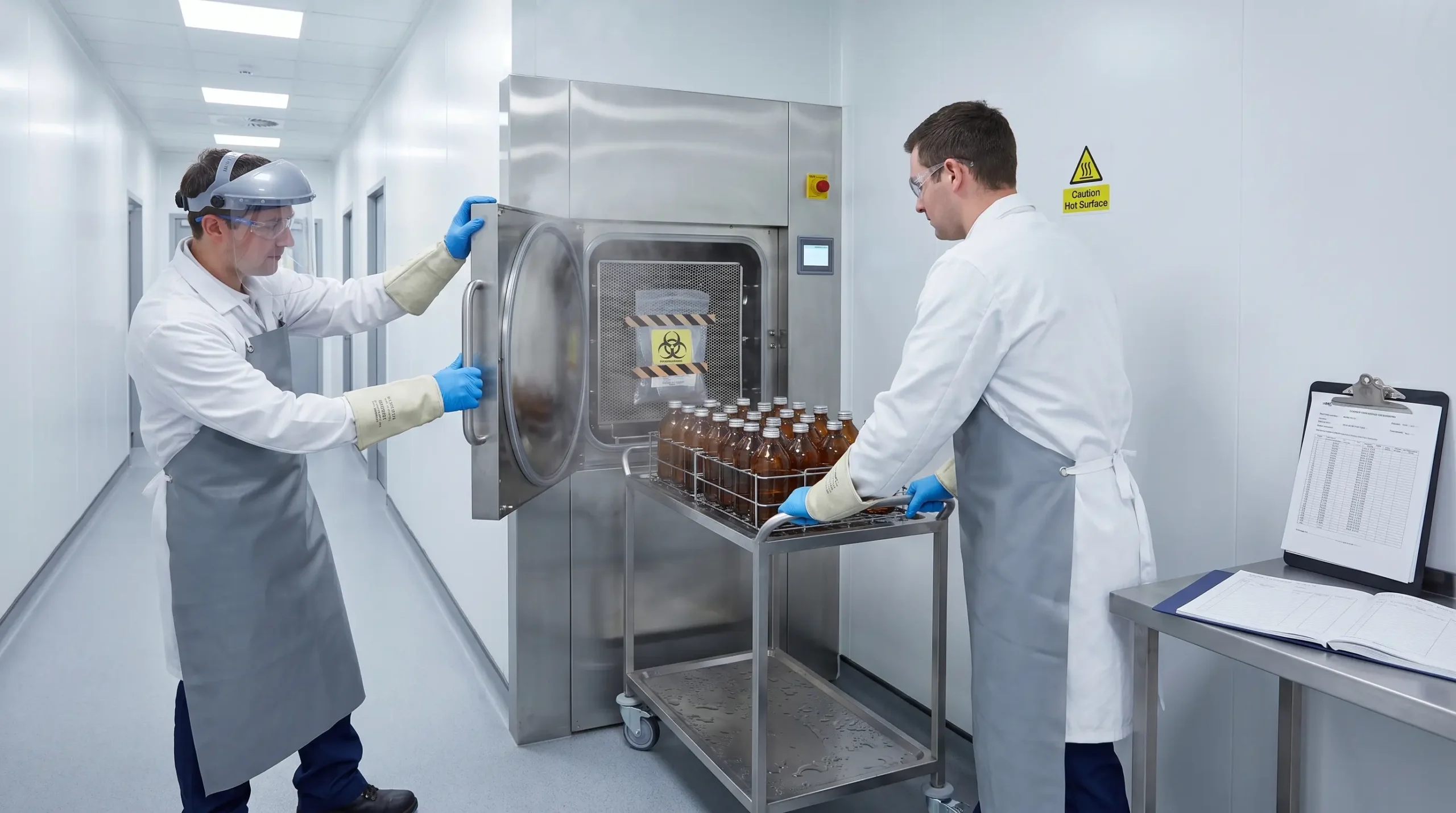
Two laboratory technicians in protective gear operate a biosafety cabinet while processing amber vials in a sterile pharmaceutical or research facility.

In January 2011, a stainless-steel autoclave door failed on a 42-year-old UK engineer named Michael Whinfrey. The Health and Safety Executive investigation concluded that safety devices had been removed from the vessel to cut running costs — what the court described as systemic failings attributable to senior management. He had been standing in front of … Read more

Lifting Plan: What It Is and How to Write One

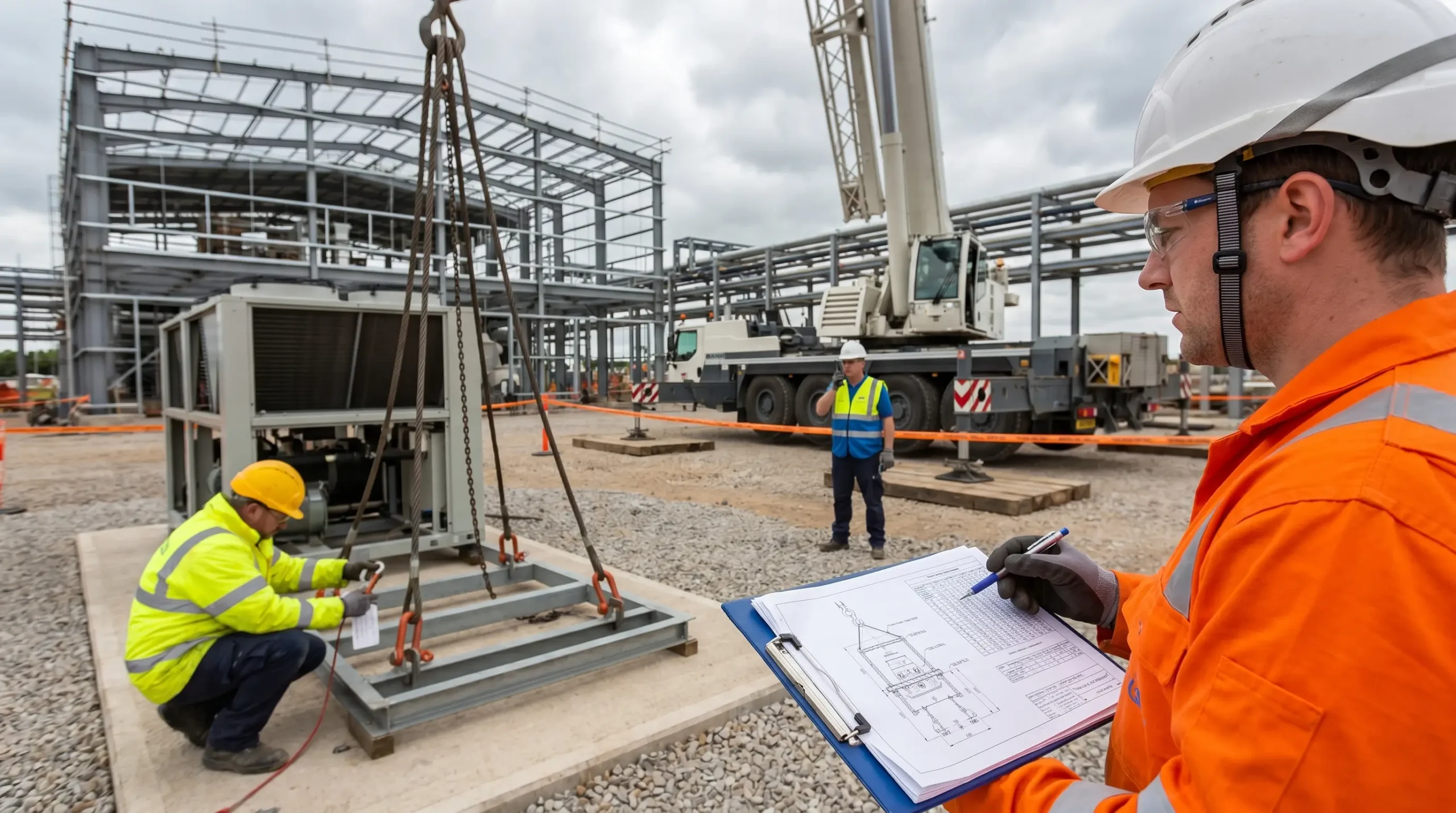
Construction supervisor in orange safety gear reviews blueprints while worker inspects equipment at industrial building site with crane and steel framework.

Regulation 8 of LOLER puts it in twenty-seven words: every lifting operation involving lifting equipment shall be properly planned by a competent person, appropriately supervised, and carried out in a safe manner. On paper that sounds administrative. On a live EPC site at 06:30 with two crawlers booming up, a 38-tonne steam turbine module on … Read more

Hydrotest Hazards and Control Measures | Field Safety Guide

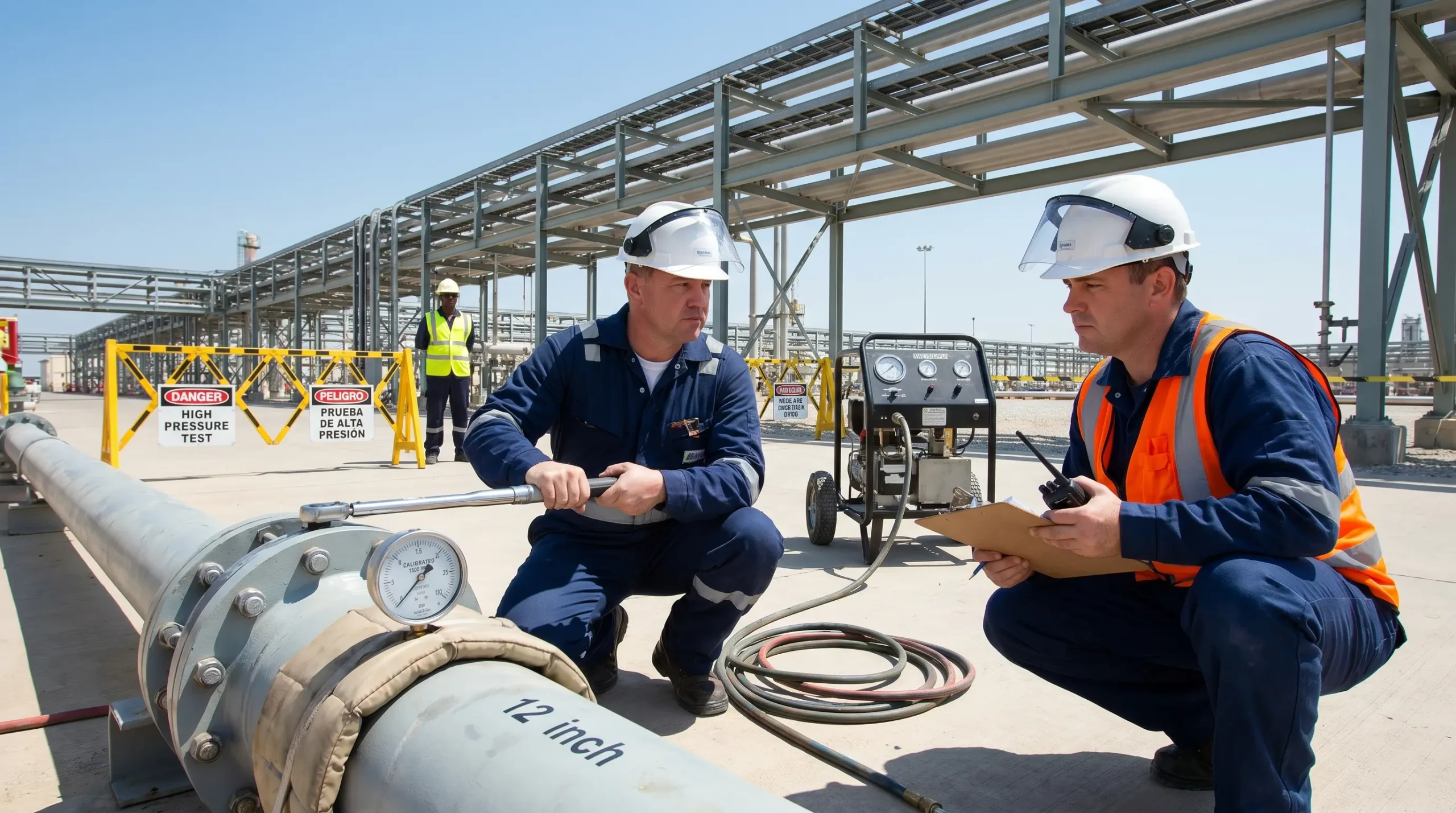
Two workers in safety gear inspect a large industrial pipe with pressure gauge at a construction site with steel framework and equipment in the background.

I was standing seventy metres from a 16-inch carbon steel spool piece during a pipeline hydrotest on a gas processing facility in the Gulf when the bolted flange connection failed at 1.3 times design pressure. The blind flange launched sideways like a disc, struck a cable tray support, and embedded itself into a concrete firewall. … Read more

ATEX vs IECEx: Key Differences in Certification Explained

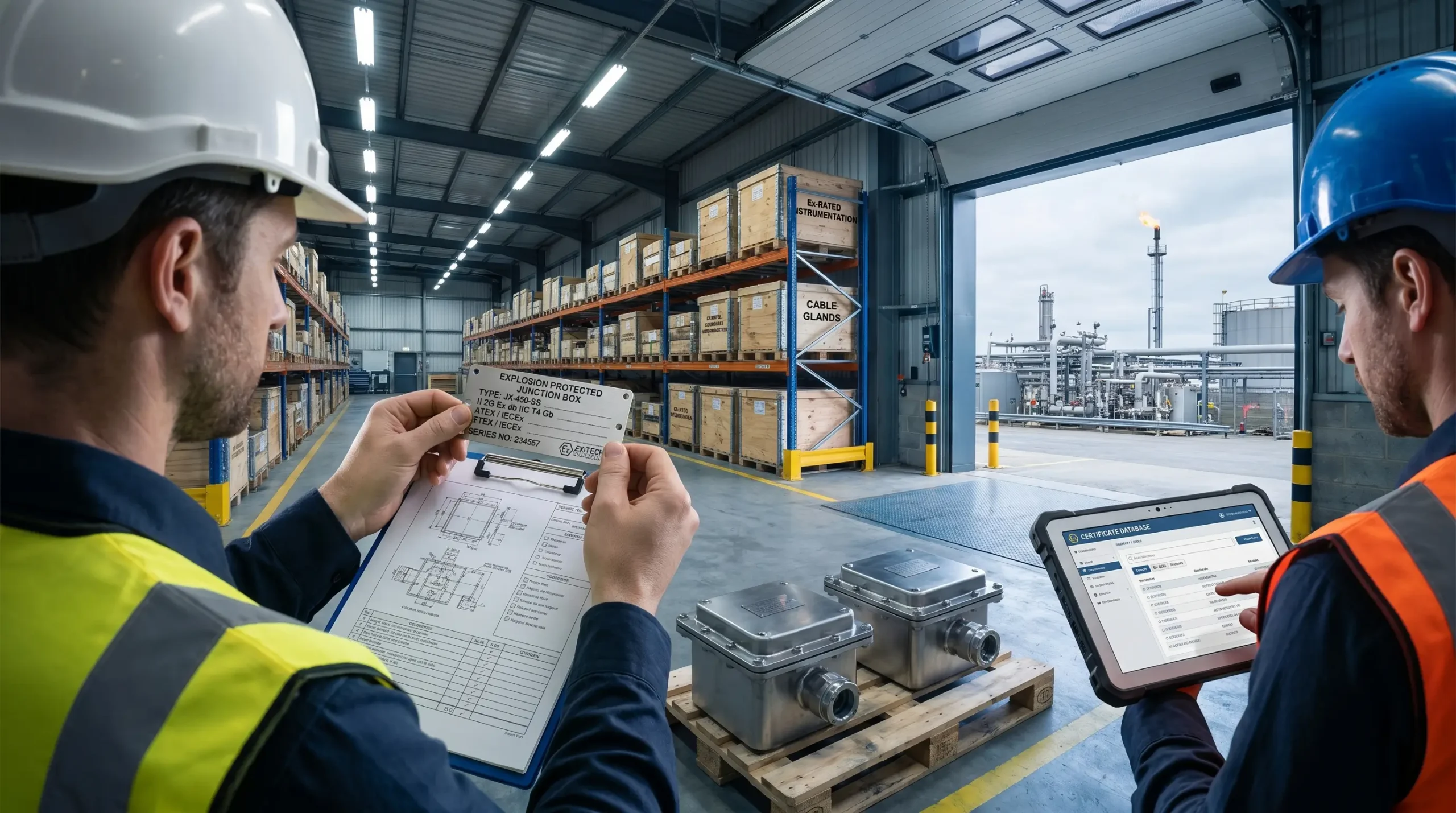
Two industrial workers in safety gear inspect explosion-protected equipment in a warehouse, with one reviewing documentation and the other checking digital records on a tablet.

Two junction boxes sat on the receiving dock last Thursday morning. Both rated for Zone 1 gas environments, both from the same manufacturer, both containing identical internal components. One carried a CE mark with ATEX Category 2G designation. The other displayed an IECEx Certificate of Conformity number with EPL Gb. A procurement engineer on a … Read more

What is Management of Change? Definition, Steps & Benefits

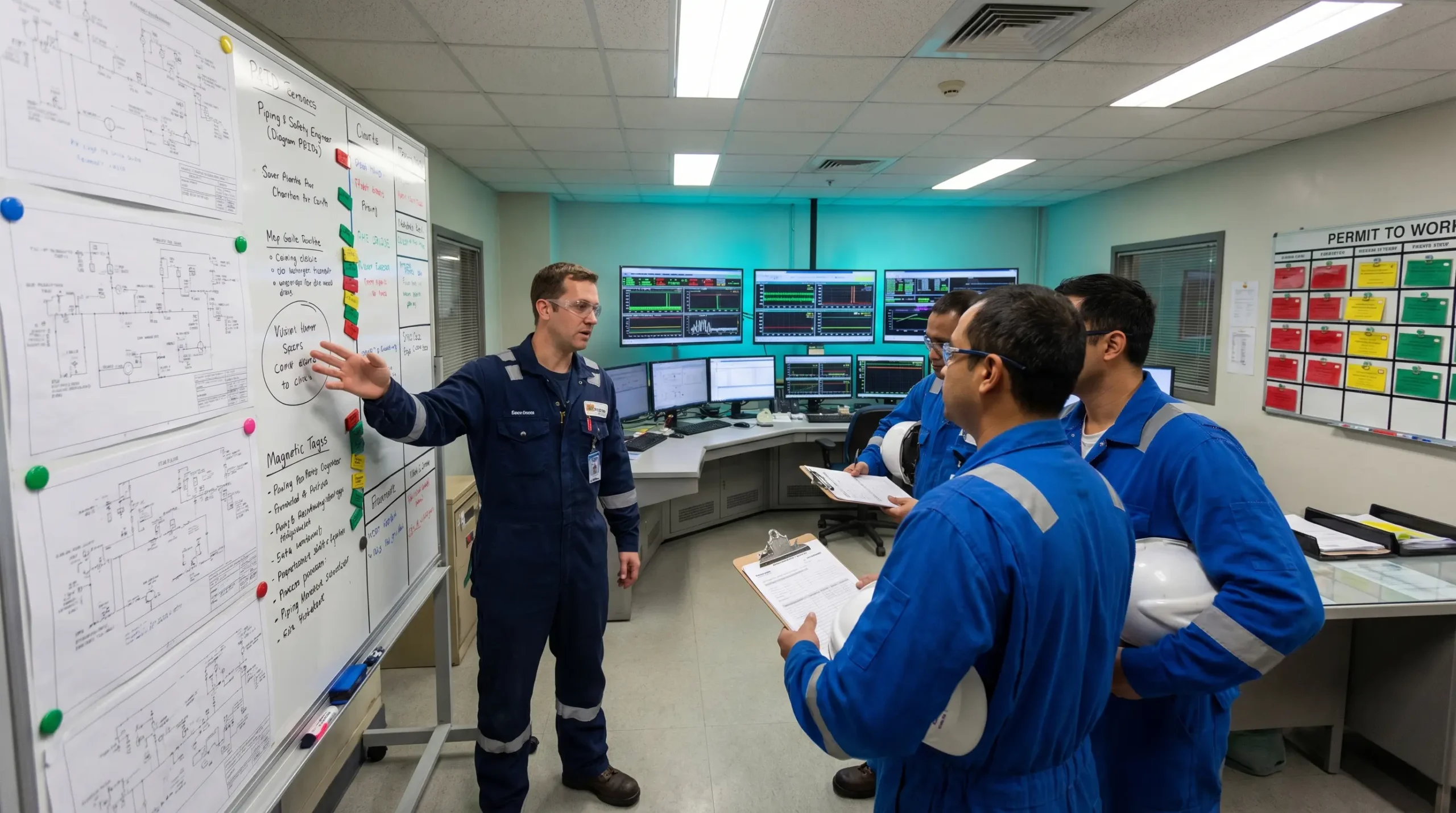
An instructor in dark blue workwear explains technical diagrams on a whiteboard to three workers in blue uniforms holding clipboards in a control room with monitoring screens.

The fractionation train had been running the same feed composition for eleven months straight. When the operations team switched to a heavier feed slate from a new upstream well, they treated it as a routine adjustment — a tweak on the DCS, a revised set point, nothing that needed paperwork. Within seventy-two hours, a reboiler … Read more

Top 10 Major Industrial Accidents and Lessons Learned

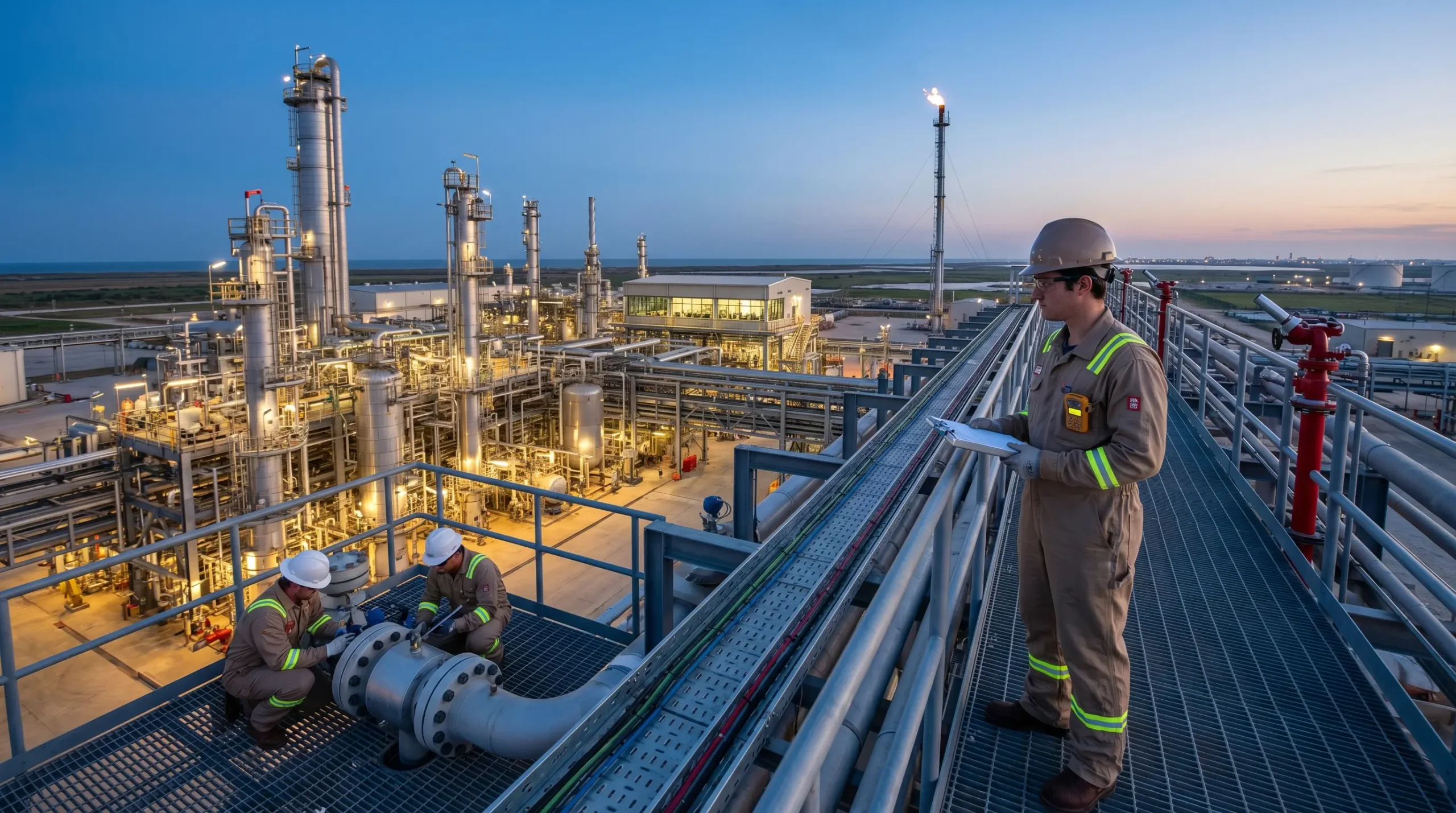
Workers in safety gear inspect pipelines and equipment on an industrial refinery platform at dusk, with illuminated processing towers and structures visible below.

A cloud of cyclohexane vapor found its ignition source at 16:53 on a Saturday afternoon. Twenty-eight chemical plant workers died in the blast that followed. The temporary pipe bypass that caused the release had been installed weeks earlier without a formal engineering review, without stress calculations, and without anyone recognizing that a 20-inch pipe had … Read more

What Is Process Safety Management? 14 PSM Elements Explained

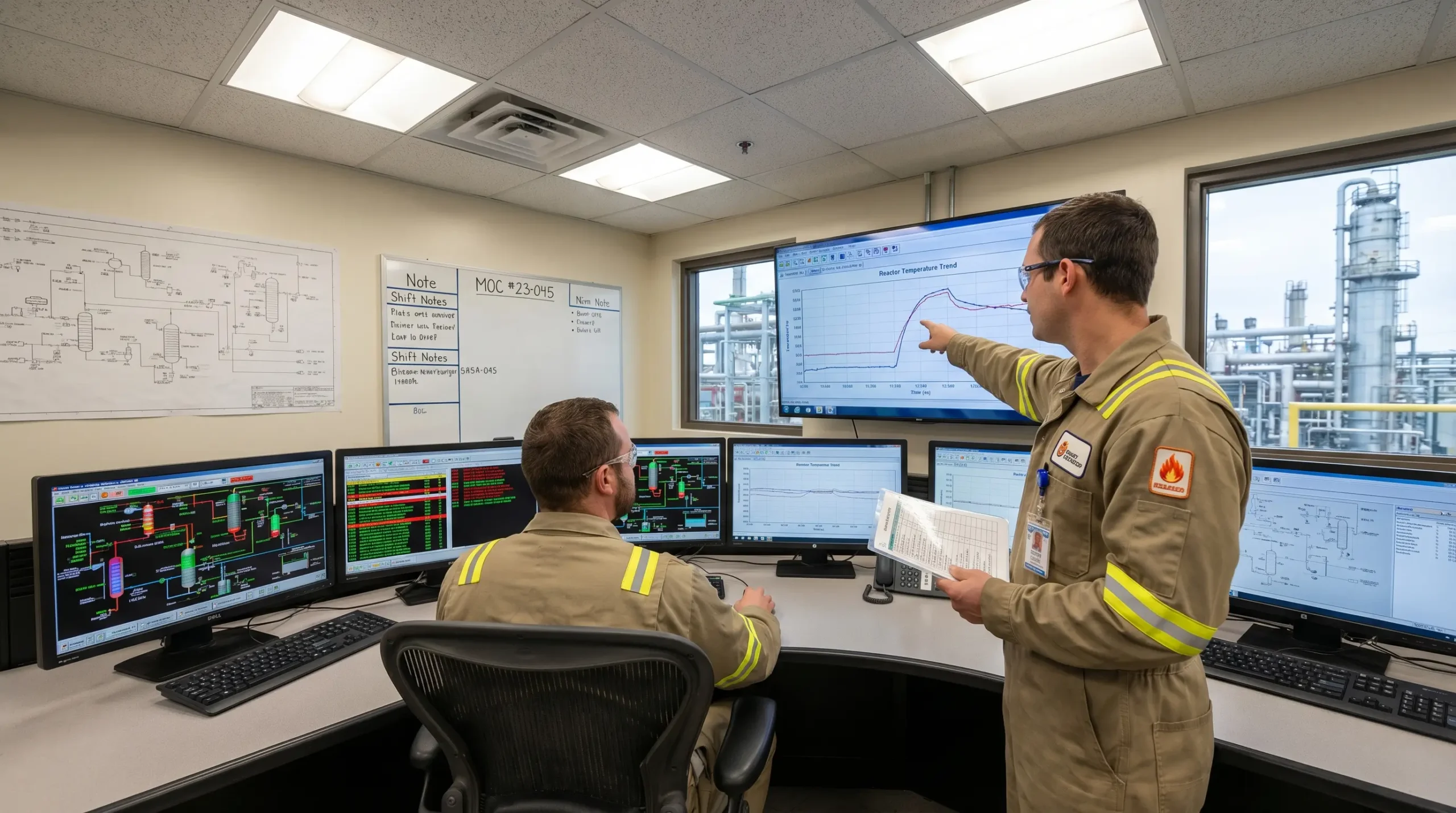
Two industrial control room operators in safety gear monitor multiple computer screens displaying system schematics, temperature trends, and operational data while reviewing documentation at a control station overlooking a refinery facility.

The 4,000-liter glass-lined reactor on Line 3 doesn’t look dangerous. Stainless jacket, temperature controller, a relief valve piped to the scrubber system. But inside that vessel, an exothermic reaction running 12 °C above its designed operating window can generate enough pressure to rupture the relief header and send a toxic vapor plume across the tank … Read more

What is Hazardous Area Classification? Complete Guide

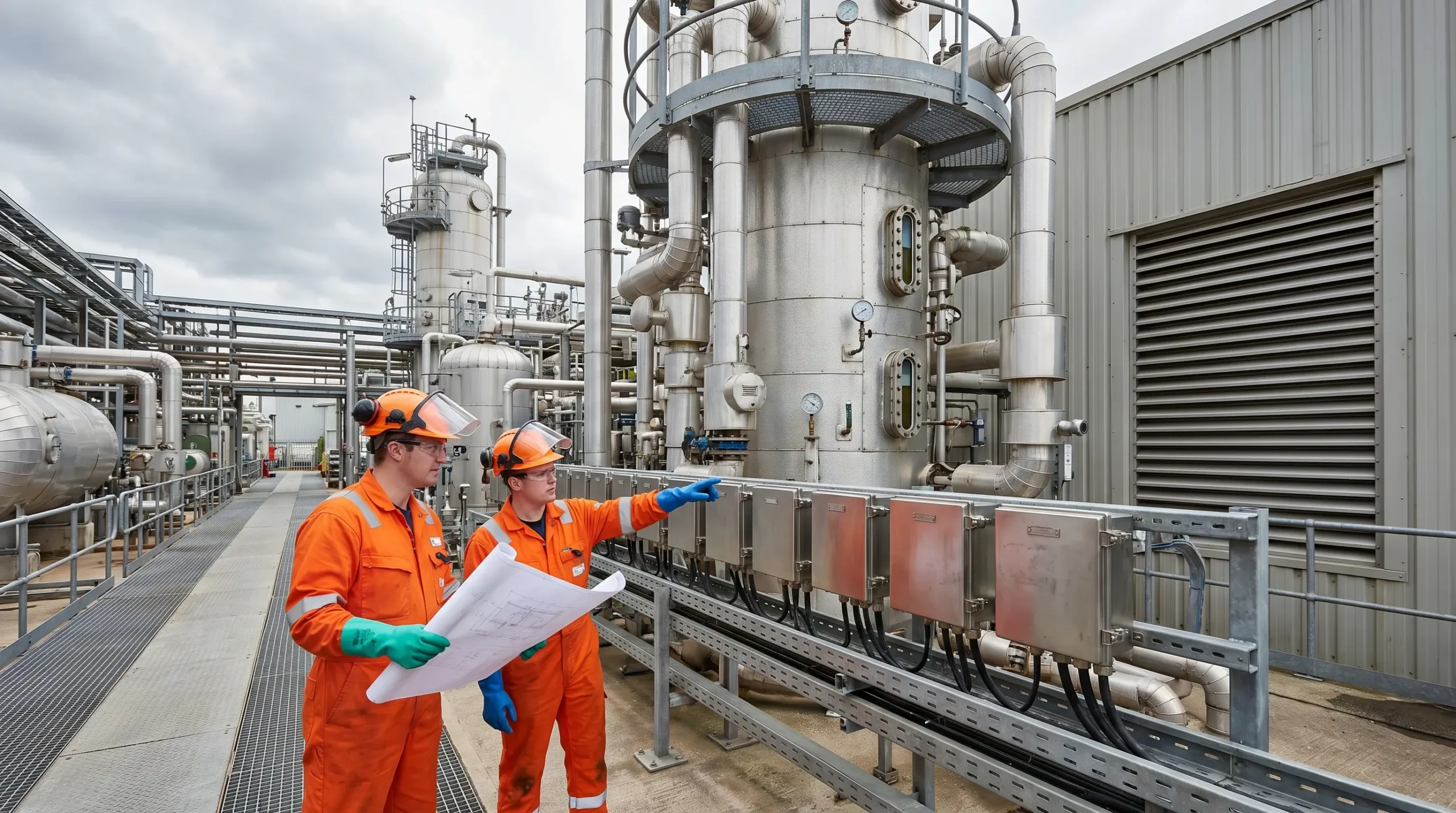
Two industrial workers in orange safety suits review blueprints while inspecting a large chemical processing facility with tall metal vessels, pipes, and equipment.

Toluene has a flash point of 4°C. At room temperature, an open container doesn’t just release vapour — it generates a flammable atmosphere that sits heavier than air, pooling in trenches, pits, and low points across the floor. The vapour is invisible. It carries no colour. At concentrations between 1.1% and 7.1% by volume, a … Read more