Pre-Use Equipment Checks: Complete Guide (OSHA & PUWER)

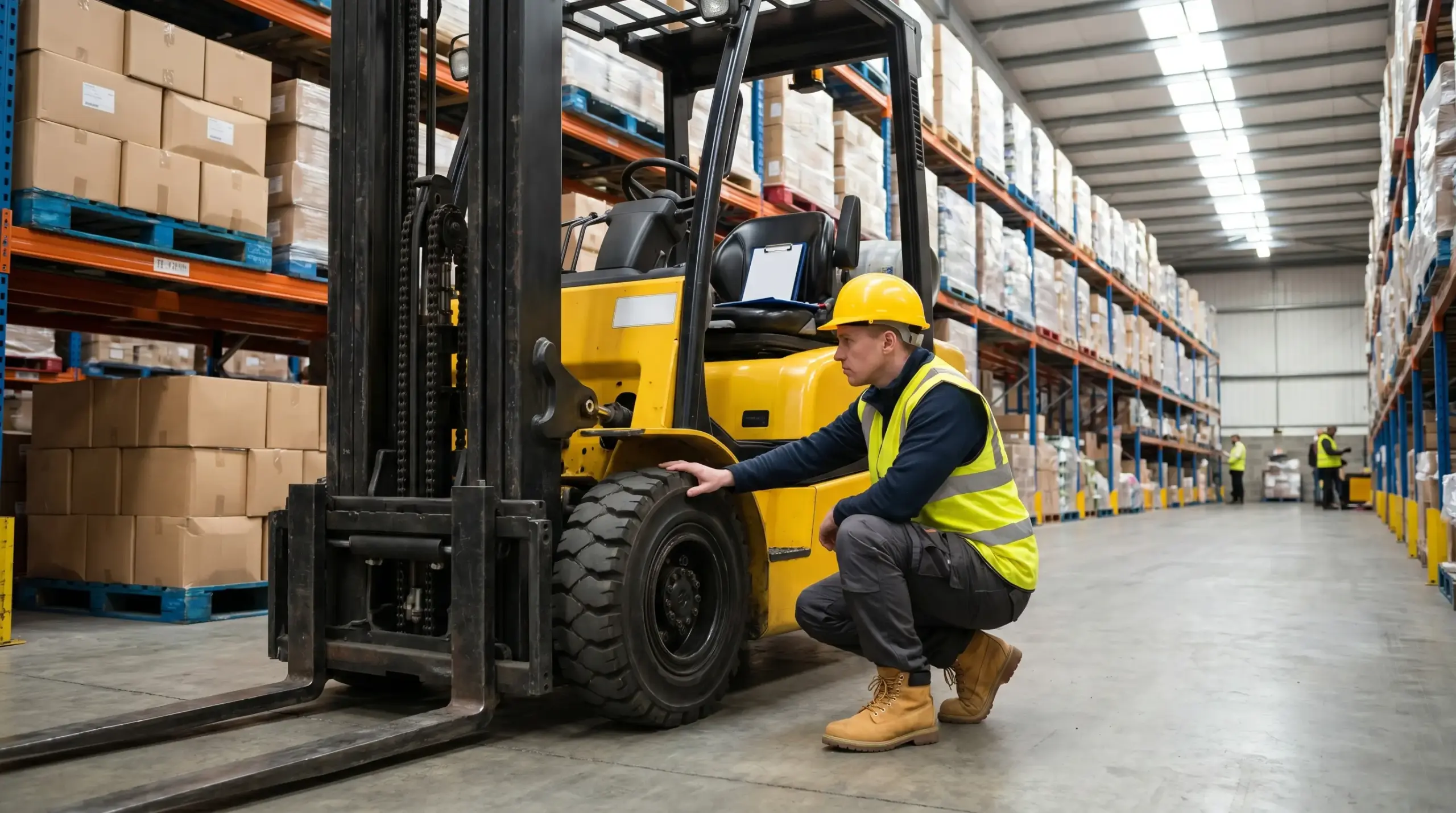
Warehouse worker in safety gear inspecting a yellow forklift in a large storage facility lined with cardboard boxes on metal shelving racks.

TL;DR — Myth vs Reality A pre-use equipment check is a quick visual and functional inspection an operator performs before each use or shift to confirm equipment is safe to operate. It covers damage, leaks, controls, brakes, and safety devices — a frontline safety duty under OSHA and UK PUWER, separate from scheduled maintenance or … Read more

Ground Control in Mining: Preventing Collapses | HSE Guide

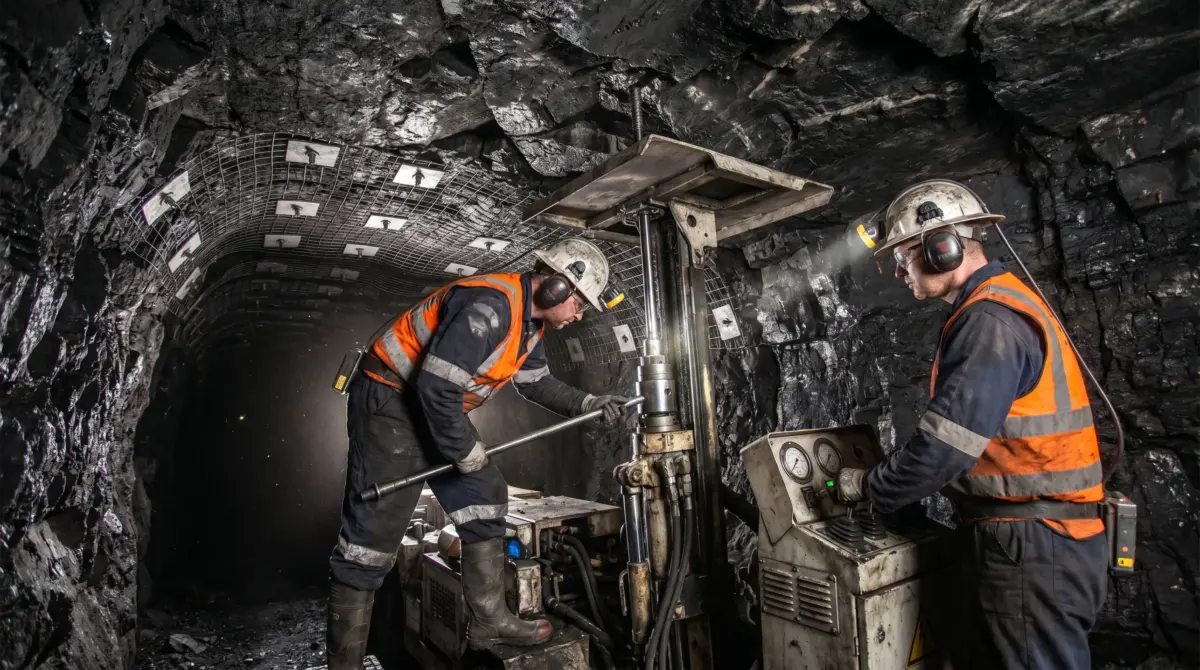
Two miners in orange safety vests and hard hats operate drilling equipment in a dark underground coal mine tunnel with reinforced mesh walls and overhead lighting.

TL;DR — Key Numbers Ground control in mining is the engineered system of rock reinforcement, pillar design, slope management, geotechnical monitoring, and regulatory compliance that prevents the collapse of underground excavations and surface slopes. It encompasses rock bolting, shotcrete, cable bolting, standing support, backfill, and — critically — the management frameworks that ensure these controls … Read more

Asbestos Analyst: Role, Duties, Qualifications & Career Path

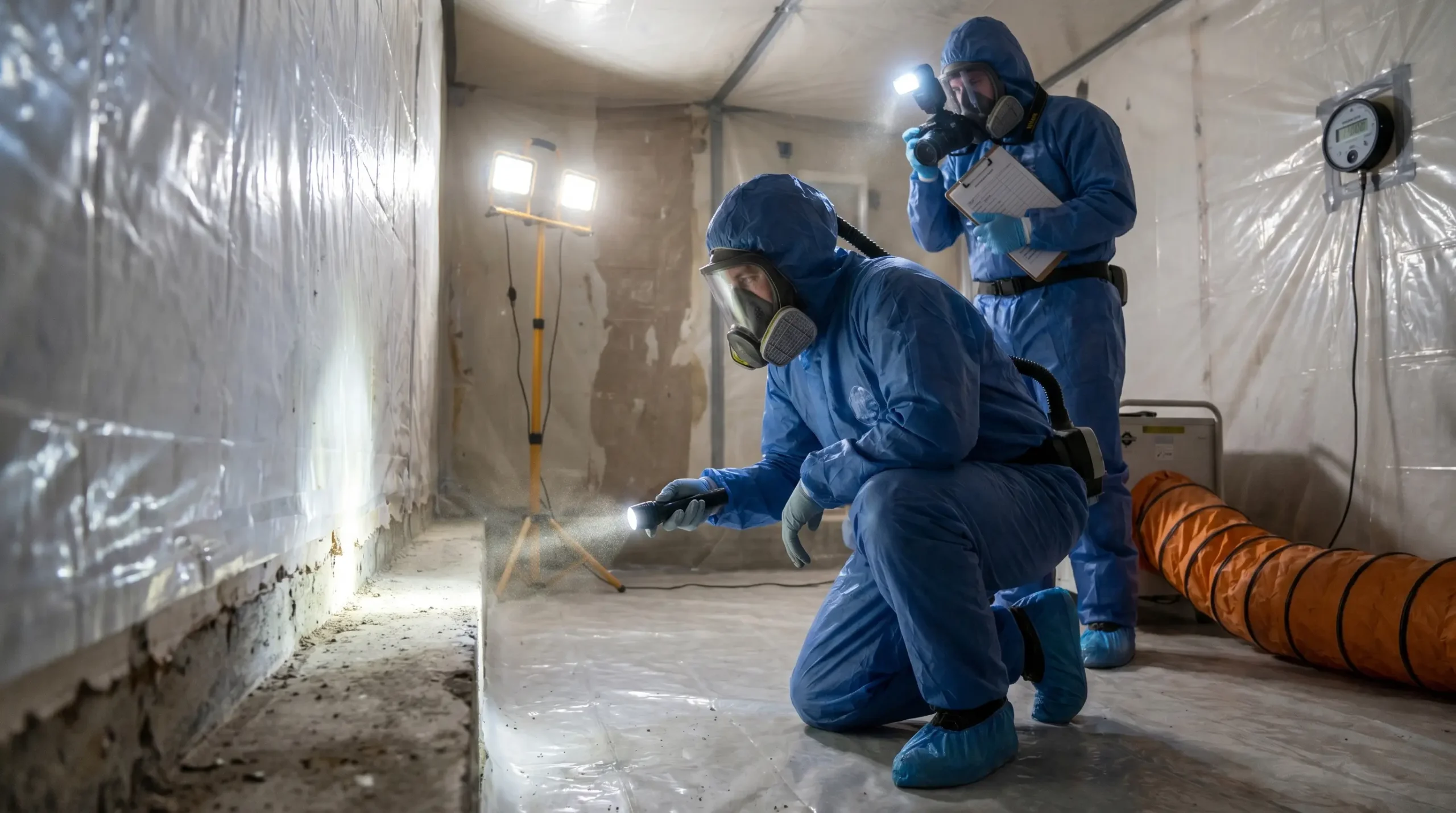
Three workers in blue protective suits and respirators inspect a construction site interior with plastic sheeting, equipment, and ventilation ducts during hazmat or renovation work.

TL;DR An asbestos analyst is a qualified professional who samples, monitors, and analyses asbestos fibres in air and bulk materials, and certifies areas as safe for re-occupation following asbestos removal. In the UK, analysts must hold BOHS P403 and P404 qualifications — or RSPH equivalents — and work for a UKAS-accredited organisation. Independent of the … Read more

Demolition Safety: Planning, Methods & OSHA Procedures Guide

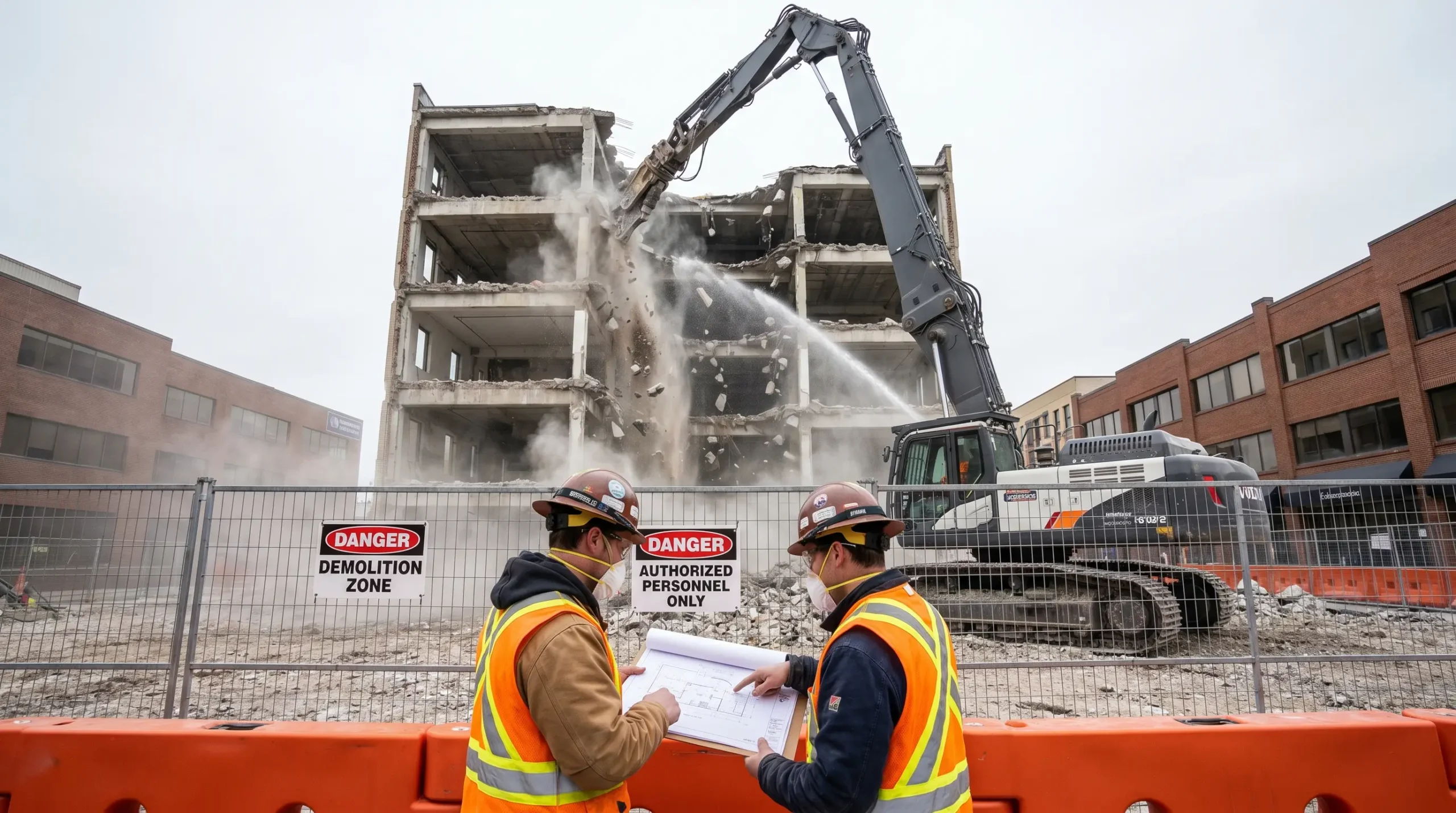
Two construction workers in safety gear review blueprints while a hydraulic excavator demolishes a concrete building behind them in an active demolition zone.

TL;DR Demolition safety encompasses the planning, hazard controls, and procedures required to protect workers and the public during the intentional dismantling of structures. Before any demolition work begins, OSHA requires an engineering survey by a competent person to assess structural integrity and identify hazards. A written demolition plan, utility isolation, hazardous material abatement, and ongoing … Read more

Welding Fume Control: Regulations & Exposure Limits

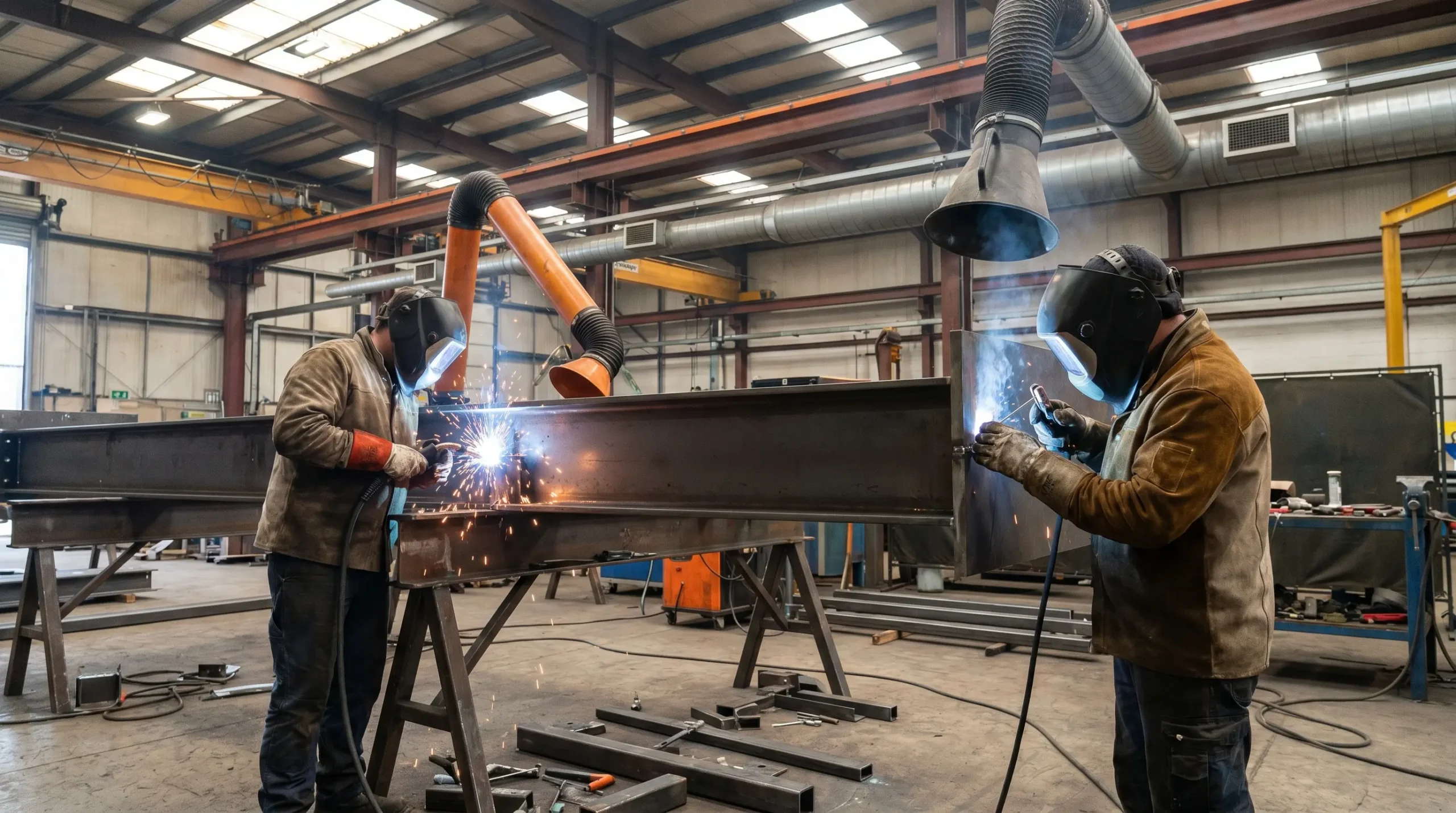
Two welders in protective gear and masks work together on a large metal beam in an industrial factory setting with overhead crane systems and bright lighting.

TL;DR Welding fume is classified as a Group 1 human carcinogen by IARC (reclassified 2017, Monograph 118), and since 2019, the UK HSE requires engineering controls — typically local exhaust ventilation — for all indoor welding regardless of duration, with suitable RPE where LEV alone is insufficient. In the US, OSHA regulates welding fume constituents … Read more

2-Wire vs 3-Wire Circuits: Safety & Key Differences

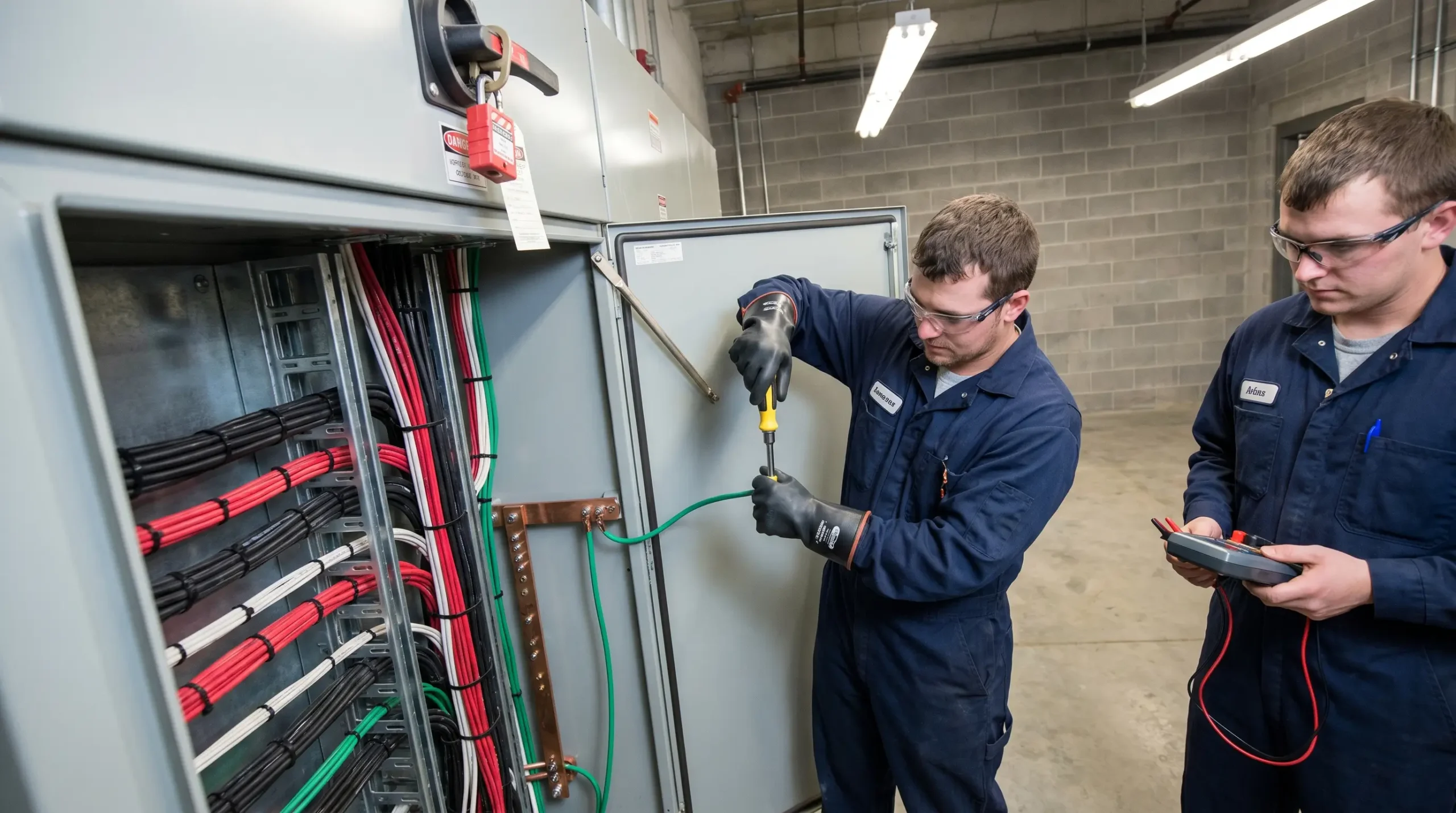
Three electricians in safety gear work on an industrial electrical panel with red and black wires, with one technician using a multimeter to test connections while others observe.

The main difference between 2-wire and 3-wire circuits is the presence of a third conductor — typically an equipment grounding conductor (ground wire) or an additional hot wire. In a 2-wire circuit, only a hot and neutral conductor carry current. A 3-wire circuit adds either a ground wire for fault protection or a second hot … Read more

RIDDOR Reportable Injuries: What Must Be Reported

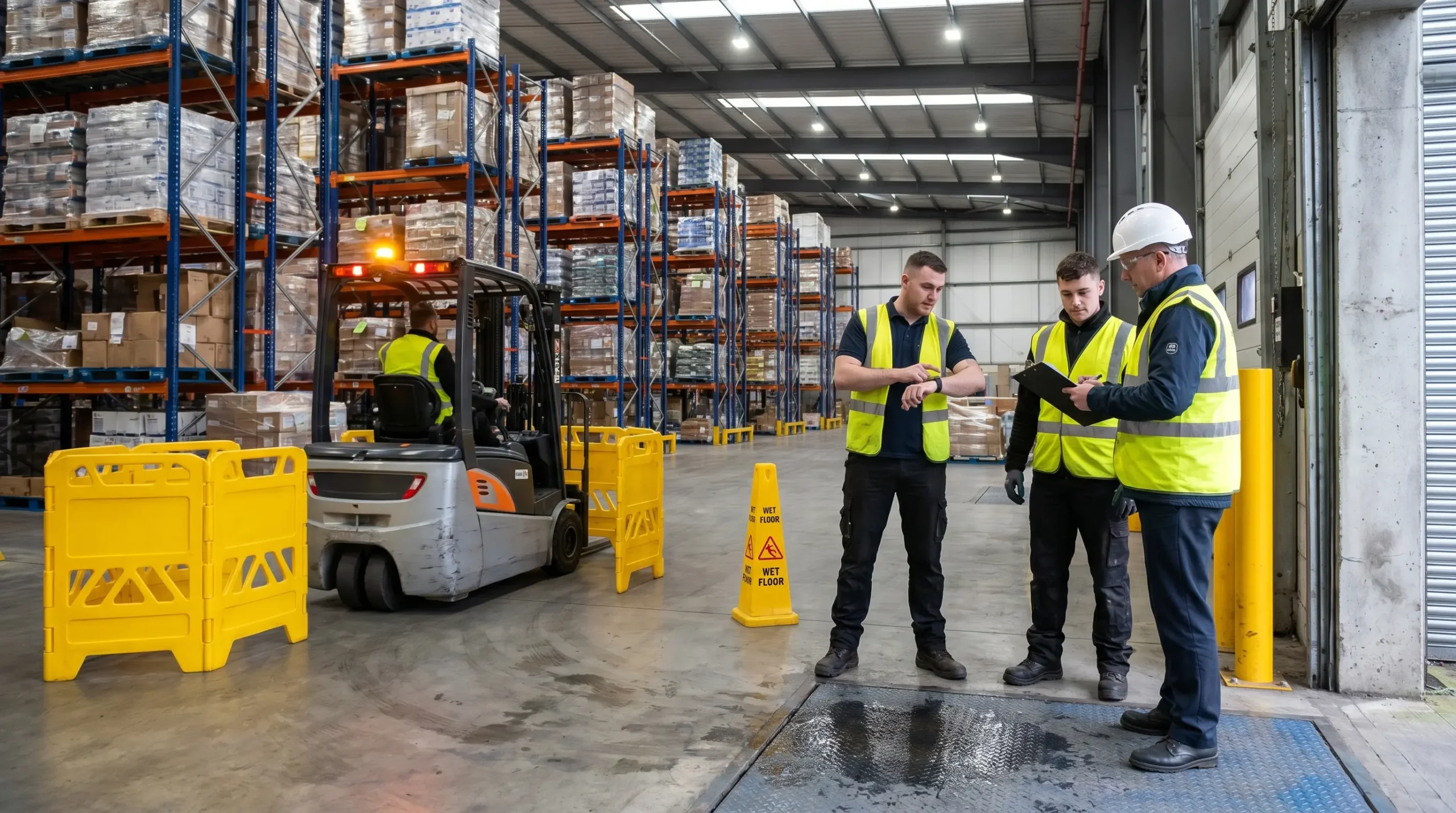
Three warehouse workers in high-visibility vests discuss safety procedures near a forklift and storage racks filled with palletized boxes in an industrial facility.

A fitter on the 2,000-bed warehouse I support slipped on a damp loading bay ramp at 04:40 during the overnight replenishment shift. Left wrist fracture, confirmed at A&E by 07:15. By the time the duty manager handed me the incident log at shift changeover, he’d already emailed HR about “updating the accident book.” What he … Read more

OSHA Handrail Requirements: Height, Strength & Compliance Guide

Two construction workers in safety gear demonstrate proper stairwell usage in an industrial warehouse facility with metal stairs, yellow anti-slip treads, and manufacturing equipment visible in the background.

TL;DR I was halfway through a routine walking-working surface inspection at a food processing plant when I grabbed a stairway handrail on a mezzanine access stair — and it moved. Not wobbled. Moved. The entire rail section shifted about two inches laterally because three of four mounting brackets had sheared from the wall. Workers had … Read more

25 Important Safety Signs, Symbol, and Their Meanings

25 Important Safety Signs, Symbol, and Their Meanings

During a high-pressure audit on a multinational petrochemical project, I once found a critical isolation valve marked with a faded, handwritten tag instead of a standardized “No Entry” sign. That single oversight could have resulted in a catastrophic release of pressurized steam. Signs are not “wall decor”; they are the silent supervisors of a high-risk … Read more

Biohazard Symbol Sign: What Does It Mean and Where It Use?

Biohazard Symbol Sign

The biohazard symbol is a globally recognized warning icon designed to alert people to the presence of materials that pose a risk to human health, animal welfare, or the environment. This article delves into its meaning, history, and widespread applications while adhering to best practices for providing insightful, original, and comprehensive content. What Is the … Read more