Choose asbestos encapsulation when a competent assessment shows the material can be safely sealed, the protection will withstand ordinary building use, and someone can inspect it afterwards. Choose removal when the material cannot be reliably repaired or protected, or when unavoidable work will disturb it. There is a third option: sound material in a position where it is unlikely to be disturbed can usually stay as it is, with its condition monitored.
For the person responsible for maintenance in non-domestic premises in Great Britain, the decision concerns a particular material in a particular location. Two entries in the same building’s asbestos register can call for different action. The Health and Safety Executive (HSE) sets out these choices in its guidance on prioritising asbestos management actions.
What each option leaves in the building
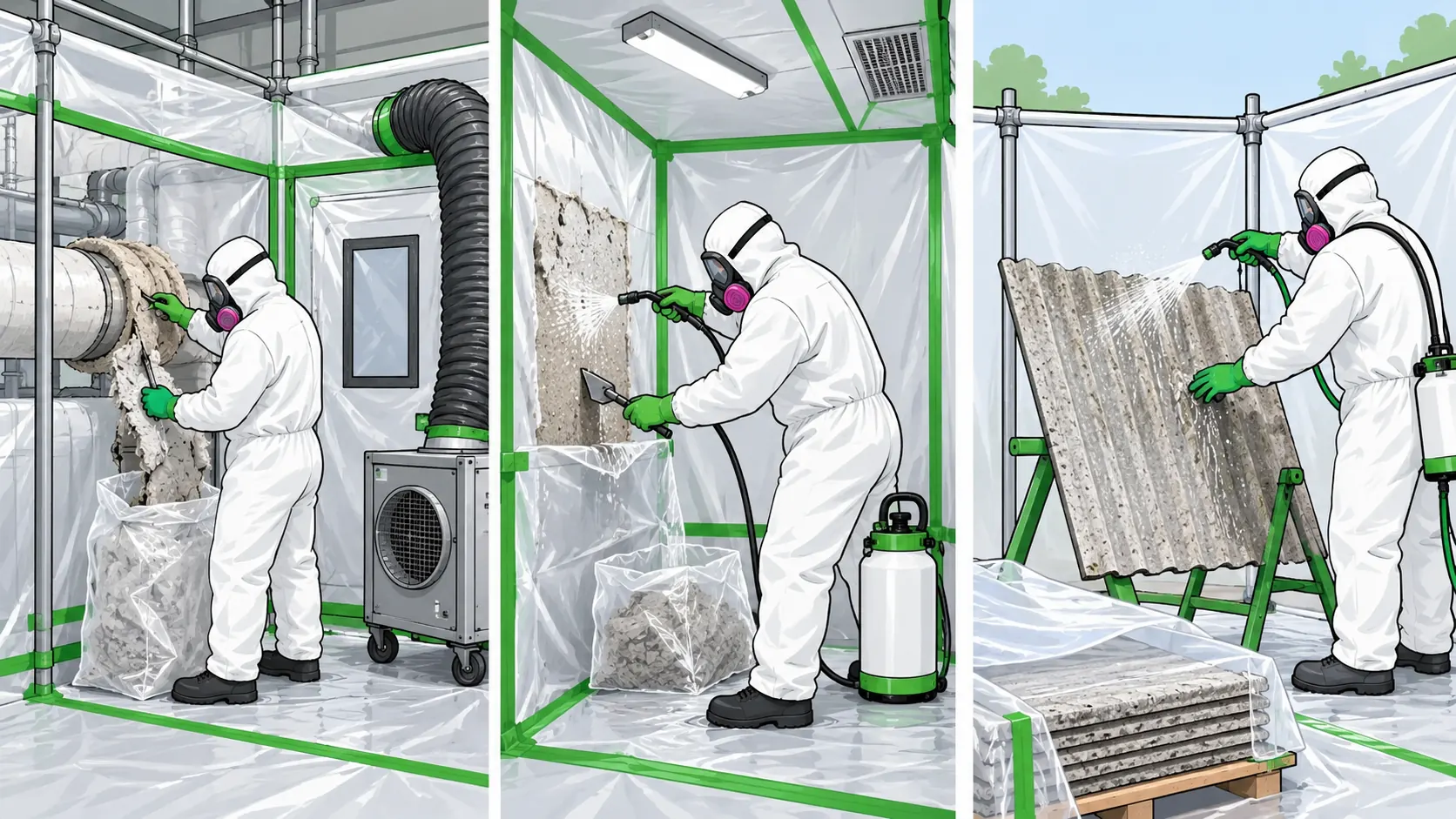
Encapsulation seals the surface of an asbestos-containing material (ACM). The asbestos remains behind the treatment. Enclosure is a related option that places a physical barrier around the material. Removal takes the specified material out of the building under controlled conditions. The scope of that removal matters: completing work on one ceiling does not establish what lies in the neighbouring service void.
| Finding | Decision to consider | What to establish first |
|---|---|---|
| Sound, out of reach and outside planned work | Leave in place and monitor. | Check how maintenance staff reach adjacent services and how they will learn the location. |
| A surface needs protection and the underlying material can be retained safely | Obtain a specialist assessment of repair and encapsulation. | Confirm that treatment can be applied safely, the cause of damage can be controlled and the surface can be inspected. |
| Repeated contact is foreseeable | Assess physical protection, a change of access route or removal. | Determine whether the protection would survive the contact and still allow essential maintenance. |
| Extensive damage or unavoidable disturbance | Plan removal where safe repair or protection is impracticable. | Define the affected area, restrictions on access and who is competent to undertake the work. |
When encapsulation is a workable choice
The strongest reason to encapsulate is that the material can safely perform its remaining service life in place. Before commissioning treatment, ask the assessor to identify the defect that sealing would address. Surface deterioration, impact damage and access for future repairs raise different questions. A finish on the face of a panel cannot keep a later fixing from passing through it.
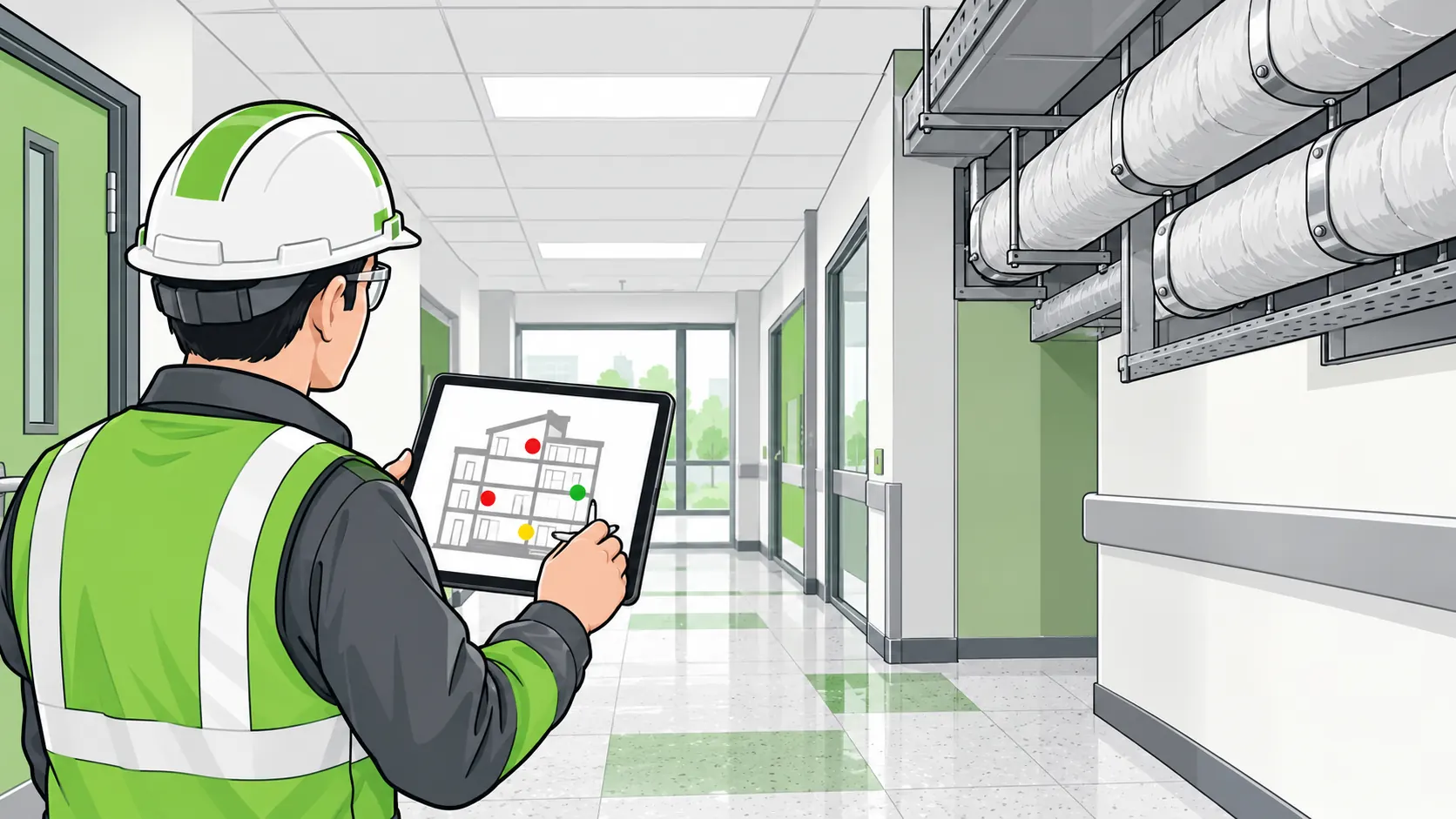
Check what happens on both sides of the material. Maintenance records, service drawings and a conversation with the people who actually use the access route help establish whether the material is regularly approached, moved or knocked. Compare that information with the surveyor’s description of its condition. Where damage has already occurred, establish why and whether the cause will persist. HSE describes when damaged material can be repaired, sealed or enclosed and when removal is appropriate.
Compare proposals over the period the material will remain in service. An encapsulation proposal should identify the boundaries of the treatment, future access restrictions, who will check its condition and what will trigger reassessment. Include these continuing commitments when comparing costs with removal. An attractive initial price tells the dutyholder little about whether protection will last until the next refurbishment.
When removal belongs in the works programme
Plan for removal when a specialist finds that the material cannot be adequately protected against foreseeable damage. Also review the choice whenever the work itself changes. A survey conclusion based on normal occupation does not answer whether a contractor can open a wall, reach a hidden connection or strip out a ceiling.
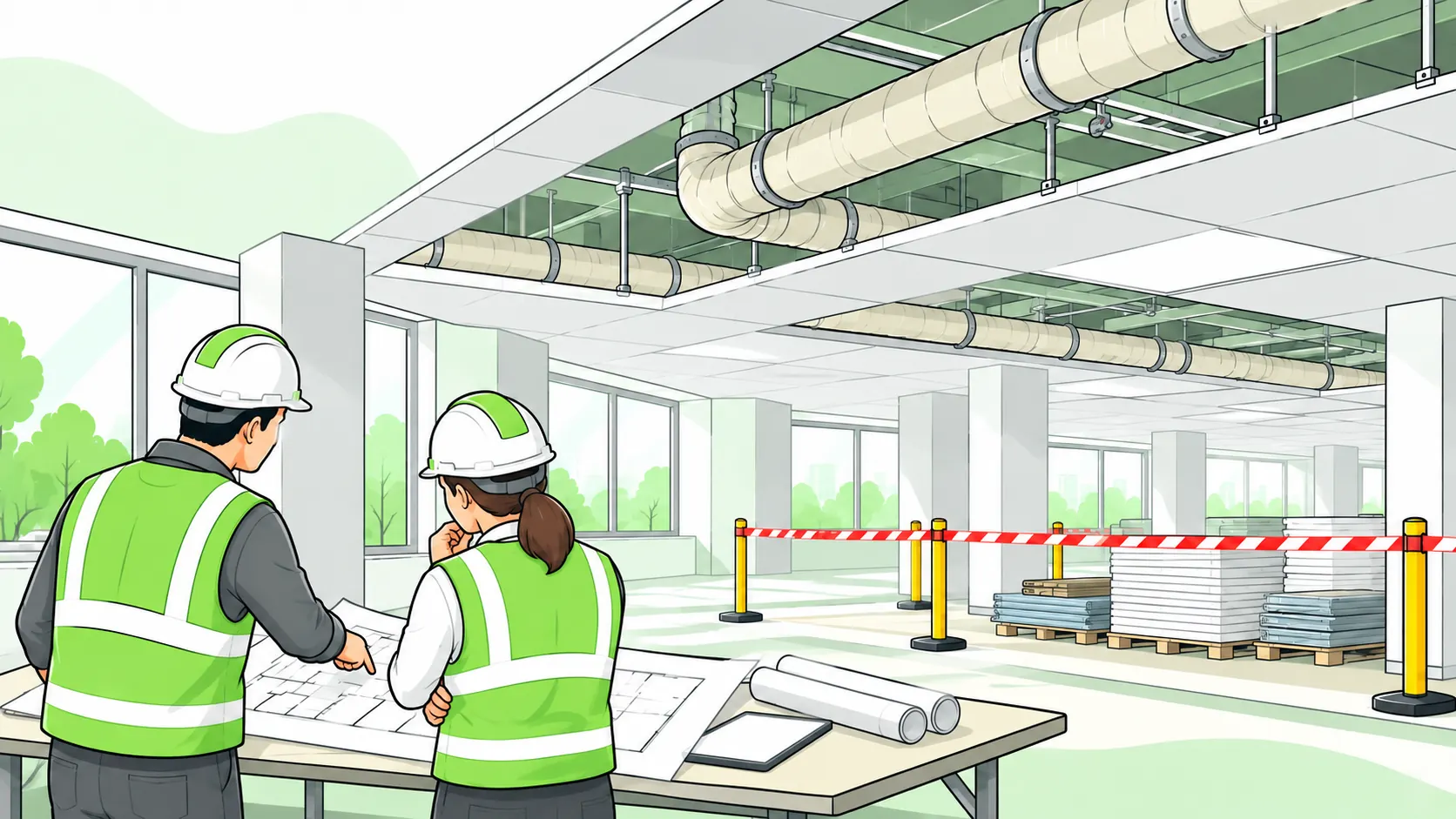
Give the surveyor drawings showing the full extent of the proposed work, including access and service routes. Check the report for areas left uninspected. Treat them as potentially containing asbestos until the uncertainty has been resolved. For major refurbishment or demolition, HSE explains that asbestos must be removed as far as reasonably practicable before work begins and describes the survey needed to locate hidden materials. Where the design can avoid the ACM, record exactly what the revised work excludes and pass that restriction to the contractor.
Separate the choice of remedy from the choice of contractor. Work described as “encapsulation” does not automatically qualify for a licensing exemption. The material, its condition, the proposed task and likely exposure all matter. Require the contractor to explain the classification against HSE’s conditions for non-licensed work. Use an HSE-licensed contractor for licensable work. Suspected accidental disturbance calls for stopping work, keeping people away and activating the premises’ asbestos emergency arrangements before anyone investigates or cleans up.
What to accept at handover
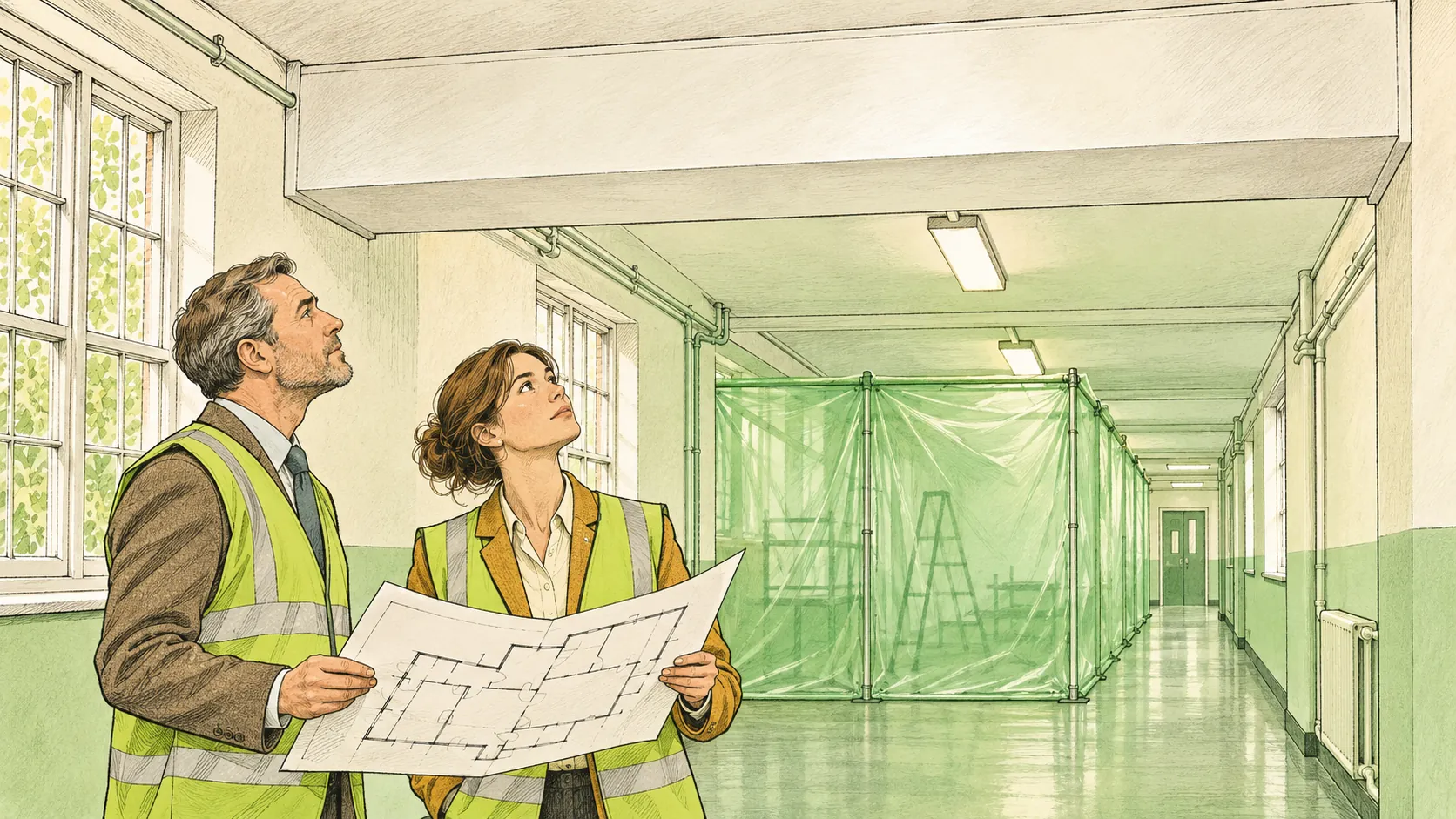
A useful handover tells the next person authorising work exactly what remains, where it is and what they may disturb. Check the following against the original scope before closing the job.
- After encapsulation: record the precise location, extent of treatment, date, observed finish and any inaccessible faces. Keep the ACM on the register. Name the person responsible for checking it and set the next inspection according to its condition and likelihood of damage.
- After removal: reconcile the completed work with the drawing, retain the applicable clearance and handover evidence, and identify any residual or uninspected areas. Amend only the entries covered by the evidence.
- Before releasing maintenance work: make the revised register and restrictions available to staff and contractors. Check that a person planning access to that location can find the current information.
- When conditions change: reopen the decision after damage, a change of building use or a new work proposal affecting the material. Give any interim access restriction an owner while the new assessment is pending.
Put the decision, its reason and the next action in the asbestos management plan. A record that simply says “sealed” leaves the next maintenance supervisor guessing. A record that identifies the retained material, shows its boundary and names the person who controls access can be used before the next job starts.