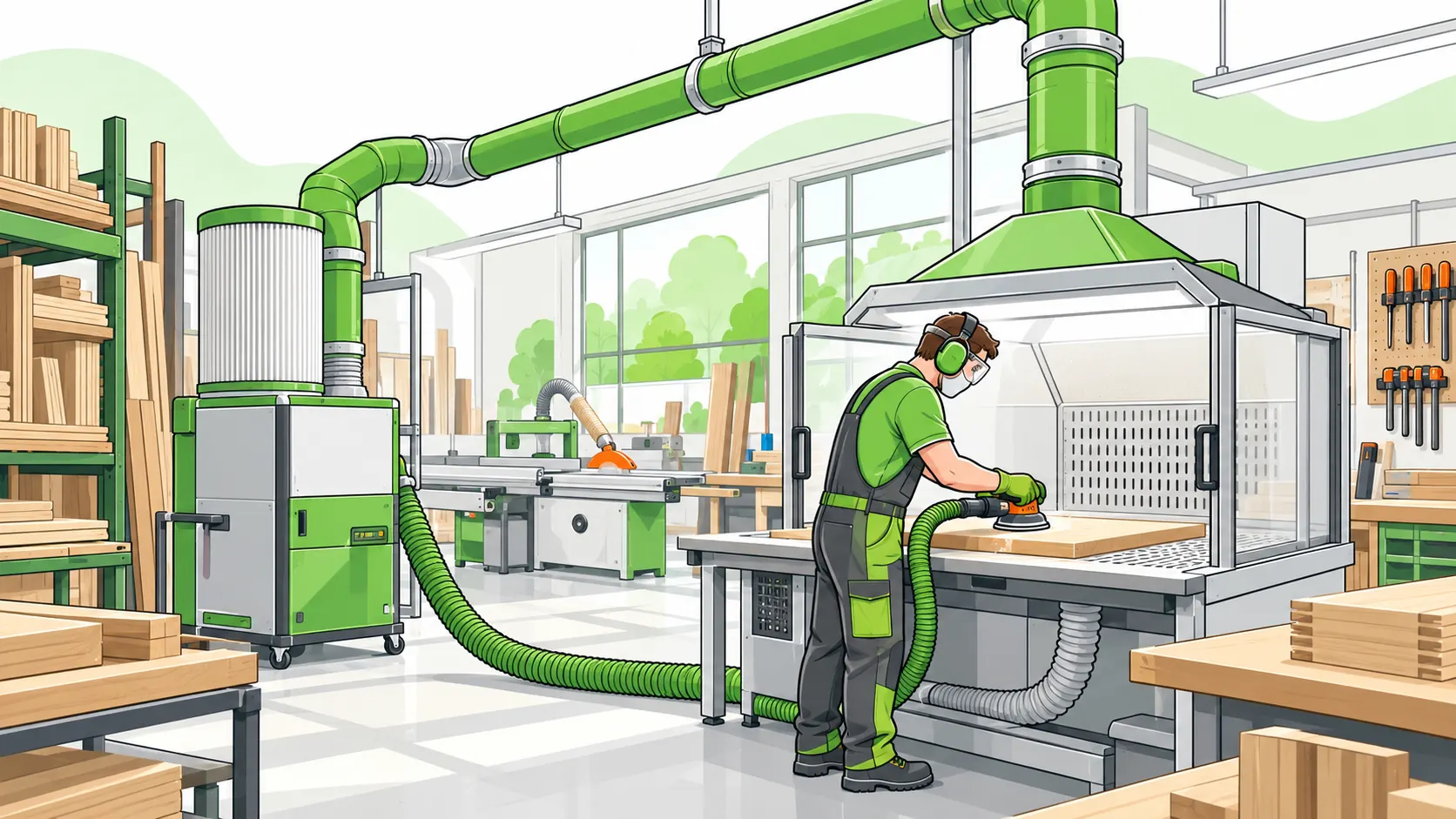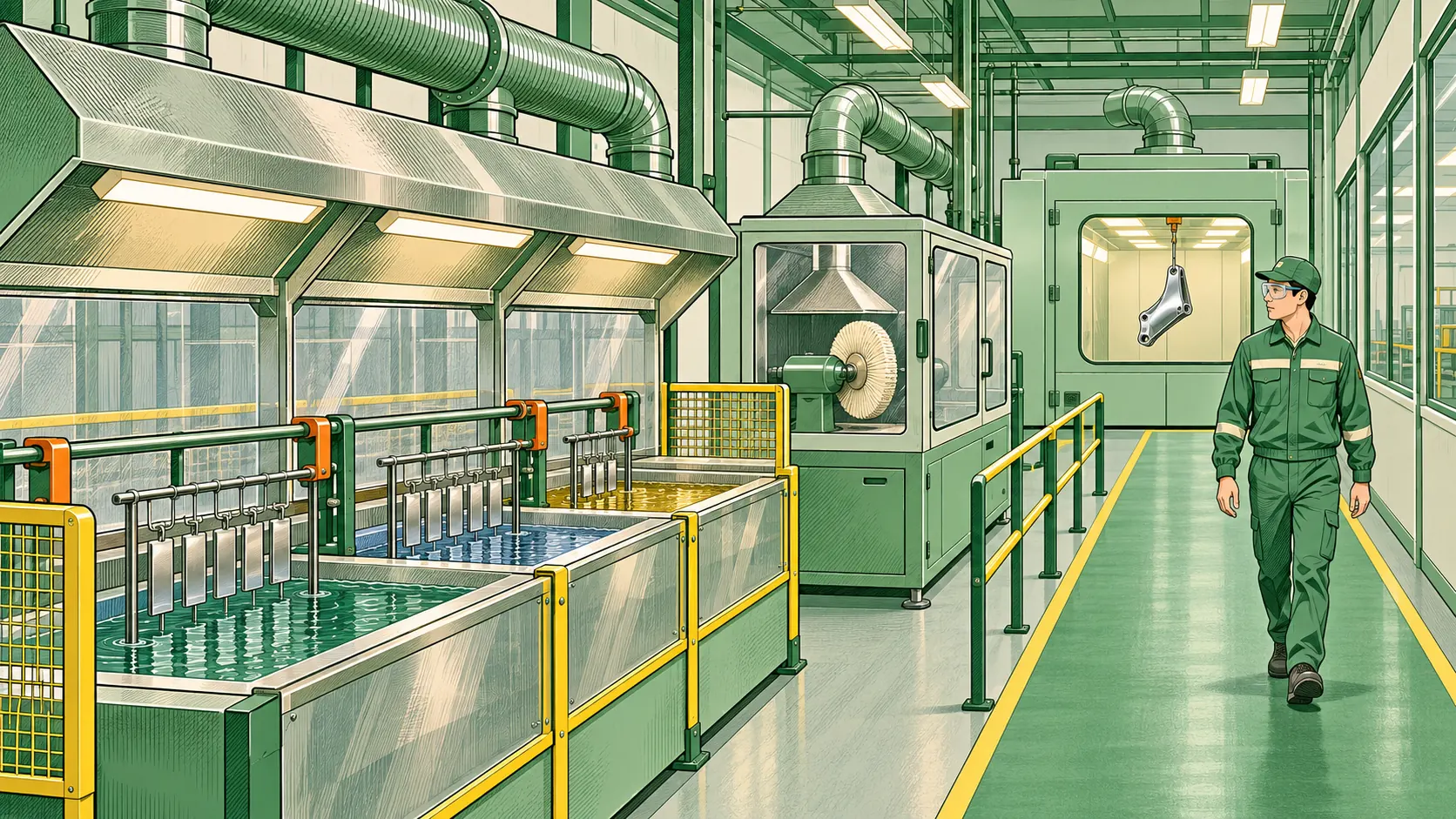
Identify metal finishing hazards by the operation that creates them. A plating tank can release mist and splash liquid onto skin. A polishing wheel can catch a part and throw dust. A spray gun turns coating into airborne droplets, and some products also release solvent vapour. The controls belong where each exposure begins. A fan running somewhere in the shop tells you little about protection at any of these stations.
Start with the workpiece, finish specification and products actually in use. Walk the path from loading a part to removing it, including the places where someone inspects, cleans or reworks it. The person handling the finished part, the maintenance worker opening a hood and the worker at the next bench can encounter exposures that the operator’s job description misses.
Compare the hazards at the three finishing stations
Use the comparison to decide what to inspect first. Then check the product safety data sheets, machine instructions and site exposure assessment for that particular process. A different alloy, polishing compound or coating can change the controls that a familiar-looking job needs.
| Operation | Main hazards | First control to verify |
|---|---|---|
| Electroplating | Airborne bath mist, splash and contaminated racks or surfaces. | Containment or extraction at the tank and a controlled route for lifting, draining and transferring parts. |
| Mechanical polishing | Rotating parts, ejected workpieces and airborne dust from the metal, wheel or compound. | Safeguards suited to the wheel and job, with dust captured where the work contacts the wheel. |
| Spray coating | Overspray, vapour and product-specific hazards. Some materials also present a fire risk. | A spray enclosure and exhaust appropriate to the product, with controlled entry, ignition control where applicable and suitable respiratory protection. |
Plating creates exposure at the bath and along the transfer route
Check the bath chemistry before choosing controls. Where a process uses hexavalent chromium, mist from the bath may carry that substance into the breathing zone. Workers can also be exposed when racks are withdrawn and liquid drips during transfer. Other plating processes have different hazards. Identify the substance and route of exposure for the tank in front of you. OSHA explains sources of hexavalent chromium exposure in electroplating.
Look for effective capture at the tank, covers where the process permits them, and a lifting and draining arrangement that keeps people clear of splashes. Check that operators can load the actual size of rack without leaning over the bath or moving a hood out of position. Verify that suitable gloves, protective clothing, eye protection and emergency washing facilities are available for the product and task.
In a US field study, NIOSH researchers examined plating operations and found that tank ventilation controlled exposures in the installations studied. Covers also helped reduce exposure. The result supports checking the installation at the bath itself. It cannot establish how well another tank captures mist after a rack, hood or production rate changes. Read the NIOSH field assessment of plating and cleaning operations.
Polishing requires both wheel protection and dust capture
Watch where the part is presented, how it is supported and where it could travel if the wheel grabs it. Confirm that the wheel and machine are suitable for the work and that the specified guards and extraction hood are in position. Loose clothing, jewelry and unsecured hair can catch in rotating machinery. If a small or awkward part cannot be held safely by the approved method, stop and have the workholding and process reviewed.
Dust can come from the base metal, an existing surface finish or the polishing material. Have a competent person identify the dust and match collection and housekeeping to it. Some fine metal dusts can burn or explode when dispersed. An ordinary shop vacuum or compressed air can create additional hazards. Use the collection and cleanup method approved for the material. OSHA’s ventilation standard addresses grinding, polishing and buffing operations. Its combustible dust guidance explains why the material also matters to fire prevention.
Spray coating needs controlled air and controlled access
Check the coating and hardener before spraying. The booth must suit the product and workpiece, exhaust must be operating as designed, and others must be kept clear of overspray. Where flammable or combustible materials are used, pay particular attention to ignition sources and residues. US general industry has specific provisions for covered spray finishing operations using flammable or combustible materials.
Some two-pack coatings contain isocyanates, which can cause occupational asthma. For this type of spraying, the UK Health and Safety Executive’s bodyshop guidance specifies a suitable extracted booth or spray room, air-fed breathing apparatus and observance of the booth’s measured clearance time. Mist can remain after spraying ends, even when the air looks clear. Know the rule for safe entry and when breathing protection can be removed. HSE explains exposure controls for two-pack isocyanate paint spraying.
Verify extraction where the work actually happens
Show each operator the indicator or other check specified for the extraction system and its normal operating condition. Look for moved hoods, damaged ducts, a blocked intake, or parts positioned so they shield the source from the hood. Staining around a tank or accumulating dust outside a polishing enclosure deserves investigation. The absence of visible contamination is insufficient evidence that exposure is controlled.
Keep the affected process on hold if required extraction fails or its condition cannot be confirmed. Have the responsible person check performance and authorize restart. Review the system again when a product, workpiece or production method changes. A competent hygienist can determine whether personal exposure monitoring is needed. HSE describes the checks extraction users can make, and HSE Blog explains how local exhaust ventilation captures contaminants near their source.
Frequently Asked Questions
Product changes, shared workshops and protective equipment often raise these follow-up questions.
Can one respirator be used for every metal finishing operation?
A selection made for one hazard is insufficient for another. Metal dust, solvent vapour and spray mist can call for different protection. Use the site’s respiratory protection program and the product-specific assessment. Some spraying tasks require supplied air. Keep source controls in place wherever the process requires them.
Why check other workers if only one person runs the finishing line?
Contaminated racks may enter a clean area, a nearby worker may stand in the path of drifting dust, or someone may enter a spray enclosure too soon. Include these tasks and locations in the exposure assessment and explain any access limits to maintenance and cleaning staff as well as operators.
When should a metal finishing risk assessment be revisited?
Review it when the alloy, old finish, bath, wheel, compound, coating, rack size, production rate or extraction arrangement changes. Also review it after a control fault, repeated contamination outside the work area or a worker’s exposure concern. Verify that the existing safeguards cover the changed job before releasing it.