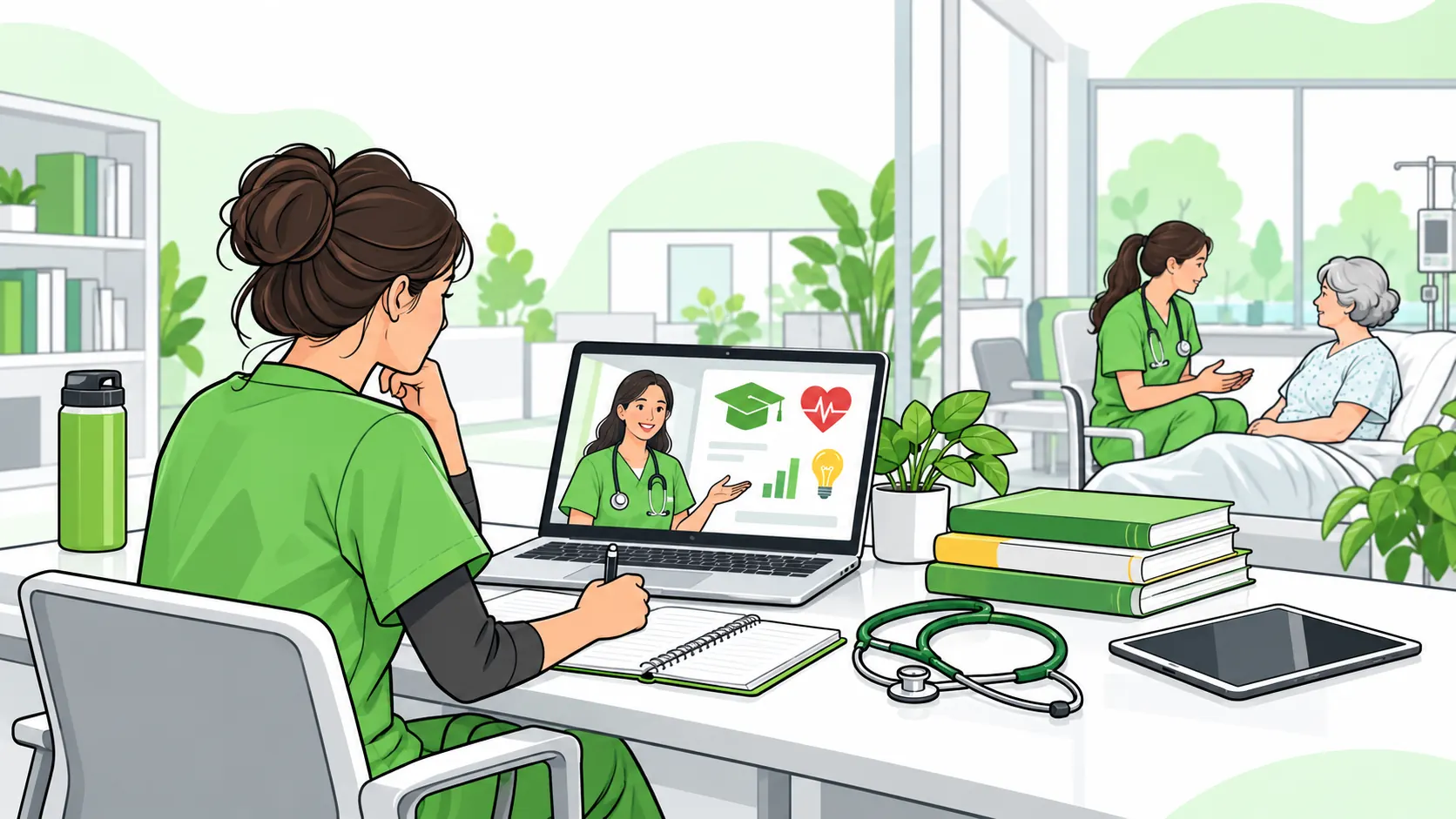
Nursing demands a commitment to lifelong learning because patient needs, healthcare technology, and treatment standards continue to evolve. Many registered nurses pursue additional education while remaining active in clinical practice, allowing them to strengthen existing abilities without stepping away from their careers.
A higher education nursing degree program develops practical skills that improve everyday performance, communication, and decision-making. These strengths benefit patients, healthcare teams, and nurses themselves while supporting continued professional growth in a changing healthcare environment.
1. Stronger Clinical Judgment and Reasoning
Clinical judgment develops through repeated exposure to patient scenarios that rely on thoughtful analysis rather than rote memory. Coursework encourages nurses to examine symptoms, medical histories, and assessment findings from several perspectives. This broader understanding strengthens confidence when making clinical decisions during both routine and complex situations.
Case studies play a major role in helping nurses evaluate real-world healthcare situations. Instead of focusing on isolated symptoms, students learn to recognize patterns that reveal underlying conditions. These exercises improve critical thinking and encourage evidence-based decision-making that supports positive patient outcomes.
Many nurses choose RN to BSN online programs because the lessons can immediately be applied during their everyday experiences in the workplace. A concept discussed during class may be immediately useful during the next hospital shift. Applying new knowledge in real settings reinforces learning and improves long-term retention.
As clinical reasoning becomes stronger, nurses respond more effectively to changing patient conditions. They identify warning signs earlier, prioritize care with greater confidence, and communicate concerns more clearly. These improvements contribute to safer and more effective care while helping patients receive timely interventions when they matter most.
2. Improved Communication With Patients and Teams
Effective communication remains one of the most valuable nursing skills. BSN coursework emphasizes clear conversations that help patients understand their diagnoses, treatment plans, and recovery expectations. Nurses learn to replace complicated medical language with explanations that patients and families can follow easily.
Courses also strengthen collaboration among healthcare professionals. Nurses practice sharing accurate and timely information with physicians, therapists, pharmacists, and support staff. Better communication reduces misunderstandings while helping every team member work toward the same patient goals.
Listening receives equal attention throughout many communication-focused assignments. Nurses can become more empathetic by learning to recognize patient concerns, emotional responses, and cultural differences. These conversations create trust and encourage patients to participate more actively in their own care.
The benefits extend into every shift. Clear communication improves bedside interactions, strengthens teamwork, and supports smoother patient transitions between departments. When everyone understands the care plan, healthcare teams operate more efficiently, and patients often experience greater confidence throughout their treatment journey.
3. Better Use of Health Technology
Modern healthcare relies heavily on digital systems that organize patient information and support clinical decisions. BSN programs introduce nurses to electronic health records, digital charting platforms, and the technology used in many healthcare settings. Greater familiarity helps reduce uncertainty when working with evolving systems.
Assignments often require students to document patient information accurately using simulated digital tools. These exercises reinforce proper documentation habits while demonstrating how organized records improve communication between healthcare professionals. Accurate charting also helps reduce preventable errors and unnecessary delays.
Technology coursework explains how digital systems contribute to patient safety. Nurses learn how alerts, medication verification tools, and electronic documentation support consistent care. Understanding these features helps nurses recognize both the strengths and limitations of healthcare technology.
Repeated practice builds confidence with new tools before they appear in everyday clinical environments. Nurses become more comfortable adapting to software updates and new workplace technologies. This flexibility saves time, supports accurate documentation, and allows greater focus on direct patient care rather than on navigating unfamiliar systems.
4. Sharper Skills in Patient Education
Patient education plays an essential role in successful treatment and recovery. BSN coursework teaches nurses how to explain medical information using clear language that matches each patient's level of understanding. Simple explanations encourage greater confidence and reduce confusion after discharge.
Students also explore effective methods for explaining medication management, healthy lifestyle habits, and self-care routines. Rather than delivering potentially confusing amounts of information at once, nurses learn techniques that improve understanding and help patients remember important instructions after leaving the healthcare facility.
Courses emphasize the importance of cultural awareness and language differences during patient education. Nurses learn to adjust communication styles while respecting individual backgrounds, beliefs, and health literacy levels. Personalized teaching creates stronger connections and improves patient engagement throughout treatment.
Well-informed patients are more likely to follow care instructions, attend follow-up appointments, and recognize warning signs that require medical attention. Strong educational skills therefore contribute to better recovery, fewer complications, and improved long-term health outcomes across a wide range of patient populations.
5. Greater Confidence in Leadership Roles
Leadership begins long before someone receives a formal management title. BSN coursework introduces practical leadership concepts that prepare nurses to guide others, solve problems, and contribute positively during everyday clinical situations. These lessons encourage confidence without losing focus on patient-centered care.
Students learn strategies for mentoring newer nurses and supporting colleagues during challenging shifts. Constructive feedback, respectful communication, and collaborative decision-making become valuable leadership habits that strengthen both individual performance and overall team effectiveness within busy healthcare environments.
Courses also explore conflict resolution and decision-making under pressure. Nurses practice responding calmly when priorities change or unexpected situations develop. This preparation builds confidence while helping nurses maintain professionalism during demanding moments that require clear thinking and steady leadership.
As leadership abilities grow, nurses become more comfortable accepting additional responsibilities. They contribute ideas, coordinate patient care more effectively, and support stronger teamwork across departments. These qualities benefit healthcare organizations while creating opportunities for continued professional development throughout a nursing career.
6. Deeper Focus on Community Health
Healthcare extends far beyond hospitals and clinics. BSN coursework encourages nurses to examine the social, environmental, and economic factors that influence health within communities. This broader perspective helps nurses understand why some patients face greater challenges after leaving medical care.
Students learn to consider each patient's home environment, family support, access to transportation, nutrition, and financial circumstances. These factors often influence recovery just as much as clinical treatment. Recognizing these realities leads to more realistic and personalized care planning.
Community health education also introduces resources that help patients maintain wellness outside healthcare facilities. Nurses become familiar with local support programs, preventive services, rehabilitation options, and public health initiatives. Connecting patients with these resources strengthens continuity of care after discharge.
A wider understanding of community health encourages nurses to think beyond immediate treatment. They support prevention, education, and long-term wellness while helping patients build healthier lives. This expanded perspective strengthens nursing practice and contributes to healthier communities over time.
Building Skills That Strengthen Every Shift
An RN to BSN education develops practical abilities that nurses use every day, from stronger clinical judgment to better communication, leadership, and patient education. These skills grow steadily through coursework that connects directly with real clinical experiences.
As nurses apply new knowledge in practice, they become more confident, adaptable, and prepared for changing healthcare demands. The result is higher-quality patient care, stronger teamwork, and continued professional growth throughout every stage of a nursing career.