Pipeline Safety Integrity Management: Hazards Guide
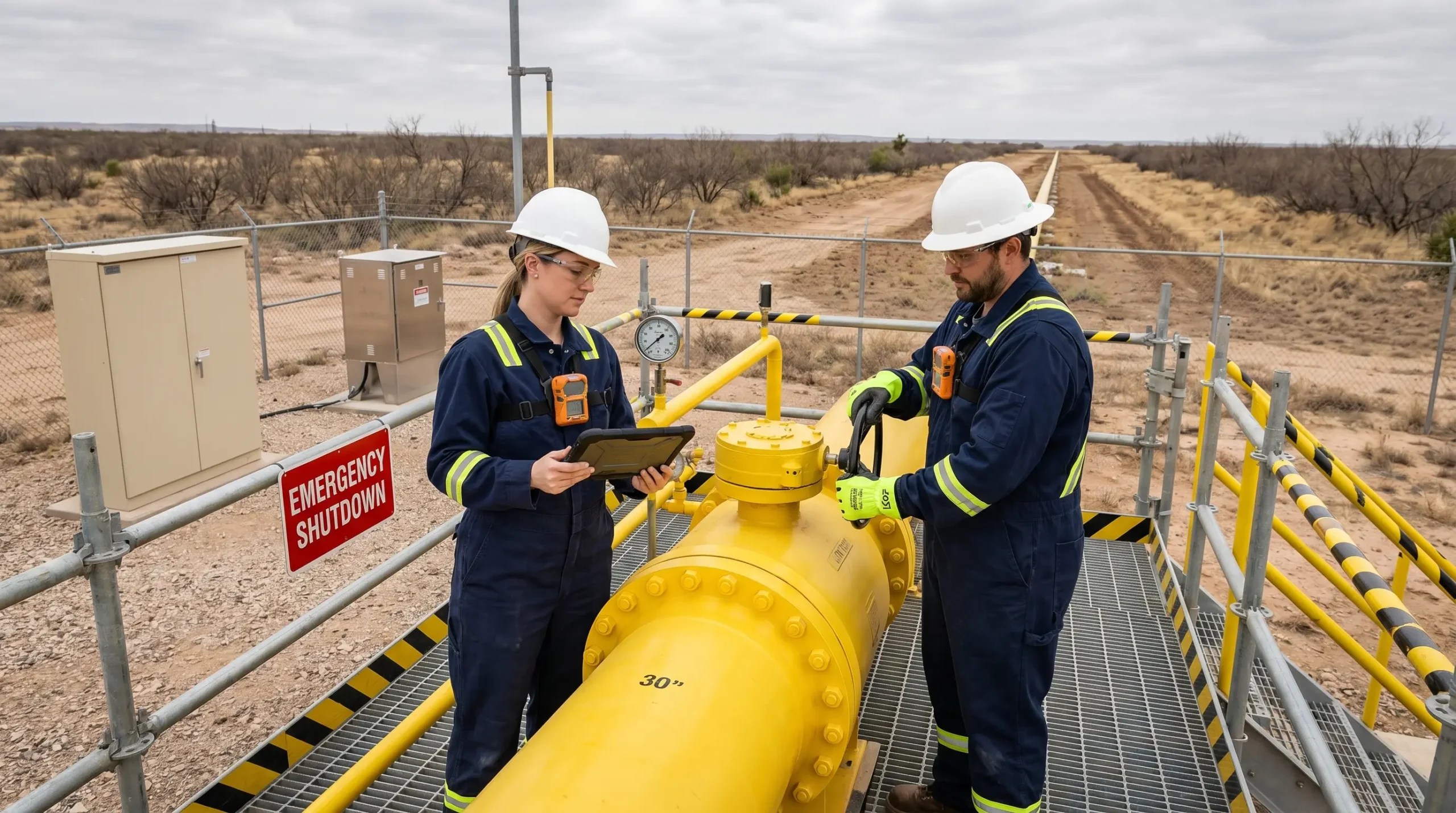
Two workers in safety gear inspect a large yellow natural gas pipeline at a remote compressor station, with one holding a tablet while reviewing operational data.

On the evening of September 9, 2010, a 30-inch natural gas transmission line running beneath a residential street in San Bruno, California ruptured during a pressure-control operation. Eight people were killed, more than sixty injured, thirty-eight homes destroyed, and roughly seventy others damaged. Eleven months earlier, a six-foot seam failure on a 30-inch crude line … Read more
Refinery Safety: Common Hazards & Safety Procedures Guide

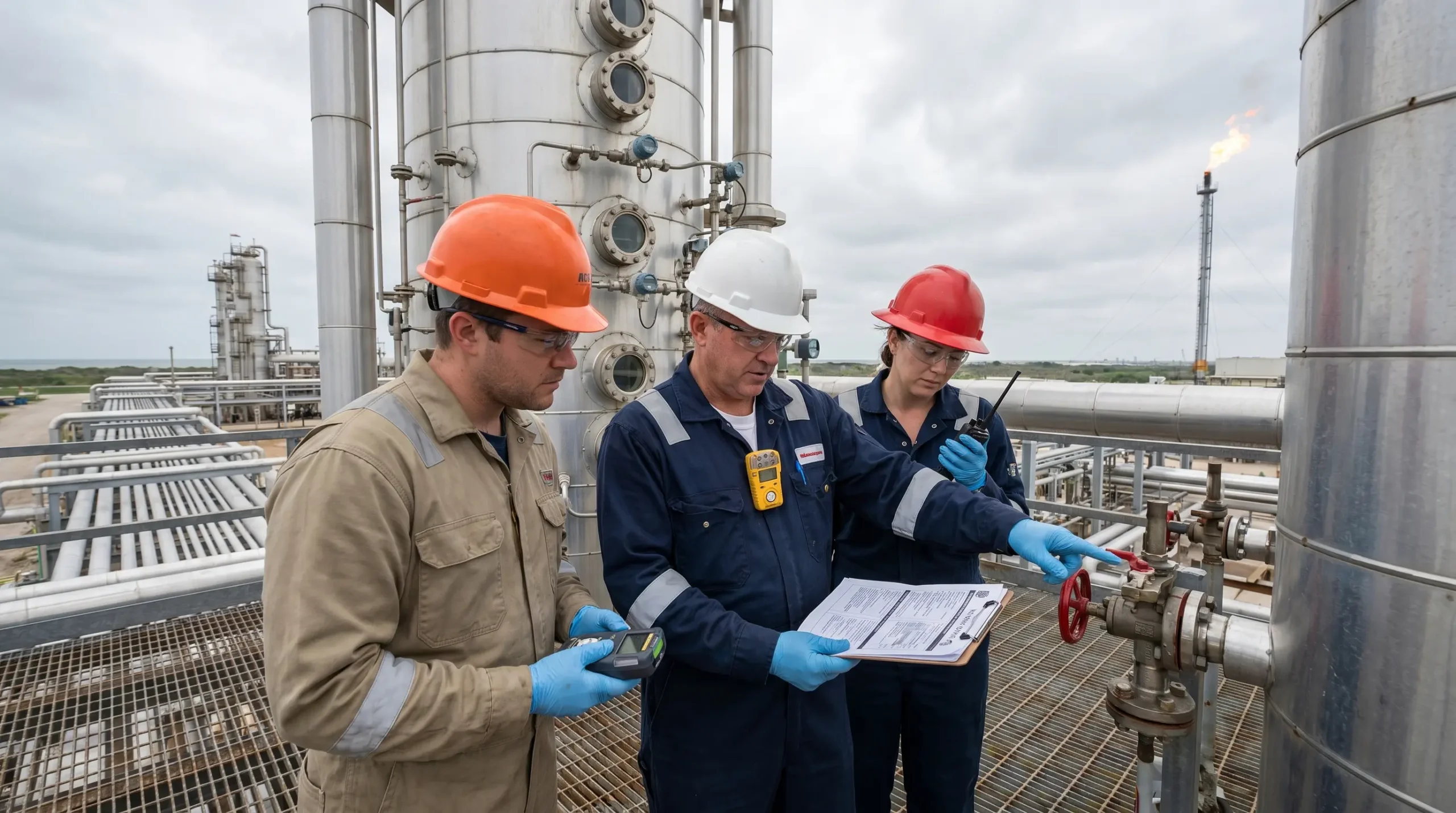
Three industrial workers in safety helmets and gloves inspect equipment on an oil and gas refinery platform, reviewing documentation near large storage tanks and piping systems.

Third-floor platform of the crude distillation unit, 2 a.m., the atmospheric column running near 650°F at the bottom and the overhead naphtha stream pulling close to its bubble point. Twelve inches of lagging stands between the flange I’m checking and a hydrocarbon stream that would flash to vapor the instant it hit atmospheric pressure. The … Read more

Thorough Examination of Lifting Equipment: LOLER Guide

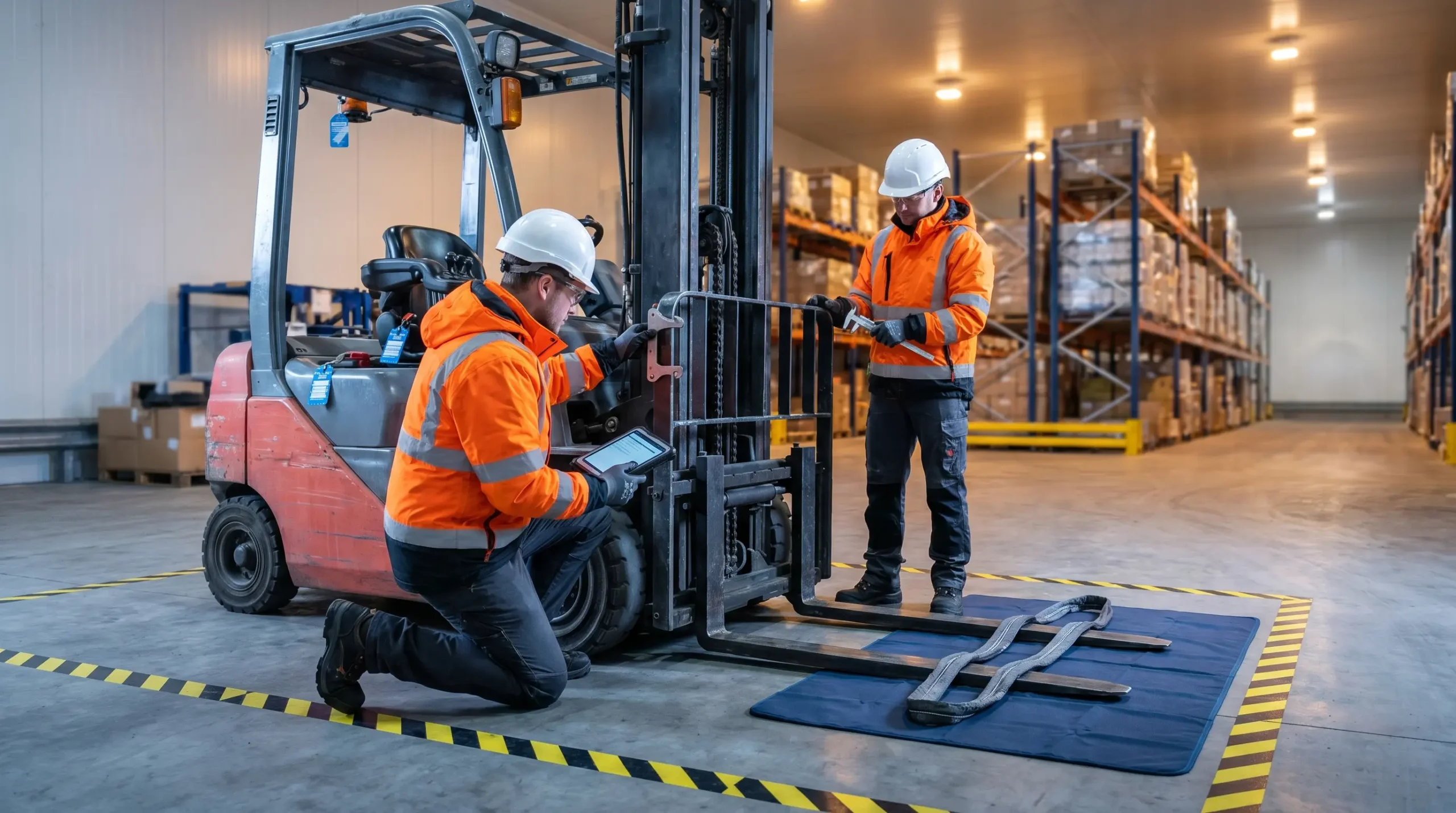
Two warehouse workers in orange safety vests and hard hats inspect a red forklift on a marked loading area, with one operating the equipment and another monitoring with a digital device.

I inherited a mixed lifting fleet when I moved to the distribution and cold-storage campus I now cover — sixteen counterbalance forklifts, four reach trucks, two goods-only platform lifts between the mezzanine and the chilled dispatch floor, and around 140 accessories ranging from polyester round slings to grade 80 chain sets on the yard-side loading … Read more

Difference Between LOLER and PUWER: Full UK Comparison Guide

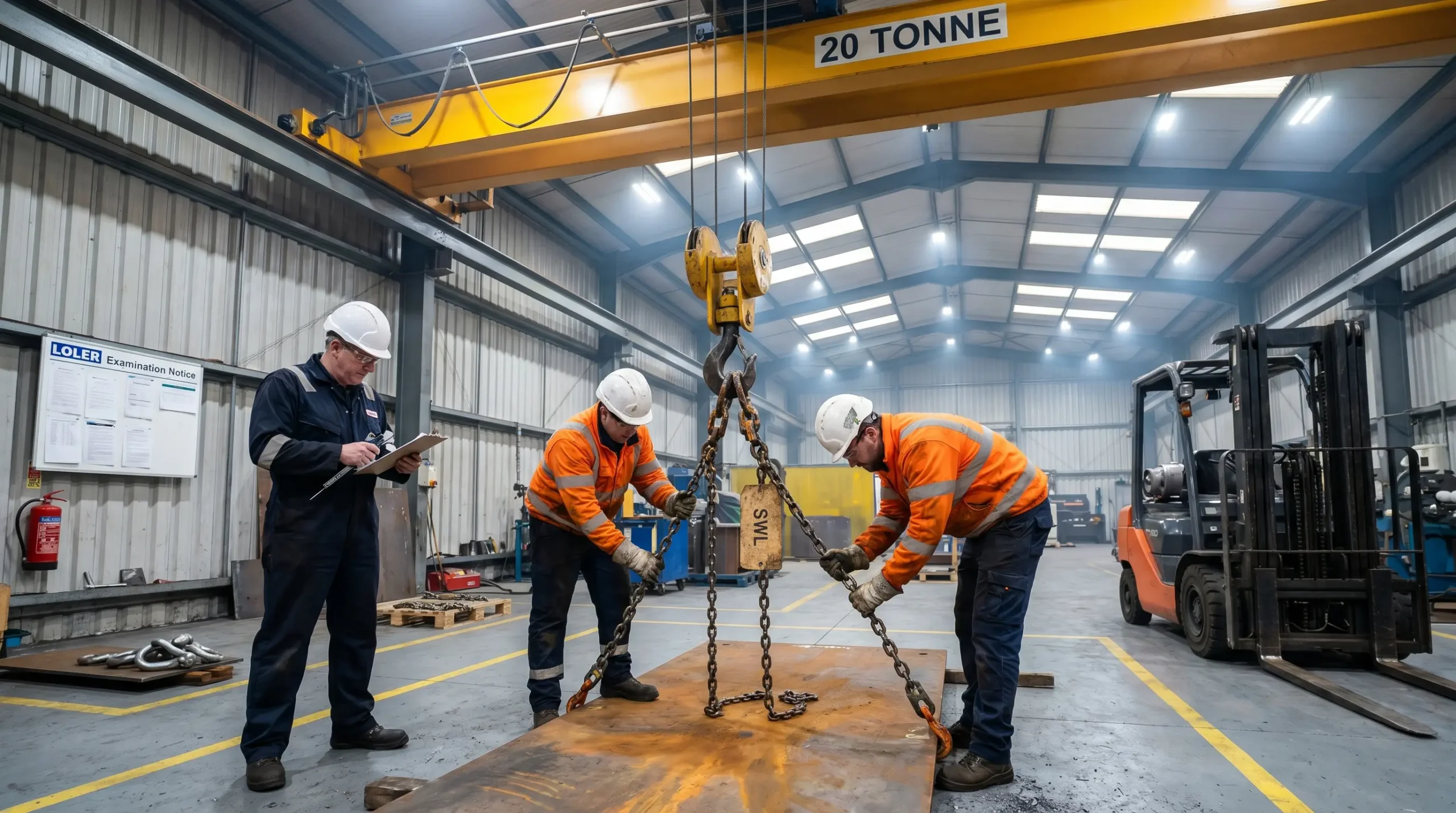
Industrial warehouse workers in safety gear inspect and secure heavy lifting chains attached to a 20-tonne overhead crane system during equipment maintenance.

The first LOLER thorough examination report I ever signed off was on a 20-tonne overhead gantry crane in a steel fabrication shop — running two shifts, six welders below it at any moment, a magnet attachment swinging coil after coil onto cutting beds. The maintenance manager handed me a PUWER inspection certificate from three months … Read more

Lifting Plan: What It Is and How to Write One

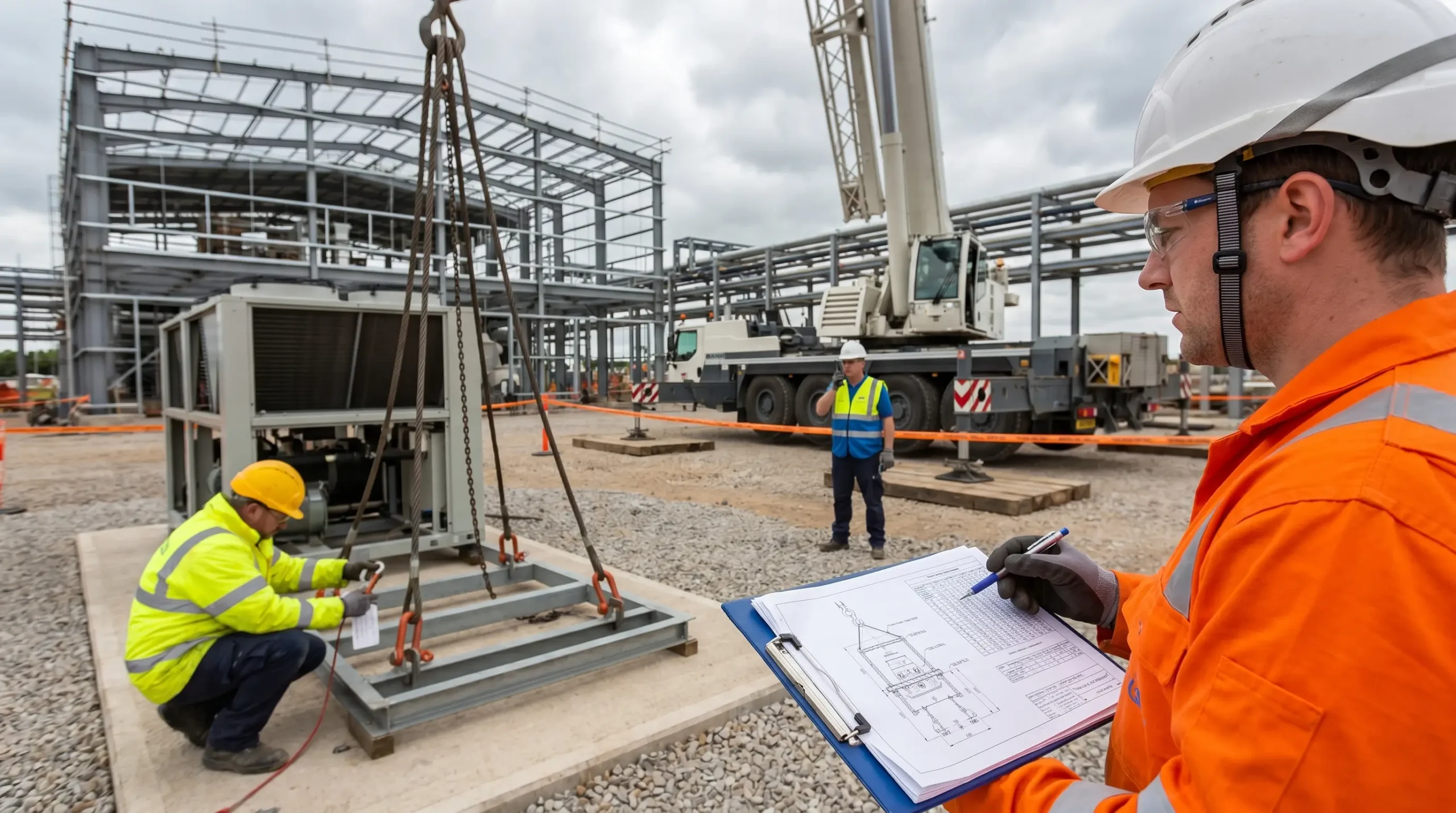
Construction supervisor in orange safety gear reviews blueprints while worker inspects equipment at industrial building site with crane and steel framework.

Regulation 8 of LOLER puts it in twenty-seven words: every lifting operation involving lifting equipment shall be properly planned by a competent person, appropriately supervised, and carried out in a safe manner. On paper that sounds administrative. On a live EPC site at 06:30 with two crawlers booming up, a 38-tonne steam turbine module on … Read more

RIDDOR Reportable Injuries: What Must Be Reported

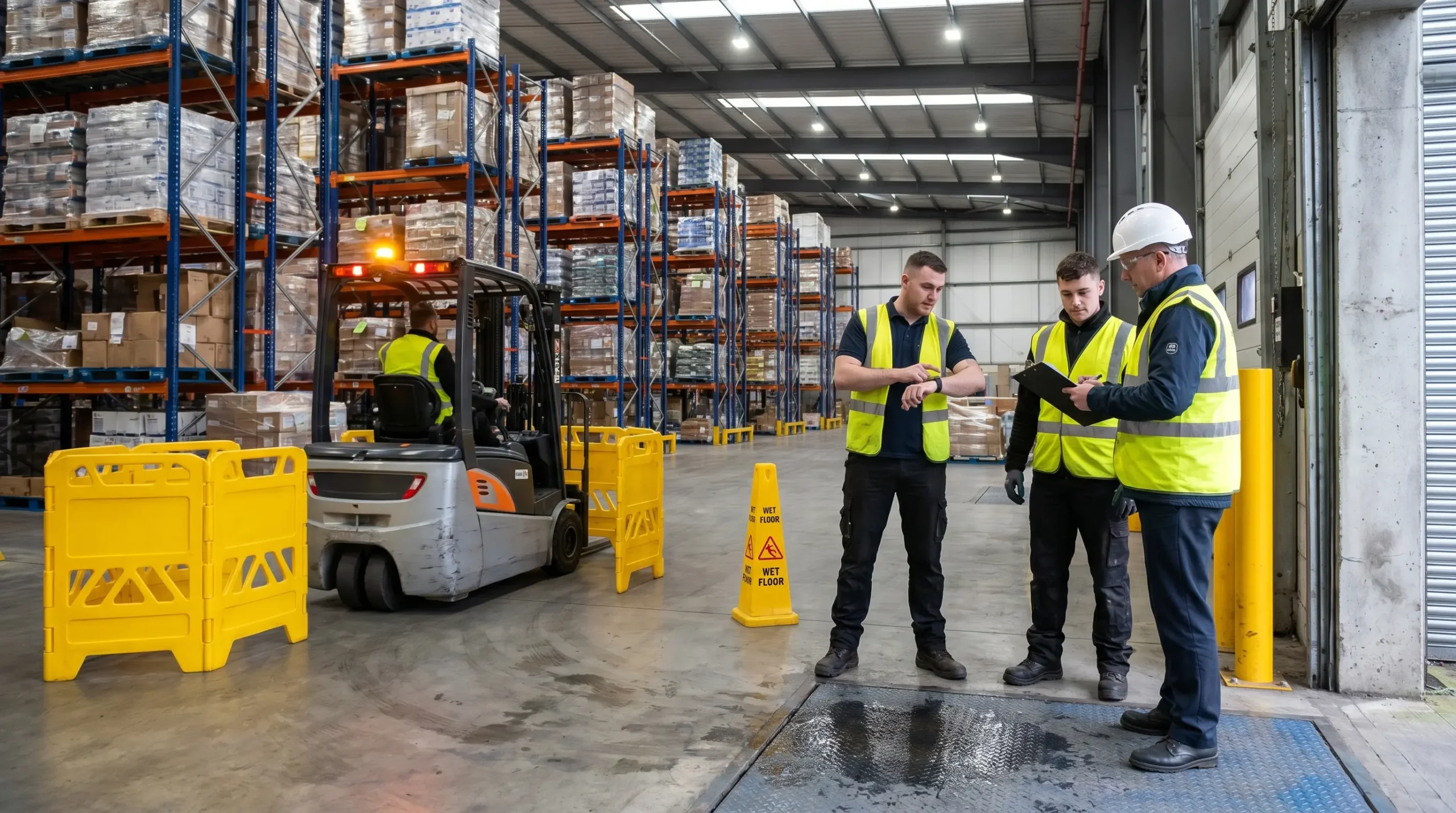
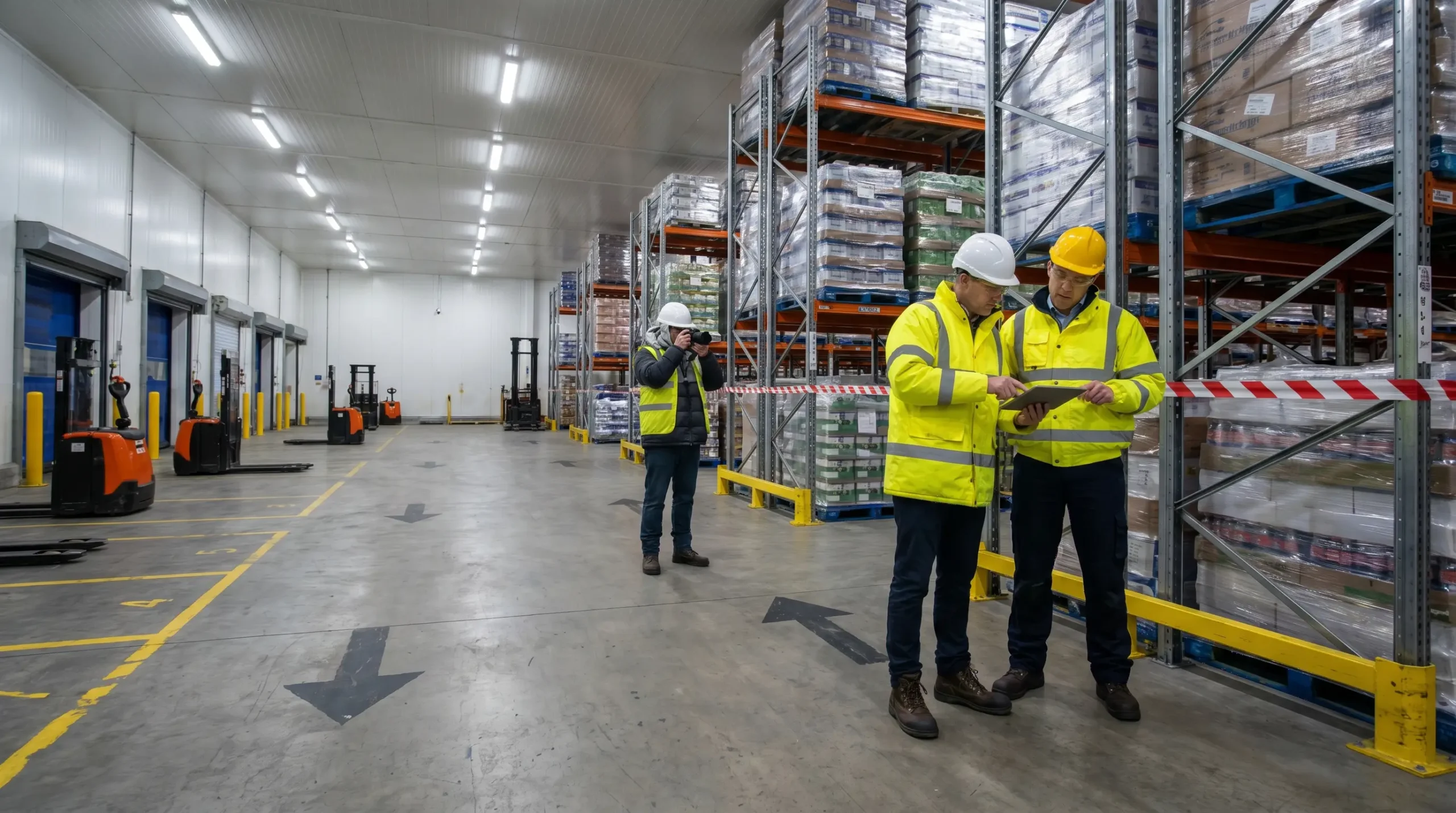
Three warehouse workers in high-visibility vests discuss safety procedures near a forklift and storage racks filled with palletized boxes in an industrial facility.

A fitter on the 2,000-bed warehouse I support slipped on a damp loading bay ramp at 04:40 during the overnight replenishment shift. Left wrist fracture, confirmed at A&E by 07:15. By the time the duty manager handed me the incident log at shift changeover, he’d already emailed HR about “updating the accident book.” What he … Read more

ATEX vs IECEx: Key Differences in Certification Explained

Two industrial workers in safety gear inspect explosion-protected equipment in a warehouse, with one reviewing documentation and the other checking digital records on a tablet.

Two junction boxes sat on the receiving dock last Thursday morning. Both rated for Zone 1 gas environments, both from the same manufacturer, both containing identical internal components. One carried a CE mark with ATEX Category 2G designation. The other displayed an IECEx Certificate of Conformity number with EPL Gb. A procurement engineer on a … Read more

Intrinsically Safe Equipment: What It Is and When to Use It

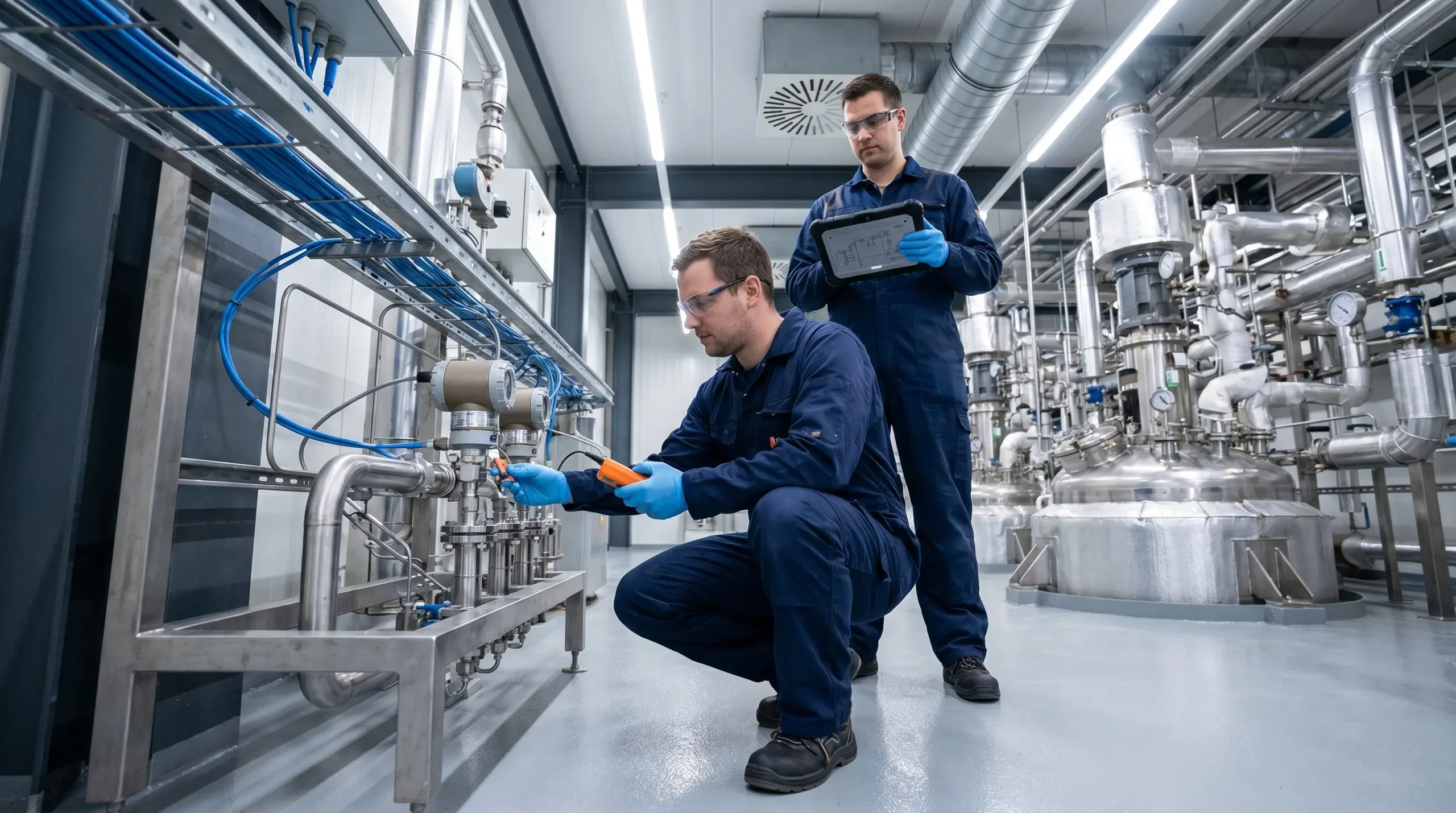
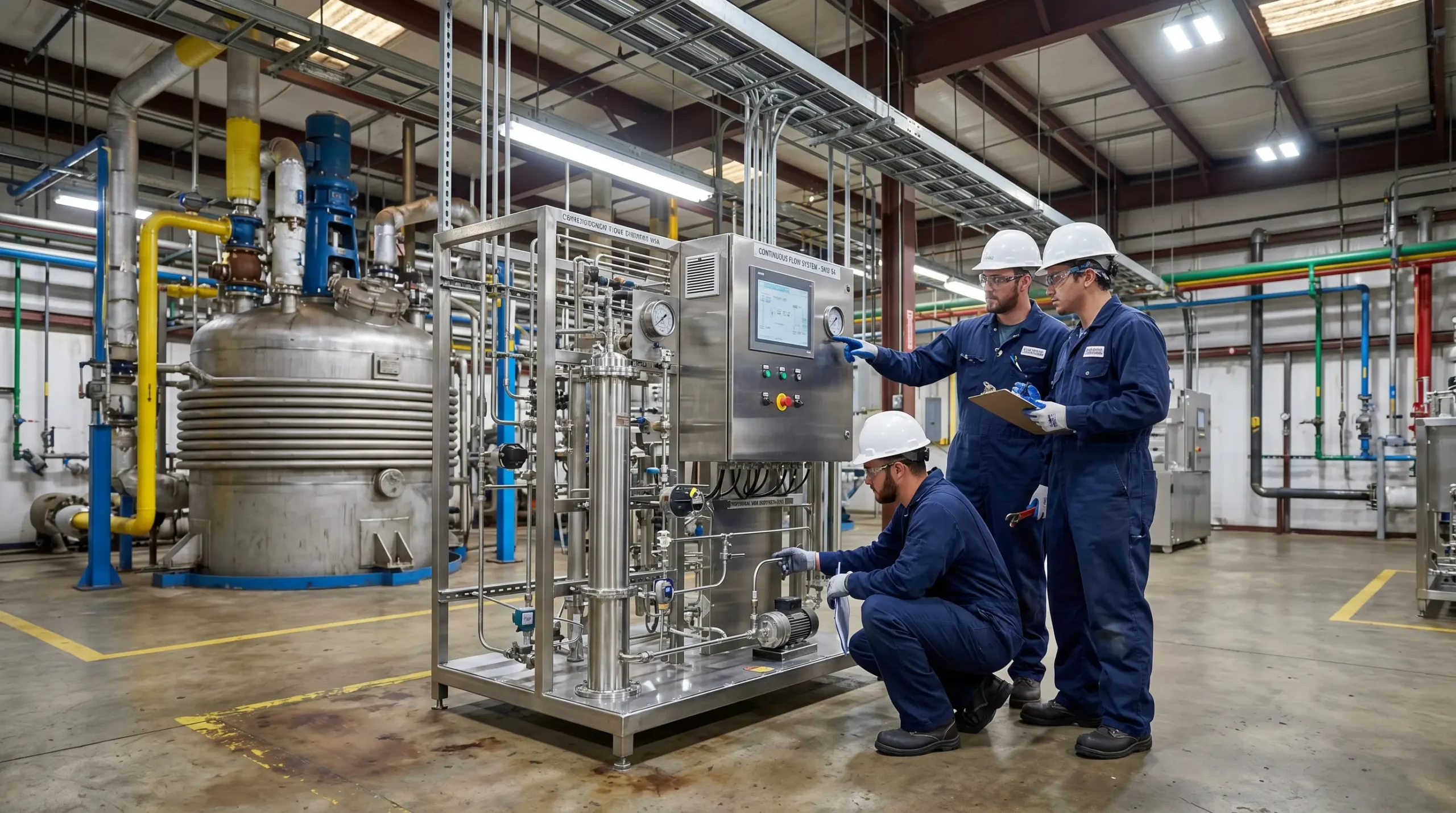
Two technicians in blue uniforms inspect industrial piping and equipment in a modern manufacturing facility, with one crouching to examine a valve while the other records data on a tablet.

The gas detector sitting in my hand draws less current than a small flashlight. Its voltage barely registers on a standard multimeter. That modesty is the whole point. Every component inside this transmitter — every resistor value, every capacitor rating, every length of cable connecting it to the control room — has been calculated, tested, … Read more

What is RIDDOR? Reporting Requirements Explained

Workers in yellow safety vests and hard hats inspect inventory in a modern warehouse facility with tall pallet racks, forklift equipment, and industrial lighting.

TL;DR Section 37 of the Health and Safety at Work etc. Act 1974 is the clause that keeps directors awake the night after a serious incident. It says that where a RIDDOR-reportable event is caused by the consent, connivance, or neglect of a director, manager, secretary, or similar officer, that individual can be prosecuted personally … Read more

Inherently Safer Design: 4 Principles, Examples & PHA Guide

Three industrial workers in hard hats and blue uniforms inspect equipment at a manufacturing facility with large pressure vessels and piping systems in the background.

A 12,000-liter reactor vessel holding a reactive intermediate at elevated temperature and pressure is not dangerous because it lacks safety instrumented systems. It is dangerous because 12,000 liters of a reactive intermediate exist in one place at elevated temperature and pressure. Every alarm, interlock, and emergency relief device bolted onto that reactor exists to manage … Read more