A permit to enter authorizes specified people to enter a defined space for a stated purpose while the required conditions hold. A permit to work authorizes a defined job on identified equipment or in a particular area, with agreed precautions and limits. The two can overlap. An entry permit can cover the work described on it, and an approved work permit can incorporate entry controls. Before starting, check whether the authorization covers both where people will go and what they will do there.
What each permit authorizes
Read the scope and the conditions before relying on the document’s title. Workplaces use different names for permits, certificates and access permissions. A gate pass can establish who may come onto the premises. It gives the crew no evidence that a vessel has been isolated, the atmosphere checked or maintenance approved. Britain’s Health and Safety Executive (HSE) lists vessel entry itself among the activities that can come under a permit-to-work system. HSE guidance on permit-to-work systems.
| What to check | Entry permit | Work permit |
|---|---|---|
| Scope | Which space, which entrants and what purpose are covered? | Which equipment, location, activity and work limits are approved? |
| Evidence before starting | Can the entry supervisor verify the required conditions, precautions, people and rescue arrangements? | Can the issuer and the person leading the work verify the job precautions, including isolations and conflicts with other work? |
| Limits during the job | Entry remains within the stated purpose, time and acceptable conditions. | The crew uses the authorized method within the agreed boundaries and period of validity. |
| What still needs approval | Any extra activity or hazard outside the agreed scope. | Entry into a permit space unless the required entry decision and controls are also in place. |
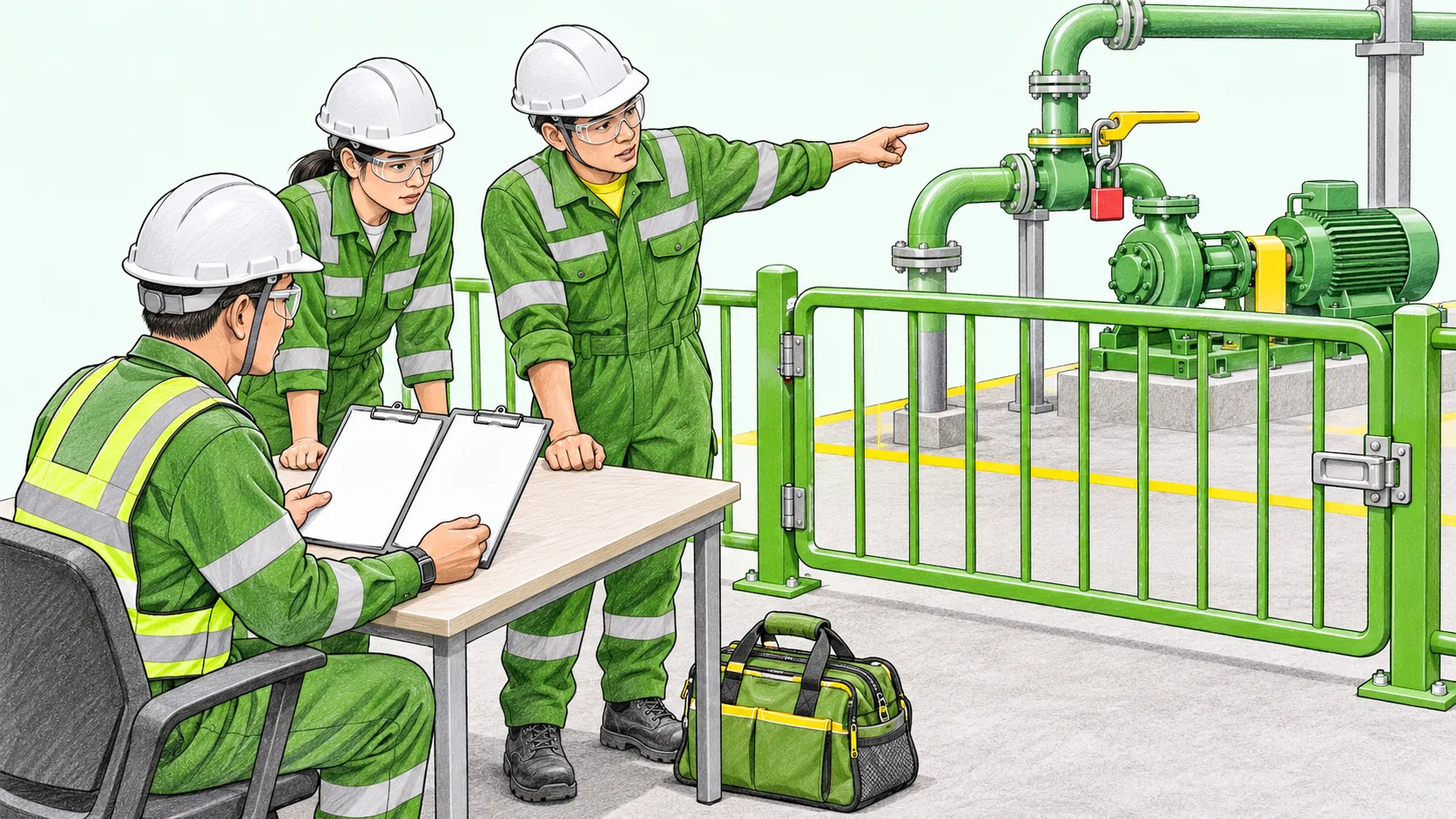
The person accepting the job should be able to point to the approved task and its limits. “Inspection” and “repair” describe different work. Permission for inspection does not authorize cutting out a damaged part. Equally, permission to repair equipment from outside a vessel does not authorize reaching through its opening. Under the US federal general-industry rule, entry into a permit space begins once any part of the body crosses the opening and includes the work that follows inside. Occupational Safety and Health Administration (OSHA), 29 CFR 1910.146(b).
When is a permit to enter needed?
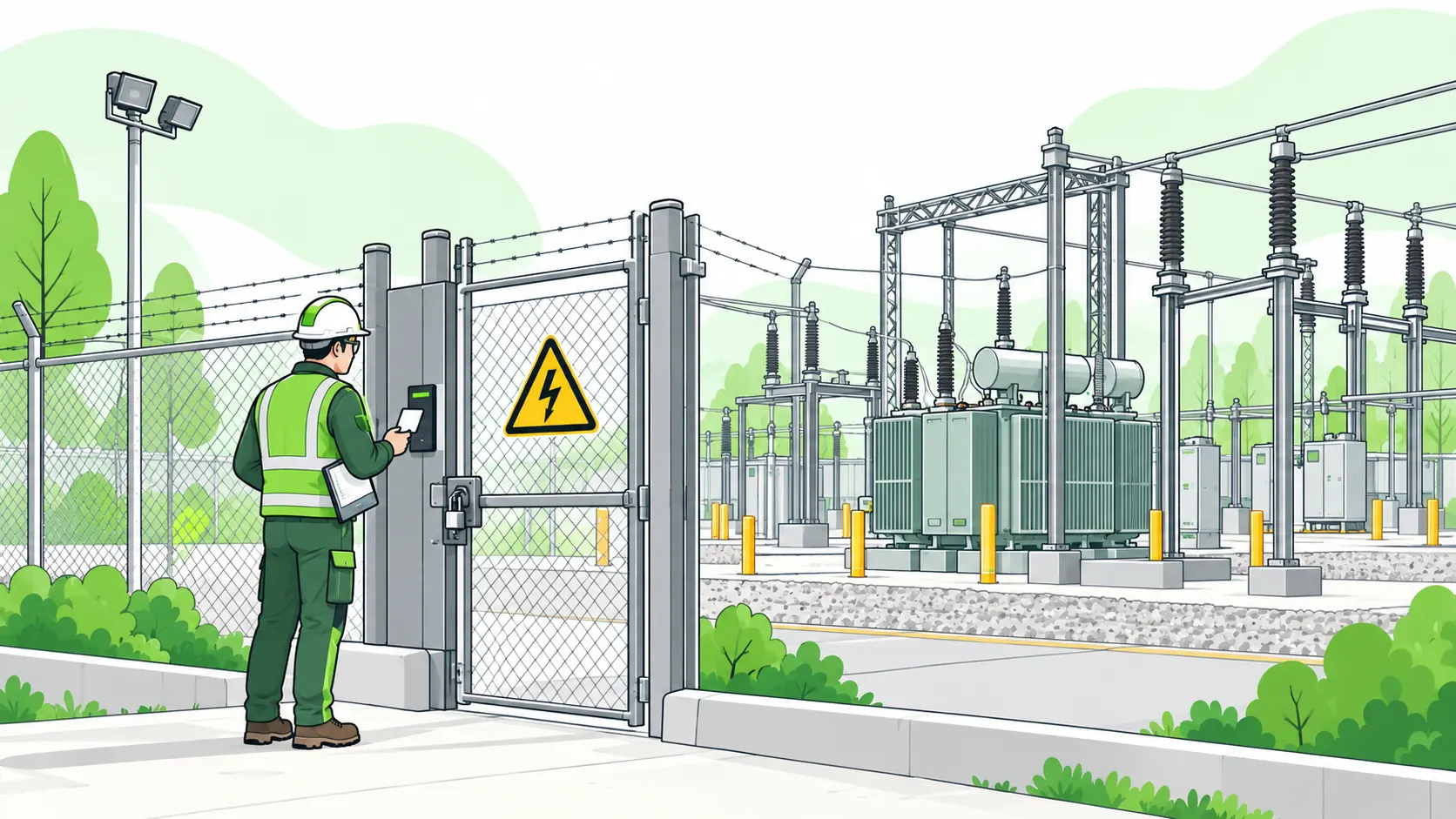
First identify the boundary and who controls it. A site procedure may restrict entry to a designated area. A legal duty to restrict access and a duty to issue a confined-space entry permit have different triggers. OSHA’s general-industry asbestos rule, for instance, limits access to regulated areas to authorized people. Whether a particular space also needs a confined-space entry permit depends on its classification and the proposed entry. OSHA asbestos standard, paragraph (e)(3).
US federal construction and general industry. A confined space must be large enough for a worker to enter bodily and do the assigned work, have limited means of entry or exit, and be designed for something other than continuous occupancy. It becomes a permit space when there is an actual or potential hazardous atmosphere, material that could engulf someone, a shape that could trap or asphyxiate an entrant, or another recognized serious hazard. Determine whether the work itself will introduce a hazard. OSHA construction definitions, 29 CFR 1926.1202.
Where an employer directs permit-space entry, use the applicable permit program unless the employer has established that a specific alternative procedure or reclassification applies. Each has its own conditions and documentation. A satisfactory gas reading alone gives no basis to bypass the permit. Ventilation can control an atmospheric hazard while it runs. It does not establish that the hazard has been eliminated. General industry, 1910.146(c)(5) and (7), and construction, 1926.1203(d), (e) and (g).
Great Britain. The Confined Spaces Regulations use a different test. The enclosed nature of the place must give rise to a reasonably foreseeable risk of a kind specified in the regulations. Do the work from outside if reasonably practicable. Where entry is necessary, the regulations require a safe system of work and suitable rescue arrangements before entry. Confined Spaces Regulations 1997, regulations 1, 4 and 5.
HSE’s approved code says a formal permit is usually needed where serious injury from entry or work inside is reasonably foreseeable. It describes a narrower situation where a permit is unlikely to be needed. The assessed risks must be readily controlled, the work system very simple, and other activities known to have no effect on safe working inside. A competent person should make the decision from the assessment, taking specialist advice where necessary. HSE, Safe work in confined spaces, paragraphs 138–143.
When does the job need a second permit?
Compare the proposed method with the purpose recorded on the entry permit. Identify any approval triggered by the work itself, even if nobody has to enter a confined space. In US general industry, hot work on or near a process covered by OSHA’s process safety management standard requires a hot-work permit. It records the fire precautions, authorized dates and the object on which the work will take place. That is a task-specific requirement with a defined legal scope. OSHA process safety management standard, paragraph (k).
- Entry and the listed task are already covered. Check that the approved entry arrangement includes the actual method and all necessary controls. Where the governing rules and site system allow it, one document can record the decisions. HSE’s process-industry guidance allows confined-space entry details to be included on a hot- or cold-work permit. HSE permit-to-work guidance, appendix 2, paragraphs 1 and 6.
- Entry and a separately controlled activity are both required. Obtain both approvals before doing that activity. The US entry permit must identify any additional permits issued for work in the space, including a hot-work permit where one has been issued. Check that the records identify the correct equipment and people, that their validity periods overlap for the planned activity and that their precautions are compatible. Stop the affected work when either approval expires. General industry, 1910.146(f)(15), and construction, 1926.1206(p).
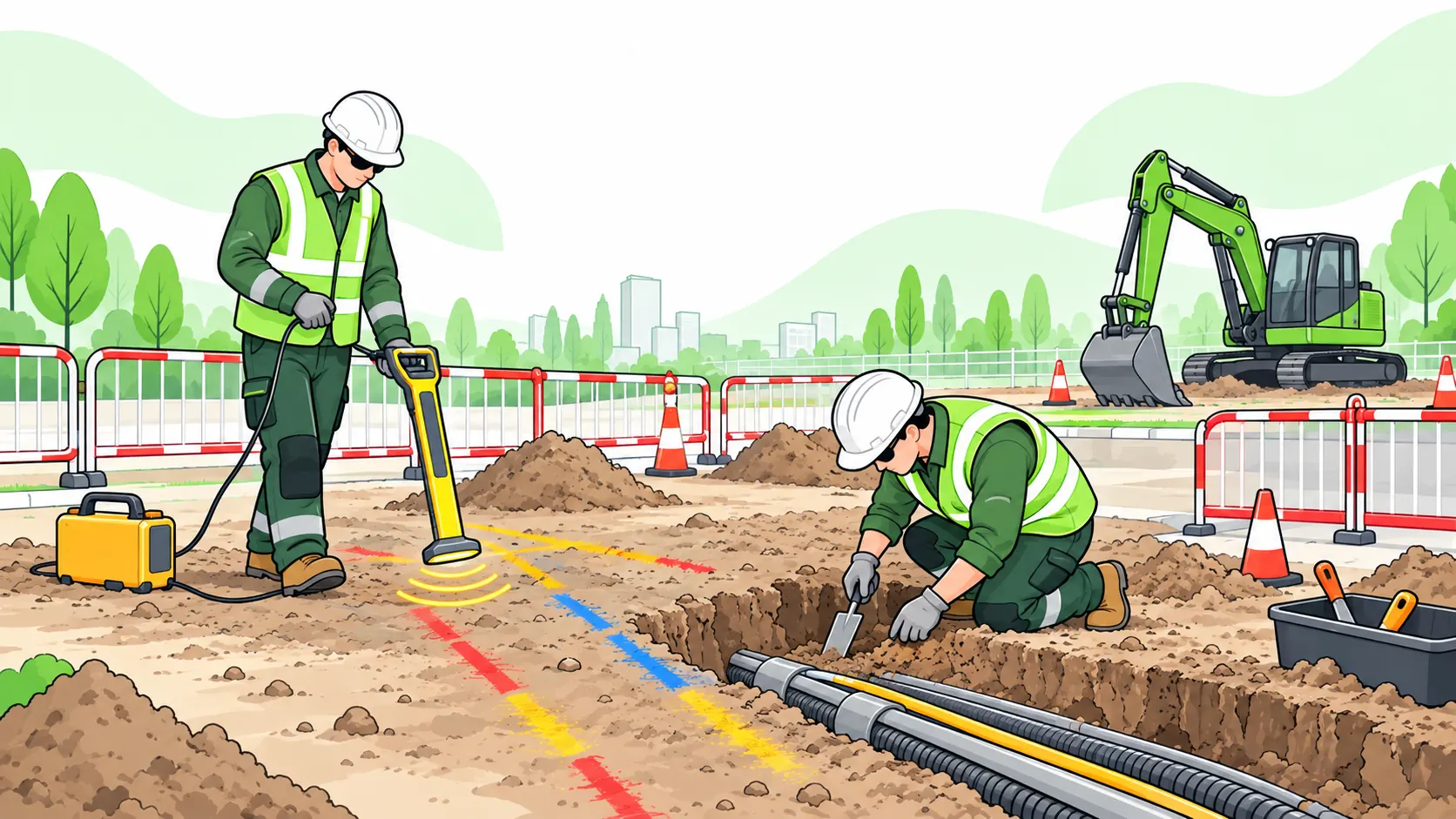
- The job stays outside the space. Apply the permits and precautions for the work actually being done. Check its effect on people inside before authorizing it. Outside work can disturb an isolation or introduce contaminants through a connected line. Under the US construction rule the controlling contractor and entry employers must coordinate when work by others could foreseeably create a hazard in the space. OSHA construction coordination requirements, paragraph (h).
Resolve discrepancies with the people authorized to issue the permits. A reference number makes records easier to find, but someone still has to check the work boundaries and the controls they share. The wider procedure explains how a permit to work system works from request through handback.
What to verify before entry or work starts
Bring the person responsible for entry and the person accepting the job to the same description of the work. The crew should be able to find the current authorization and explain where it applies, what has been made safe and what would make them leave. Use these checks to decide whether to release the job.
- Match the location and scope. At the work point, confirm the space or equipment identifier, intended method, authorized period and linked approvals. If the crew’s instructions call for a different task or a different item of equipment, stop and resolve the difference before release.
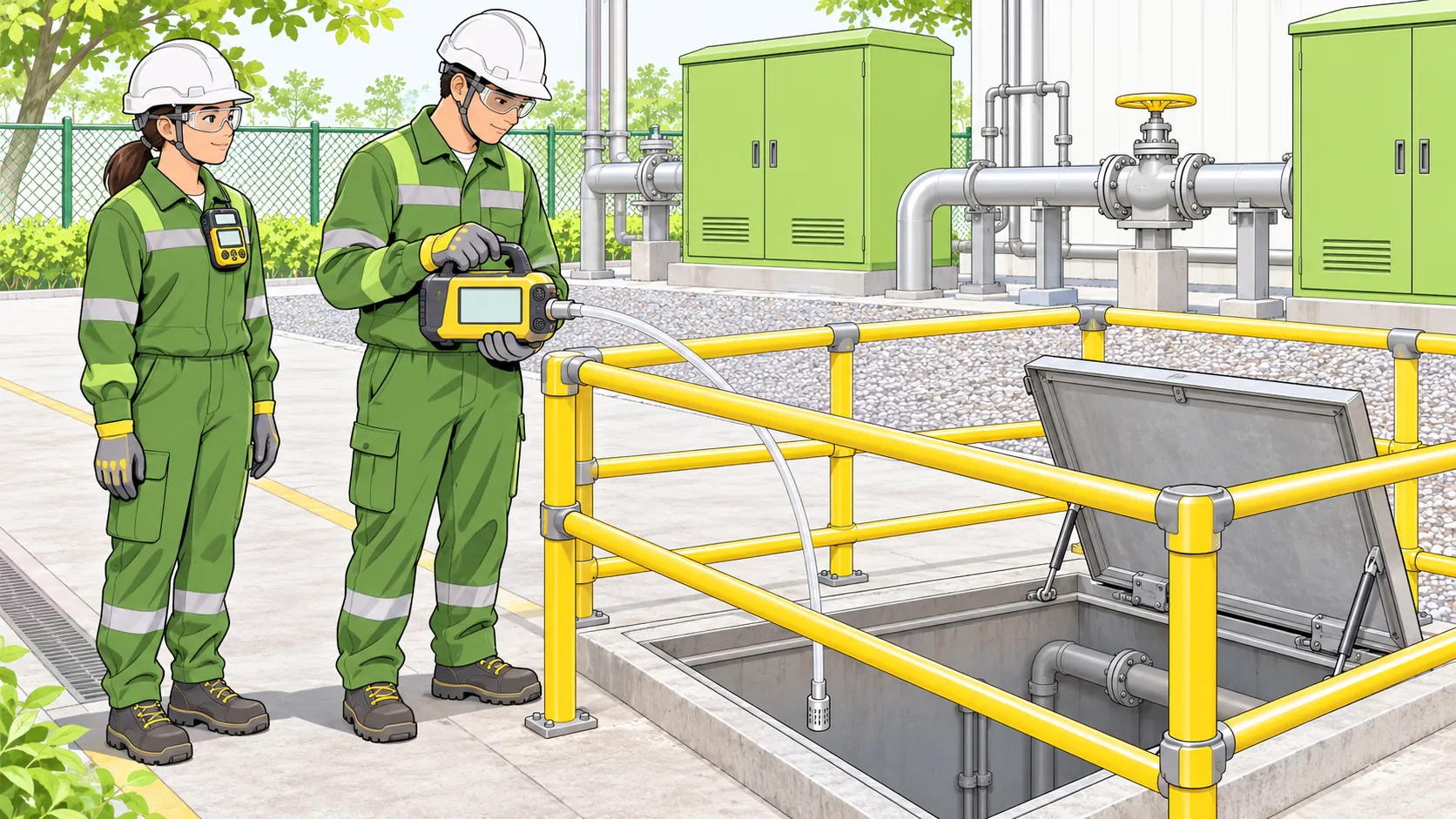
- Verify the controls in place. Check the isolations, required test results, acceptable conditions and precautions against the actual space and work. Confirm that the attendant and entrants can communicate, that the rescue service is available and that it can be summoned. The entry supervisor must verify the required tests, procedures and equipment before signing a US construction entry permit. OSHA duties of entry supervisors.
- Confirm who is authorized. Identify the entrants, attendant, entry supervisor and person in charge of the work. Check the means for tracking who is inside. The signed US permit must be available to entrants or their authorized representatives at entry, either at the opening or by an equally effective means. Its duration cannot exceed the time required for the assigned job. OSHA construction permitting process, paragraphs (a)–(d).
- Agree how to stop and communicate. Tell the crew who can order an evacuation, how to raise the alarm, which other crews must be told and who controls a shared isolation. If conditions, responsibilities or the authorization are unclear, keep people out until the issue is resolved.
When to stop, reassess and hand back
Warning. Leave a permit space promptly on an evacuation order, an alarm, a prohibited condition or signs or symptoms of exposure. Report the problem to the attendant and follow the rescue arrangements if someone needs help. Keep unauthorized people from entering to attempt a rescue. A permit with time left on it gives no authority to continue under unsafe conditions. OSHA entrant duties and attendant duties.
A proposed change of task goes back to the issuer before that task starts. A condition prohibited by an entry permit requires the entry supervisor to terminate entry. For US general industry, the supervisor must cancel the permit when such a condition arises in or near the space, or when the covered entry operation ends. OSHA general-industry cancellation rule, paragraph (e)(5).
US construction permits suspension or cancellation for a temporary prohibited condition only if it leaves the space’s configuration unchanged and creates no new hazard inside it. The space must be fully reassessed before reentry. Other prohibited conditions require cancellation, as does completion of the entry. Where supervisory responsibility transfers, the incoming supervisor must check that the work still matches the permit and acceptable conditions continue. Construction rule, 1926.1205(e), and supervisory transfer, 1926.1210(f).
At handback, account for the entrants, record the work completed or left outstanding, and tell the person controlling the equipment which restrictions remain. Check every active or suspended job that relies on a shared isolation before releasing it. Closing an entry permit records the end of that entry. Bringing equipment back into service takes its own checks and the authority of the person responsible. A permit to work system assessment checklist can help supervisors check how their site manages linked permits, handovers and shared isolations. HSE guidance on suspension, interacting permits and handback, paragraphs 19–24.