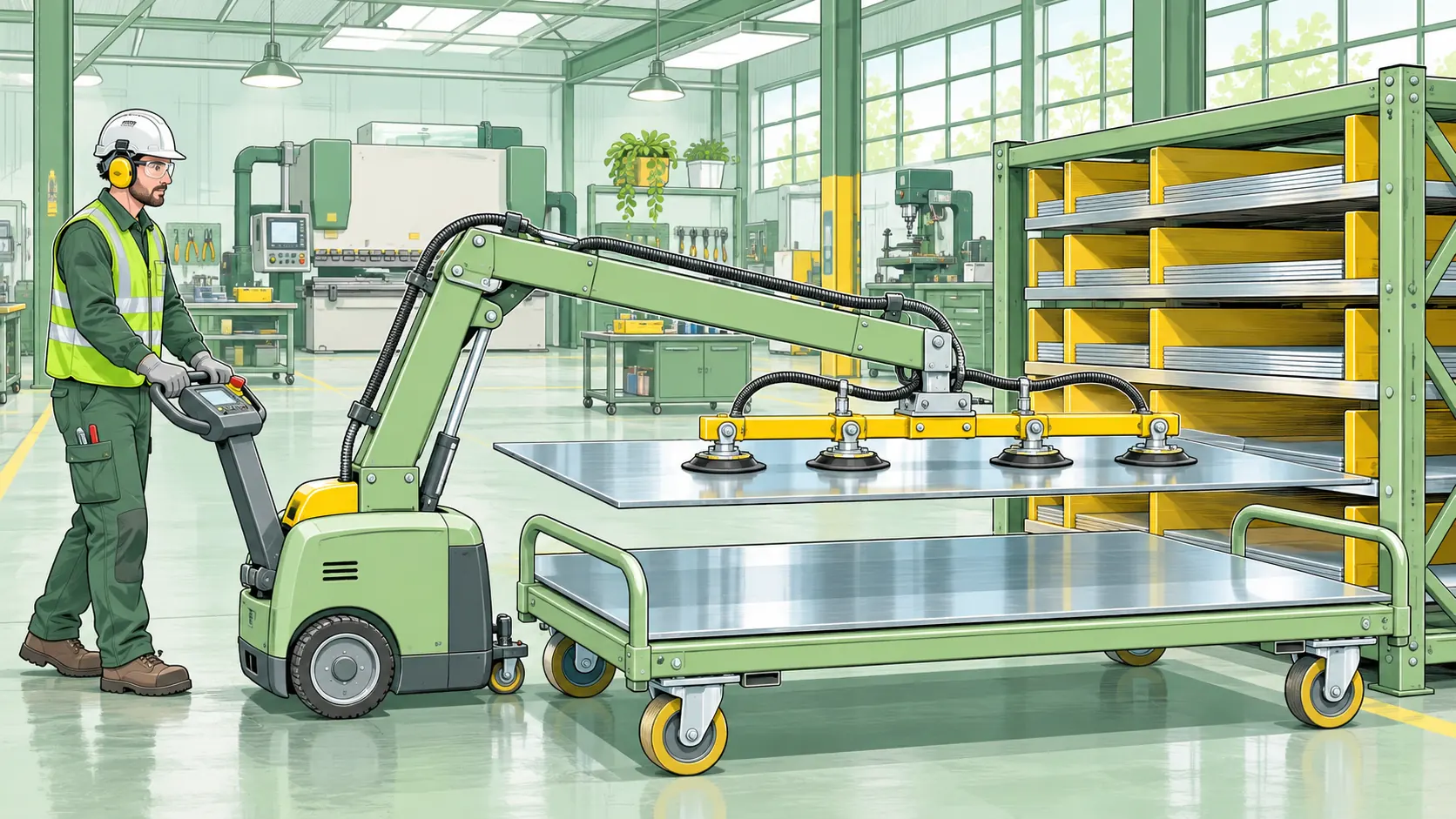
Plan a sheet-metal move from its resting place to its next support. Identify the sheet or pack, choose equipment that can support it throughout the move, clear the route and prepare a stable place to set it down. Keep hands away from sharp edges and pinch points, and keep people out of any space the sheet could fall or swing into.
Weight alone tells you little about whether a move is safe. A thin sheet can bow, cut a glove or block the carrier’s view. A thicker plate can crush someone when it shifts only a short distance. Check what happens as the first edge comes free of the stack and again when the last support is removed at the destination.
Size up the sheet, the route and the landing point
Start at the destination. Check that the rack, stand or worktable has room for the whole sheet and can support the load in the position where it will be placed. Arrange any supports before the load arrives. Then walk the route back to the stack and look for tight turns, door closers, uneven floors and crossings used by pedestrians or lift trucks.
Use stock identification or reliable supplier information to establish the material, dimensions and weight. Check whether the job involves one blank or a strapped pack. Look for burrs, oil, protective film, bowed sheets or an unstable stack. Record anything that changes the grip, support or lifting attachment needed. Leave an unknown load in place until someone can identify it and confirm the method.
Choose equipment for the shape as well as the weight
Large sheets are awkward even when one person could lift their weight. A trolley removes the need to carry a sheet across the shop, but someone must still get it onto and off the trolley. Plan each transfer. The UK Health and Safety Executive identifies reach, posture, load shape and grip among the factors in a manual handling assessment.
- For travel at floor level, use a purpose-built sheet trolley or other aid rated for the load and intended orientation. Check its supports, restraints and wheels. Make sure the sheet stays within the equipment’s permitted overhang and that the operator can see and steer along the route.
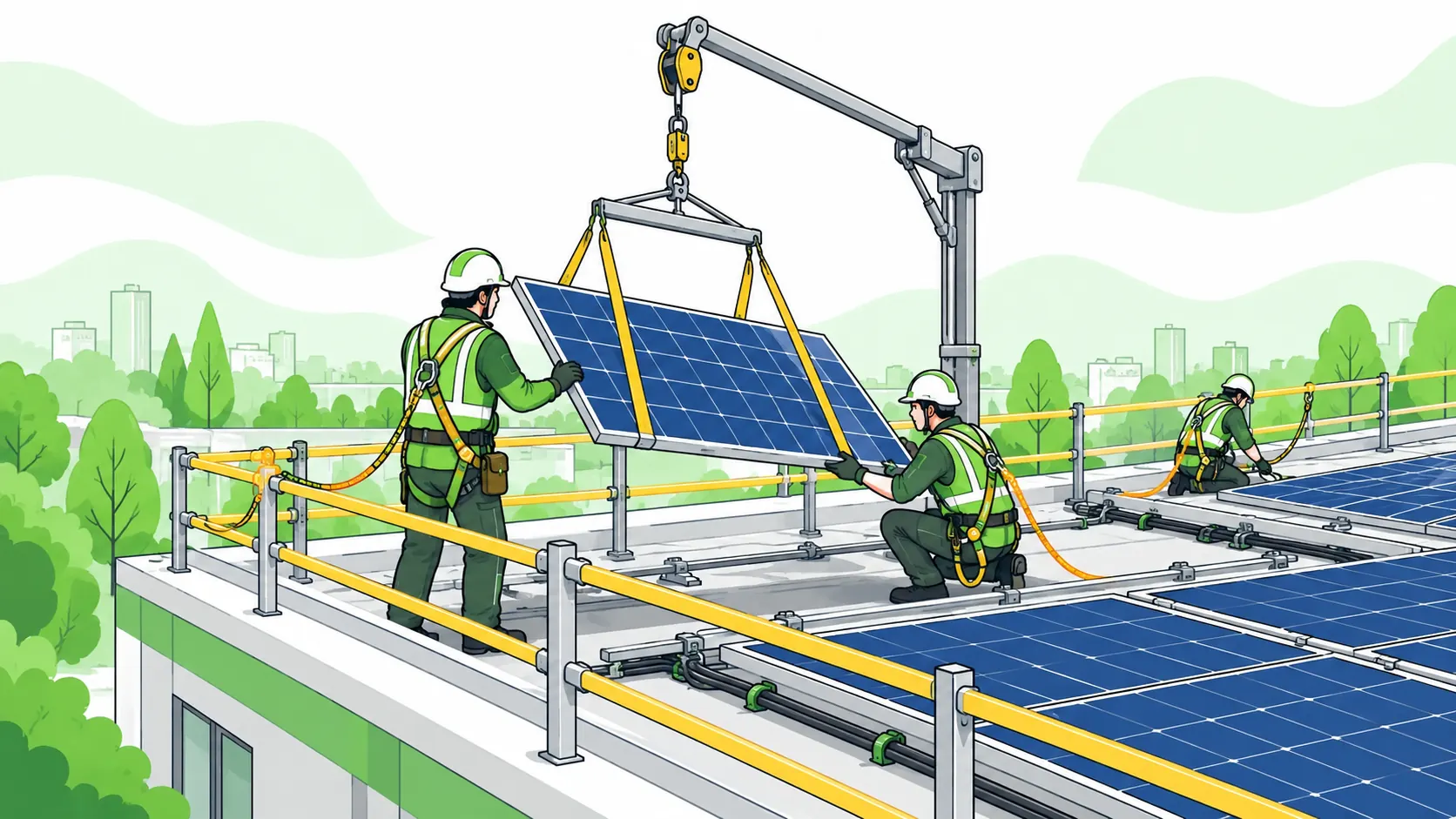
- For transfer to a machine or high rack, have a competent person select a rated lifting device and attachment for the material, dimensions, thickness, surface and lift direction. A device approved for a horizontal lift may be unsuitable for turning the sheet upright. Follow the equipment instructions for the planned move.
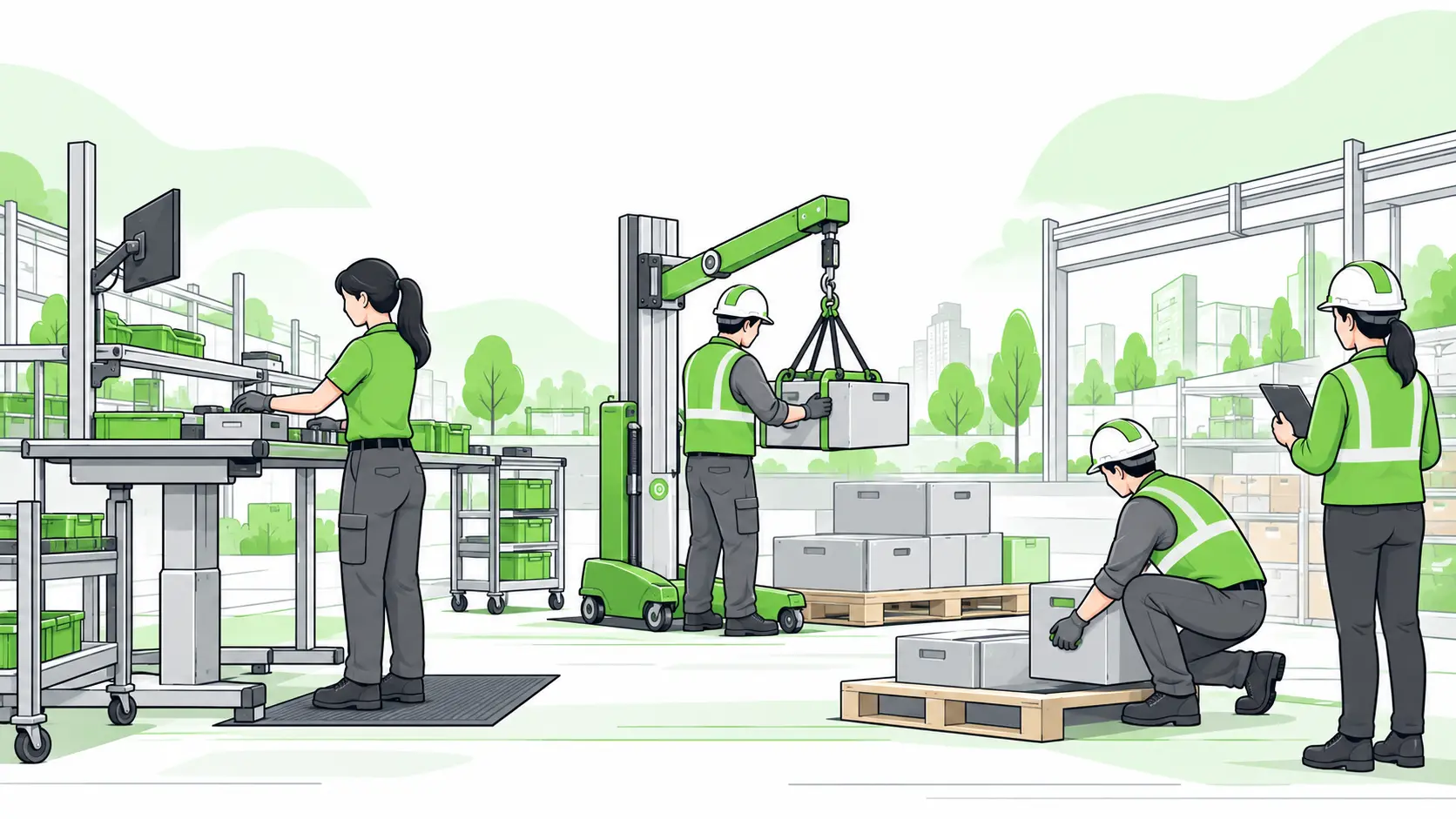
- For a smaller blank, consider a manual transfer only after assessing the reach, edges, grip, frequency and landing position. A second person needs space and a clear view too. Agree who gives the movement and stop signals, and choose a mechanical aid if either person would have to twist, reach underneath or walk without seeing the route.
Oil, surface coatings and distortion matter when choosing a vacuum lifter. Confirm that the equipment manufacturer permits use on that surface and with that sheet geometry. Have trained operators complete the specified pre-use checks. UK HSE explains these considerations in its guidance on vacuum lifting equipment.
Control the edges before anyone has to grip them
Ask the supplier or fabrication team whether the edge can be finished or protected before the next handling stage. Use suitable edge guards for transfer where they can stay secure. Provide bins or trays for small blanks and offcuts so workers can move them without gathering loose, sharp pieces in their hands. Give damaged stock its own identified place.
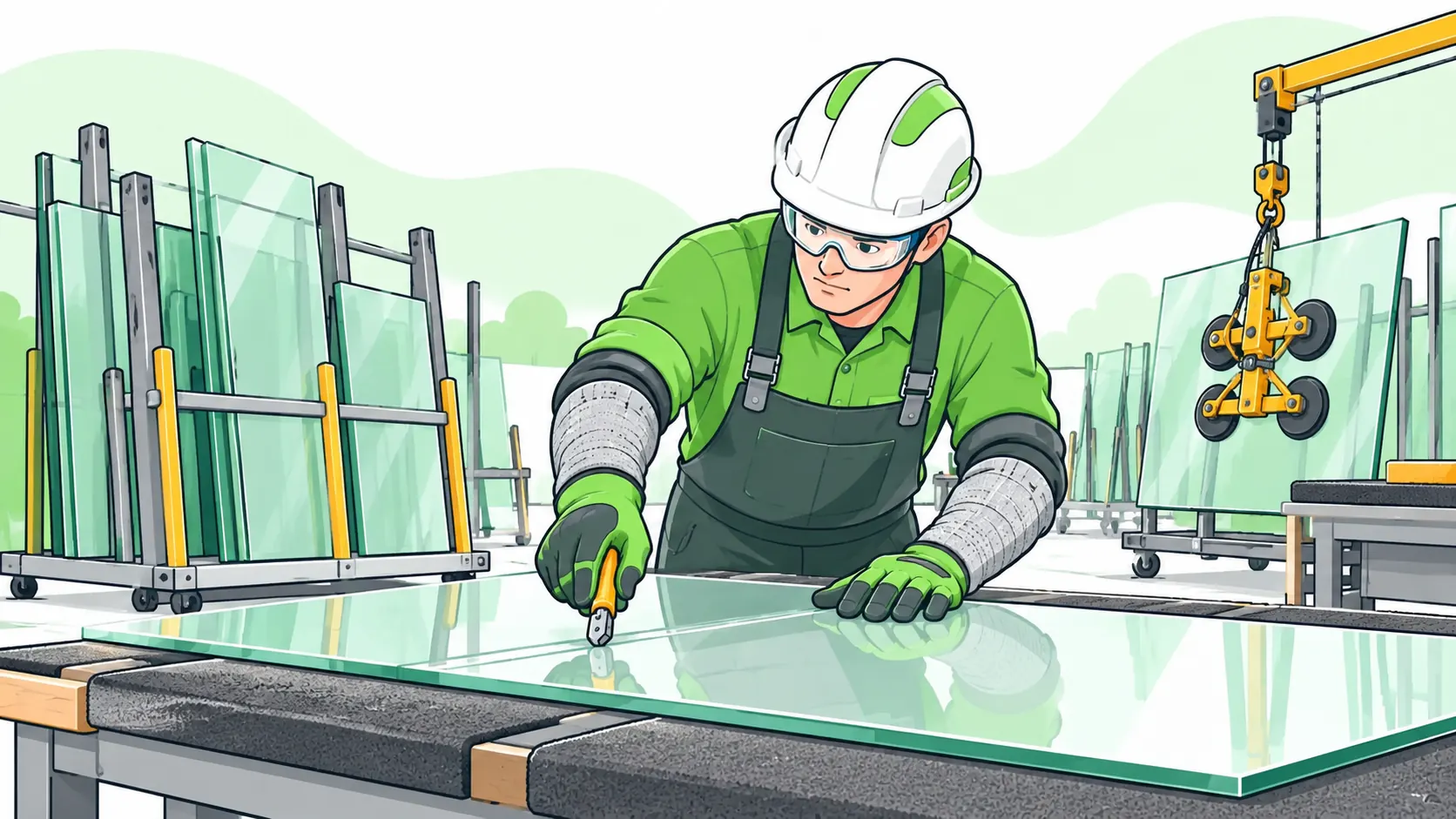
Select cut-resistant gloves for the handling task, with the grip and dexterity the surface requires. Consider forearm protection where a sheet edge could reach beyond the glove. Keep fingers clear of the closing gap between sheets and out from under a sheet being lowered. Gloves protect against certain cuts but cannot support a falling sheet or prevent a crush injury. HSE’s engineering guidance on sharp edges describes ways to reduce repeated hand contact.
Keep the travel path and landing area clear
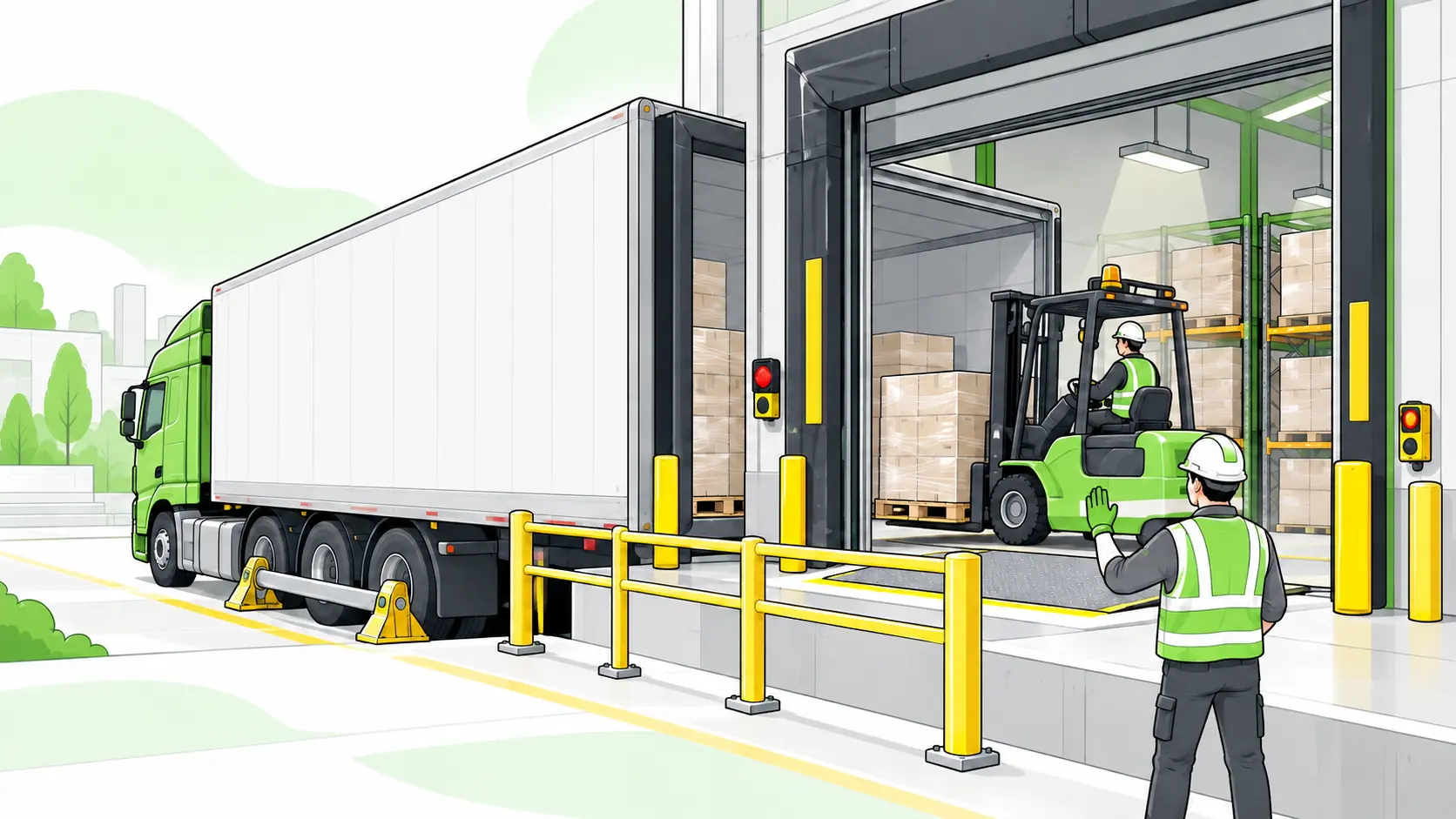
Assign someone to control access where a sheet must cross a shared aisle. Stop the movement if a person enters the danger area or the operator loses sight of the agreed signal. Keep clear of suspended loads and their potential swing. If a load shifts, step clear and alert the operator. A worker reaching out to steady an edge can be pinned against a rack or machine.
In a fatal incident documented by US OSHA, a worker went under a raised load of steel sheets to move a table that blocked the landing area. The load fell. For a supervisor planning a similar move, the practical decision comes before the lift. Confirm the receiving area is ready. If an obstruction appears later, keep people clear while the lifting team returns the load to a safe supported position. Read OSHA’s sheet-steel lifting incident summary.
Store sheet metal for safe retrieval
Sheet and plate are generally most stable when stored flat on suitable supports. Use a pallet, rack or support system rated for the stock, and keep the stack within its design limits. Arrange the stock so the next sheet can be retrieved without climbing on a pack or pulling material from beneath another load. Label stock where the operator can read it from the aisle.
For on-edge storage, use a purpose-designed rack that keeps sheets supported while an individual sheet is removed. Avoid leaning loose sheets against a wall or post. Inspect uprights, dividers and supports for damage. If stock is leaning abnormally or a rack has been struck, isolate the area and have a competent person plan recovery. The UK HSE’s guide to storing and handling metal stock covers both flat and on-edge storage.
Packaging bands hold a bundle together during transport. Use a rated lifting attachment for the bundle. Before opening it, establish how the sheets will stay supported when the restraint is released, and keep workers clear of shifting material and recoiling bands.
Frequently Asked Questions
The choice of handling method can change when the sheet size, surface or store layout changes. These questions help resolve common decisions on the shop floor.
Is there a safe weight for one person to carry a metal sheet?
Weight alone cannot establish that a lift is safe. A light but wide blank may force an extended reach or hide the floor ahead. Check grip, edges, posture, carrying distance and frequency before choosing the method. HSE Blog explains these manual handling hazards in more detail.
Can a sheet trolley be used to store a full pack?
Use a trolley for storage only if its manufacturer permits that load and arrangement. Check how it will remain stable while individual sheets are added or removed. Loading everything to one side or sliding a stack towards one edge changes how the weight is supported.
What if a sheet has to pass through a narrow doorway?
Measure the opening and the space available to turn with the chosen handling aid. Arrange access before the move and account for the full sweep of the sheet. If the only way through leaves someone walking blind or trapped between the edge and the frame, change the route, equipment or delivery position.