Refinery operators, oilfield tank gaugers, chemical plant operators, fuel tanker drivers and coke by-product workers can all encounter benzene on the job. So can the mechanic who opens a process line during a shutdown, the lab technician who tests its contents and the contractor who cleans the tank. Start with one question. Who is close enough to breathe the vapor when someone opens, transfers or disturbs the material?
Benzene occurs naturally in crude oil, is present in gasoline and serves as a raw material in chemical manufacturing. Breathing vapor is the main route of exposure. Skin absorption is also possible when workers handle the liquid. Repeated exposure matters because benzene can damage the blood-forming system and increase the risk of leukemia. The National Cancer Institute’s benzene overview describes the main sources and health effects.
Industries with benzene exposure and the tasks to check
To find where benzene exposure occurs at work, follow the material from arrival through production, testing and waste collection. Include the people who open the equipment after production stops. The U.S. Occupational Safety and Health Administration (OSHA) identifies many of these jobs in its benzene exposure overview. Each task is an opportunity for contact. Personal air measurements establish how much airborne benzene reaches a worker’s breathing zone.
| Work setting | Workers to include | Task or source to check |
|---|---|---|
| Oil and gas extraction | Flowback technicians, production operators and contract tank gaugers | Opening a hatch to measure a tank level or collect a sample. Fluids returning from a well can release vapor containing benzene. |
| Petroleum refining | Process operators, pipefitters and tank-cleaning contractors | Drawing process samples, separating pipe flanges or cleaning tanks that held benzene-containing liquids. Ask what last passed through the equipment. |
| Chemical manufacturing | Unloading crews, process operators and maintenance workers | Transferring benzene feedstock or opening equipment that uses it. One example is an ethylbenzene production unit that supplies material for making styrene. |
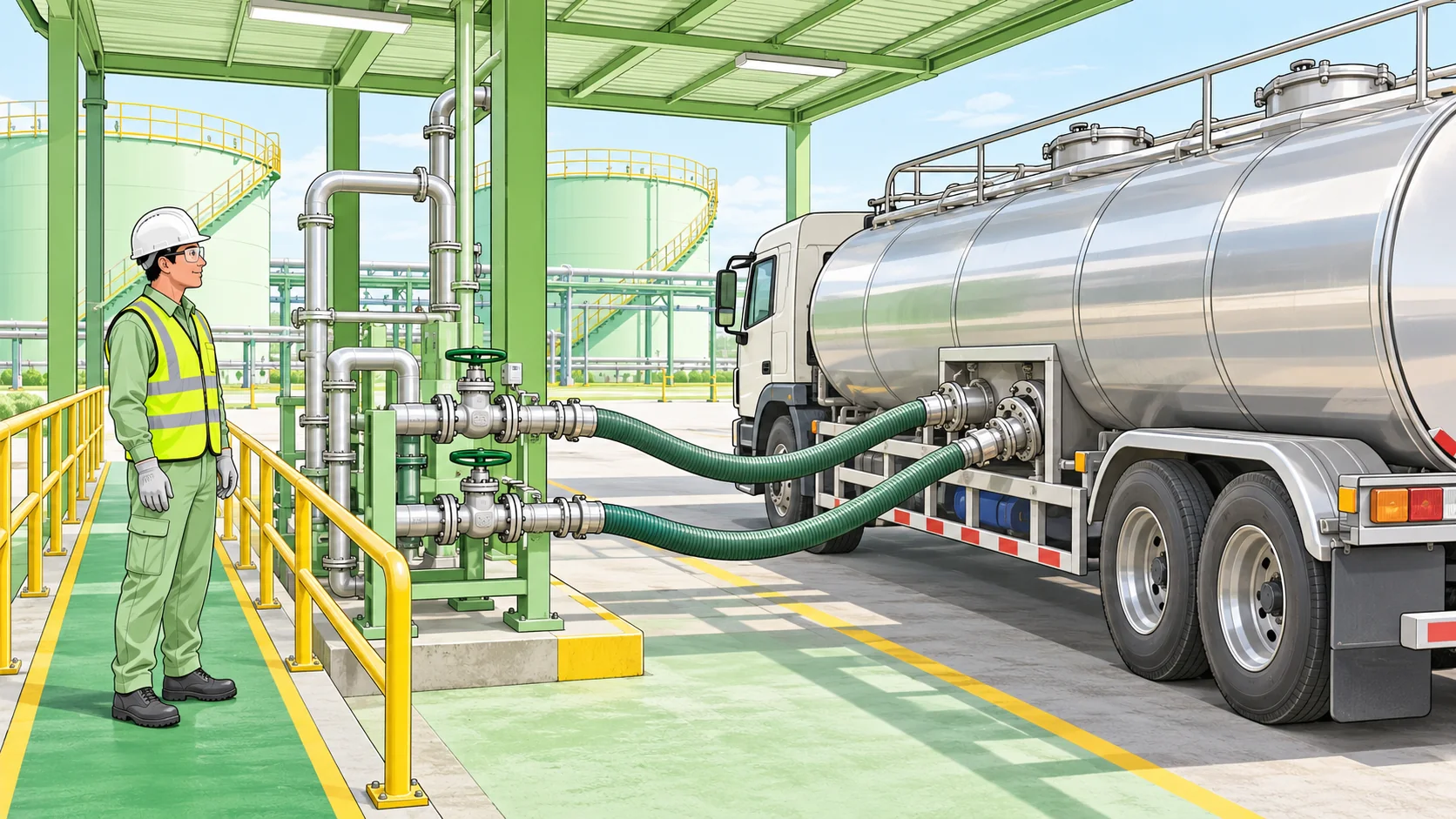
| Fuel distribution and retail | Loading-rack operators, tanker drivers and service station attendants | Loading or unloading gasoline, disconnecting transfer hoses or repeatedly dispensing fuel. Check how displaced vapor is collected during transfer. |
| Coke by-product recovery | Recovery plant operators, samplers and maintenance crews | Handling light oil recovered from coke oven gas or opening its storage and transfer equipment. The U.S. Environmental Protection Agency identifies light oil as a source of benzene. |
| Laboratories | Analysts and sample technicians | Opening a petroleum sample or transferring a benzene reference solution. Check whether these steps take place inside a functioning lab hood. |
| Industrial waste handling | Waste handlers and treatment operators | Collecting or transferring liquid waste that contains benzene. Trace the waste back to its source, particularly for wastes from refineries and chemical plants. |
| Structural firefighting | Fire attack, search and outside ventilation crews | Working in smoke produced by burning materials. A 2020 journal study of controlled residential fires measured increases in exhaled benzene after these assignments. |
Why exposure changes during the same shift
A process can run for hours with the liquid enclosed. The exposure opportunity may come in the few minutes it takes to fill a sample bottle or disconnect a line. Two field investigations illustrate why supervisors need the task history as well as the job title.
Opening a hatch on an oilfield tank
In 2013, the National Institute for Occupational Safety and Health (NIOSH) studied six oil and gas sites in Colorado and Wyoming. The team’s 2014 report on flowback and production testing found that 15 of 17 full-shift personal air samples from workers who gauged tanks exceeded the agency’s recommended benzene exposure limit of 0.1 parts per million (ppm). Among workers who did other jobs at those sites, 17 of 18 samples were below that recommendation.
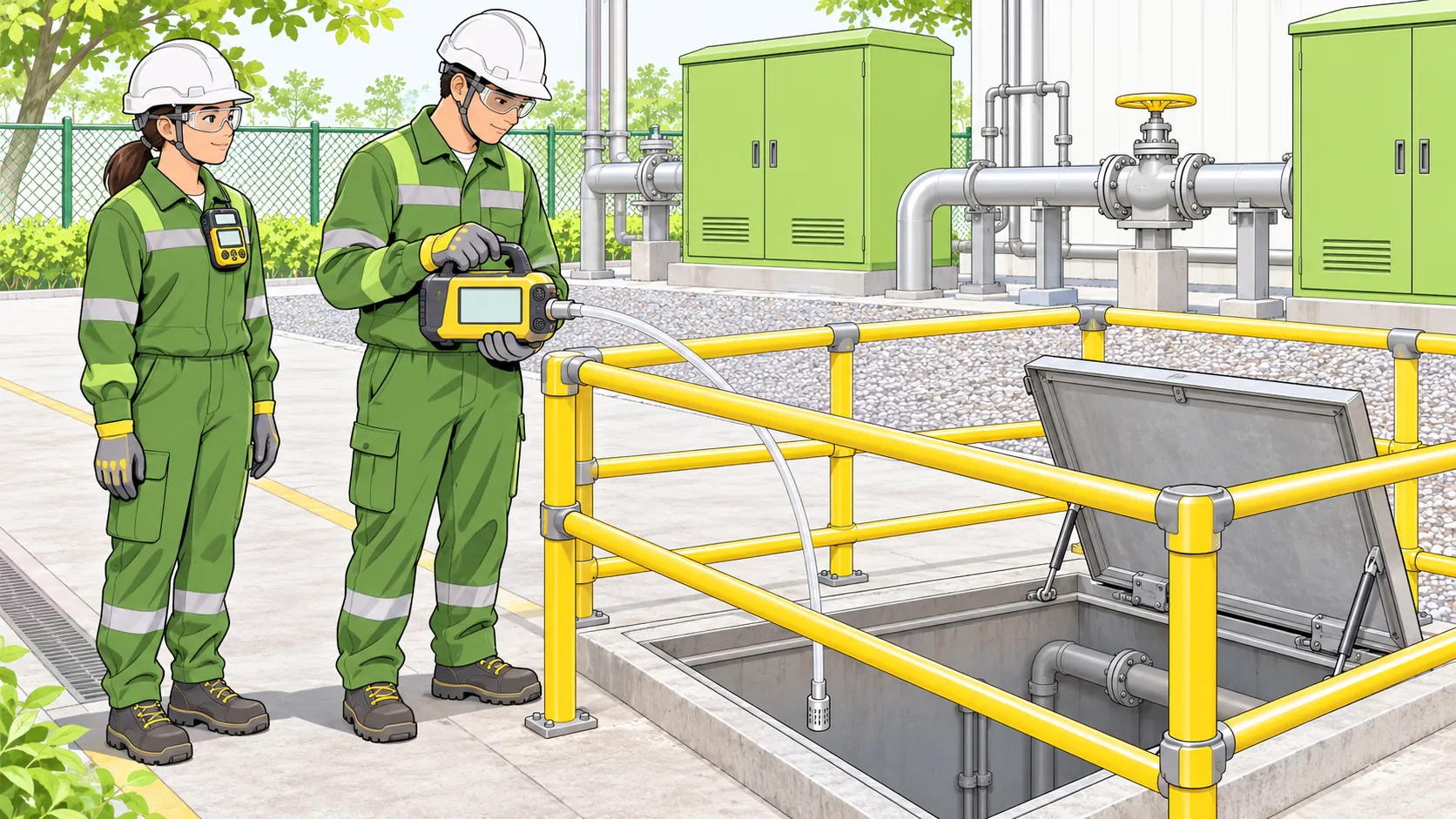
At another well pad, find out how workers get the reading. A remote level gauge removes the need to lean over an open hatch for that measurement. If the same worker still opens the hatch for a sample, that second task needs its own review. NIOSH and OSHA’s tank gauging alert describes alternatives for both jobs.
Opening equipment during refinery maintenance
A 2010 study at a refinery in Beaumont, Texas examined personal air samples collected from 1976 to 2007. Tank cleaning produced the highest task-related benzene exposures measured there. Researchers also found that workers in different job categories had similar exposures when they performed the same task. Include the outside contractor who breaks the first pipe connection in a shutdown review, even if the plant’s regular operators have recent sampling results.
How to identify workers at risk of benzene exposure
Before a shift briefing or maintenance handover, pick one task and trace what the worker handles, where vapor can escape and who else will be nearby. Record enough detail for the next crew to recognize the same exposure opportunity.
- Identify the material. Look for benzene, CAS 71-43-2, on the product’s safety data sheet. Section 3 identifies listed ingredients and Section 8 gives exposure controls. For a used tank or unlabeled process stream, ask for its service history or composition data. Our guide to safety data sheet sections explains where to look.
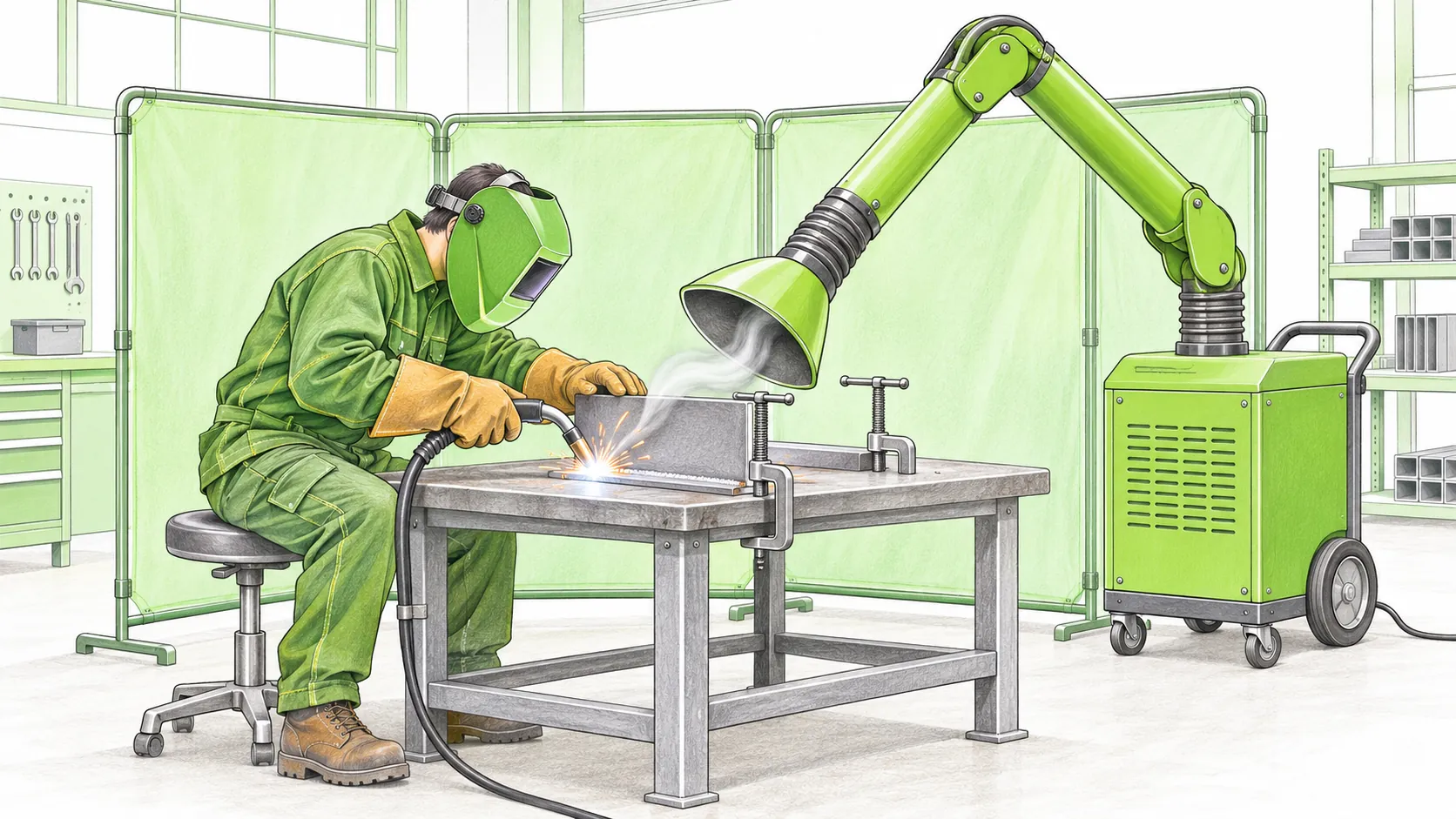
- Walk through the opening and closing steps. Who connects the hose, takes the sample and collects the remaining liquid? Ask whether the transfer stays closed and whether vapor recovery or local exhaust will operate during disconnection. Include helpers and nearby trades in the discussion.
- Match the air sample to the task. Ask which worker wore the sampler, what they did and whether the sample covered the brief opening you are assessing. Shehzad Zafar’s guide to workplace benzene exposure monitoring explains how a short task sample complements the full-shift measurement.
If the equipment history is missing or a vapor-control fitting has failed, tell the supervisor before opening the system. Verify the material, the controls and the scope of existing exposure measurements before proceeding. OSHA’s benzene safety data explains why odor gives inadequate warning.
Frequently Asked Questions
Fuel handling, finished products and older solvent uses can each raise a different question about benzene exposure in the workplace.
Are gas station workers covered by the federal benzene standard?
Gasoline vapor can contain benzene. Under federal OSHA’s general-industry benzene standard, fuel handling after final discharge from bulk wholesale storage is generally excluded. The standard covers indoor operations that dispense gasoline or motor fuels for more than four hours per day.
Upstream operations have a separate exclusion for oil and gas drilling, production and servicing. Other requirements can apply, including Table Z-2 for specified excluded operations. Check the applicable state workplace safety plan as well.
Does making or handling plastic mean a worker is exposed to benzene?
It depends on the operation. Benzene may enter a plant as feedstock to make another chemical that later becomes part of a plastic. Someone unloading that feedstock handles a different material from someone packing the finished plastic. Identify the substances used at the worker’s own step before assigning exposure based on the finished product.
What about printers, shoemakers and rubber workers?
Ask which ink, adhesive or solvent the worker used and when. The International Agency for Research on Cancer’s review documents historical benzene use in U.S. rotogravure printing and exposure in shoe and rubber production in particular settings. For a current job, check the formulation and application method. For a former job, the product name, years of use and description of the work give an exposure reviewer a more specific starting point.