1,380 articles · Page 19 of 46

Latest Articles – Page 19

More of the latest guidance from HSE Blog. Back to articles

Advantages & Disadvantages of Fire Extinguishers
Fire

Advantages & Disadvantages of Fire Extinguishers Explained

Col. Marc Welde of the U.S. Army practices using a portable fire extinguisher during a safety training event. Fire extinguishers are a common sight – those red cylinders quietly hanging on walls or tucked into corners – yet we often…

Usman Malik

Fatigue Risk Management Systems (FRMS)
Stress

Fatigue Risk Management Systems (FRMS): Safer, Smarter Workplaces

Fatigue is one of the most underestimated hazards in the modern workplace. It creeps in quietly, dulling reaction times, clouding judgment, and eroding focus — often without obvious warning signs until it’s too late. In high-risk environments, this invisible drain…

Saad Iftikhar

Personal Alert Safety Systems (PASS)
Accidents

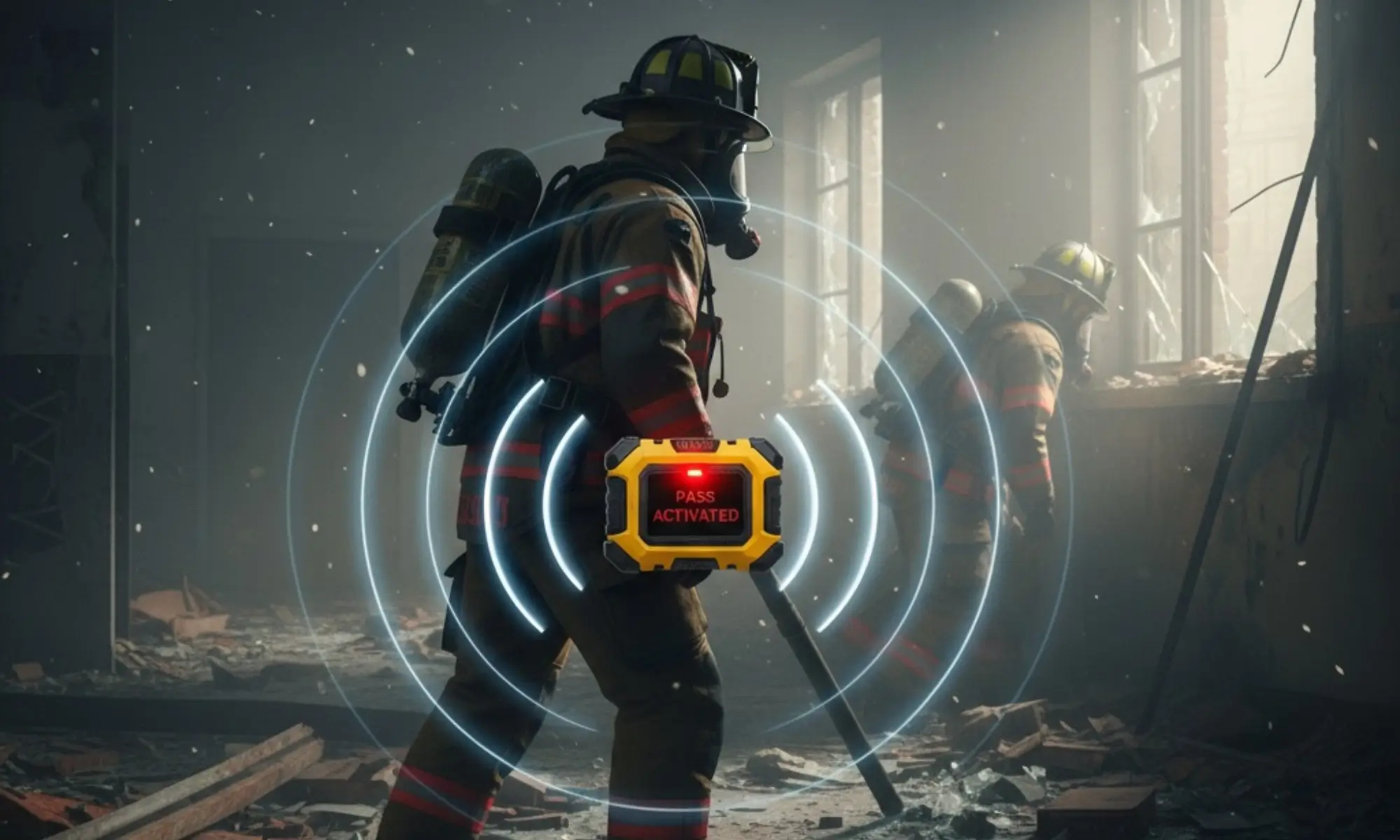
Personal Alert Safety Systems (PASS): Standards and Applications

Personal Alert Safety Systems (PASS) are critical wearable devices designed to protect first responders and workers operating in hazardous, immediately dangerous to life or health (IDLH) environments. These compact units, typically attached to a self-contained breathing apparatus (SCBA) harness or…

Saad Iftikhar

Fall Protection vs Fall Restraint Systems
Fire

Fall Protection vs Fall Restraint Systems: A Comprehensive Guide

Falls are a leading cause of workplace injuries and fatalities, especially in construction and roofing. Fall protection broadly refers to any measures (from guardrails to harnesses) that prevent or mitigate falls. These include passive systems like fixed guardrails and nets…

Waheed Riaz

Earthquake Preparedness
Public

Earthquake Preparedness: Plan, Practice, and Stay Safe

Earthquakes strike suddenly and unpredictably – they can happen anywhere on Earth “and there is no way to predict them”. While we can’t control the ground beneath our feet, we can take action to protect ourselves, our families, and our…

Badar Javed

Mental Health Preparation for High-Risk Workers Starting Therapy Effectively
Stress

Mental Health Preparation for High-Risk Workers: Starting Therapy Effectively

Certain professions push beyond physical limits—they carve deep into the psyche. Firefighters plunge into raging blazes. Paramedics grapple with split-second life-or-death decisions. Search and rescue teams sift through wreckage and despair. These roles aren’t just demanding; they’re relentless mental gauntlets.…

Asad Hussain

Winter Injuries and How To Avoid Them
First Aid

10 Common Winter Injuries and How To Avoid Them

Winter is filled with beauty and joy, from snow-covered landscapes to cozy nights by the fire. However, beneath its serene surface, winter can also be a time of hidden dangers, especially when it comes to injuries caused by the cold.…

Raja Umer

Three Major Advantages of Electronic Permit-to-Work Systems
PTW

Three Major Advantages of Electronic Permit-to-Work Systems

An effective permit-to-work (PTW) system is vital for managing high-risk activities safely and compliantly. When implemented well, it not only protects workers but also safeguards an organisation’s assets and reputation by maintaining clear oversight and traceable records. However, traditional paper-based…

Raja Umer

DART Rate Calculator
Calculators

DART Rate Calculator | Measure Lost Time & Restrictions

The DART Rate stands for Days Away, Restricted, or Transferred Rate, and is a workplace safety metric used to track more serious recordable incidents—those that result in time off work, restricted duty, or job transfer. This rate helps employers monitor…

Badar Javed

Severity Rate Calculator
Calculators

Severity Rate Calculator | Workplace Injury Impact Tool

The Severity Rate is a workplace safety metric used to measure the seriousness of injuries by calculating the number of lost workdays due to occupational incidents. Unlike frequency-based metrics that focus on how often incidents happen, severity rate focuses on…

Bilal Qureshi

Near Miss Frequency Rate (NMFR) Calculator
Calculators

Near Miss Frequency Rate Calculator | Track NMFR Easily

The Near Miss Frequency Rate (NMFR) is a proactive safety metric used to measure how often near-miss incidents occur in the workplace. A near miss is an unplanned event that didn’t result in injury, illness, or damage—but had the potential…

Badar Javed

Fatality Rate Calculator
Calculators

Fatality Rate Calculator | Workplace Death Rate Tool

The Fatality Rate is a critical workplace safety metric used to measure the frequency of fatal occupational incidents over a specific number of work hours. It provides a standardized way to track and compare the risk of death across industries,…

Waheed Riaz

Heat Stress Index (WBGT) Calculator
Calculators

Heat Stress Index Calculator | WBGT Safety Assessment

The Heat Stress Index, commonly measured using the Wet Bulb Globe Temperature (WBGT), is a comprehensive indicator of heat stress in the workplace or outdoor environments. It combines air temperature, humidity, wind speed, radiant heat, and sunlight to estimate how…

Waheed Riaz

Radiation Dose Calculator
Calculators

Radiation Dose Calculator | Absorbed & Effective Dose Tool

A radiation dose measures the amount of ionizing radiation energy absorbed by the body or an object. It's a critical metric in fields like nuclear medicine, radiology, radiological protection, and health physics to ensure safety and minimize exposure risks. The…

Badar Javed

Risk Priority Number (RPN) Calculator
Calculators

Risk Priority Number (RPN) Calculator | FMEA Risk Tool

The Risk Priority Number (RPN) is a key metric used in Failure Mode and Effects Analysis (FMEA) to evaluate and prioritize potential risks in a process, product, or system. It helps identify which failure modes need immediate attention by quantifying…

Badar Javed

Lost Workday Rate (LWR) Calculator
Calculators

Lost Workday Rate (LWR) Calculator | Measure Productivity Loss

The Lost Workday Rate (LWR) is a safety metric that quantifies the number of workdays lost due to occupational injuries and illnesses, standardized per 100 full-time employees. It provides insight into the severity of workplace incidents, helping organizations evaluate how…

Qaisar S. Chattha

Ergonomic Risk Calculator
Calculators

Ergonomic Risk Calculator | Assess Workplace Strain

Ergonomic risk refers to the potential for injuries or disorders caused by poor design of workstations, tools, or tasks that require repetitive motion, awkward posture, or excessive force. These risks can lead to Musculoskeletal Disorders (MSDs) such as carpal tunnel…

Badar Javed

Prefer To Browse By Topic?

Every safety category is listed in the A–Z directory.