1,380 articles · Page 2 of 46

Latest Articles – Page 2

More of the latest guidance from HSE Blog. Back to articles

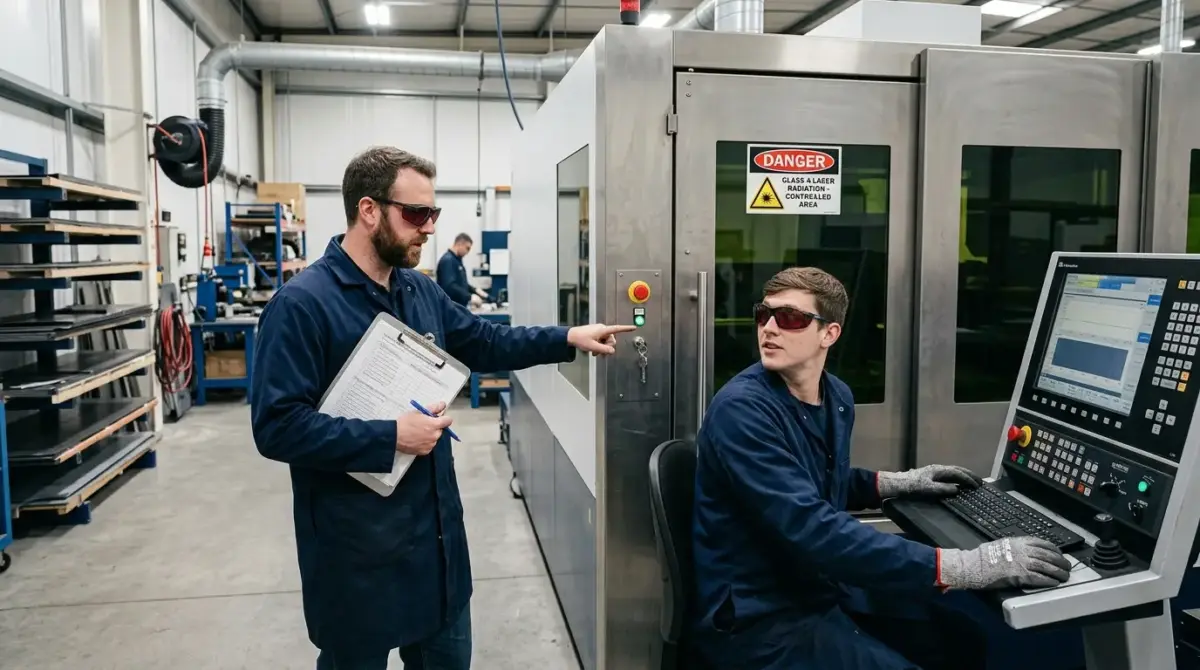
Laser PPE: Eye Protection and Safety Measures
Safety At Work

Laser PPE: Eye Protection and Safety Measures

TL;DR Match the wavelength first. Eyewear must block the exact nanometre(s) your laser emits — a green-laser filter does nothing against a 1064 nm beam. Then match the optical density. The OD must drop the beam below the maximum permissible…
Nasir Ali

Laser Safety Officer: Roles and Responsibilities
Safety At Work

Laser Safety Officer: Roles and Responsibilities

TL;DR If you run any Class 3B or Class 4 laser, then you are expected to designate a Laser Safety Officer with authority to enforce controls (ANSI Z136.1-2022, US). If OSHA inspects a US laser workplace, then it applies no…

John Mathew

Cable Jointing Safety Hazards and PPE Requirements
Safety At Work

Cable Jointing Safety: Hazards and PPE Requirements

TL;DR — What crews most often get wrong about cable jointing safety Myth: arc-rated clothing protects you from electric shock. Reality: it only limits burns from an arc's heat. It does nothing to stop current passing through your body. Myth:…

Mr. Qaseem

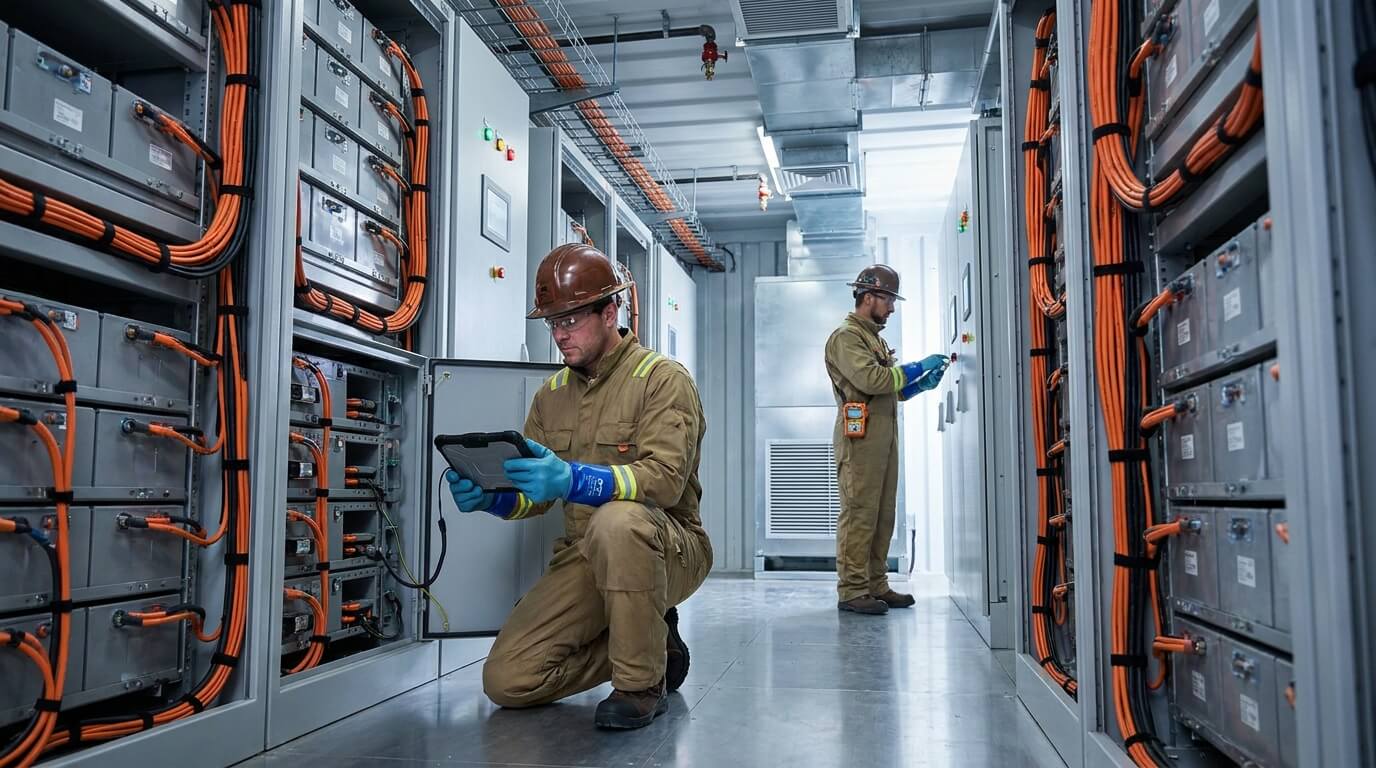
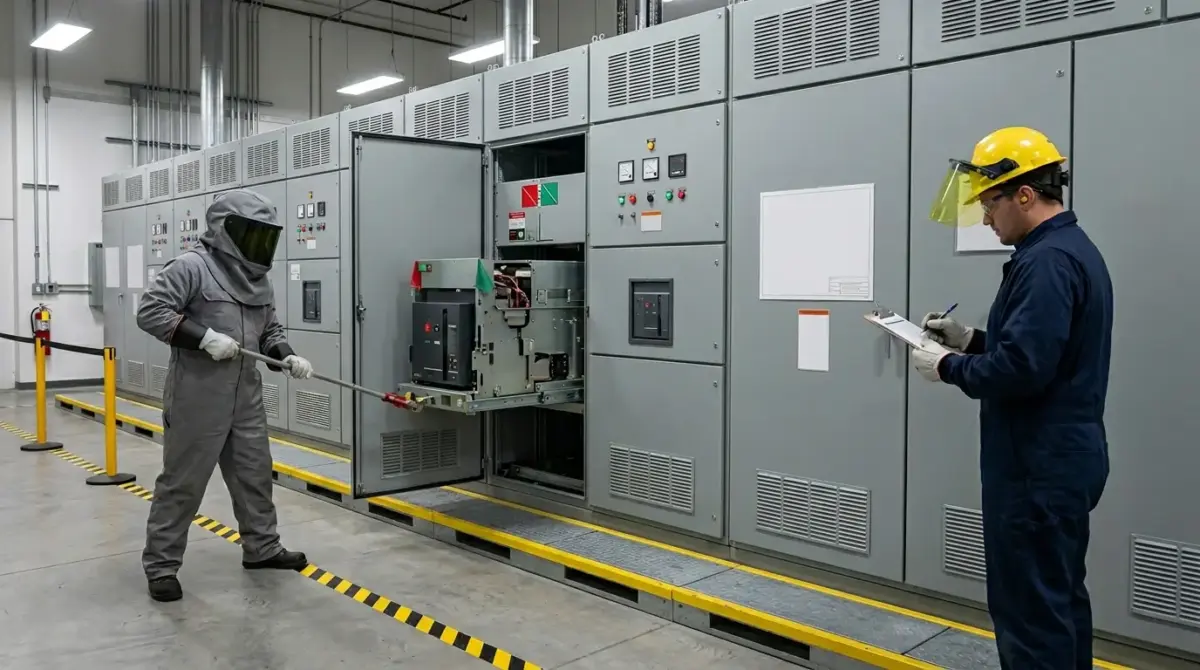
Two electricians in safety gear inspect electrical panels with orange cables in a modern server or utility room, one crouching with a tablet and another standing reviewing documentation.

Battery Energy Storage Safety: Fire & Chemical Risks

TL;DR Myth: Battery energy storage safety is mainly an electrical-fault problem. Reality: the defining hazards are thermal runaway fire and the toxic, flammable gas that cells release when they fail. Myth: Water puts a battery fire out. Reality: water rarely…

Badar Javed

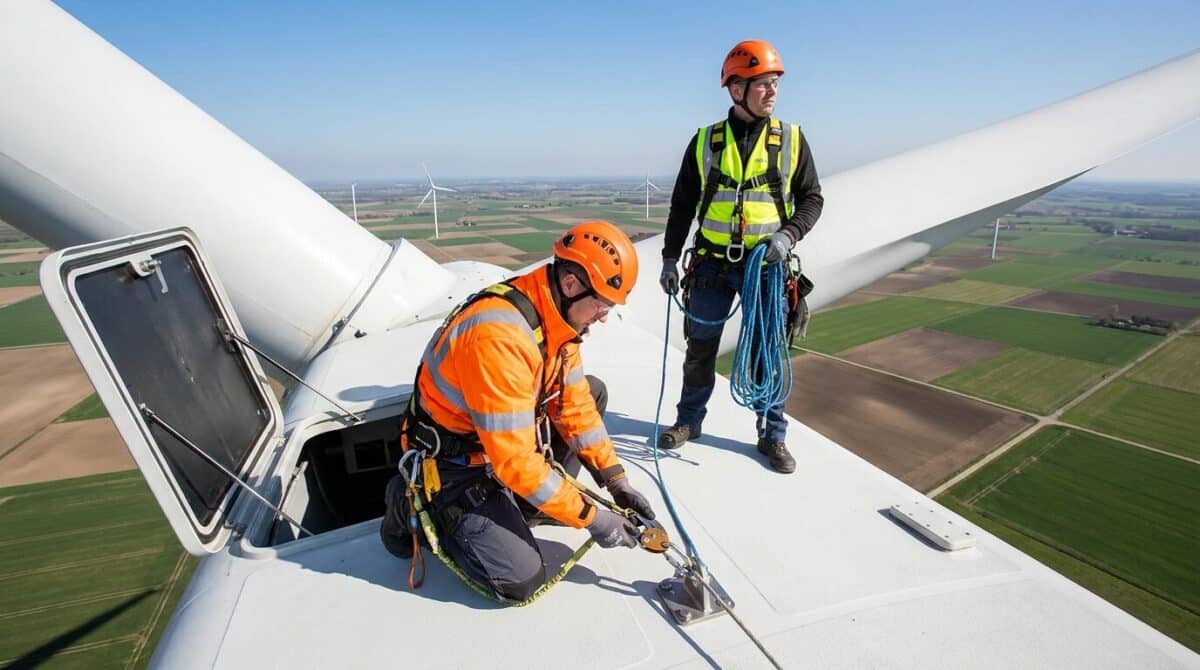
Two wind turbine maintenance workers secured with safety harnesses perform high-altitude work on a wind turbine blade, with agricultural fields and wind turbines visible far below.
Safety At Work

Wind Turbine Safety: Working at Height & Rescue Procedures

TL;DR — The Numbers That Matter 50% projected job growth (2024–2034): Wind turbine service technician is the fastest-growing occupation in the United States, putting more people on towers than ever before (US Bureau of Labor Statistics, 2025). Towers over 200…

Mughees Ali

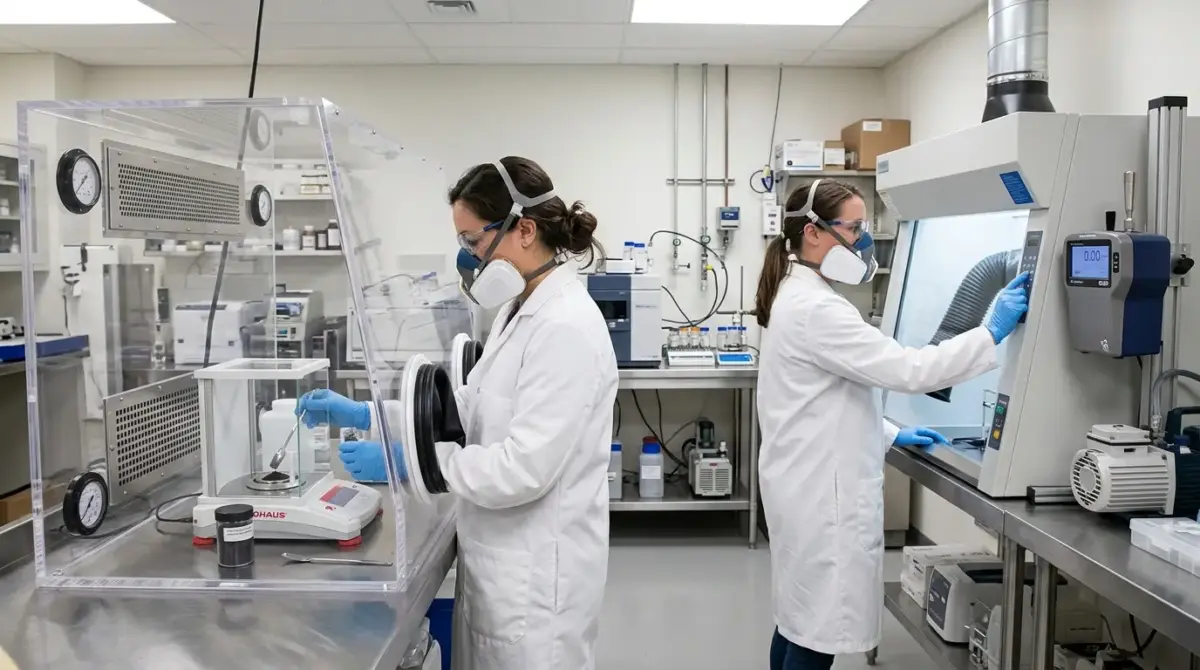
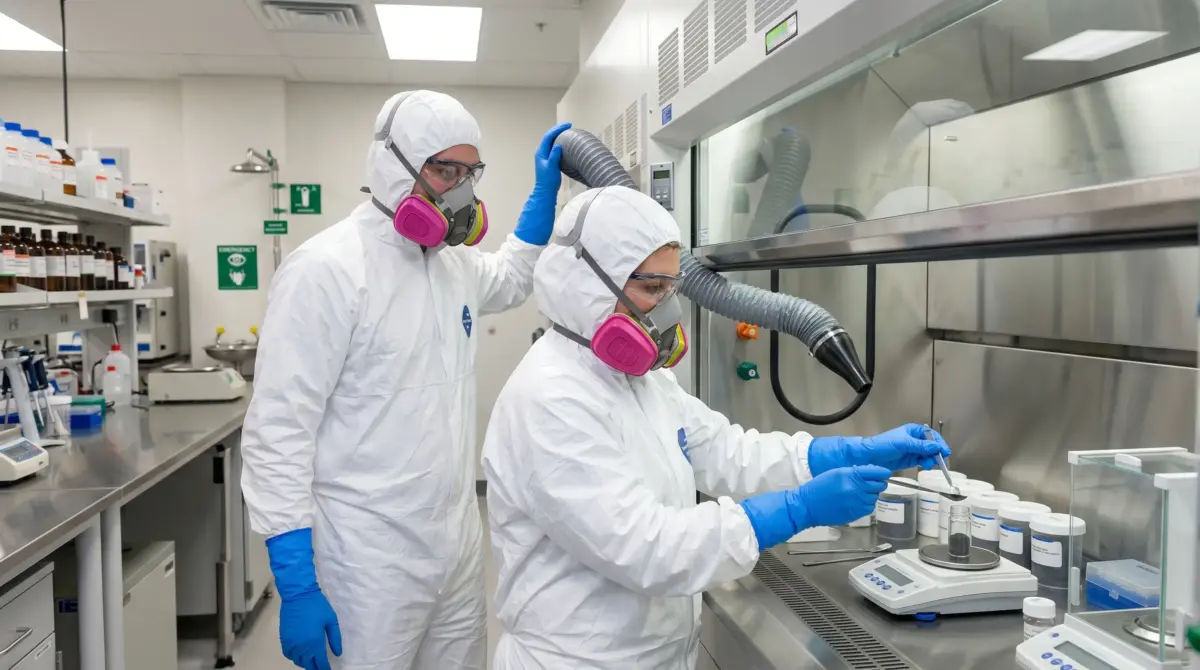
Two scientists in full protective equipment work inside a biosafety cabinet, handling samples and conducting laboratory analysis in a controlled research environment.
Safety At Work

PPE for Working with Nanomaterials: A Practical Guide

TL;DR Myth: Nanoparticles are too small for respirator filters to catch. Reality: NIOSH-approved N95 and P100 filters capture sub-30 nm particles very efficiently by diffusion — the weak point is the face seal, not the filter media. Myth: A standard…

Waqar Ali

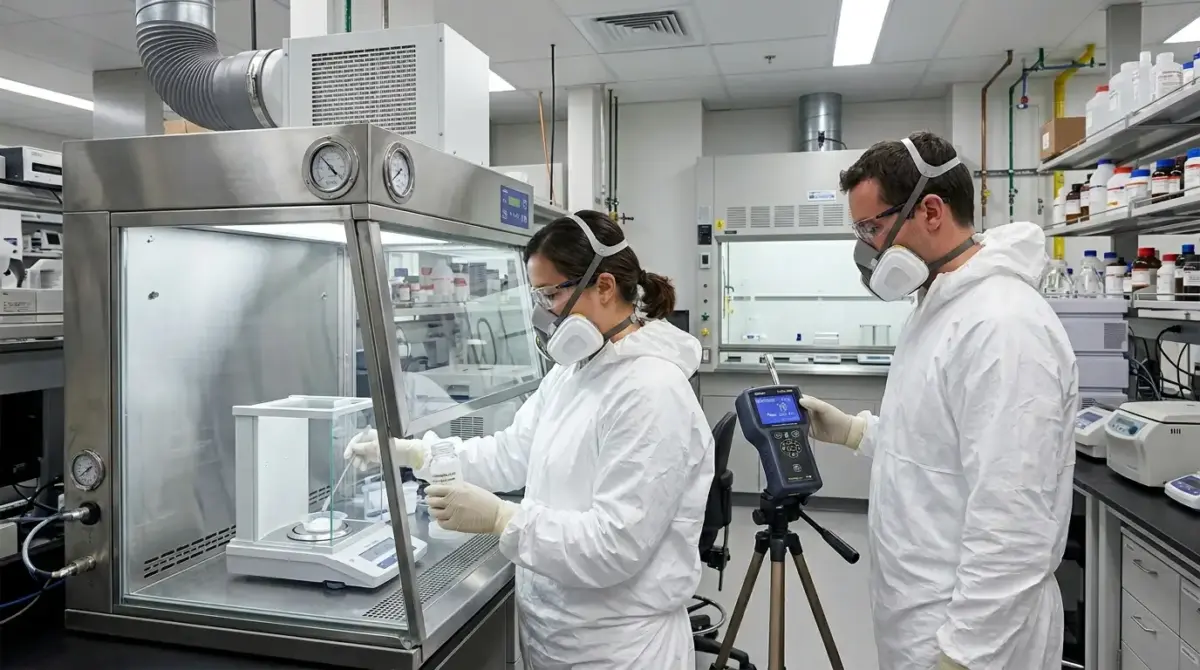
Two researchers in white protective suits and respirators work at a biosafety cabinet in a laboratory, with one operating a handheld measuring device while the other conducts an experiment inside the sterile hood.
Safety At Work

Engineering Controls for Nanomaterial Handling: A Practical Guide

TL;DR Carbon nanotube exposure limit: worker exposure to respirable carbon nanotubes and nanofibers should not exceed 1.0 µg/m³ as an 8-hour time-weighted average (NIOSH/OSHA, 2013). Nanoscale titanium dioxide limit: the NIOSH recommended exposure limit is 0.3 mg/m³, eight times stricter…

Shoaib Ch

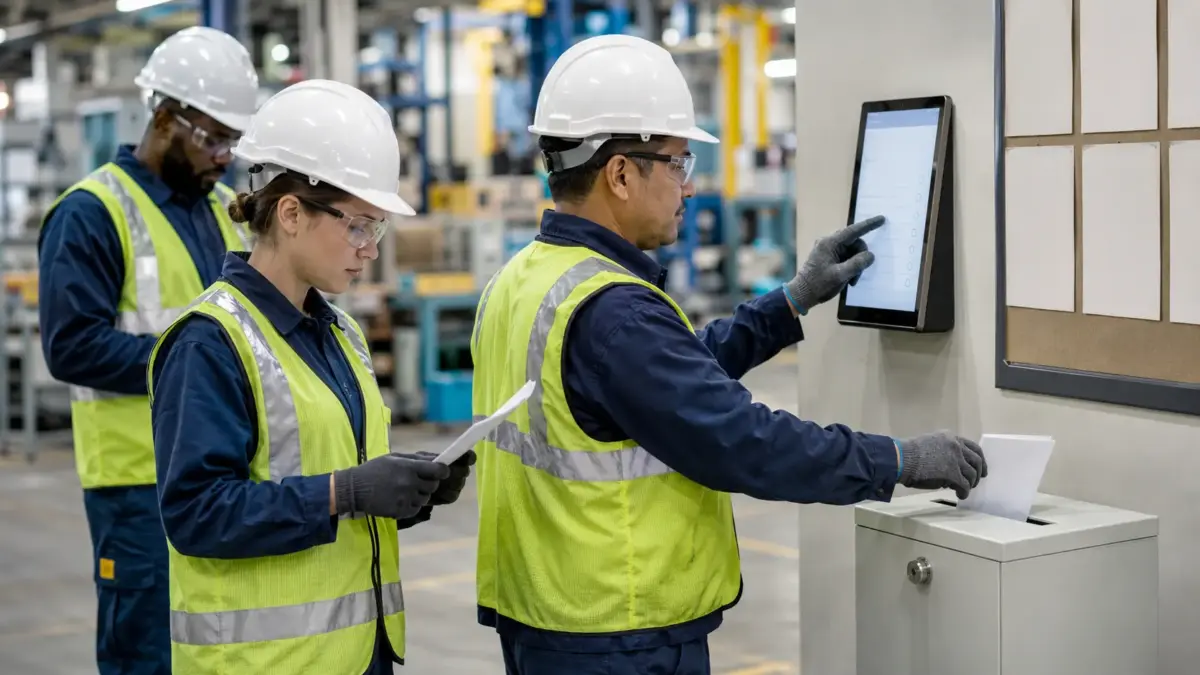
Three industrial workers wearing safety hard hats and high-visibility vests inspect a digital touchscreen display in a manufacturing facility warehouse.
Safety At Work

Safety Perception Survey: Design & Implementation Guide

TL;DR Measure climate, not culture. A perception survey captures point-in-time worker perceptions and works as a leading indicator, flagging risk before injuries appear. Start with a validated instrument. NOSACQ-50 or the HSE Safety Climate Tool give you tested validity and…

Usman Malik

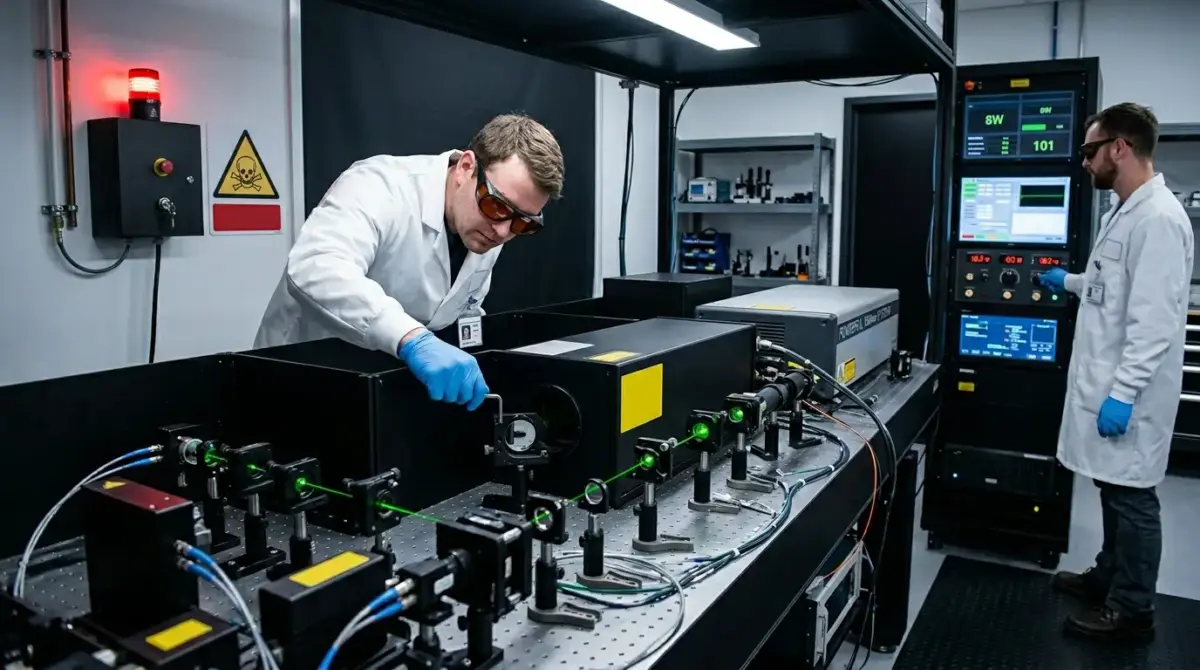
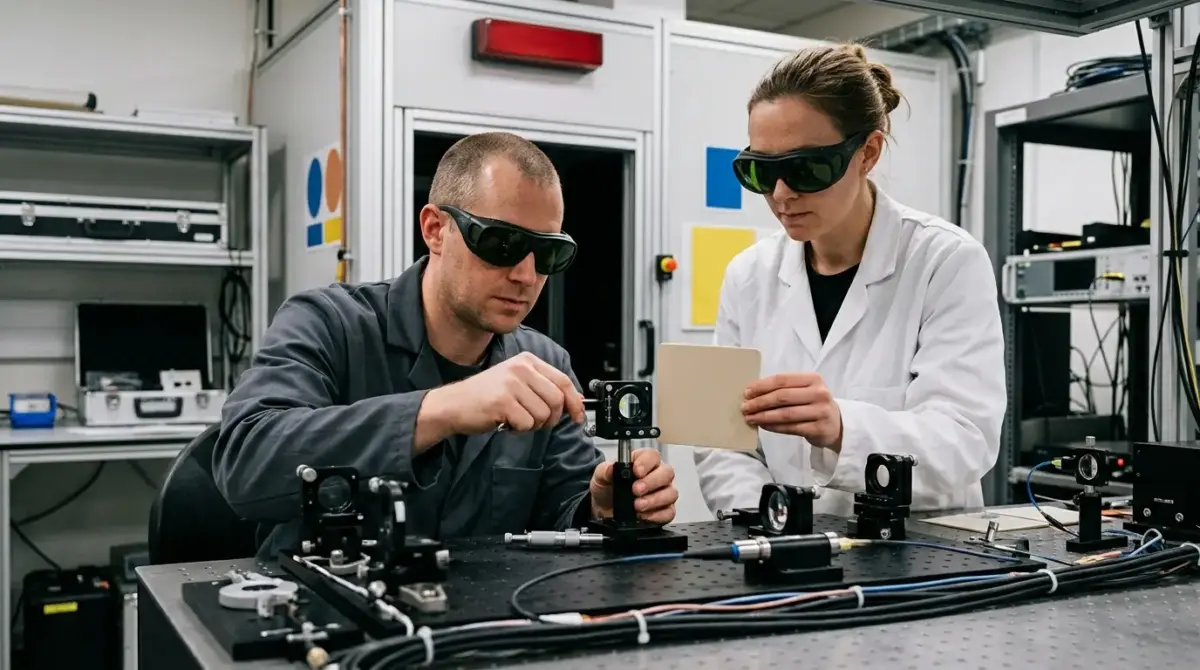
Two scientists in lab coats and protective eyewear work with laser and optical equipment on an optical bench in a modern laboratory, with control panels and monitoring displays visible in the background.
Safety At Work

Laser Safety: Classes, Hazards, and Controls Explained

TL;DR Seven hazard classes — laser products run from Class 1 (safe) to Class 4 (eye, skin, and fire hazard) under the international classification standard (IEC 60825-1, 2014). 1, 5, and 500 mW — the rough visible continuous-wave dividing lines…

Badar Javed

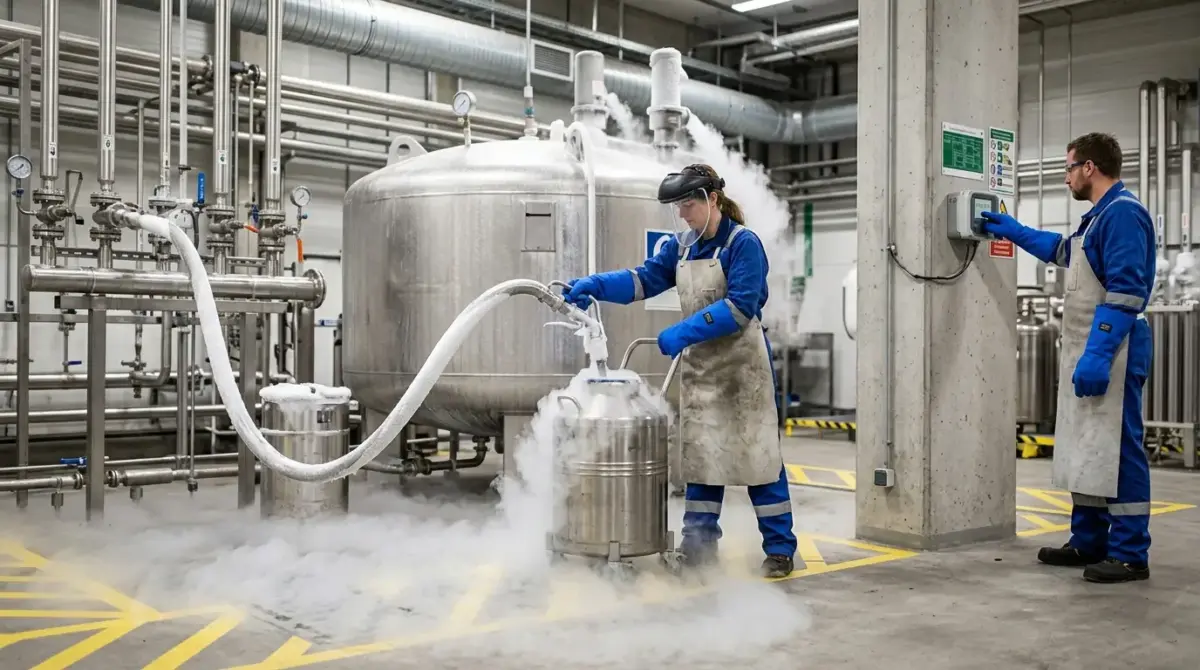
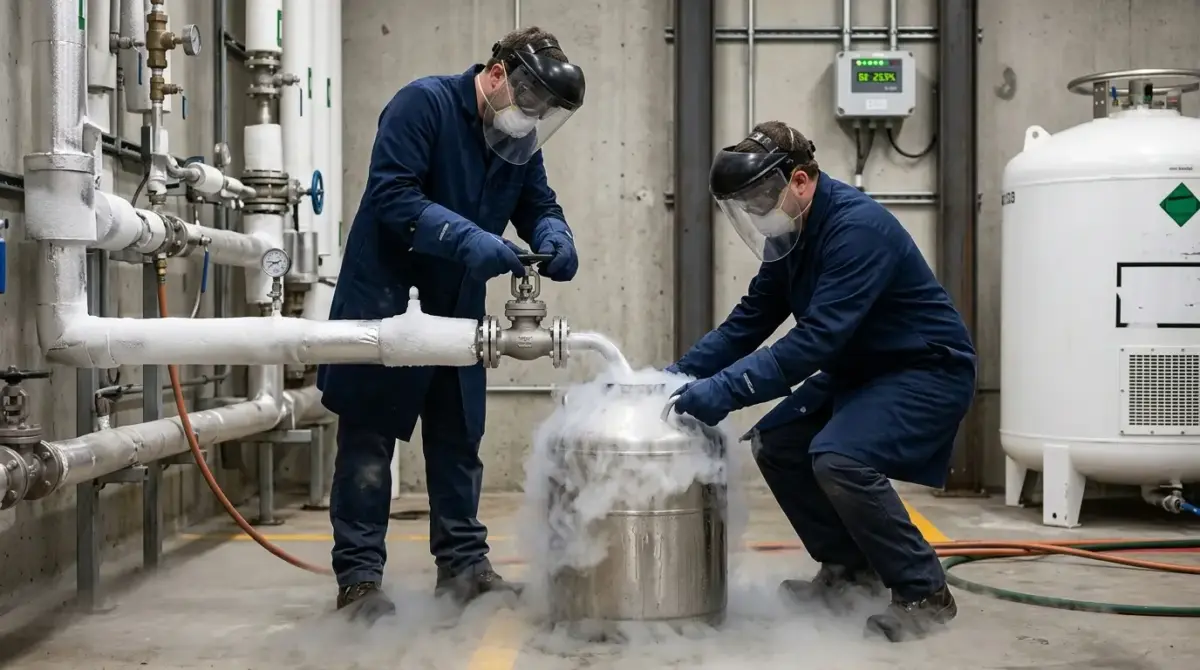
Two scientists in protective gear handle a liquid nitrogen container labeled LNB in a laboratory, with visible vapor and monitoring equipment in the background.
Safety At Work

Cryogenic PPE: What Protection Do You Actually Need?

TL;DR Protect the eyes and face first. Safety glasses with side shields at all times; add a full face shield whenever you pour, decant, or face a high splash risk. Wear loose-fitting cryogenic gloves, never tight ones. They must come…

Syed Mubashir

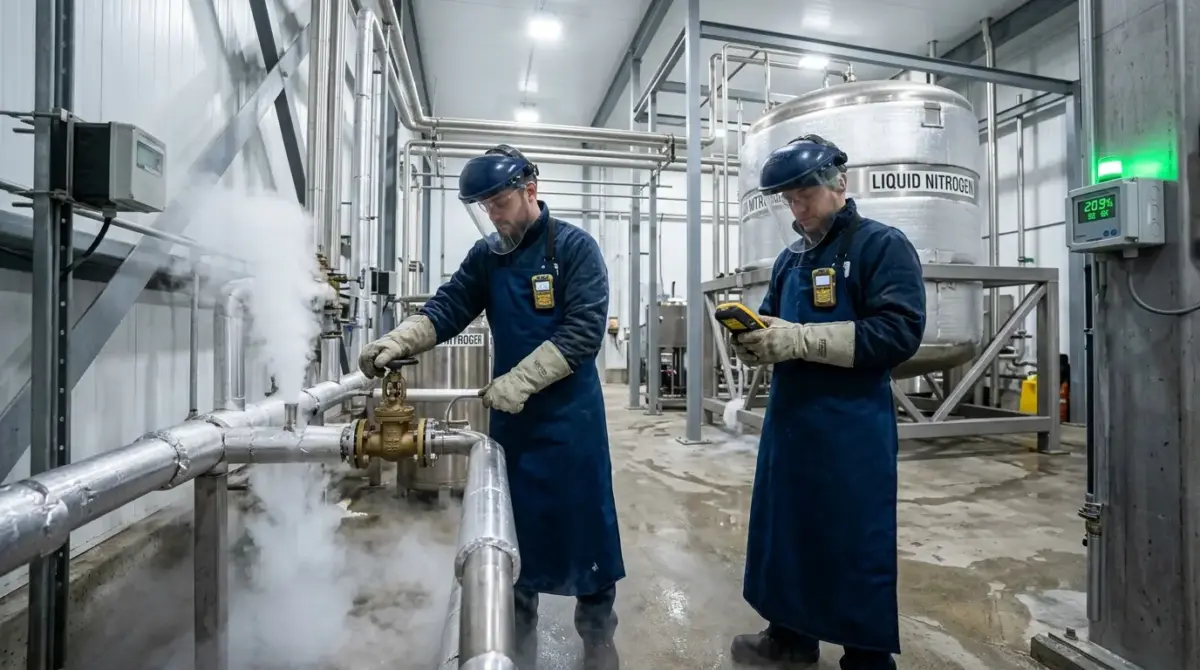
Two technicians in protective gear handle cryogenic liquid nitrogen in an industrial facility, with visible vapor and piping systems in the background.
Safety At Work

Cryogenic Burns: First Aid and Prevention Guide

TL;DR Move first, treat second — get the person clear of the cryogen source before touching the injury, because cold vapour and pooled liquid keep causing damage. Rewarm slowly with lukewarm water (around 40–42°C / 104–108°F) — never hot water,…

Saad Iftikhar

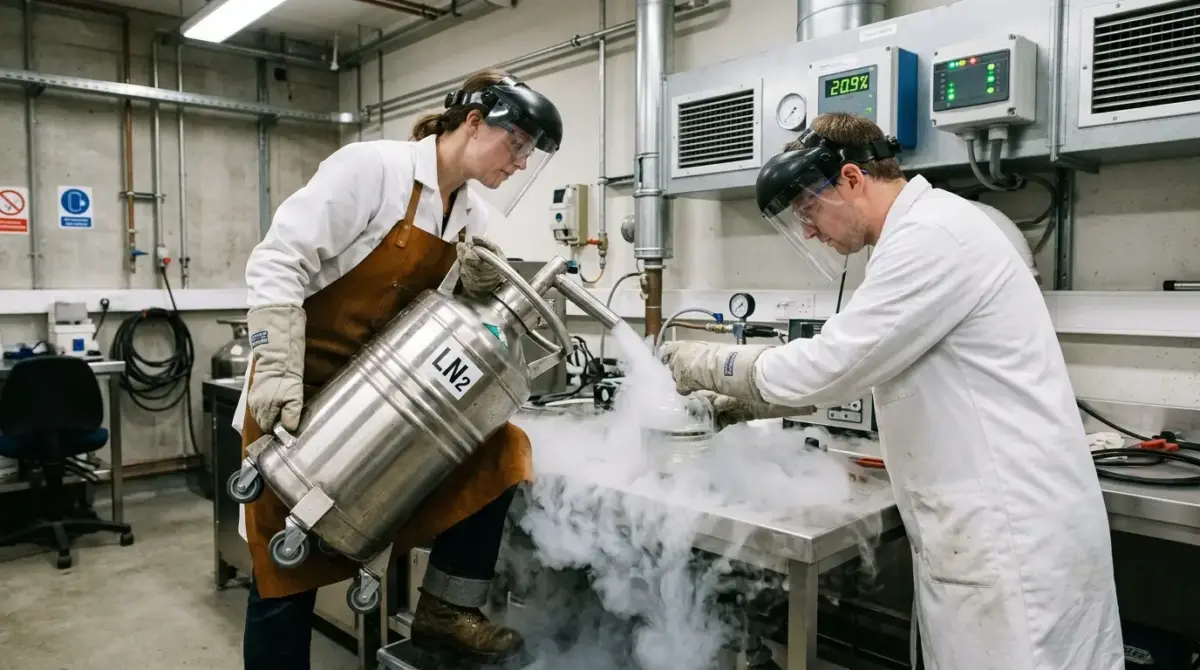
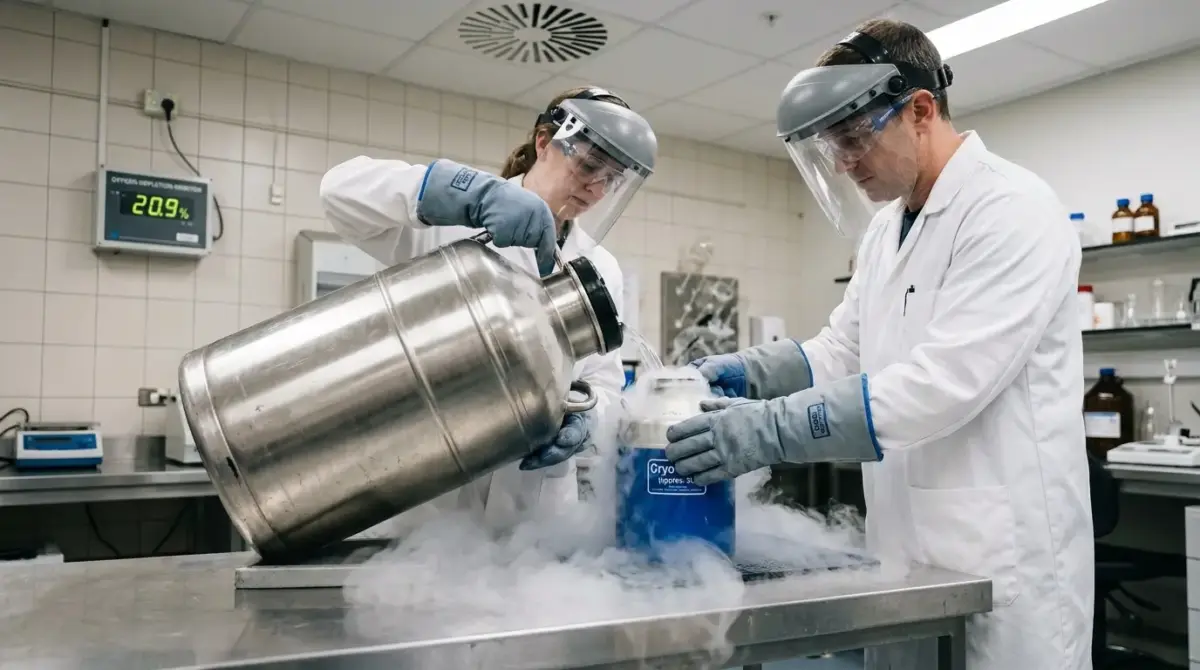
Two scientists in white coats and protective eyewear pour liquid nitrogen from a metal container into a blue cryo storage vessel, creating visible vapor in a laboratory setting.
Safety At Work

Liquid Nitrogen Safety: Handling and Storage Guide

TL;DR — Key Numbers −196 °C (−320 °F): the boiling point of liquid nitrogen, cold enough to freeze skin tissue on contact (Compressed Gas Association). ~700 to 1: one volume of liquid nitrogen expands to roughly 700 volumes of gas…

Malik Imran

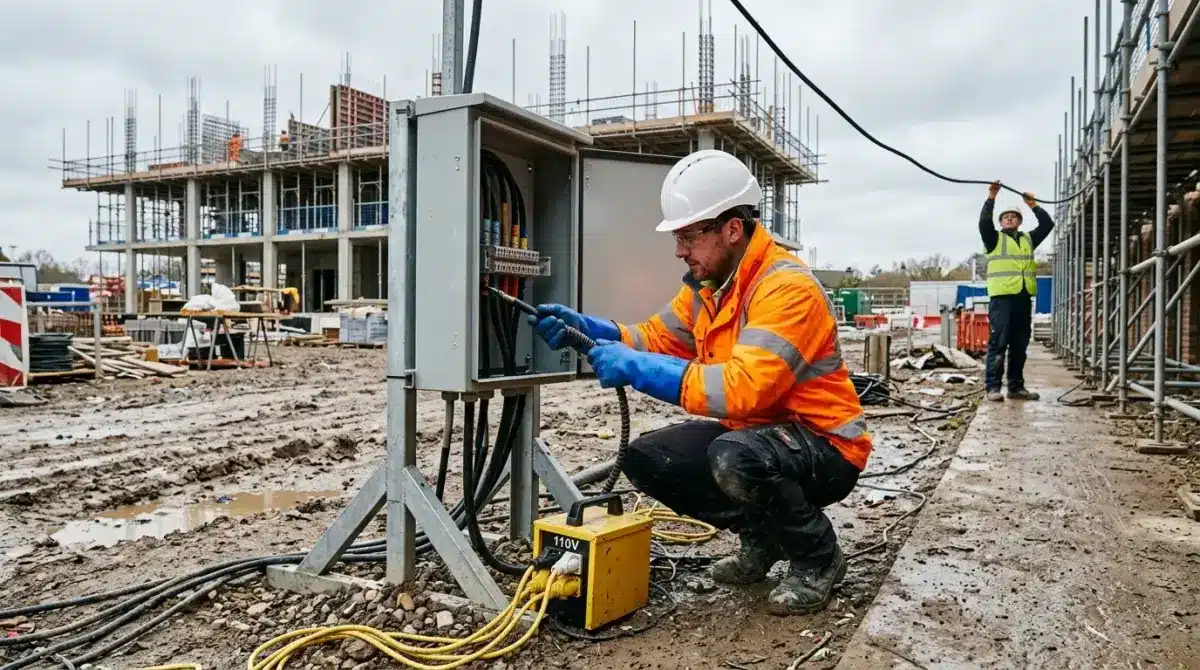
Construction worker in safety gear inspecting electrical equipment at a building site with concrete structures and reinforced steel framework visible in the background.
Electrical

Temporary Electrical Installations on Construction Sites: Guide

TL;DR — Four Myths That Get People Hurt Myth: "Temporary" means a lighter safety standard is acceptable. Reality: Site conditions are harsher than a finished building, so temporary installations need more robustness, not less. Myth: Construction wiring must come down…

Mr. Qaseem

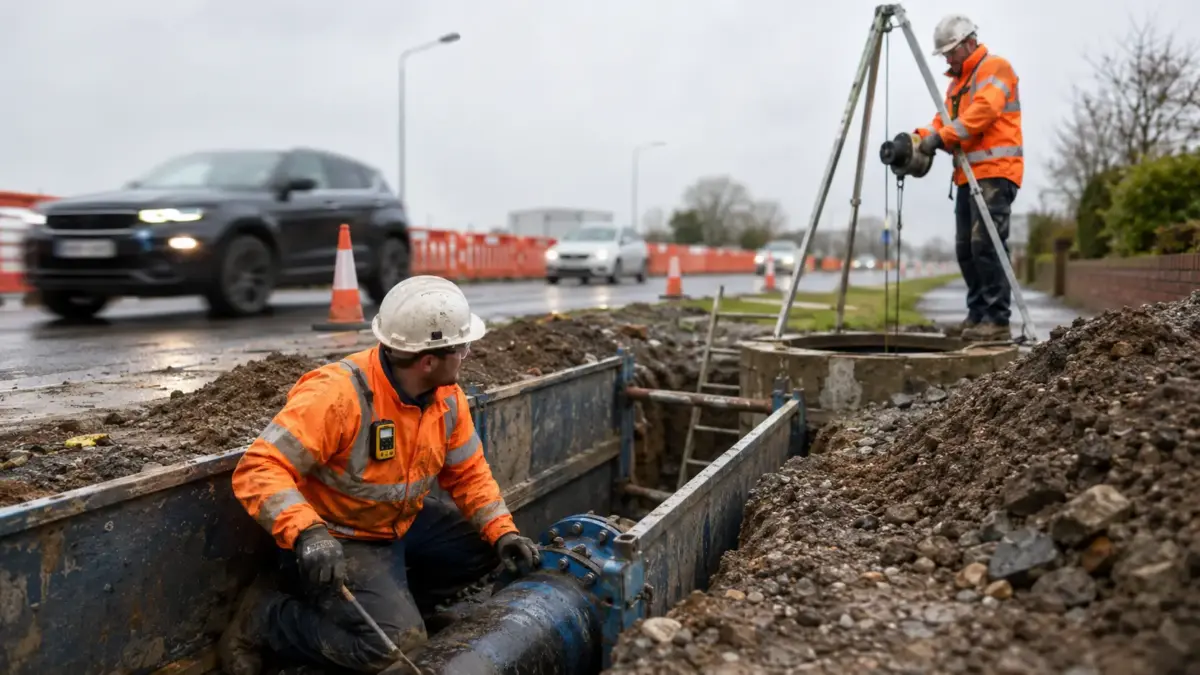
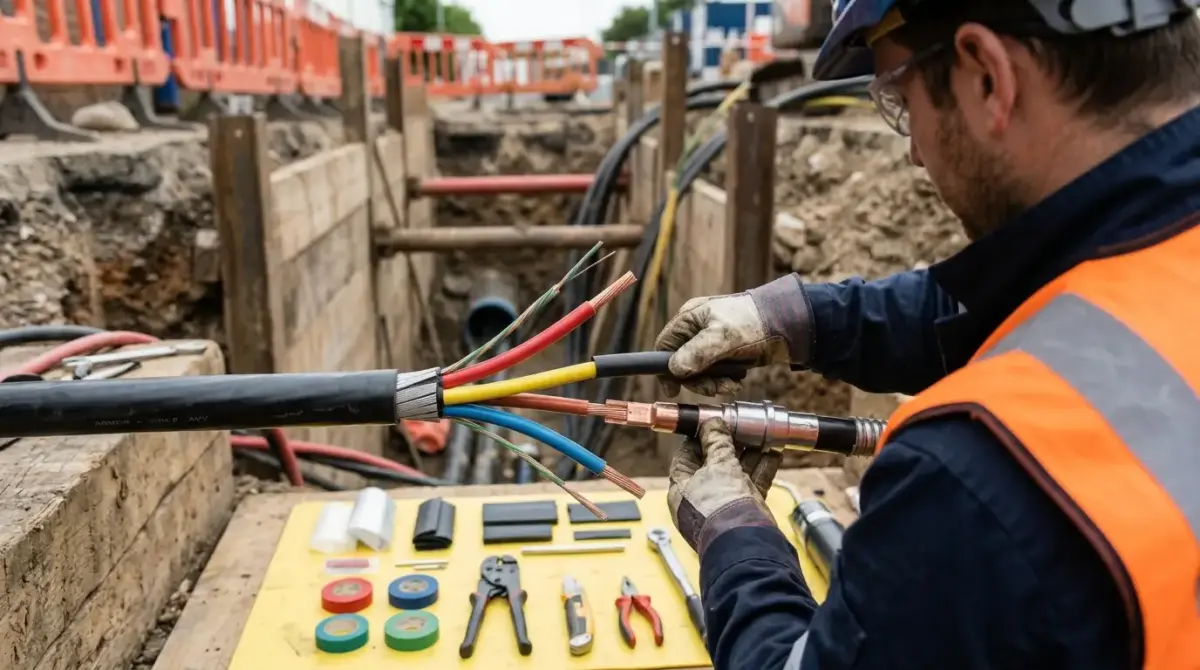
Construction workers in orange safety gear install underground pipes at a road construction site with traffic barriers and vehicles in the background.
Safety At Work

Water Industry Safety: Hazards in Treatment and Distribution

TL;DR Map hazards by class, not by site type. Atmospheric, chemical, biological, physical, and confined-space hazards run across both treatment plants and the distribution network. Treat confined space as the top killer. It concentrates gas, engulfment, and chemical hazards in…

Abdul Qadeer

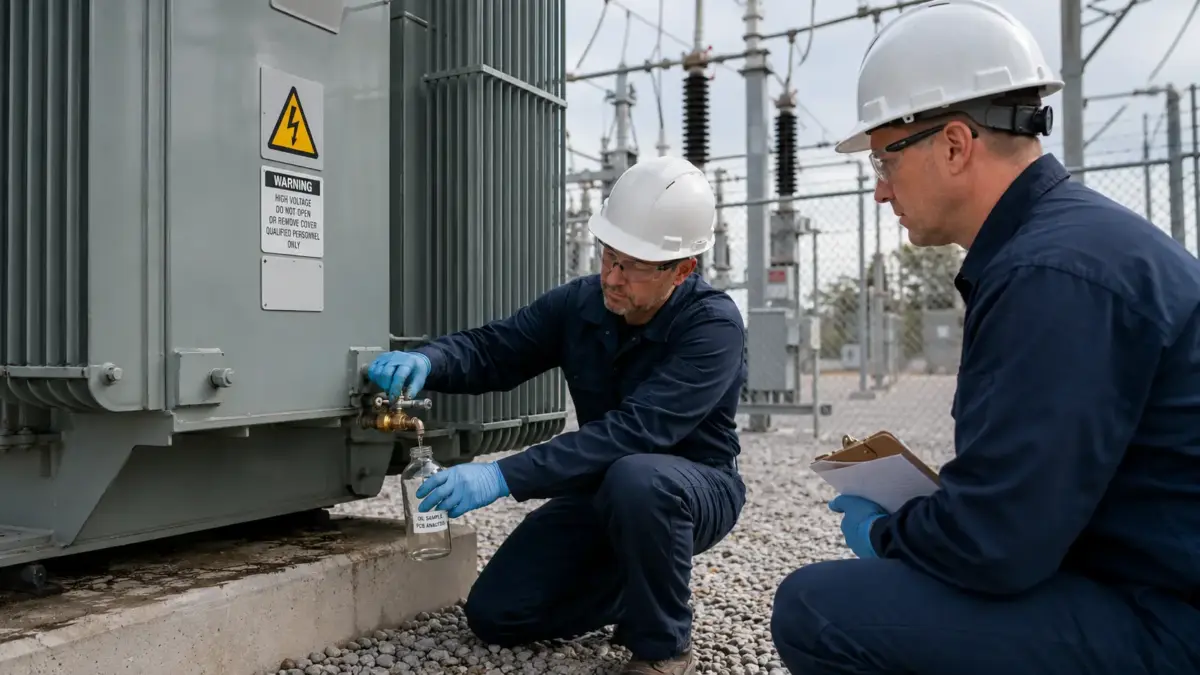
Two electrical utility workers in hard hats and safety gloves inspect a high-voltage transformer at an outdoor substation, with one collecting a fluid sample while the other takes notes.
Safety At Work

Transformer Oil Safety: PCB Contamination & Fire Risks

TL;DR — Myth vs Reality Myth: An old oil-filled transformer is "just oil" with a normal fire risk. Reality: pre-ban units may hold PCB-based askarel fluid that is nonflammable but releases highly toxic furans and dioxins when it burns. Myth:…

Usman Malik

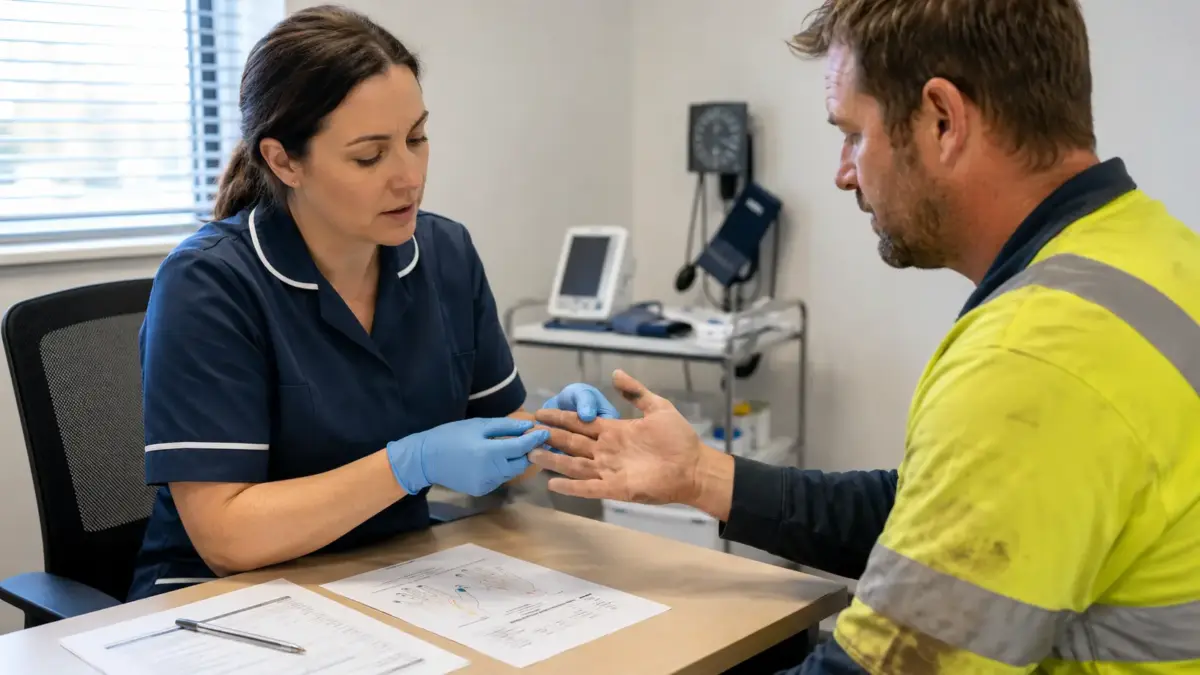
Healthcare professional in blue scrubs examining a patient's hand in a medical clinic office, with examination equipment visible in the background.
Safety At Work

HAVS Health Surveillance Tiers: The 5-Level System Explained

TL;DR Five tiers, one pipeline — Baseline questionnaire, annual screening, clinical assessment, physician diagnosis, then optional specialist testing; each step escalates only when symptoms appear. The trigger is the action value — Surveillance becomes a legal duty above 2.5 m/s²…

Syed Mubashir

A diverse team of industrial workers wearing white hard hats and high-visibility vests stand in a circle during a safety meeting inside a large manufacturing facility.
Safety At Work

Bradley Curve: The 4 Safety Culture Stages Explained

TL;DR What is the Bradley Curve? A descriptive management model that maps safety-culture maturity against injury rate, claiming incidents fall as culture matures. What are the four stages? Reactive, Dependent, Independent, and Interdependent — moving from "accidents just happen" to…

Saad Iftikhar

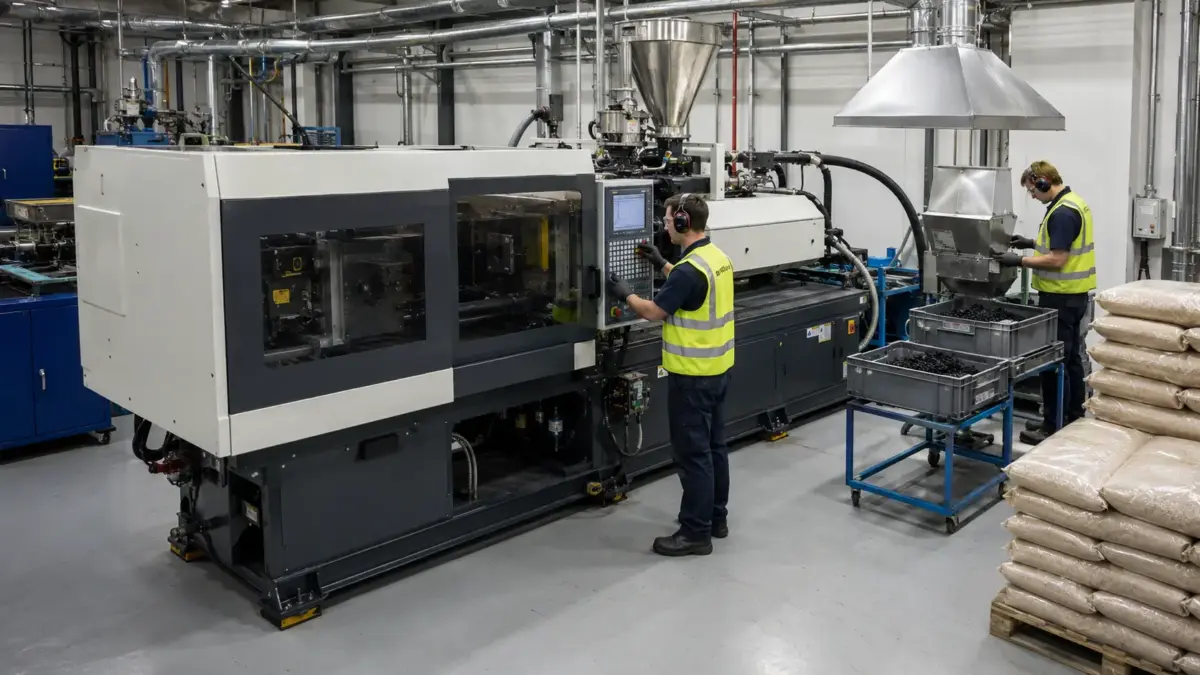
Two workers in high-visibility vests operate an industrial injection molding machine in a manufacturing facility, with stacks of packaged materials visible on the right side.
Safety At Work

Plastics Manufacturing Safety: Key Hazards & Controls

TL;DR Engineering controls beat PPE. Guarding, interlocks, and local exhaust ventilation outrank respirators and gloves on every plastics hazard. Fix the higher-order control first. Machine guarding is the killer. Clamp and feed-mechanism amputations dominate the injury record, and OSHA's renewed…

Badar Javed

Prefer To Browse By Topic?

Every safety category is listed in the A–Z directory.