Asbestos once heralded for its durability, heat resistance, and affordability, was widely used in building insulation throughout the 20th century. From homes to industrial buildings, asbestos insulation was a popular choice for insulating walls, floors, pipes, and ductwork. However, today we know that asbestos exposure poses significant health risks. Asbestos insulation, often hidden in older buildings, can still pose dangers if disturbed.
What Is Asbestos Insulation?
Asbestos is a naturally occurring mineral composed of flexible, microscopic fibers that are highly resistant to heat, fire, and chemicals. These qualities made it an ideal material for insulating buildings, machinery, pipes, and more.
There are six types of asbestos, but three main types are commonly used in insulation:
- Chrysotile (White Asbestos): The most prevalent type, making up approximately 95% of asbestos used in U.S. buildings.
- Amosite (Brown Asbestos): Commonly used in cement sheets and insulation materials.
- Crocidolite (Blue Asbestos): Used in high-temperature applications such as steam engine insulation.
Why Was Asbestos Used in Insulation?
Asbestos was an attractive option for insulation because of its unique properties. It is:
- Fire-resistant: Asbestos fibers are naturally flame-retardant, making them ideal for protecting buildings from fire.
- Durable: Asbestos is resistant to heat and chemicals, ensuring it could withstand harsh environments.
- Cost-effective: Due to its availability and durability, asbestos was a cost-efficient material.
Asbestos insulation could be found in several forms, such as loose-fill insulation, pipe wrapping, spray-on insulation, and block insulation. Each of these materials carried asbestos fibers, posing potential risks when disturbed.
Types of Asbestos Insulation
Asbestos insulation comes in various forms, and recognizing these forms in older homes is crucial for minimizing exposure risks.
1. Loose-Fill Insulation
Loose-fill insulation is one of the most hazardous forms because of its high fiber content and friability (easily crumbled). Commonly used in attics, this fluffy or granular insulation was often blown or poured into cavities.
2. Spray-On Insulation
Applied directly to walls and ceilings, spray-on asbestos insulation formed a thick layer of protection. However, it could be easily damaged or disturbed, releasing asbestos fibers into the air.
3. Block Insulation
Block insulation is typically found in older homes and commercial buildings. It is composed of semi-rigid slabs or blocks, which could be made of almost pure asbestos. This material is highly dangerous if disturbed during renovations or repairs.
4. Pipe and Boiler Insulation
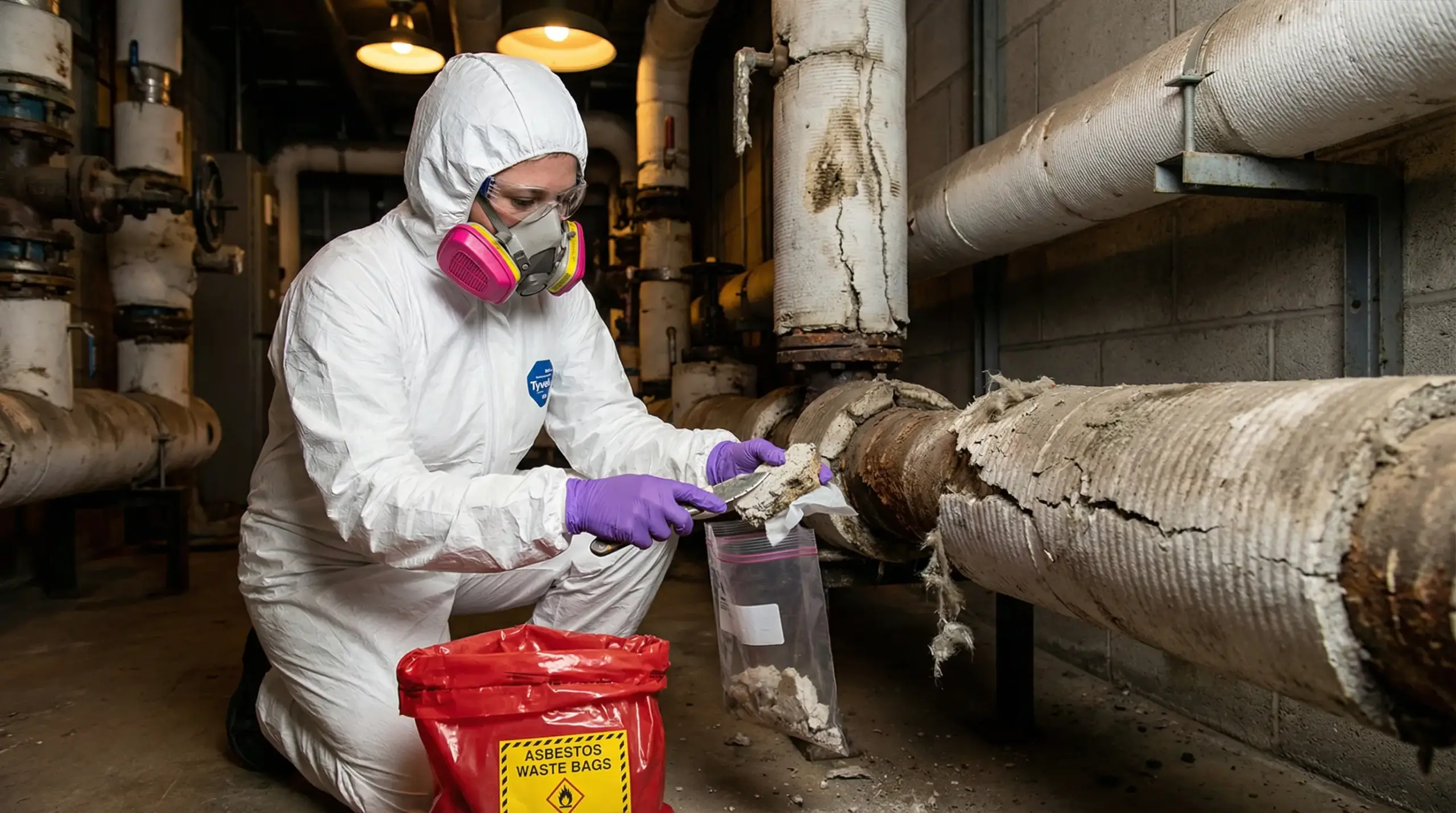
Asbestos was also used to wrap pipes and boilers in residential, commercial, and industrial settings. The insulation is often found in basements or utility rooms and was designed to retain heat and prevent fires. Asbestos pipe insulation often looks like cardboard or fibrous wool.
Why Is Asbestos Insulation Dangerous?
While asbestos itself is not dangerous when left undisturbed, it becomes hazardous when damaged, disturbed, or removed. The fibers in asbestos insulation are microscopic, and when these fibers are released into the air, they can be inhaled or ingested, leading to serious health complications.
Health Risks of Asbestos Insulation
- Mesothelioma: This rare, aggressive cancer affects the lining of the lungs, heart, or abdomen and is almost exclusively caused by asbestos exposure.
- Lung Cancer: Prolonged asbestos exposure can increase the likelihood of developing lung cancer, especially in smokers.
- Asbestosis: A chronic lung disease caused by scarring from inhaled asbestos fibers, leading to shortness of breath, coughing, and chest pain.
- Other Cancers: Asbestos exposure has also been linked to ovarian cancer and laryngeal cancer.
These health problems may take decades to develop, with symptoms often appearing 10 to 40 years after exposure. Even small amounts of asbestos exposure can lead to serious health issues.
Identifying Asbestos Insulation in Your Home
Determining whether asbestos insulation is present in your home requires careful inspection. Here are a few indicators:
- Vermiculite Insulation: Common in homes built before 1990, vermiculite insulation often contains asbestos, particularly if it was sourced from a mine in Libby, Montana.
- Loose-Fill Insulation: Fluffy, granular, or pebble-like insulation found in attics or walls might contain asbestos.
- Pipe Insulation: Asbestos pipe insulation appears as cardboard-like material or wool-like fibers wrapped around pipes, especially in older basements or utility rooms.
- Spray-On Insulation: Found on ceilings and walls, spray-on insulation is thick and grayish and often contains asbestos.
How to Safely Handle Asbestos Insulation
If you suspect asbestos is present in your home, DO NOT attempt to remove it yourself. Improper handling of asbestos insulation can release fibers into the air, endangering you and others around you.
Steps to Take:
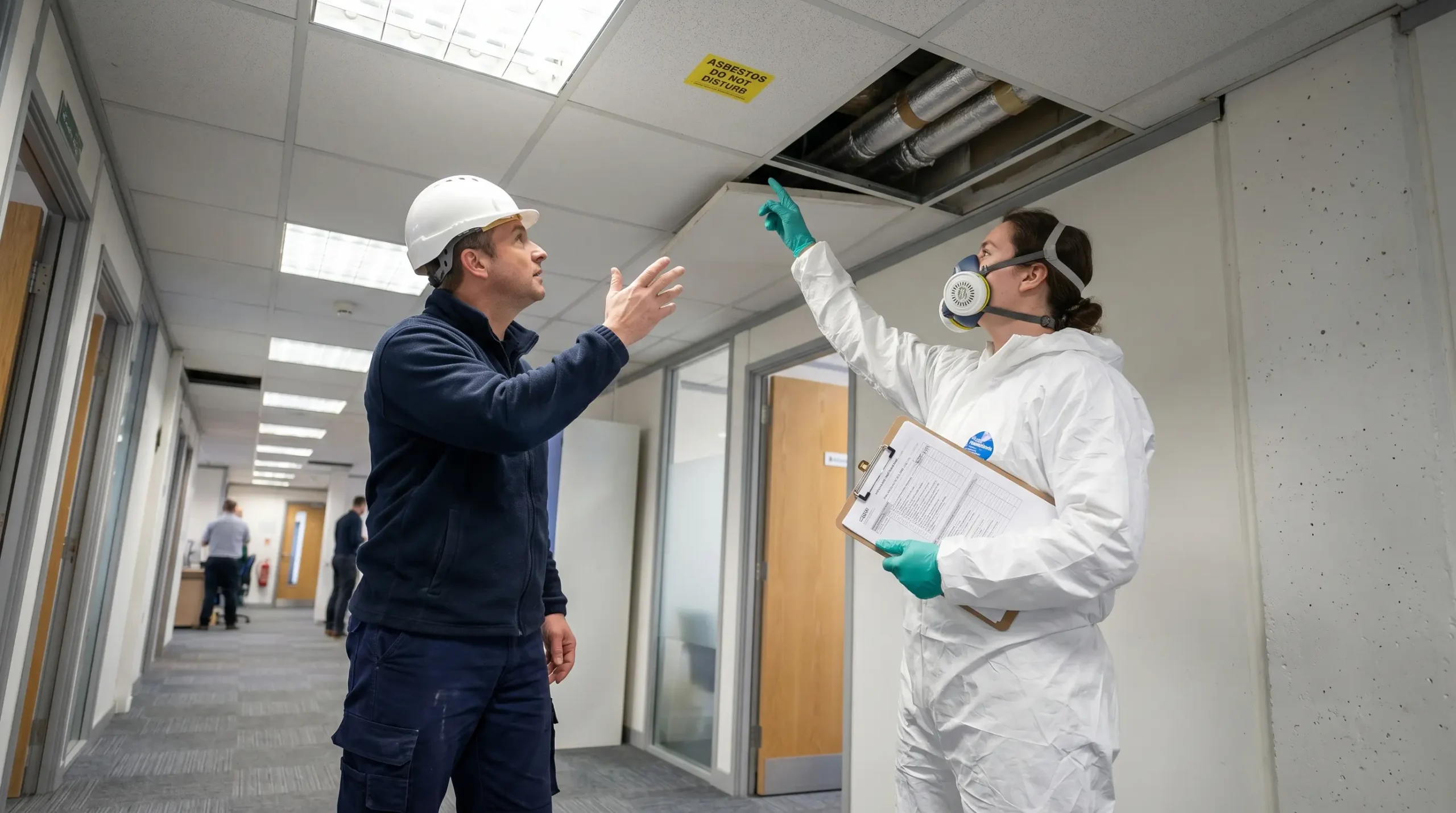
- Avoid Disturbance: If you suspect asbestos, leave it alone. Asbestos is most dangerous when disturbed.
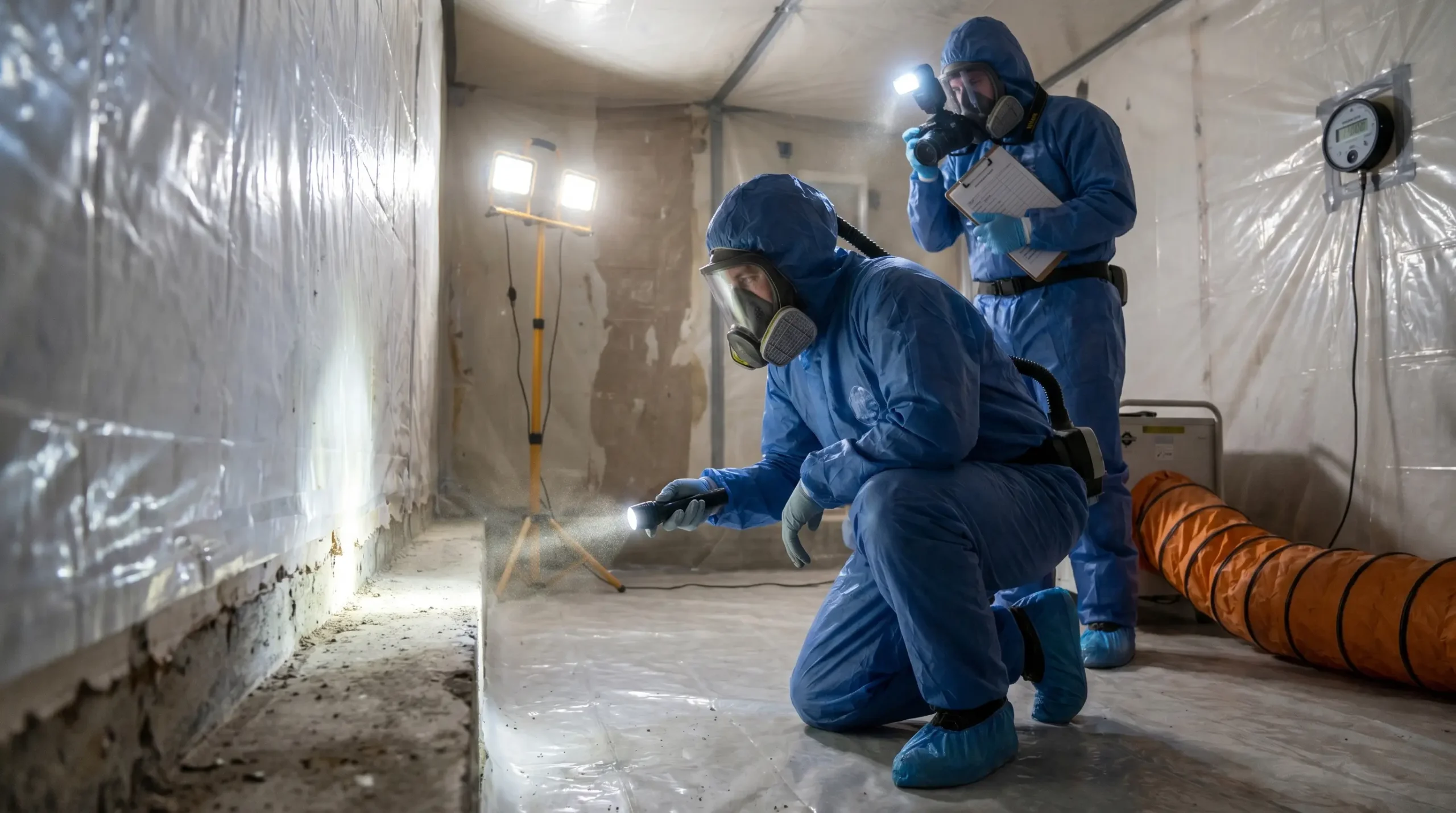
- Get a Professional Inspection: Certified asbestos inspectors can sample materials and determine if asbestos is present.
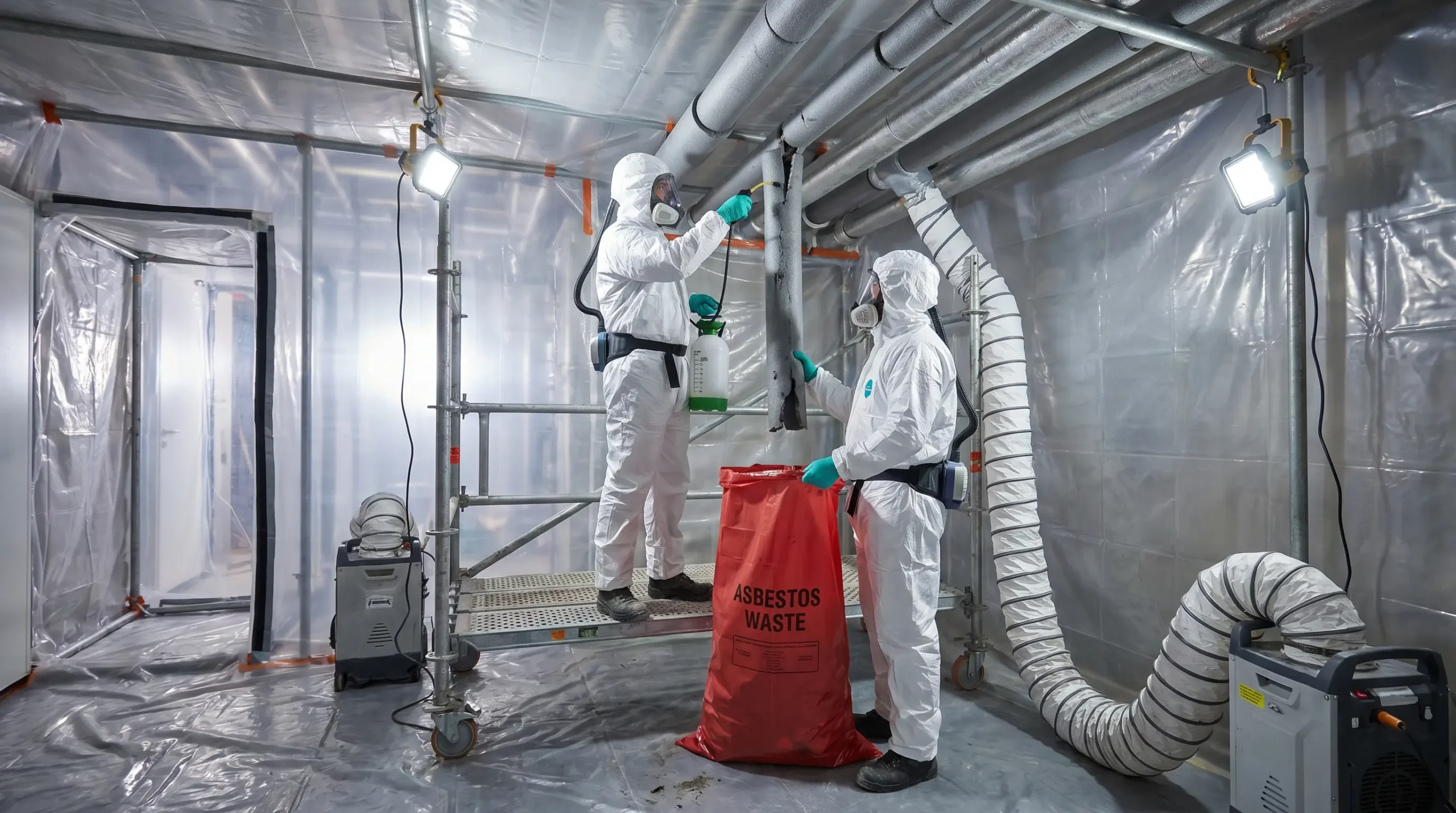
- Hire a Licensed Asbestos Abatement Professional: Only professionals trained and certified in asbestos removal should handle its disposal.
Asbestos abatement involves sealing off the area, removing the material safely, and thoroughly cleaning the space to ensure no asbestos fibers remain. Specialized tools, protective clothing, and respirators are required to minimize exposure during removal.
Alternatives to Asbestos Insulation
In modern construction, safer alternatives to asbestos insulation are widely available. These alternatives provide excellent insulation without the associated health risks.
- Fiberglass Insulation: Made from spun glass fibers, fiberglass is a safe, non-toxic alternative.
- Cellulose Insulation: Composed of recycled materials, such as newspaper and cardboard, cellulose is environmentally friendly and effective.
- Foam Insulation: Spray foam or rigid foam panels provide excellent insulation and air-sealing properties.
- Rock Wool Insulation: A non-combustible material made from molten rock, rock wool is another safe alternative to asbestos.
Conclusion
Asbestos insulation, while once hailed as a superior building material, has left behind a legacy of health risks. Exposure to asbestos fibers can lead to life-threatening diseases, and even though asbestos use has been banned or regulated in many countries, it is still present in countless older buildings.
If you live in a home built before the 1980s, it is crucial to be aware of the potential presence of asbestos insulation. By taking appropriate precautions—such as hiring professionals to test and remove it—you can protect yourself and your loved ones from the dangers of asbestos exposure.
With the availability of safer alternatives today, there's no need to rely on hazardous materials. Awareness and action can help reduce the hidden dangers of asbestos insulation in your home, ensuring a safer living environment for future generations.