Workplace Temperature Laws: Min & Max Limits (2026)
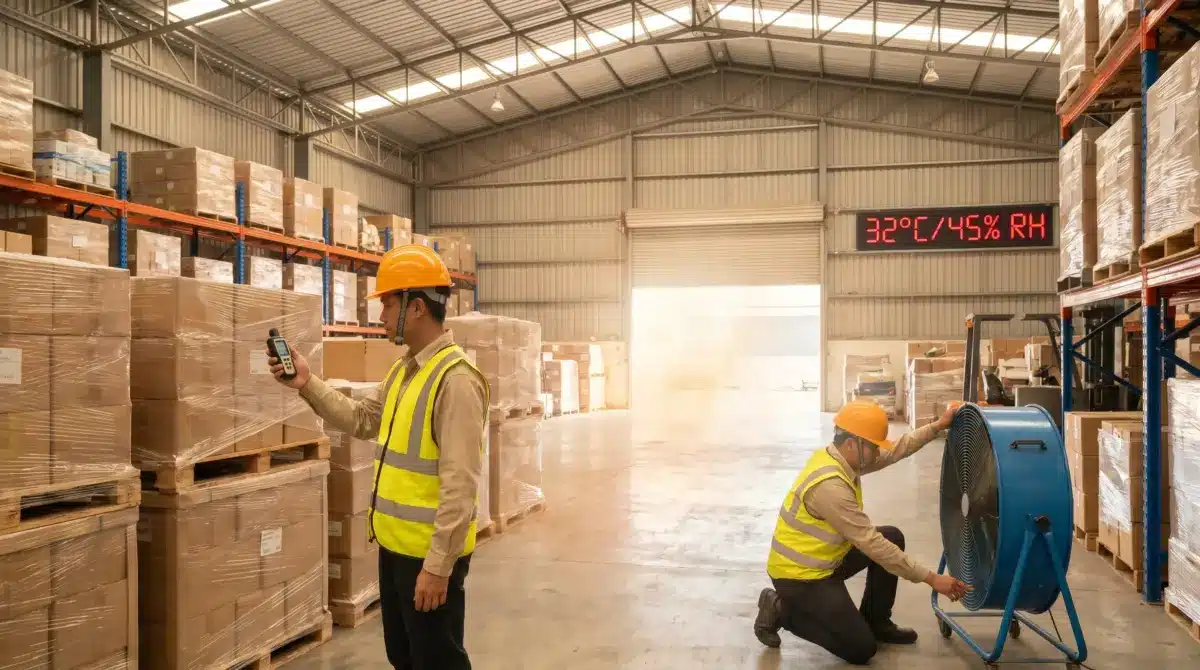
Two warehouse workers in safety vests and hard hats monitor temperature and humidity levels while managing inventory of packaged boxes on pallets in an industrial storage facility.

TL;DR Workplace temperature regulations vary by jurisdiction, but most countries do not impose a single binding maximum. In the US, OSHA recommends 68–76°F for indoor settings and enforces heat hazards through the General Duty Clause and the updated 2026 National Emphasis Program. The UK sets enforceable minimums of 16°C and 13°C but no maximum. Spain … Read more

Surface Mining Safety: Risks, MSHA Rules & Best Practices

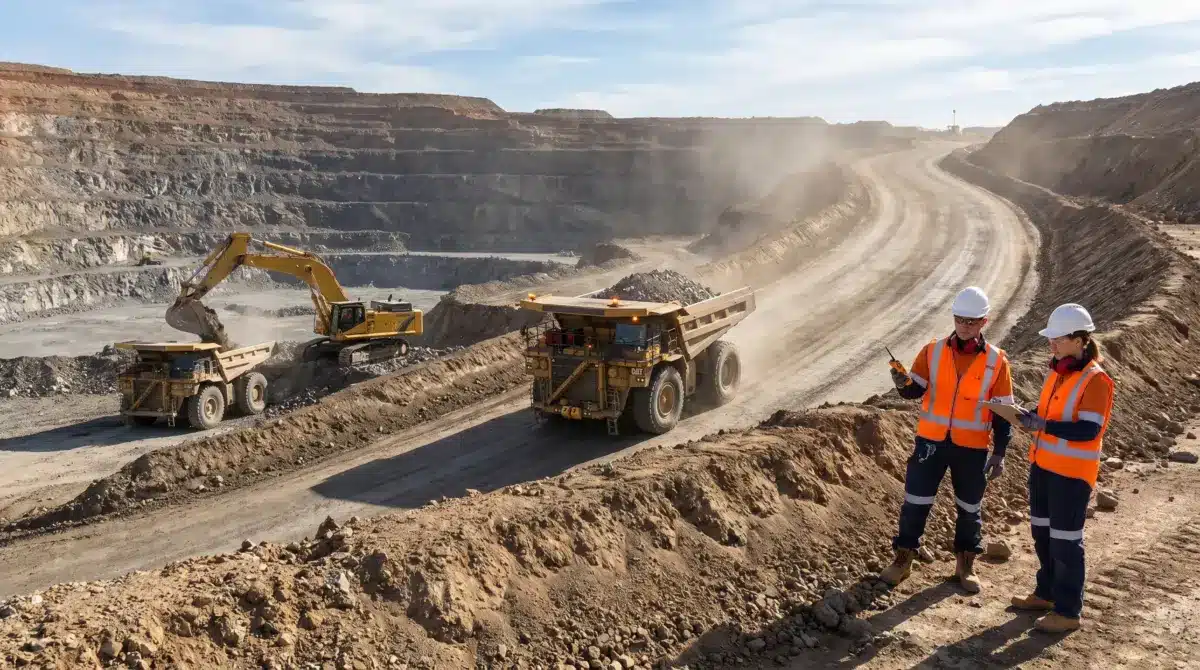
Two workers in orange safety vests and hard hats oversee a large open-pit mine operation with excavators, dump trucks, and terraced earthen walls under a dusty sky.

TL;DR Surface mining hazards include powered haulage accidents (the leading cause of fatalities), machinery entanglement and crushing, highwall and slope failures, respirable silica dust exposure, slips and falls, blasting misfires, electrical contact, and environmental stressors such as heat, noise, and UV radiation. MSHA’s 30 CFR Part 56 sets the primary safety and health standards for … Read more

Sanitation & Washing Facilities: Employer Duties (OSHA, UK, EU)

Person in blue shirt washing hands at stainless steel sink in clean modern bathroom with white subway tile walls and paper towel dispenser.

TL;DR Employers in every jurisdiction share one non-negotiable duty: provide adequate, clean, and accessible toilet and washing facilities for all workers, maintained in sanitary condition and stocked with soap, running water, and drying materials at all times. In the US, OSHA mandates minimum toilet-to-employee ratios under 29 CFR 1910.141 for general industry and 29 CFR … Read more

Work Equipment Inspection: What, When, and How | HSE Guide

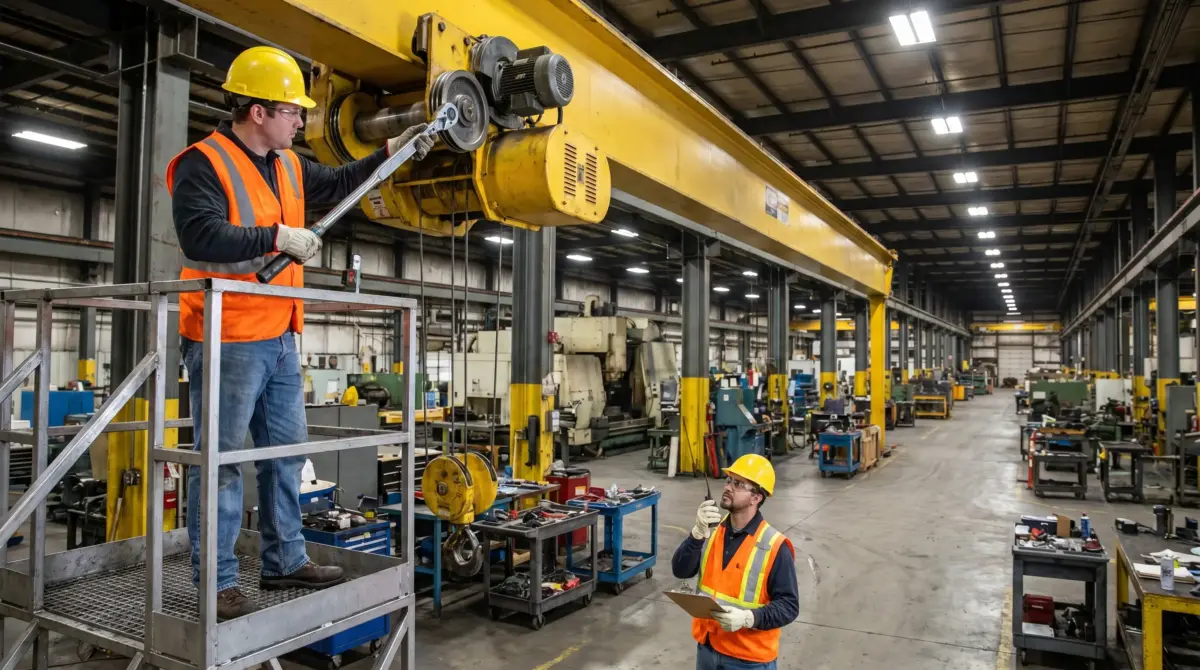
Worker in safety vest and hard hat adjusts overhead crane hoist mechanism in industrial factory floor with machinery and equipment visible throughout the warehouse.

TL;DR A work equipment inspection is a structured examination confirming that equipment can be operated, adjusted, and maintained safely, and that any deterioration is detected before it creates risk. The type, frequency, and depth of inspection are determined through risk assessment — not a universal schedule — considering equipment type, operating environment, manufacturer recommendations, and … Read more

Crane Load Testing: Procedures, Standards & Proof Load Guide

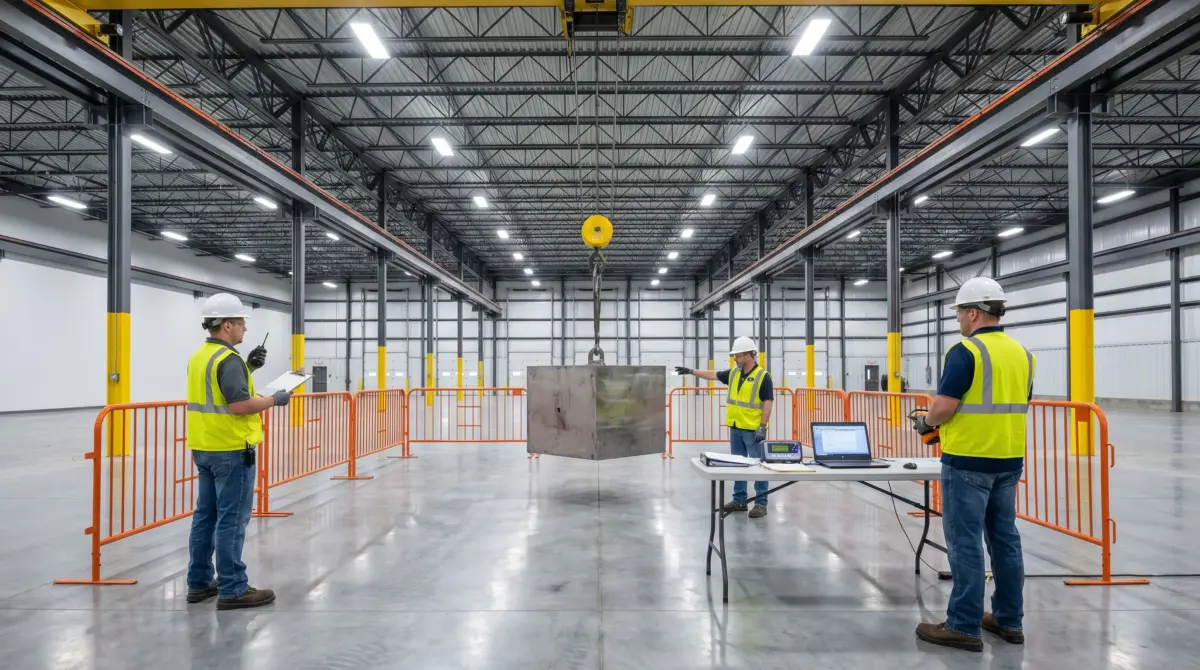
Workers in safety vests and hard hats conduct a load test with a suspended metal plate in a spacious industrial warehouse under bright LED lighting, monitored at a control station.

TL;DR Crane load testing is a controlled procedure that applies a measured weight — typically 100% to 125% of a crane’s rated capacity — to verify that its structure, brakes, and mechanical systems can safely handle working loads. It is required after new installation, major repairs, structural modifications, and re-rating, and is mandated by OSHA, … Read more

HAZMAT Transportation: Regulations, Classification & Compliance Guide

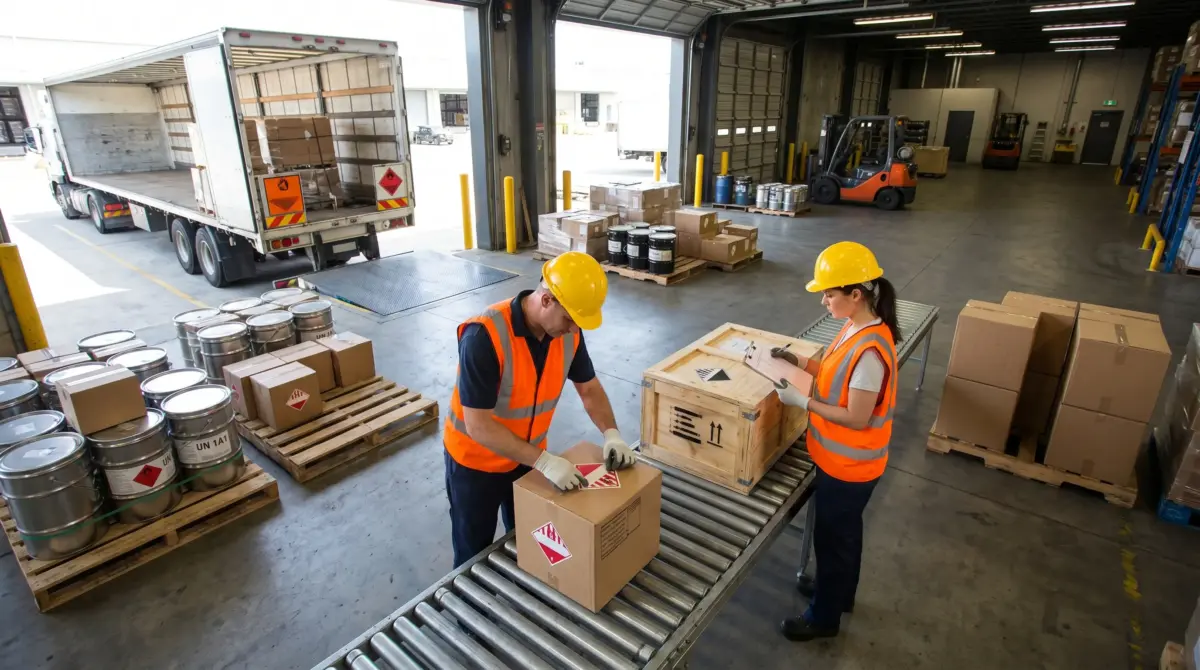
Two warehouse workers in safety vests and hard hats process packages on a conveyor system in a busy distribution center with trucks, pallets, and hazardous material containers.

TL;DR Hazardous materials transported in commerce in the United States are classified into nine hazard classes under 49 CFR, administered by the Pipeline and Hazardous Materials Safety Administration (PHMSA). Classification is the first and most consequential compliance step — it determines every downstream requirement for packaging, marking, labeling, placarding, shipping papers, and training. More than … Read more

RCD Testing: How Often to Test & Why It Saves Lives

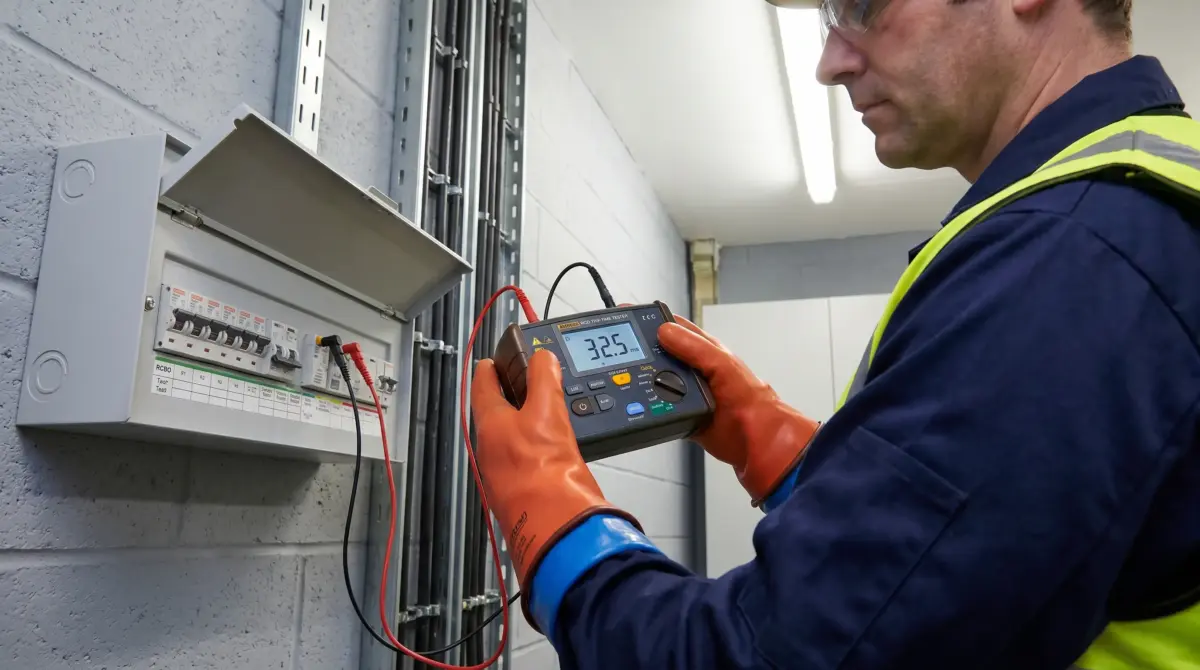
Electrician wearing safety gloves and high-visibility vest uses a digital multimeter to test an electrical panel mounted on a wall during maintenance work.

TL;DR RCDs — known as GFCIs in the United States — detect dangerous earth leakage current and disconnect the circuit within milliseconds, preventing fatal electric shock. Push-button testing should occur every 6 months in the UK, monthly in the US, and between daily and 6-monthly in Australia depending on the work environment. Professional trip-time testing … Read more

IATA DGR: Complete Guide to Air Transport of Dangerous Goods

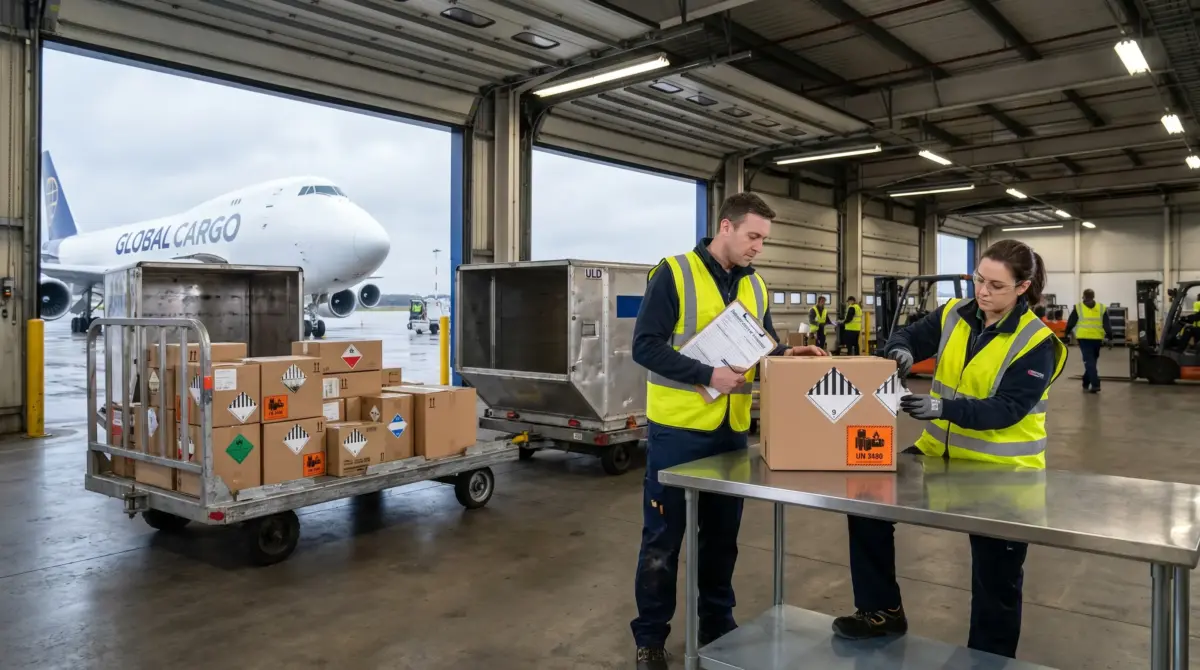
Cargo workers in high-visibility vests process shipping boxes at an airport hangar, with a Global Cargo aircraft visible through the open doors and loading equipment nearby.

TL;DR The IATA Dangerous Goods Regulations (DGR) are the global operational standard used by airlines, freight forwarders, and shippers to classify, package, mark, label, and document dangerous goods for air transport. Published annually by the International Air Transport Association, the DGR translates the legally binding ICAO Technical Instructions (Doc 9284) into practical guidance. The current … Read more

Insulation Resistance Testing: Purpose, Procedure & Interpretation Guide

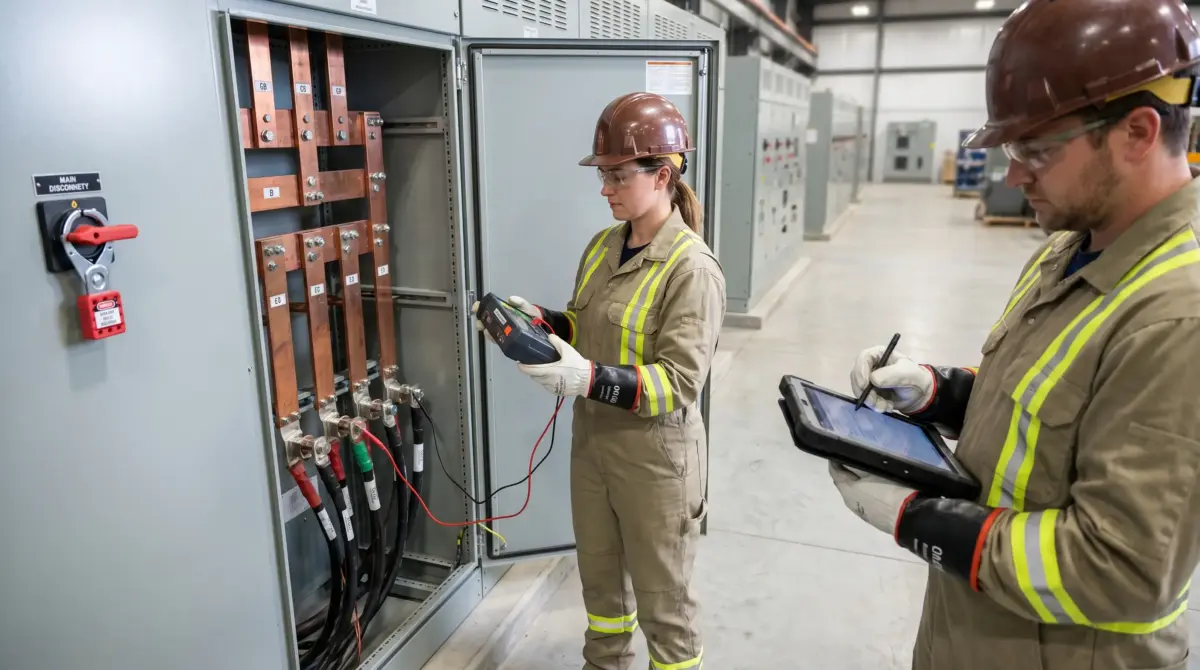
Two electricians in safety gear inspect an industrial electrical panel with orange bus bars and wiring, with one holding a multimeter and the other recording data on a tablet in a warehouse facility.

TL;DR Insulation resistance testing is a non-destructive diagnostic procedure that applies a controlled DC voltage across electrical insulation and measures the resulting leakage current to quantify insulation quality. It detects degradation from moisture, contamination, thermal aging, or mechanical damage before it leads to equipment failure, electric shock, or fire. The test is performed using a … Read more

IMDG Code: Guide to Shipping Dangerous Goods by Sea (2026)

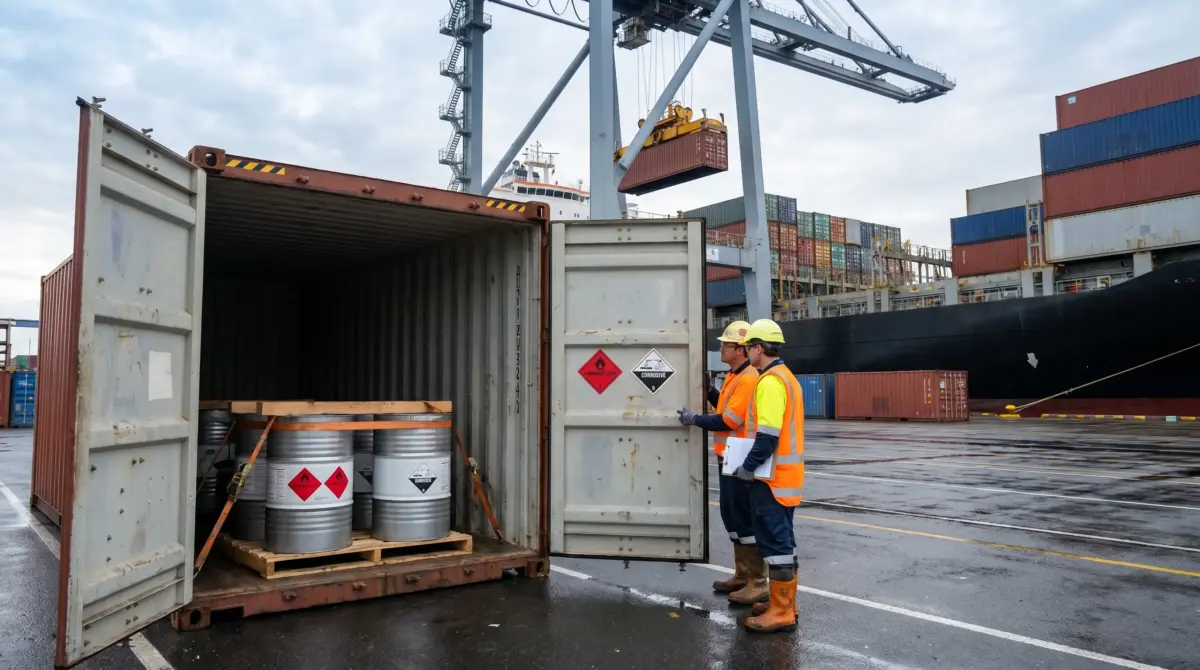
Two workers in safety gear inspect hazardous material drums loaded in a shipping container at a busy port with cranes and stacked cargo ships in the background.

TL;DR The IMDG Code is the international regulatory framework, published by the International Maritime Organization, that governs the classification, packaging, marking, labelling, documentation, stowage, and segregation of dangerous goods transported by sea in packaged form. Mandatory under both SOLAS Chapter VII and MARPOL Annex III, the Code applies to all ships in over 150 countries … Read more