Asbestos Management Plan: What It Is & How to Write One
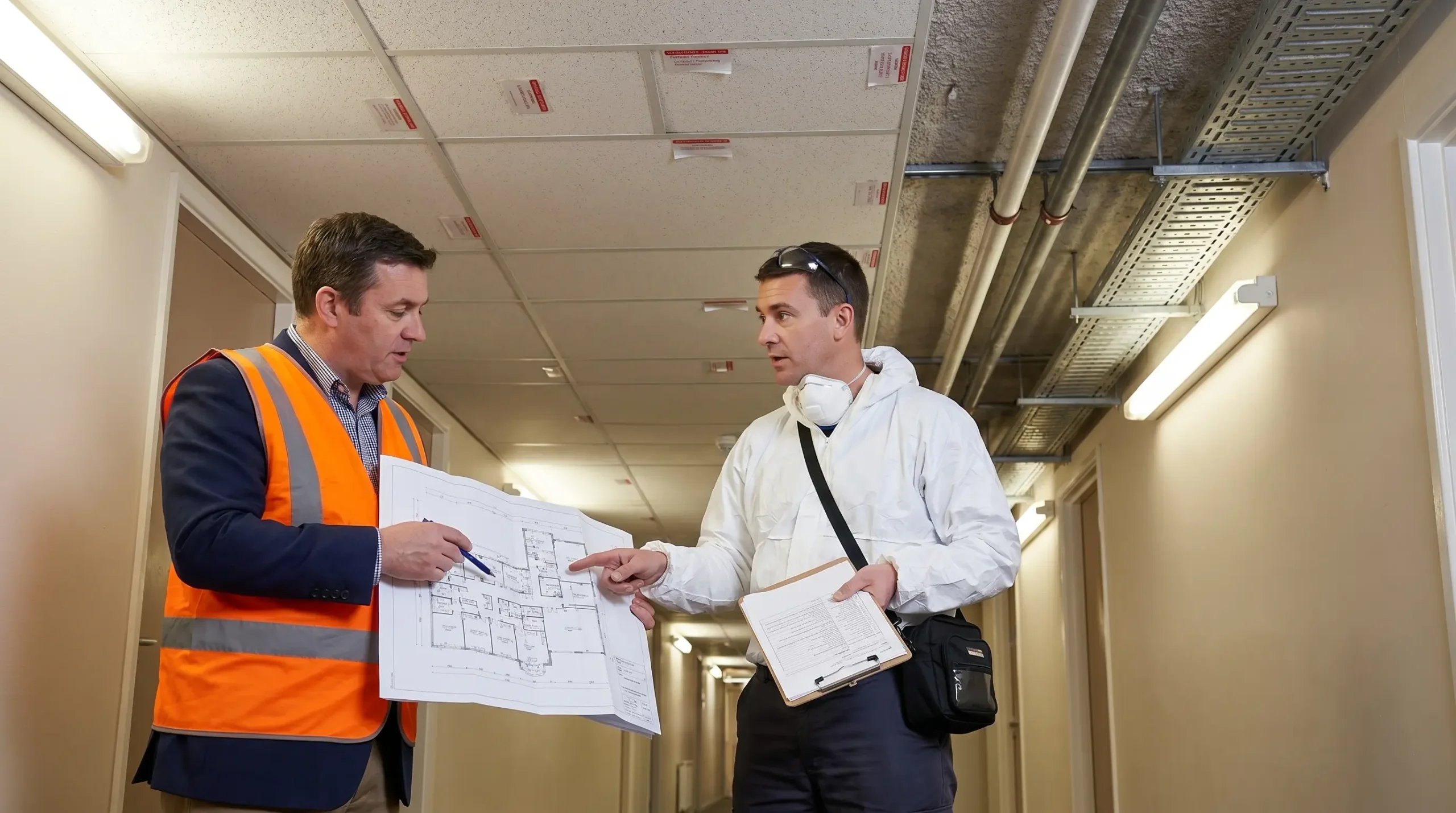
Two professionals review architectural blueprints in an industrial corridor, one wearing a safety vest and holding floor plans while the other holds a clipboard during an on-site inspection.

TL;DR An asbestos management plan is a written, site-specific document that sets out how asbestos-containing materials in a building will be identified, assessed, monitored, and controlled to prevent exposure. It records what ACMs are present, what decisions have been made about each one, who is responsible for ongoing management, and what procedures are in place … Read more

Asbestos Register: What It Must Contain | Compliance Guide

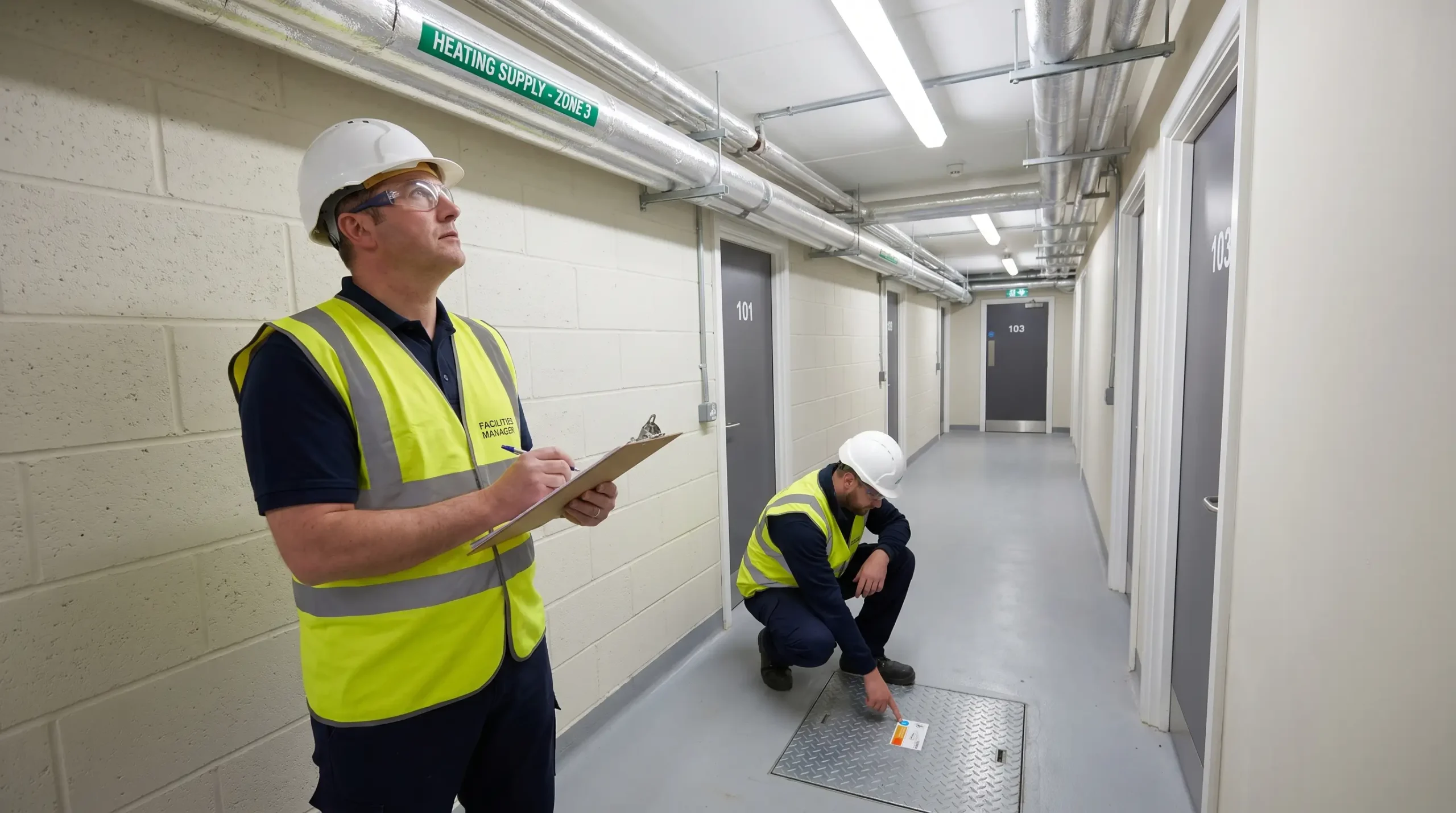
Two construction workers in safety vests and hard hats inspect a modern underground corridor lined with numbered doors, with one crouching to examine equipment on the floor while the other takes notes on a clipboard.

TL;DR An asbestos register is a live compliance document that records the identification, location, type, quantity, condition, and risk assessment of all known and presumed asbestos-containing materials (ACMs) in a building. Under UK law (CAR 2012, Regulation 4), it must be kept current and made available to anyone who may disturb ACMs. In Australia, WHS … Read more

UN Packaging Codes for Dangerous Goods Explained | Full Guide

Two warehouse workers in safety vests and hard hats inspect a blue chemical drum on a pallet, with a forklift and shelving units visible in the industrial storage facility.

TL;DR UN packaging codes are a standardised marking system printed on containers certified for transporting dangerous goods. Each code identifies the packaging type, construction material, hazard-level rating (Packing Group I, II, or III), weight or pressure capacity, and manufacturing origin. The system is defined by the UN Recommendations on the Transport of Dangerous Goods and … Read more

Demolition Safety: Planning, Methods & OSHA Procedures Guide

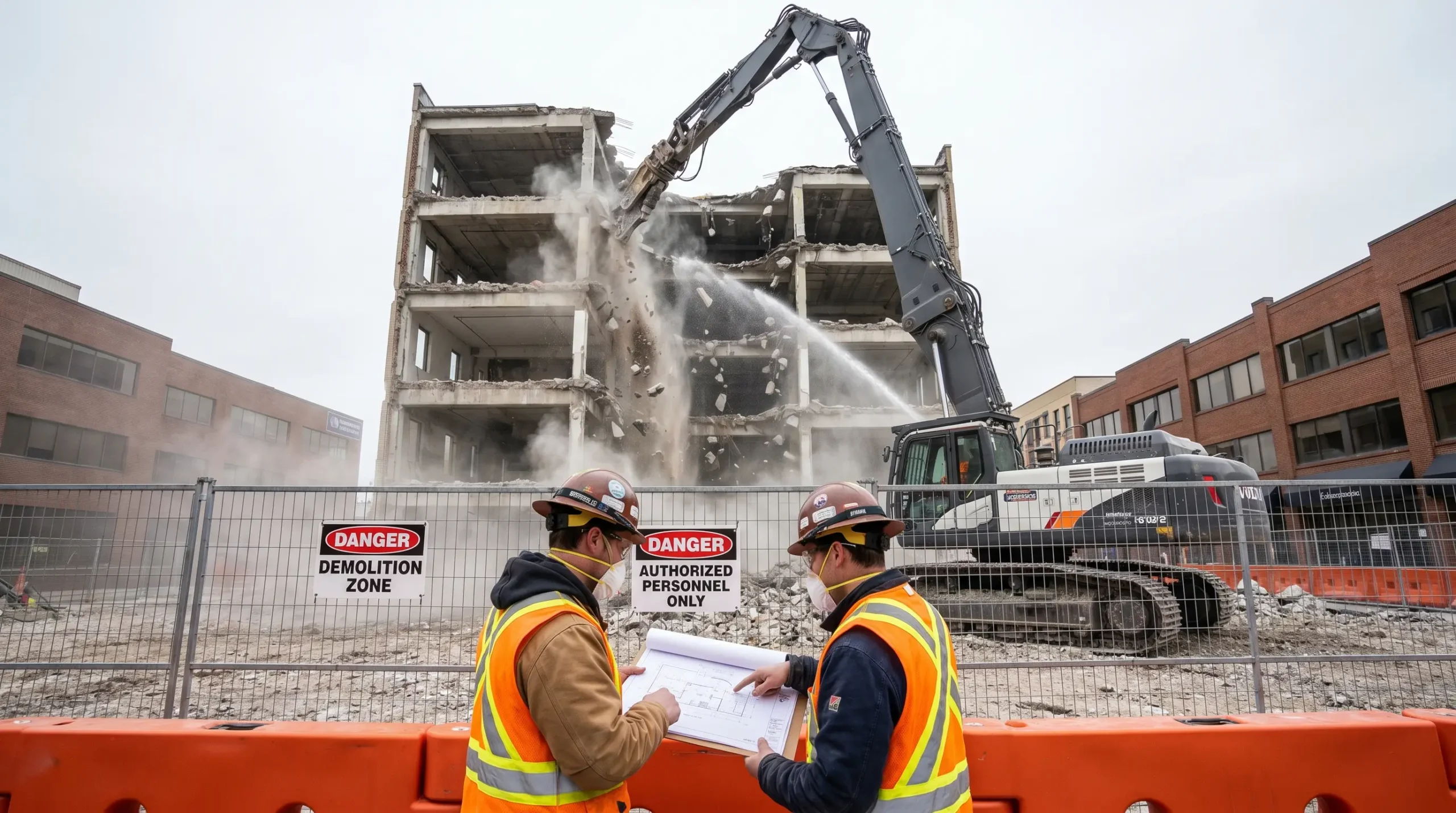
Two construction workers in safety gear review blueprints while a hydraulic excavator demolishes a concrete building behind them in an active demolition zone.

TL;DR Demolition safety encompasses the planning, hazard controls, and procedures required to protect workers and the public during the intentional dismantling of structures. Before any demolition work begins, OSHA requires an engineering survey by a competent person to assess structural integrity and identify hazards. A written demolition plan, utility isolation, hazardous material abatement, and ongoing … Read more

Tunnelling Safety: Key Hazards and Control Measures | HSE Guide

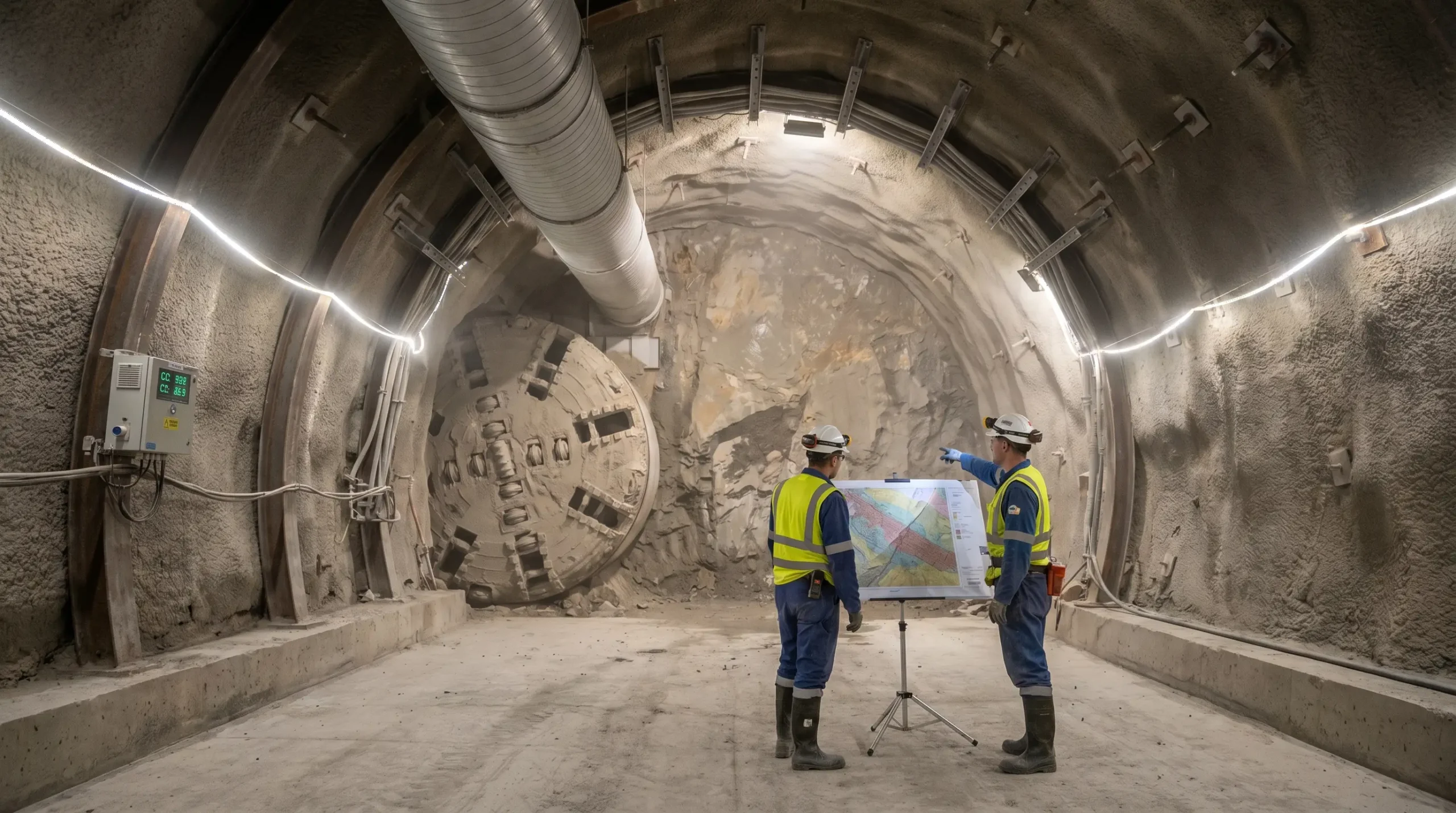
Two construction workers in safety gear examine a blueprint inside a tunnel under construction, with a tunnel boring machine visible in the background and LED lighting along the walls.

TL;DR Tunnelling safety hazards include ground collapse, toxic or explosive atmospheres, fire, water ingress, noise, silica dust exposure, and struck-by incidents from underground plant. Control measures follow the hierarchy of controls — from elimination through design-phase decisions, to engineering controls like mechanical ventilation and ground support systems, administrative controls including atmospheric monitoring and emergency planning, … Read more

TBM Safety: Key Risks in Tunnel Boring Machine Operations

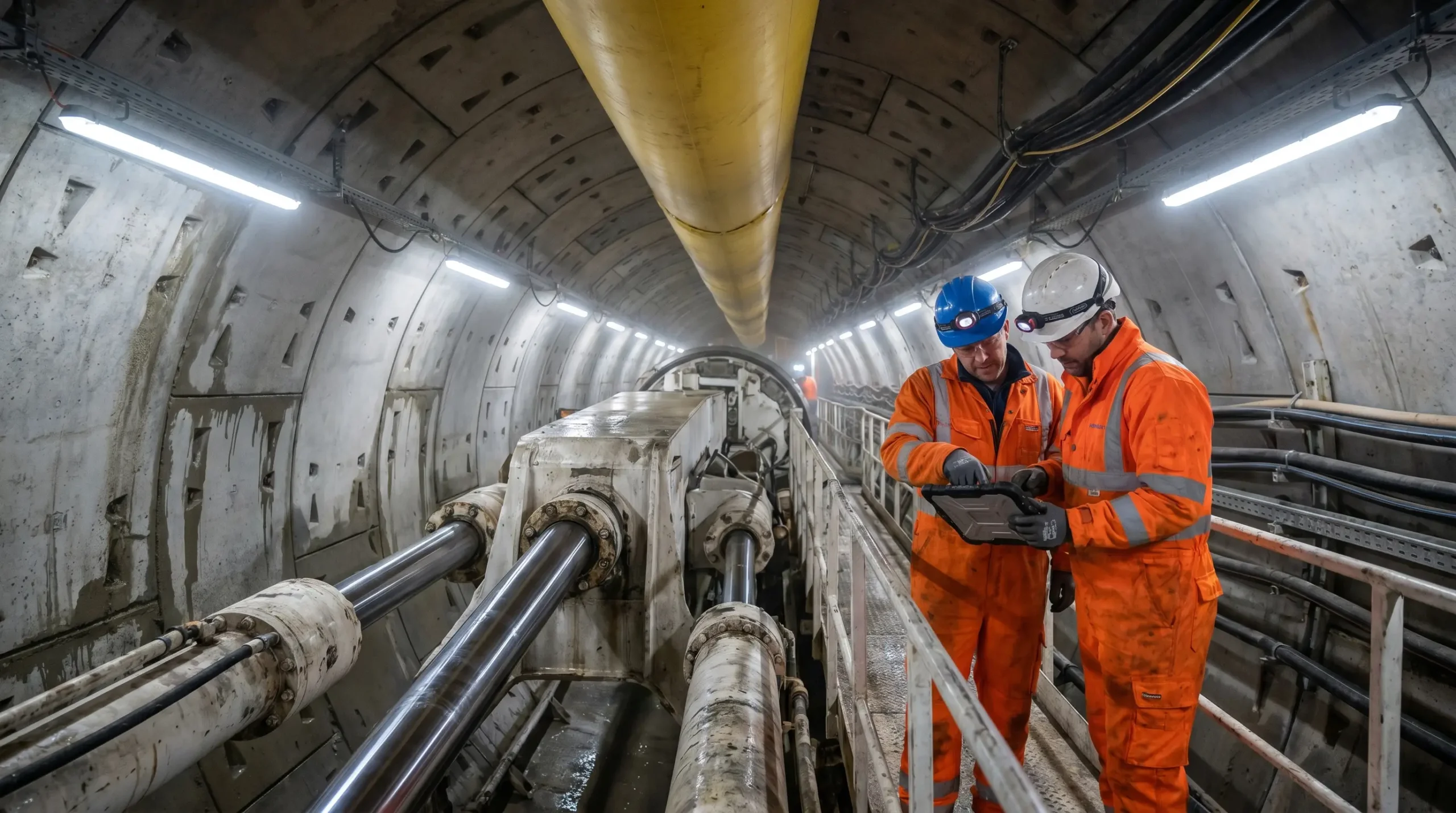
Two workers in orange safety suits and hard hats inspect industrial pipes inside a large concrete tunnel, with one holding a tablet device while reviewing equipment data.

TL;DR Tunnel boring machine operations present risks across six categories: geological hazards (ground collapse, water inrush), mechanical hazards (cutterhead failures, muck transport injuries), atmospheric hazards (gas exposure, silica dust), hyperbaric intervention risks (decompression sickness during cutterhead maintenance), emergency evacuation challenges in long tunnels, and chronic occupational health effects including noise-induced hearing loss and respiratory disease. … Read more

Piling Safety: Hazards, Control Measures & Risk Assessment Guide

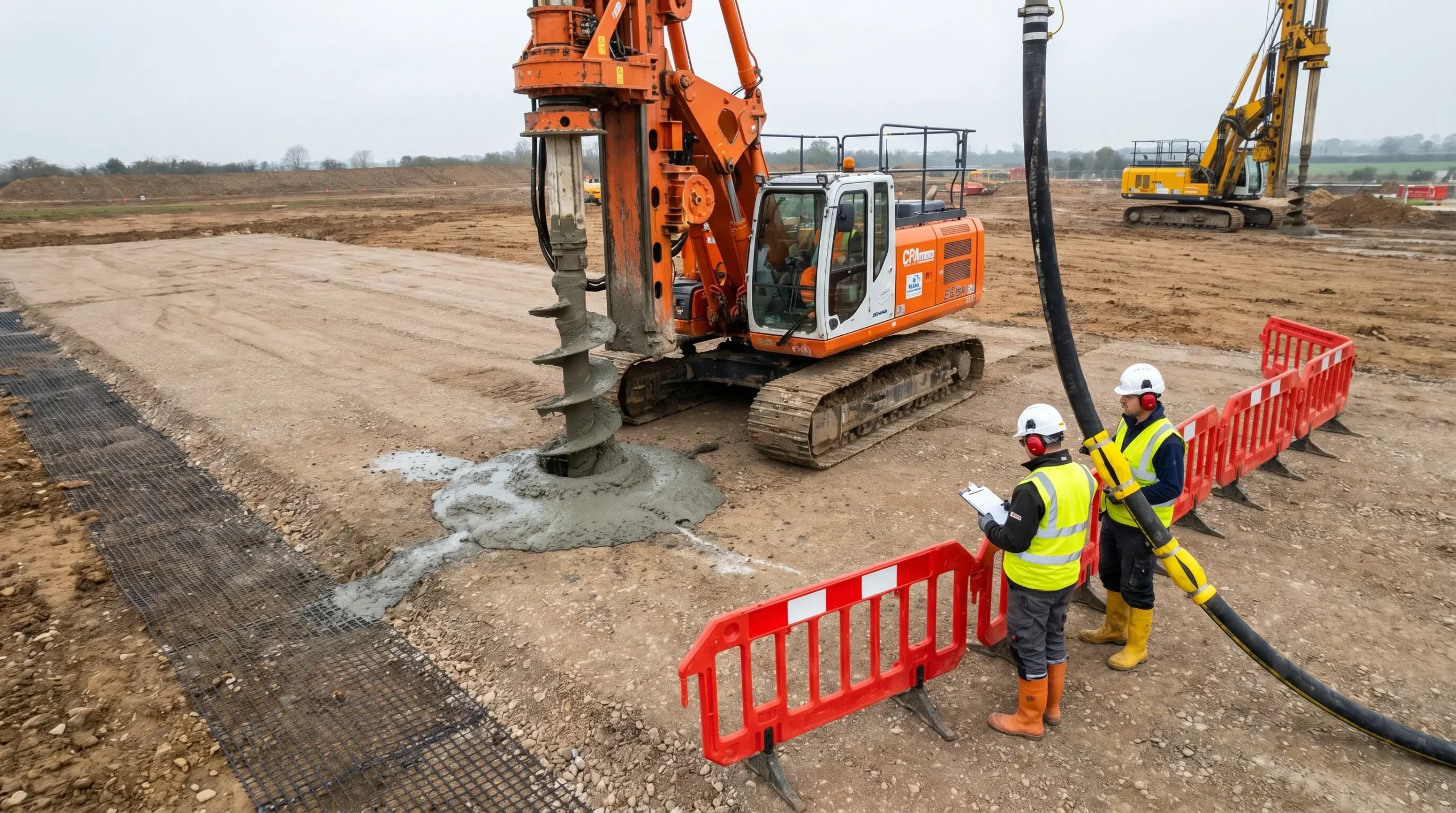
Construction workers in safety gear operate a pile driver machine on a muddy jobsite with red barriers, metal piping, and equipment visible in the background.

TL;DR Piling operations present elevated safety risks including struck-by injuries from falling hammers or swinging piles, entanglement in rotating auger parts, rig instability and collapse, underground service strikes, noise and vibration exposure exceeding occupational limits, falls from height on rig leads, and exposure to hazardous substances in contaminated ground. Effective piling safety requires controls at … Read more

Types of Piling Methods and Their Safety Risks | HSE Guide

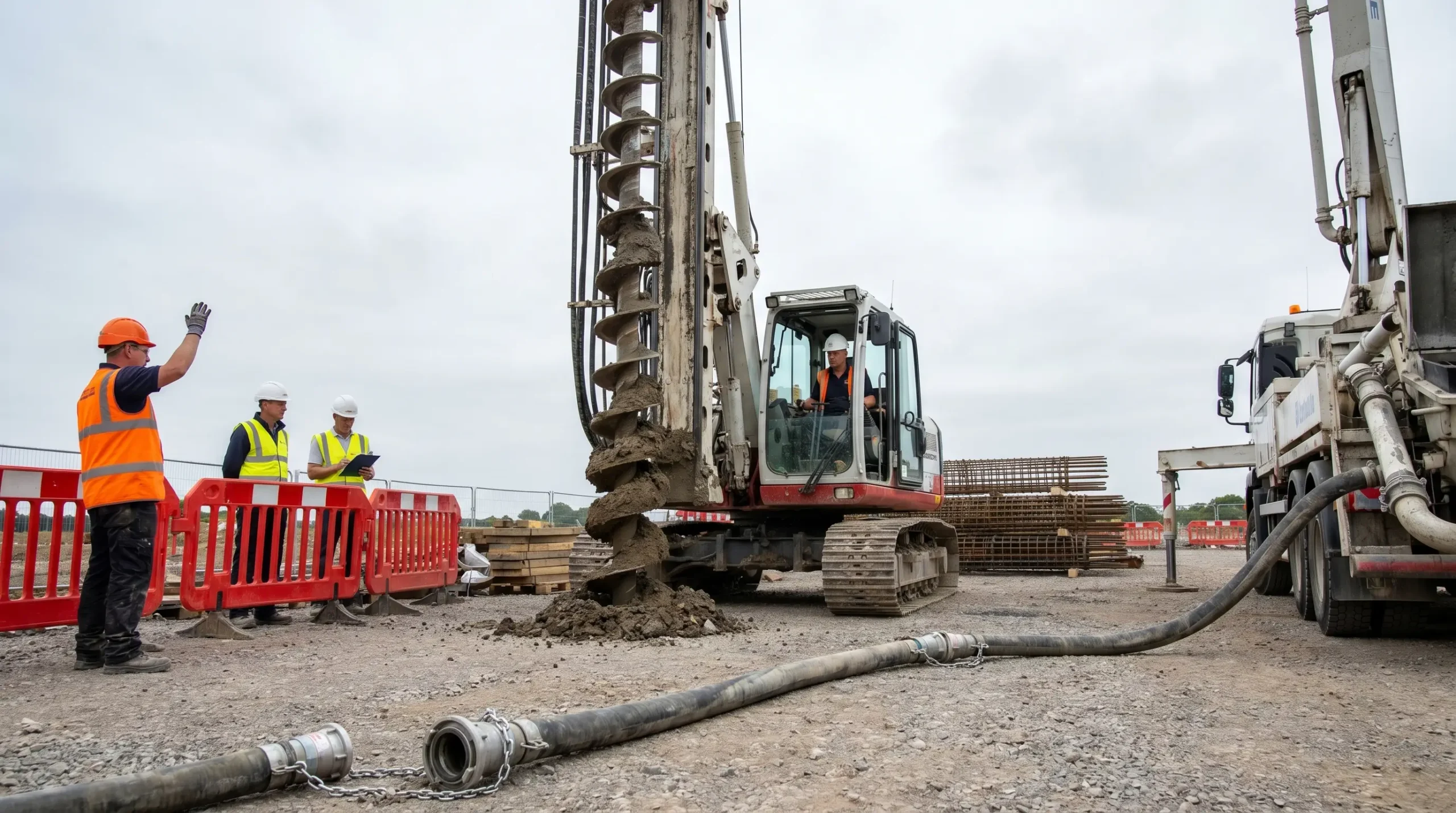
Construction workers in safety gear monitor a pile driver machine drilling into soil at an active construction site with red barriers and heavy equipment.

TL;DR Different piling methods carry distinct safety risks. Driven piling creates impulse noise hazards and ground vibration, bored piling introduces ground-collapse and contaminated-spoil risks, CFA piling adds auger entanglement and concrete hose-whip dangers, and all methods depend on correctly designed working platforms to prevent rig overturning — the single most recurrent serious piling incident across … Read more

Pre-Erected Steel Inspection: Checklist & Procedures Guide

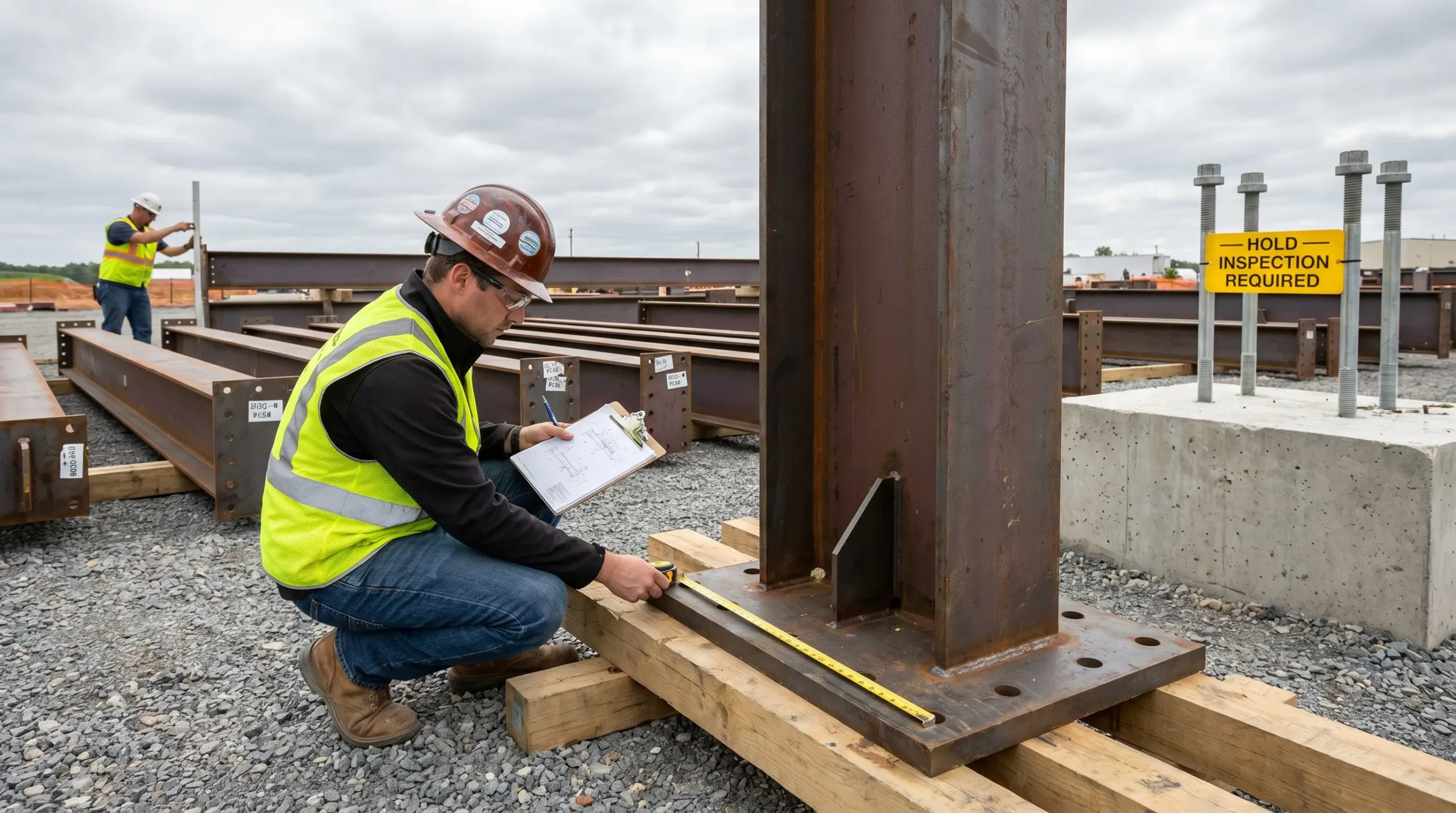
Construction inspector in safety vest and hard hat crouches while measuring and documenting structural steel beam with clipboard and tape measure at job site.

TL;DR Pre-erected steel inspection is the systematic verification of steel materials, fabricated components, and construction site readiness before structural steel erection begins. It covers material receiving checks against mill test reports, fabrication quality verification against design drawings and welding codes such as AWS D1.1, and site-readiness assessment — including foundation cure strength, anchor bolt positioning, … Read more

Ground Collapse in Tunnelling: Causes, Mechanisms & Prevention

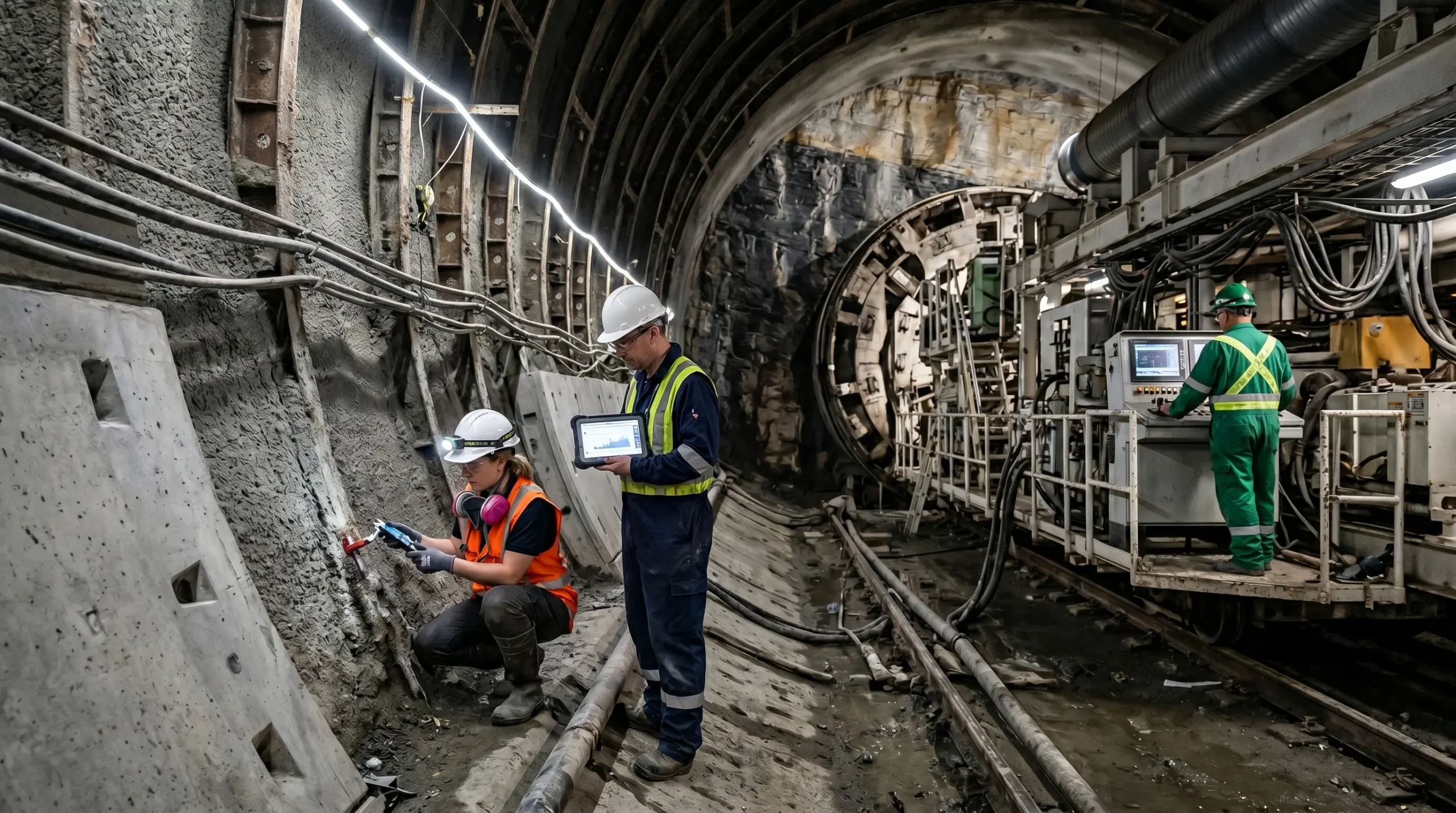
Workers in safety gear conduct inspection and monitoring inside a tunnel boring machine during underground construction, with equipment and control stations visible in the background.

TL;DR Ground collapse in tunnelling is the loss of excavation stability beyond design tolerance, spanning local roof falls, face instability, wedge failure, seepage-driven chimney collapse, and full daylight breakthrough to the surface. Prevention works only when each mechanism is matched to its specific control — face support pressure, ground improvement, initial lining, monitoring with pre-defined … Read more