Emergency Rescue in Tunnel Construction: Planning, Equipment & Regulations
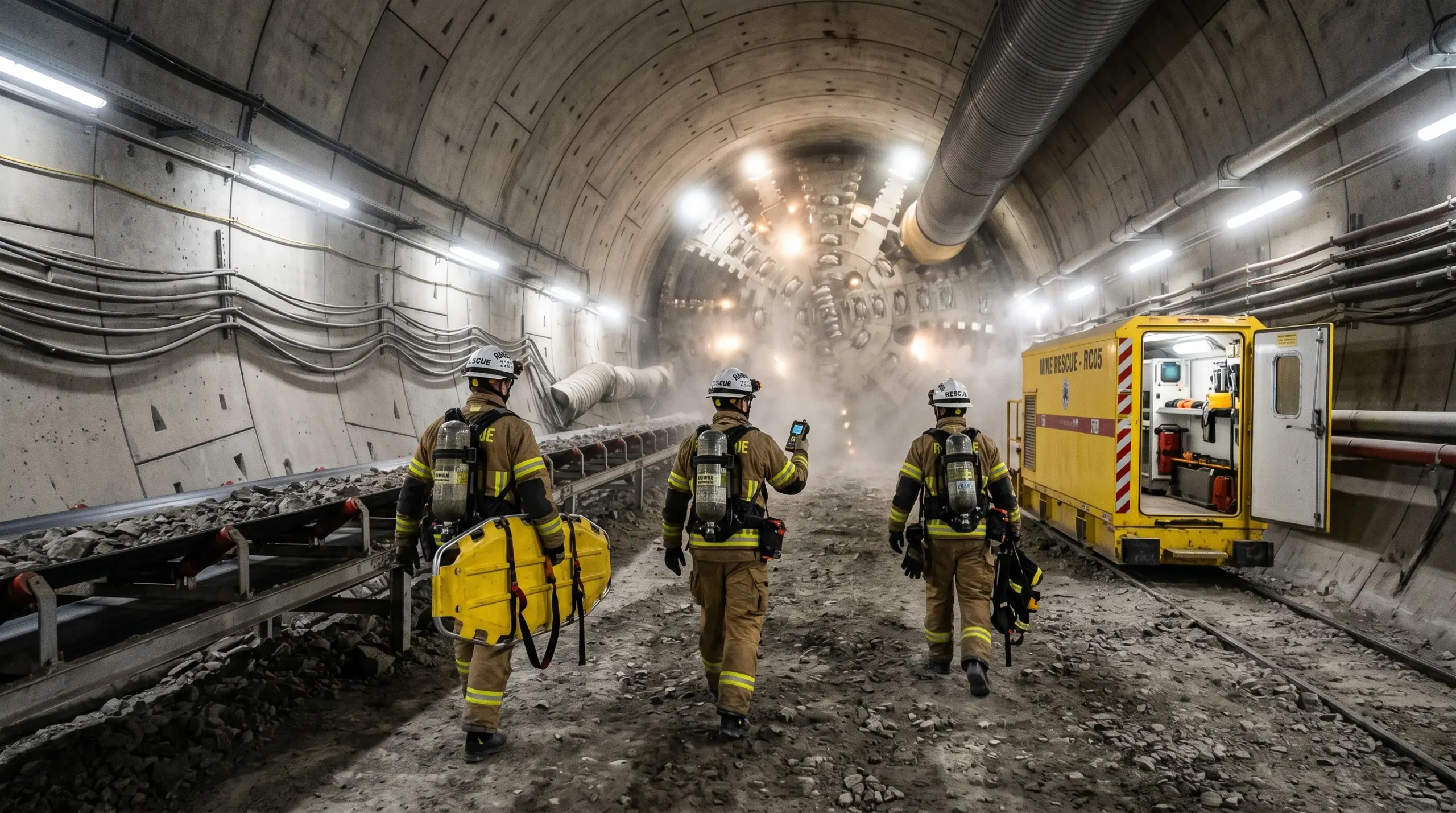
Four firefighters in full protective gear and helmets walk through a massive concrete tunnel under construction, carrying rescue equipment past a yellow emergency response vehicle and construction machinery.

TL;DR Emergency rescue in tunnel construction requires pre-positioned rescue teams, self-contained self-rescuers for every underground worker, refuge chambers at calculated intervals, redundant communication systems, and a continuously updated emergency response plan. Regulatory frameworks including OSHA 29 CFR 1926.800 (US), BS 6164:2019 (UK), and EU Directive 2004/54/EC establish minimum requirements for rescue team composition, equipment, training, … Read more

Steel Erection Safety: Hazards, OSHA Subpart R & Best Practices

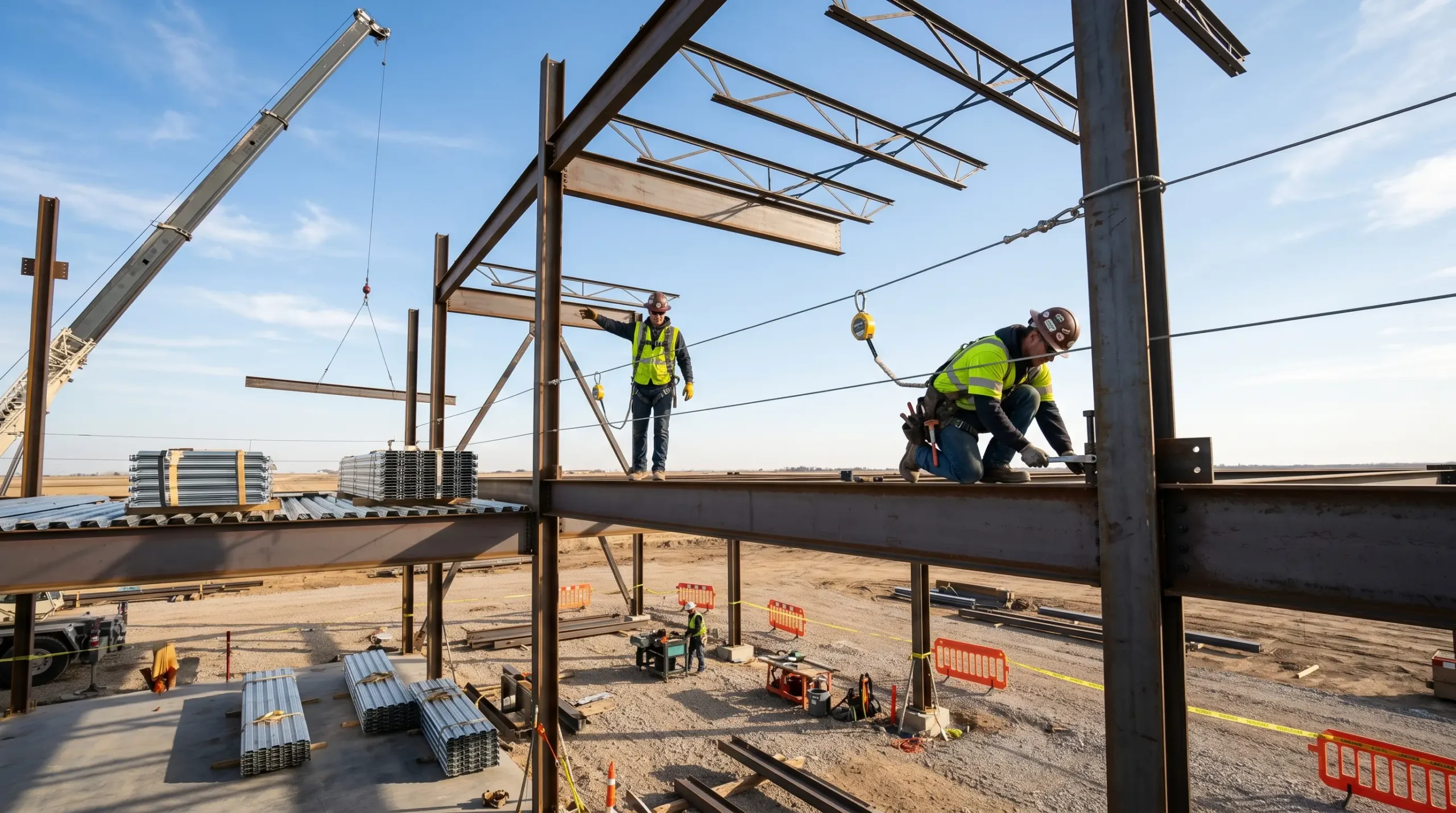
Workers in safety gear assemble a steel structural frame on a construction site with equipment and materials visible below.

TL;DR Under OSHA’s steel erection standard (29 CFR 1926.760), all employees engaged in steel erection must be protected from fall hazards when working more than 15 feet above a lower level. Connectors and controlled decking zone workers have modified thresholds — protection required above two stories or 30 feet, whichever is less. Acceptable methods include … Read more

Psychosocial Risk Factors at Work: Identification & Controls Guide

Two professionals review a floor plan on a whiteboard in a modern open office space while colleagues work at desks with computers in the background.

TL;DR In 2024/25, 964,000 workers in Great Britain reported suffering from work-related stress, depression, or anxiety — the highest figure since records began and double the rate recorded in 2001/02 (HSE UK, 2025). Psychosocial risk factors at work are characteristics of job design, work organisation, social conditions, and management practices that have the potential to … Read more

Soft Strip Demolition: Process, Safety Measures & Regulations

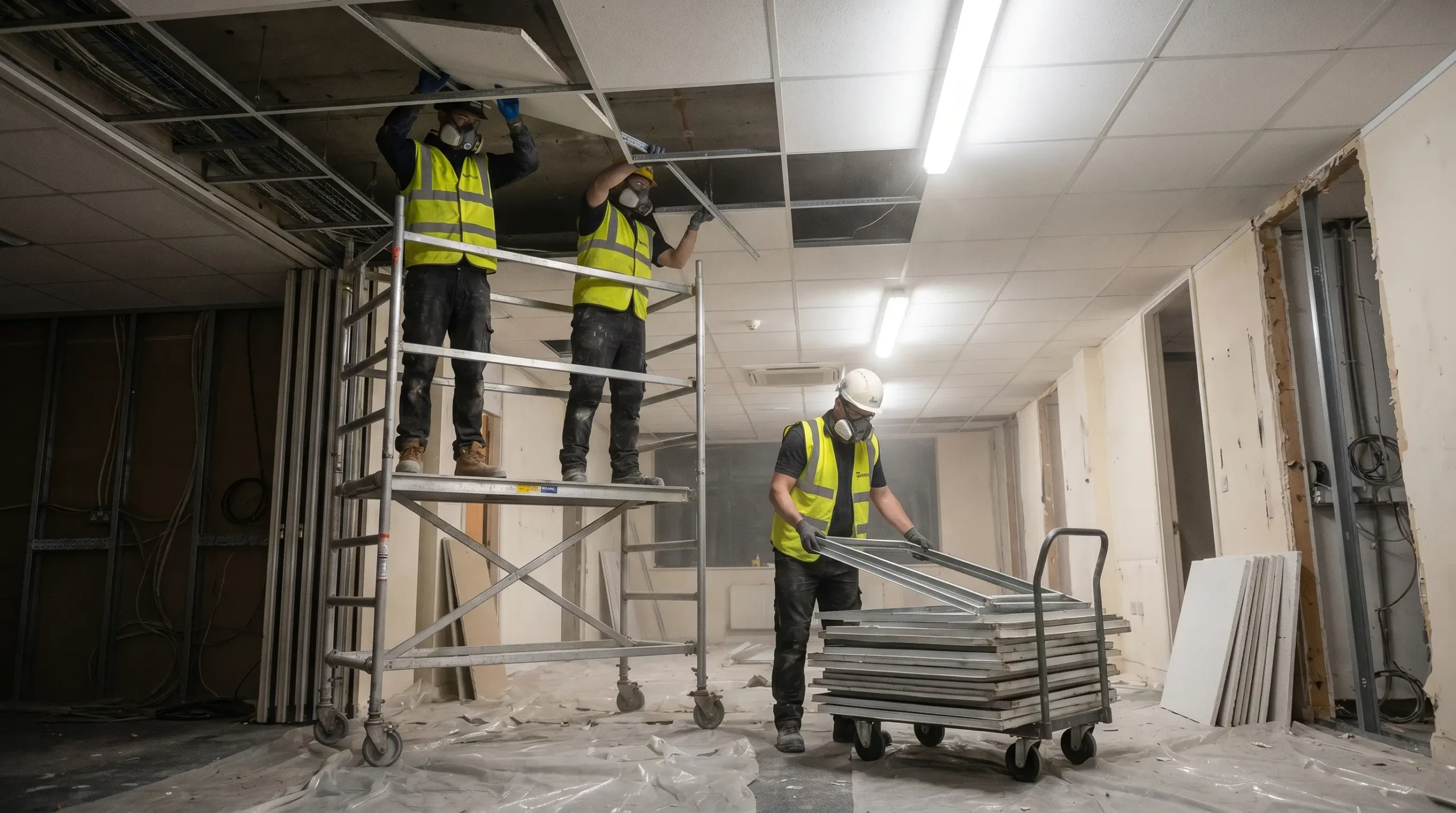
Three construction workers in safety vests and hard hats perform interior renovation work on a commercial building ceiling and walls, with metal scaffolding and building materials visible.

TL;DR Soft strip demolition is the controlled removal of all non-structural elements from a building — fixtures, fittings, partition walls, suspended ceilings, floor coverings, and mechanical and electrical services — while preserving the structural shell. It requires phased planning, hazardous-material surveys, systematic removal with integrated dust and noise controls, and segregated waste management under CDM … Read more

Structural Collapse Prevention: Key Safety Measures Guide

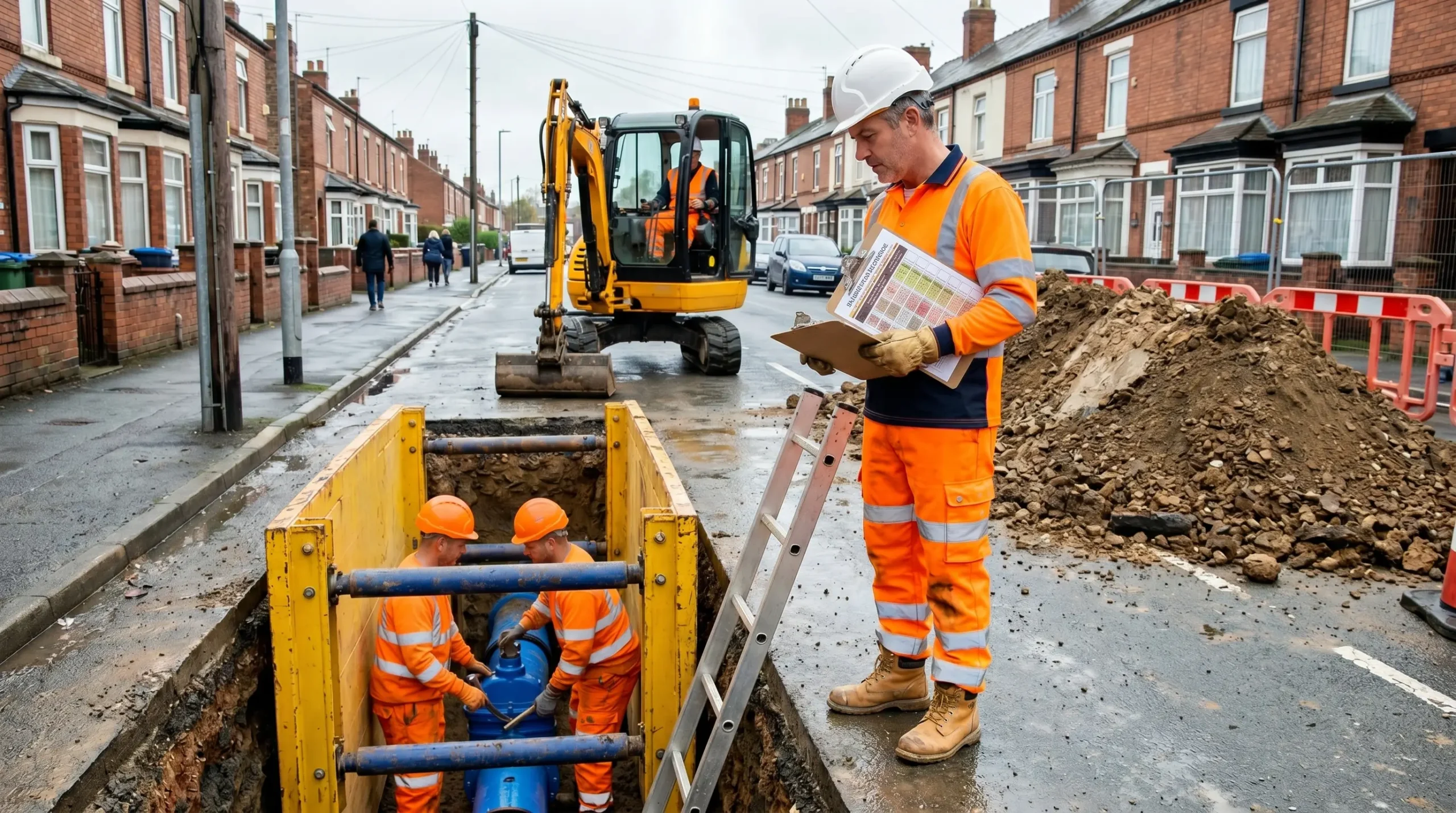
Construction workers in safety gear supervise underground utility work on a residential street, with an excavator and equipment visible in an active work zone.

TL;DR Structural collapse prevention depends on five linked controls applied across build, demolition, excavation, and operational phases: a verified design with structural redundancy, properly engineered temporary works that are never altered without written approval, soil-appropriate excavation protective systems, a competent person with documented stop-work authority, and an inspection regime that escalates visible distress to a … Read more

Pre-Demolition Survey: Purpose, Key Elements & Legal Requirements

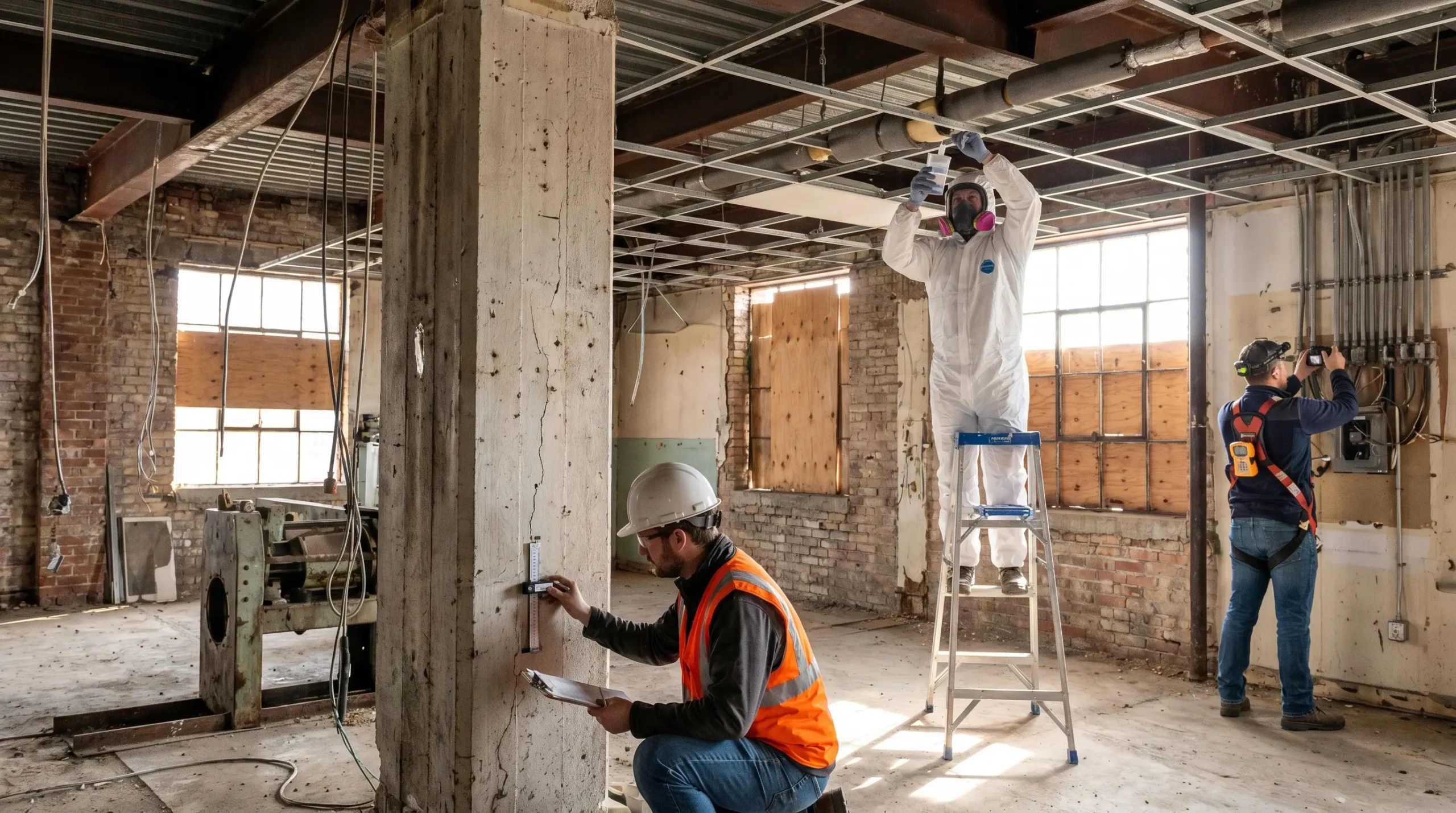
Construction workers in safety gear document environmental conditions during building renovation, with one worker on ladder taking measurements while others record data in an industrial space with exposed brick and concrete.

TL;DR A pre-demolition survey is a formal, multi-disciplinary investigation of a structure carried out before demolition begins. It identifies structural risks, hazardous materials such as asbestos and lead, utility services requiring disconnection, ecological constraints, and materials suitable for recovery. Under OSHA in the US and CDM 2015 in the UK, this survey is a legal … Read more

Bolt Tightening Structural Steel Connections: Safety & Methods

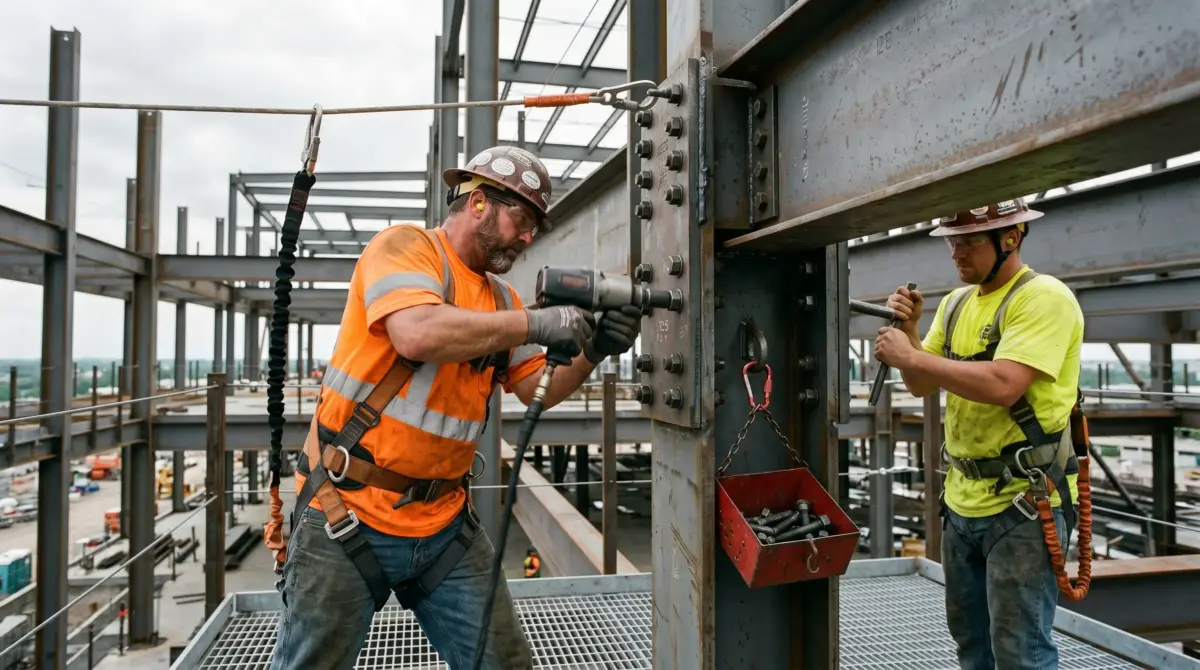
Two construction workers wearing safety gear and harnesses work on a steel structural beam at a high-rise building site, with one using a power tool while the other assists.

TL;DR Bolt tightening in structural steel must achieve a defined tension state — snug-tight, pretensioned, or slip-critical — specified by the engineer of record and installed using one of five methods recognised by the RCSC Specification and EN 1090-2: turn-of-nut, calibrated wrench, twist-off, direct tension indicator, or combined method. A high-strength structural bolt is not … Read more

Mechanical vs Manual Demolition: Risk Comparison Guide

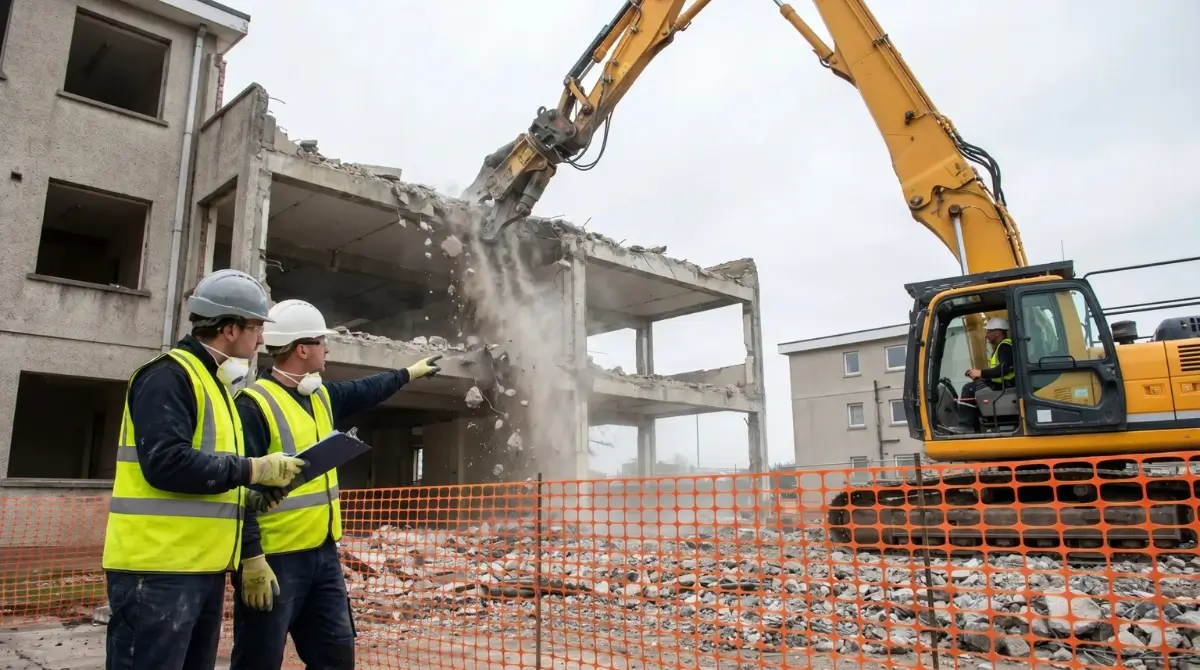
Two construction workers in hard hats and safety vests observe an excavator with hydraulic breaker demolishing a concrete building structure, with dust and debris visible behind orange safety fencing.

Mechanical demolition and manual demolition carry fundamentally different risk profiles rather than one being universally safer. Mechanical methods present higher risks from uncontrolled progressive collapse and struck-by debris across wider zones, while manual methods create greater worker exposure to falls from height, musculoskeletal injury, hand-arm vibration syndrome, and close-proximity respirable dust inhalation. Safe outcomes depend … Read more

Demolition Method Statement: What It Must Include | HSE Guide

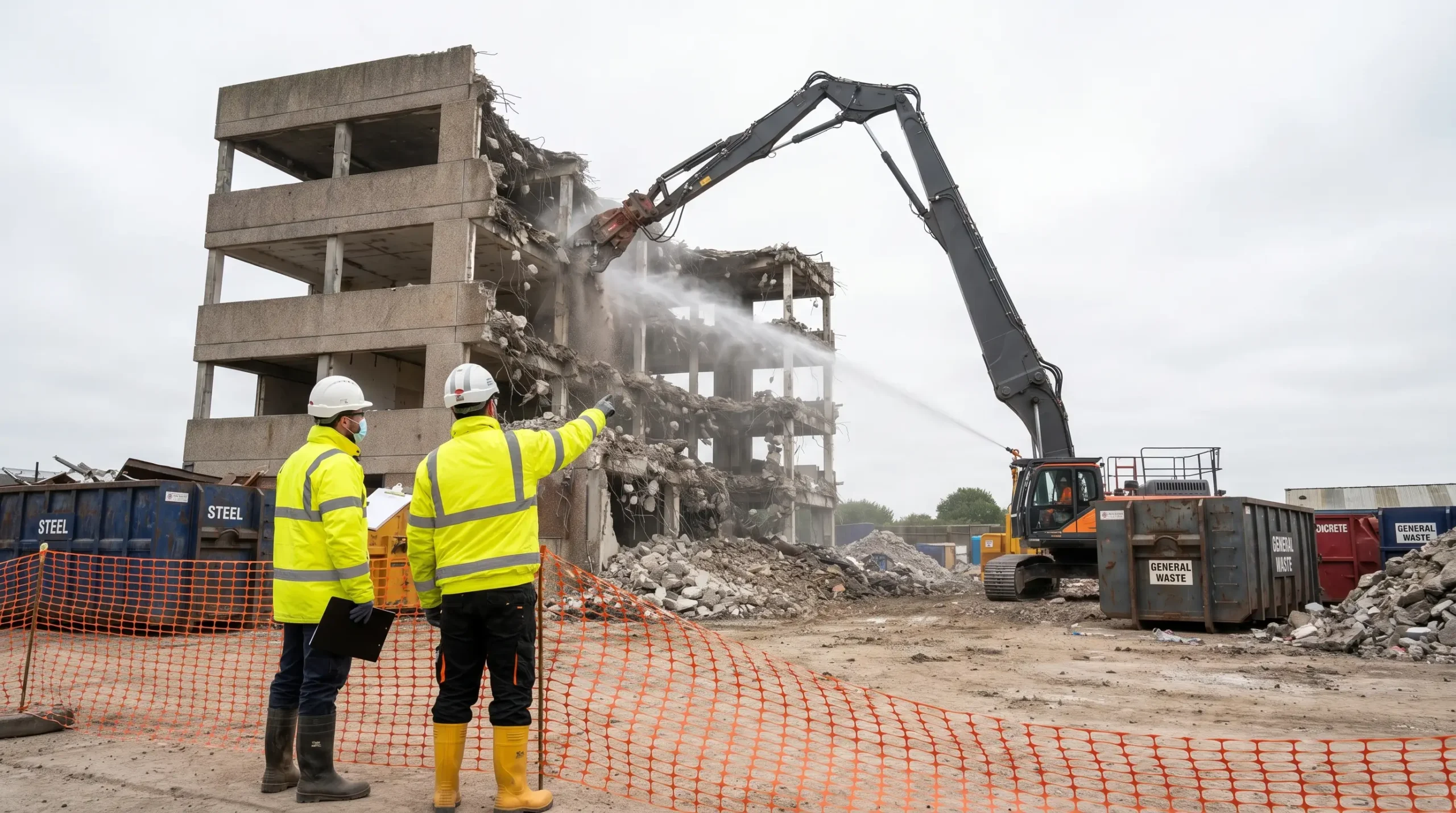
Two construction workers in high-visibility safety gear observe a hydraulic excavator demolishing a multi-story concrete building on a controlled job site with waste containment barriers.

TL;DR A demolition method statement is a written document that records the planned sequence, methods, and safety arrangements for demolition work before it begins. In the UK, CDM 2015 Regulation 20 makes it mandatory for all demolition or dismantling. In the US, OSHA 29 CFR 1926.850(a) requires a written engineering survey by a competent person. … Read more

Mental Health First Aider: Role, Training & Workplace Benefits

Three professionals have a conversation in a modern office break room with large windows, potted plants, and contemporary furniture while one person stands in the background holding a coffee mug.

TL;DR A mental health first aider is a trained individual in the workplace who provides initial support to someone experiencing a mental health difficulty or crisis, connecting them with appropriate professional resources. Unlike physical first aiders — whose role is universally understood — mental health first aiders operate in a space where role boundaries, training … Read more