Loading Bay Safety: Hazards, Controls & Best Practices
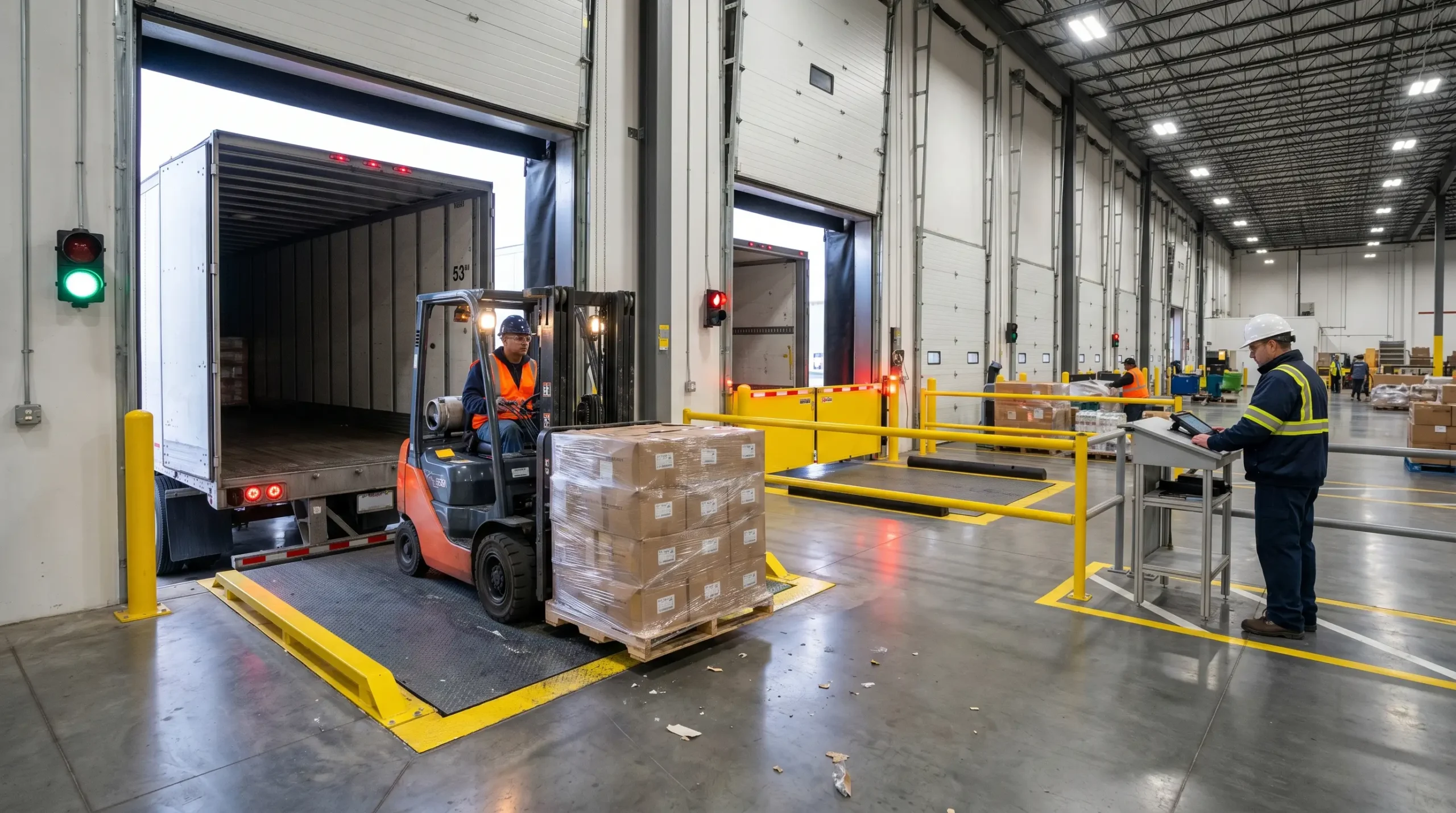
Forklift operator in orange safety vest loads palletized cardboard boxes onto truck in large warehouse with yellow safety barriers and traffic light signals.

TL;DR Loading bay safety is the framework of engineering controls, procedures, and training that protects workers where vehicles, powered industrial trucks, and manual handling converge. Core hazards include falls from dock edges, trailer creep, forklift rollovers, and crush injuries. Prevention depends on applying the hierarchy of controls — prioritising engineering safeguards like vehicle restraints and … Read more
Fitness for Work Assessments: Employer Guide (US & UK Law)

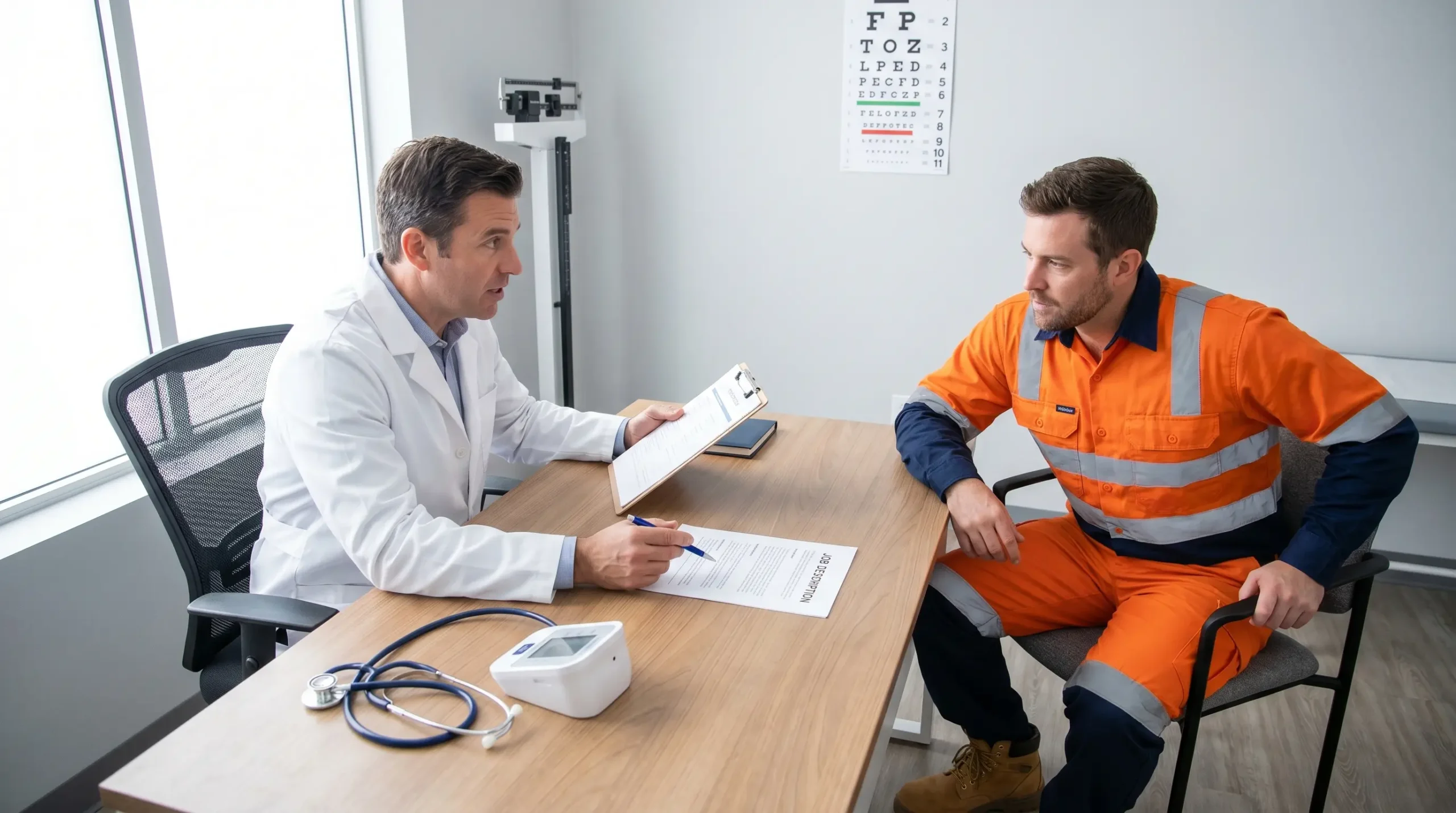
Doctor in white coat discusses health assessment with worker in orange safety uniform at desk in clinical office with eye chart on wall.

TL;DR A fitness for work assessment is a structured evaluation by an occupational health professional that determines whether an employee can perform the specific physical and psychological demands of their role without unreasonable risk to themselves or others. It is always job-specific, governed by anti-discrimination law in every major jurisdiction, and designed to enable work … Read more

Traffic Management Plan for Construction Sites: Full Guide

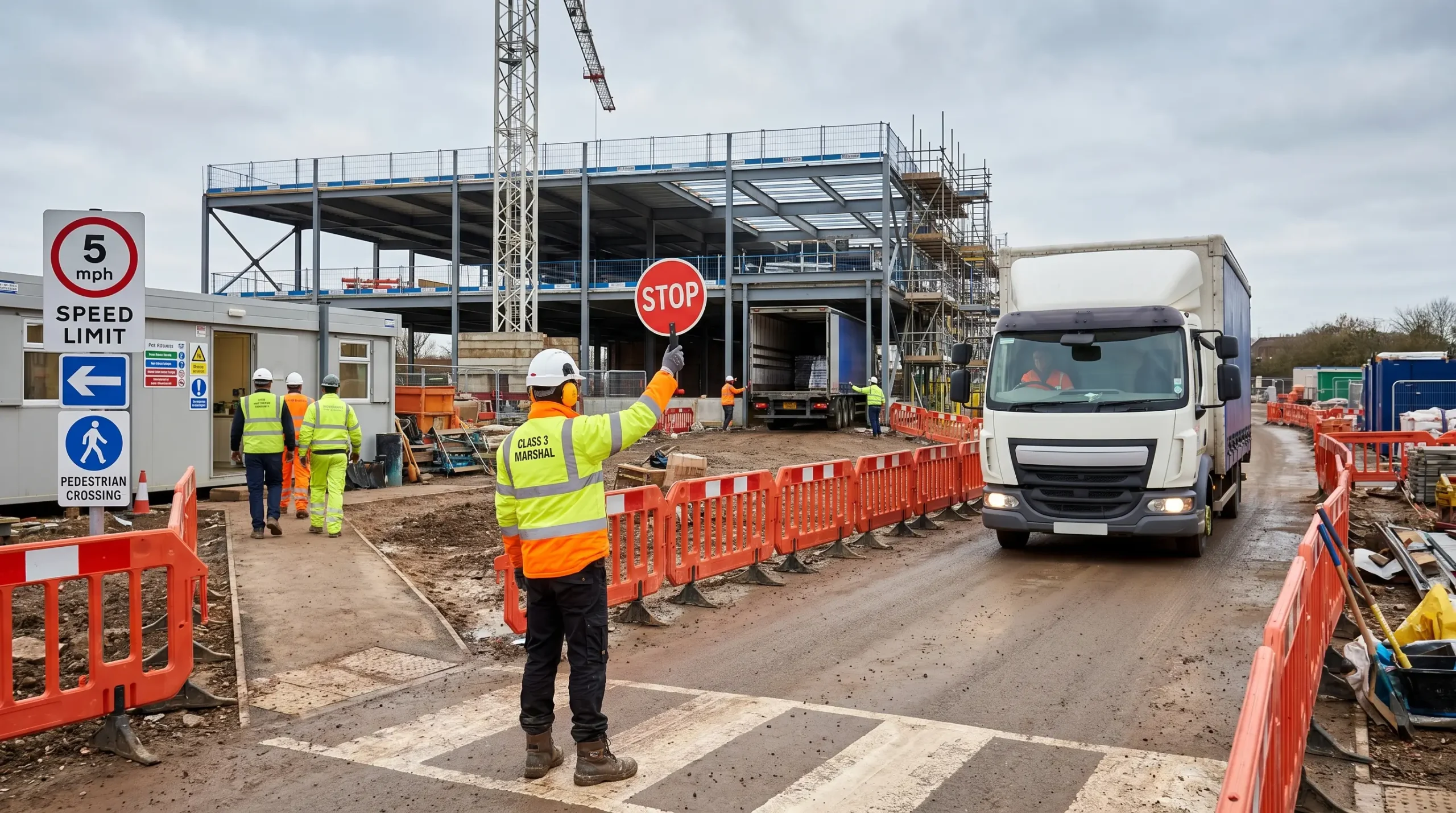
A Class 3 Marshal in high-visibility gear holds a stop sign to direct traffic at a construction site with steel framework, barriers, and a delivery truck, enforcing the 5 mph speed limit.

TL;DR: Traffic Management Planning by the Numbers A traffic management plan for construction sites is a documented plan that identifies every vehicle and pedestrian hazard on and around the site and specifies the controls applied to each. It must include scaled site layout drawings, segregated routes, signage, delivery scheduling, named roles, emergency access, and review … Read more

Banksman Hand Signals: Roles, Duties & Training (UK Guide)

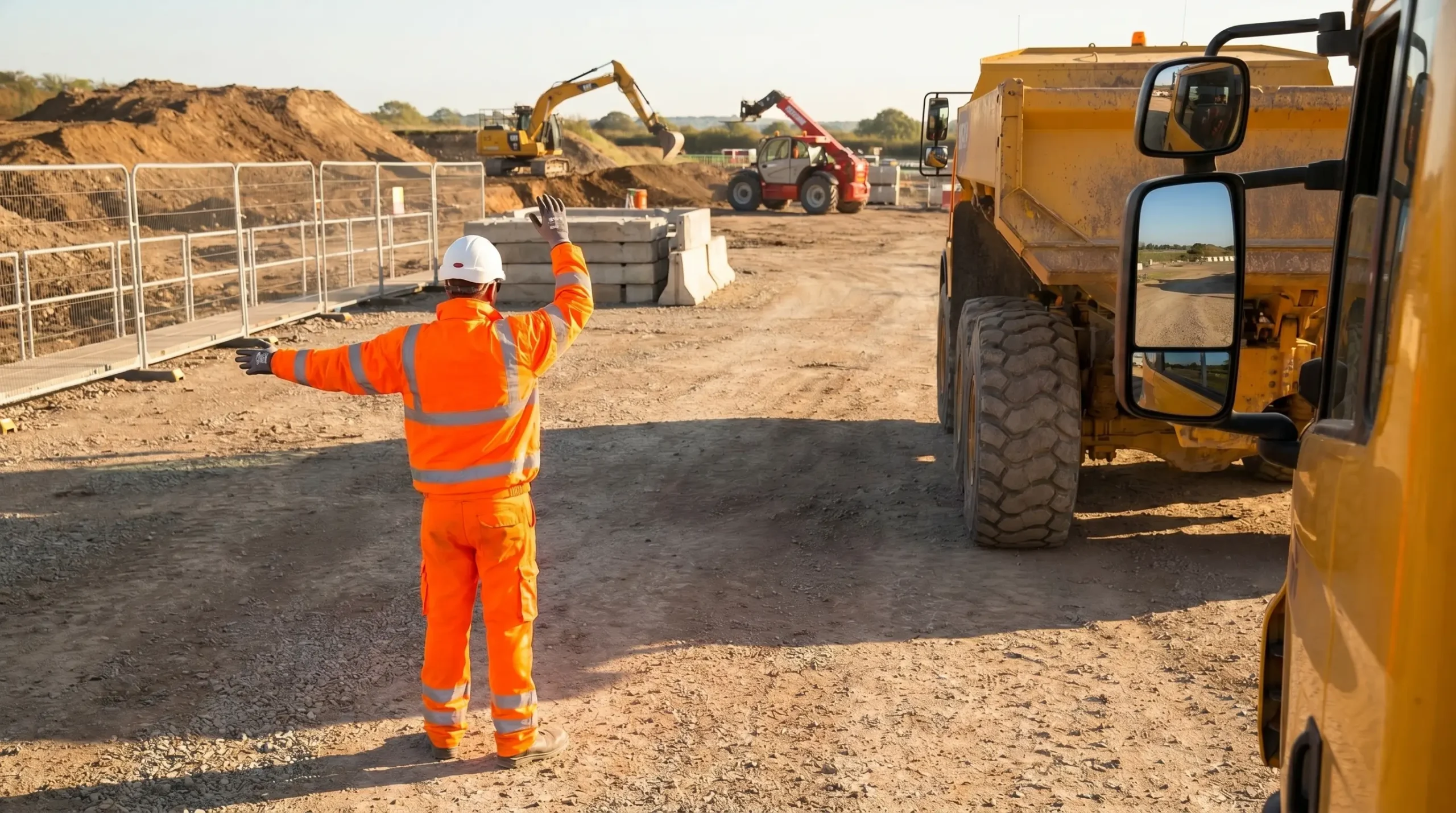
Construction site worker in orange safety vest and hard hat directing heavy machinery, with excavators and dump trucks operating in the background among dirt piles and metal barriers.

TL;DR A banksman — also called a traffic marshal — is a trained operative who directs vehicle and mobile plant manoeuvres on a worksite using standardised hand signals. Under the UK’s Health and Safety (Safety Signs and Signals) Regulations 1996, nine core signals cover start, stop, movement direction, distance, and emergency stop. The role is … Read more

Workplace Drug and Alcohol Testing: Complete 2026 Guide

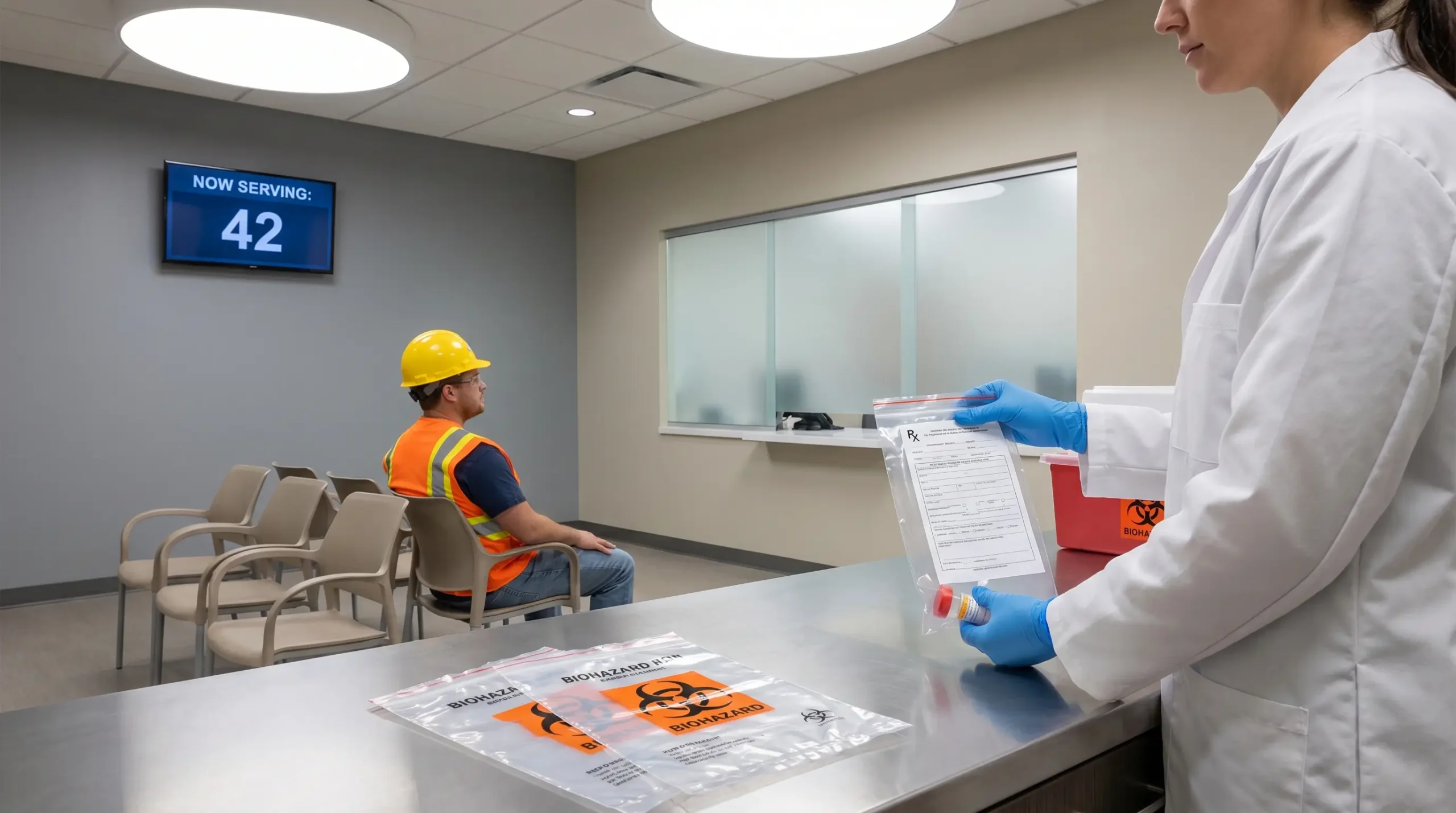
Healthcare worker in protective gear holding biohazard specimen bag while serving construction worker in waiting room with now serving display showing number 42.

TL;DR Workplace drug and alcohol testing is the process of analysing biological specimens — urine, oral fluid, hair, blood, or breath — to detect prohibited substances in employees or job applicants. Employers use testing to maintain workplace safety, satisfy regulatory obligations such as 49 CFR Part 40 (US) and the Health and Safety at Work … Read more

Recycling Bin Color Codes And Their Meanings

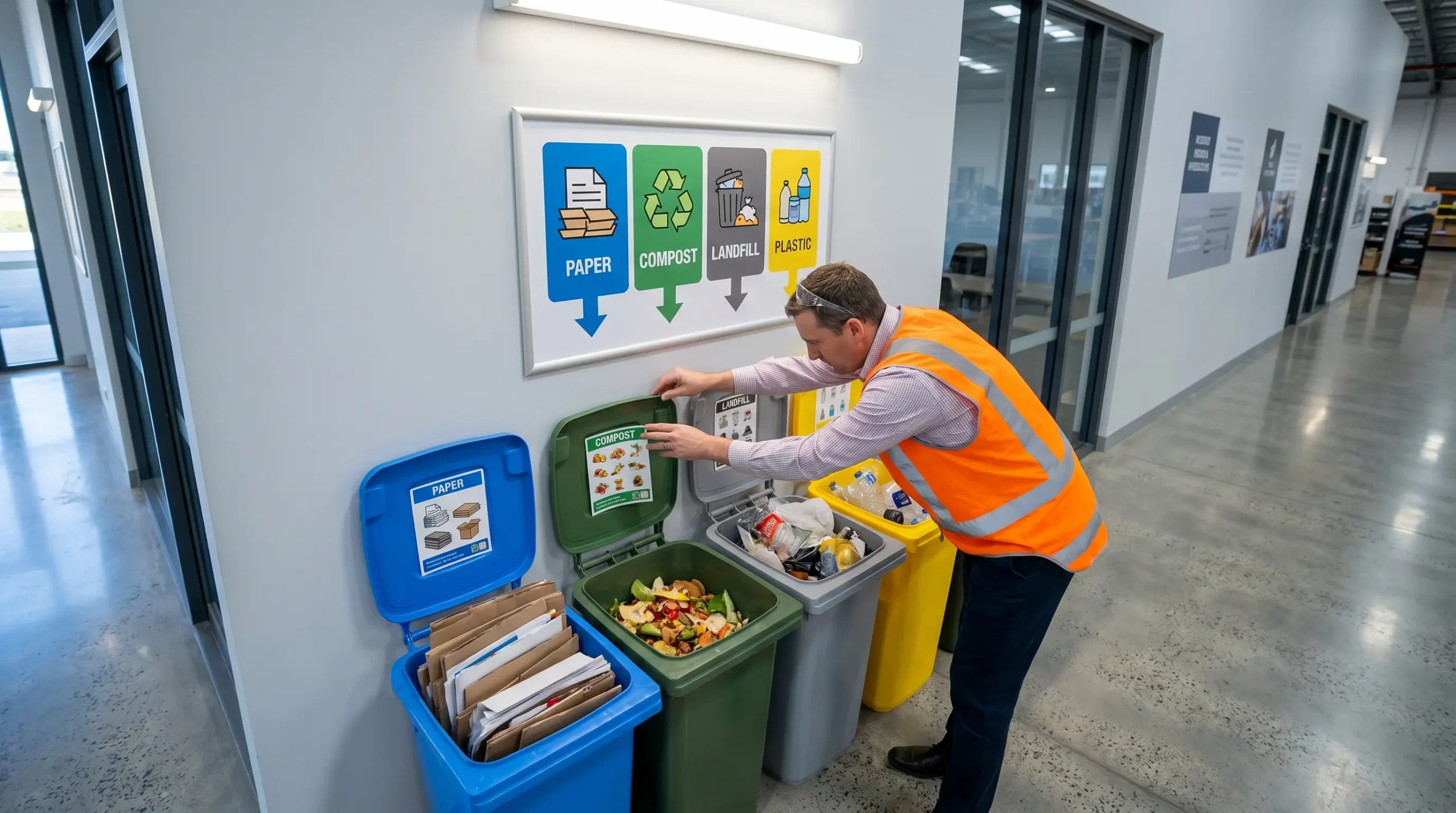
Worker in orange safety vest sorting waste into four color-coded recycling bins labeled paper, compost, landfill, and plastic in a modern office hallway.

TL;DR — Myth vs. Reality Recycling bin colors identify which waste stream each container collects, but no universal global standard governs them. Blue bins typically handle paper and recyclables, green bins collect organic or compostable waste, yellow bins are for plastics and packaging, red bins signal hazardous or biomedical waste in occupational settings, and black … Read more

Types of Drug Tests Used in the Workplace: 2026 Guide

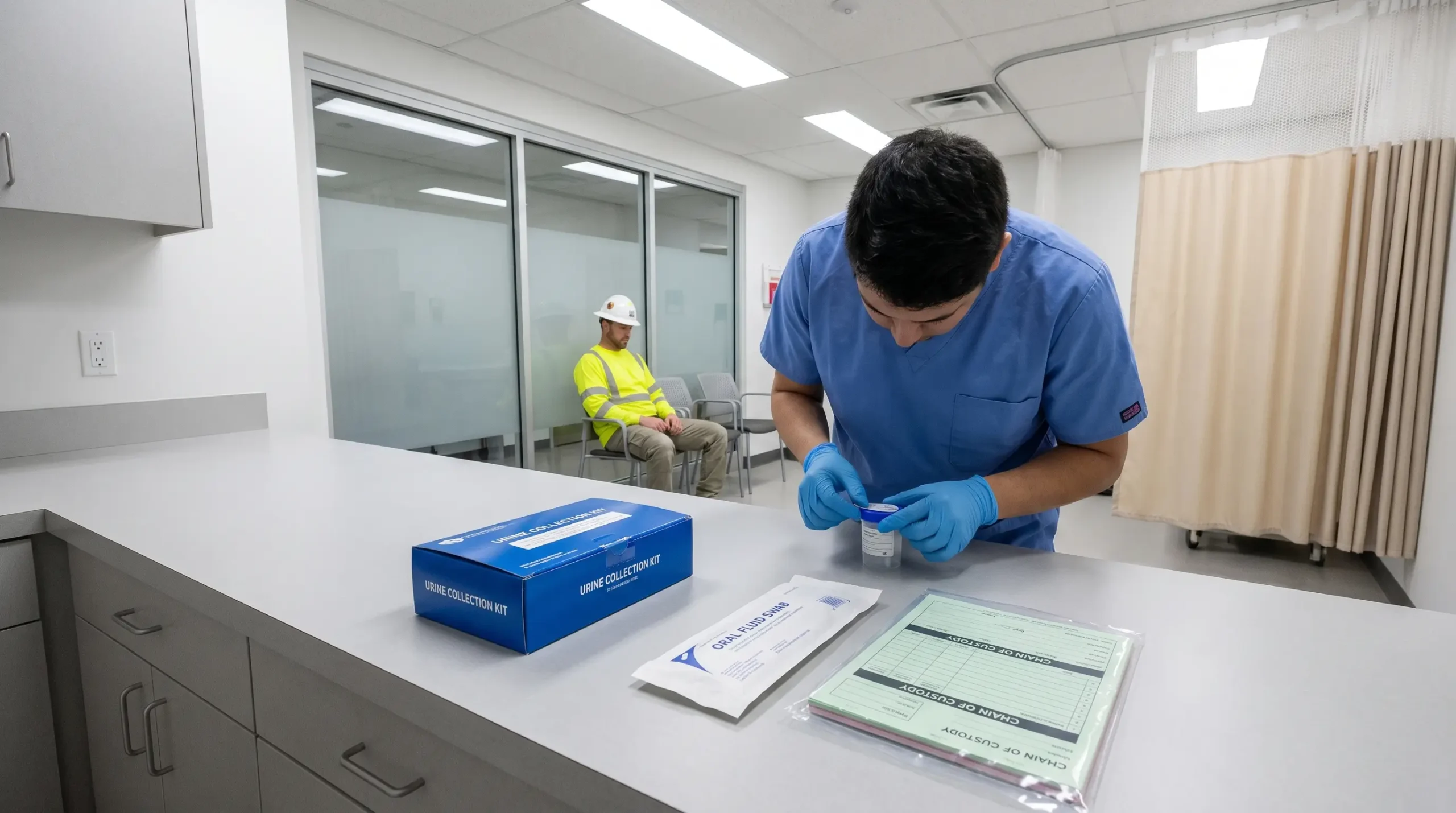
Healthcare worker in blue scrubs and gloves prepares urine collection kit at medical laboratory counter with forms and supplies, while construction worker waits in background consultation room.

TL;DR The most common types of drug tests used in the workplace analyze urine, hair, oral fluid, blood, or breath to detect controlled substances or their metabolites. Urine remains the most widely used method and the only specimen currently approved for US federally mandated testing. The standard 5-panel test screens for amphetamines, cocaine, marijuana (THC), … Read more

What is Local Exhaust Ventilation (LEV)? Types, Uses & Testing

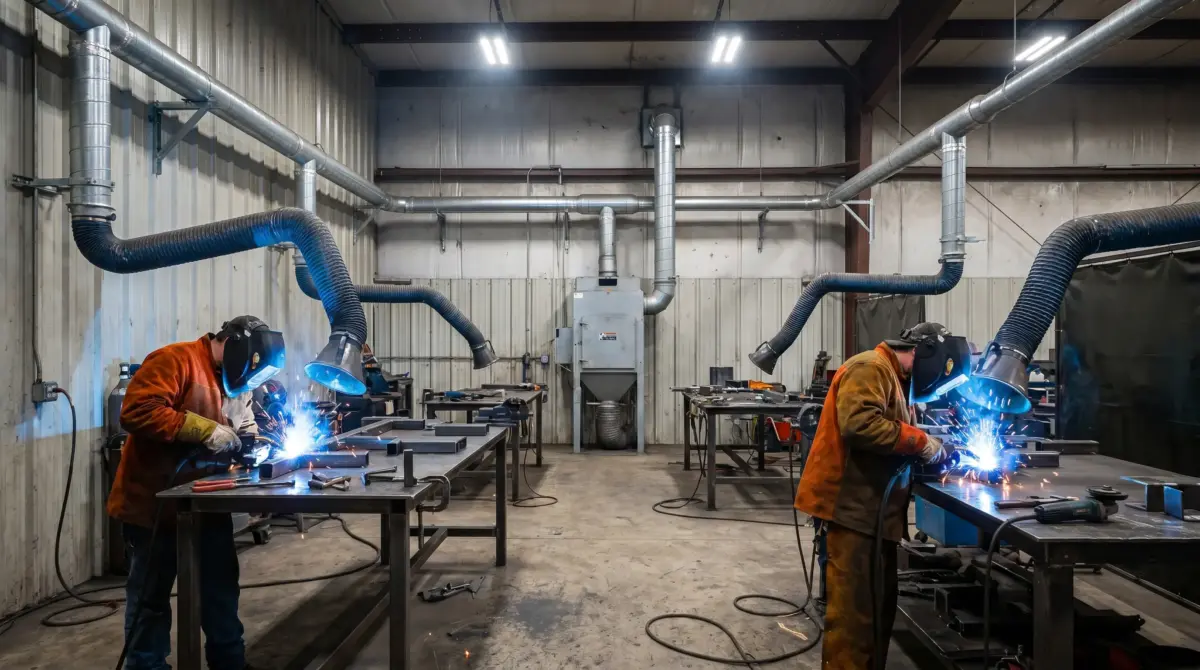
Two welders in orange protective gear work at metal tables in an industrial workshop with overhead ventilation ducts and LED lighting.

TL;DR Local Exhaust Ventilation (LEV) is an engineering control system that captures airborne contaminants — dust, fumes, mists, vapours, and gases — at or near their point of generation before they spread into the workplace and reach workers’ breathing zones. An LEV system draws contaminated air through a hood into ductwork, cleans or filters it, … Read more

Water Hygiene in the Workplace: Complete Guide | HSE Blog

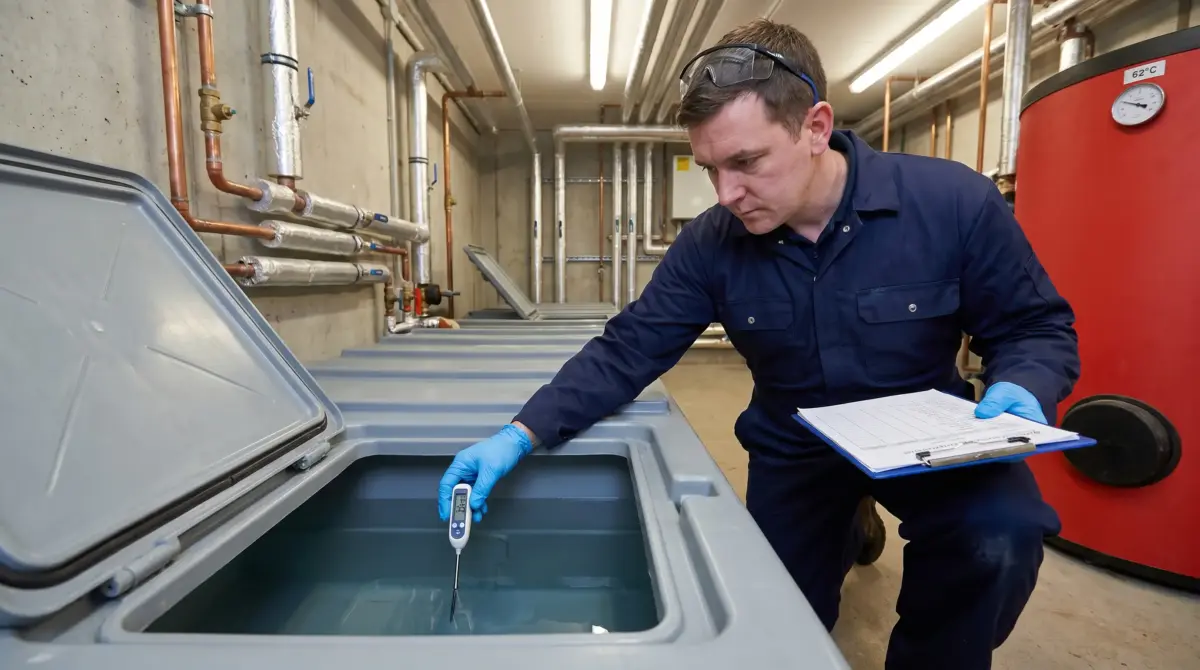
Technician in blue work uniform wearing safety glasses and gloves measures water temperature in a large tank while holding a clipboard in an industrial facility with pipes and equipment.

TL;DR Water hygiene in the workplace is the management of all building water systems to achieve two employer obligations: providing safe potable drinking water for every worker and controlling waterborne pathogens — primarily Legionella pneumophila — within stored and distributed water. Compliance requires a written risk assessment, temperature controls (hot water stored at ≥60°C, delivered … Read more

Workplace Transport Safety: Complete Guide for HSE Professionals

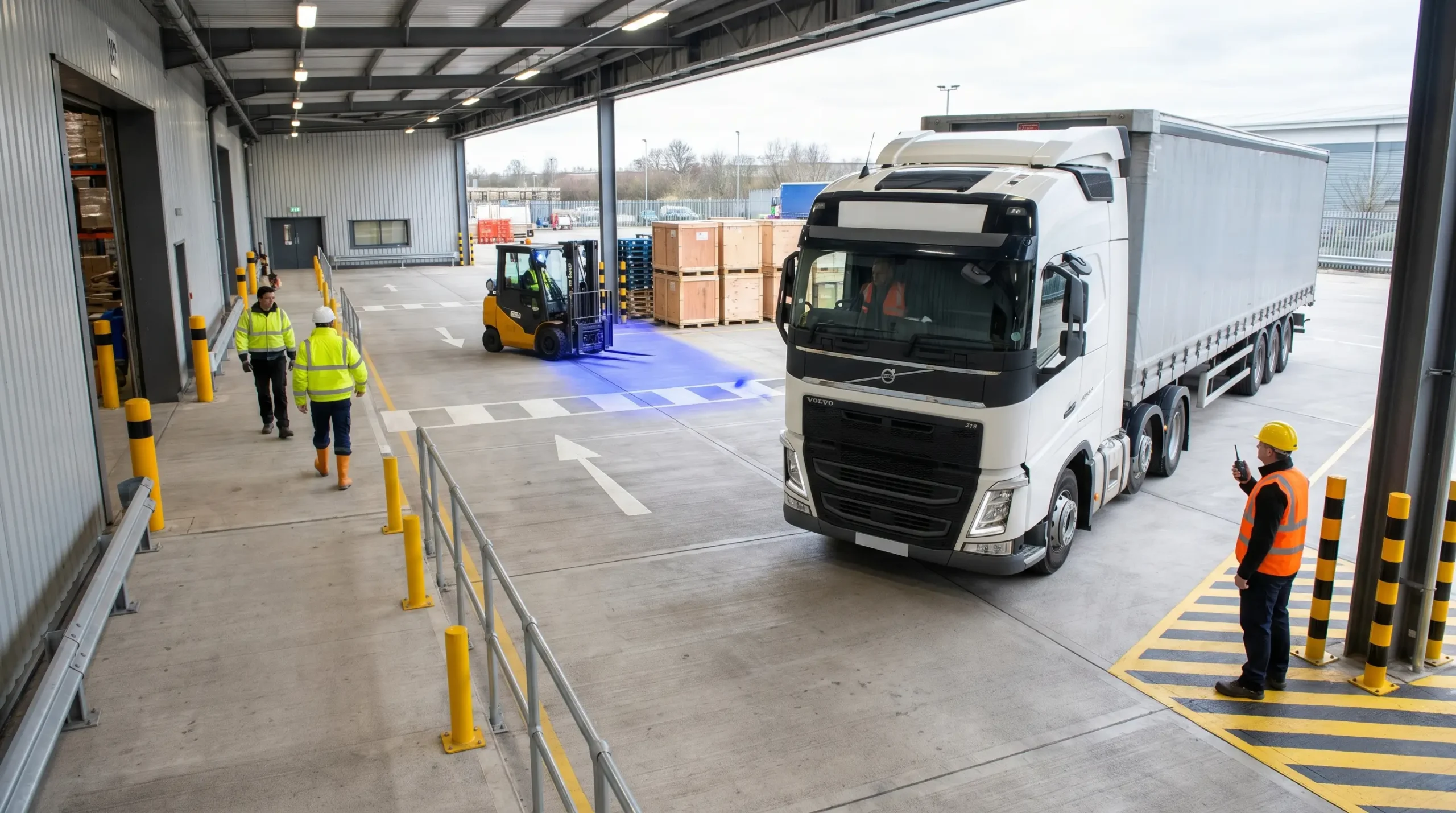
Industrial warehouse facility with workers in safety vests directing a white Volvo articulated truck through a loading bay, with forklift and cargo pallets visible in the background.

TL;DR Workplace transport safety is the systematic management of risks created by any vehicle or mobile equipment operating within a work setting — forklifts, HGVs, vans, earth-moving plant, and automated guided vehicles. It rests on three pillars: designing a safe site with segregated pedestrian and vehicle routes, maintaining vehicles that are suitable and properly equipped, … Read more