What Is Earth Fault Loop Impedance? Zs Explained for Practitioners
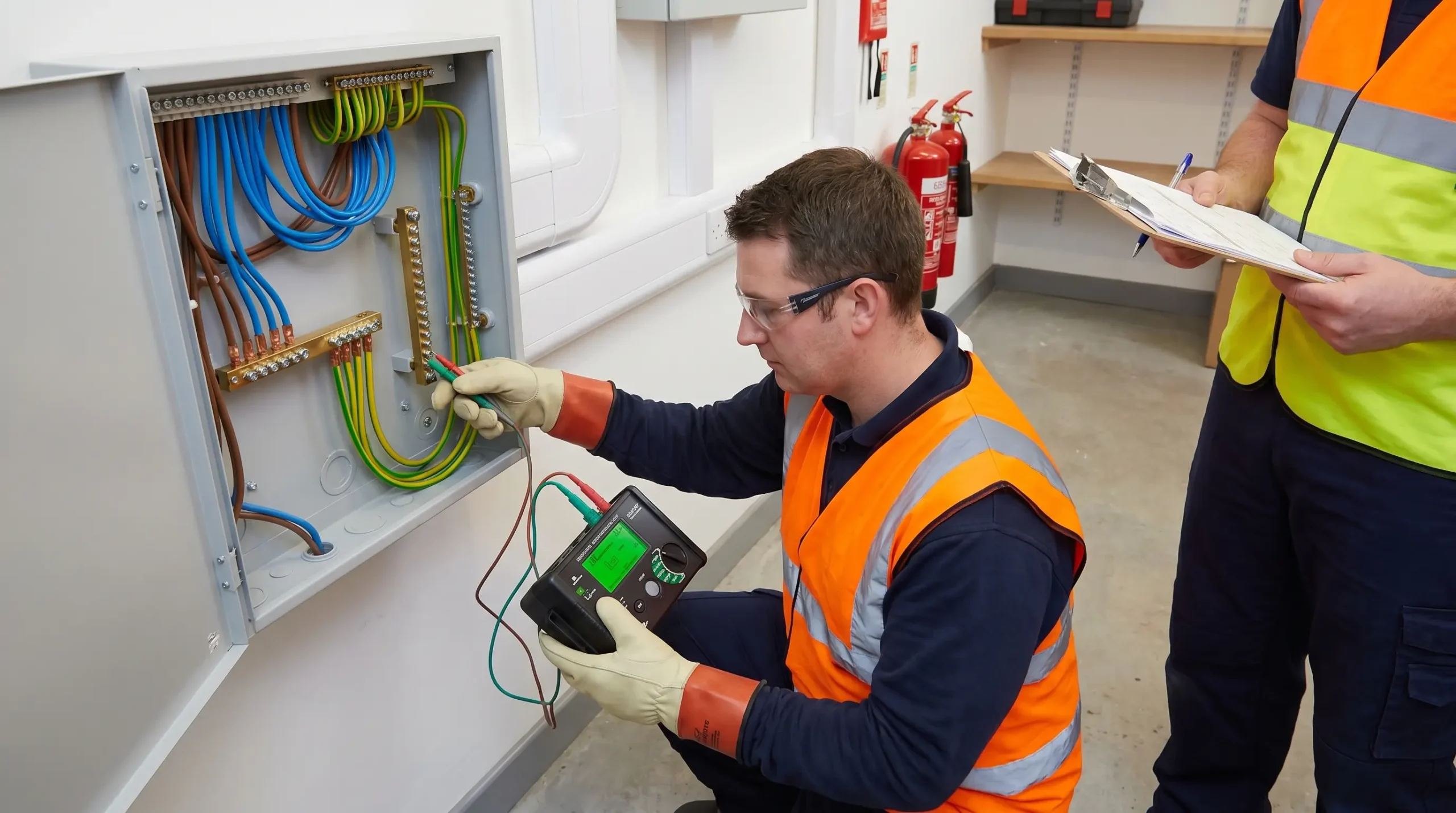
Electrician in safety vest testing electrical panel with multimeter while colleague holds documentation during installation inspection.

TL;DR Earth fault loop impedance (Zs) is the total impedance of the complete path that fault current follows when a live conductor contacts earth in an electrical installation — from the supply transformer, through the line conductor to the fault, through the protective earth conductor back to the main earthing terminal, and returning to the … Read more
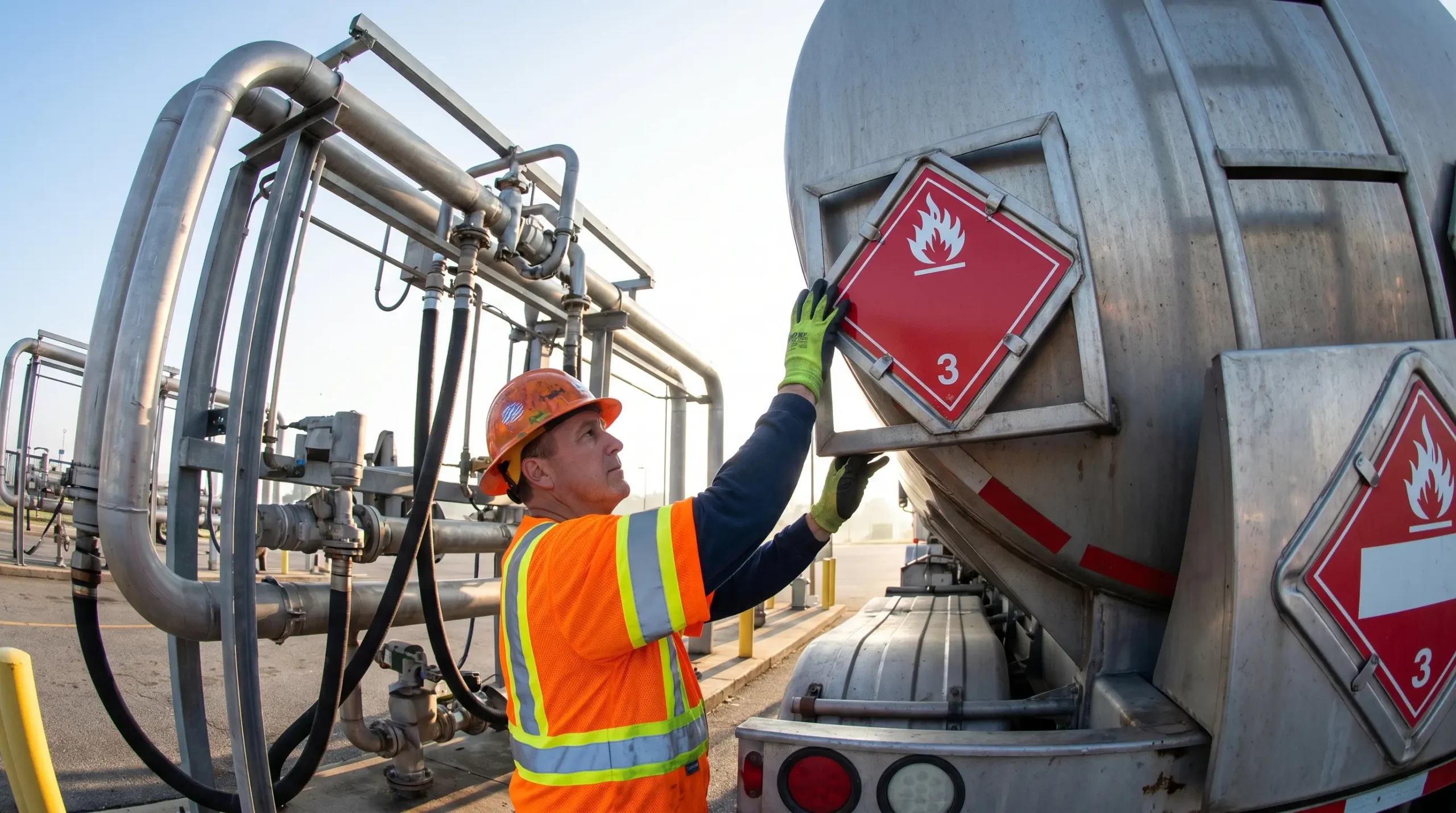

Dangerous Goods Placarding: Labels, Markings & Requirements Guide

Worker in safety vest and hard hat adjusting hazardous materials placard on tanker truck at industrial facility with piping infrastructure visible in background.

TL;DR Dangerous goods placards, labels, and markings form a three-tier hazard communication system mandated by international regulations for transporting hazardous materials. Labels are small diamond-shaped identifiers (minimum 100 mm per side) affixed to individual packages. Placards are larger diamond-shaped signs (minimum 250 mm per side) displayed on vehicles and freight containers. Markings — UN numbers, … Read more

10 Signs of Poor Mental Health in the Workplace | HSE Guide

A woman sits at a desk in a modern open office, looking thoughtfully at her computer monitor while colleagues work at nearby stations in a bright, windowed workspace.

TL;DR Poor mental health in the workplace typically manifests through observable changes across four domains: behaviour (irritability, mood swings, withdrawal), performance (declining output, increased errors, difficulty concentrating), physical presentation (neglected appearance, fatigue, weight change), and social interaction (isolation, avoiding colleagues, reduced participation). Persistent changes lasting two or more weeks — not a single bad day … Read more

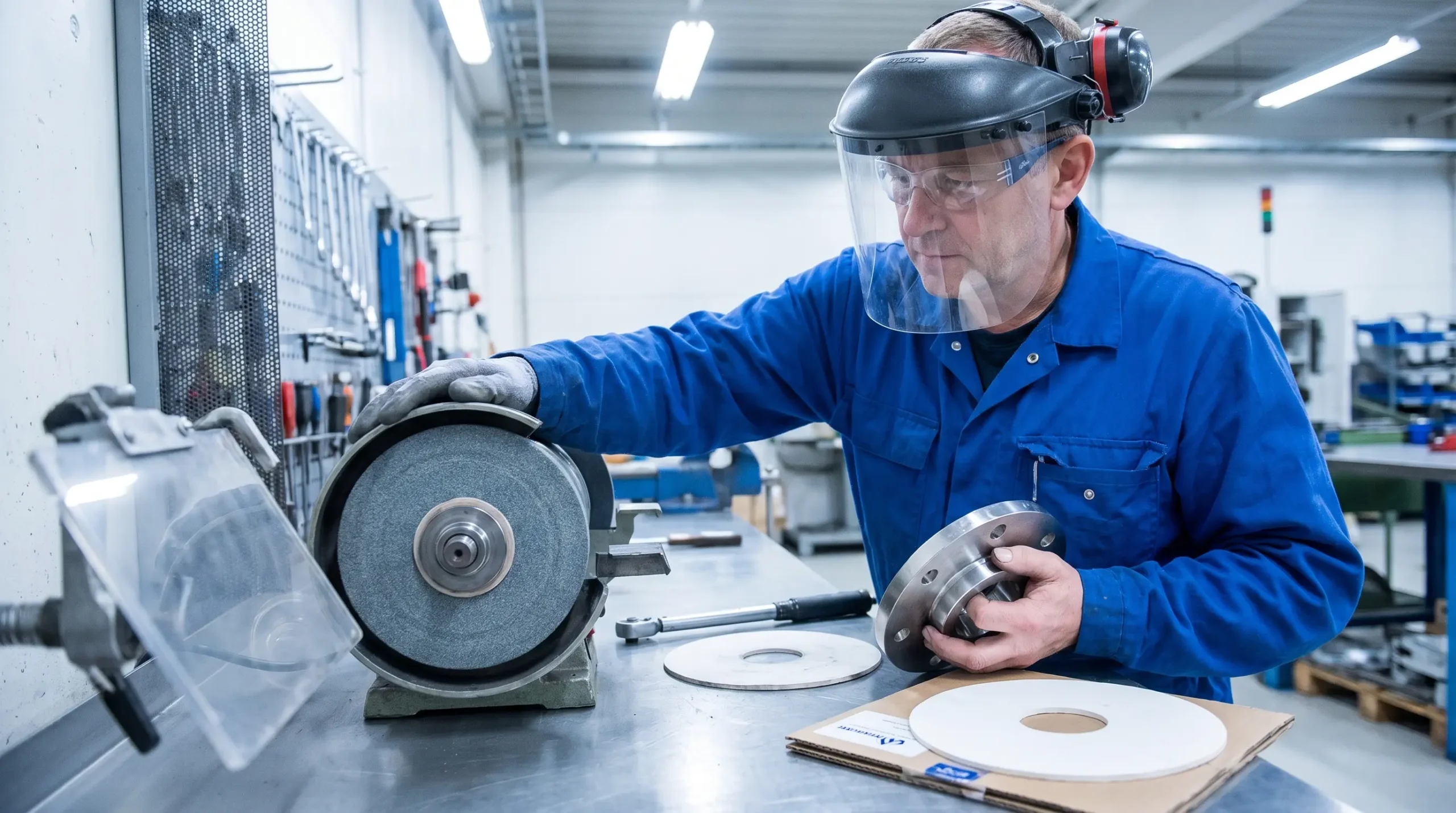
Abrasive Wheel Mounting and Inspection Procedure: Full Guide

Skilled technician in blue work uniform wearing protective headgear and face shield operates a grinding wheel at an industrial workbench in a well-lit factory setting.

TL;DR Abrasive wheel mounting and inspection is a mandatory safety procedure performed immediately before fitting any abrasive wheel to a grinding machine. It involves visual inspection for damage, a ring test to detect hidden cracks in vitrified bonded wheels, verification that the wheel’s maximum RPM meets or exceeds the machine’s spindle speed, and correct assembly … Read more

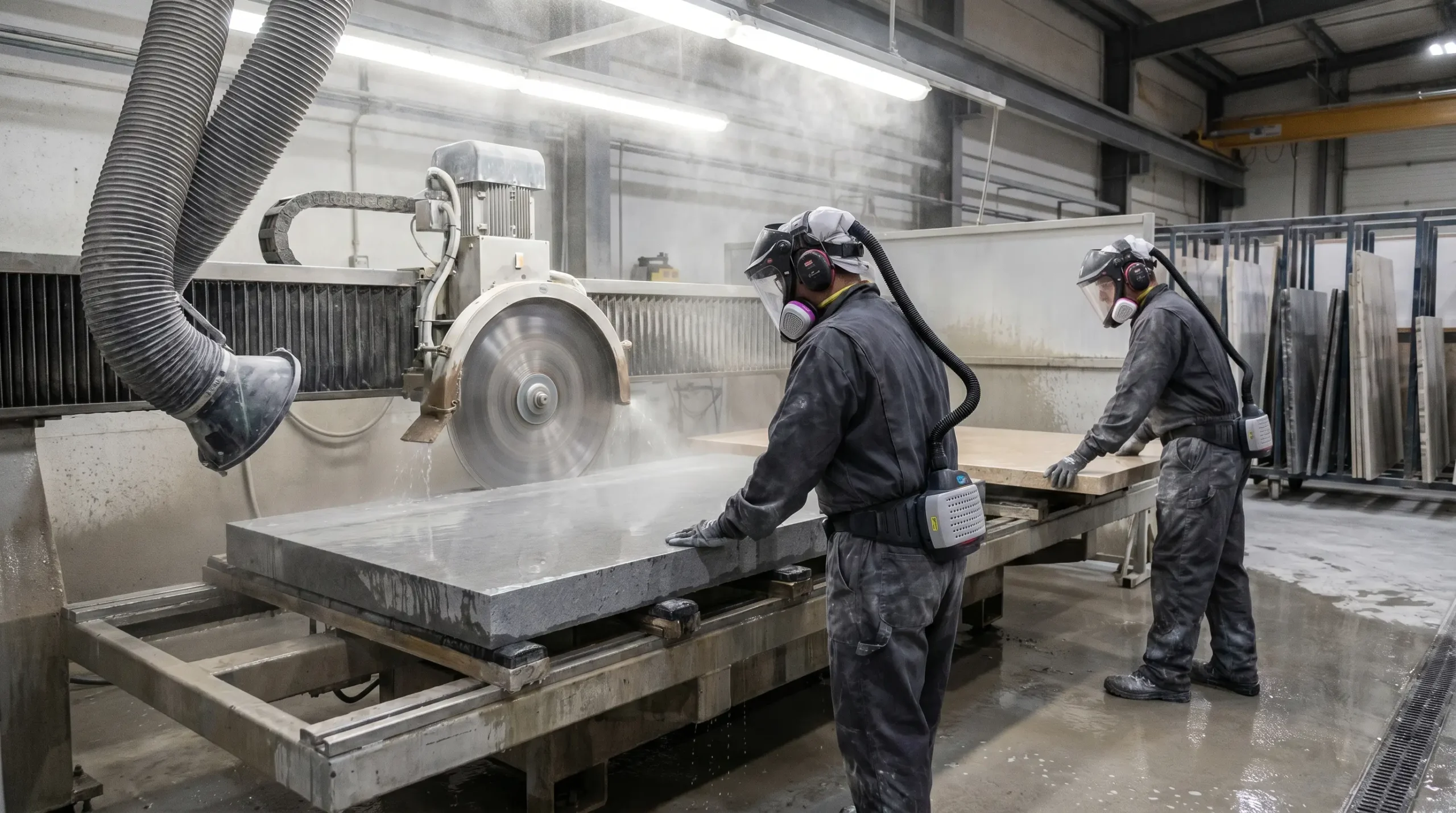
Silicosis: Causes, Symptoms, Types & Prevention Guide (2025)

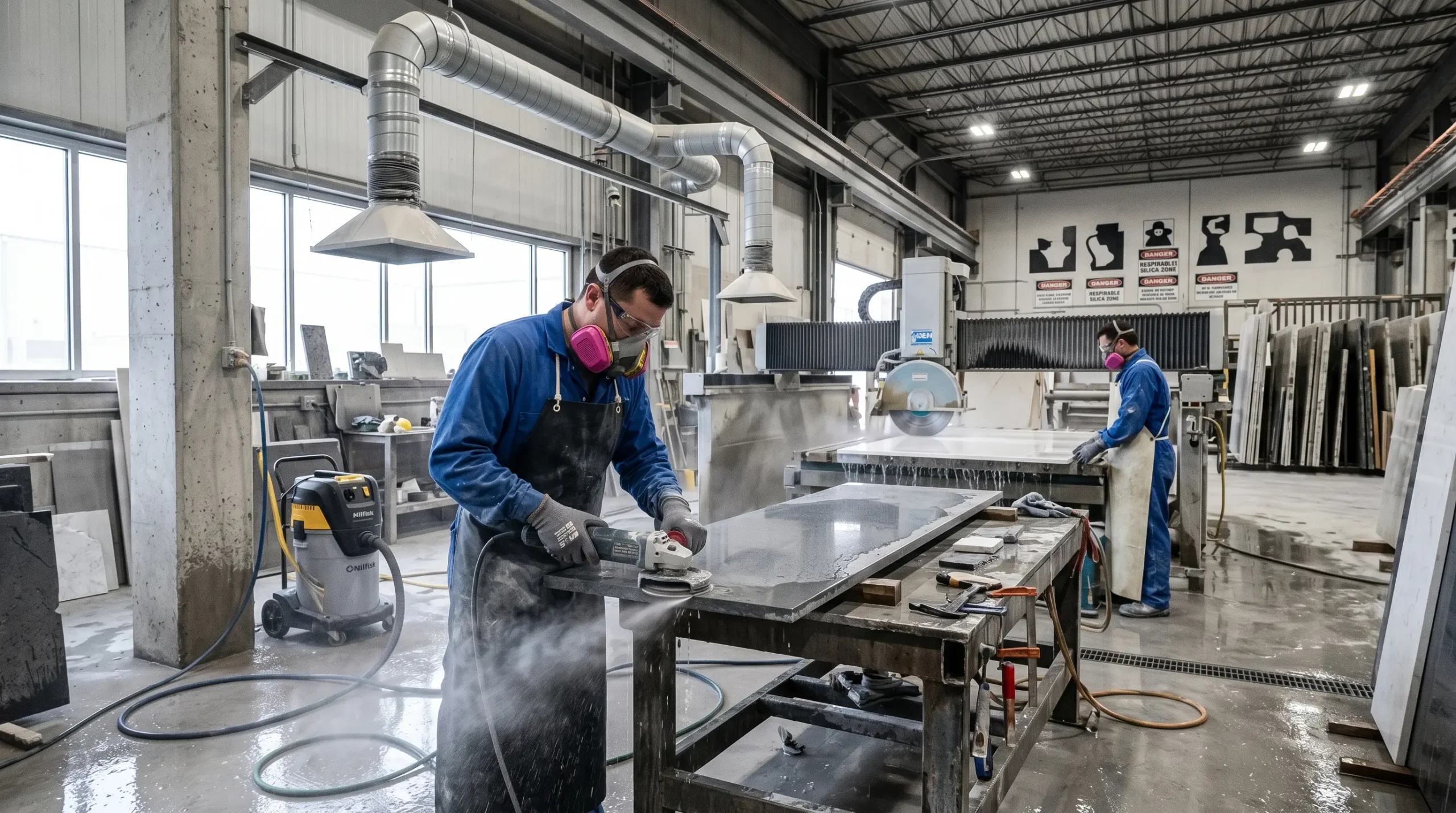
Workers in protective gear and respirators operate a large wet saw cutting stone slabs in an industrial workshop with dust extraction equipment and fluorescent lighting.

TL;DR — Myth vs Reality Silicosis is an irreversible occupational lung disease caused by inhaling respirable crystalline silica dust — fine particles generated when materials like concrete, sandstone, or engineered stone are cut, ground, or drilled. These particles scar the lungs, progressively destroying breathing capacity. There is no cure. Silicosis is entirely preventable through effective … Read more

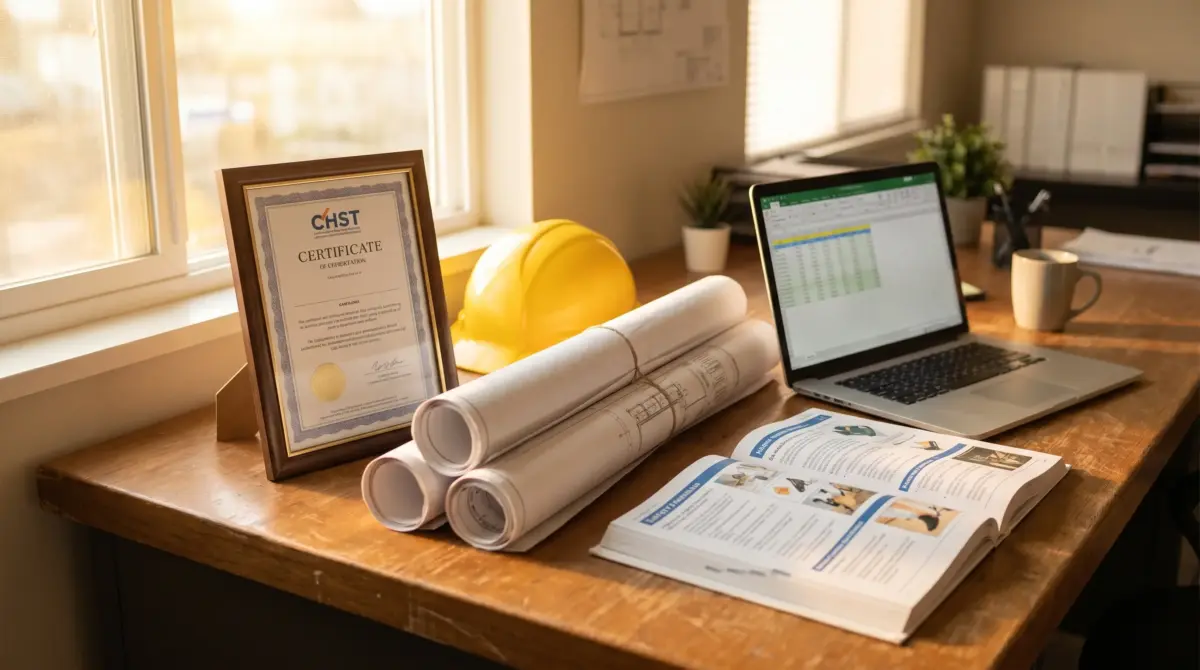
CHST Certification: Eligibility, Exam Guide & Career Benefits

Professional architect's desk with CHAST Certificate of Completion, yellow hard hat, rolled blueprints, open specifications document, laptop displaying spreadsheet, and office supplies in bright natural light from windows.

TL;DR I was reviewing contractor safety submittals on a high-rise project in the Gulf when a superintendent handed me a stack of resumes for an open site safety technician position. Twelve candidates. Nine listed generic “OSHA 30-Hour” cards as their only credential. Two had NEBOSH certificates — solid, but designed for a different regulatory landscape. … Read more

LEV Testing and Maintenance: COSHH Requirements Explained (UK)

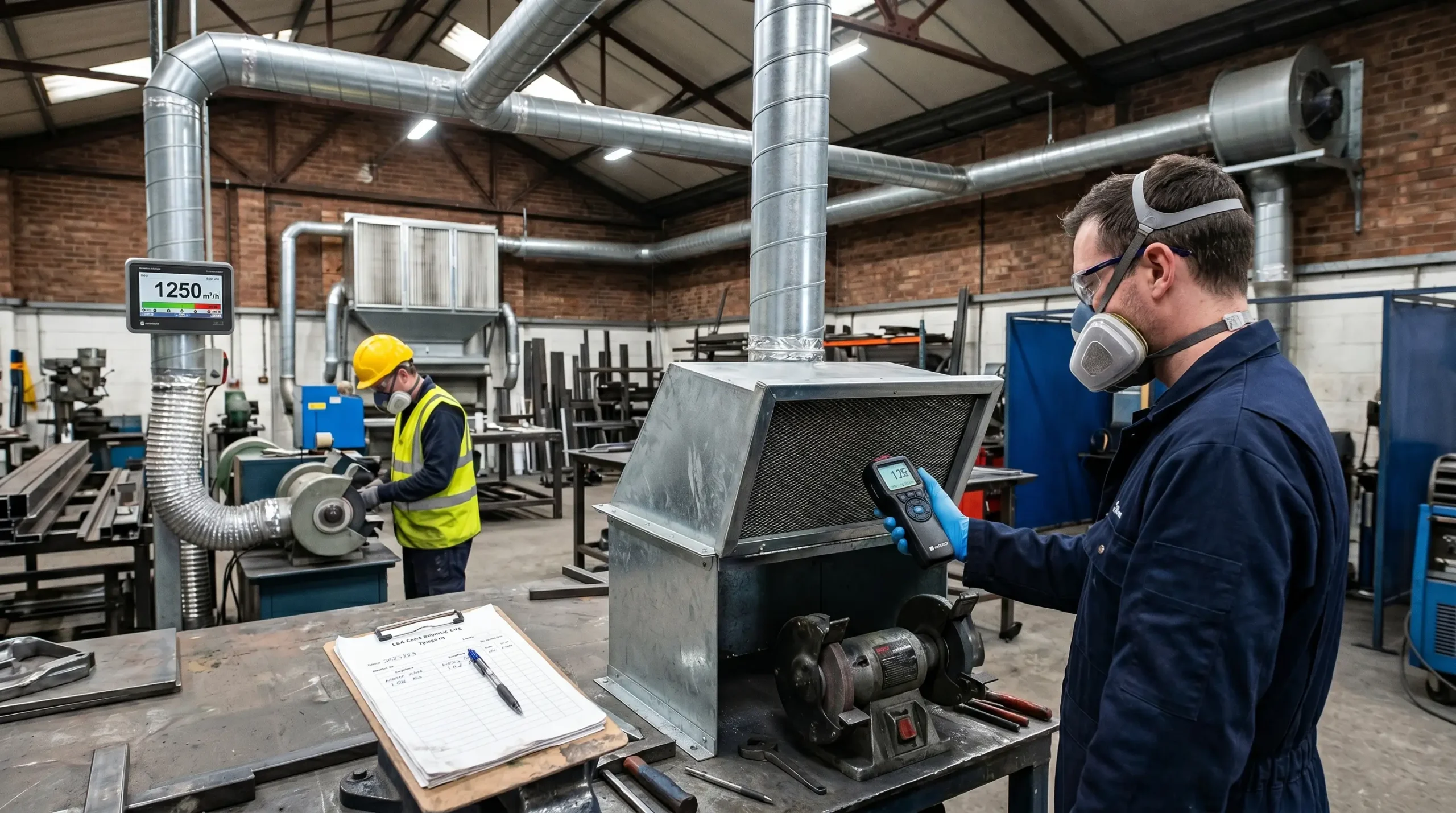
Industrial factory worker wearing safety gear measures equipment with a digital meter while colleague operates machinery in background, with metal ductwork and monitoring displays overhead.

TL;DR Under Regulation 9 of the Control of Substances Hazardous to Health Regulations 2002, local exhaust ventilation in Great Britain must be thoroughly examined and tested by a competent person at least once every 14 months. Schedule 4 of COSHH sets shorter statutory minimums — typically six or one month — for specified high-risk processes. … Read more

Occupational Lung Disease: Types, Causes & Prevention Guide

Worker in blue jacket and safety gear uses angle grinder on metal sheet in industrial workshop with wet floors, dust extraction system, and colleagues in background.

TL;DR Occupational lung disease is a group of lung conditions caused or made worse by inhaling substances at work — dusts, fumes, gases, vapours, or biological agents. The main types include silicosis, asbestosis and mesothelioma, coal workers’ pneumoconiosis, occupational asthma, hypersensitivity pneumonitis, and work-related COPD, many of them preventable with proper controls. About 12,000 people … Read more

Port and Harbour Safety: Risks and Controls Explained

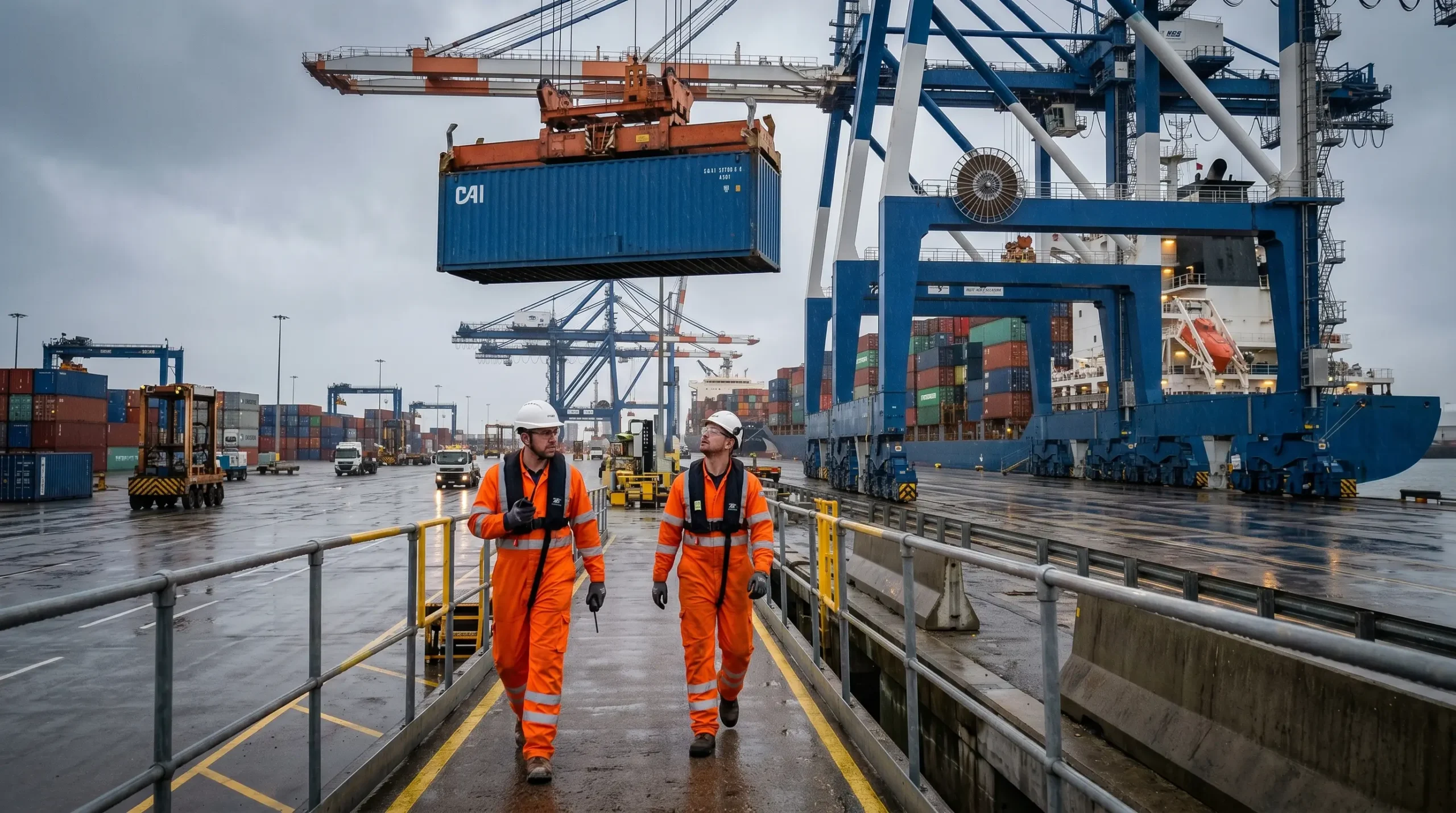
Two workers in orange safety suits walk along a wet dock pathway at a container port, with a blue CAI shipping container being lifted by crane above and cargo ships docked nearby.

TL;DR Port and harbour safety covers eight core hazard categories — workplace transport, lifting operations, enclosed-space entry, falls from height and into water, slips and manual handling, dangerous goods, ship-to-shore interface risks, and environmental pollution — managed through jurisdictional frameworks like OSHA 29 CFR 1917, HSE Safety in Docks ACOP L148, the ILO 2016 Code … Read more