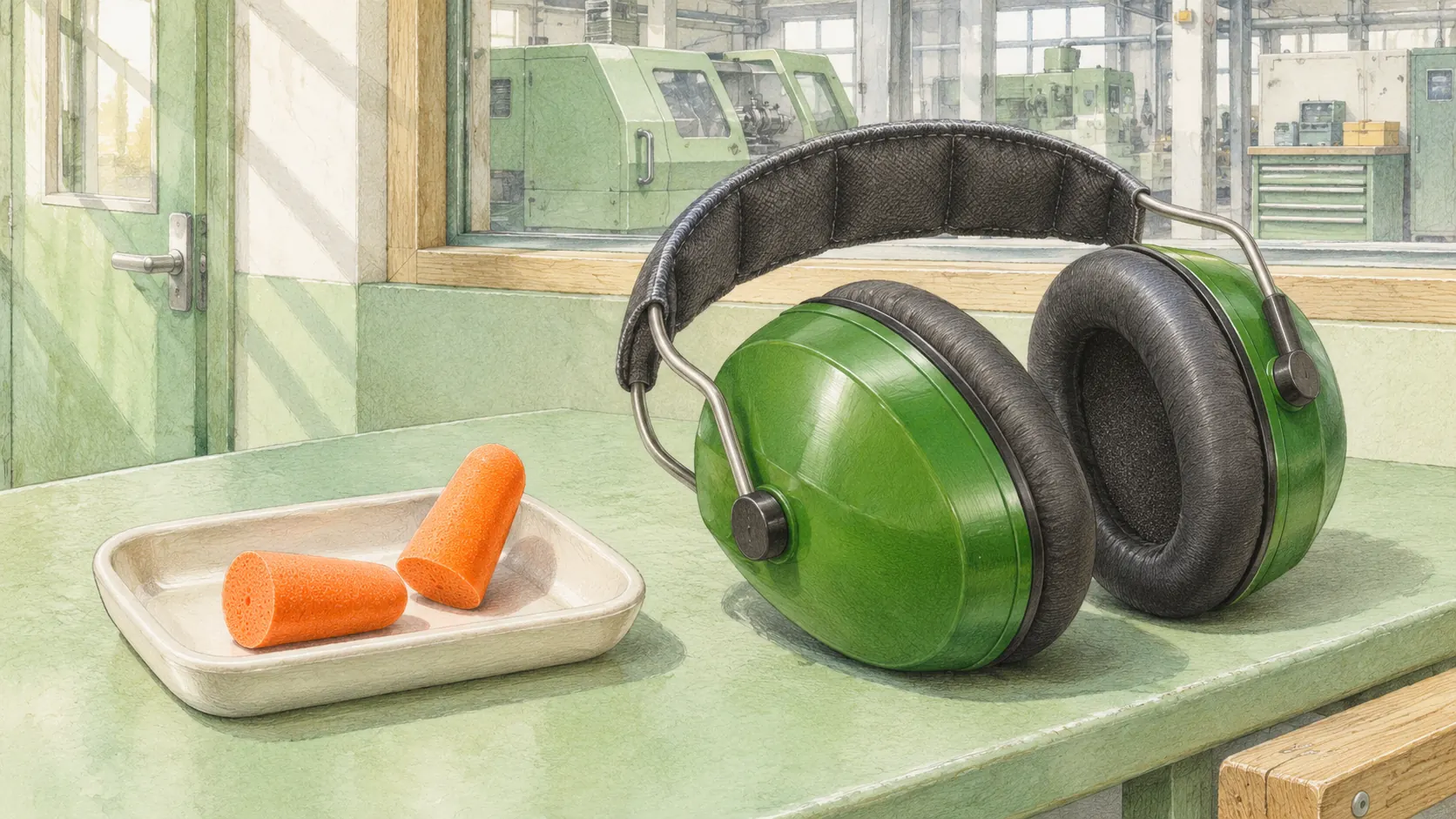
Earplugs often suit a long shift in a hot workplace or a job where other protective equipment gets in the way of earmuffs. Earmuffs are easier to put on for repeated short trips into noise, especially when workers have dirty hands. Either can protect hearing if it reduces the worker’s measured exposure enough and stays properly fitted throughout the noisy task. Start with the job, then check the fit on the person who will wear the protector.
Which protector suits the work?
An earplug seals inside the ear canal. An earmuff seals against the head around the whole outer ear. That difference matters when the worker puts on safety glasses, moves through a tight space or needs to put hearing protection back on several times during a shift.
| Working condition | What to try and check |
|---|---|
| Long periods in a hot or humid area | Try earplugs first. They leave the skin around the ears uncovered. Offer a choice of sizes or styles and check the worker can achieve a repeatable fit. |
| Frequent trips between quiet and noisy areas | Try earmuffs. Workers can fit them quickly before each entry. Once in the noisy area, the cups need to stay in place until the exposure ends. |
| Dust, grease or dirty hands between tasks | Avoid handling roll-down foam with dirty fingers. Earmuffs or a suitable plug with a clean insertion stem can make repeated fitting easier. |
| Safety glasses, a hard hat or limited headroom | Try the whole equipment combination. Glasses can lift a cushion, and bulky cups can hit a nearby surface. A compatible helmet-mounted muff or a suitable earplug may work better. |
Give workers a choice among models that meet the exposure requirement. Ask them to put on their normal gear, turn their head and work in their usual posture. A cushion that lifts when the head turns is a reason to try a different combination. Keep required eye and head protection in place while making that choice. SafeWork NSW identifies comfort, hygiene and compatibility as factors in selecting hearing protection.
How much protection does the worker need?
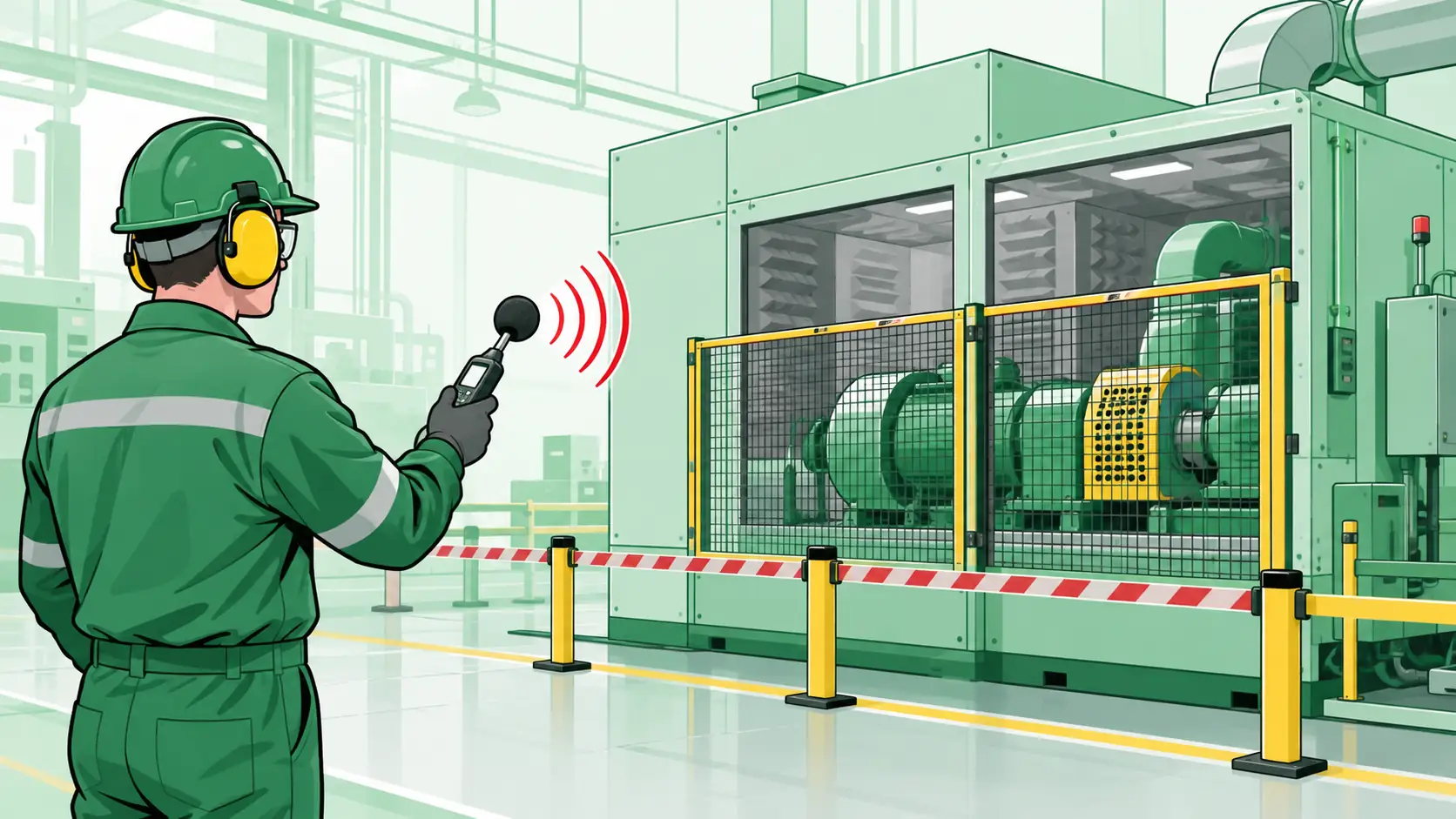
Use the noise risk assessment to find the noise levels, the time spent on each task and any short, intense bursts. First look for ways to quieten or isolate the equipment. Select hearing protection for the noise that still reaches the worker. For context, the US National Institute for Occupational Safety and Health (NIOSH) recommends an exposure limit of 85 A-weighted decibels (dBA) averaged over eight hours. Apply the requirements for the site and jurisdiction. NIOSH explains how exposure depends on sound level and duration.
The US Noise Reduction Rating (NRR) on a package describes the product under test conditions. Workers wearing the same model can receive different amounts of protection. Excessive sound reduction can also make a warning or a spoken instruction harder to hear. Where communication matters, consider a rated protector designed to preserve speech clarity or a protective communication headset. Check that the team can hear the signals the job depends on while keeping protection in place. NIOSH gives selection advice for communication and warning sounds.
How to check the fit before a noisy task
Show the worker how to fit the model in a quiet area, then ask them to fit it themselves. Foam plugs and earmuffs need different checks.
Fitting soft foam earplugs
Start with clean hands. Roll the foam into a thin, smooth cylinder. With the opposite hand, reach over your head and gently lift the top of the ear up and back. Insert the compressed plug as directed and hold it in place while it expands. Repeat on the other side. Cup and uncup your hands over your ears while speaking. A marked change in the sound suggests a poor seal. Refit it in the quiet area. Premoulded plugs have their own fitting instructions. NIOSH illustrates the fitting technique for soft foam plugs.
Checking the earmuff seal
Centre each cup over the whole ear and adjust the band until both cushions sit evenly against the head. Move hair and clothing out from under the cushions. With safety glasses on, check where the side arms pass beneath the seals. If they leave a gap, try another compatible frame or protector and check again. Inspect the cushions and headband if a cup slips or will not sit flat. CCOHS explains what can interfere with the earmuff seal.
Measuring the protection a worker actually gets
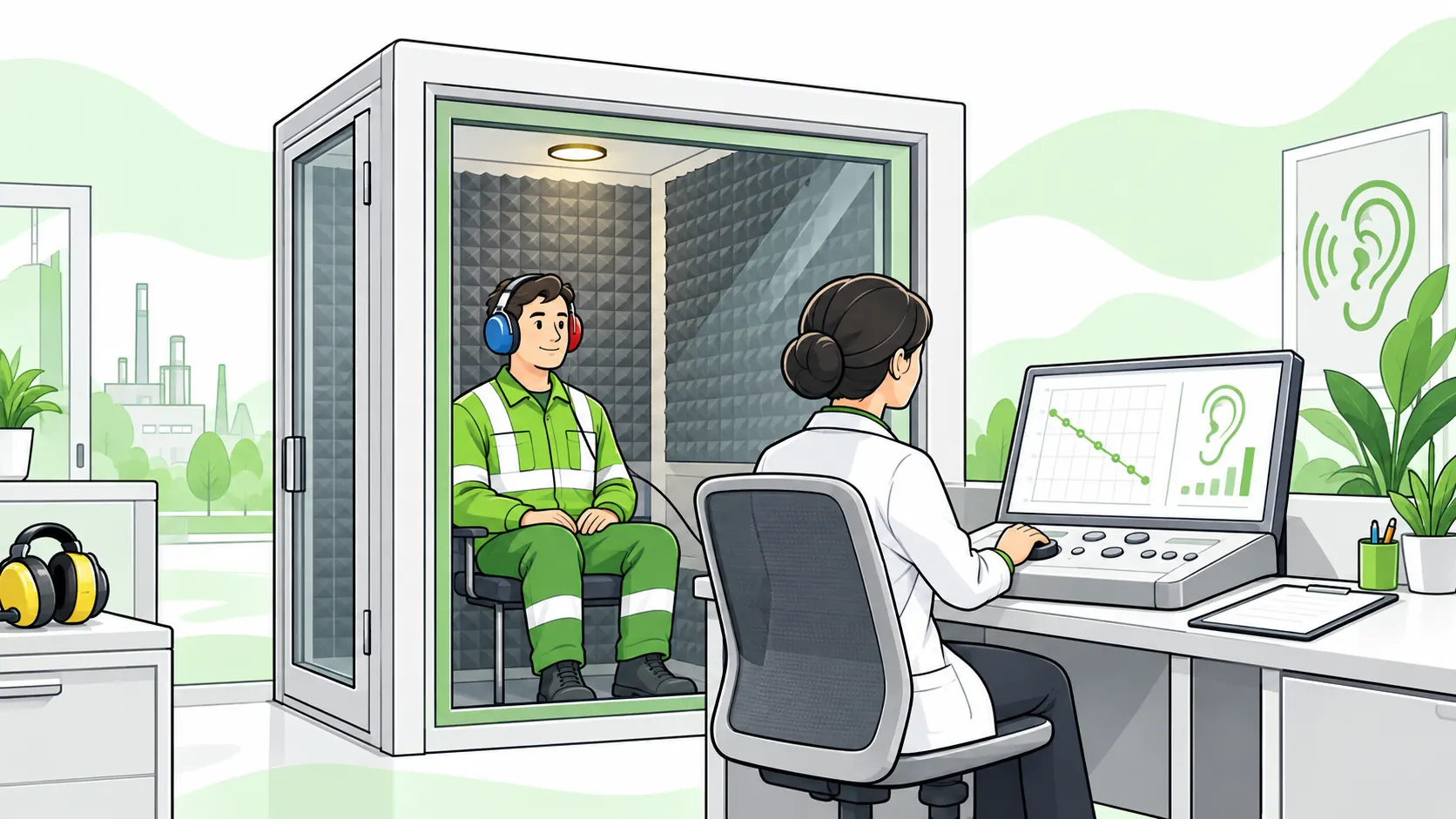
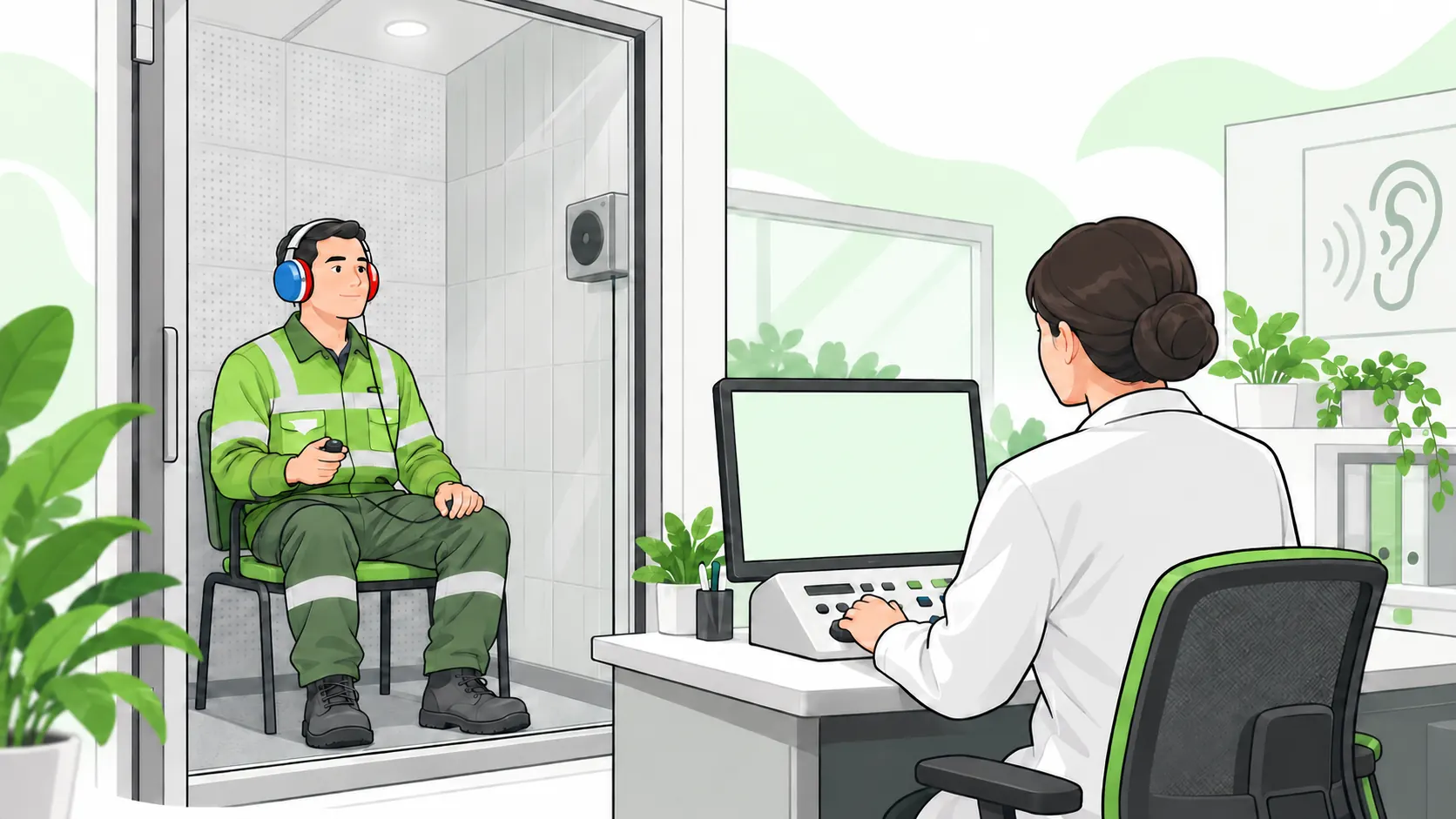
A quick fit check can reveal a leak. An individual quantitative fit test estimates how many decibels the selected protector reduces for that wearer. The result is called a personal attenuation rating (PAR). Use a fit-test system suitable for the model, compare the result with the reduction needed for the task, and coach and retest anyone who falls short. If the fit is still inadequate, try a different size or model. NIOSH recommends individual quantitative fit testing.
In a field study of 126 offshore inspectors and engineers, fewer than half initially reached the researchers’ target of 25 dB of earplug attenuation. After refitting and training, more than 85% met that target. The 25 dB figure was specific to the study. Having workers demonstrate their fit during a hearing protection toolbox talk gives a supervisor an opportunity to spot who needs coaching or a different plug. Read the original NIOSH field study.
When should you wear earplugs and earmuffs together?
NIOSH recommends double hearing protection for workers exposed to noise levels of 100 dBA or higher, or to impulse sounds such as industrial impact noise. Fit the earplugs first, then put the earmuffs over them and check both seals. The two package ratings cannot simply be added together. Have the combined protection evaluated for the measured exposure and make sure the worker can still receive critical instructions. See the NIOSH recommendation on double protection and OSHA’s explanation of combined protector ratings.
Frequently Asked Questions
Product ratings, everyday headphones and worn cushions often raise questions when workers choose or replace their protectors.
Do earplugs or earmuffs block more noise?
It depends on the model and the seal the wearer gets. A well-fitted plug can give one person more protection than a pair of muffs that leaks around their glasses. Start with products suitable for the measured exposure. If both are suitable, let the worker try them with their usual equipment and confirm the fit of the one they prefer. The Canadian Centre for Occupational Health and Safety compares the strengths and limitations of both types.
Can noise-cancelling headphones replace hearing protection?
Use a product rated as occupational hearing protection for the task. An ordinary music headset can make a machine sound quieter without demonstrating that the wearer is protected. If the job needs radio contact, choose a rated communication protector and check that the wearer can hear essential messages under working conditions. SafeWork NSW explains the difference between personal audio equipment and hearing protection.
When should earplugs or earmuffs be replaced?
Follow the manufacturer’s instructions for the particular model. Discard single-use plugs after use. Check reusable plugs for damage and keep them clean. Inspect earmuff cushions for splits, hardness or gaps, and check that the headband still holds both cups firmly in place. Replace worn parts as the manufacturer directs or replace the protector before relying on it again. The Health and Safety Executive lists the checks for hearing protection in use.