Occupational Cancer: Risk Factors, Carcinogens & Prevention Guide
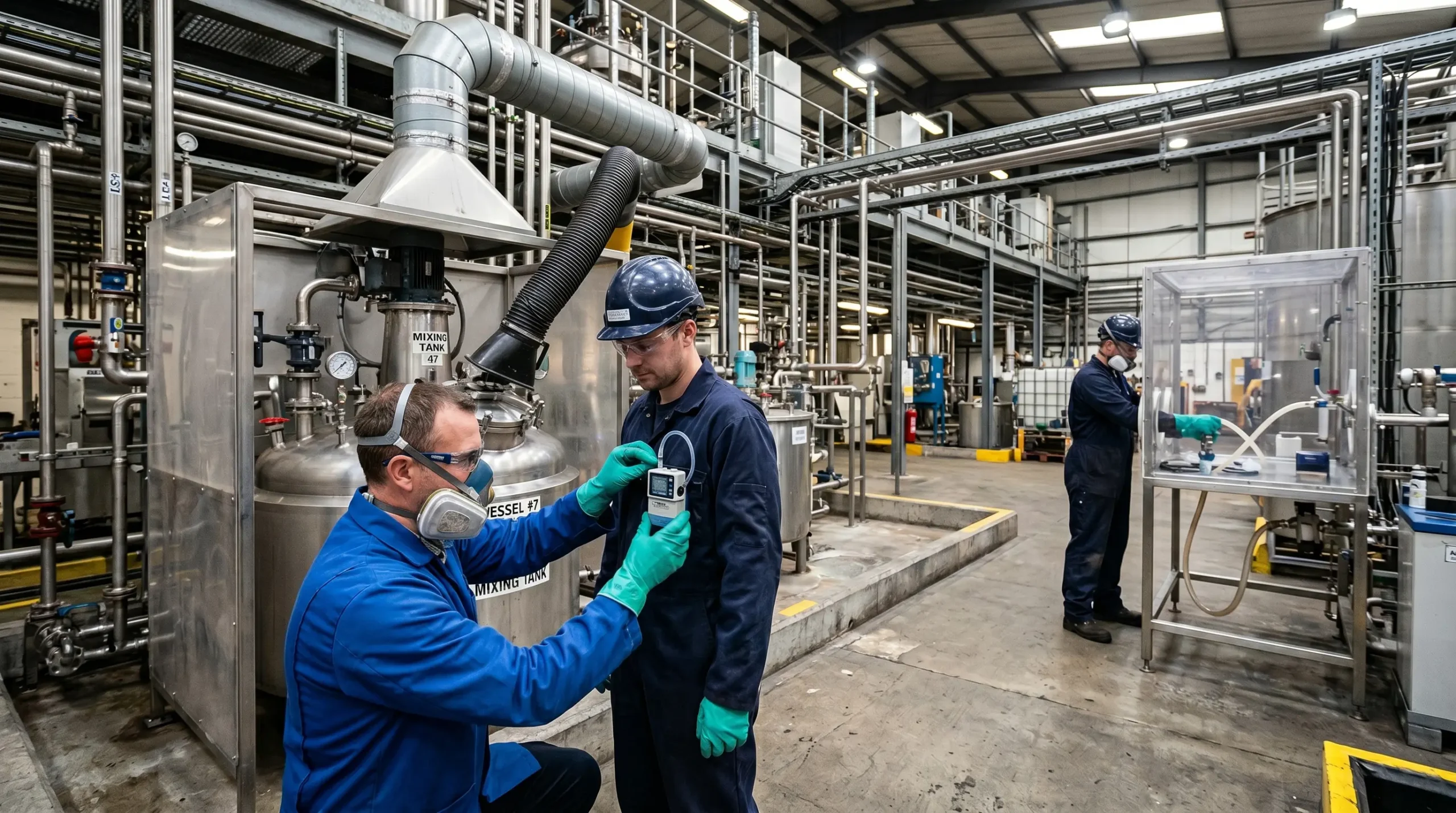
Industrial workers in safety gear conduct equipment inspection and maintenance inside a large manufacturing facility with metal tanks, piping systems, and metal-framed structures.

TL;DR — Key Numbers Occupational cancer is cancer caused wholly or partly by exposure to carcinogenic substances, processes, or conditions at work. Common types include lung cancer, mesothelioma, and bladder cancer. With latency periods often exceeding 10–40 years, today’s diagnoses reflect past workplace conditions. An estimated 2–8% of all cancers globally are attributable to occupational … Read more

Man Overboard Prevention & Emergency Procedures: 2026 Guide

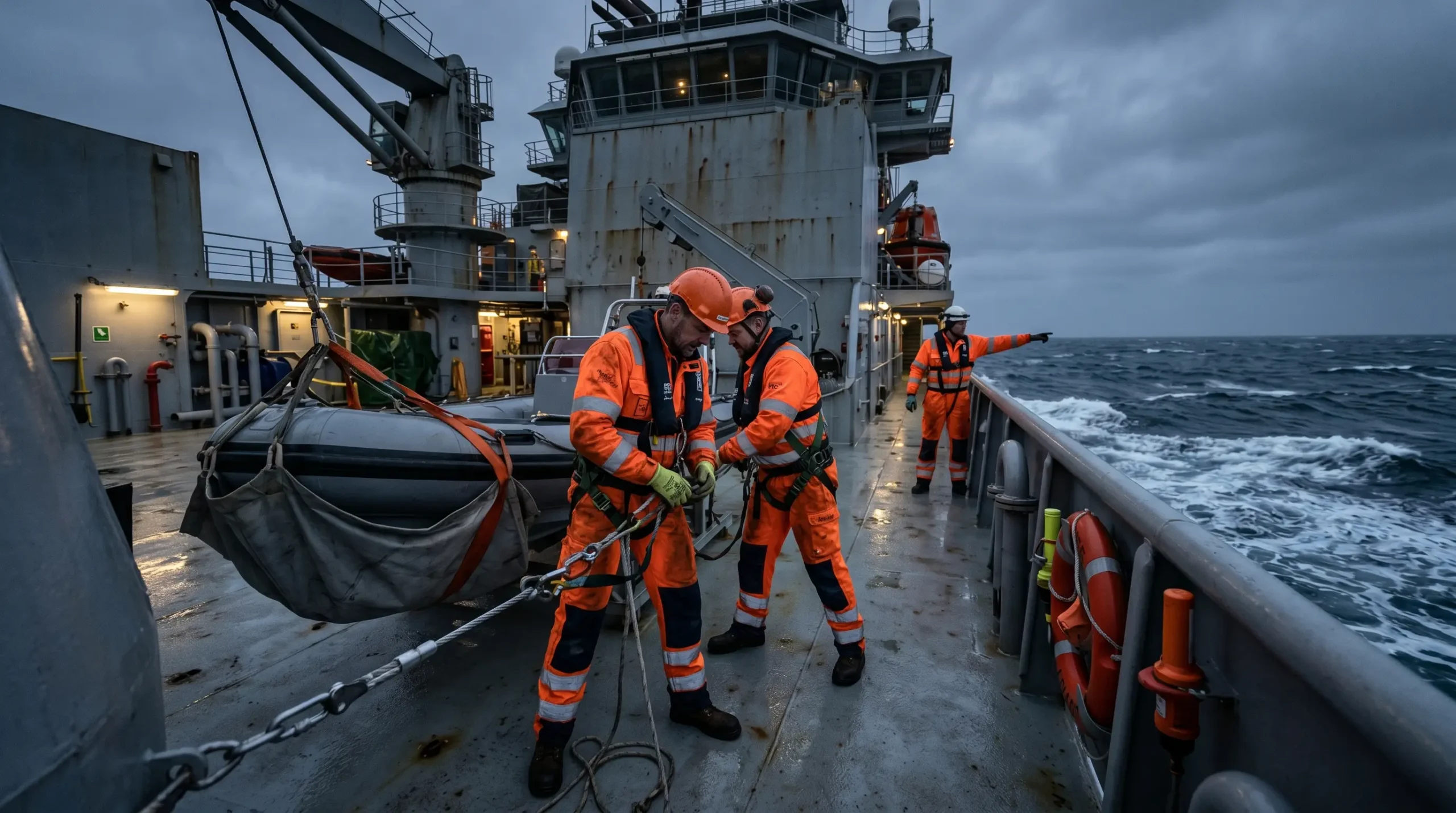
Workers in orange safety suits secure equipment on a ship deck during rough seas, demonstrating maritime operations and offshore safety procedures.

TL;DR — The Numbers That Define This Hazard The moment someone falls overboard, shout “Man overboard” with the side (port or starboard), throw flotation immediately, assign one crew member as a dedicated spotter who keeps constant visual contact, mark GPS position, and sound the alarm. The bridge then initiates an Anderson, Williamson, or Scharnow turn … Read more

Abrasive Wheel Regulations: UK & US Training Compliance Guide

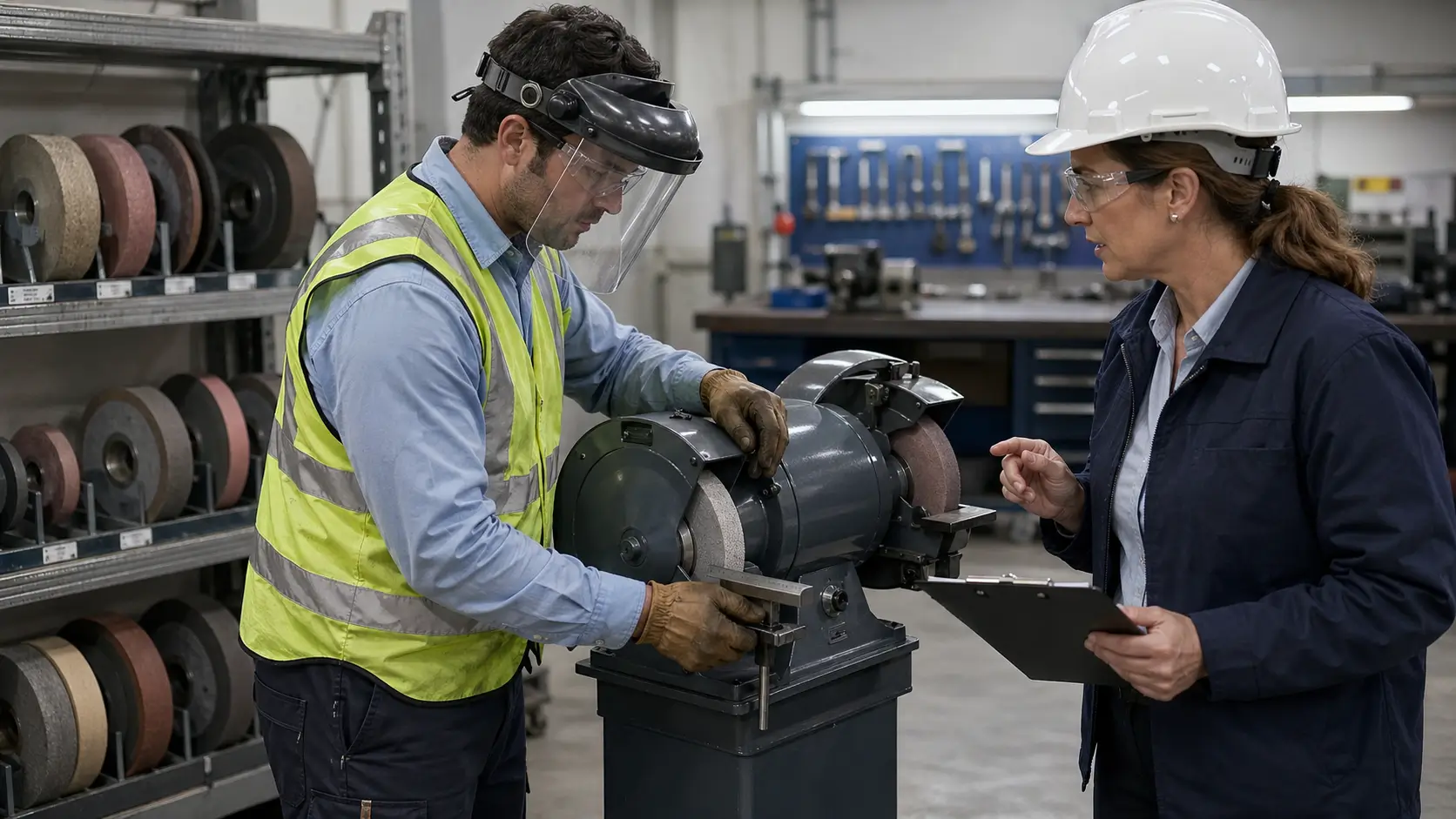
Two workers in safety gear discuss a bench grinder in an industrial workshop with grinding wheels stored on shelves in the background.

TL;DR Abrasive wheel regulations require employers to ensure all personnel who use, mount, or supervise abrasive wheel equipment receive adequate training. In the United Kingdom this duty arises under PUWER 1998 Regulation 9, supported by HSE guidance document HSG17. In the United States, OSHA 29 CFR 1910.215 and 1926.303 require operator training covering machine hazards, … Read more

Grinding Safety: 10 Rules Every Worker Must Follow

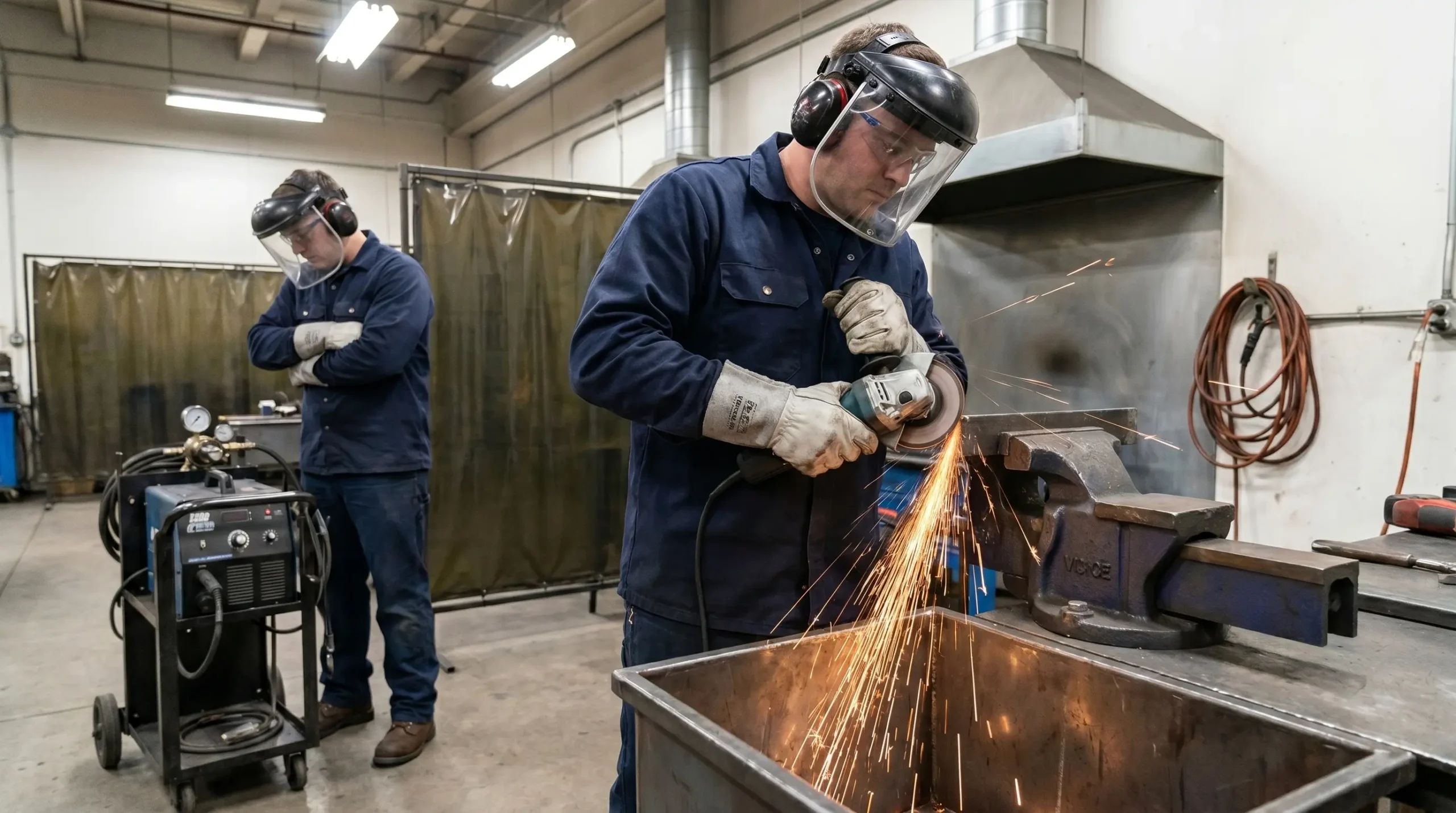
Welder in safety gear uses an angle grinder on metal in an industrial workshop while a colleague stands nearby near welding equipment and protective curtains.

TL;DR The ten essential grinding safety rules require operators to inspect every wheel, match RPM and disc type to the machine, keep guards in place, maintain work-rest clearances, wear correctly fitted PPE, secure the workpiece, control fire hazards, run new wheels at full speed before use, avoid excessive force, and complete formal training before operating … Read more

Maritime PPE: Essential Protective Equipment at Sea

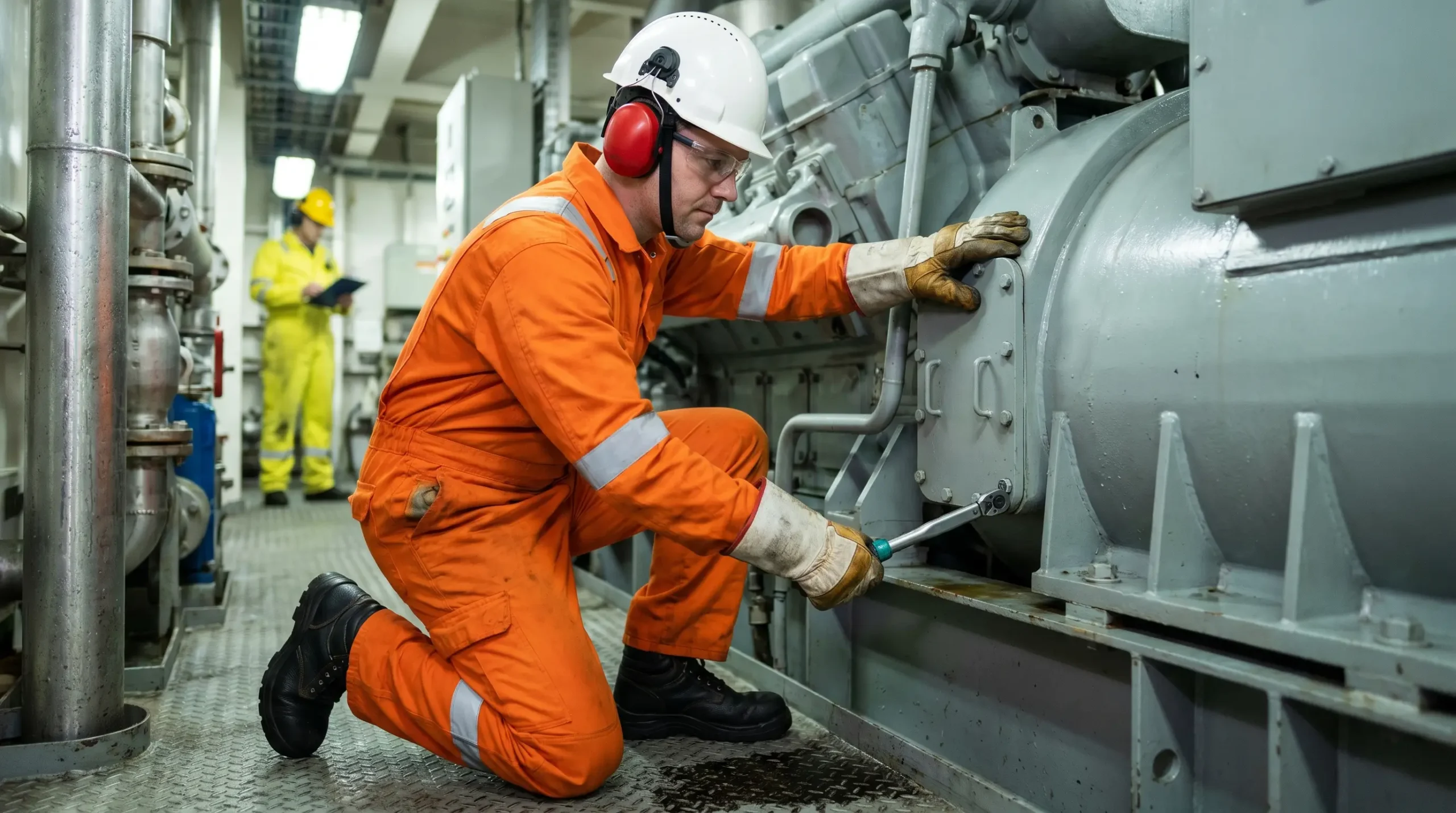
Worker in orange safety suit and white hard hat kneels while adjusting equipment on large industrial machinery in a factory setting with colleagues in background.

TL;DR Maritime PPE is the personal protective equipment shipowners are legally required to provide to seafarers under SOLAS, the MLC 2006, and the ISM Code. It covers head, eye, hearing, respiratory, hand, foot, body, and fall protection, plus lifesaving items such as SOLAS lifejackets and immersion suits — selected through documented hazard assessment for the … Read more

Young Workers Safety: Legal Duties & Risk Assessment Guide

Two workers wearing safety hard hats, orange reflective vests, and protective eyewear review blueprints together in an industrial manufacturing facility with machinery in the background.

TL;DR Employers of workers under 18 — and under 25 in some jurisdictions — owe specific legal duties beyond general worker safety. These include a pre-start young person’s risk assessment, prohibited-work compliance, and proportionate-to-inexperience supervision under MHSWR 1999 Reg 19 (UK), Directive 94/33/EC (EU), the FLSA Hazardous Occupations Orders at 29 CFR Part 570 Subpart … Read more

Hydraulic System Safety: Common Failures and Prevention Guide

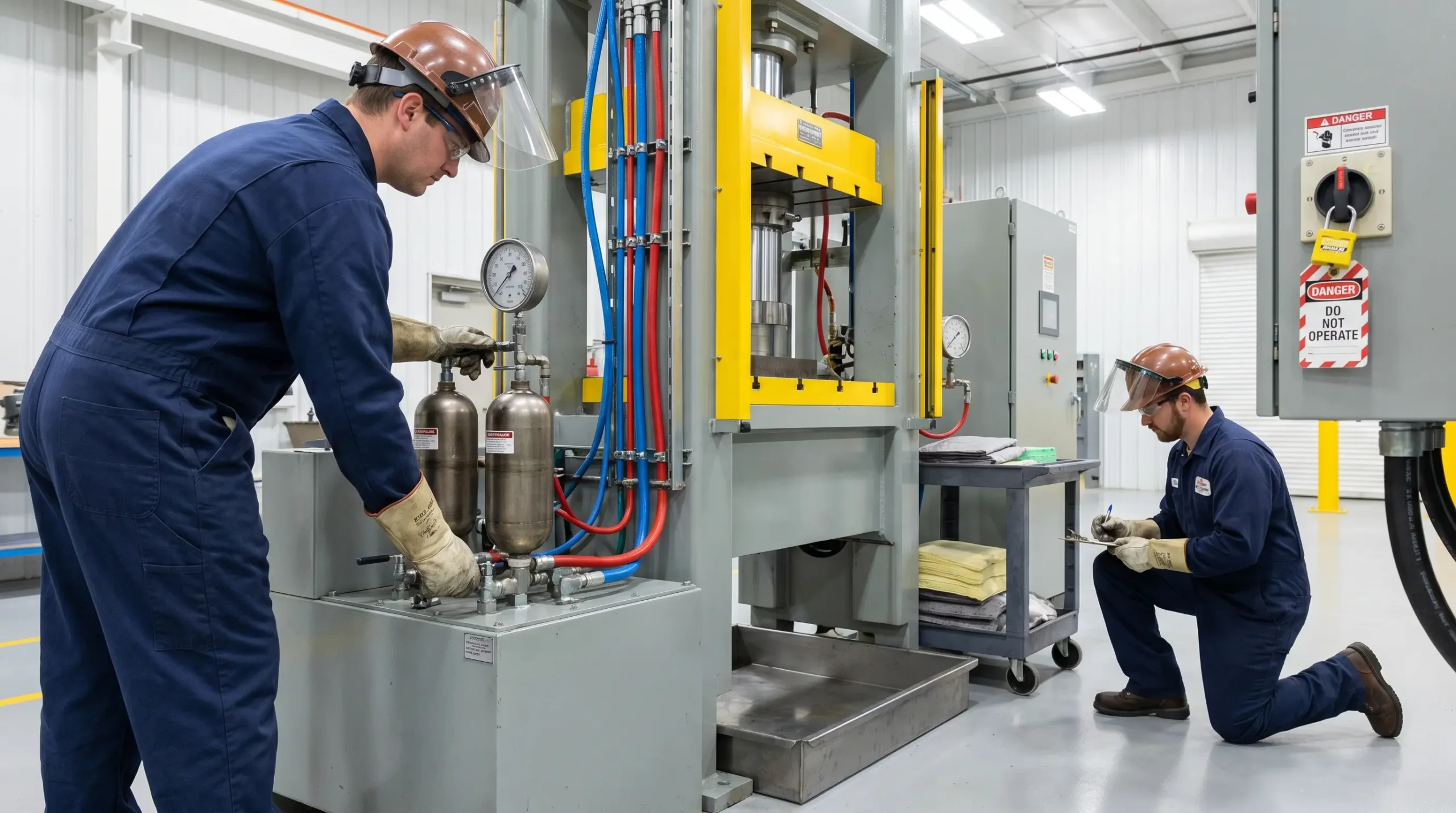
Two technicians in safety gear work in an industrial laboratory, one adjusting pressure gauges on hydraulic equipment while the other prepares materials, with yellow industrial machinery and danger warning signs visible.

TL;DR Hydraulic system safety is the engineering and procedural discipline of preventing injuries from pressurised fluid systems — including high-pressure injection through pinhole leaks, burns from hot fluid, impact from whipping hoses, and crushing from dropped loads. It combines failure-mode prevention, lockout/tagout for stored energy, and emergency medical response for injection injuries. A hydraulic line … Read more

Employer Duties for Workers With Disabilities: Safety Guide

Woman in motorized wheelchair working at desk with computer monitor while colleagues collaborate in modern office with glass partitions and accessibility signage.

TL;DR Employers owe workers with disabilities two parallel duties: protect them from harm under occupational-safety law (the OSH Act in the US; HSWA 1974 in the UK), and protect them from discriminatory exclusion under equality law (the ADA in the US; the Equality Act 2010 in the UK). Discharging both means individualised risk assessment, reasonable … Read more

Compressed Air Safety Hazards: What Every HSE Pro Must Know

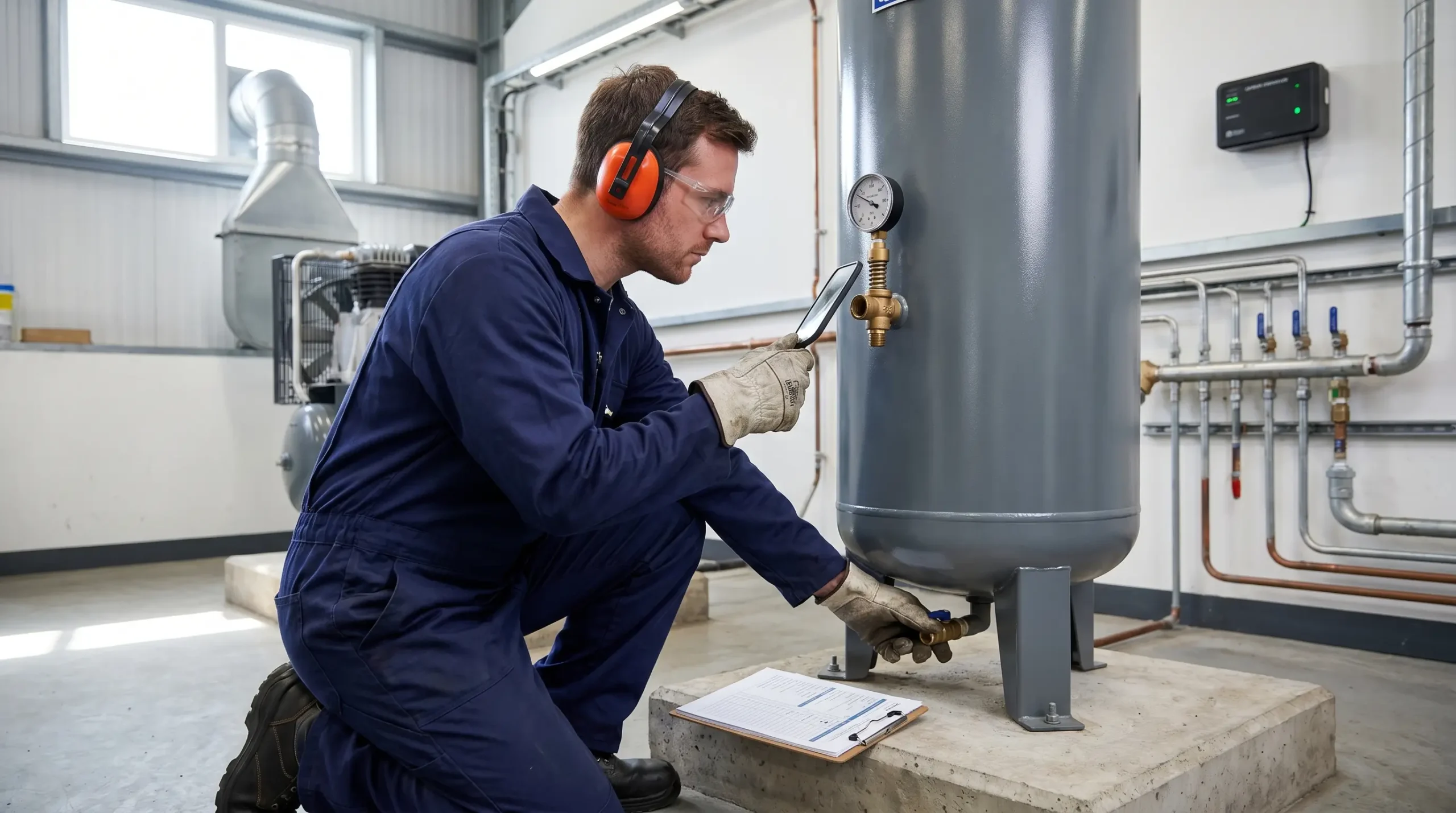
Technician in safety gear inspects pressure gauge on industrial tank in a facility with pipes and monitoring equipment.

TL;DR — The Numbers That Define This Hazard Compressed air kills through four distinct mechanisms — air embolism into the bloodstream, visceral perforation, carbon monoxide poisoning of supplied-air respirators, and catastrophic vessel rupture. The OSHA cleaning limit of 30 psi dead-end static pressure addresses only the first family; stored-energy and breathing-air contamination demand separate regulatory … Read more