1,380 articles · Page 12 of 46

Latest Articles – Page 12

More of the latest guidance from HSE Blog. Back to articles

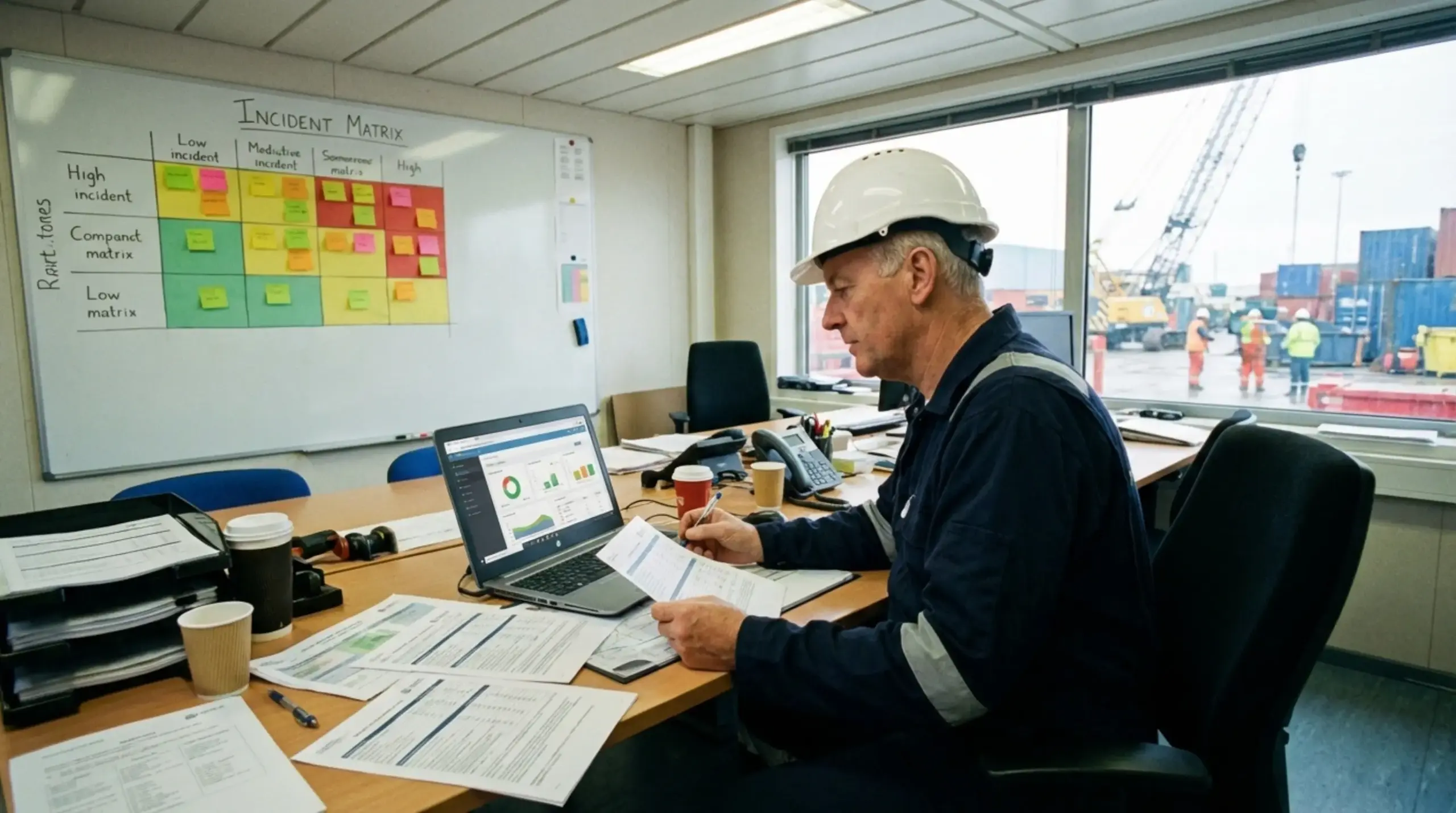
Construction site manager reviews incident data and reports at desk overlooking port with containers and shipping equipment visible through window.
Management

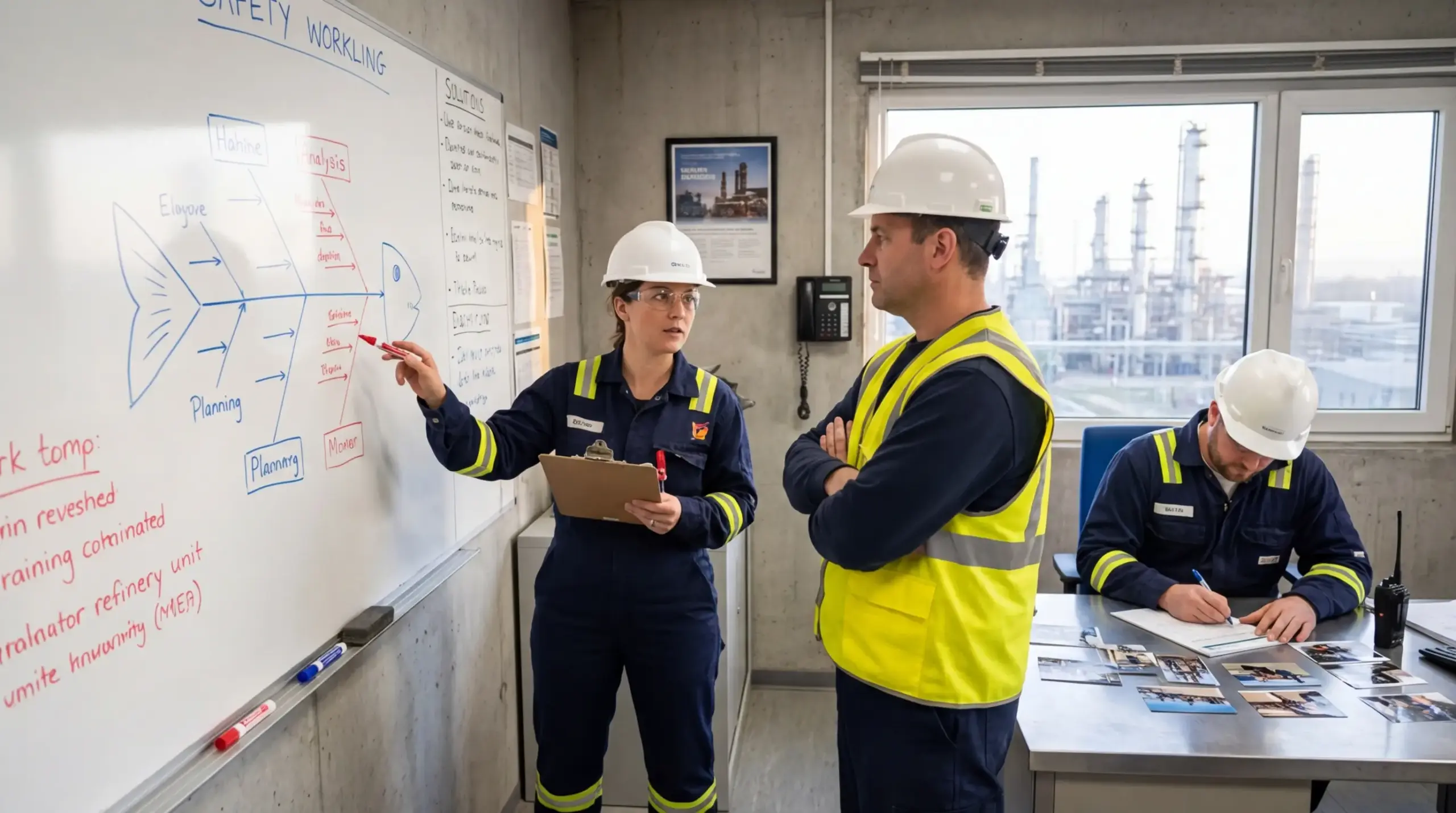
15 Types of Reactive Monitoring Methods in Safety

TL;DR: Reactive monitoring captures what already went wrong — injuries, near-misses, ill health, property damage, and enforcement actions that reveal system failures. Fifteen distinct methods exist, each targeting a different failure signal that proactive systems missed. Near-miss and first aid…
Saad Iftikhar

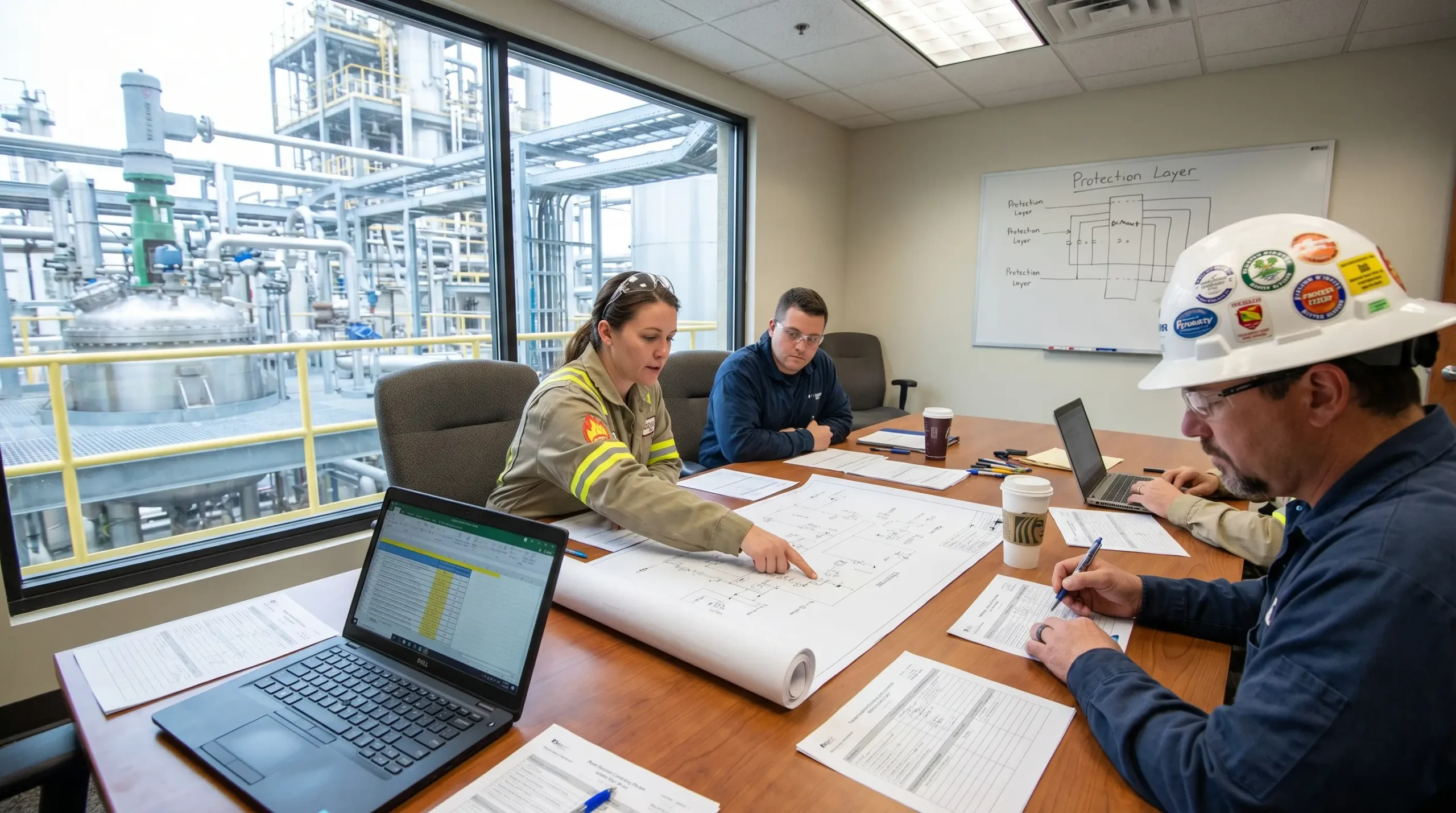
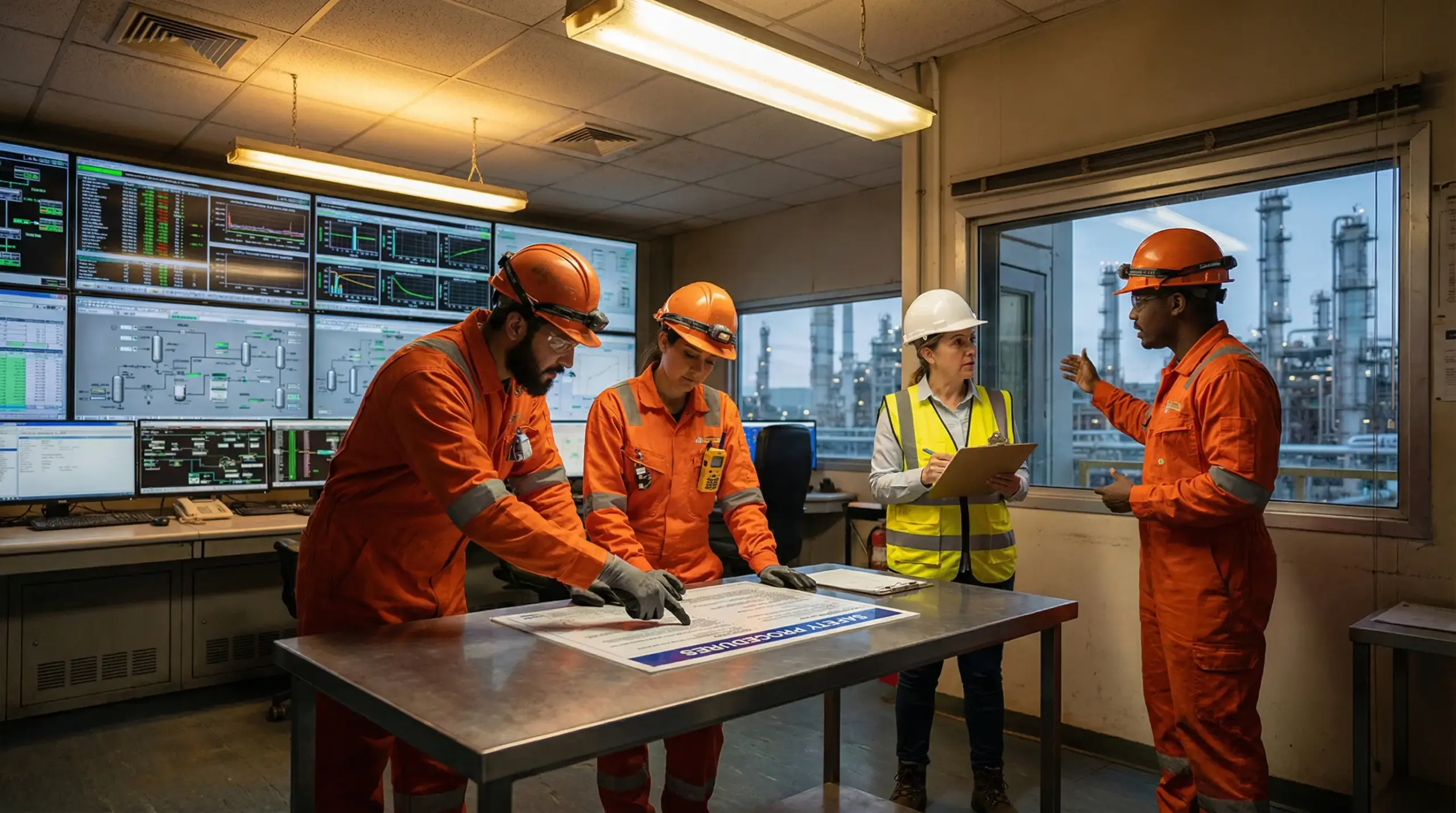
Industrial control room with five workers in safety gear reviewing blueprints at a table, with monitoring screens and refinery facilities visible through windows.
Laws & Regulations

Article 19 of C155 & Recommendation 16 of R164 Explained

TL;DR Article 19 of ILO C155 requires workers to cooperate with employers in fulfilling workplace safety obligations Recommendation 16 of R164 expands worker duties into specific, actionable responsibilities on the ground Worker cooperation is a legal duty, not a voluntary…

Babar Mughal

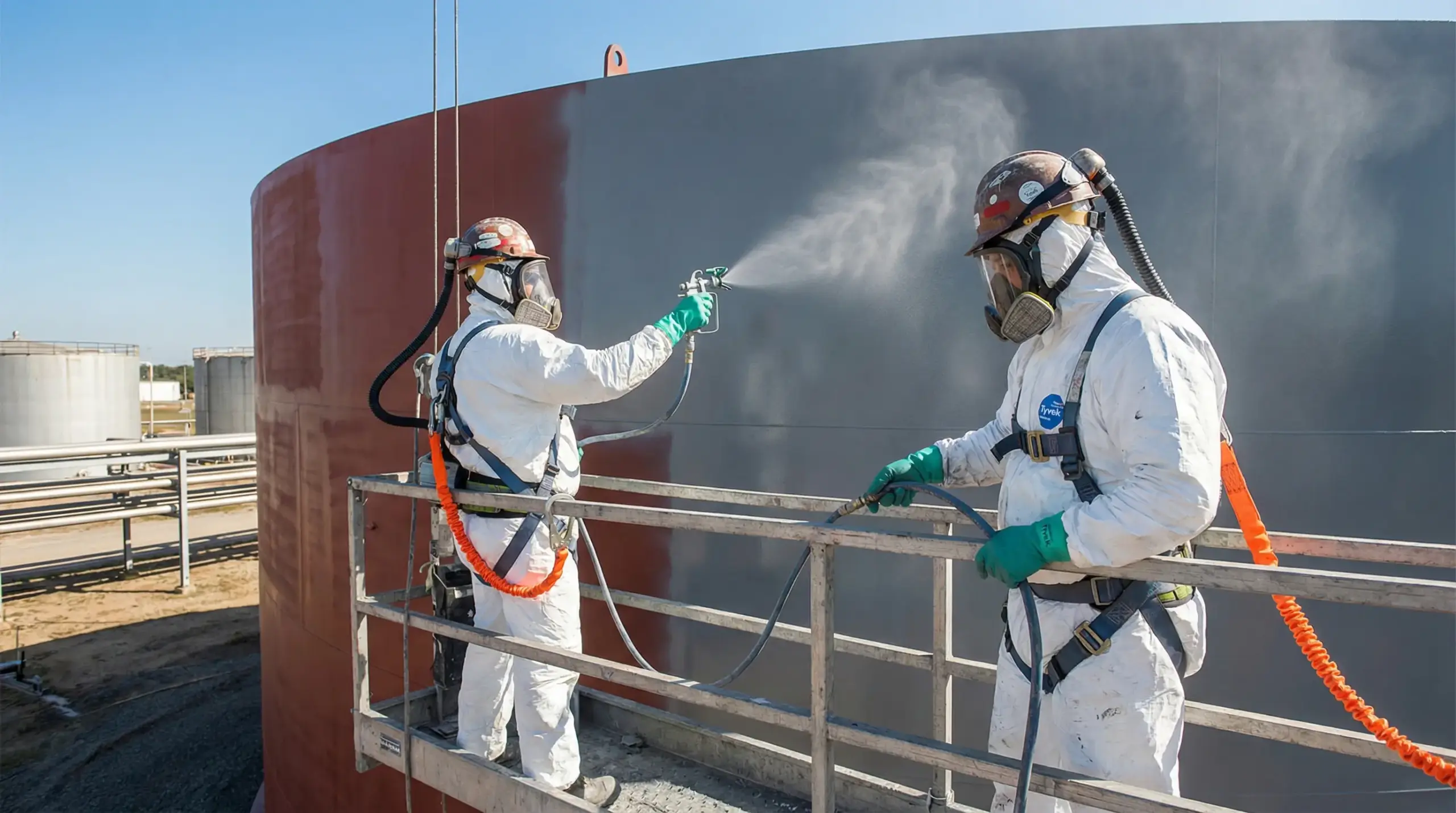
12 Different Painting Hazards and Safety Rules To Follow
Hazard

12 Different Painting Hazards and Safety Rules To Follow

TL;DR Paint fumes can silently damage organs: Solvent vapors and VOCs cause neurological harm, liver damage, and occupational cancer with repeated unprotected exposure. Falls kill more painters than chemicals do: Working at height on ladders, scaffolds, and elevated platforms remains…

Hamza Ali

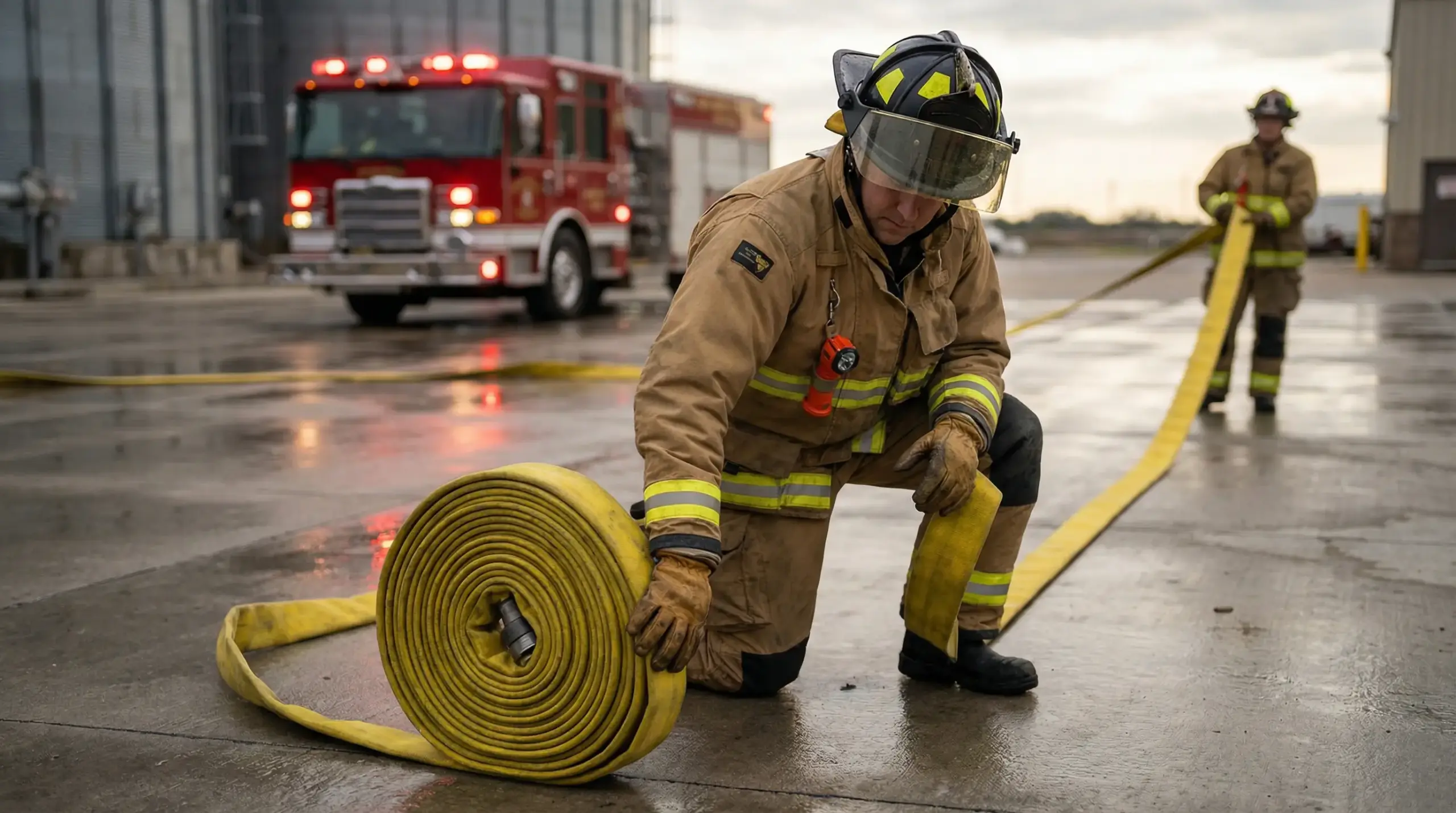
What Is a Fire Hose? Types, Uses & Rolling Techniques
Fire

What Is a Fire Hose? Types, Uses & Rolling Techniques

TL;DR A fire hose is a high-pressure flexible tube designed to transport water or extinguishing agents from a supply source to a fire. Five main fire hose types exist: attack hose, supply hose, forestry hose, booster hose, and intake hose…

Mughees Ali

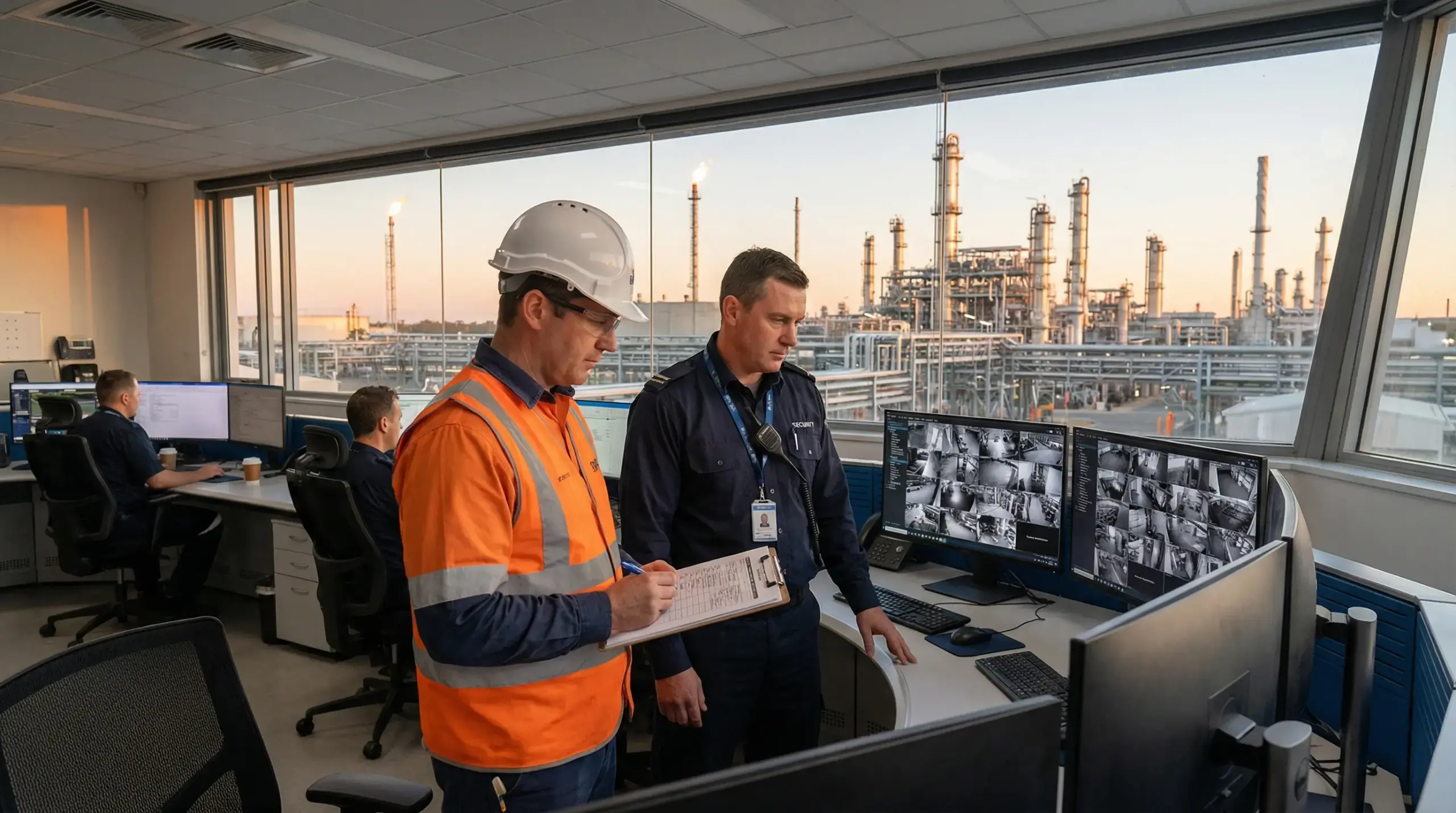
Industrial facility control room with workers monitoring operations and refinery complex visible through large windows at dusk.
Worker

Difference Between Safety and Security | 10 Key Differences

TL;DR Safety protects against accidental harm; security protects against intentional threats like theft, sabotage, or violence. Hazards drive safety programs; threats and vulnerabilities drive security programs. Both require risk assessment, but the source of danger — accidental vs. deliberate —…

Waqar Ali

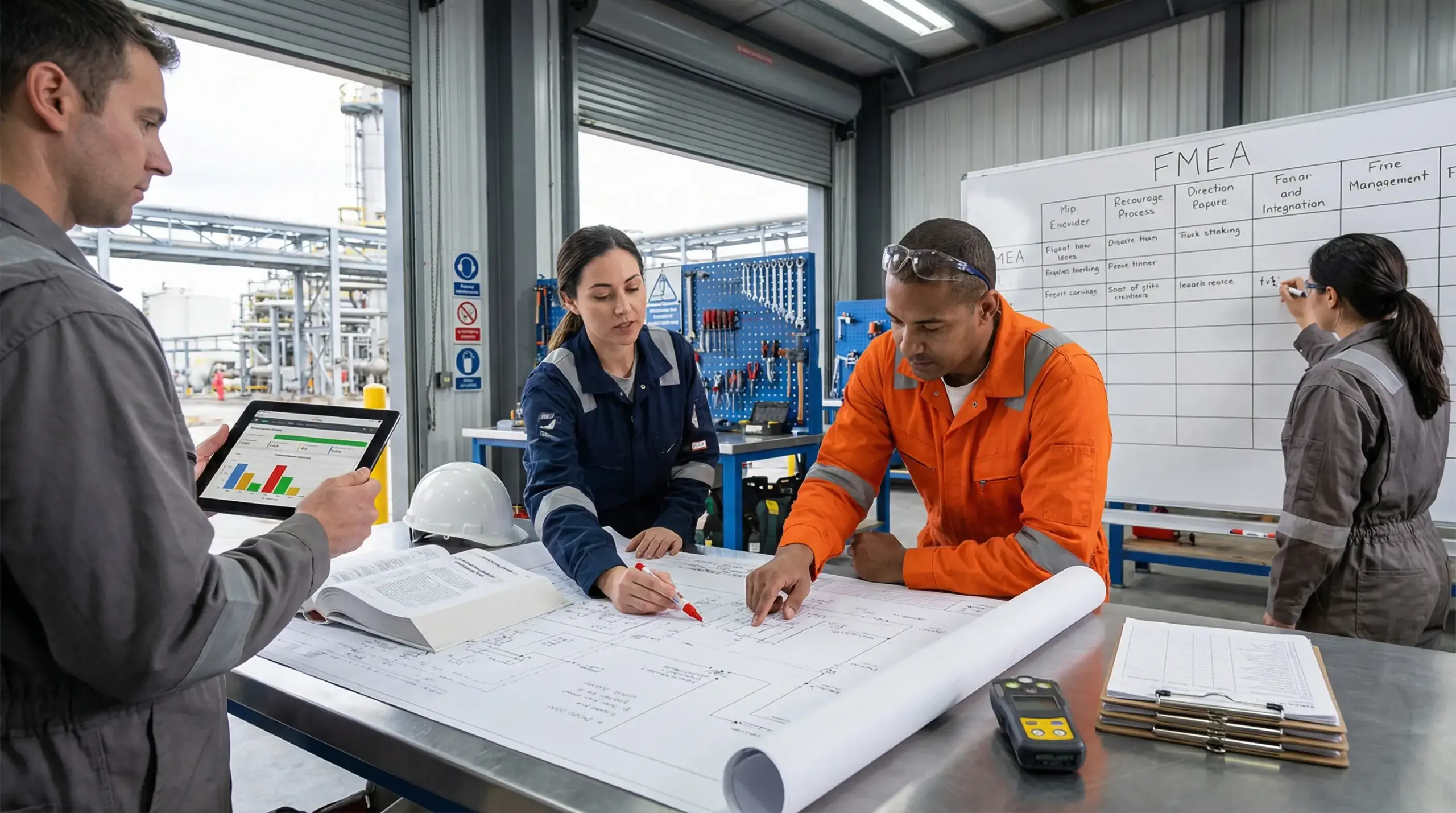
What is FMEA Failure Mode & Effects Analysis
Safety At Work

What is FMEA? Failure Mode & Effects Analysis

TL;DR FMEA is a structured, proactive risk tool that identifies how equipment, processes, or systems can fail — and ranks each failure by severity, likelihood, and detectability before an incident occurs. It shifts safety from reactive to predictive by forcing…

Badar Javed

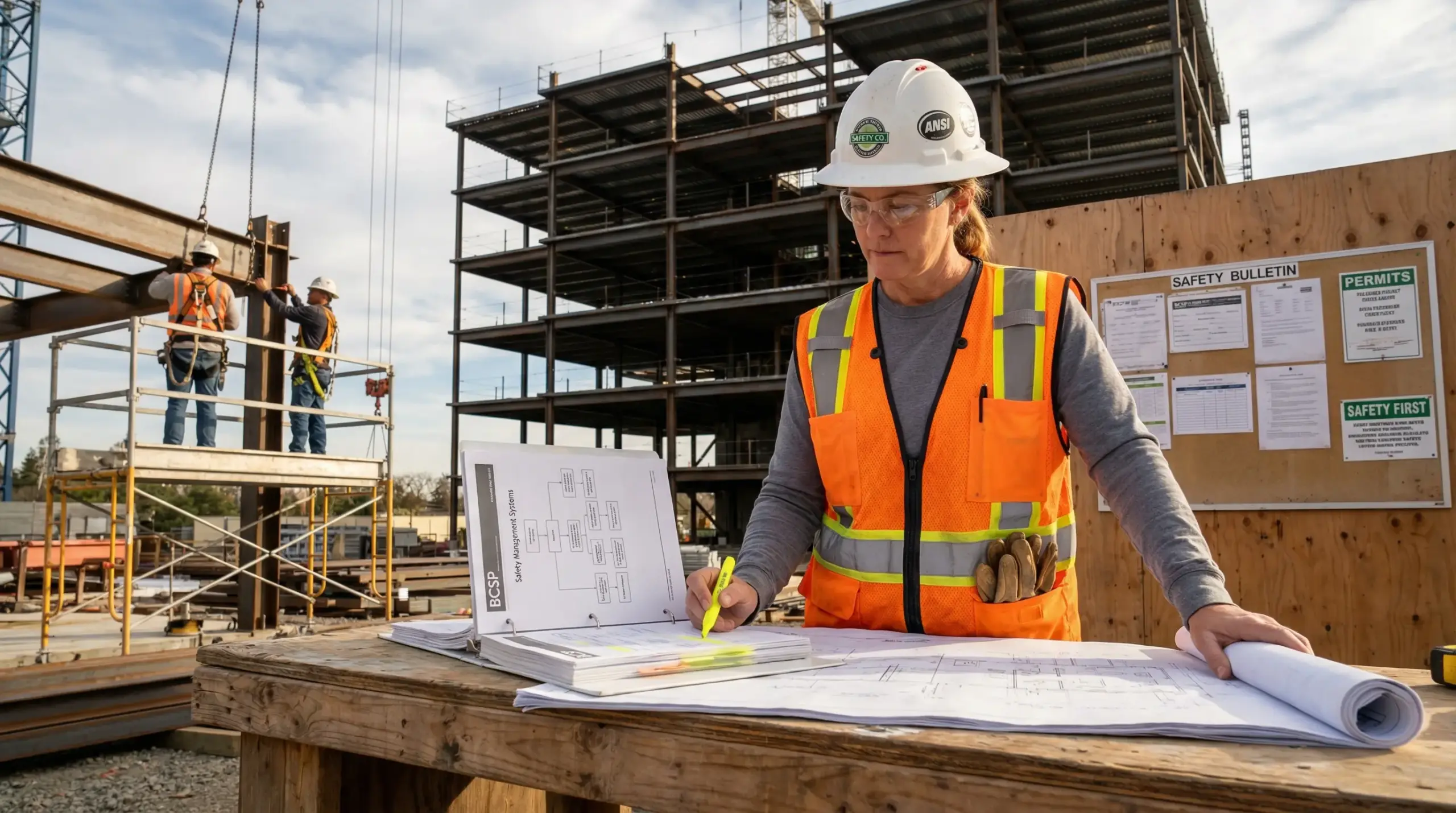
Construction supervisor in safety vest and hard hat reviews blueprints at job site with steel framework building in background.
Safety At Work

Safety Trained Supervisor Construction (STSC) Certification

TL;DR What it is: The Safety Trained Supervisor Construction (STSC) is a professional credential issued by the Board of Certified Safety Professionals (BCSP) that validates a construction supervisor's applied knowledge in jobsite safety, hazard identification, and safety leadership. Who needs…

Shoaib Ch

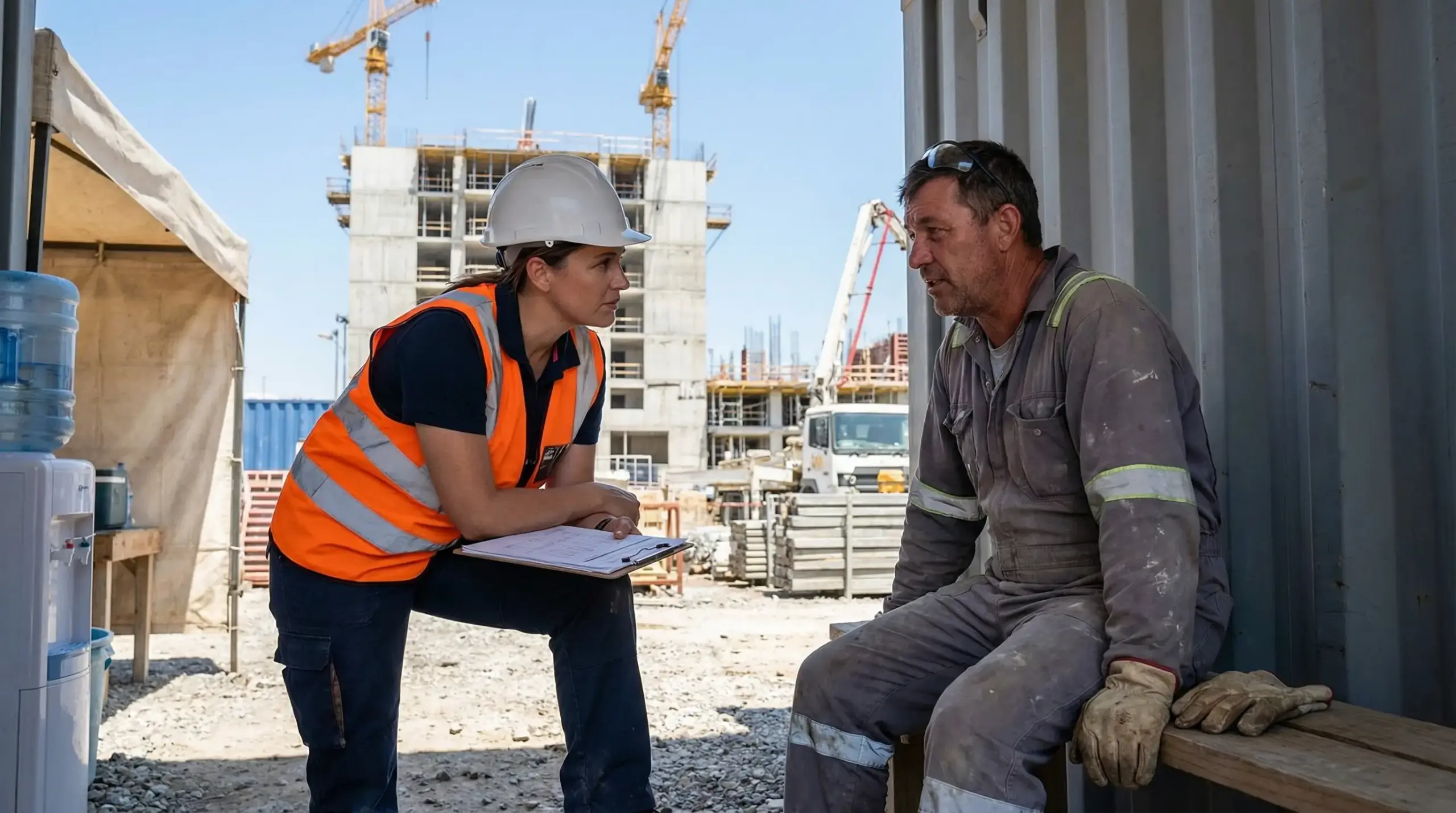
Female construction supervisor in orange safety vest and hard hat reviews clipboard with male worker on active building site with cranes and multi-story structure in background.
Safety At Work

What Is Workplace Wellbeing and Why Does It Matter?

TL;DR Workplace wellbeing is more than a wellness program: It covers the physical, mental, social, and organizational conditions that affect how workers feel, function, and stay safe on the job — and it belongs squarely within HSE management. Psychosocial hazards…

Badar Javed

A woman presents a safety performance dashboard to colleagues in a modern high-rise conference room overlooking an industrial facility.
Safety At Work

What's Certified Safety and Health Manager (CSHM) Certification?

TL;DR Management-focused credential: The CSHM (Certified Safety and Health Manager) is issued by IHMM and specifically validates EHS management and business leadership competence — not just technical safety knowledge. Eligibility requires both education and experience: You need at minimum a…

Shehzad Zafar

A family of four stands at a concrete bunker doorway, with supplies visible inside, looking out at a dramatic cloudy sky with falling leaves.
Public

What to Do During a Nuclear Explosion – A Public Safety Guide

TL;DR Get inside immediately: A solid building with thick walls and a basement is your best protection against a nuclear blast wave and radioactive fallout. Stay away from windows: Glass becomes lethal shrapnel during a nuclear explosion — move to…

Badar Javed

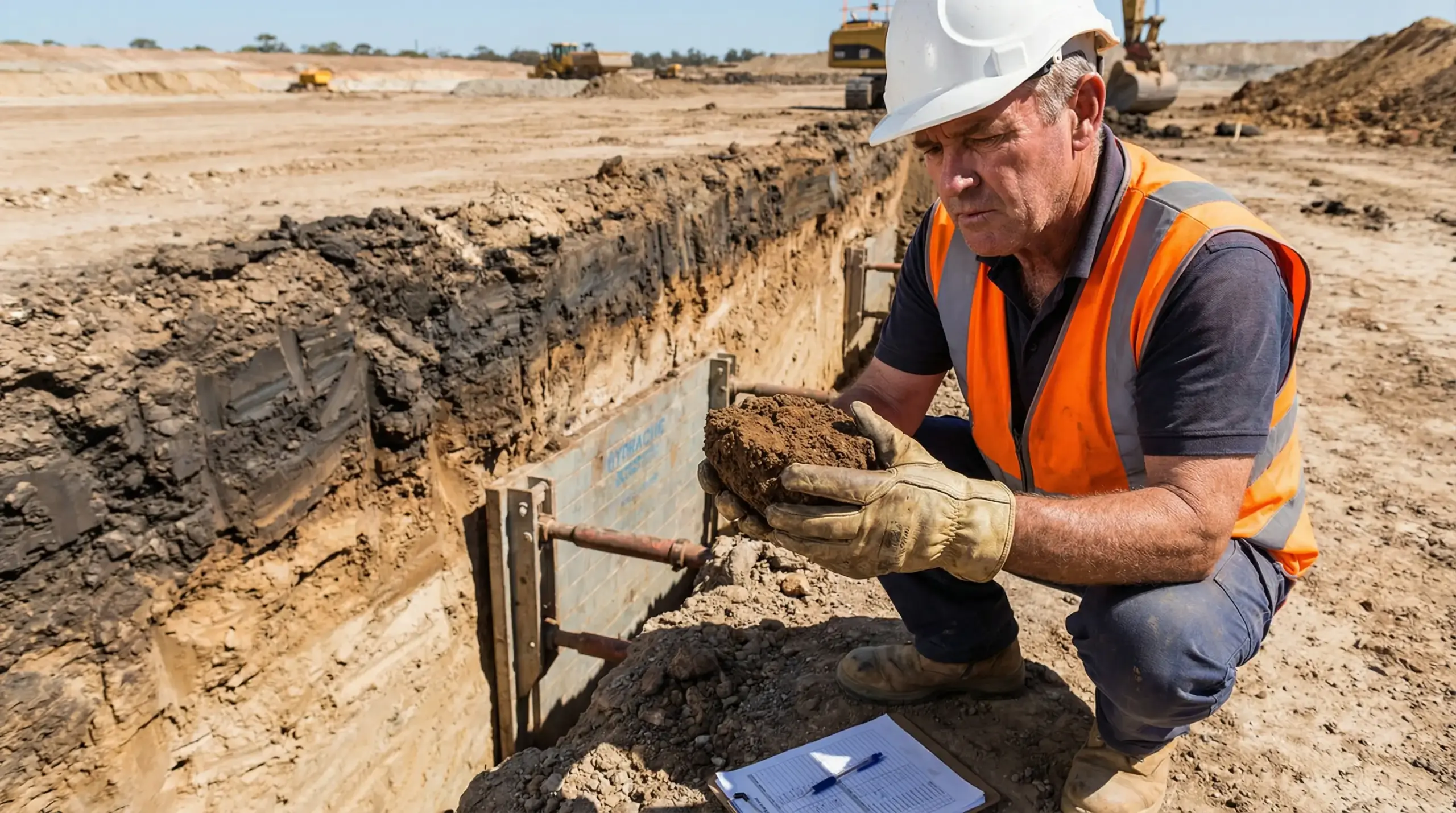
Construction worker in safety gear examining soil sample at excavation site with heavy machinery in background.
Excavation

Soil Testing Methods in Excavation: Visual and Manual Tests

TL;DR Soil testing methods classify soil type before any excavation begins, determining whether protective systems can keep workers alive underground. Visual tests assess soil structure by examining color, grain size, moisture, and crack patterns at the excavation face. Manual tests…

Muhammad Raza

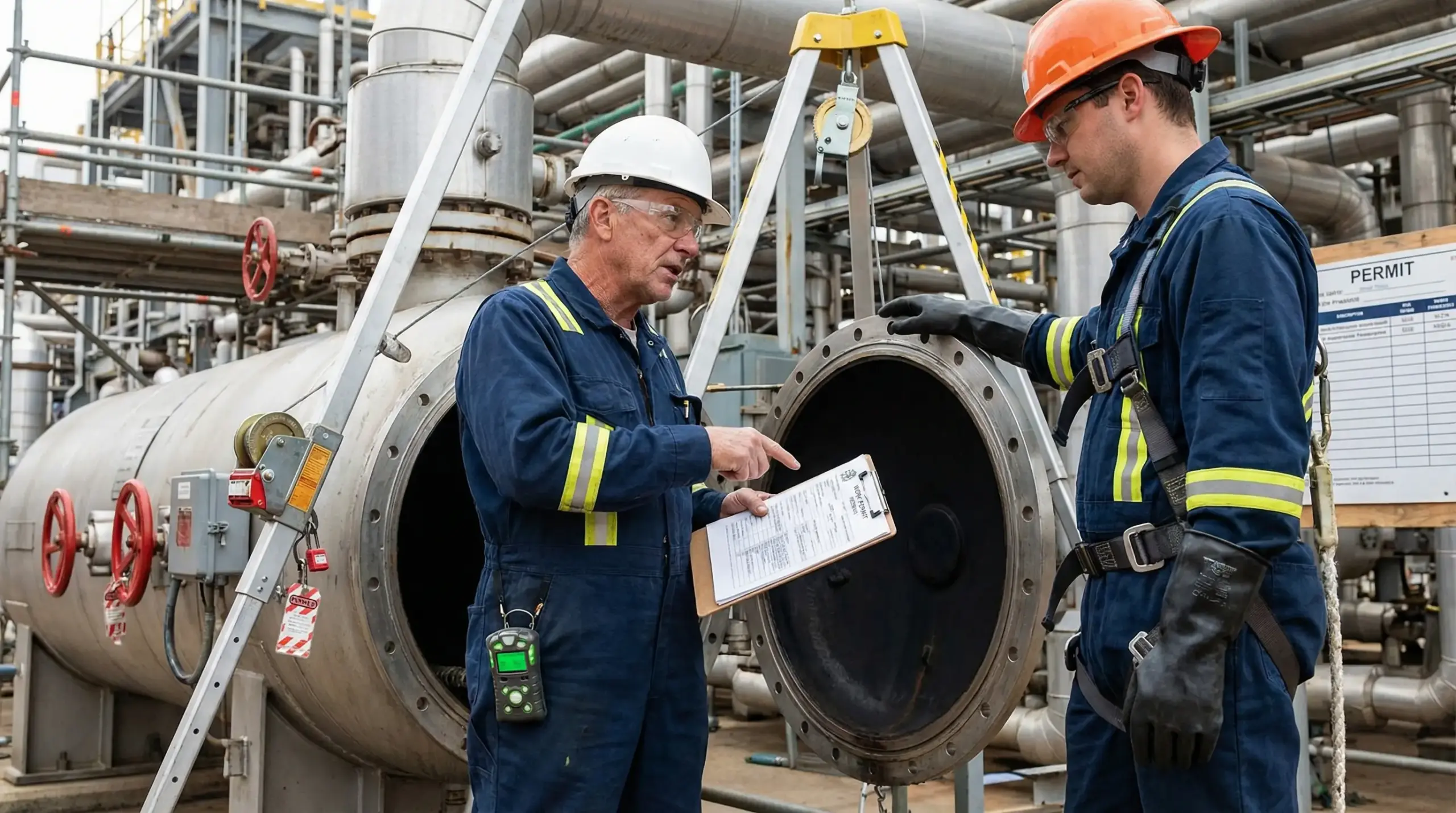
What Is a Permit to Work System PTW Procedure Explained
PTW

What Is a Permit to Work System? PTW Procedure Explained

TL;DR A Permit to Work (PTW) system is a formal, documented process that authorizes high-risk work only after all hazards have been identified, controls verified, and responsibilities assigned — it is the last gate between planning and execution on any…

Raja Usman

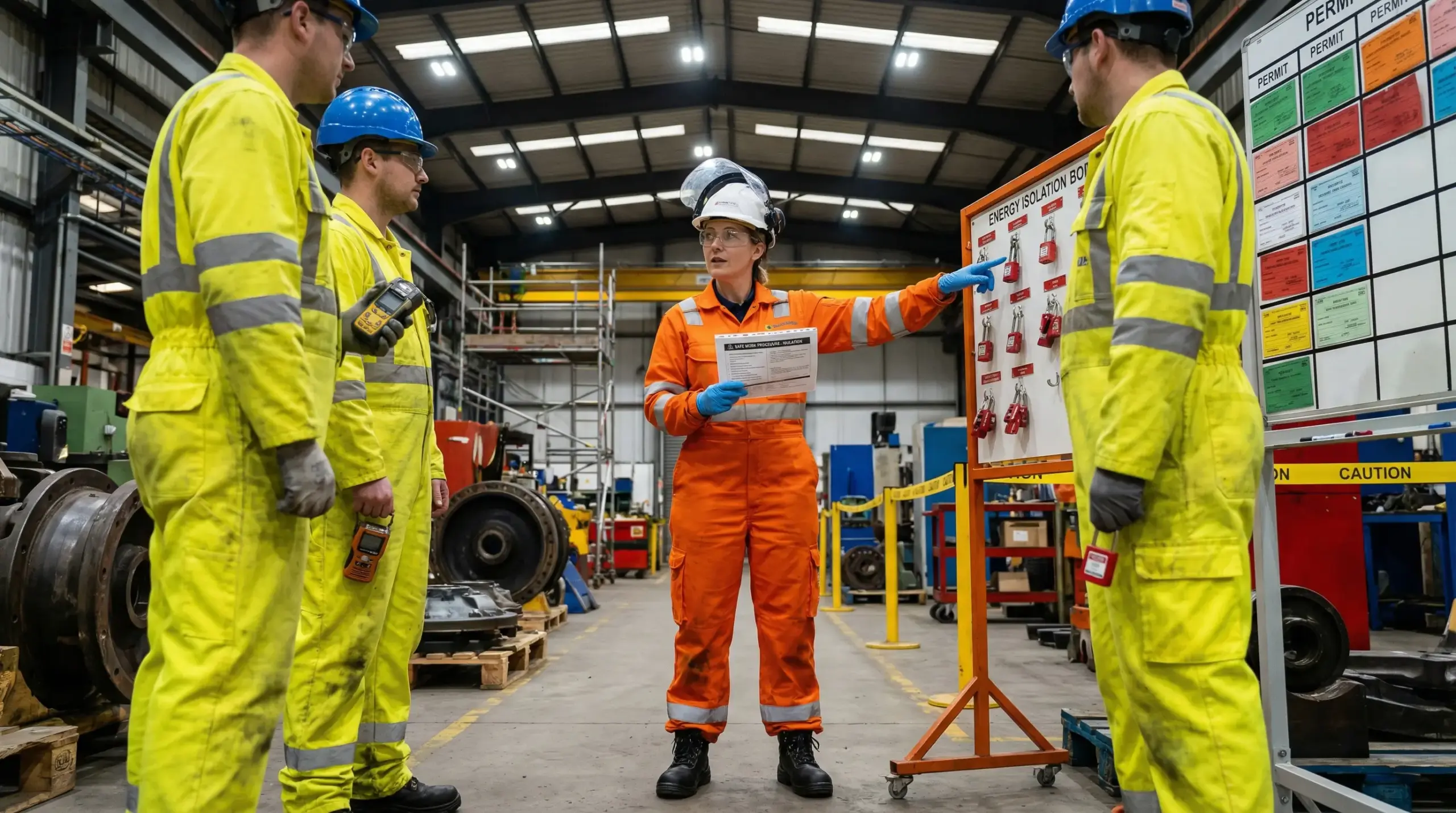
Female safety supervisor in orange coveralls briefs three male workers in yellow safety gear inside an industrial warehouse facility.
Hierarchy of Controls

What Are Administrative Controls? Examples and Best Practices

TL;DR Administrative controls are management-driven safety measures that reduce worker exposure to hazards through policies, procedures, schedules, and training — without physically removing the hazard itself. They sit fourth on the Hierarchy of Controls, above PPE but below elimination, substitution,…

Adeel Rashid

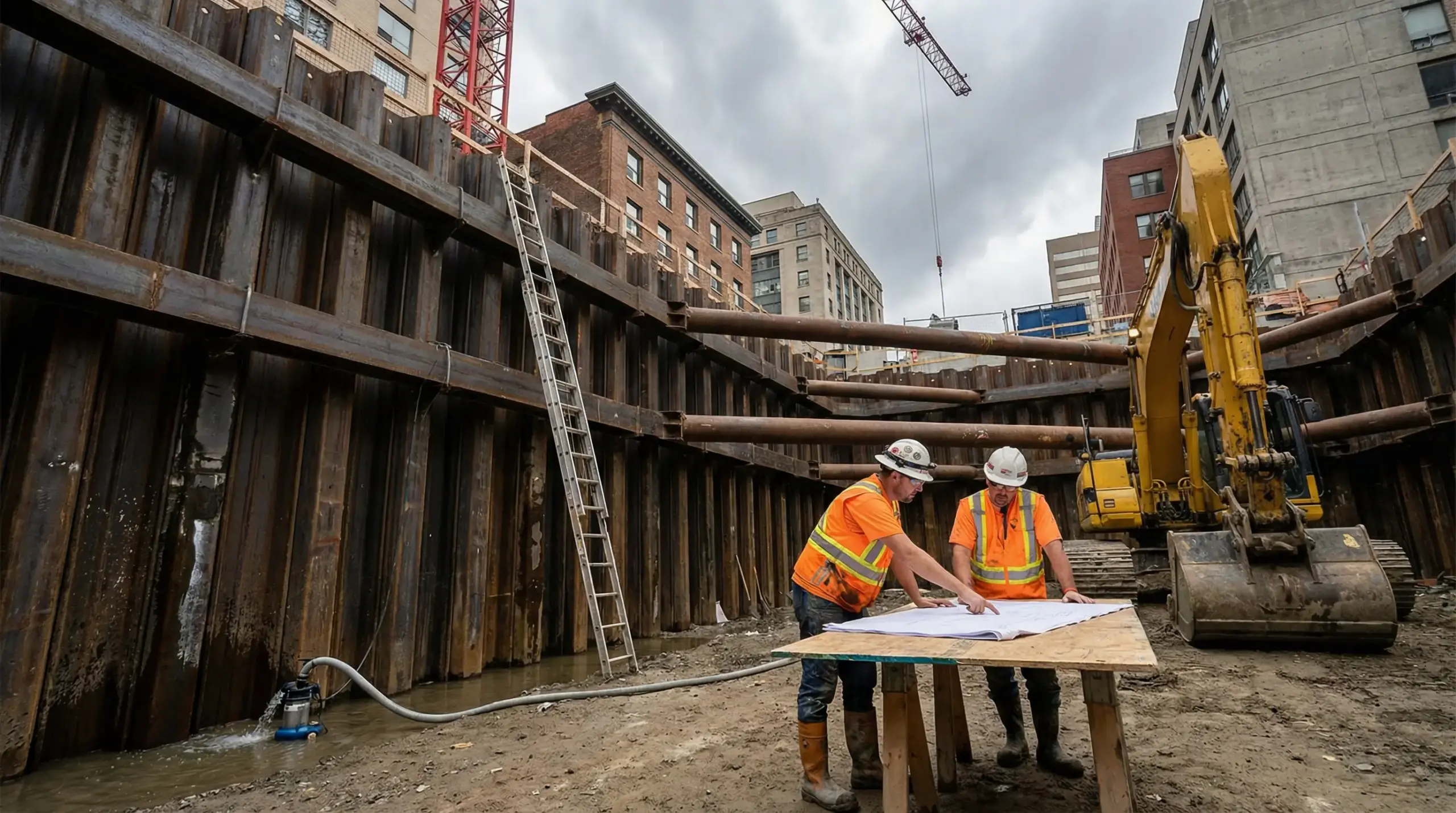
Two construction workers in safety vests review blueprints at a waterfront site with steel pilings and heavy equipment.
Construction

Different Types of Excavation Used in Construction

TL;DR Excavation is not one activity — it's a family of methods: Each type of excavation in construction carries unique hazards, soil behavior, equipment demands, and safety control requirements that generic "excavation safety" plans fail to address. Matching the method…

Badar Javed

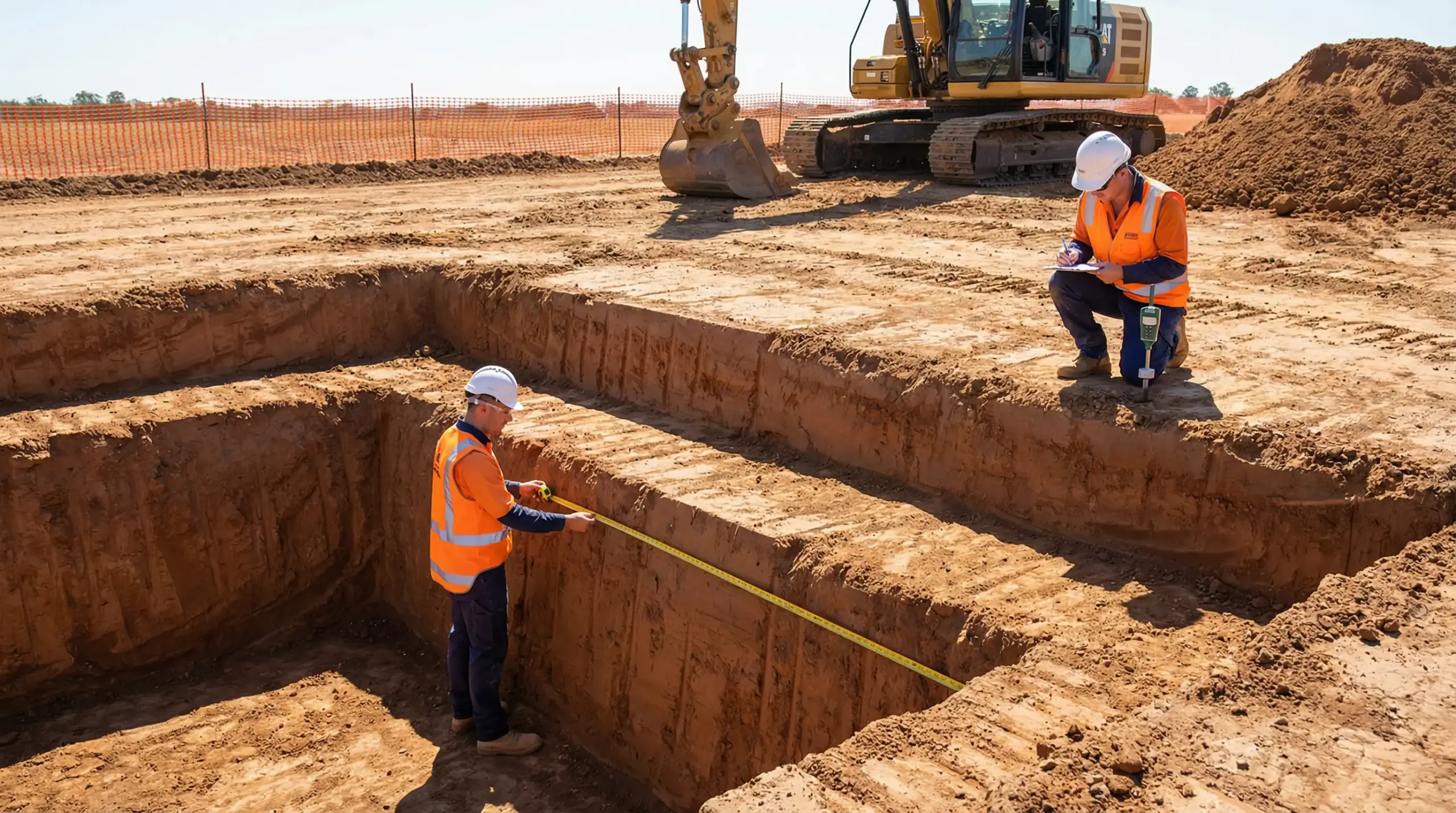
Construction workers in safety gear measuring excavated trenches on a building site with heavy machinery in background.
Excavation

Benching in Excavation: OSHA Design Requirements Guide

TL;DR — Benching in Excavation Benching is a stepped excavation protective system that creates a series of horizontal steps (benches) and vertical faces in the excavation walls to prevent cave-in by reducing the effective height of each exposed soil face.…

Hamza Ali

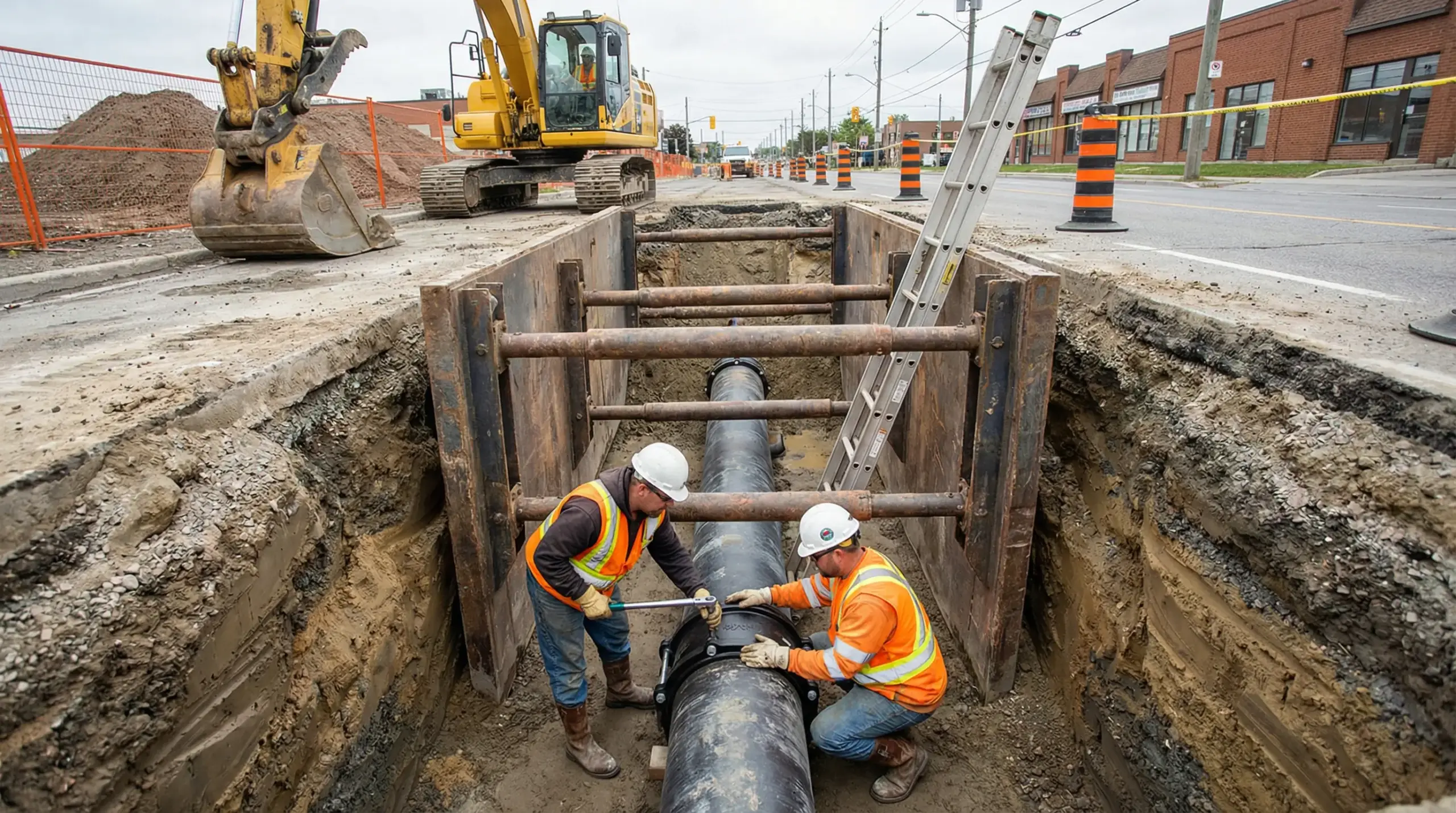
Two construction workers in safety gear install an underground pipe in a deep excavation trench shored with wooden supports on an active street construction site.
Excavation

Excavation Protection Methods: Sloping, Shoring & Shielding

TL;DR Cave-ins kill faster than any other excavation hazard. A single cubic metre of soil weighs roughly 1,400 kg — collapse gives workers zero reaction time, and fatality rates in unprotected trenches remain among the highest in construction. Three primary…

Hamza Ali

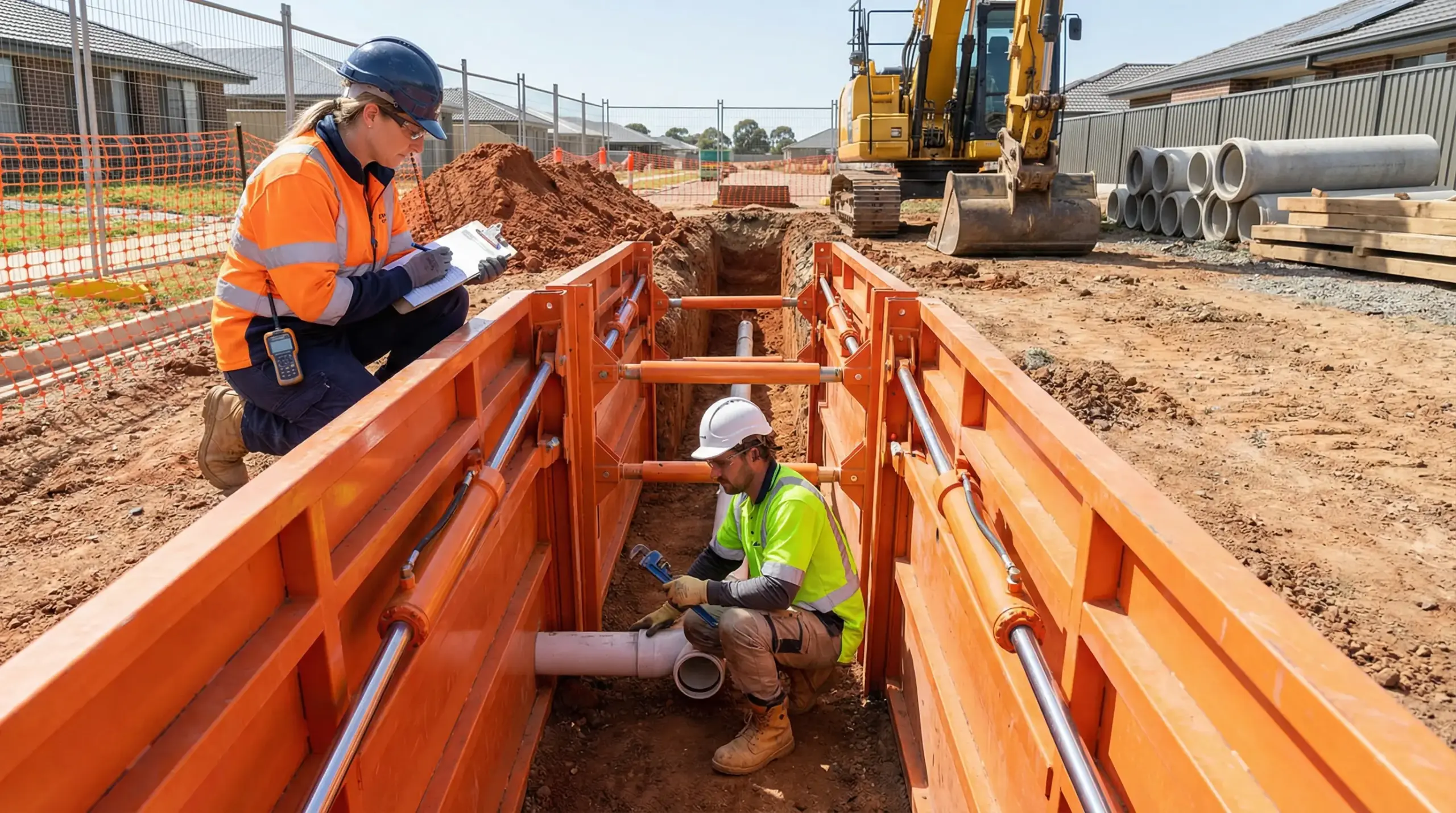
Construction worker in safety gear inspecting underground pipe installation in trench with supervisor documentation at job site.
Excavation

Excavation vs Trench: OSHA Definitions & Safety

TL;DR A trench is always an excavation — but an excavation is not always a trench. Understanding this distinction determines which OSHA protective system requirements apply to your site and whether your crew goes home safe. OSHA defines the boundary…

Hamza Ali

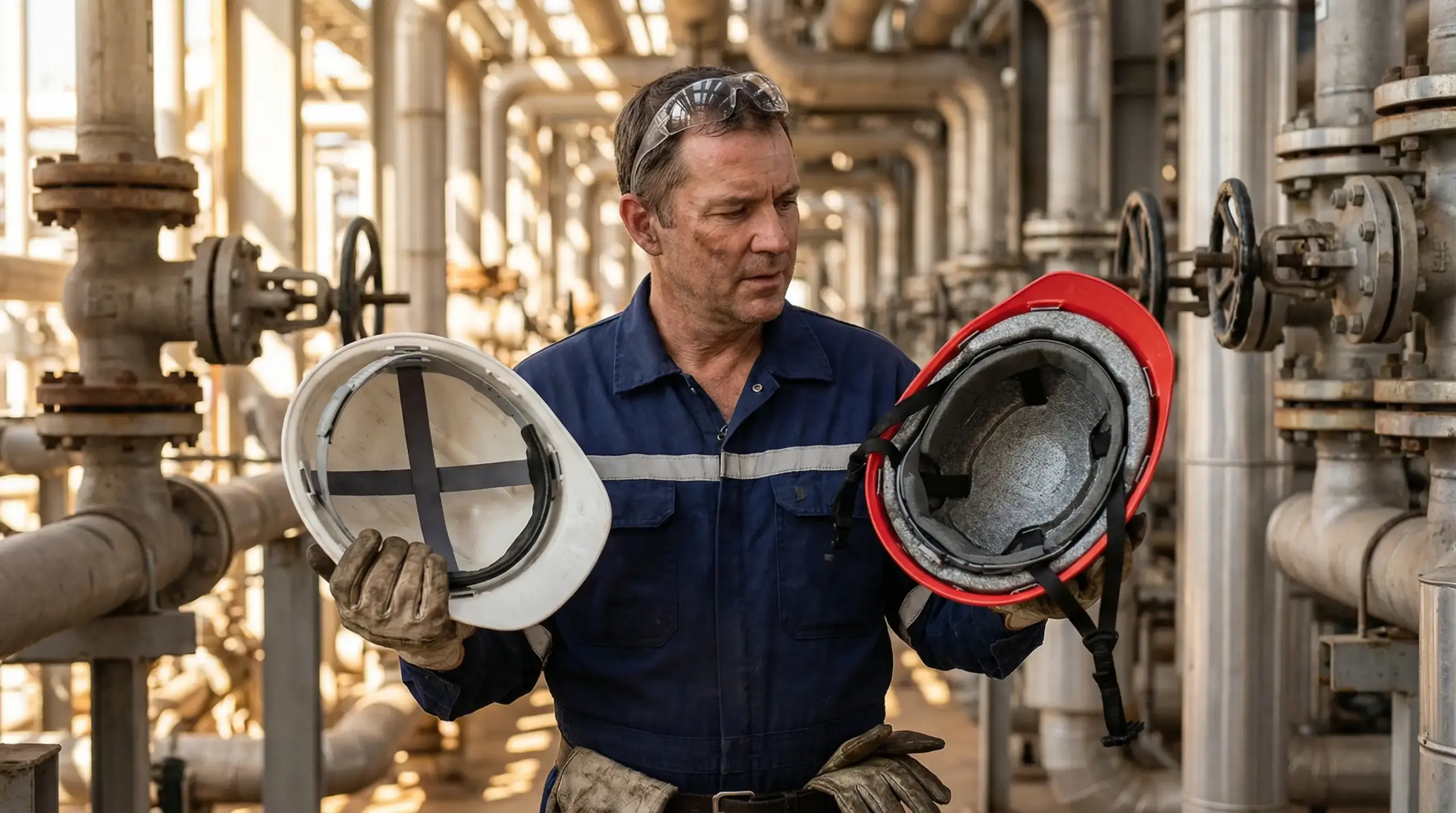
Industrial worker in blue coveralls holding hard hats inside a facility with pipes and valves.
PPE

Type I vs Type II Hard Hats: Key Differences Explained

TL;DR — Type I vs. Type II Hard Hats Type I protects the top of the head only: Designed to reduce the force of impact from objects falling directly onto the crown — but offers no rated protection against lateral,…

Waheed Riaz

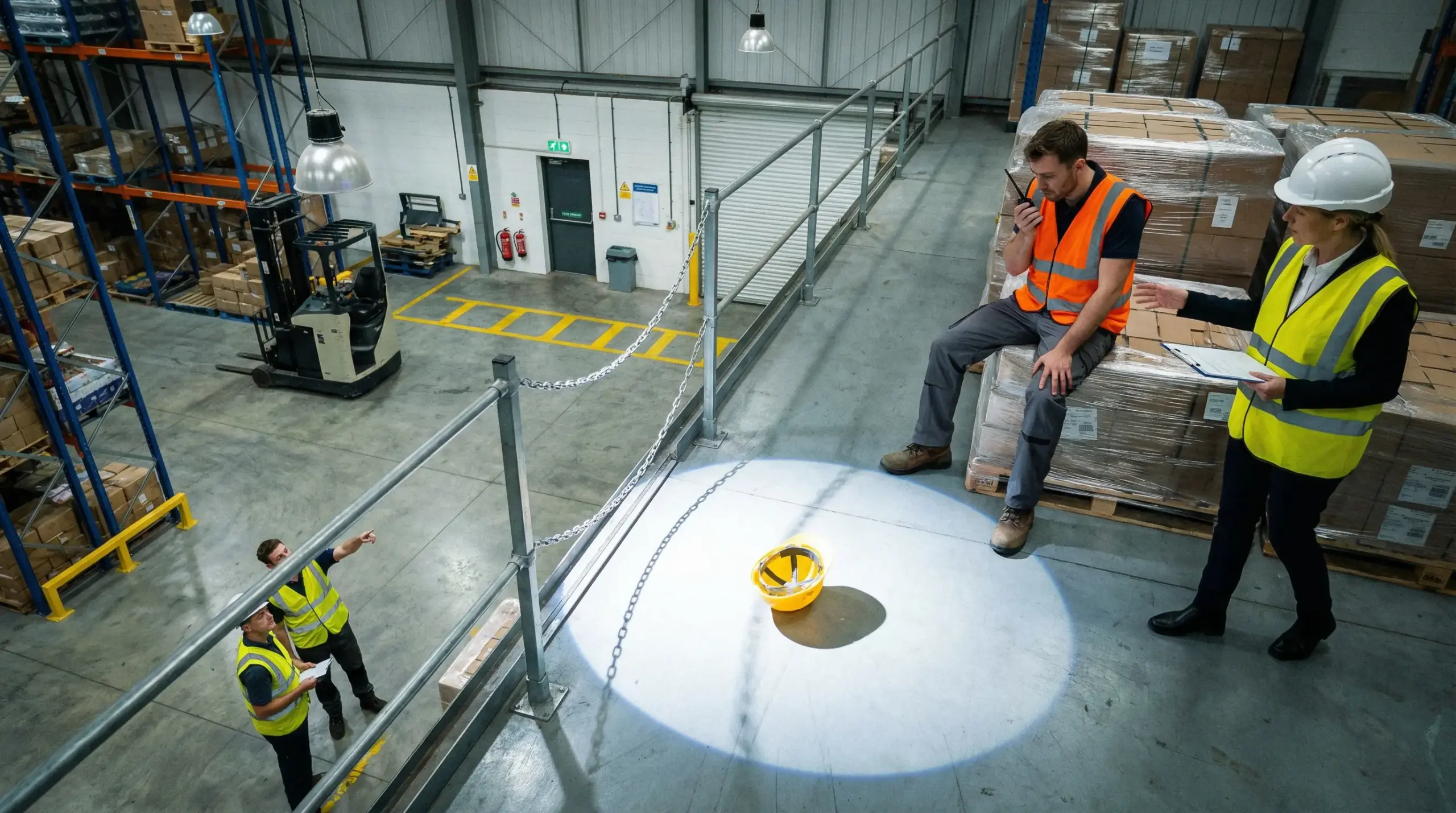
Accidents vs Incidents vs Near Misses Key Differences
Accidents

Accidents vs Incidents vs Near Misses: Key Differences

TL;DR These three terms are not interchangeable: An accident causes actual harm or damage, an incident is any unplanned event that disrupts operations (with or without harm), and a near miss is an event that could have caused harm but…

Raja Umer

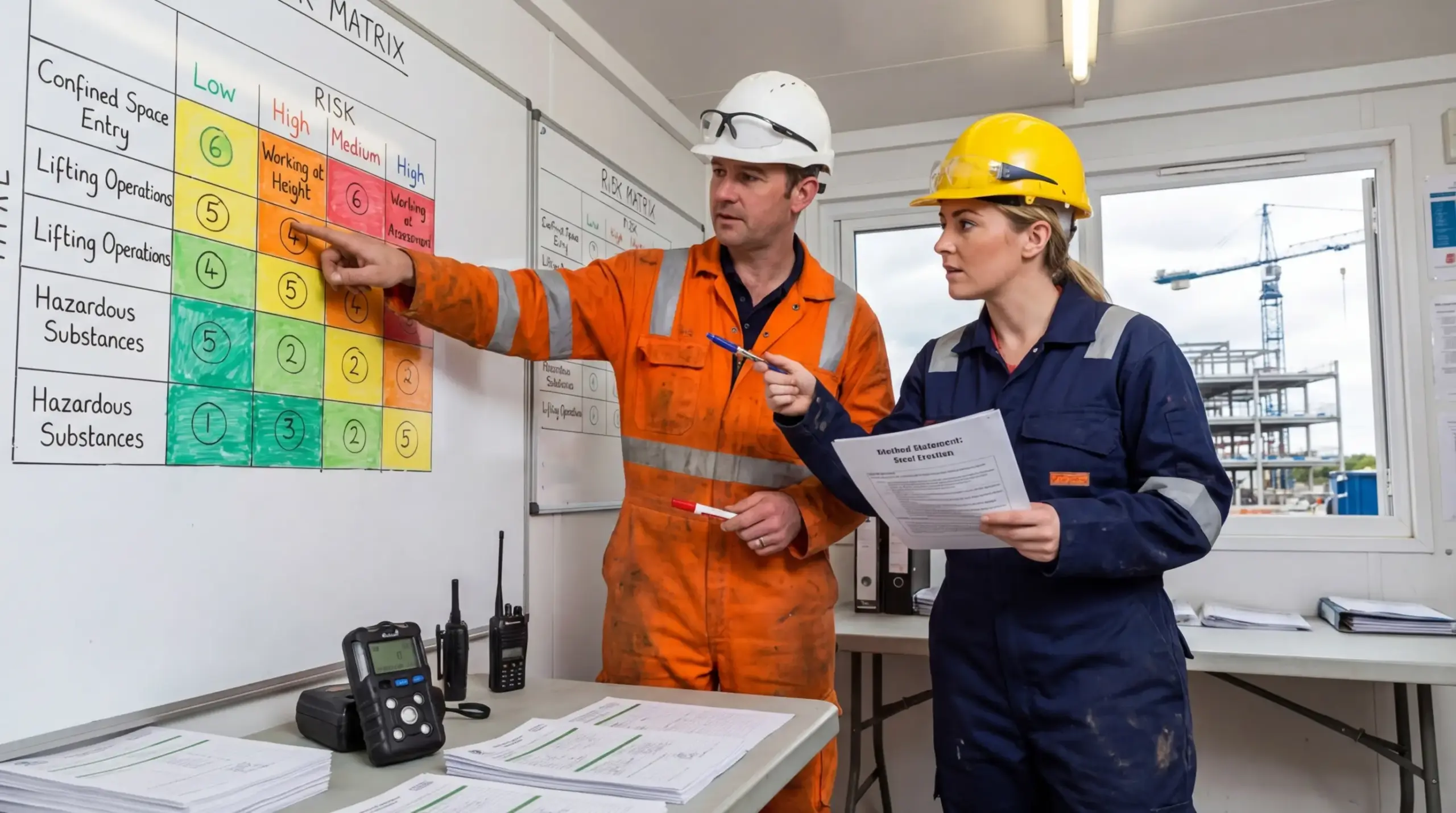
Two professionals in PPE discussing a hand-drawn Risk Matrix on a whiteboard to evaluate on-site industrial hazards.
Risk Assessment

What Is a Risk Matrix and How Do You Use It?

TL;DR A risk matrix is a visual grid that ranks hazards by likelihood and severity, giving safety teams a consistent, defensible method to prioritize which risks demand immediate action and which can be managed through routine controls. Most site-level risk…

Badar Javed

What’s ISO 45001 Meaning, Standards, and Certification Benefits
ISO

ISO 45001 Guide: Implementation, Clauses, and Benefits

TL;DR ISO 45001 is the global benchmark for occupational health and safety management systems. It replaced OHSAS 18001 in 2018 and applies to any organization, any size, any industry — providing a structured framework to prevent work-related injury, illness, and…

Asad Hussain

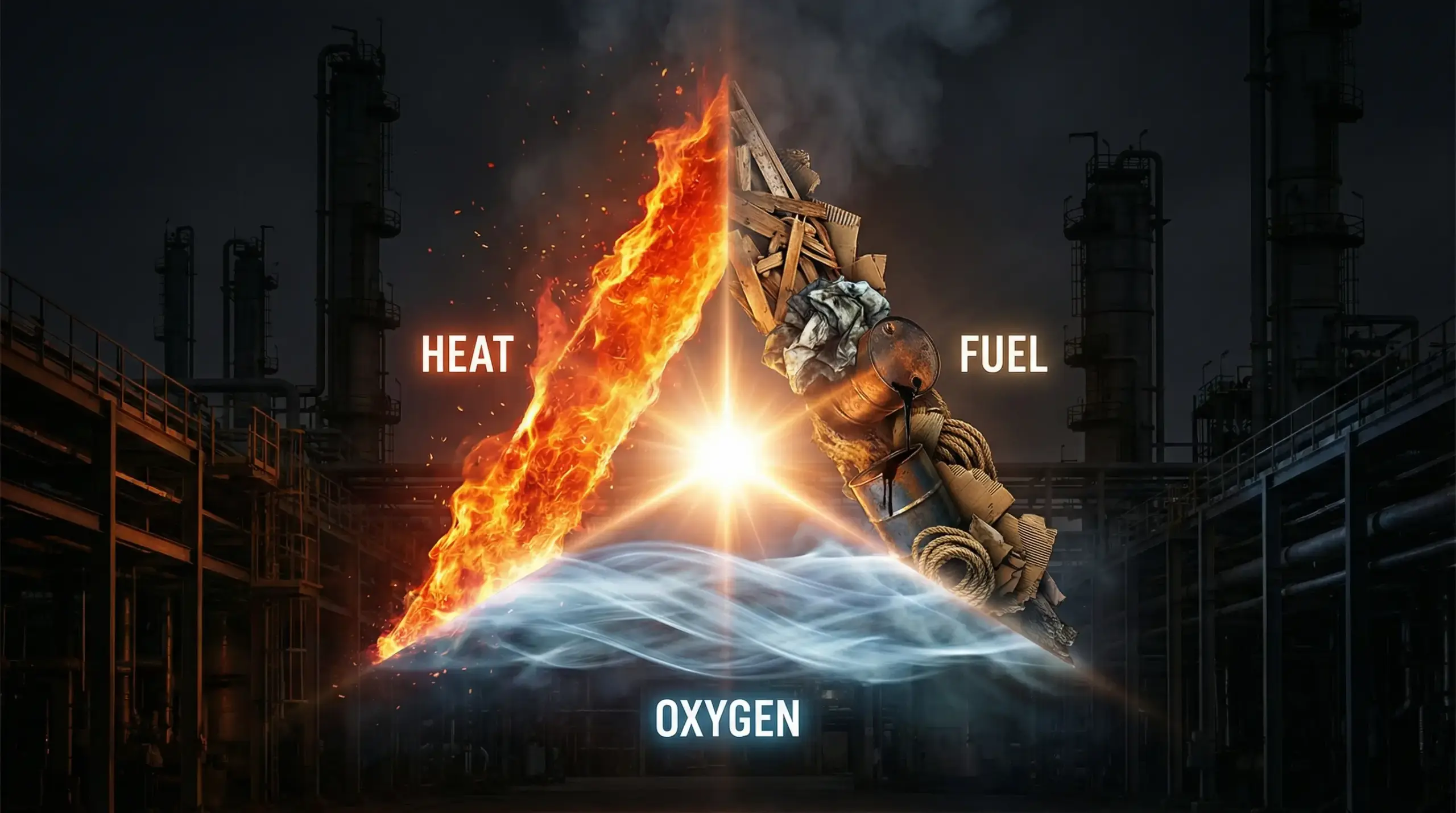
What’s the Fire Triangle 3 Elements and How Does Fires Spread
Fire

What’s the Fire Triangle? 3 Elements and How Does Fires Spread

TL;DR The Fire Triangle has three elements — heat, fuel, and oxygen: Remove any one of these three, and fire cannot exist. Every fire prevention and suppression strategy traces back to breaking this triangle. Fires spread through four mechanisms —…

Bilal Bangash

Earthquake Safety Tips Before, During, and After
Environmental

Earthquake Safety Tips: Before, During, and After

TL;DR Earthquakes don't kill — unpreparedness does: The overwhelming majority of earthquake deaths result from collapsing structures, falling objects, and post-quake fires — all preventable through preparation done long before the shaking starts. "Drop, Cover, and Hold On" is the…

Muhammad Raza

Fire Hydrant Types, Working, Components, and Color Coding
Fire

What Is a Fire Hydrant? Types, Working & NFPA Color Coding

TL;DR — Fire Hydrant Essentials A fire hydrant is a fixed water supply access point connected to a pressurized main, designed to deliver high-volume water flow to firefighters and fire suppression crews during emergencies. Two primary types dominate global installations:…

Raja Usman

What Does Asbestos Look Like And How To Identify It
Asbestos

What Does Asbestos Look Like? How to Identify It Safely

TL;DR You cannot confirm asbestos by sight alone. Visual inspection narrows suspicion, but only accredited laboratory analysis of a bulk sample can confirm whether a material contains asbestos fibers. Asbestos hides in plain sight. It was mixed into over 3,000…

Mr. Qaseem

Prefer To Browse By Topic?

Every safety category is listed in the A–Z directory.