1,380 articles · Page 6 of 46

Latest Articles – Page 6

More of the latest guidance from HSE Blog. Back to articles

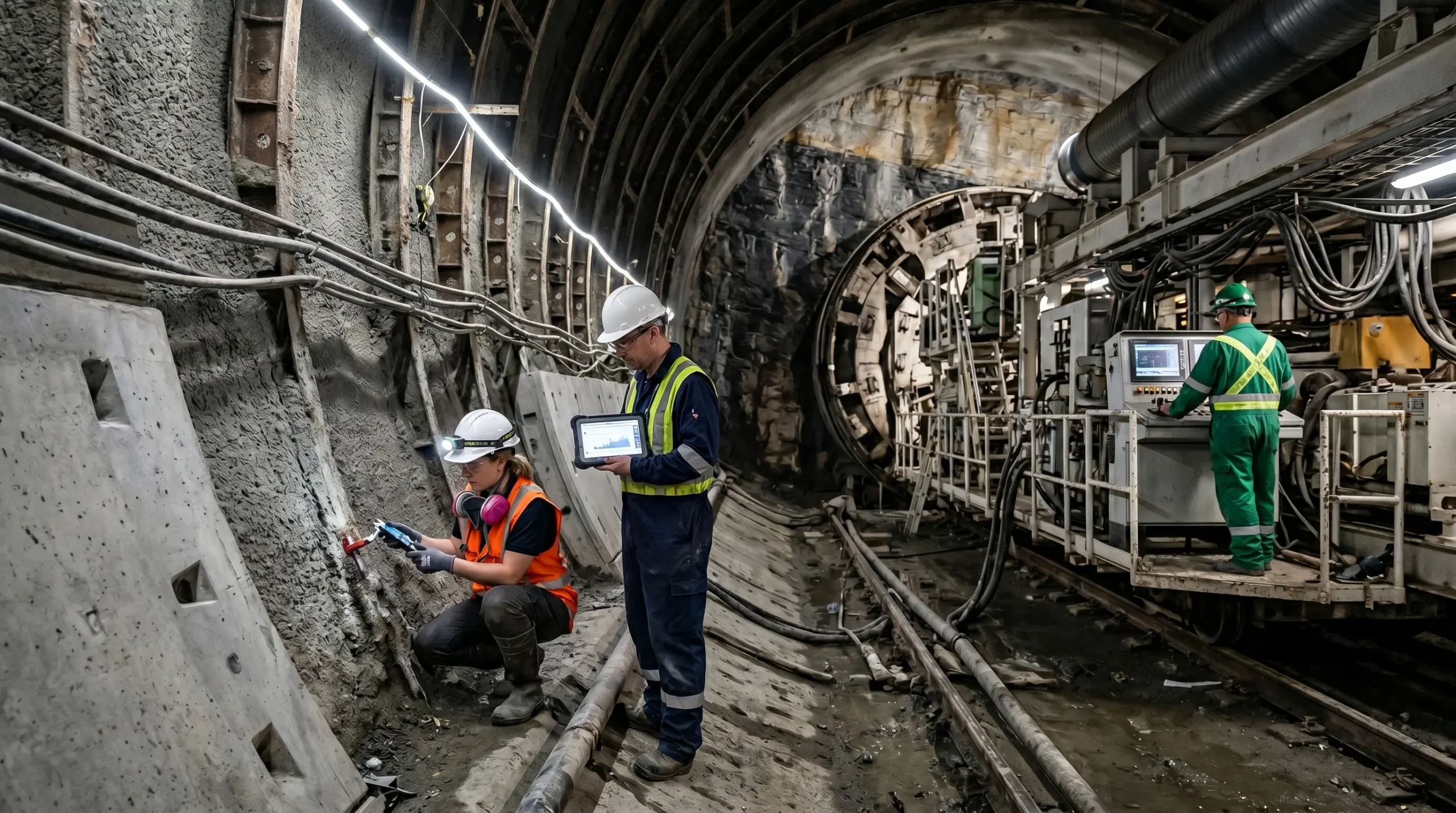
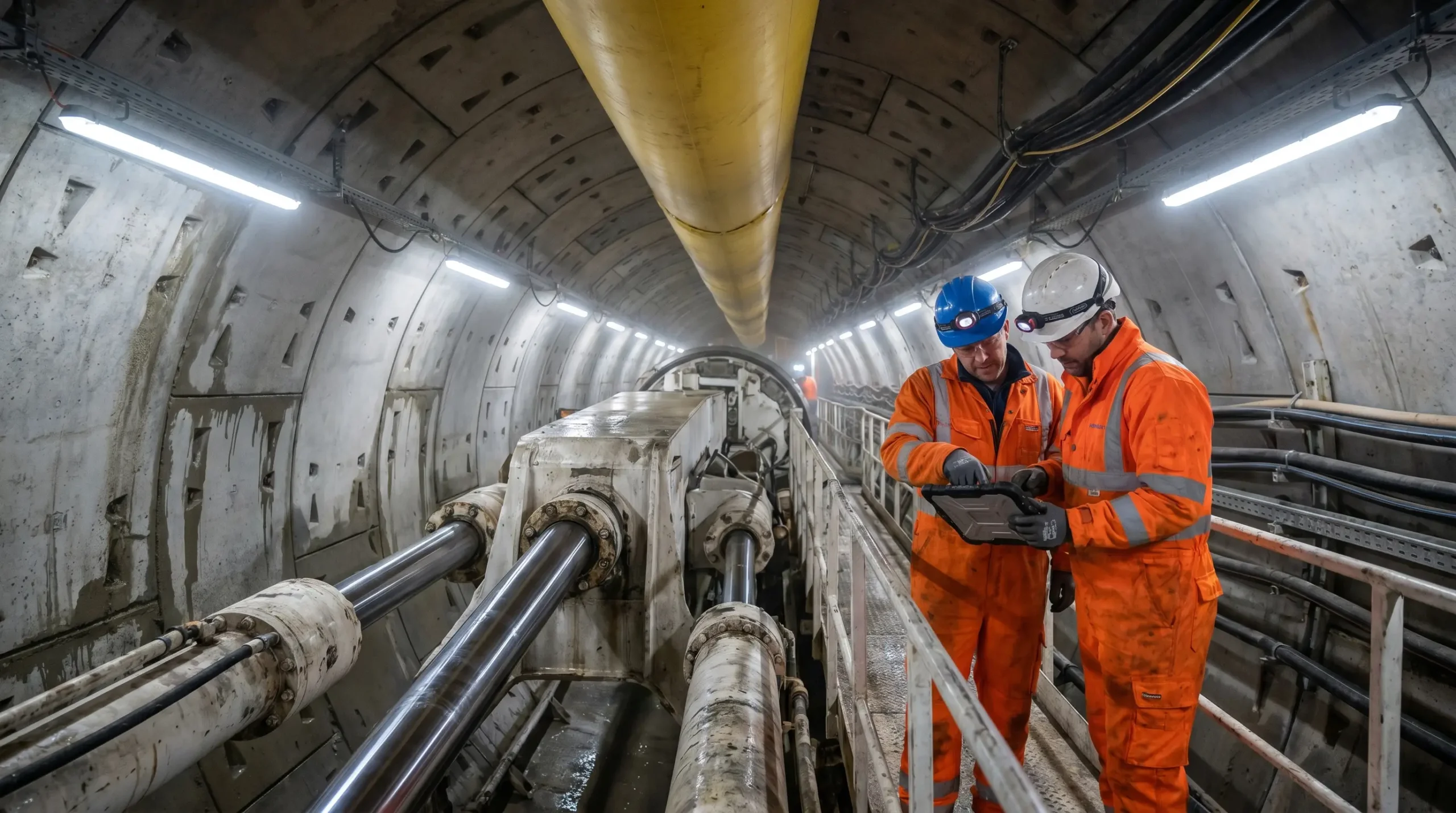
Two workers in orange safety suits and hard hats inspect industrial pipes inside a large concrete tunnel, with one holding a tablet device while reviewing equipment data.
Safety At Work

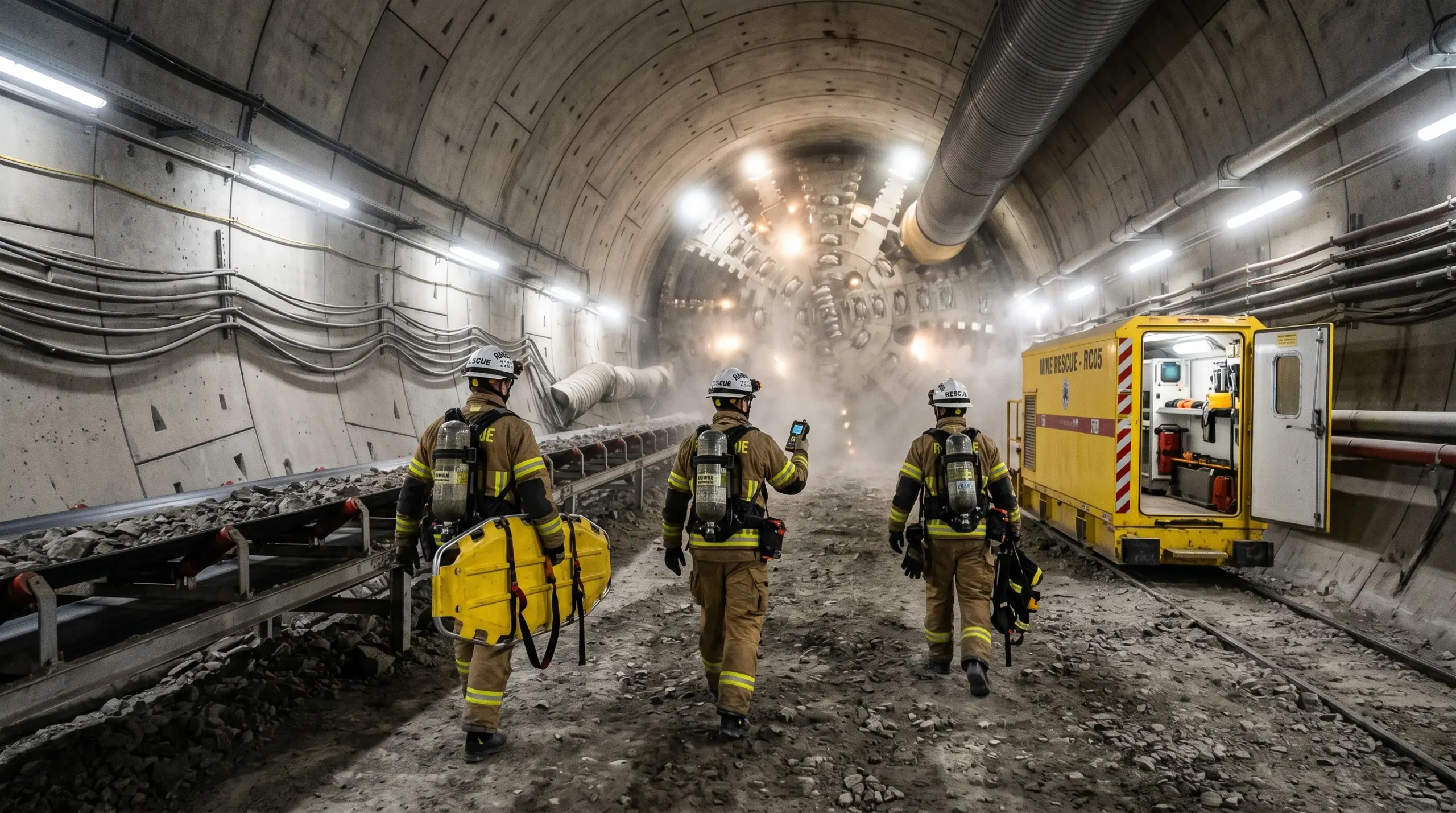
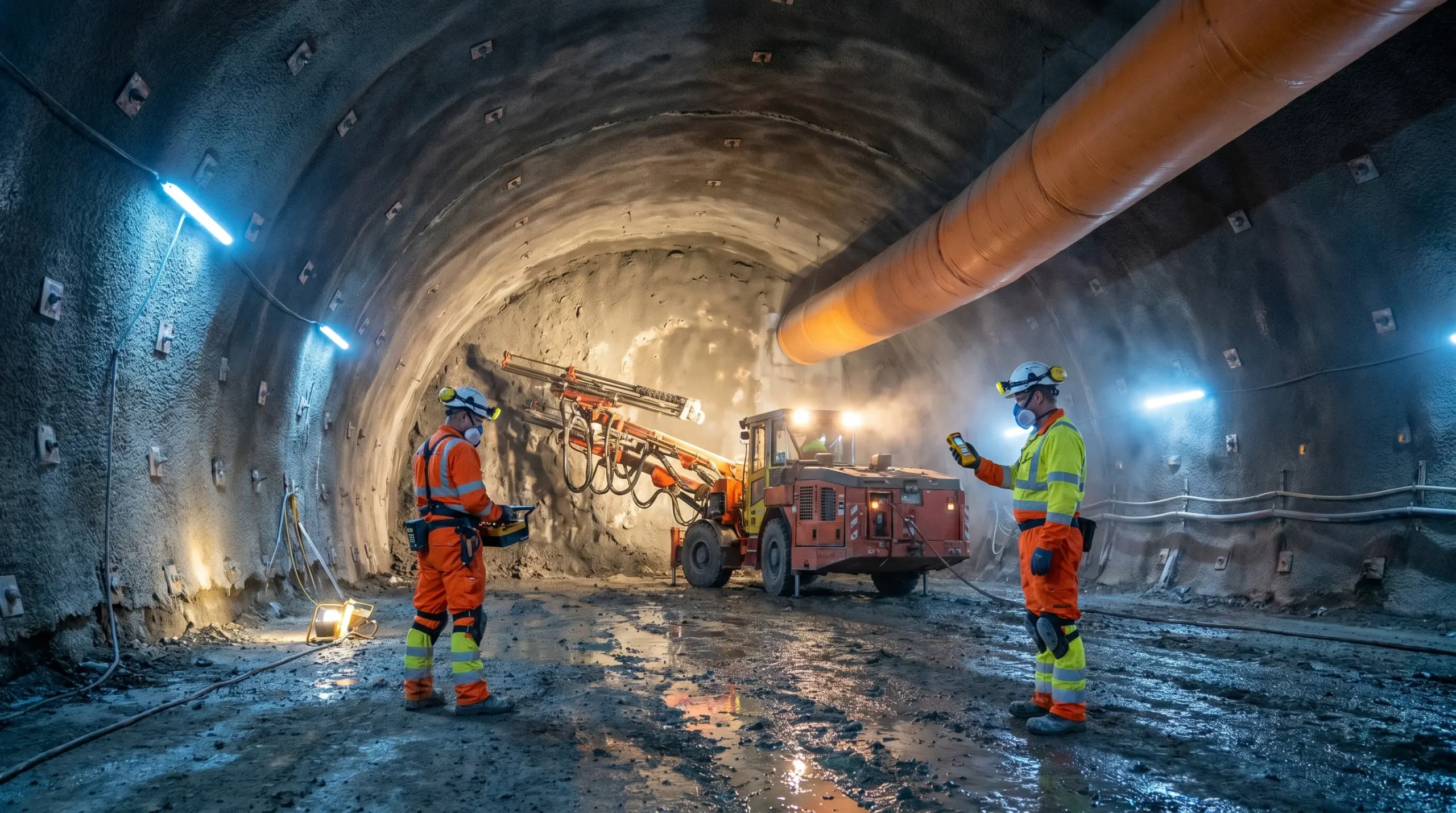
TBM Safety: Key Risks in Tunnel Boring Machine Operations

TL;DR Normal boring is not where people get hurt. Process disturbances — cutterhead interventions, mechanical failures, geological surprises — force workers outside protected zones, and that is when injury risk escalates sharply. Hyperbaric interventions carry the highest consequence. Workers entering…
Waheed Riaz

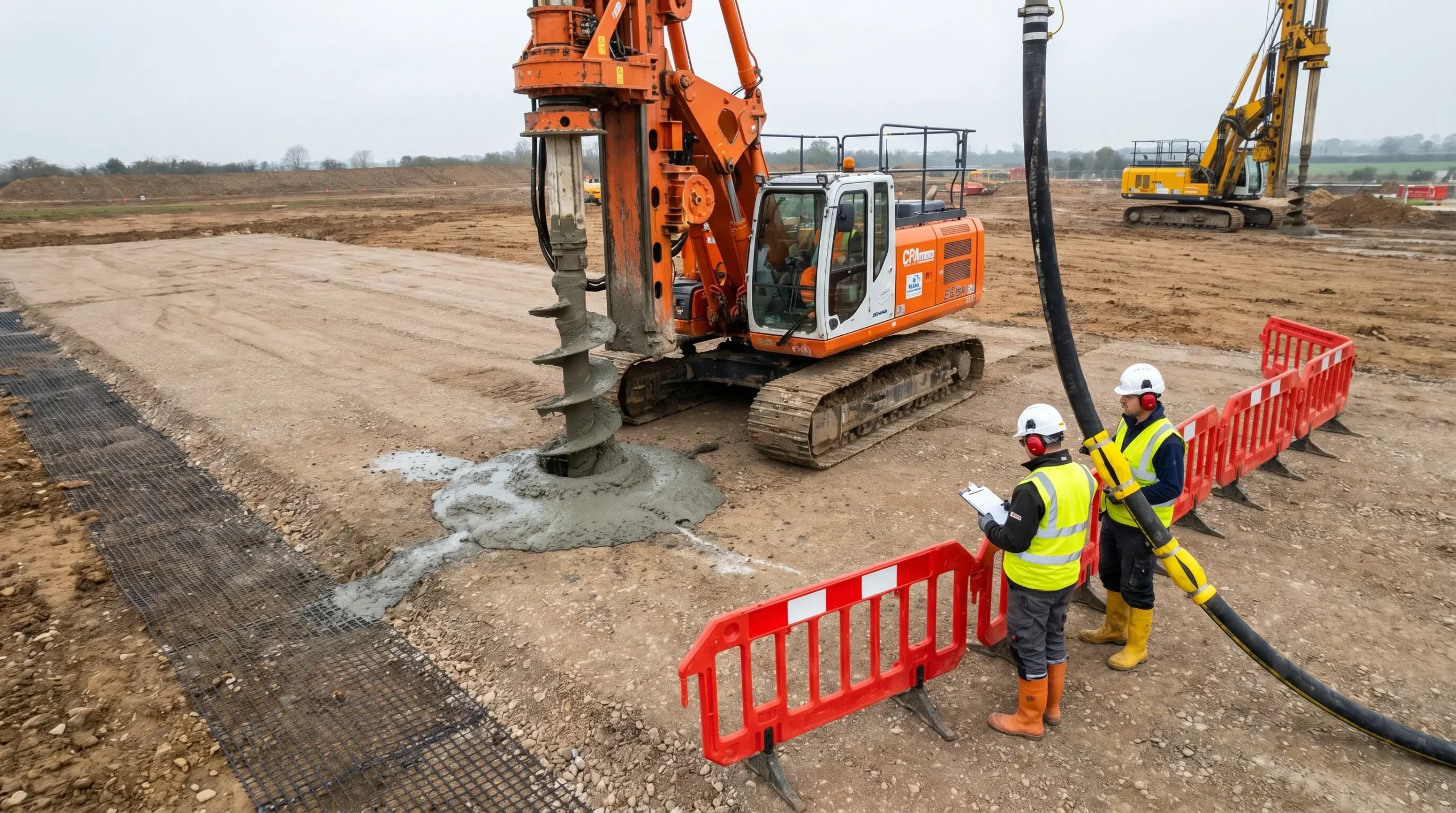
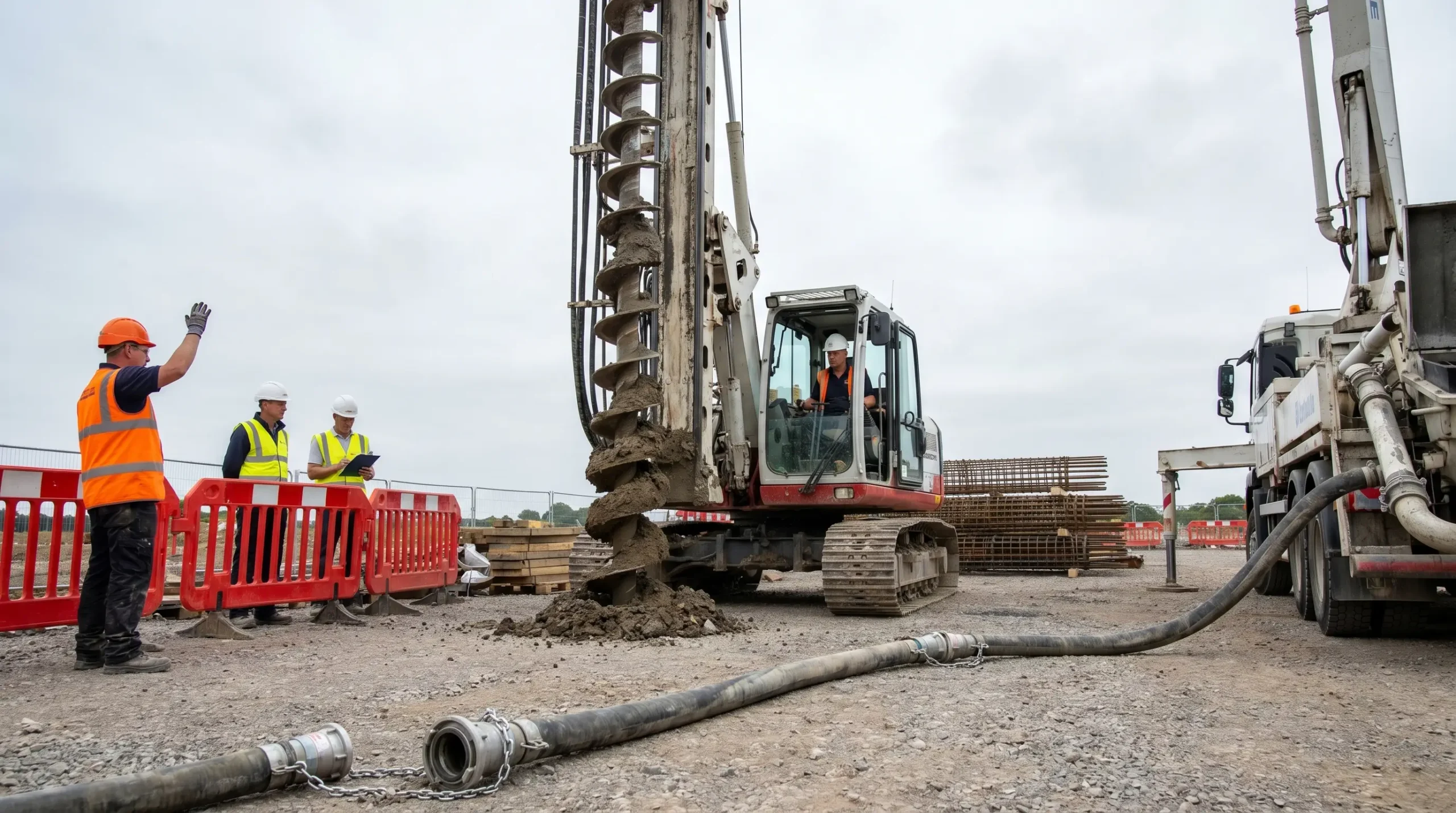
Construction workers in safety gear monitor a pile driver machine drilling into soil at an active construction site with red barriers and heavy equipment.
Safety At Work

Types of Piling Methods and Their Safety Risks | HSE Guide

TL;DR Method selection is a safety decision — each piling technique introduces a distinct hazard profile, so choosing between driven, bored, CFA, or screw piles changes the entire risk assessment. Working platforms prevent the most recurrent serious incident — rig…

Babar Mughal

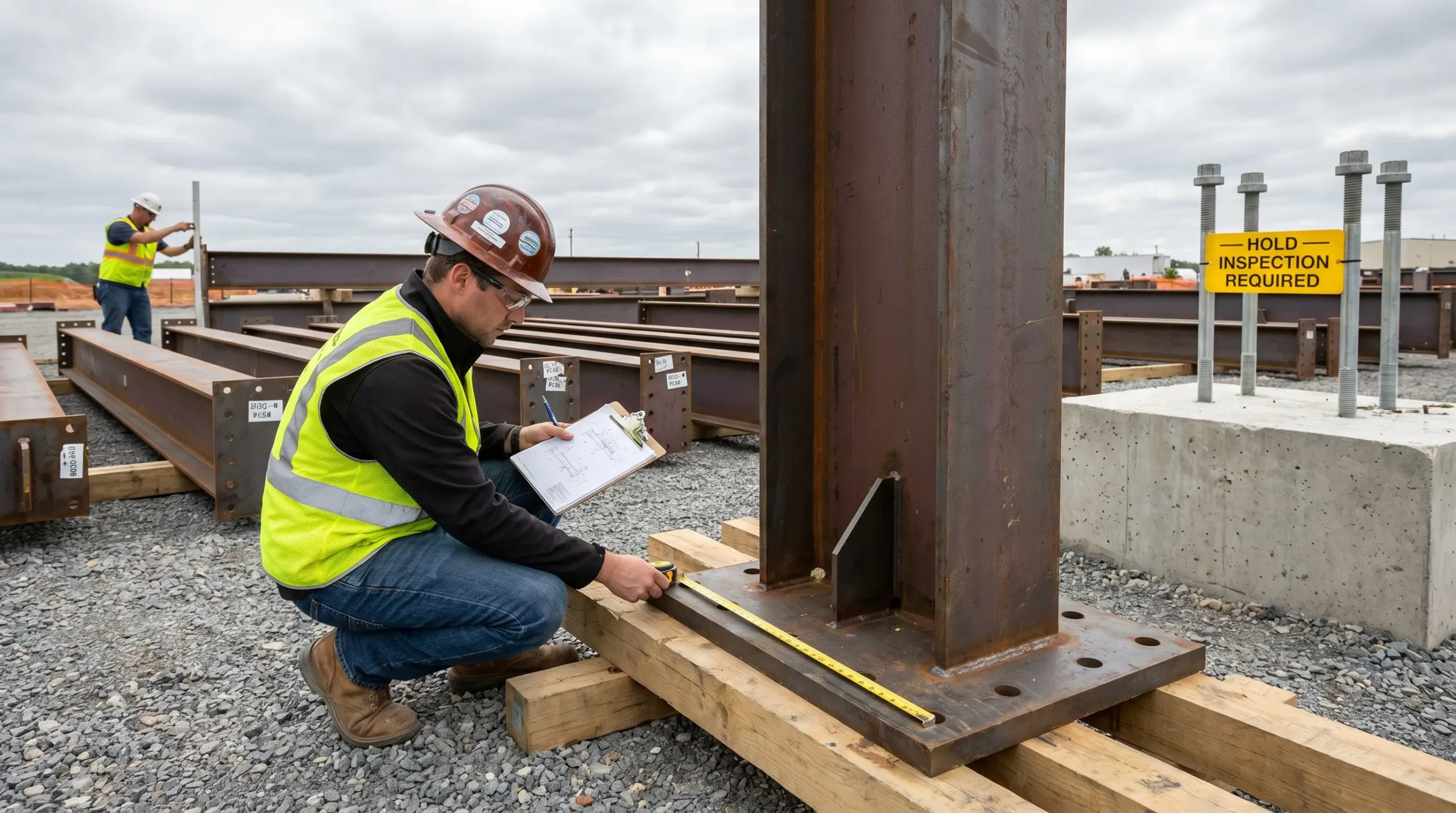
Construction inspector in safety vest and hard hat crouches while measuring and documenting structural steel beam with clipboard and tape measure at job site.
Safety At Work

Pre-Erected Steel Inspection: Checklist & Procedures Guide

TL;DR Inspect across three phases — material receiving, fabrication verification, and site readiness — before any steel leaves the ground. Verify concrete strength in writing — OSHA requires 75% minimum compressive design strength with written notification to the erector before…

Asad Hussain

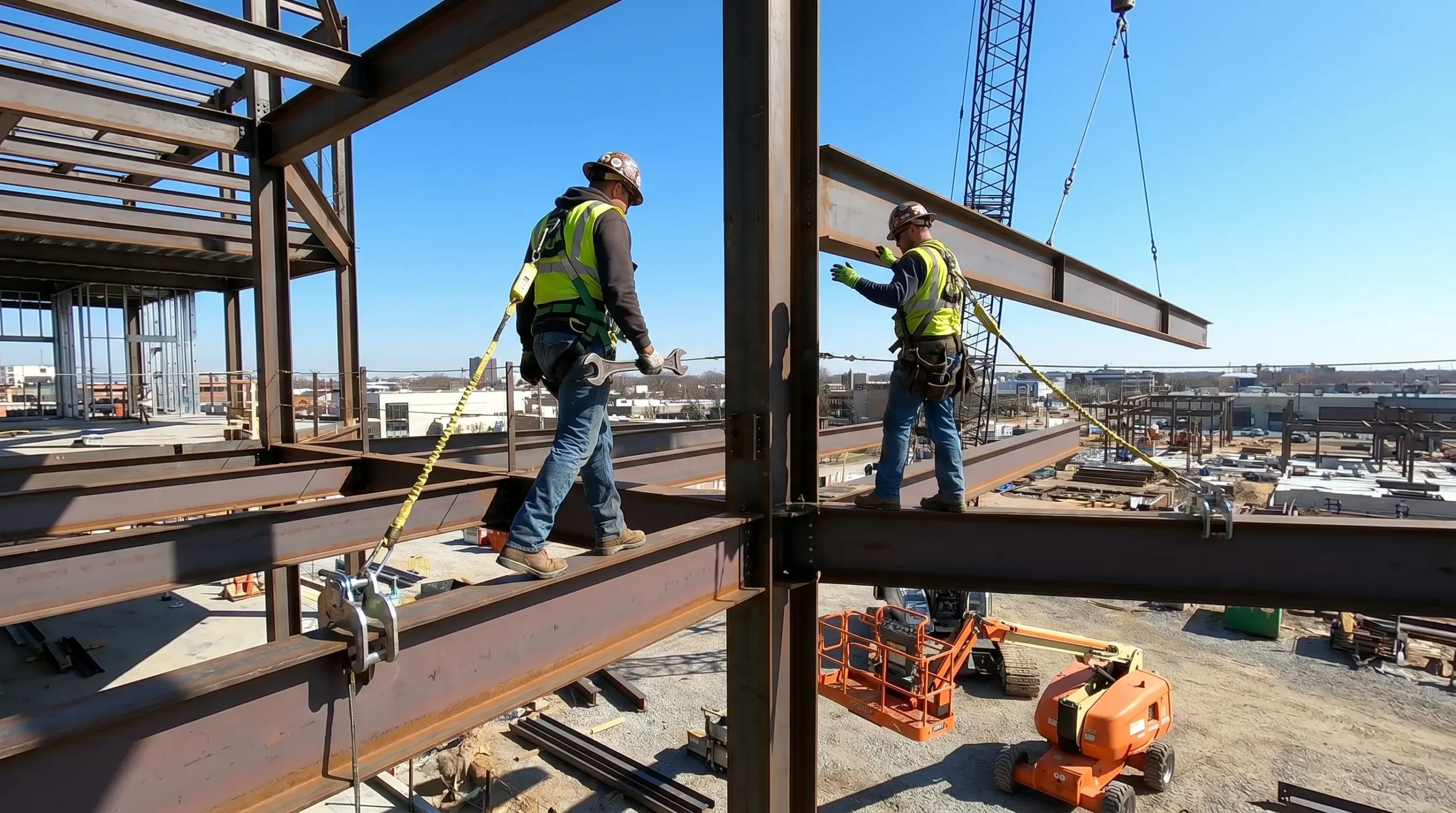
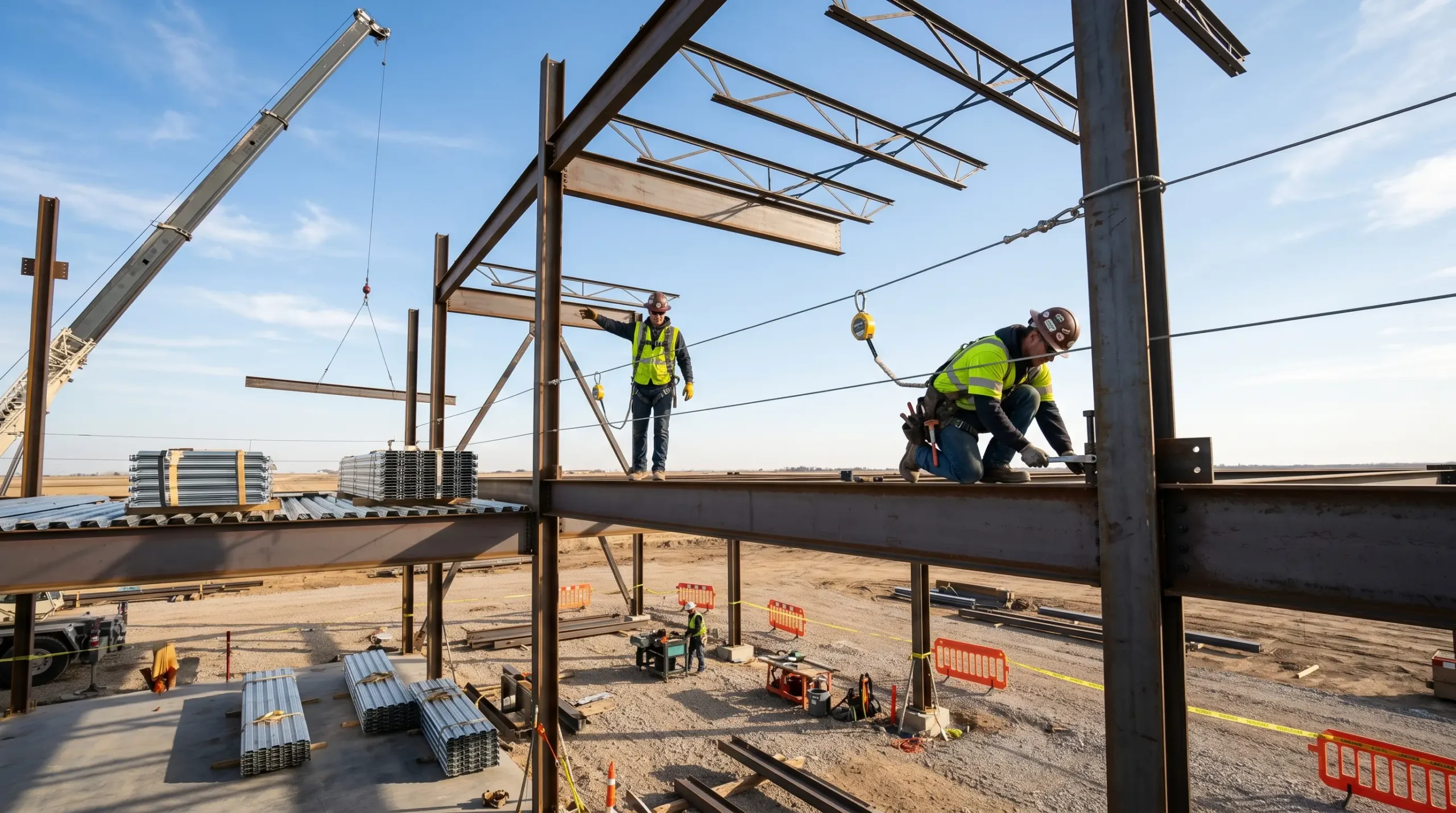
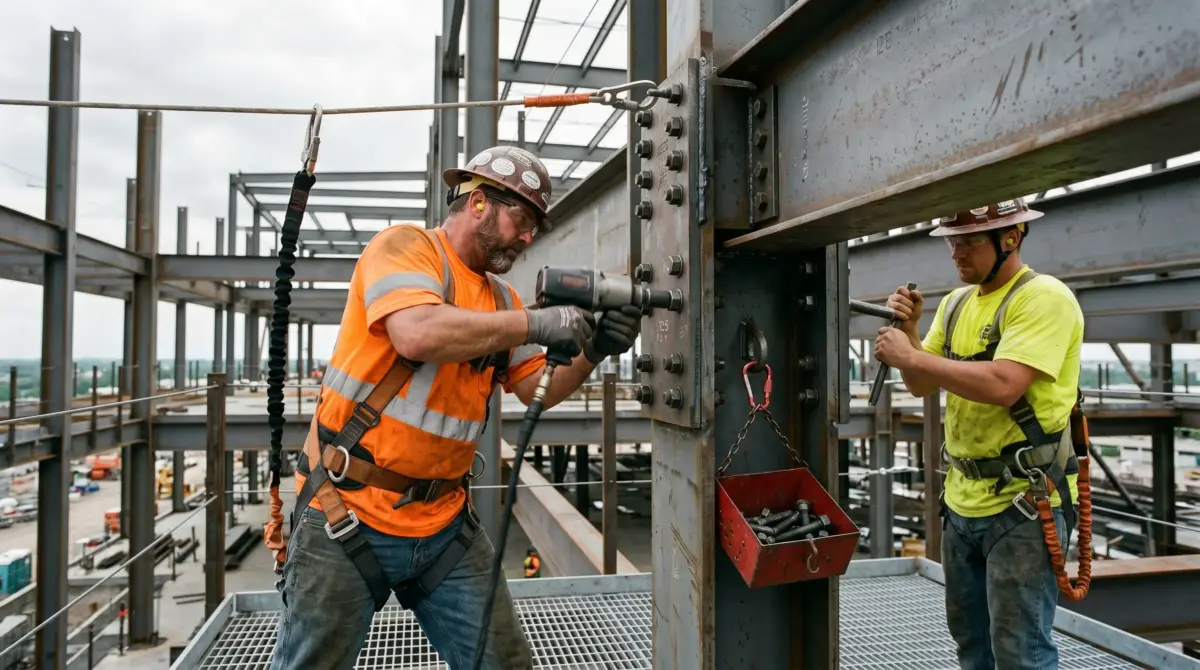
Two construction workers wearing hard hats and safety vests secure yellow safety lines on a steel beam framework during high-rise building construction on a clear day.
Construction

Structural Steelwork Fall Prevention: Regulations, Equipment & Rescue

TL;DR — Structural Steelwork Fall Prevention Apply the hierarchy before selecting equipment — eliminate height work through ground-level pre-assembly, prevent falls with collective protection (guardrails, nets, decked floors), and only then move to personal fall arrest systems. Know your jurisdictional…

Badar Javed

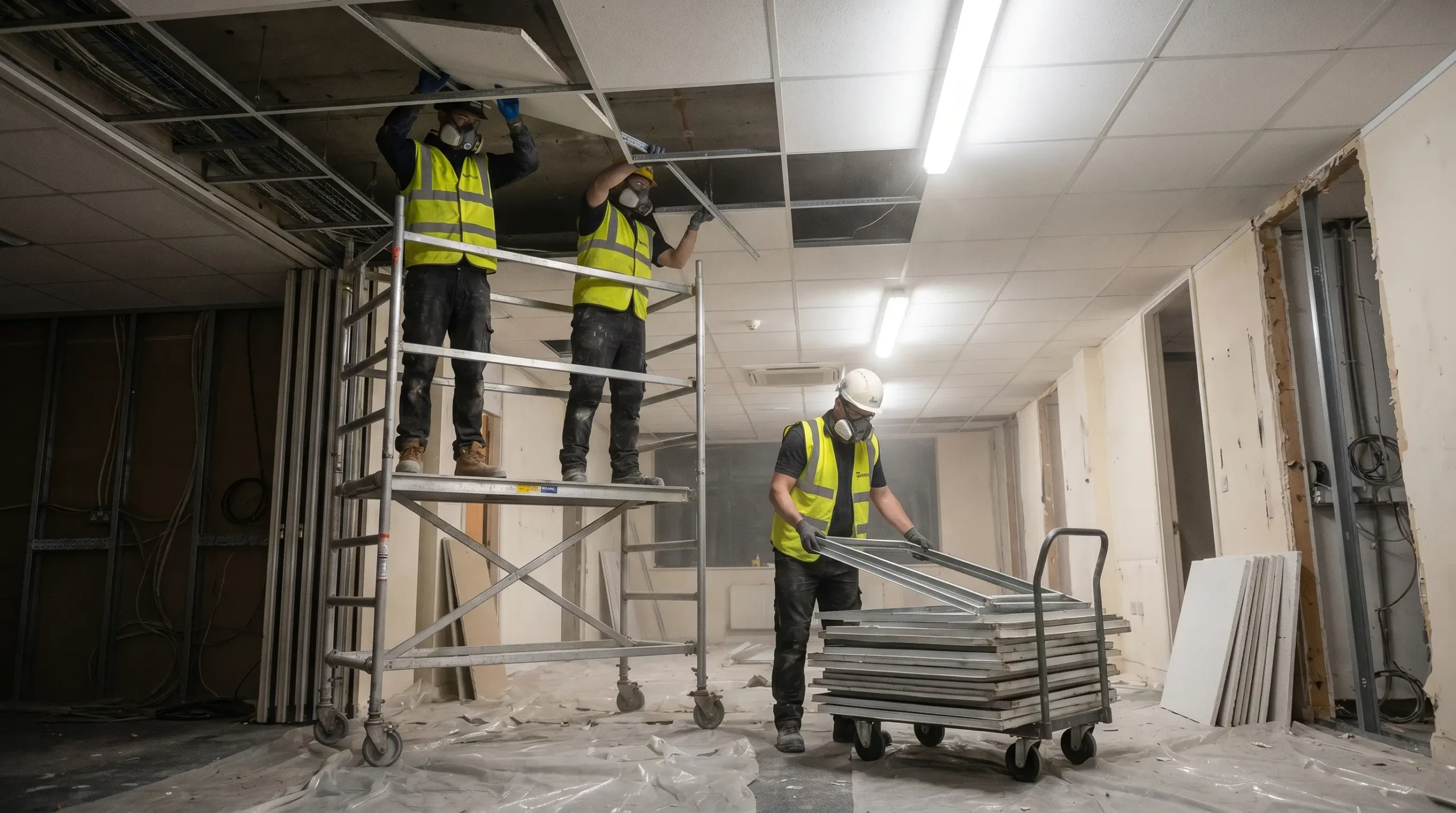
Three construction workers in safety vests and hard hats perform interior renovation work on a commercial building ceiling and walls, with metal scaffolding and building materials visible.
Safety At Work

Soft Strip Demolition: Process, Safety Measures & Regulations

TL;DR Complete hazardous-material surveys first — a Refurbishment and Demolition asbestos survey and an engineering survey by a competent person are separate legal obligations that must precede any physical work. Embed safety controls within each phase — dust suppression, RPE…

Waheed Riaz

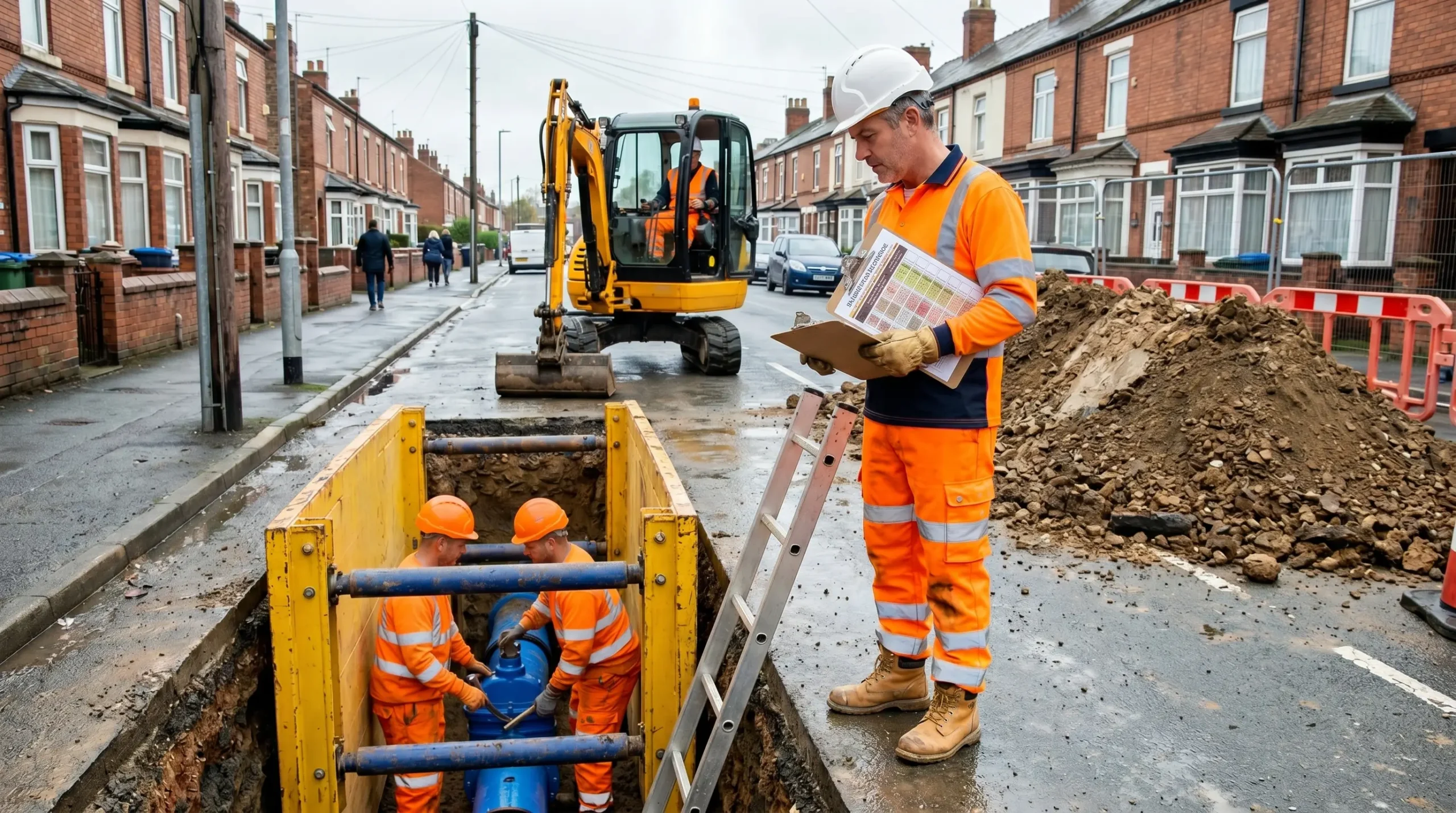
Construction workers in safety gear supervise underground utility work on a residential street, with an excavator and equipment visible in an active work zone.
Safety At Work

Structural Collapse Prevention: Key Safety Measures Guide

TL;DR Engineer redundancy into the structure. Buildings without alternate load paths fail disproportionately when one column or connection is lost — the progressive collapse mechanism the regulations target. Treat temporary works as load-bearing. Scaffolds, props, formwork, and shoring carry real…

Mohsin Nawaz

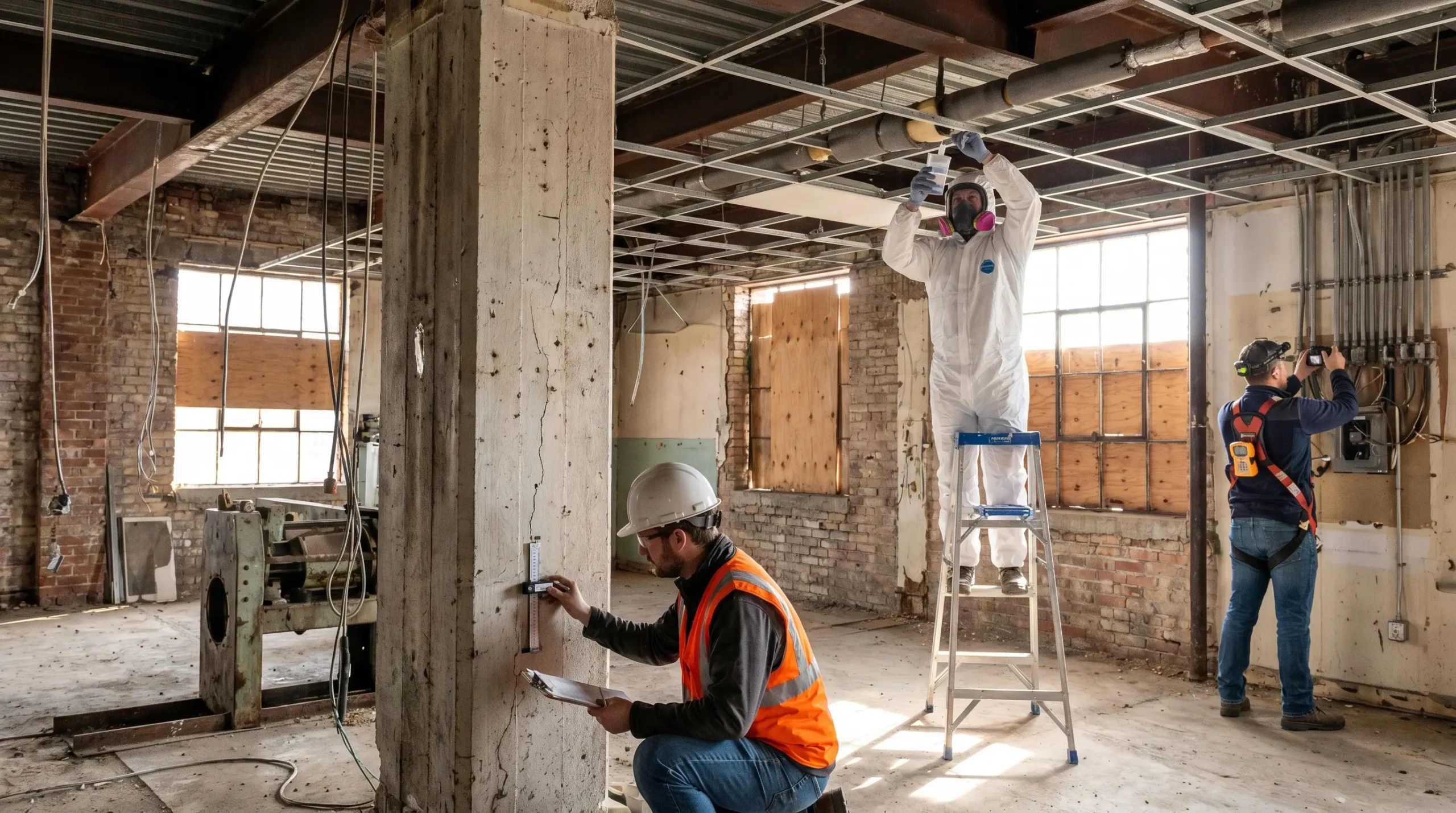
Construction workers in safety gear document environmental conditions during building renovation, with one worker on ladder taking measurements while others record data in an industrial space with exposed brick and concrete.
Safety At Work

Pre-Demolition Survey: Purpose, Key Elements & Legal Requirements

TL;DR Written engineering survey is mandatory — OSHA 29 CFR 1926.850(a) requires documented evidence before any demolition; verbal walkthroughs do not satisfy this obligation. The survey is multi-disciplinary, not just asbestos — structural integrity, hazardous materials, utility services, ecological factors,…

Shoaib Ch

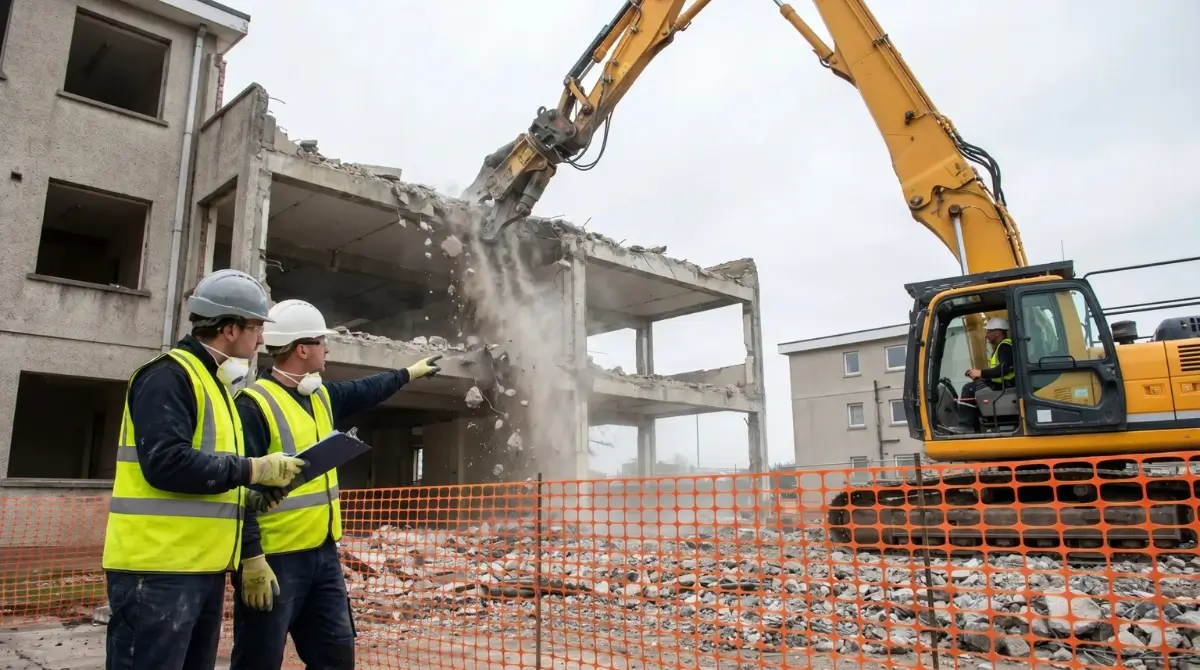
Two construction workers in hard hats and safety vests observe an excavator with hydraulic breaker demolishing a concrete building structure, with dust and debris visible behind orange safety fencing.
Safety At Work

Mechanical vs Manual Demolition: Risk Comparison Guide

Mechanical demolition and manual demolition carry fundamentally different risk profiles rather than one being universally safer. Mechanical methods present higher risks from uncontrolled progressive collapse and struck-by debris across wider zones, while manual methods create greater worker exposure to falls…

Badar Javed

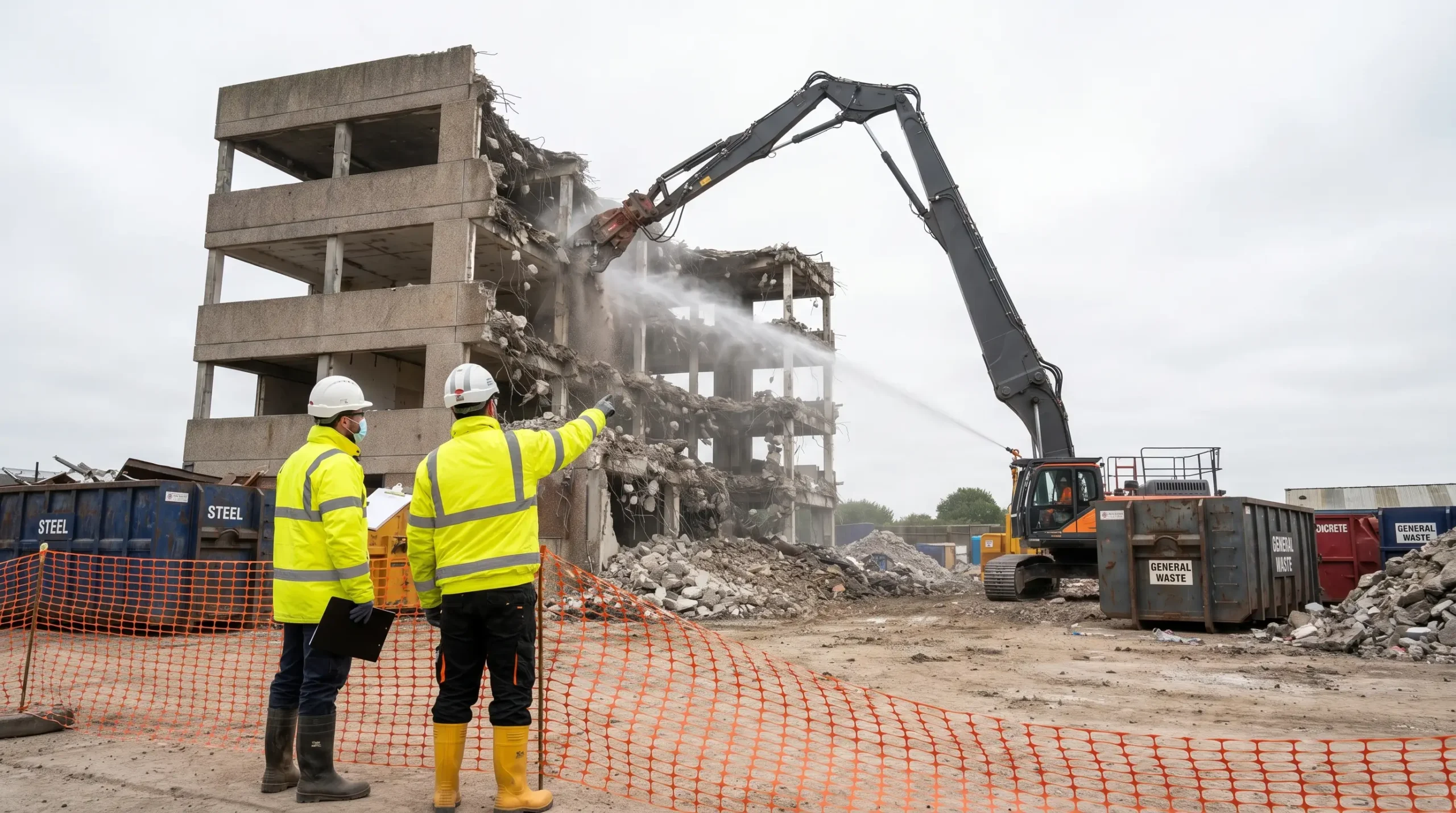
Two construction workers in high-visibility safety gear observe a hydraulic excavator demolishing a multi-story concrete building on a controlled job site with waste containment barriers.
Safety At Work

Demolition Method Statement: What It Must Include | HSE Guide

TL;DR Written before any demolition begins — CDM 2015 Regulation 20 (UK) singles out demolition as the only construction activity requiring written arrangements before work starts. Site-specific, never a swapped-in template — the document must address the actual structure, actual…

Badar Javed

Modern office workspace with six professionals collaborating, featuring white desks, ergonomic chairs, glass partitions, large whiteboard with diagrams, natural light from windows, and potted plants throughout the bright, open-plan environment.
Mental Health

Mental Health Risk Assessment: How to Conduct One | HSE Guide

TL;DR Identify psychosocial hazards through data, not assumption — use sickness absence patterns, survey instruments like the HSE Indicator Tool, and structured conversations to uncover work-design problems causing harm. Assess exposure at the right level — organisation-wide surveys reveal systemic…

Mughees Ali

A woman sits at a desk in a modern open office, looking thoughtfully at her computer monitor while colleagues work at nearby stations in a bright, windowed workspace.
Safety At Work

10 Signs of Poor Mental Health in the Workplace | HSE Guide

TL;DR Look for change, not labels. The critical indicator is deviation from an individual's established behavioural baseline — not matching symptoms to a diagnosis. Quiet withdrawal gets missed most often. Dramatic outbursts attract attention; the colleague who silently stops engaging…

Syed Mubashir

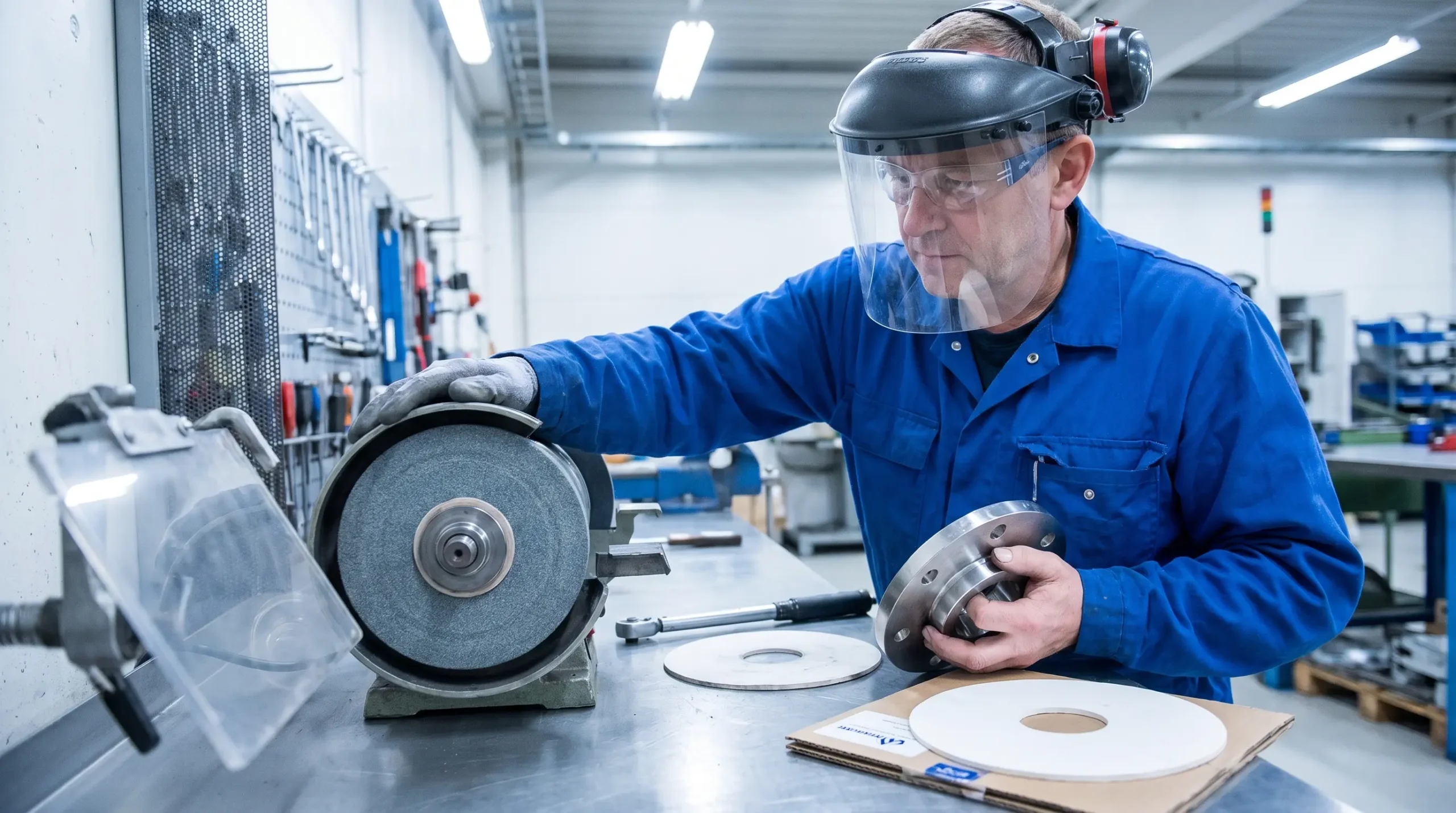
Skilled technician in blue work uniform wearing protective headgear and face shield operates a grinding wheel at an industrial workbench in a well-lit factory setting.
Safety At Work

Abrasive Wheel Mounting and Inspection Procedure: Full Guide

TL;DR Inspect every wheel before mounting. Visual check for cracks, chips, and moisture damage; ring test for vitrified bonded wheels per OSHA 1910.215(d)(1) (US). Verify RPM compatibility before energising. The wheel's maximum rated speed must equal or exceed the machine's…

Shoaib Ch

Two industrial workers in safety gear inspect corroded pipes inside a large manufacturing facility with metal structures and equipment visible in the background.
Risk Assessment

Hazard Identification & Risk Assessment (HIRA) Guide

TL;DR: HIRA is a structured process that identifies workplace hazards and evaluates their risk before someone gets hurt — not after. Every incident I've investigated traced back to a hazard that was either missed or underestimated during the HIRA process.…

Badar Javed

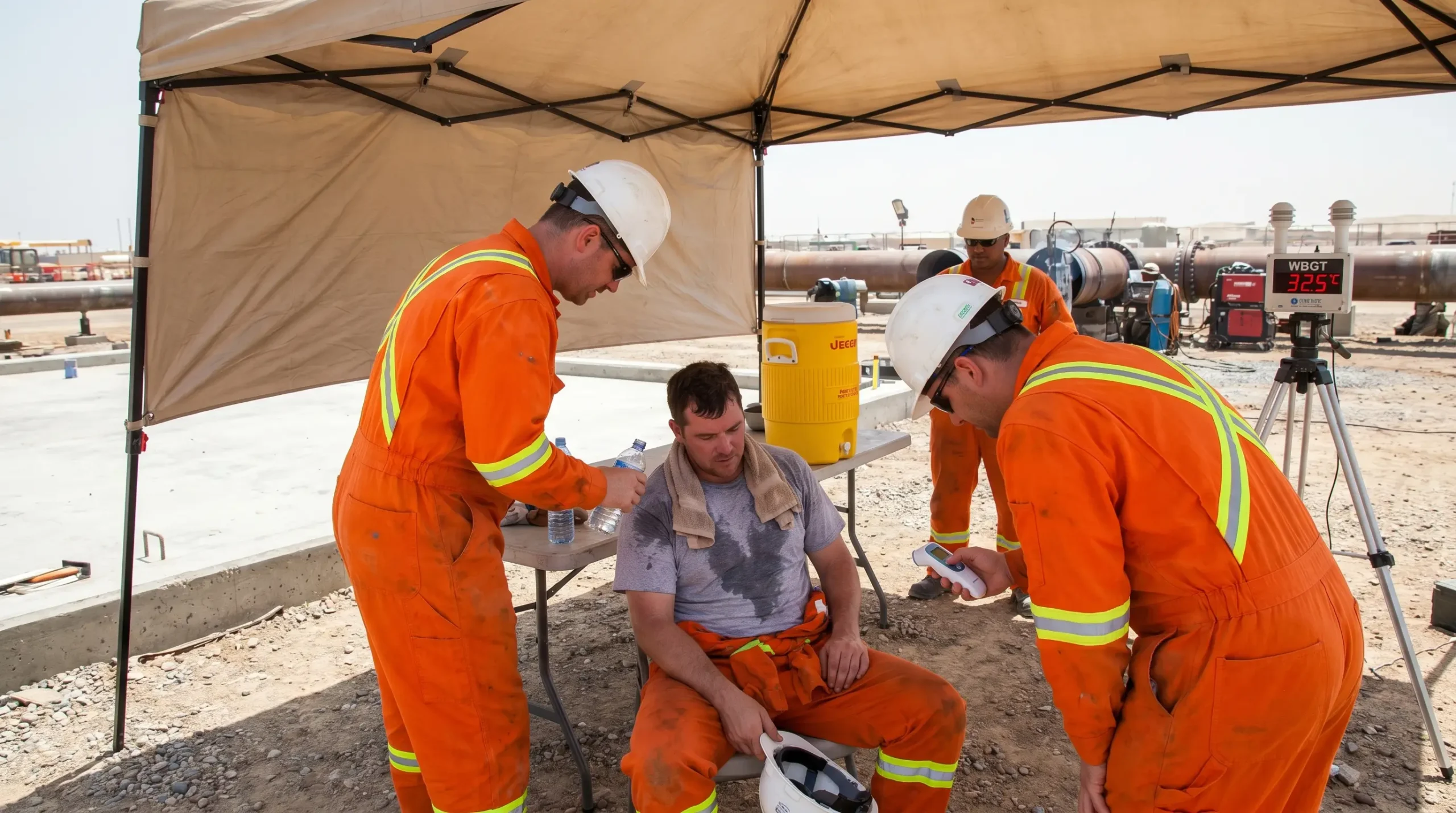
Construction workers in orange safety gear and hard hats gather under a tan canopy on a job site, reviewing documents and equipment with industrial piping and machinery visible in the background.
Construction

Heat Exhaustion: Symptoms, Causes & Field Response Guide

TL;DR Heat exhaustion is your body's distress signal — it means your cooling system is failing and heatstroke is minutes away. Core body temperature between 38°C and 40°C triggers heavy sweating, nausea, dizziness, and muscle cramps. Dehydration, poor acclimatization, and…

Raja Usman

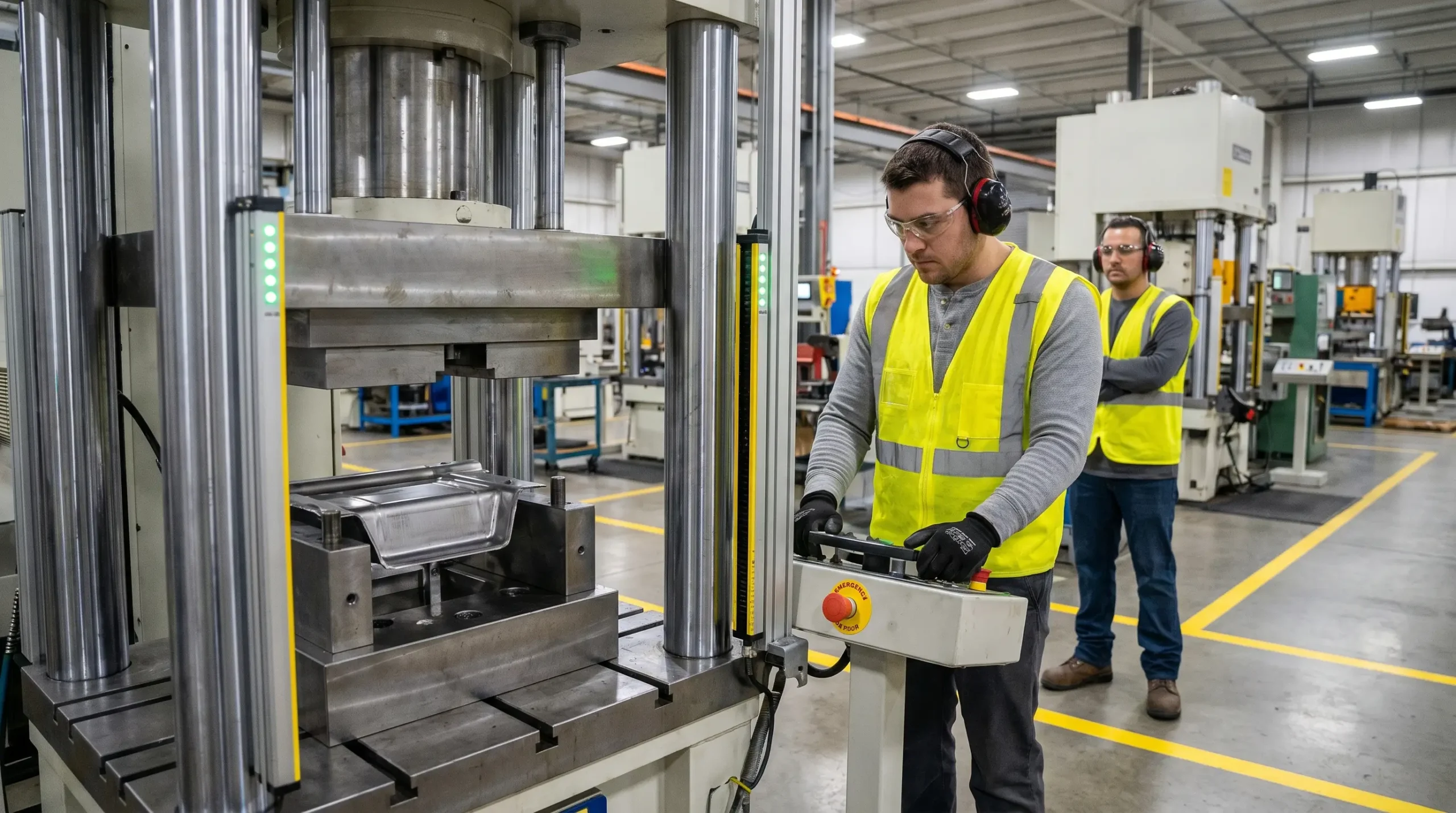
Factory worker in safety gear operating an industrial hydraulic press machine while a colleague observes in a manufacturing facility.
Machine

Hydraulic Press Safety: Procedures and Controls (US/UK/EU)

TL;DR If your hydraulic press operates in the US, then OSHA 29 CFR 1910.212 — not 1910.217 — governs guarding, alongside 1910.147 for lockout/tagout, with ANSI B11.2-2013 (R2020) as the consensus standard. If a worker enters a press to clear…

Waheed Riaz

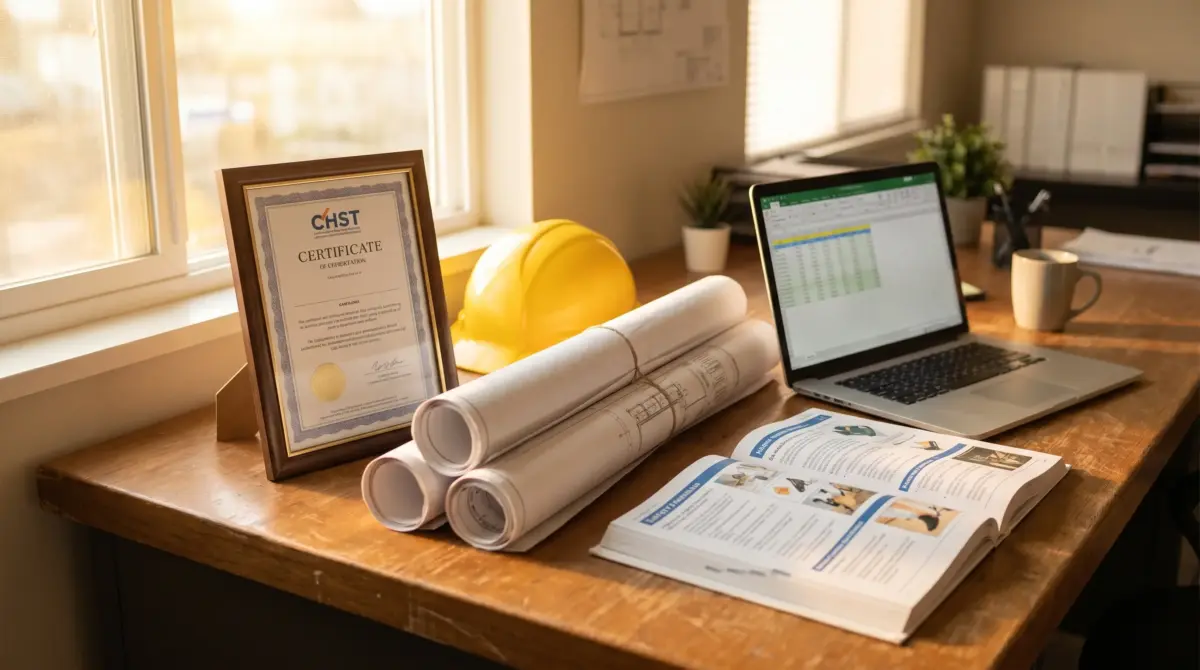
Professional architect's desk with CHAST Certificate of Completion, yellow hard hat, rolled blueprints, open specifications document, laptop displaying spreadsheet, and office supplies in bright natural light from windows.
Safety At Work

CHST Certification: Eligibility, Exam Guide & Career Benefits

TL;DR CHST certification validates construction-specific safety competency through the Board of Certified Safety Professionals (BCSP) No college degree required — three years of hands-on construction safety experience qualifies you to apply The exam covers four weighted domains with hazard identification…

Malik Imran

Prefer To Browse By Topic?

Every safety category is listed in the A–Z directory.